


2025年06月20日

カテゴリ: 都内近郊散策
That day, I took the Keikyu Line one stop from Shinagawa and decided to get off at Kita-Shinagawa to explore the area.
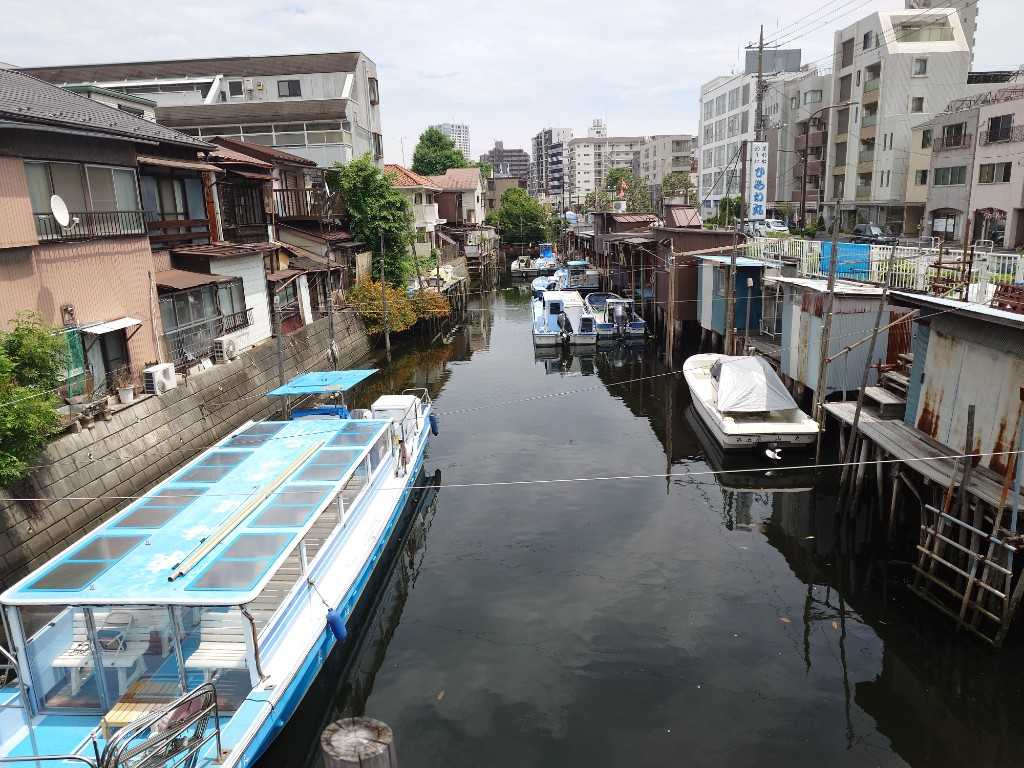
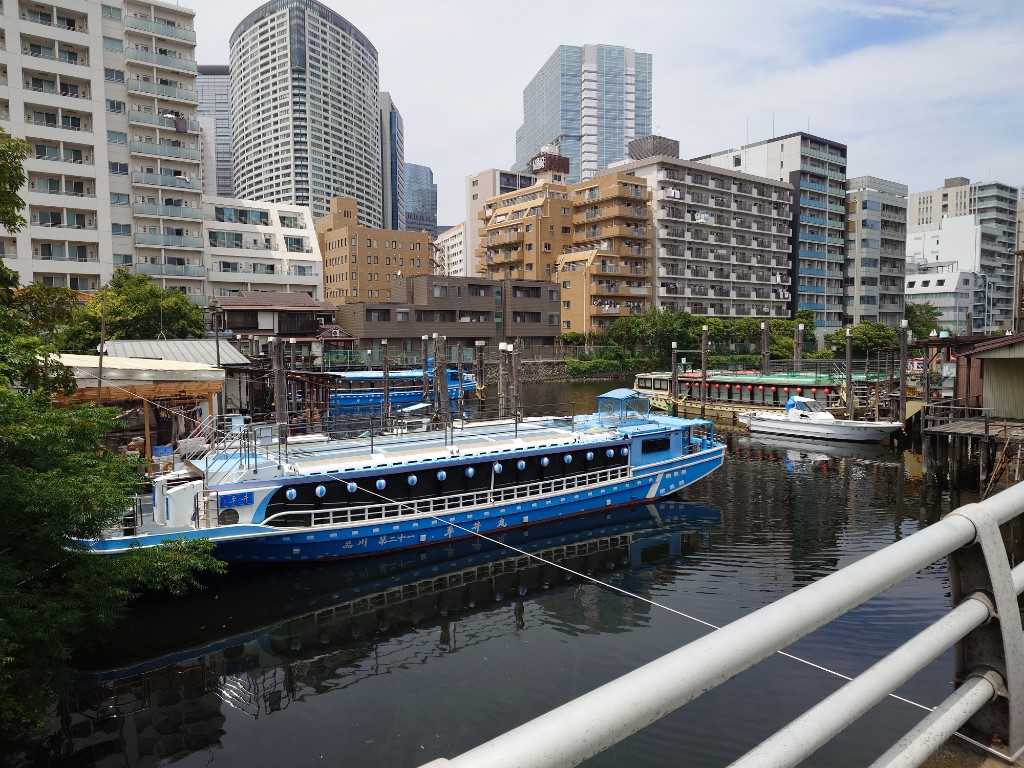
駅から少し歩くと、こんな景色が目に入る。品川浦船だまりというそうだ。
After a short walk from the station, this view comes into sight. It’s called the Shinagawaura boat basin.
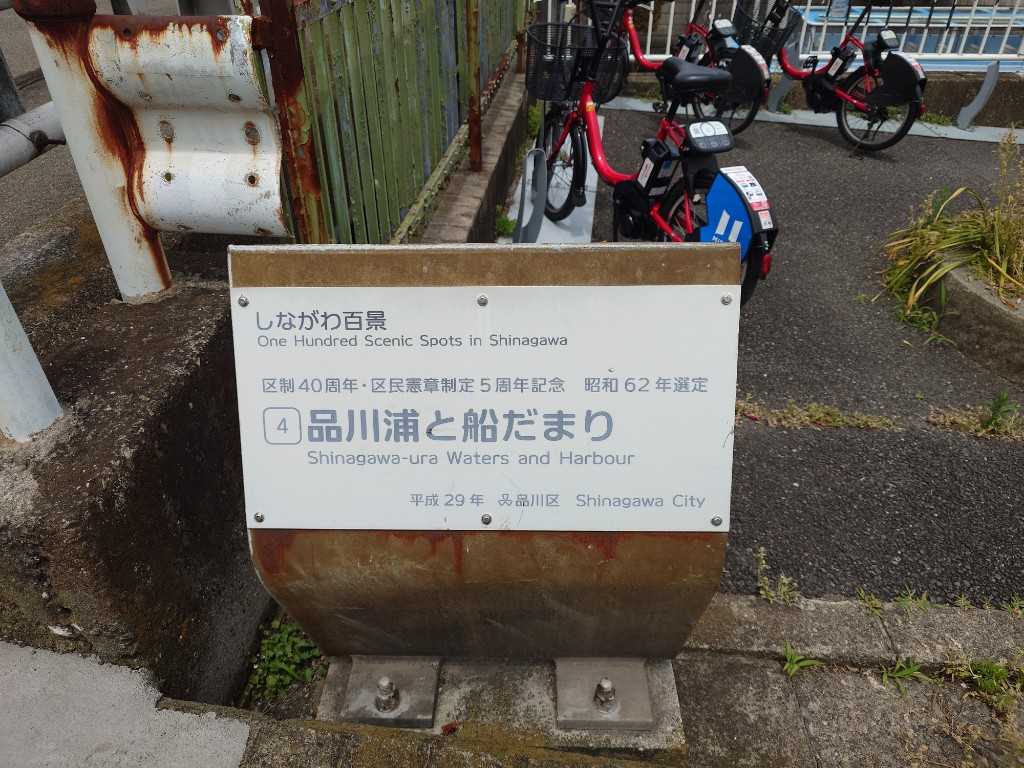
かつて品川浦は「御菜肴八ヶ浦」という、とれた魚を江戸城へ納める漁村の一つに決められていました。豊富な水揚げを誇り、海苔の主要な産地でしたが、東京港建設のため昭和37年(1962)に漁場権利を東京都に譲り渡し、翌年品川周辺の海苔養殖は幕を閉じました。
現在では、つり船や屋形船が舳先(へさき)を並べています。早朝や夕暮れ時は独特の風情があり、撮影や写生、吟行にもおすすめです。水辺と背景の品川の古い家並み、その向こうの品川駅周辺の再開発のビル群との対比は東京を象徴する風景です。水路にかかる石造りの北品川橋は大正期末のもの。
Shinagawaura was once designated as one of the "Gosaisakana Yakkahama," fishing villages tasked with supplying fresh seafood to Edo Castle.
It was known for its abundant catch and was also a major production area for nori (seaweed).
However, in 1962, the fishing rights were transferred to the Tokyo Metropolitan Government to make way for the construction of Tokyo Port, and seaweed farming in the Shinagawa area came to an end the following year.
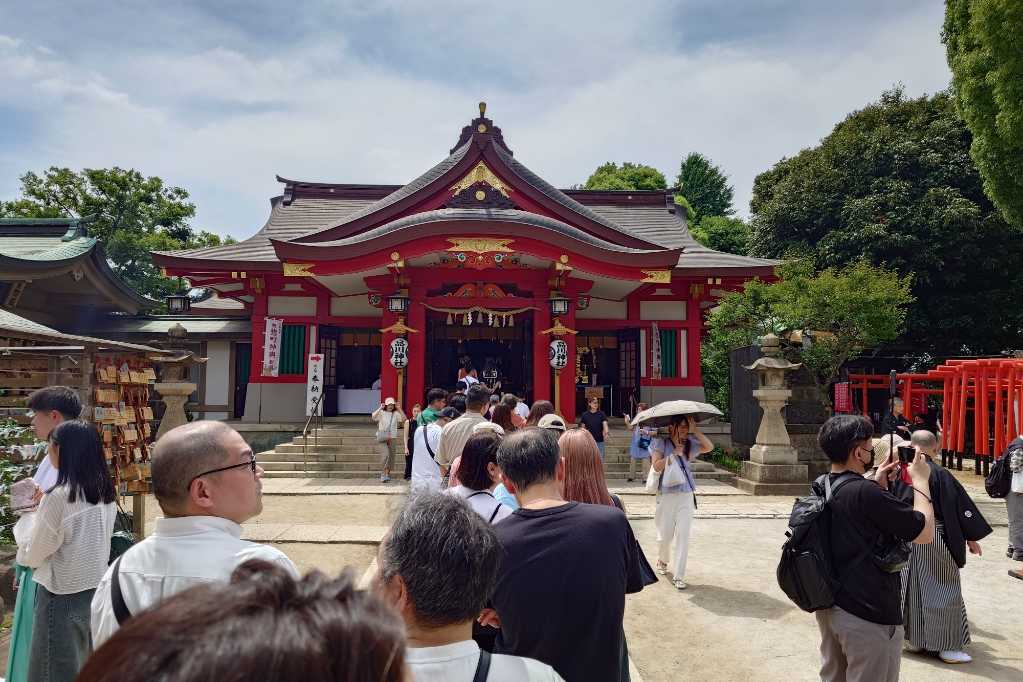
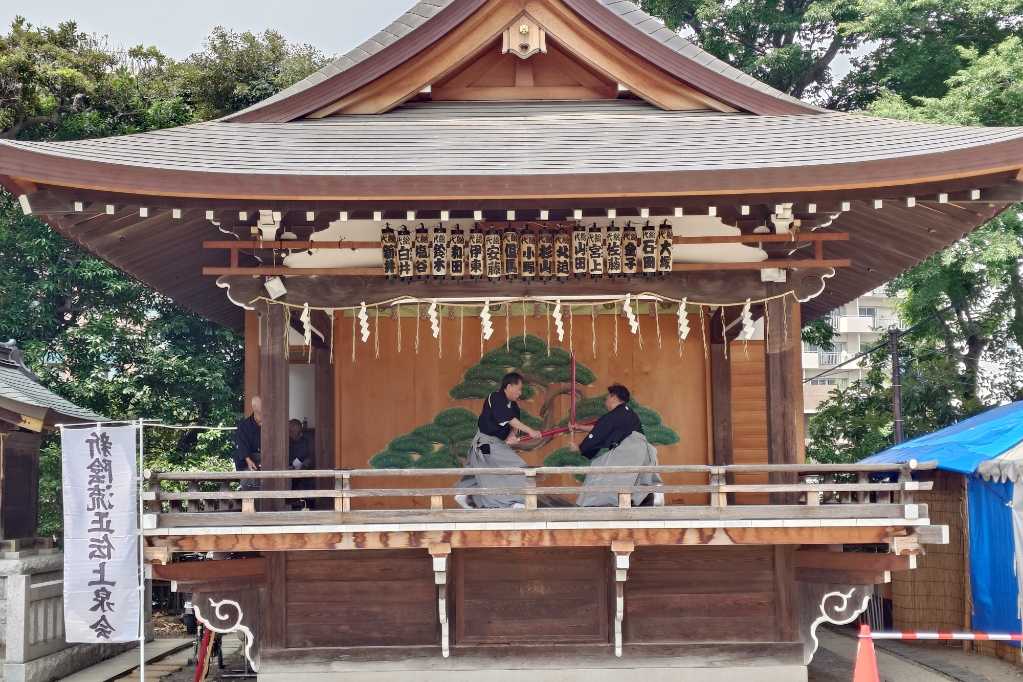
品川神社(しながわじんじゃ)は、東京都品川区北品川三丁目にある神社。元准勅祭社として東京十社のひとつでもある。 また東海七福神の一社として、大黒天を祀る。
Shinagawa Shrine is a Shinto shrine located in 3-chome, Kitashinagawa.
It is one of the Ten Shrines of Tokyo, having formerly been a quasi-imperial shrine (jun-chokusai-sha).It is also one of the Seven Lucky Gods of the Tōkai Route, and enshrines Daikokuten, the god of wealth.
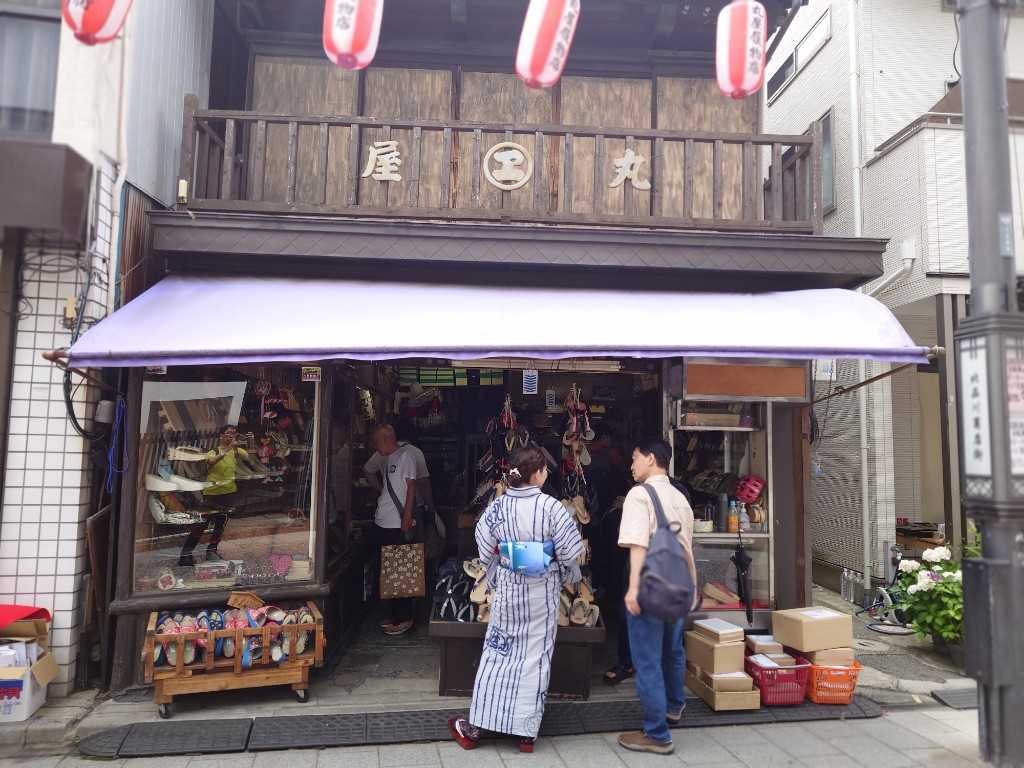
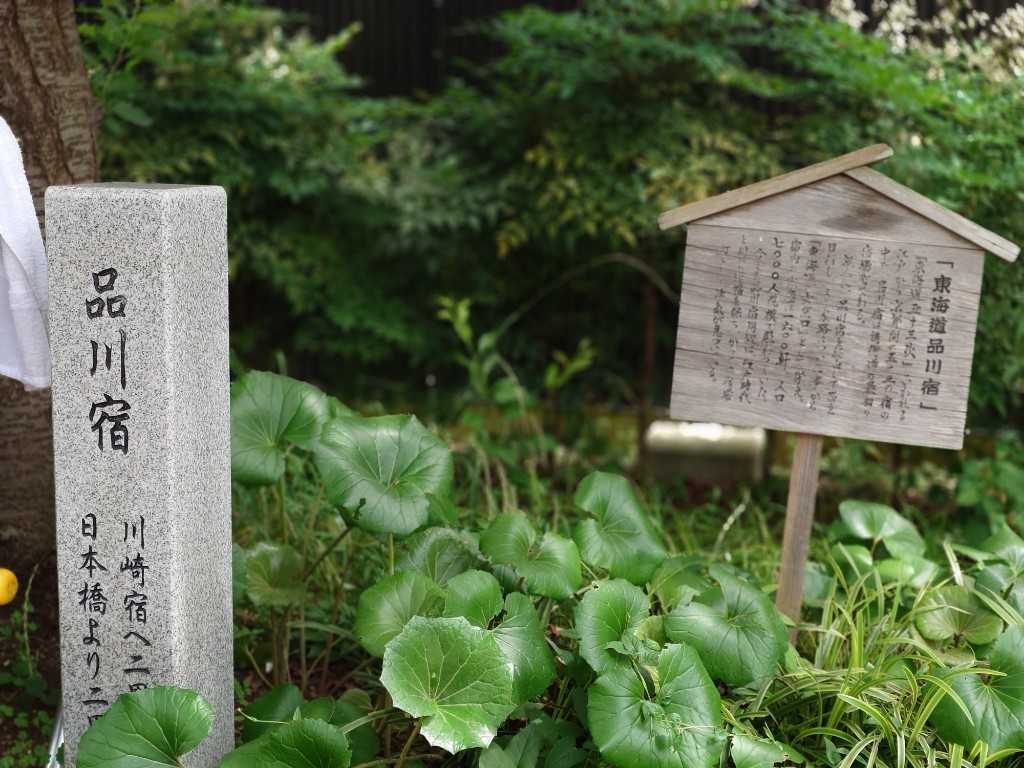
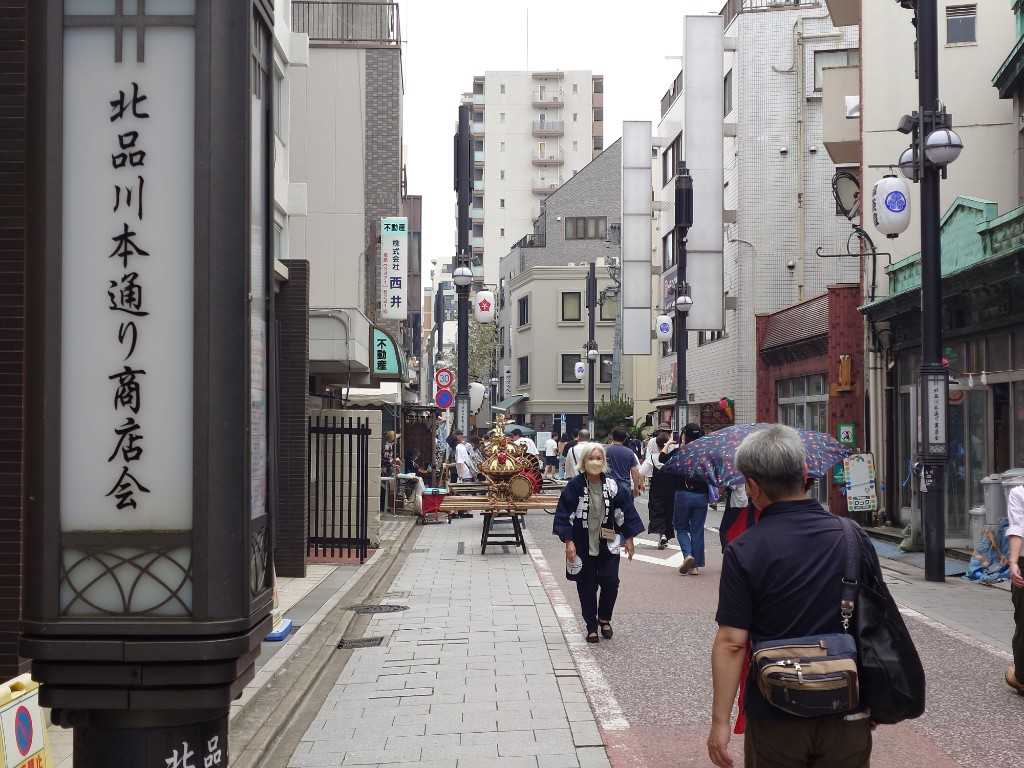
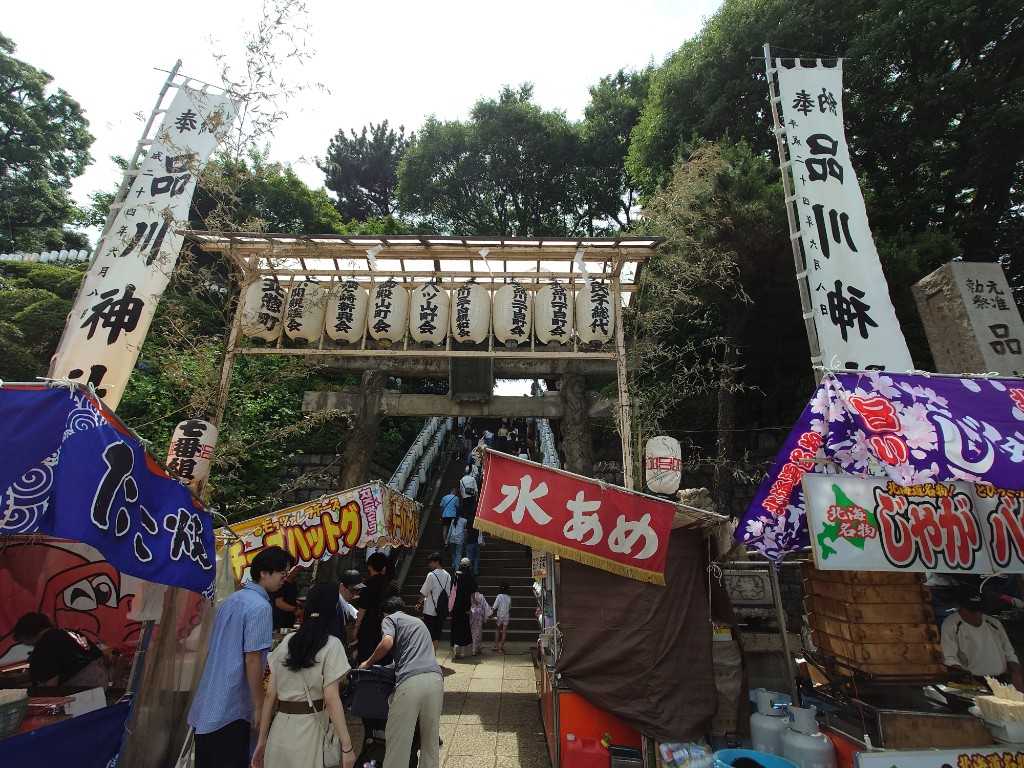
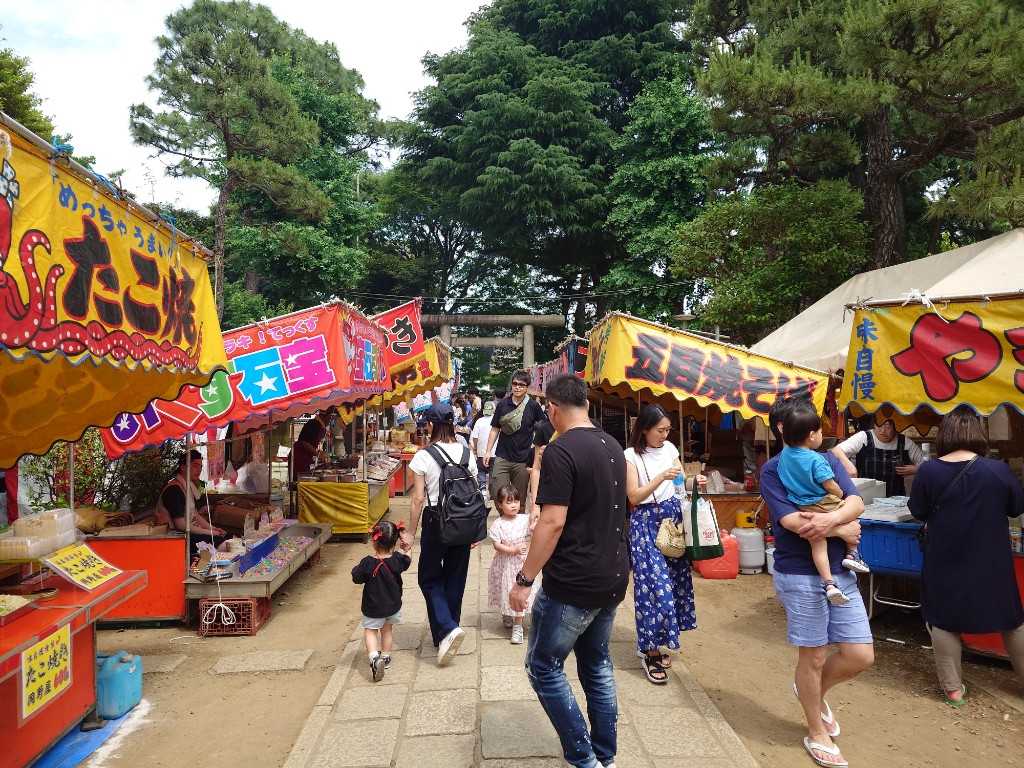
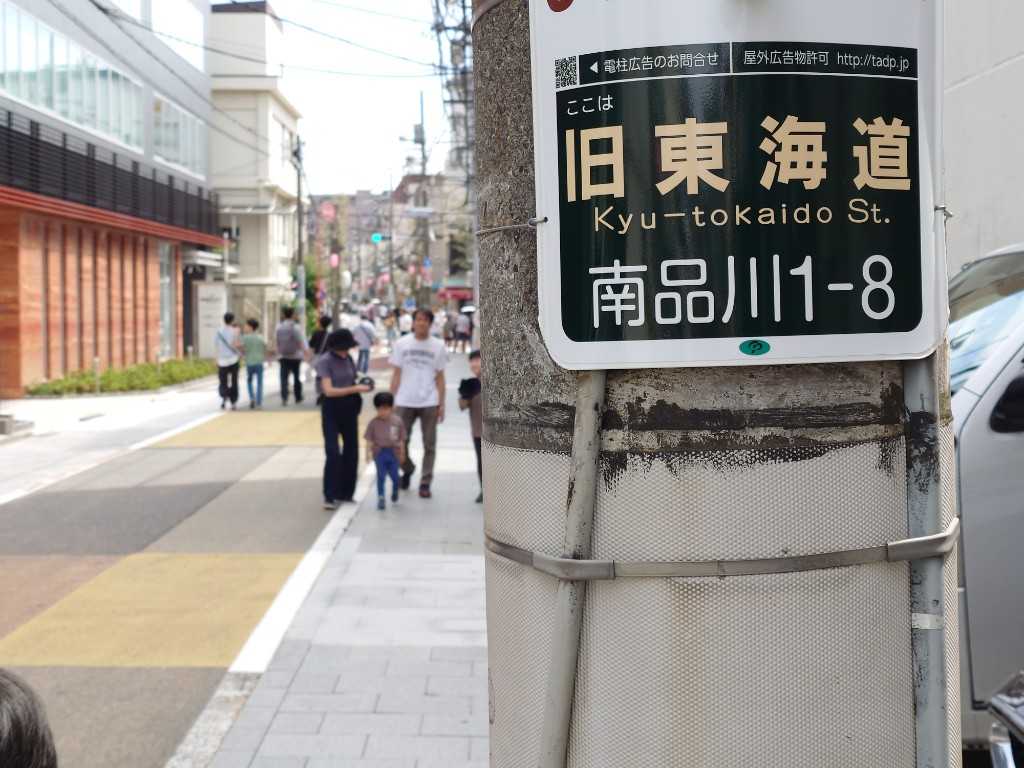
そこから旧東海道を少し歩くと、品川宿跡の石碑があった。この界隈、ふだんはのどかな商店街らしいのだが、この日は結構な人出でにぎわっていた。というのも、「品川神社」の祭礼の日だったのだ。知らずに訪れたので少し驚いた。
A short walk along the old Tōkaidō from there brought me to a stone monument marking the site of the former Shinagawa-juku post town.This area is usually a quiet shopping street, but on this day it was bustling with people.As it turned out, it was the day of the festival at Shinagawa Shrine.I hadn't known about it beforehand, so I was quite surprised.
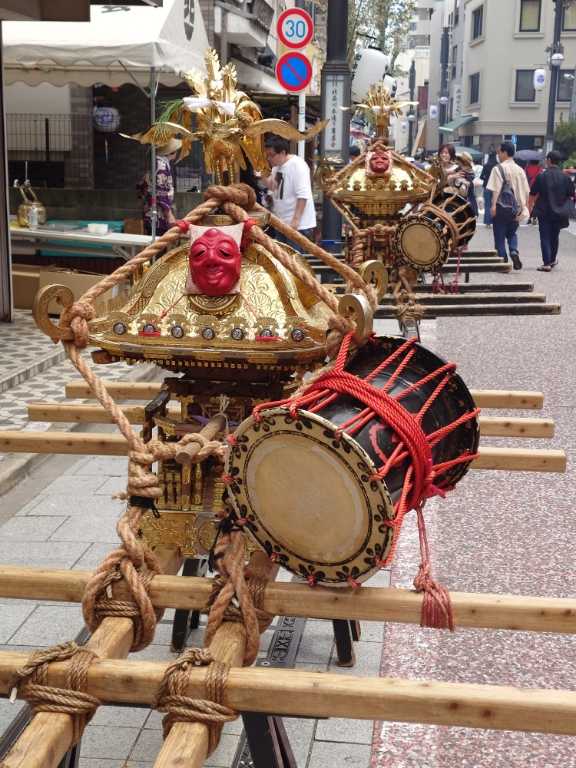
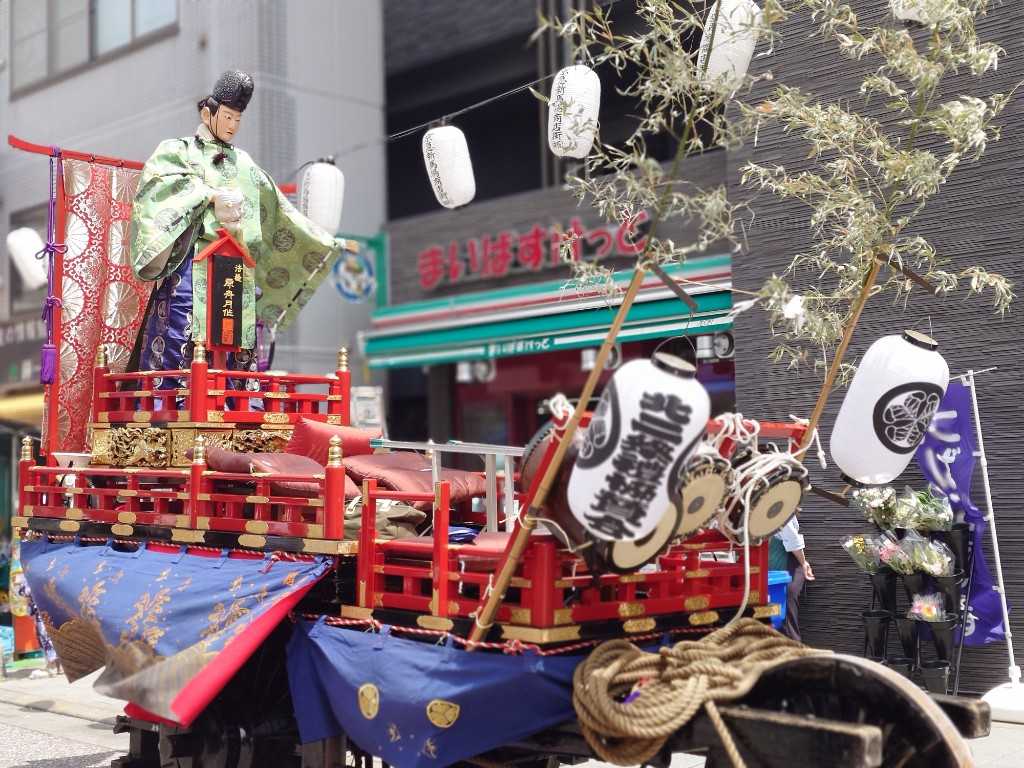
慶長5年(1600)、徳川家康公が関ヶ原の戦いに出陣の際に戦勝を祈願され、合戦の後、勝利の御礼としてこの面を奉納された。もとは舞楽の演目の「二の舞」に用いられる面で、室町時代中期に作られたとみられる。江戸時代中頃の疫病が流行したある年のこと、「この面を神興に付け町々を廻れば苦しみから救うぞ」との神様のお告げがあり、以来、6月の例大祭ではこの面をお神輿につけて渡御し、無病息災・幸福招来が祈願される。
There was something curious about the masks attached to the mikoshi and festival floats—so I looked into it.
It turns out that:
In 1600 (Keichō 5), Tokugawa Ieyasu prayed for victory at this shrine before departing for the Battle of Sekigahara. After his victory, he offered this mask as a token of gratitude.
The mask was originally used in a traditional court dance called "Ninomai" and is believed to have been made in the mid-Muromachi period.
During an epidemic in the mid-Edo period, a divine message was said to have proclaimed: “Attach this mask to the mikoshi and carry it through the streets, and it will relieve people of their suffering.”
Since then, during the grand festival held in June, the mask is placed on the mikoshi and paraded around to pray for health and happiness.
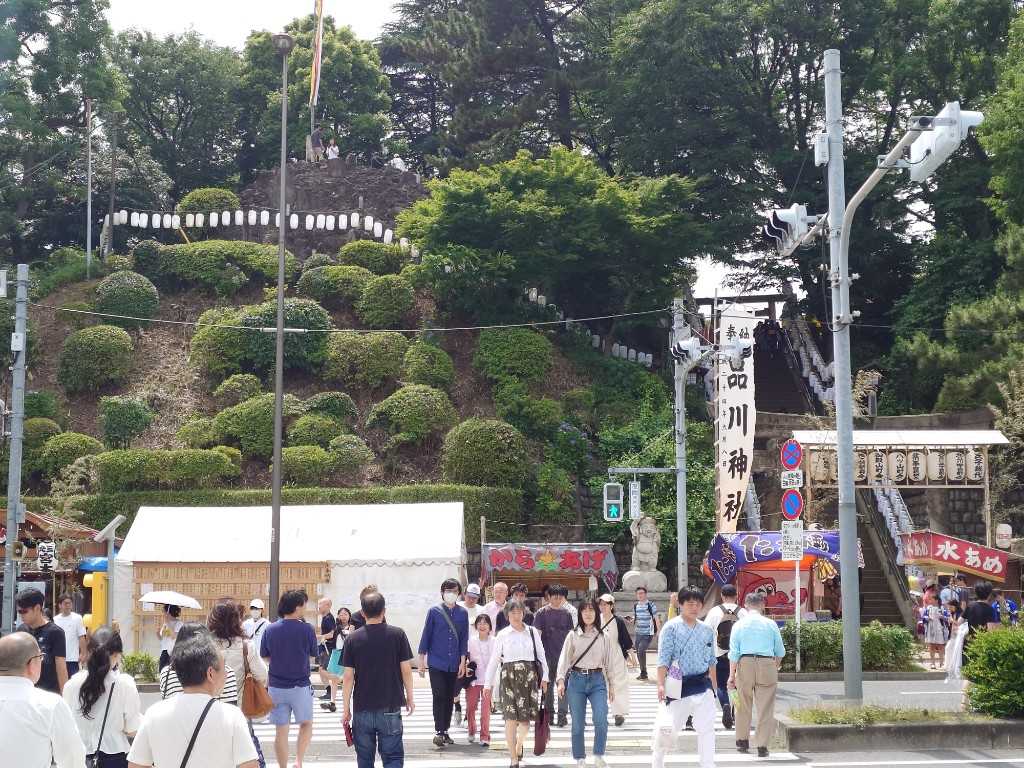
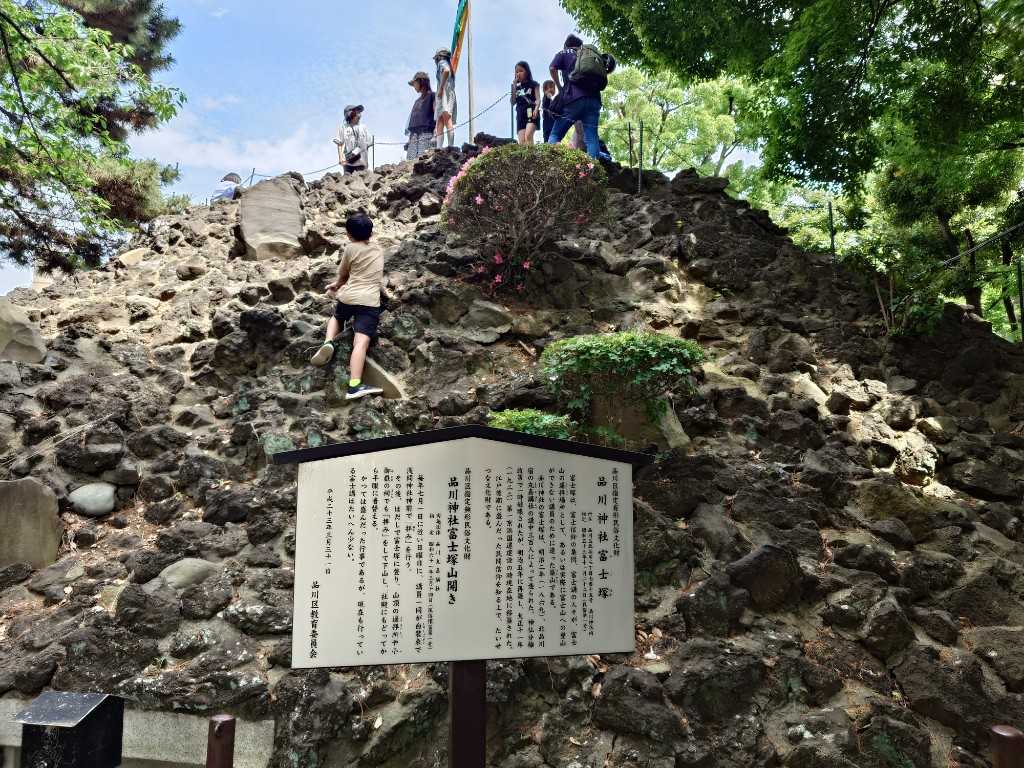
品川富士は、都内最大の高さ約15mの富士塚だそうだ。
Shinagawa Fuji is said to be the tallest “Fujizuka” in Tokyo, standing about 15 meters high.
品川神社からかなり歩いても、相変わらず街中は賑わっているなぁと思ったら…。
ven after walking quite a distance from Shinagawa Shrine, I noticed the city was still bustling with people..
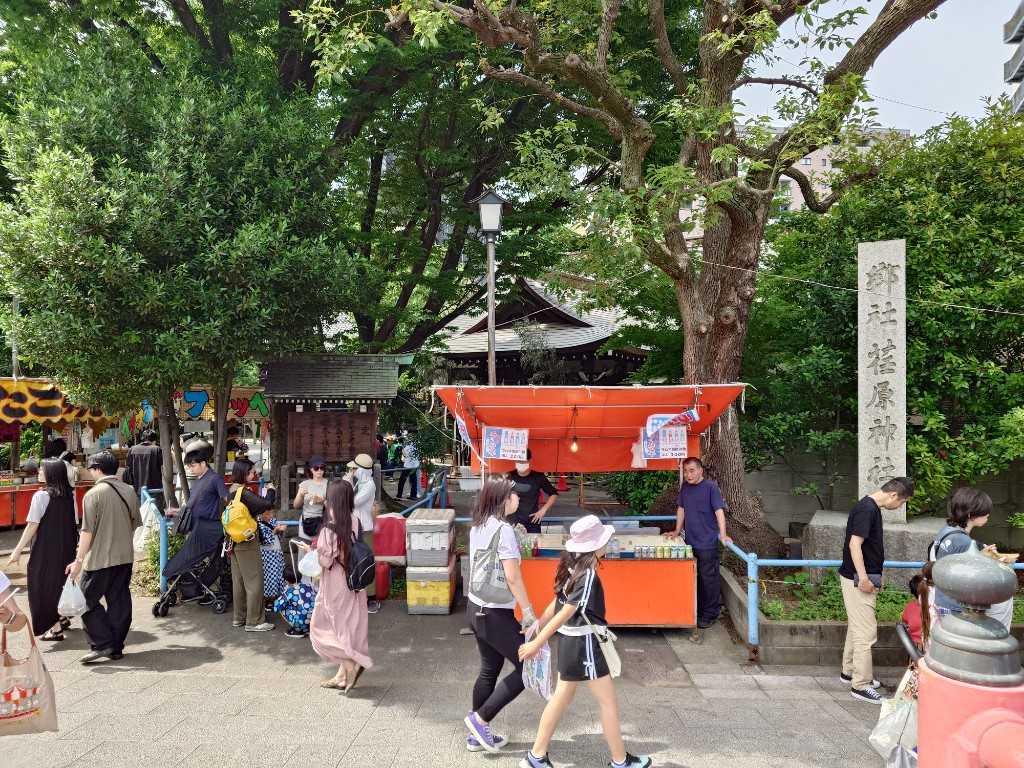
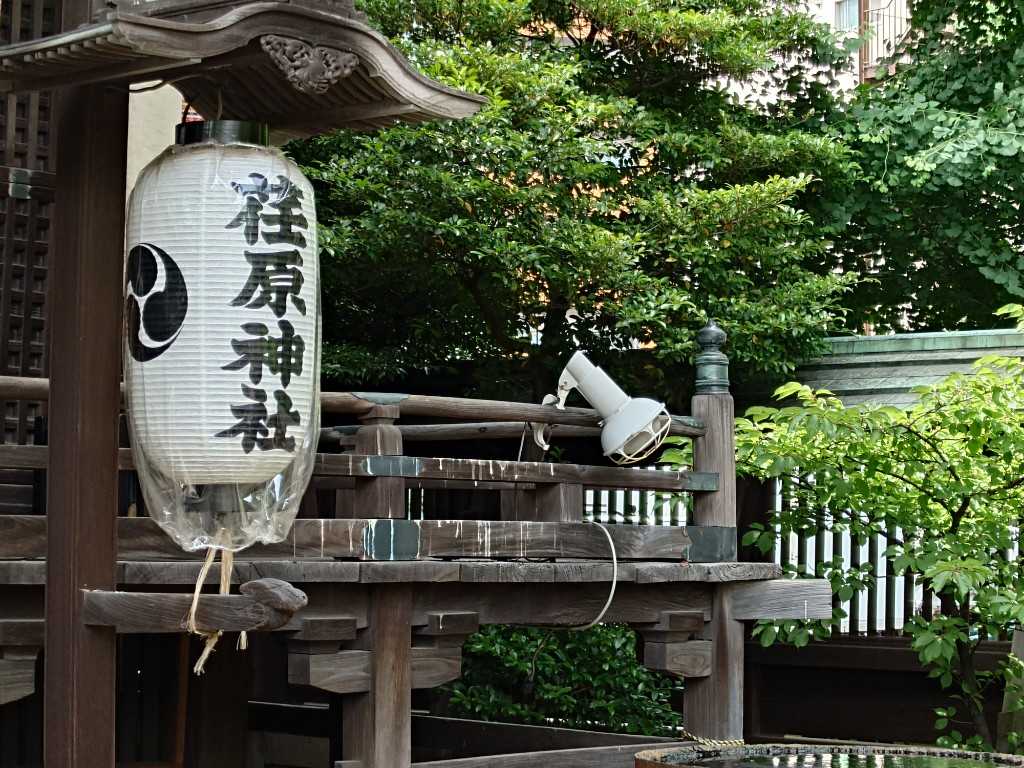
こちら荏原神社の例大祭「天王祭」もこの日の開催だった。
"That was also the day of Ebara Shrine’s annual Tenno Festival."
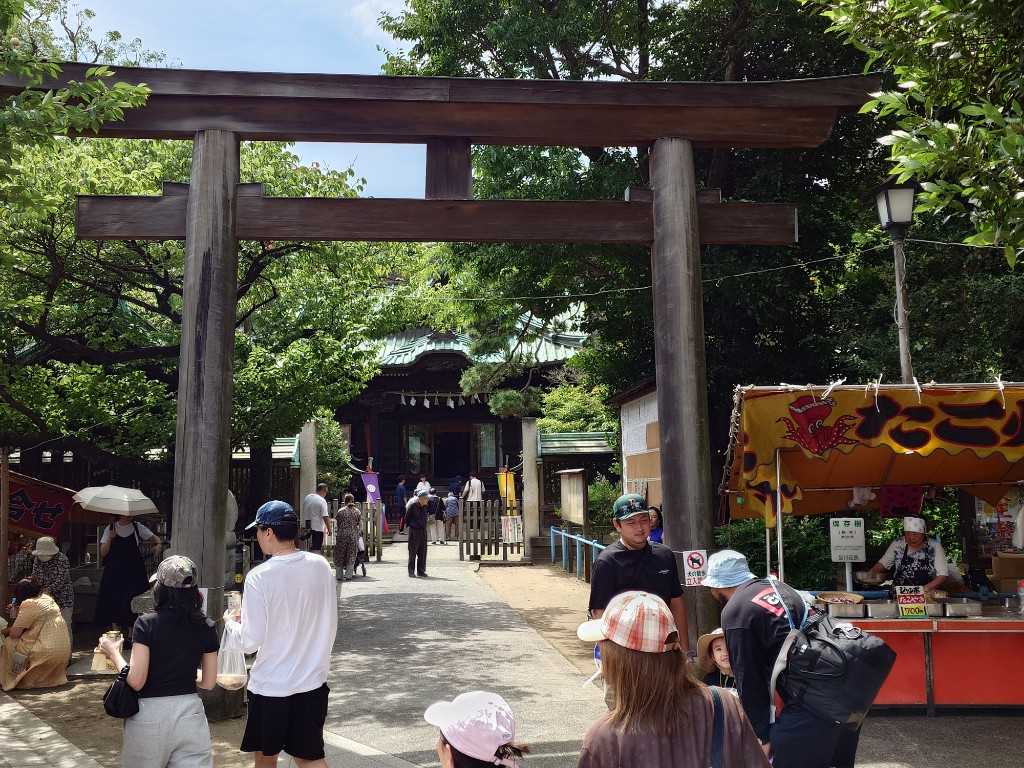
天王洲沖で神面をつけた神輿が海に入る「御神面海中渡御」が行われる。これは、宝暦元年6月、品川沖の海面から牛頭天王の面が発見されたことに因むものである。「天王洲」の地名はこのことによるものである。天王洲は現在は埋め立てにより陸地になっており、当社の氏子地域になっている。牛頭天王(須佐男之尊)が水神であることから、参加者をかっぱになぞらえ、「かっぱ祭」と俗称される。
A ritual called the "Goshinmen Kaichū Togyo" (Divine Mask Sea Procession) is held in the waters off Tennozu, where a mikoshi (portable shrine) adorned with a sacred mask is carried into the sea. This tradition originates from an event in June of Hōreki 1 (1751), when a mask of Gozu Tennō was discovered floating in the sea off Shinagawa. The name "Tennozu" (literally, "Isle of the Heavenly King") is derived from this incident. Today, Tennozu has been reclaimed and is part of the shrine’s parish area. Because Gozu Tennō (also known as Susanoo-no-Mikoto) is a water deity, participants in the event are likened to kappa (mythical water creatures), and the festival is popularly known as the "Kappa Festival."
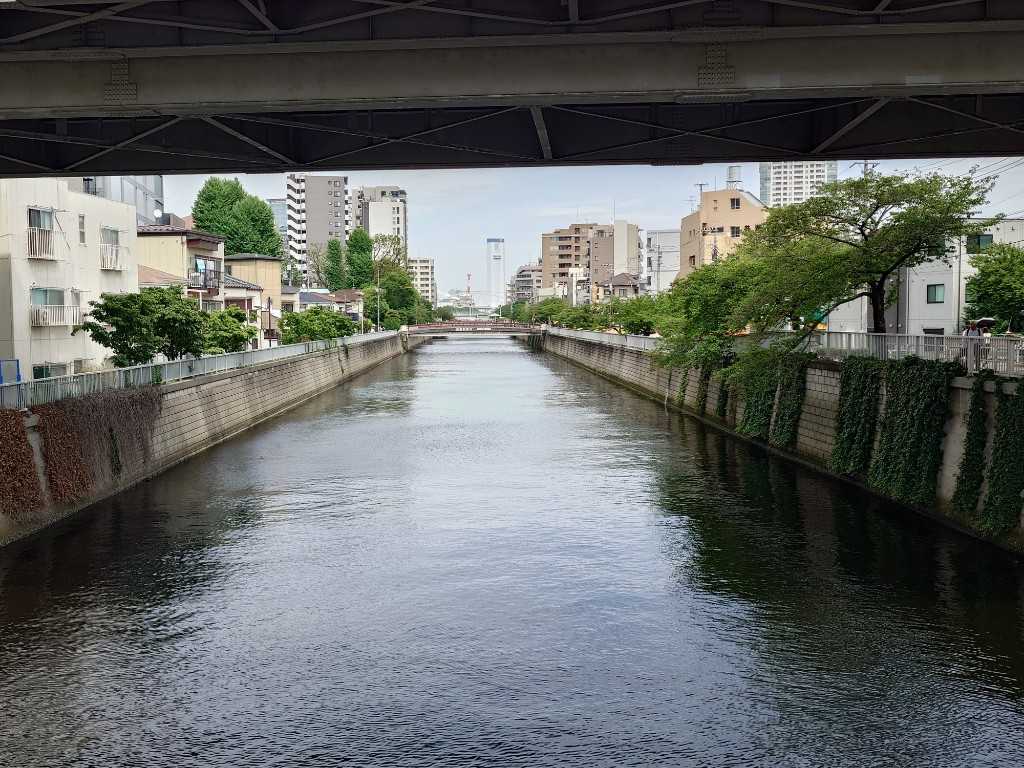
目黒川もこのあたりまで来ると流量が多い。
"Around here, the Meguro River has a noticeably stronger flow."
お気に入りの記事を「いいね!」で応援しよう

[都内近郊散策] カテゴリの最新記事
-
東京ぶらり散歩その41~太田黒公園の紅葉… 2025年12月02日
-
東京ぶらり散歩40~豪徳寺の紅葉 Tokyo S… 2025年11月28日
-
ぶらり東京散歩その39〜三宿神社と世田谷… 2025年11月26日


【毎日開催】
15記事にいいね!で1ポイント


PR
Comments
shuz1127
@ Re[1]:モーリス・ユトリロ展@SOMPO美術館~その1 Maurice Utrillo Exhibition at the SOMPO Museum — Part 1(11/10)
Henryさん おお、西山美術館に行かれたの…
Henry@ Re:モーリス・ユトリロ展@SOMPO美術館~その1 Maurice Utrillo Exhibition at the SOMPO Museum — Part 1(11/10)
西山美術館、メルカリで無料招待券をお安…
shuz1127
@ Re[1]:ほどよく均整の取れたベリーA~マスカットベリーA2023(白百合醸造) Well-Balanced Berry A – Muscat Bailey A 2023 (Shirayuri Winery)(10/10)
noir-funさんへ 熊本ワインファーム、例…
noir-fun
@ Re:ほどよく均整の取れたベリーA~マスカットベリーA2023(白百合醸造) Well-Balanced Berry A – Muscat Bailey A 2023 (Shirayuri Winery)(10/10)
機会があれば是非、熊本ワインファームの…
shuz@ Re[1]:悪くはないのだけど…エラスリス MAX・カベルネソーヴィニヨン2020 “Not bad, but not quite…” — Errazuriz MAX Cabernet Sauvignon 2020(09/24)
noir-funさん ご無沙汰していますが、お…
Category
カテゴリ未分類
(10)お知らせ・リンク集
(28)ワイン新着情報
(518)ワインコラム
(343)ワインコラム2(話飲徒然草拾遺集)
(75)ワインコラム3(RWGコラム拾遺集)
(28)都内近郊散策
(284)こんな店に行った
(328)B級グルメ・カフェ
(248)健康
(220)エッセイ
(76)ひとりごと・備忘録
(541)カミサン推薦ネタ
(28)語学・資格・学び直し
(95)山歩き・ハイキング
(123)アクアリウム・ガーデニング
(339)育児・教育
(88)PCネット時計カメラ
(129)音楽・オーディオ
(70)リフォーム引越し
(50)こんなワイン買った
(129)ボルドー
(99)ブルゴーニュ・ジュブレシャンベルタン
(90)ブルゴーニュ・モレサンドニ
(40)ブルゴーニュ・シャンボールミュジニー
(45)ブルゴーニュ・ヴォーヌロマネ・ヴジョ
(56)ブルゴーニュ・NSG
(58)ブルゴーニュ・その他コートドニュイ
(63)ブルゴーニュ・コルトン・ポマール・ヴォルネイ
(30)ブルゴーニュ・ボーヌ周辺
(56)ブル・ピュリニー・シャサーニュ・ムルソー
(21)ブルゴーニュ・その他コートドボーヌ
(27)ブルゴーニュ・裾モノイッキ飲み!
(221)ブルゴーニュ・その他地域
(37)ボジョレー再発見プロジェクト
(32)シャンパーニュ
(195)ロワール・アルザス・ローヌ
(54)その他フランス
(16)イタリア
(80)スペイン・ポルトガル
(37)ニュージーランド・オーストラリア
(49)USA
(40)安泡道場(シャンパーニュ以外)
(37)その他地域・甘口など
(44)日本ワイン
(64)ワイン会・有料試飲
(173) アンヌ・エ・ジャン…
 New!
mache2007さん
New!
mache2007さん
【長崎旅行】午前中…
ささだあきらさん
今日の富士山
zzz.santaさん
エマニュエル・レイ…
hirozeauxさん
10年前のルロワのプ…
yonemuさん
EF210-328 EF510-3… musigny0209さん
ワイン&ジョギング … Char@diaryさん
道草日記 旅・釣… 道草.さん
鴨がワインしょって… うまいーちさん
Wine Lover margaux1966さん
New!
mache2007さん【長崎旅行】午前中…
ささだあきらさん今日の富士山
zzz.santaさんエマニュエル・レイ…
hirozeauxさん10年前のルロワのプ…
yonemuさんEF210-328 EF510-3… musigny0209さん
ワイン&ジョギング … Char@diaryさん
道草日記 旅・釣… 道草.さん
鴨がワインしょって… うまいーちさん
Wine Lover margaux1966さん
Keyword Search
▼キーワード検索
Calendar
© Rakuten Group, Inc.
