

As thousands of travelers remain stranded at Gulf airports amid the war in neighboring Iran, a parallel story is unfolding in the travel media: a wave of press releases from private jet charter companies promoting so-called “rescue flights.”
These stories often paint a dramatic picture — desperate travelers escaping danger thanks to heroic charter operators stepping in where airlines cannot. The reality, however, deserves closer scrutiny.
Private jet charters from the Gulf to Europe currently cost between €150,000 and €200,000 per aircraft, sometimes more depending on routing, aircraft size, and war-risk insurance. With most private jets carrying 8 to 16 passengers, this translates into roughly €10,000 to €25,000 per seat — far beyond the reach of the average stranded traveler.
These flights primarily serve corporate clients, wealthy tourists, and multinational companies evacuating executives or employees. For the tens of thousands of ordinary passengers stuck at airports such as Dubai, Doha, or Abu Dhabi, such options simply do not exist.
Yet the media narrative often suggests that private aviation is “rescuing” stranded travelers.
A closer look reveals that many of these stories originate from public relations campaigns run by charter brokers and private aviation companies. During crises, these firms frequently hire professional PR agencies to distribute press releases highlighting evacuation missions, heroic operations, and dramatic passenger stories.
Those releases are sent to travel trade publications and aviation websites such as eTurboNews. In many cases, they are published with little additional reporting — sometimes appearing almost verbatim — effectively turning journalists into unpaid amplifiers of corporate messaging.
eTurboNews receives dozens of such pitches but refuses to turn its newsroom into a free advertising platform. “Attempting to exploit our editorial resources and expecting our journalists to provide unpaid promotional coverage is unacceptable,” said Juergen Steinmetz, eTN Publisher. “Our newsroom reports news, not marketing copy. Companies or destinations seeking exposure are welcome to pursue legitimate advertising or sponsored content.”
Publications such as travel industry newsletters and niche aviation outlets often rely heavily on industry sources for content. When a crisis breaks out, the volume of incoming PR material increases dramatically. Charter companies know that dramatic headlines about evacuations and stranded travelers are likely to be picked up quickly.
The result is a subtle but important shift: coverage that appears to report on humanitarian evacuation efforts may actually function as indirect advertising for extremely expensive commercial services.
None of this means that private charters play no role during crises. They do provide a valuable option for some travelers, particularly corporations responsible for employee safety. But the scale of these operations remains tiny compared with the number of stranded passengers.
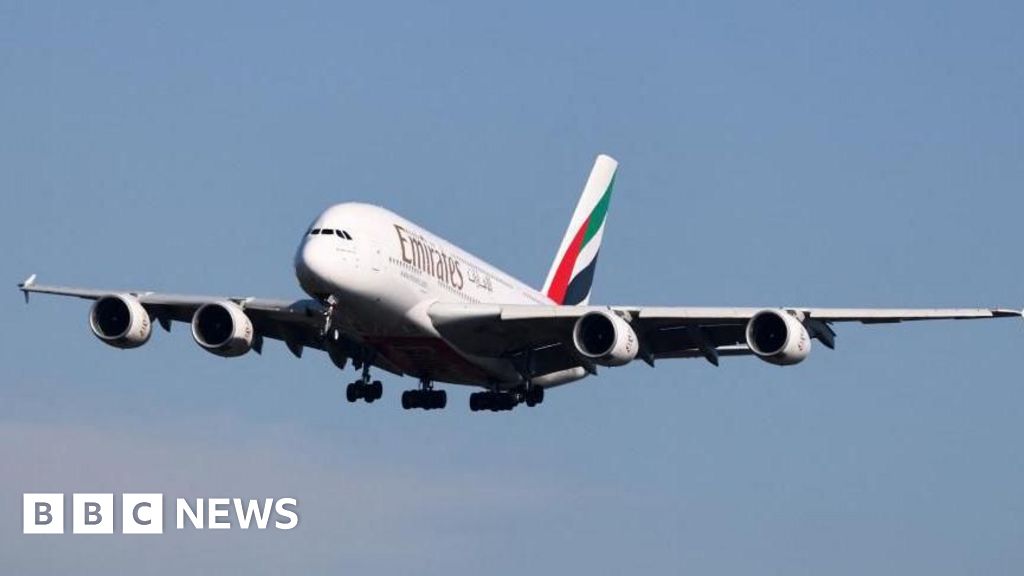
While charter companies may arrange a handful or even dozens of flights, governments and commercial airlines remain responsible for transporting the vast majority of people once airspace reopens.
In other words, private jets are not evacuating the masses. They are offering a premium escape route for those who can afford it.
Journalists covering the travel industry should recognize the distinction. Reporting on crisis aviation is important, but it requires more than repeating corporate press releases.
It requires asking simple questions:
Who can afford these flights?How many passengers are actually evacuated?
And who benefits most from the story being told?
Without that scrutiny, the line between journalism and marketing becomes dangerously thin — especially during a crisis.




Leave a Comment