


2026
2025
2024
2023
2022
2021
2020
2019
2018
2017
2016
2015
2014
2013
2008年04月の記事
全3件 (3件中 1-3件目)
1
-
韓国のクローン犬
世界初のクローン犬を作り出した韓国が 今度は飛行場などでドラックを嗅ぎ出す ドラック スニッフィングドック( drug-sniffing canine)のクローンを作り出したようだ。母犬(a skilled drug-sniffing canine in active service.)はラブラドール リトリーバーで、5,6ヶ月前にクローンで生まれた7匹の犬の訓練がすでに始まっている。良い訓練犬を得るのはとても難しいのでクローン犬は費用削減にもなっている。(犬の名前は7匹共 Toppyで明日と子犬の英語を混ぜた名だそうだ)すでに2月、7匹共behavior testに合格している。このテストは自然に生まれた犬では10%~15%の合格率だというから、クローン犬のすごさが伺われた。韓国は2005年にクローン犬を作り出して依頼ずっとこの分野の研究を続けているという。日本は遅れをとってしまったかな、、と心配になった。記事のURLは 下です。(クローン犬の写真があるよ)http://www.iht.com/articles/ap/2008/04/24/news/SKorea-Cloned-Dogs.phpINCHEON, South Korea: The country that created the world's first cloned canine plans to put duplicated dogs on patrol to sniff out drugs and explosives.The Korean Customs Service unveiled Thursday seven cloned Labrador retrievers being trained near Incheon International Airport, west of Seoul. The dogs were born five to six months ago after being separately cloned from a skilled drug-sniffing canine in active service.Due to the difficulties in finding dogs who are up to snuff for the critical jobs, officials said using clones could help reduce costs.The cloning work was conducted by a team of Seoul National University scientists who in 2005 successfully created the world's first known dog clone, an Afghan hound named Snuppy.The team is led by Professor Lee Byeong-chun, who was a key aide to disgraced scientist Hwang Woo-suk. Hwang's purported breakthroughs in stem cell research were revealed as false, but independent tests proved the team's dog cloning was genuine.
2008.04.25
コメント(2)
-
臓器移植の不思議(ミステリーゾーン)
臓器移植に関するミステリーを読んだ事があった。移植を受けた人が 移植提供者の性格に変わって行くという、臓器移植は魂も移植していくのであろうか、という問題を投げかけた 不思議な本だった。そしたら、今日それが事実となってネット記事として乗っていたのでビックリ仰天してしまった。(このネットがゴシップ系新聞なのか真摯のものかは知りませんので、宜しく~)47歳のシングルマザーが1988年 アメリカで初の肺、心臓同時移植を行い、その手術後から彼女の食べ物の嗜好、性格、歩き方まで変わってしまったそうだ。彼女はドナーの夢を見て 終局的にはドナーの家族と面会するという劇的な記事だった。肺、心臓同時移植は 患者の会があり、年に一回全米の患者が集まってお祝いをする。その時クリスチャンバンドで招かれて2回ほど演奏したことがあったので、尚更気になった。記事の一部とアドレスは下です、、、http://www.dailymail.co.uk/pages/live/articles/health/healthmain.html?in_article_id=558256&in_page_id=1774Yesterday, the Mail told the extraordinary story of how a heart transplant recipient in America committed suicide - just like the man whose heart he had received 12 years previously. In another extraordinary twist, it emerged that the recipient had also married the donor's former wife.So can elements of a person's character - or even their soul - be transplanted along with a heart?One woman who believes this to be the case is CLAIRE SYLVIA, a divorced mother of one.She was 47 and dying from a disease called primary pulmonary hypertension when, in 1988, she had a pioneering heartlung transplant in America.She was given the organs of an 18-year-old boy who had been killed in a motorcycle accident near his home in Maine.Claire, a former professional dancer, then made an astonishing discovery: she seemed to be acquiring the characteristics, and cravings, of the donor.Here, in an extract from her book A Change Of Heart, Claire tells her remarkable story...During my final lucid moments before my heart-lung transplant, I was told that a medical team would soon be leaving to "harvest" the organs that would save my life.My surgeon, Mr John Baldwin, would remain with me, ready to begin the operation as soon as he was notified that the donor's heart and lungs had been removed. But by this time I was far too groggy to focus on these details, which was probably just as well.
2008.04.09
コメント(6)
-
人間牛?
ネットでニュースを読んでいたら イギリスで牛の卵子と人間のDNA結合に成功し そのハイブリッド受精卵は3日生き続け賛否両論になっているとありました、、ひぇ~、無論人間牛を生み出す為ではなく、stem cellsの為ですが、、、、stem cellsは アルツハイマーやパーキンソン病、脊椎損傷の治療に役立つ為 世界中で必死に研究しています。最近ではUCマルセッドで人間の皮膚からstem cellsを作るのに成功したと聞いていたのですが、、、記事の一部は 次の通り、、、HUMAN-cow embryos have been created in a world first at Newcastle University in England, hailed by the scientific community, but labelled "monstrous" by opponents.A team has grown hybrid embryos after injecting human DNA into eggs taken from cows' ovaries, which had most of their genetic material removed.The embryos survived for three days and are intended to provide a limitless supply of stem cells to develop therapies for diseases such as Alzheimer's, Parkinson's and spinal cord injuries, overcoming a worldwide shortfall in human embryos.Dr Teija Peura, director of human embryonic stem cell laboratories at the Australian Stem Cell Centre, said somatic cell nuclear transfer (SCNT) had been done between animal species, but the "99 per cent human" embryos could boost research."If successful, they would provide an important additional research tool to help realisation of stem cell-based therapies for human diseases," Dr Peura said."All avenues of research, including SCNT . . . need to be encouraged if we want to fulfil the promises of stem cell technologies."But her colleague, Dr Andrew Laslett, warned the process was yet to yield a stem cell line and so it remained only an academic possibility.In January, the Fertilisation and Embryology Authority gave Newcastle University a licence to do the work, but the British Parliament would debate the longer-term future of such research next month.Under the licence, embryos are not allowed to be developed beyond 14 days. もっと読みたい人は 下記に記事がありますhttp://www.news.com.au/story/0,23599,23476268-38200,00.html?from=public_rss
2008.04.03
コメント(4)
全3件 (3件中 1-3件目)
1


-
-
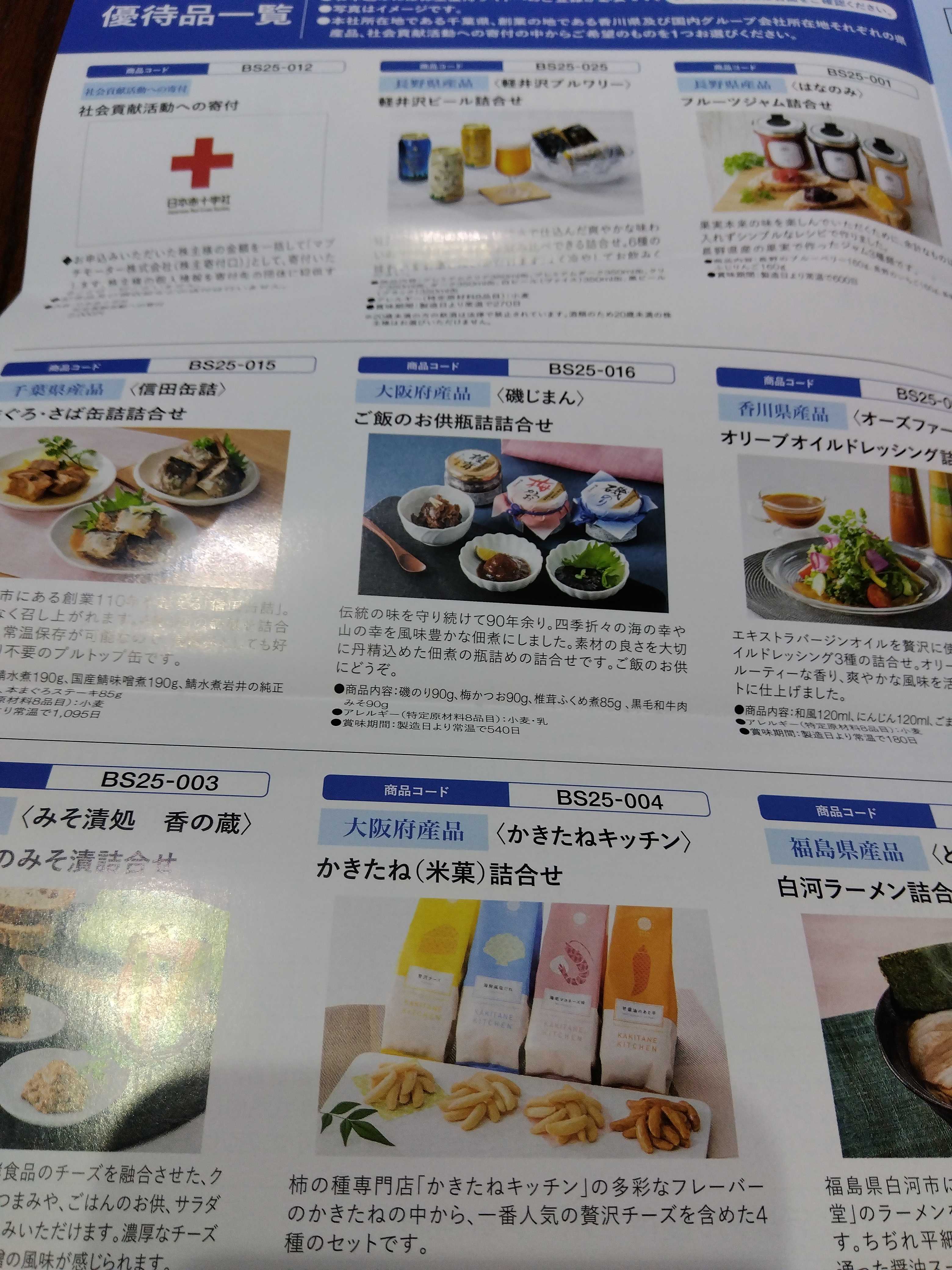
- 株主優待コレクション
- マブチモーターから株主優待が届きま…
- (2026-05-07 00:00:08)
-
-
-
- あなたのアバター自慢して!♪
- 韓国での食事(11月 12日)
- (2025-11-15 02:35:31)
-
-
-
- 自分らしい生き方・お仕事
- あるところに貧しい親子が住んでいま…
- (2026-05-07 07:07:06)
-


