


2026年01月03日

テーマ: 今日のワイン(6238)
カテゴリ: 日本ワイン
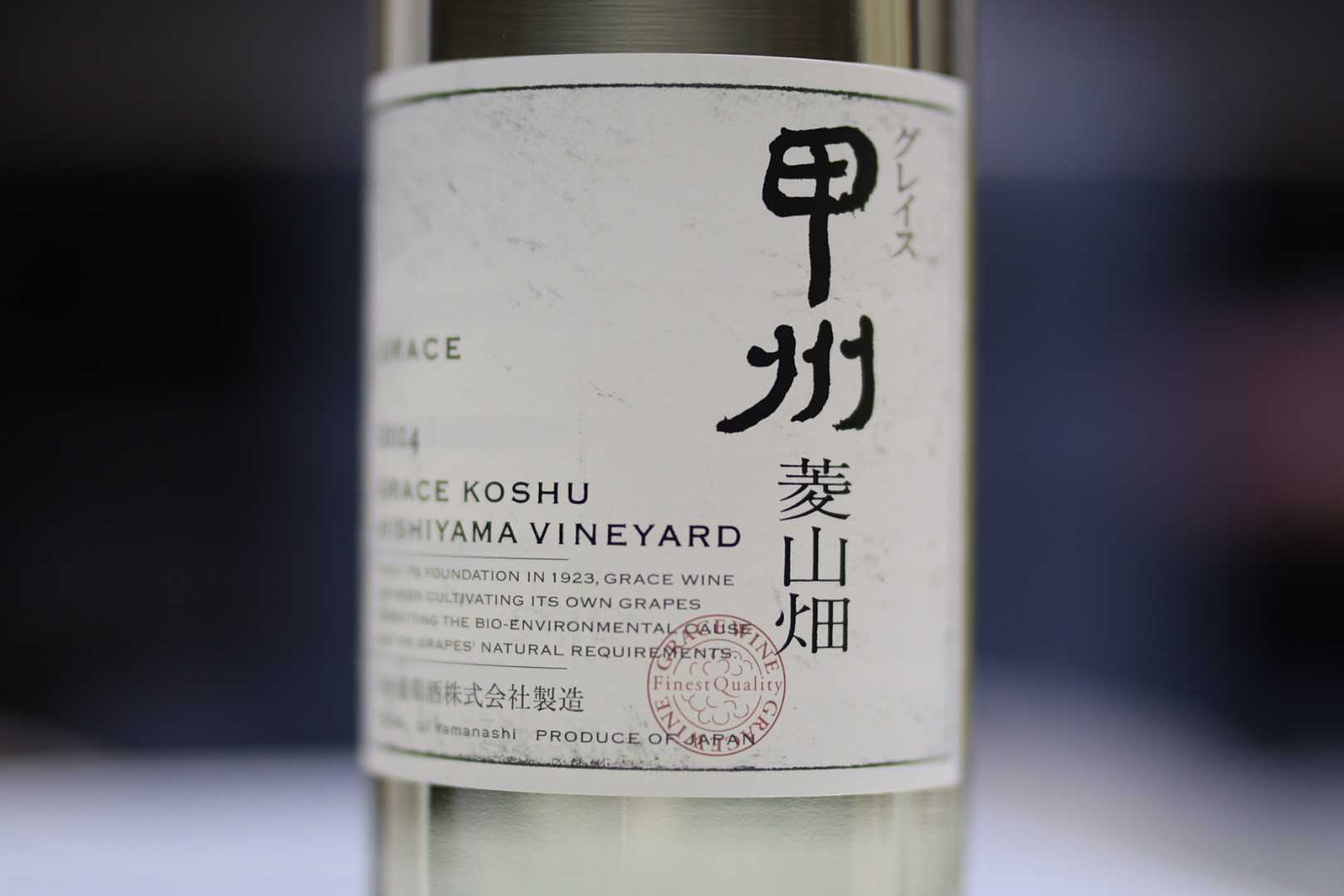
今年1本目のワインを何にしようかとセラーの前で悩んで選んだのがこの銘柄。
昨年家族で勝沼を訪問した際、中央葡萄酒さんで何本かワインを購入した。このボトルは、その中でもっとも高価な単一畑銘柄だ。
スクリューキャップをひねって栓を開け、グラスに注ぐやいなや、ひんやりとしたマスカットのような芳香が部屋内に漂った。こんなことは甲州ワインでは初めての経験だ。この銘柄自体のポテンシャルもさることながら、セラーでしばらく寝かせて落ち着かせたのも功を奏したのではないかと思う。
色調は軽く黄緑がかった中程度のイエロー。青リンゴやライチ、白桃、グラスハーブなどの整った香りからは昨年飲んだどの甲州ワインよりも「厚み」が感じられる。
飲んでみると、果実味がとてもクリーンで洗練されており、酸はさほど自己主張するわけではないが、きっちりと酒躯を支えて、後半加わる苦味が味わいにアクセントを添えている。なによりもツルリとしたテクスチャーが出色で、余韻も甲州にしては長めでそこそこ後に残る。さすが世界に打って出ているグレイス甲州の上位銘柄だけのことはある。世界基準でみても、「和食に合うワイン」としてのポジションを明確に打ち出せていると感心する。
一方で4Kという価格は、一般的な甲州ワインが2~3本ぐらいは買えてしまうレンジなわけで、これぐらいの内容を伴って当然というシニカルな見方もあるかもしれない。また、良くも悪くも「バタくさい」香味をポジティブにとらえるかどうかで評価は別れるかもしれない。
まあ、そうはいっても、甲州ワインの現在地を計る上でよい指標となるし、個人的には大変気に入った一本だった。ちなみにこのボトル、家族にもおどろくほど好評だった(が、カミサンはプライスを聞いて少し引いていた)。
楽天でグレイス甲州を検索する
I chose this bottle as my first wine of the year. It was the most expensive single-vineyard wine among those we bought at Chuo Wine when my family visited Katsunuma last year.
Twisting open the screw cap and pouring the wine into the glass, a cool, muscat-like aroma immediately filled the room—something I had never experienced with a Koshu wine before. While the wine’s inherent potential is clearly high, I suspect that letting it rest in the cellar for a while also worked in its favor.
The color is a medium yellow with a faint greenish tint. Elegant aromas of green apple, lychee, white peach, and fresh herbs show noticeably more depth than any Koshu wine I tasted last year. On the palate, the fruit is remarkably clean and refined. The acidity doesn’t push itself forward, but it firmly supports the structure, while a touch of bitterness toward the finish adds a pleasing accent. Above all, the silky texture stands out, and the finish lingers respectably long. As expected of a top-tier cuvée from Grace, a producer competing on the global stage.
By international standards, I think this wine clearly defines its position as one that pairs well with Japanese cuisine.
That said, at around ¥4,000, the price puts it in a range where one could buy three bottles of a typical Koshu wine, so some might argue that this level of quality is only to be expected. Opinions may also differ depending on whether one views its somewhat “buttery,” Western-leaning nuances in a positive light. Still, all things considered, this bottle serves as an excellent benchmark for understanding where Koshu wine stands today.
お気に入りの記事を「いいね!」で応援しよう

[日本ワイン] カテゴリの最新記事
-
水のようなワイン〜フジクレール・峡東 甲… 2026年04月28日
-
素性の良さを感じる〜ルバイヤート・ルー… 2026年03月25日
-
良好な甲州だがやや割高か〜ロリアン・勝… 2026年03月04日


【毎日開催】
15記事にいいね!で1ポイント


PR
Comments
shuz1127
@ Re[1]:モーリス・ユトリロ展@SOMPO美術館~その1 Maurice Utrillo Exhibition at the SOMPO Museum — Part 1(11/10)
Henryさん おお、西山美術館に行かれたの…
Henry@ Re:モーリス・ユトリロ展@SOMPO美術館~その1 Maurice Utrillo Exhibition at the SOMPO Museum — Part 1(11/10)
西山美術館、メルカリで無料招待券をお安…
shuz1127
@ Re[1]:ほどよく均整の取れたベリーA~マスカットベリーA2023(白百合醸造) Well-Balanced Berry A – Muscat Bailey A 2023 (Shirayuri Winery)(10/10)
noir-funさんへ 熊本ワインファーム、例…
noir-fun
@ Re:ほどよく均整の取れたベリーA~マスカットベリーA2023(白百合醸造) Well-Balanced Berry A – Muscat Bailey A 2023 (Shirayuri Winery)(10/10)
機会があれば是非、熊本ワインファームの…
shuz@ Re[1]:悪くはないのだけど…エラスリス MAX・カベルネソーヴィニヨン2020 “Not bad, but not quite…” — Errazuriz MAX Cabernet Sauvignon 2020(09/24)
noir-funさん ご無沙汰していますが、お…
Category
カテゴリ未分類
(11)お知らせ・リンク集
(29)ワイン新着情報
(541)ワインコラム
(344)ワインコラム2(話飲徒然草拾遺集)
(75)ワインコラム3(RWGコラム拾遺集)
(28)都内近郊散策
(300)こんな店に行った
(346)B級グルメ・カフェ
(248)健康
(225)エッセイ
(80)ひとりごと・備忘録
(552)カミサン推薦ネタ
(28)語学・資格・学び直し
(97)山歩き・ハイキング
(124)アクアリウム・ガーデニング
(340)育児・教育
(88)PCネット時計カメラ
(140)音楽・オーディオ
(75)リフォーム引越し
(50)こんなワイン買った
(131)ボルドー
(102)ブルゴーニュ・ジュブレシャンベルタン
(90)ブルゴーニュ・モレサンドニ
(40)ブルゴーニュ・シャンボールミュジニー
(45)ブルゴーニュ・ヴォーヌロマネ・ヴジョ
(56)ブルゴーニュ・NSG
(58)ブルゴーニュ・その他コートドニュイ
(64)ブルゴーニュ・コルトン・ポマール・ヴォルネイ
(30)ブルゴーニュ・ボーヌ周辺
(56)ブル・ピュリニー・シャサーニュ・ムルソー
(21)ブルゴーニュ・その他コートドボーヌ
(27)ブルゴーニュ・裾モノイッキ飲み!
(221)ブルゴーニュ・その他地域
(37)ボジョレー再発見プロジェクト
(32)シャンパーニュ
(195)ロワール・アルザス・ローヌ
(55)その他フランス
(17)イタリア
(83)スペイン・ポルトガル
(38)ニュージーランド・オーストラリア
(49)USA
(42)安泡道場(シャンパーニュ以外)
(37)その他地域・甘口など
(44)日本ワイン
(71)ワイン会・有料試飲
(173) 【山形・福島旅行】…
 New!
ささだあきらさん
New!
ささだあきらさん
チャギントンと日光… New! musigny0209さん
ナカダ・コージ マ…
mache2007さん
月一会 卯月
ミユウミリウさん
ジャッキー・トルシ…
hirozeauxさん
サンジュストアレン…
yonemuさん
エクシブ浜名湖へ
zzz.santaさん
ワイン&ジョギング … Char@diaryさん
道草日記 旅・釣… 道草.さん
鴨がワインしょって… うまいーちさん
New!
ささだあきらさんチャギントンと日光… New! musigny0209さん
ナカダ・コージ マ…
mache2007さん月一会 卯月
ミユウミリウさんジャッキー・トルシ…
hirozeauxさんサンジュストアレン…
yonemuさんエクシブ浜名湖へ
zzz.santaさんワイン&ジョギング … Char@diaryさん
道草日記 旅・釣… 道草.さん
鴨がワインしょって… うまいーちさん
Keyword Search
▼キーワード検索
Calendar
© Rakuten Group, Inc.
