



PR

おおひげ村のヘノぼっち様やぁ
おひげっち『へのぼう』改め『おおひげ村のヘノぼっち様やぁ~♪』さんのブログへようこそ
カレンダー
カテゴリ
コメント新着
コメントに書き込みはありません。
キーワードサーチ
▼キーワード検索
2026.08.04

テーマ: 夏休み♪こどもの体験教室(30)
カテゴリ: カテゴリ未分類

"When watching movies depicting individuals with anxiety neurosis or obsessive-compulsive disorder (OCD), fire-related scenes appear very frequently.

Given that meteorites falling or floods occurring would make just as much sense, why is it almost always fire?

Is the idea that people with these brain conditions have an abnormal fear of fire a well-known topic in the fields of psychiatry and neuroscience?"

Key Terms
* Anxiety neurosis or Anxiety disorders)
* OCD (Obsessive-Compulsive Disorder)

* A meteorite striking / falling
* To be abnormally terrified of / Have an abnormal fear of

However, there are clear psychiatric, neuroscientific, and cinematic reasons why "fire" is so frequently depicted in movies and why anxiety regarding "checking fire sources" is commonly observed in actual patient cases.
1. Psychiatric Reason: "Controllability" and Guilt
Along with "fear of contamination," one of the typical symptoms of OCD is the "fear of causing harm (harm OCD) and checking compulsions."
🔷Controllability and Sense of Responsibility
Meteorites and floods are "acts of God" (out of one's control), whereas fire (gas stoves, cigarettes, space heaters, etc.)
carries personal responsibility: "A catastrophe might happen because I forgot to turn it off."
People with OCD intensely fear causing an irreversible disaster due to their own negligence, making checking fire sources a frequent target of their anxiety.
🔷Ambiguity of Retrospective Checking ("The Doubting Disease")
OCD is sometimes referred to as "the doubting disease."
Even with the memory of having turned something off,intrusive thoughts like
swirl in the brain, compelling the person to check repeatedly.
2. Neuroscientific Reason: The Threat-Detection System (Amygdala) and "Fire"
From a neuroscientific perspective, this relates to the threat-detection mechanisms humans developed through evolution.
🔷Instinctive Threat Signals
The amygdala, the region of the brain responsible for fear and anxiety, reacts extremely quickly to sensory stimuli such as visual cues (flickering flames, red colors) and smell (the odor of burning).
Fire has a dual nature: it is useful when handled properly, but a single moment of carelessness can destroy everything.
In the brains of individuals with anxiety disorders (such as Generalized Anxiety Disorder) or OCD,
the prefrontal cortex (the region responsible for rational control) struggles to apply the brakes ("It's okay"), causing the amygdala's alarm system to ring constantly.
As a result, the brain overreacts to threats like fire, where "a moment of inattention can be fatal."
3. Cinematic Reasons in Film and Visual Media
The choice of "fire" over floods or meteorites in movies comes with major narrative advantages.
🔷Visualization of Internal Anxiety
Flames flicker, spread, and engulf their surroundings.
This serves as a powerful metaphor to visually express
"how a small doubt (a spark) expands into full-blown panic (a raging wildfire)"
inside the mind of someone with an anxiety disorder or OCD.
🔷The Gap Between Daily Life and Terror
Meteorite strikes and massive floods are far removed from everyday life,
but fire (matches, lighters, stoves) exists within our daily routines. Depicting
"ruin sitting right next to daily life"
makes it easier for the audience to vicariously experience the protagonist's cornered mental state.
🔷Summary
Rather than a medical diagnosis that
"people with brain-related conditions fear fire as a physical phenomenon above all else,"
the academic consensus is that fire—
being the most familiar yet dangerous threat—
easily becomes the prime target for the compulsive mindset driven by the fear of causing a disaster through one's own oversight or guilt.
〜本日のお題〜
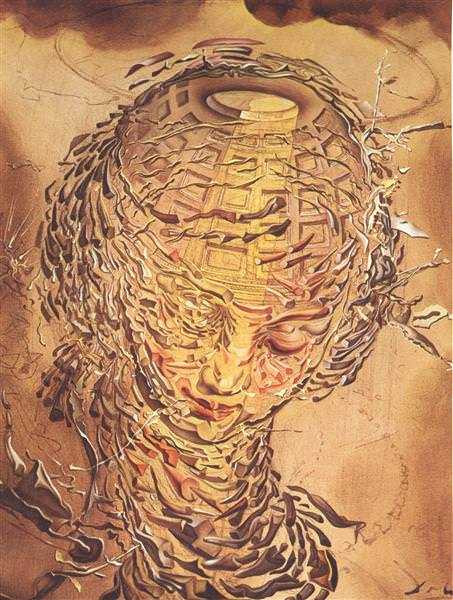
不安神経症や
脅迫障害のヒトの
🎬映画を見ると
🔥良く火災のSCENEが出て来ます
🪨隕石が落っ来って来ても
🌊洪水が起きても良い筈なのに
🔥殆どが火です
🧠脳の症状のヒトたちが
❤️🔥異常に火を怖がるのは
🥼精神医学
🧬脳科学の世界では
📑有名な話しなのですか⁉️
🧠結論から🧠
🧠申し上げますと🧠
🧠(おずおず)🧠
🙉「不安障害や強迫症
(強迫性障害)の患者さんが
⚡️他の災害
🪨隕石や洪水etc.)に比べて
🔥異常に火を恐れる」と云フ
⚙️特定のMECHANISMが
🥼精神医学や脳科学の
📖確立された定説として
🤑存在する訳では
🙅♀️ありません
♦️然し
ナゼ⁉️映画etc.の作品で
🔥「火」が頻繁に描かれ
🤕実際に患者さんの症例でも
🚬「火の始末」に関する不安が
非常に多く見られるのか⁉️
ソコには精神医学的・脳科学的
其して演出上の明確な理由が🈶ります
1. 精神医学的理由:「自分で制御できる可能性」と罪悪感
強迫症の典型的な症状の一つに**「不潔・汚染恐怖」と並んで「加害恐怖・確認行為」**があります
* コントロール可能性と責任感
隕石や洪水は「不可抗力(自分のせいではない)」ですが、火(ガスコンロ、タバコ、ストーブなど)は**「自分が消し忘れたせいで大惨事になるかもしれない」**という個人的な責任が生じます。強迫症の方は「自分の過失で取り返しのつかない事態を引き起こすこと」を極度に恐れるため、火の確認がターゲットになりやすいのです
* 事後確認の曖昧さ(疑問の病)
強迫症は別名「疑問の病」とも呼ばれます。「消したはずだ」という記憶があっても、「本当に消したか? 見落としたのでは?」という疑念(侵入思考)が脳内で渦巻き、何度も確認せずにはいられなくなります
2. 脳科学的理由:危険察知システム(扁桃体)と「火」
脳科学の観点からは、人間が進化の過程で獲得した危険察知メカニズムが関係しています
* 本能的な脅威シグナル
脳の恐怖や不安を司る**「扁桃体(へんとうたい)」**は、視覚(揺らめく炎・赤色)や嗅覚(焦げ臭いにおい)の刺激に対して非常に素早く反応、仕舞す
* 「火」の持つ特殊性
火は「適切に扱えば有用だが、一瞬の油断で全てを破壊する」と云フ二面性を持って居ます。不安神経症(全般性不安障害etc.)や強迫症の脳では
前頭前皮質(理性を司る部分)に因る「大丈夫だ」と云フブレーキが利き難く、扁桃体の警戒アラームが鳴りっ放しに成り易い為、火のやうな「一瞬の不注意が命取りになる脅威」に対して過剰に脳が反応して仕舞います
3. 映画・映像作品における演出上の理由
映画で洪水や隕石ではなく「火」が使われるのは、表現上の利点が大きい為です
* 内面的な不安の「可視化」
炎は揺らめき、増殖し、周囲を飲み込んで行きます
これは不安障害や強迫症の患者さんが頭の中で感じている**「小さな疑問(小さな火種)が、どんどん膨らんでパニック(大火事)になる感覚」**を視覚的に表現するメタファー(暗喩)として非常に強力です
* 日常性と恐怖のギャップ
隕石や大規模な洪水は日常から遠い存在ですが、火(マッチ、ライター、コンロ)は身近な生活の中にあります
「日常のすぐ隣にある破滅」を描くことで、主人公の追いつめられた心理状態を観客に追体験させやすくなります
♦️纏め
🩺医学的に
🧠「脳の病気の人が
特定の物理的現象としての
🔥火だけを異常に恐れる」
と云フ因りは
**「自分の過失で災害を
引き起こして仕舞うのではないか⁉️
と云フ責任感・罪悪感」**
と云フ
強迫心理の🎯標的として
最も身近で
⚠️危険な
🔥「火」が選ばれ易い
と云フのが
🎓学術的な捉え方です
🗞️黒星★ULTIMATE☆新聞【医療・HEALTH】
お気に入りの記事を「いいね!」で応援しよう

最終更新日
2026.08.04 12:08:05 コメントを書く


【毎日開催】
15記事にいいね!で1ポイント


© Rakuten Group, Inc.
