


PR

おおひげ村のヘノぼっち様やぁ
おひげっち『へのぼう』改め『おおひげ村のヘノぼっち様やぁ~♪』さんのブログへようこそ
カレンダー
カテゴリ
コメント新着
コメントに書き込みはありません。
キーワードサーチ
▼キーワード検索
2026.08.29

テーマ: 夏休み♪こどもの体験教室(30)
カテゴリ: カテゴリ未分類
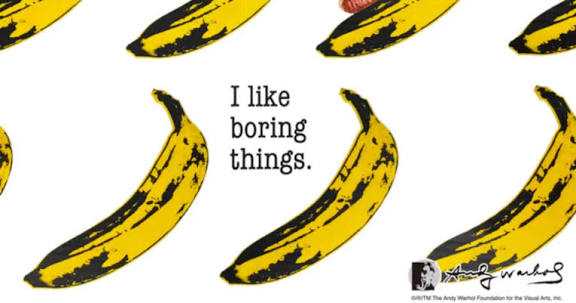
The writer Banana Yoshimoto says
that most Japanese families are broken.
What exactly does she mean by that?
Please look into it and find out.
作家の
『吉本ばなな』さんが
🇯🇵日本の家庭は
💔殆どが壊れて居ると
一体、何う云フ事か
🔍調べて下さい
Banana Yoshimoto’s Revelations About Family and the Reality of Japanese Households
The novelist Banana Yoshimoto published an article on note in June 2026, followed by comments in the media and other public appearances.
Her revelations about abuse by her mother, her relationship with her sister, and her views on the nature of modern families sparked considerable discussion.
Banana Yoshimoto’s Note Article and Her Revelations About Her Family
* Her revelation of abuse:
She disclosed that she had experienced abuse from her mother during her childhood, including domestic violence and excessive interference in her life.
* Her family situation:
She wrote about her sister’s living environment, illness, the circumstances surrounding her life, and the financial support she has provided to her over many years.
* The public reaction:
“There are hidden darknesses and curses within Japanese families that cannot be spoken about,” and “Although this is someone else’s family story, it feels deeply personal.”
“Most Japanese Families Are Almost Broken”
In media interviews during the summer of 2026,
including appearances on NewsPicks,
novelist Banana Yoshimoto
“most Japanese families are almost broken.”
This statement was made against the backdrop of her having revealed what she described as the “truth about her own family,” as well as the enormous public reaction that followed.
The Background and How It Came About
A Shocking Revelation on Note
In June 2026, Banana Yoshimoto published a deeply personal piece on her official note account that challenged the idealized public image of the “talented Yoshimoto family,” which includes the influential thinker Takaaki Yoshimoto.
She candidly revealed the reality of what she described as family breakdown and
codependency: she had experienced abuse from her mother, including domestic violence and excessive interference,
while her biological sister is now reportedly struggling with illness while living in a severely cluttered and unsanitary home.
Yoshimoto has also continued to provide her sister with financial assistance for many years.
Why Did She Say “Most Families Are Almost Broken”?
Following these revelations, Yoshimoto reportedly received a flood of messages from people who said things such as:
“I’m going through the same thing.”
“Your story saved me.”
As Yoshimoto witnessed the enormous number of Japanese people who identified with
and responded to the devastating stories of another family,
she apparently came to feel that even families
that appear to be functioning normally from the outside may,
in reality,
be struggling with serious problems or may be “broken”
in some way behind closed doors.
The “Curse of the Family” That Was Brought to Light
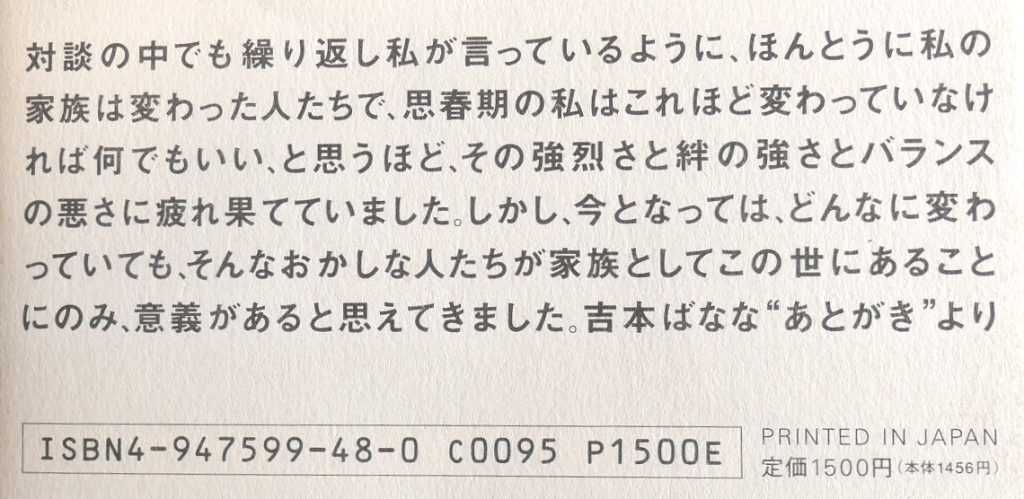
From the Showa era through the Reiwa era,
Japanese society has continued to place strong pressure on people to maintain the image of a “normal, happy family.”
This can be described as a kind of “curse of the family.”
However, Yoshimoto’s revelations
and subsequent comments have highlighted the limitations of the conventional Japanese view of family.
Even when a family appears perfectly normal on the outside,
once you step inside,
many families may be struggling with hidden problems involving
abuse, dependency, caregiving, estrangement,
and other forms of darkness.
In this sense,
her statement that “most Japanese families are almost broken” can be understood not as a literal statistical claim that most Japanese households have collapsed,
but as a provocative observation about the hidden problems and dysfunction that can exist within seemingly ordinary families.
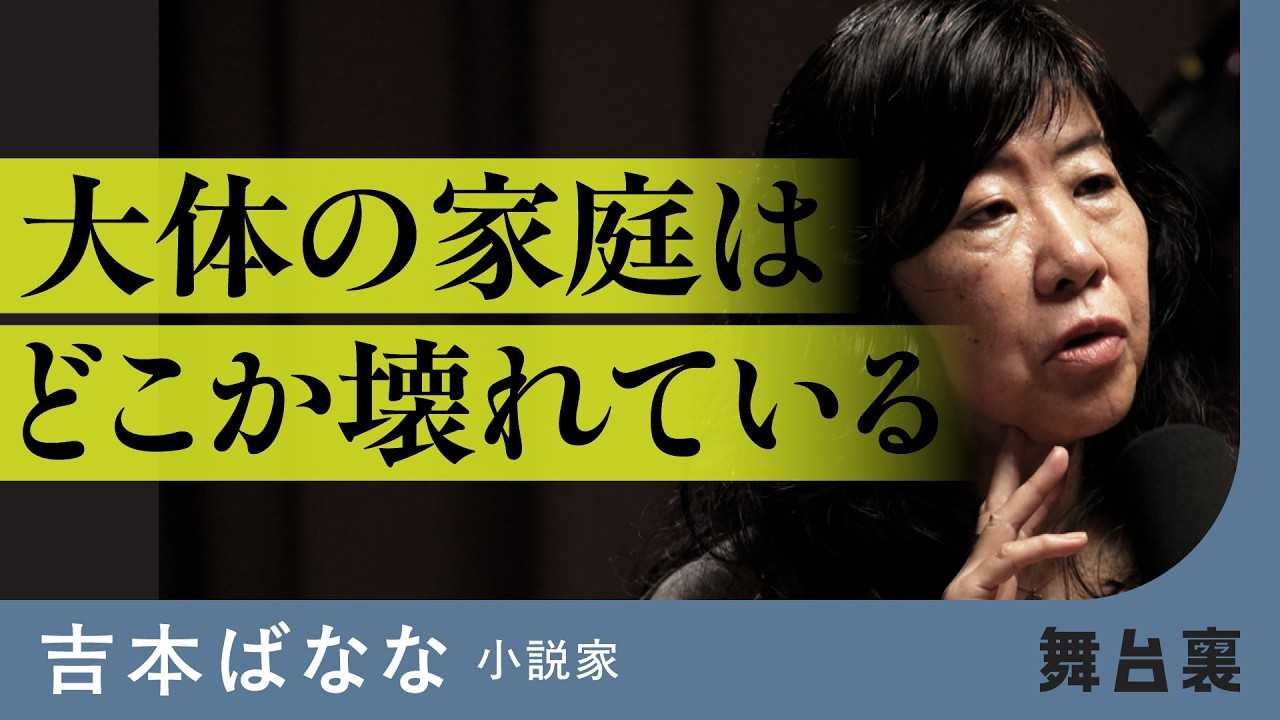
作家の吉本ばなな氏が2026年6月に発表した
「note」の記事(およびその後のメディア発言など)は
自身の家庭における母親からの虐待や、姉との関係
そして現代の家族の在り方に就いて大きな議論を呼びました
吉本ばなな氏のnoteと家族の告白
🍌虐待の告白:
*
* 自身が幼少期に母親から
* 虐待を受けて居たコトetc.を明かしました
*
🍌家族の状況:
*
* 姉の生活環境や病気
* これ迄の経緯や金銭的支援に就いて綴りました
*
*
🍌反響
*
* 日本の家庭や家族には、云え🈚️い闇や呪いが🈶る」
* 他人の家族の話だが人事では🈚️い」と
* SNSや各種MEDIA(NewsPicksなど)で
* 大きな共感と議論を生みました
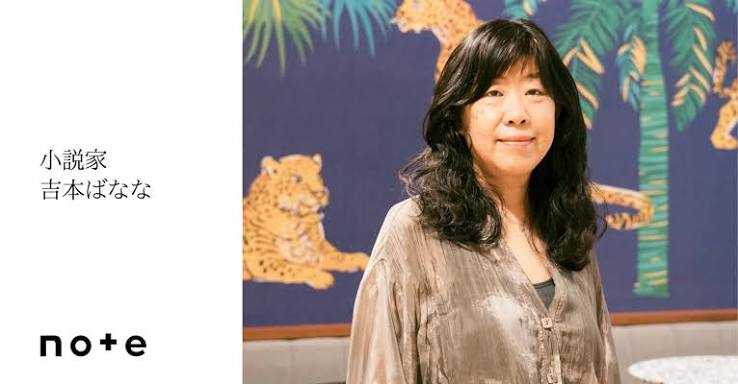
🍌作家の吉本ばななさんが
2026年夏のMedia interview
(NewsPicksなど)で語った
日本の家庭は殆ど壊れて居る」
と云フ発言は
社会的に大きな議論を呼びました
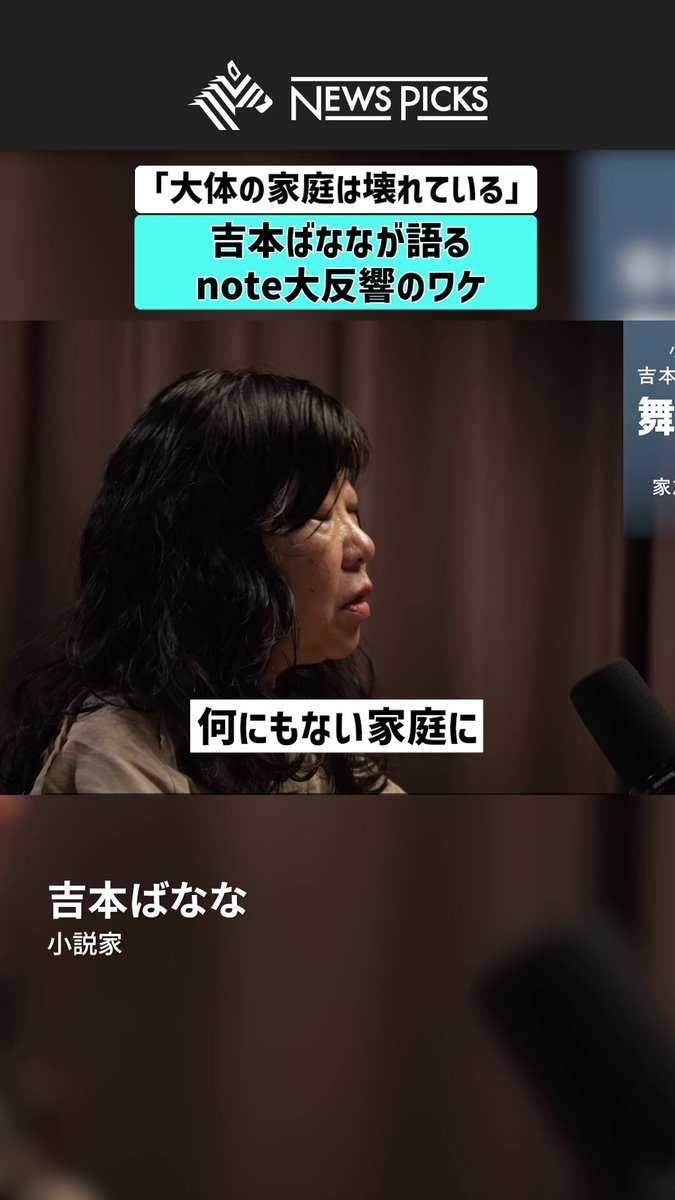
🍌此の言葉の背景には
彼女が自身の
「家族の真実」を告白したコト
そしてソレに対する
世間の凄まじい反響が🈶ります
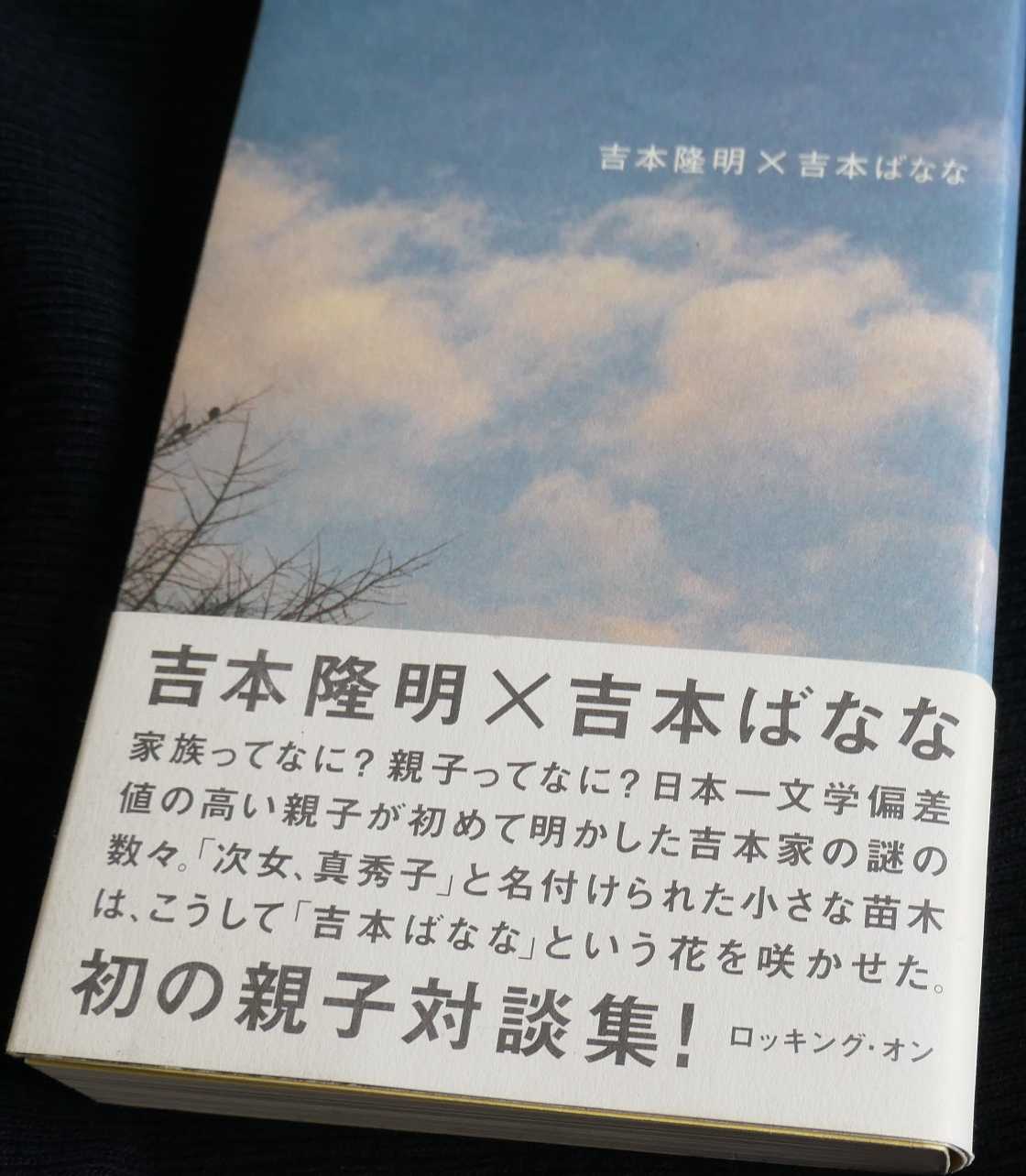
🍌発言の背景と経緯
* 衝撃的なnoteでの告白
*
* 2026年6月、吉本ばななさんは
* 公式noteで、思想家・吉本隆明氏を含む
* 才能、溢れる吉本家」と云フ
* 世間の理想的IMAGEを覆す文章を発表、仕舞した
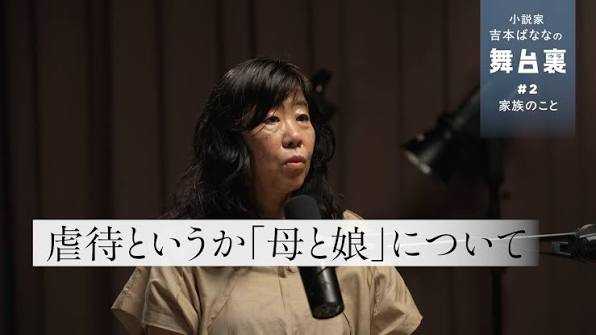
* 自身が母親から虐待
* 家庭内暴力や過干渉)を受けて居たコト
* そして実の姉が現在ゴミ屋敷で闘病して居り
* 長年金銭的援助を続けて居ると云フ
* 家族の崩壊と共依存」のREALを
* 赤裸々に明かしたのです
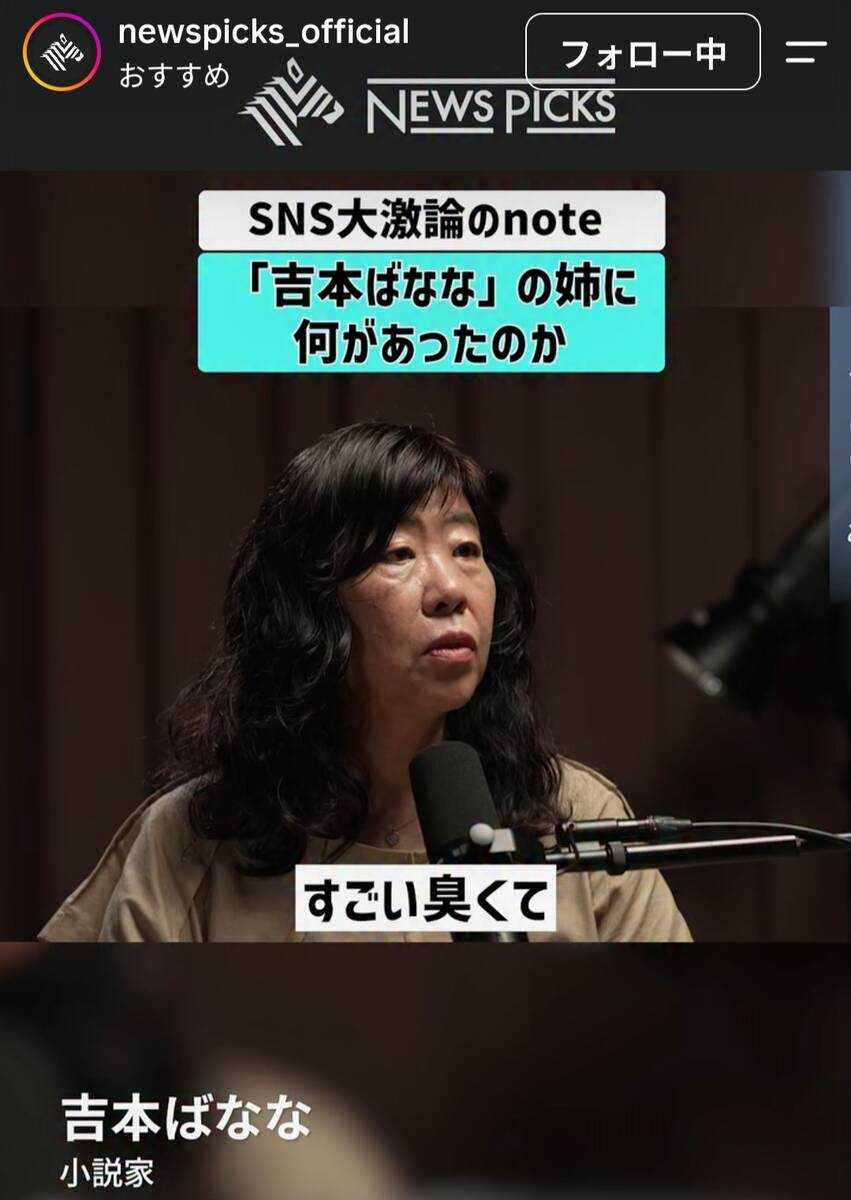
* ナゼ⁉️「殆ど壊れて居る」と言ったのか⁉️
*
* 此の告白の後、彼女の元には「自分も同じだ」
* 救われた」と云フ当事者からの声が殺到、仕舞した
*
* 吉本さんは
* 他人の家族の壮絶な話にコレほど多くの日本人が群がり
* 共感する現状を目の当たりにし
*
* 真面に機能して居るやうに見える家庭でも
* 実は内側では殆どが何かしらの形で壊れて居る
* 問題を抱えて居る)のではないか⁉️
* と云フ実感を語ったとされて居ます

🍌浮き彫りになった「家族の呪い」
昭和から令和にかけて
日本の社会には
標準的で幸せな家族」と云フ
強いPRESSURE
家族の呪い)が
存在し続けて来ました
🍌然し
吉本さんの告白や発言は
外見を取り繕って居ても一歩足を踏み入れれば
多くの家庭が虐待、依存、介護、断絶etc.の
闇を抱えて居ると云フ
日本の家族観の限界を浮き彫りに仕舞した
🗞️黒星★ULTIMATE☆新聞【社会】
お気に入りの記事を「いいね!」で応援しよう

最終更新日
2026.08.29 22:09:11 コメントを書く


【毎日開催】
15記事にいいね!で1ポイント


© Rakuten Group, Inc.
