


PR
retro games
🎮 JP RETRO GAMES|Japanese Famicom & Retro Games 🇯🇵 Sharing real hardware, gameplay, guides and Japanese gaming culture with retro gamers around the world. 日本のファミコンとレトロゲームの魅力を世界へ発信!
カレンダー
カテゴリ
DRAGON QUEST IV: CHAPTERS OF THE CHOSEN|A Legendary RPG on the 1990 Japanese Famicom JP RETRO GAMES|Series No.15
FAXANADU|A Dark Fantasy Adventure on the 1987 Japanese Famicom JP RETRO GAMES|Series No.13
DRAGON BALL Z III: RESSEN JINZOUNINGEN|A Rare 1992 Japanese Famicom Dragon Ball Game
URUSEI YATSURA: LUM NO WEDDING BELL|A Strange 1986 Japanese Famicom Game JP RETRO GAMES|Series No.11
コメント新着
キーワードサーチ

How to Buy Used Japanese Famicom Games Safely | Why Testing Matters
Buying used Japanese Famicom games can be exciting.
Japan has a huge selection of Famicom cartridges, including many games that were never released outside Japan.
You can sometimes find them at surprisingly low prices on Japanese marketplaces.
But there is one important question you should always ask:
Does it actually work?
A cartridge may look fine on the outside, but the contacts can be dirty, or the game may have another problem.
Recently, I bought a used copy of Final Fantasy II in Japan.
I decided to test it before listing it.
Here is what happened.
1. A Used Famicom Game from Japan
This is the Final Fantasy II cartridge I recently bought.
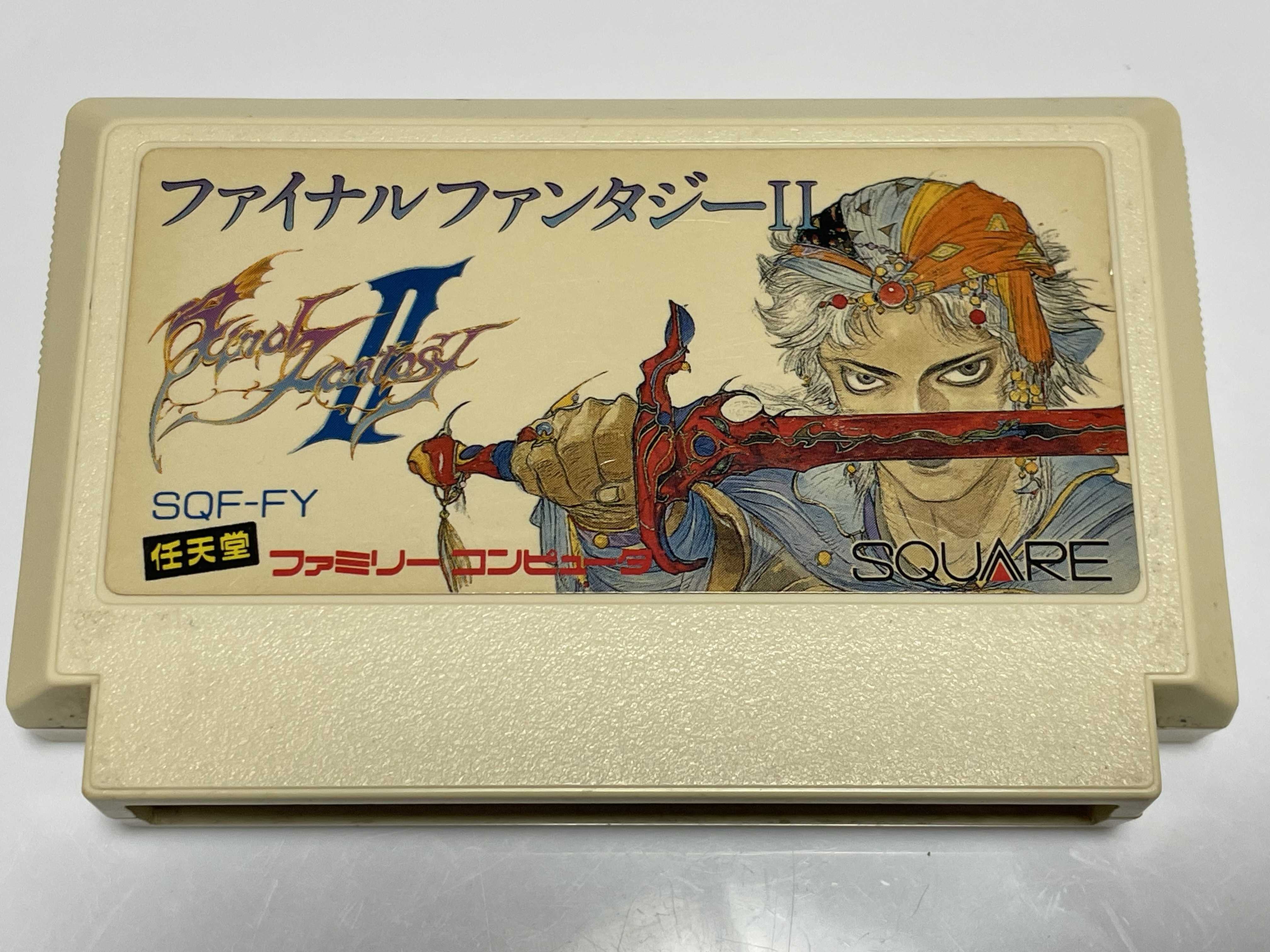
The cartridge showed some signs of use and dirt.
At first glance, it looked like a normal used Famicom cartridge.
But I wanted to check the connector contacts before assuming that everything was fine.
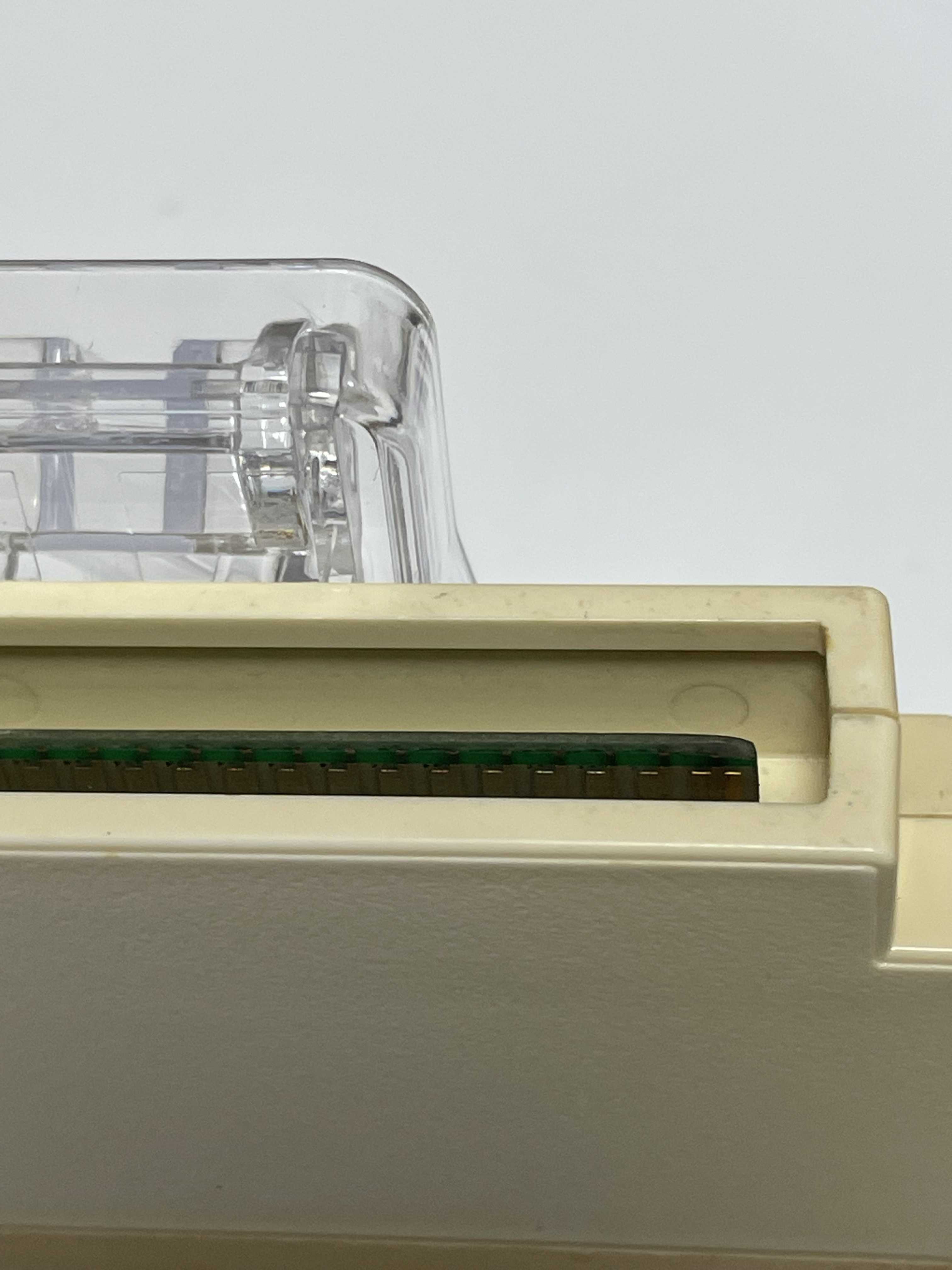
2. The Contacts Were Dirty
When I looked at the connector contacts, I found visible dirt.
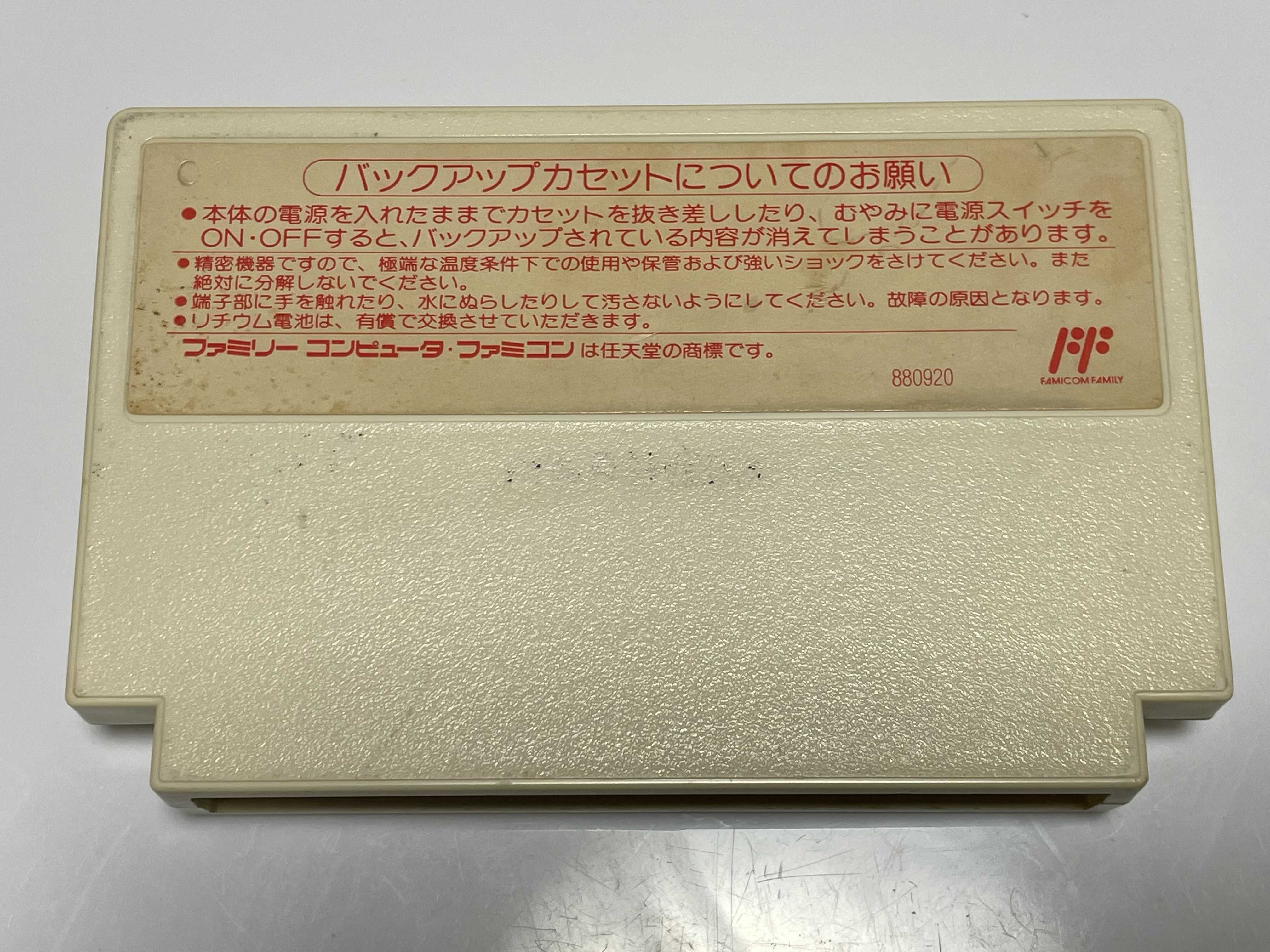
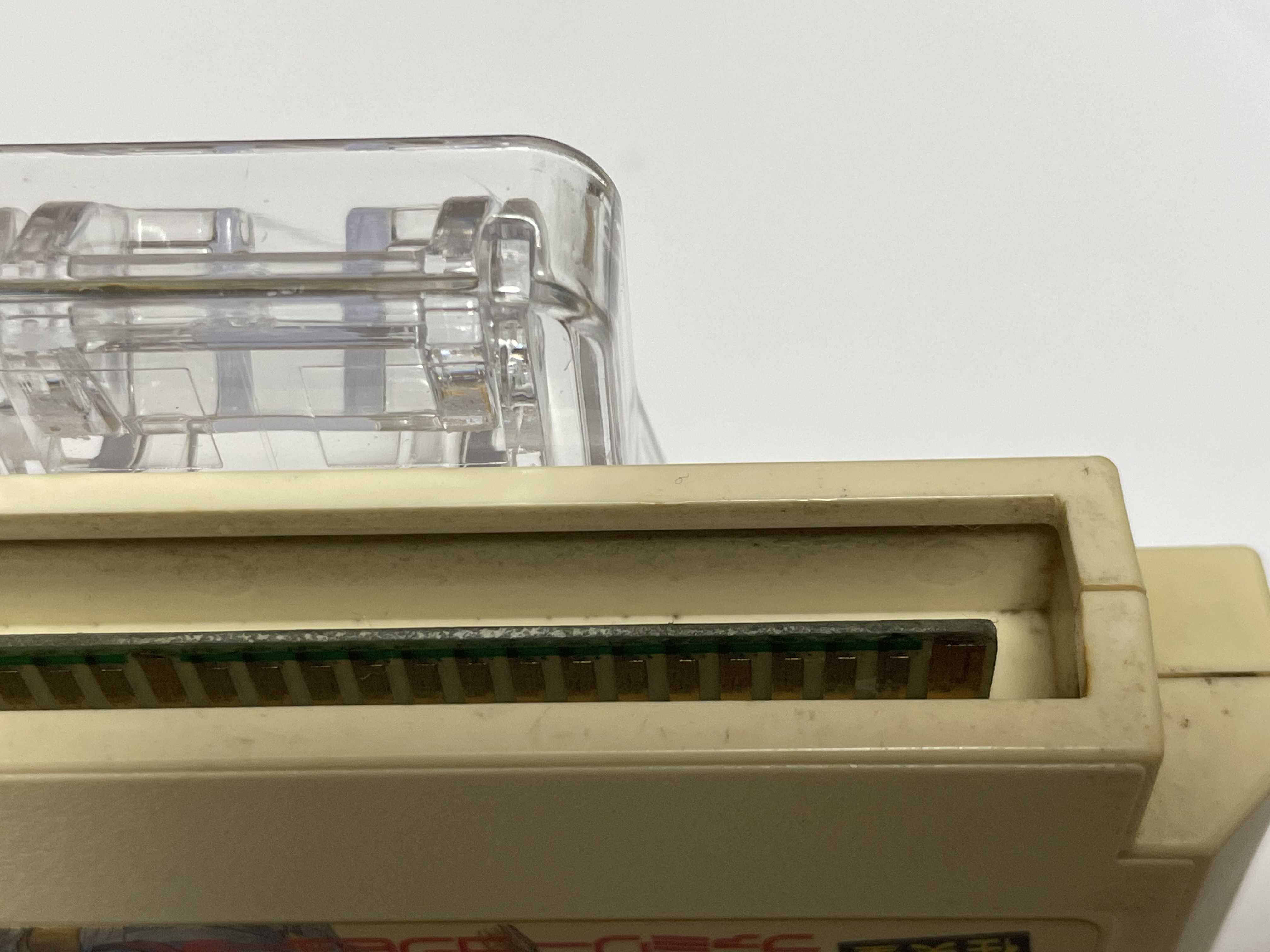
The condition of the contacts is something worth checking when buying used Famicom games.
The outside of a cartridge does not always tell you what is happening at the connector.
3. The First Test Failed
Before cleaning the cartridge, I put it into my Japanese Famicom and tested it.
The result?
It didn’t boot properly.
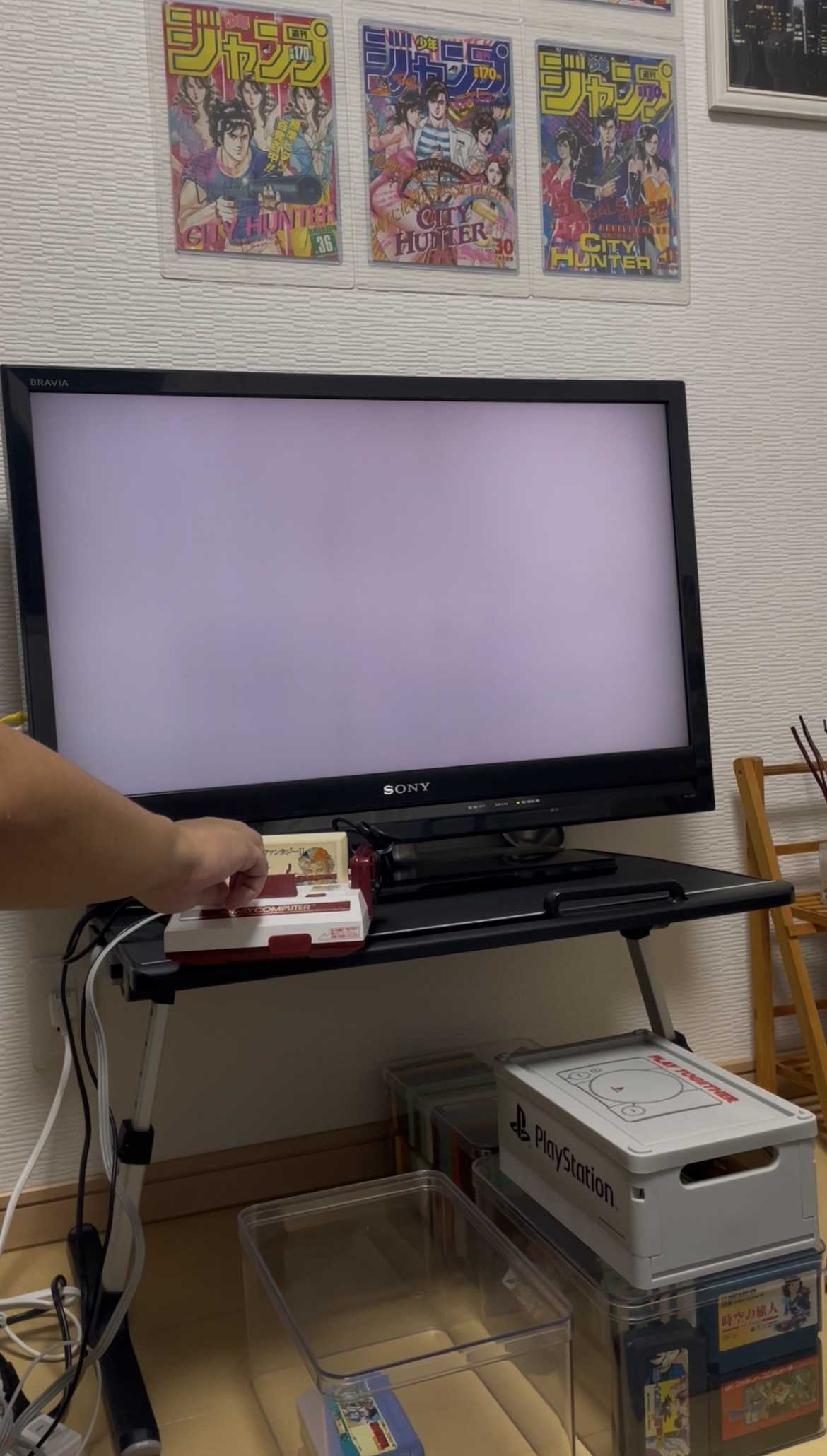
This was an important result.
I couldn’t simply assume that the cartridge was working because I had bought it as a normal used game.
So I decided to inspect and clean it as part of my own maintenance process.
4. Cleaning the Cartridge
I used my usual cleaning tools for this cartridge.
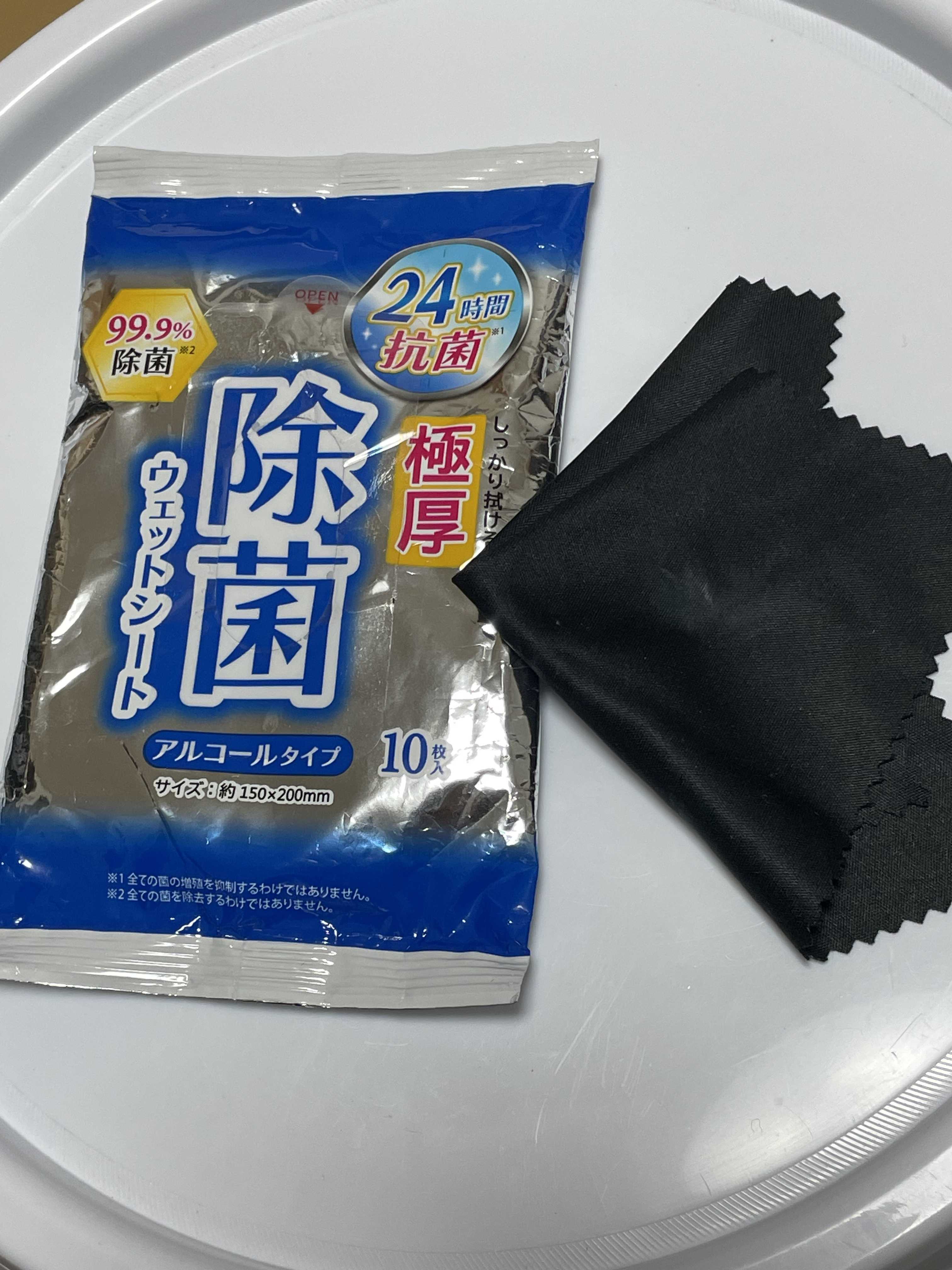
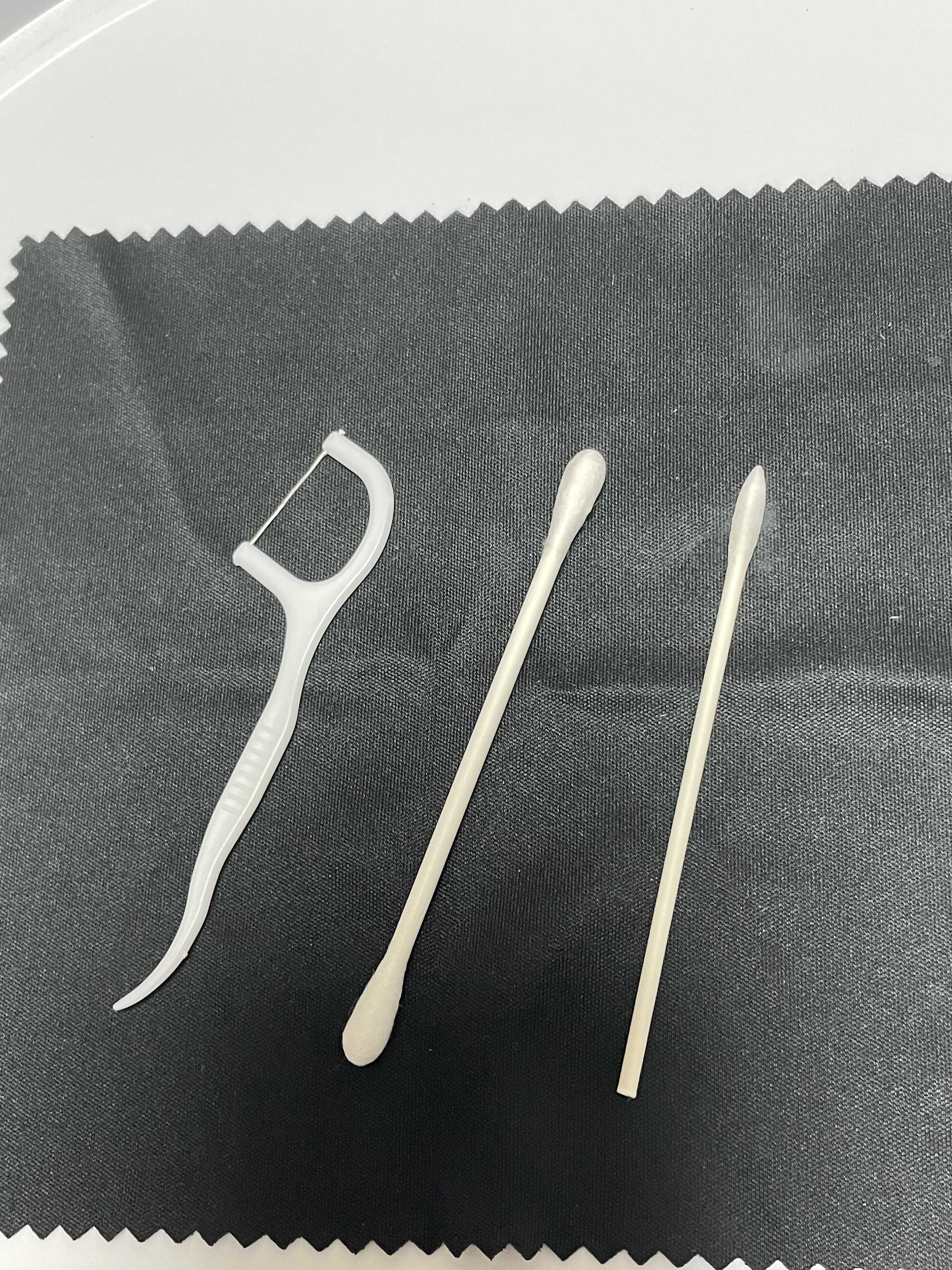
For this article, I’m showing my own maintenance process.
Cleaning methods can vary depending on the cartridge and hardware, so this should not be understood as a universal repair method.
5. Look What Came Off the Contacts
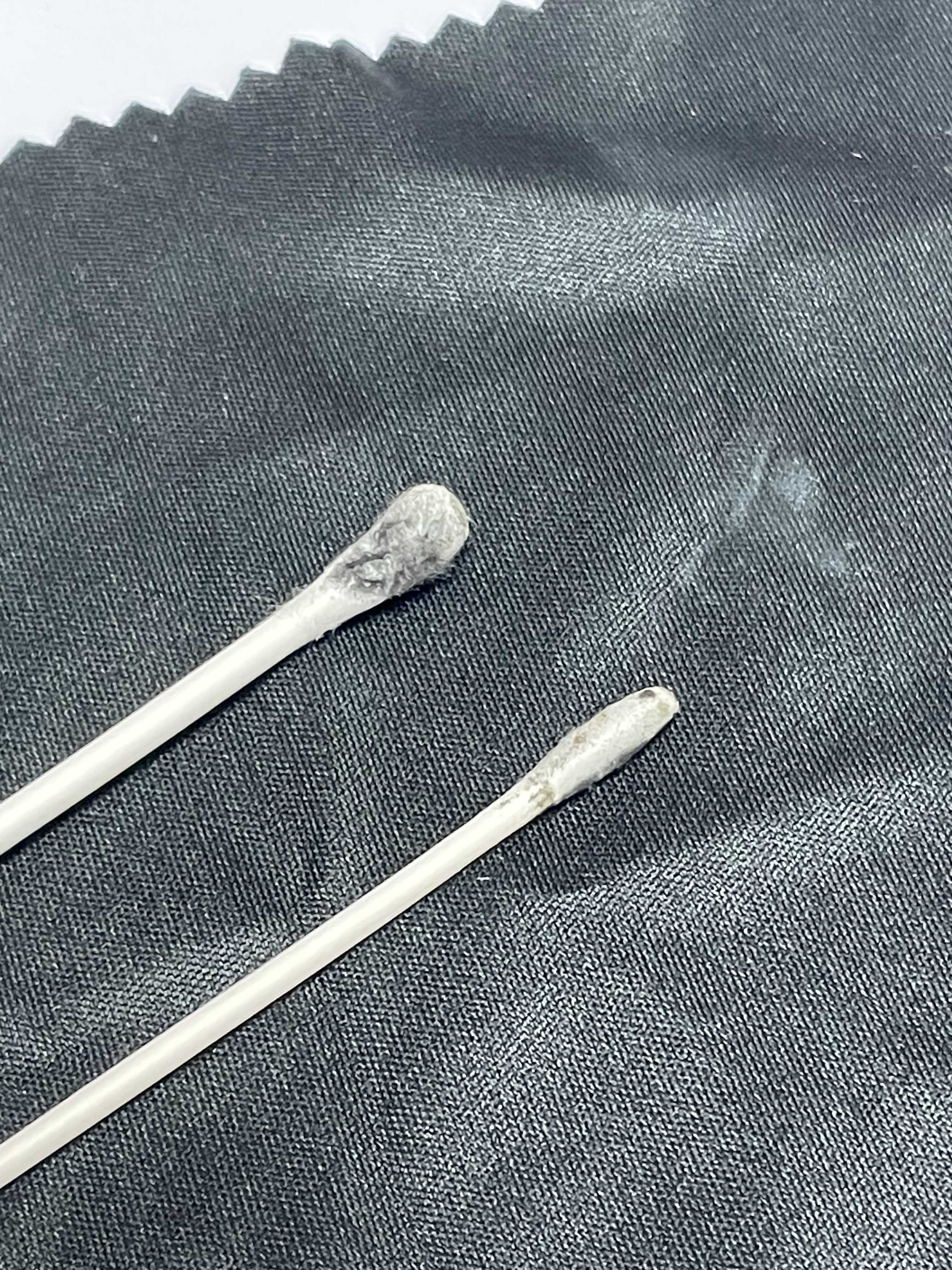
After cleaning the contacts, I looked at the cotton swab.
There was visible dirt on
The dirt was actually coming off.
This is one reason why I think inspecting used cartridges is important.
Even when a cartridge doesn’t look particularly bad from a distance, the contacts can have visible contamination.
6. Contact Revitalizer
After cleaning the contacts, I also used the contact revitalizer that I normally use in my maintenance process.
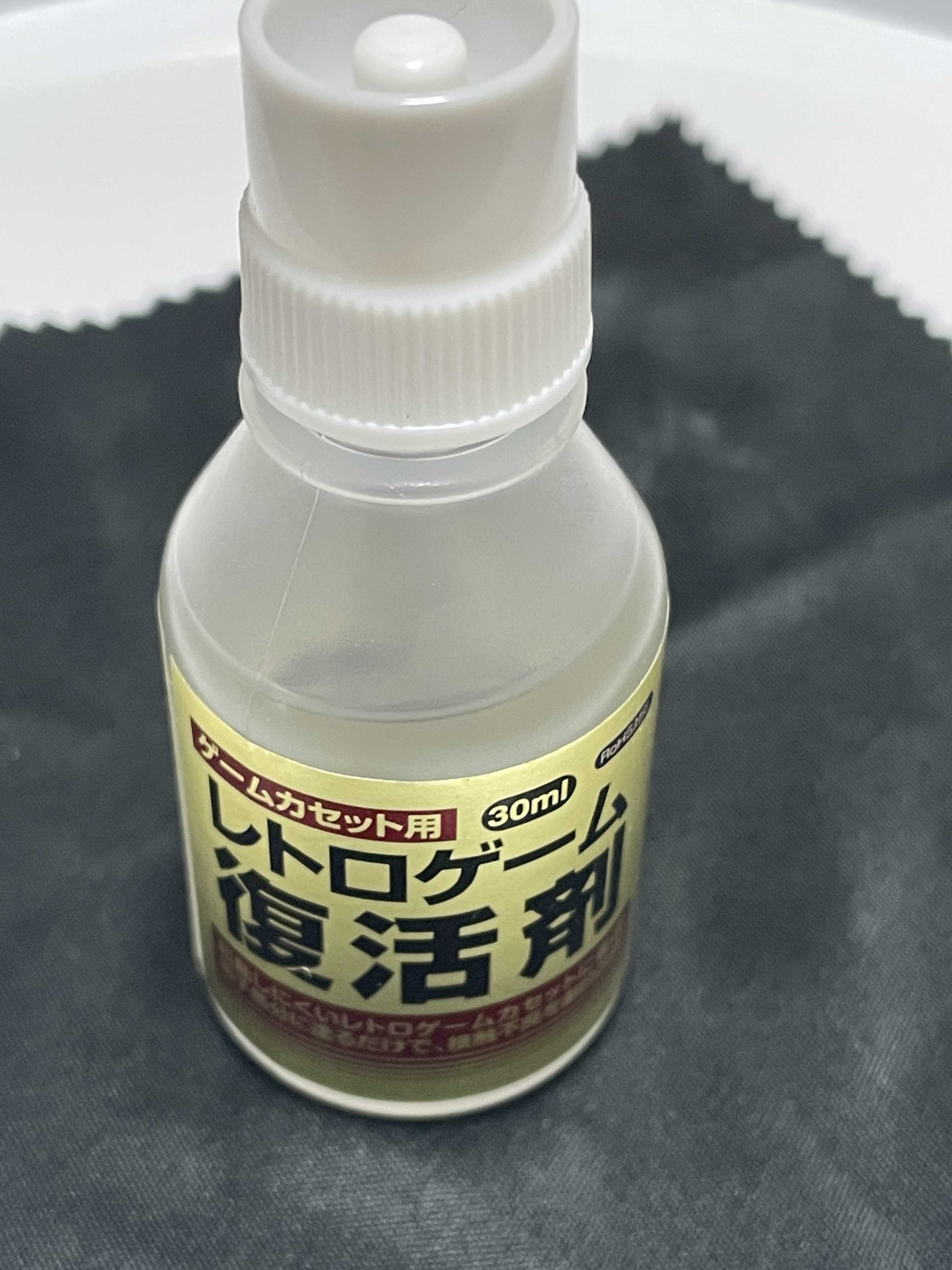
『my maintenance process』
Again, this is simply the method I used for this particular cartridge.
The important thing is not to assume that one cleaning method will solve every cartridge problem.
7. Before and After
After cleaning, the cartridge and its contacts looked much cleaner.
But the most important question was still:
Would it actually work?
So I tested it again.
8. The Second Test
This time, the result was different.
The game screen appeared normally.
『BEFORE CLEANING』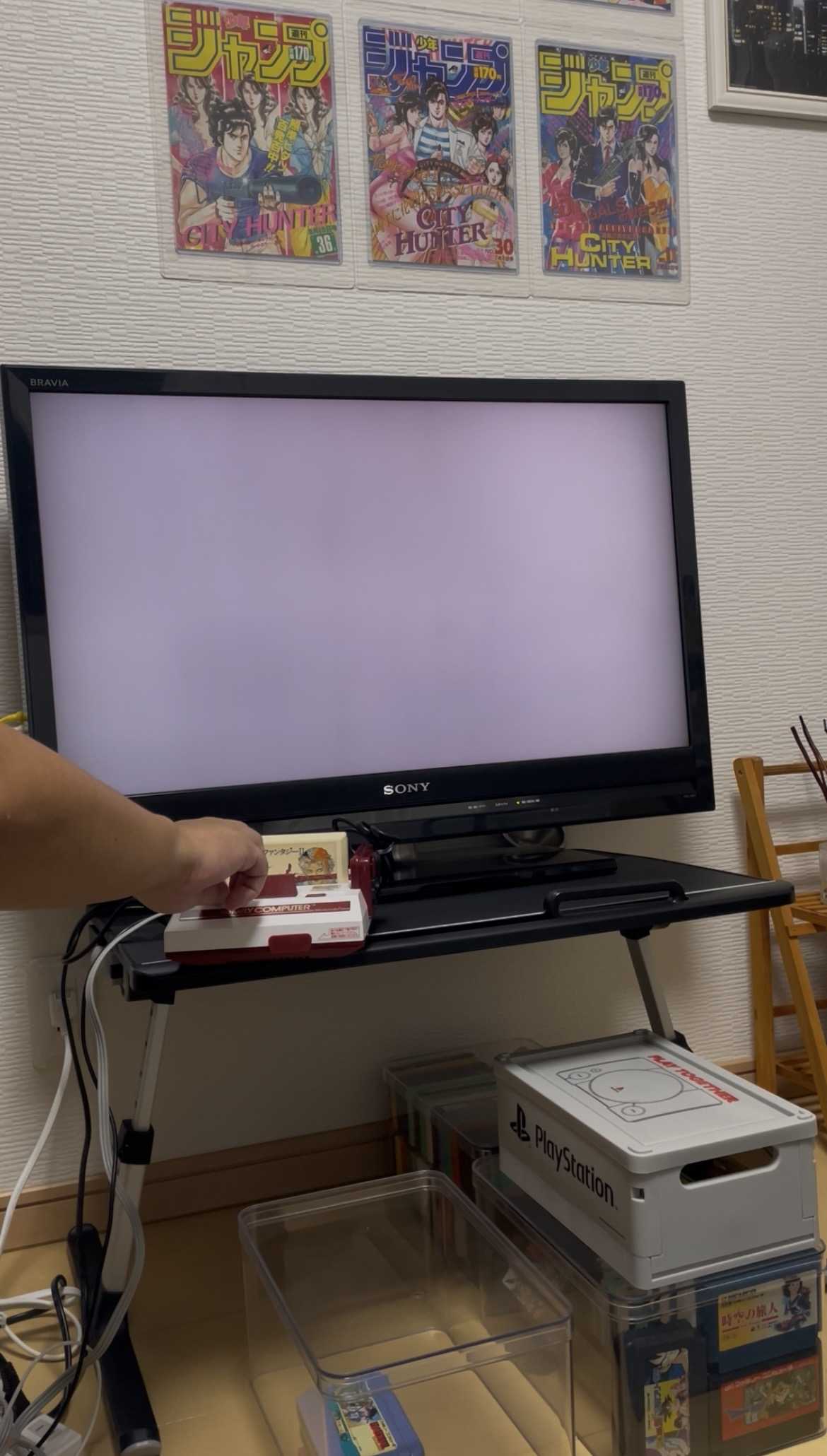
⬇️
『AFTER CLEANING』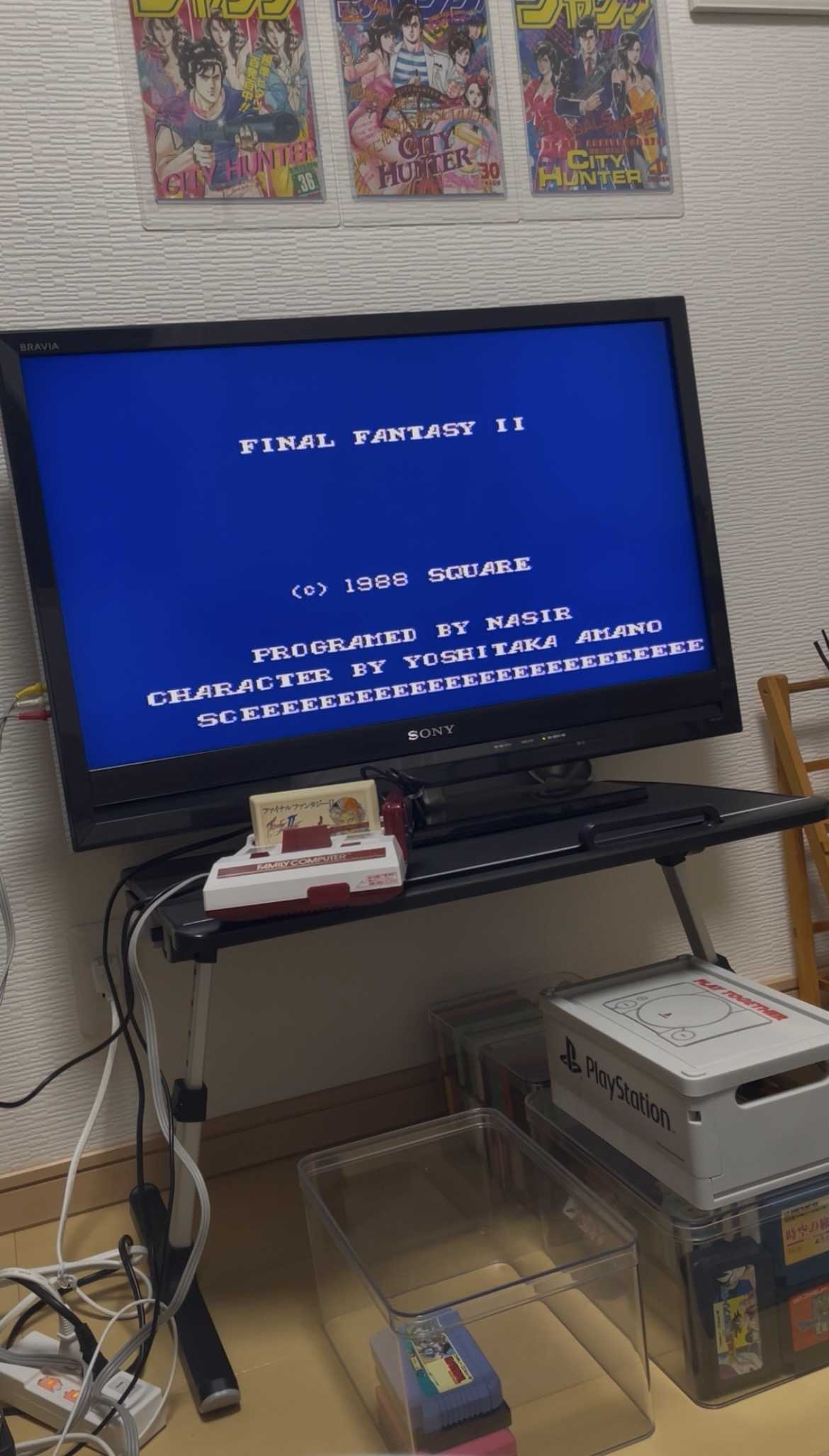
BEFORE
No proper game screen.
AFTER
The game booted normally. 🎮
For this particular Final Fantasy II cartridge, the cleaning process was followed by a successful boot test.
This was a great example of why I don’t want to judge a used Famicom game only by its appearance or price.
9. But Cleaning Doesn’t Fix Everything
There is another important side to this story.
I also have Famicom cartridges that still do not work even after cleaning and testing .
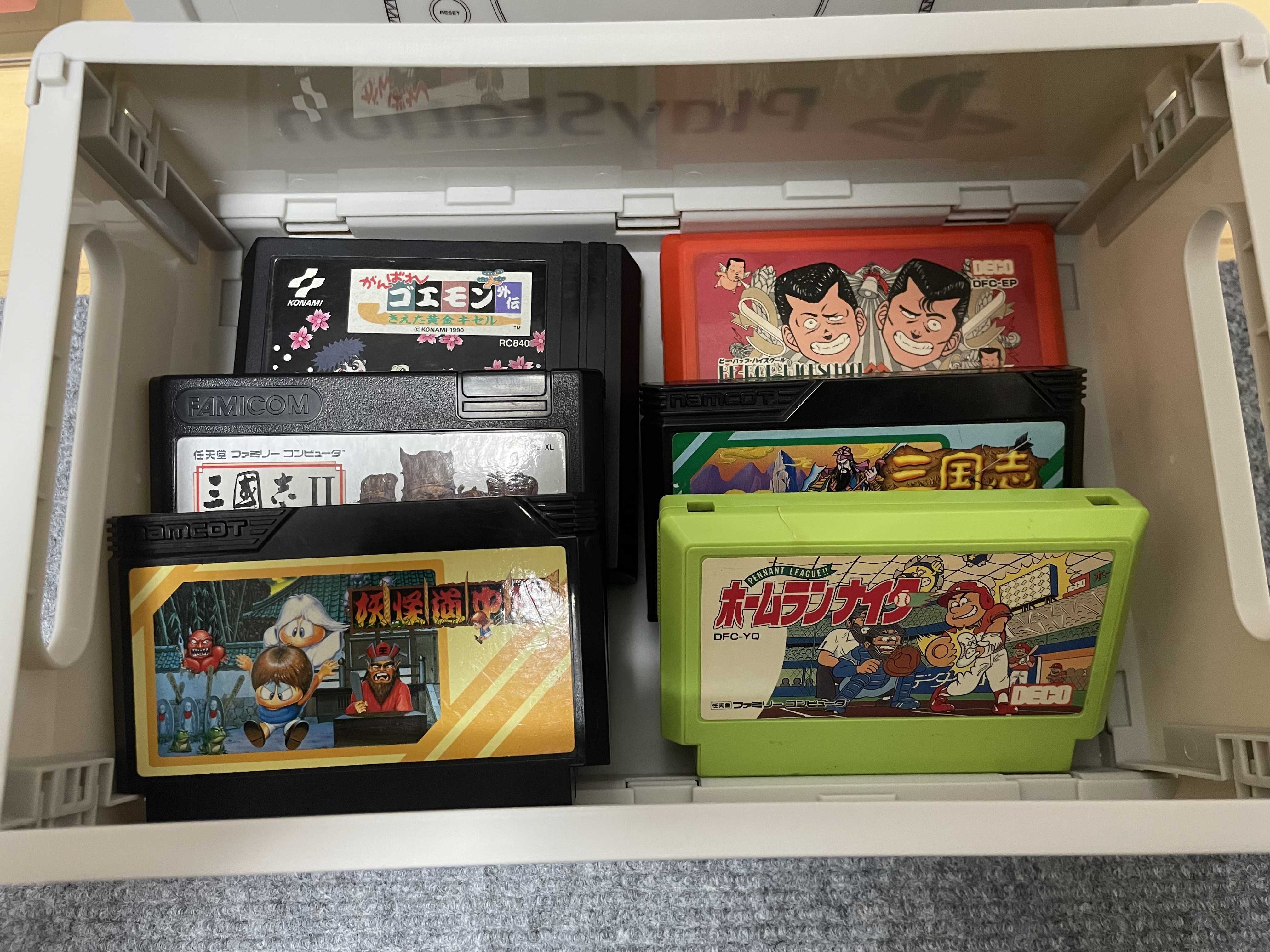
So I don’t want to give the impression that:
“Just clean the contacts and every Famicom game will work again.”
That’s not true.
Some cartridges may have other problems that cleaning alone cannot solve.
Cleaning doesn’t guarantee a working game.
That’s why testing is so important.
10. What Should You Check Before Buying a Used Japanese Famicom Game?
If you are buying Japanese Famicom games from Japan, here are some things worth checking.
① Is the game tested?
Look for information about whether the actual game has been tested.
② Is there a boot/test photo?
A photo showing the actual game running can give you more information than a simple cartridge photo.
③ Check the cartridge condition
Look at:
- Cartridge shell
- Label
- Connector contacts
- Dirt
- Corrosion
- Cracks or physical damage
④ Don’t judge only by price
A very cheap cartridge can be attractive.
But if it doesn’t work, the low price may not be such a good deal.
⑤ Understand “junk”
Japanese marketplaces often use the term ジャンク (junk) .
If a listing is described as junk, make sure you understand that normal operation may not be guaranteed.
For overseas buyers, checking the seller’s condition description is especially important.
11. How I Handle Famicom Games at JP RETRO GAMES
This experience also explains how I want to sell Japanese Famicom games.
I don’t want JP RETRO GAMES to be simply about finding the cheapest cartridges.
I want overseas collectors to have useful information before they buy.
For the games I list, when I have performed the relevant checks, I try to provide information such as:
✓ Condition checked
✓ Cleaning performed when appropriate
✓ Operation tested
✓ Boot/test photo when available
The exact condition and checks are described for each individual listing.
12. Real Hardware. Real Games. Real Results.
The Final Fantasy II cartridge was a simple but useful example.
It started with:
Used cartridge
↓
Dirty contacts
↓
First test failed
↓
Cleaning
↓
Second test succeeded
But I also have cartridges that did not recover after cleaning.
So the lesson isn’t:
“Cleaning fixes Famicom games.”
The lesson is:
“Testing matters.”
When buying used Japanese Famicom games, price is not the only thing to consider.
A clean cartridge is nice.
But a tested cartridge is even more important.
🎮 JP RETRO GAMES
Real Hardware. Real Games. Real Results.
Discover Japanese Retro Games from Japan to the World. 🌏

-
AIGINA: THE PROPHECY|An Obscure Japane… 2026.10.09
-
DRAGON QUEST IV: CHAPTERS OF THE CHOSEN… 2026.10.09
-
FAXANADU|A Dark Fantasy Adventure on t… 2026.10.08


