


PR
retro games
🎮 JP RETRO GAMES|Japanese Famicom & Retro Games 🇯🇵 Sharing real hardware, gameplay, guides and Japanese gaming culture with retro gamers around the world. 日本のファミコンとレトロゲームの魅力を世界へ発信!
カレンダー
カテゴリ
FAXANADU|A Dark Fantasy Adventure on the 1987 Japanese Famicom JP RETRO GAMES|Series No.13
DRAGON BALL Z III: RESSEN JINZOUNINGEN|A Rare 1992 Japanese Famicom Dragon Ball Game
URUSEI YATSURA: LUM NO WEDDING BELL|A Strange 1986 Japanese Famicom Game JP RETRO GAMES|Series No.11
WWF WRESTLEMANIA CHALLENGE on the Japanese Famicom 🇯🇵 JP RETRO GAMES|Series No.10 WWF WRESTLEMANIA CHALLENGE
コメント新着
キーワードサーチ

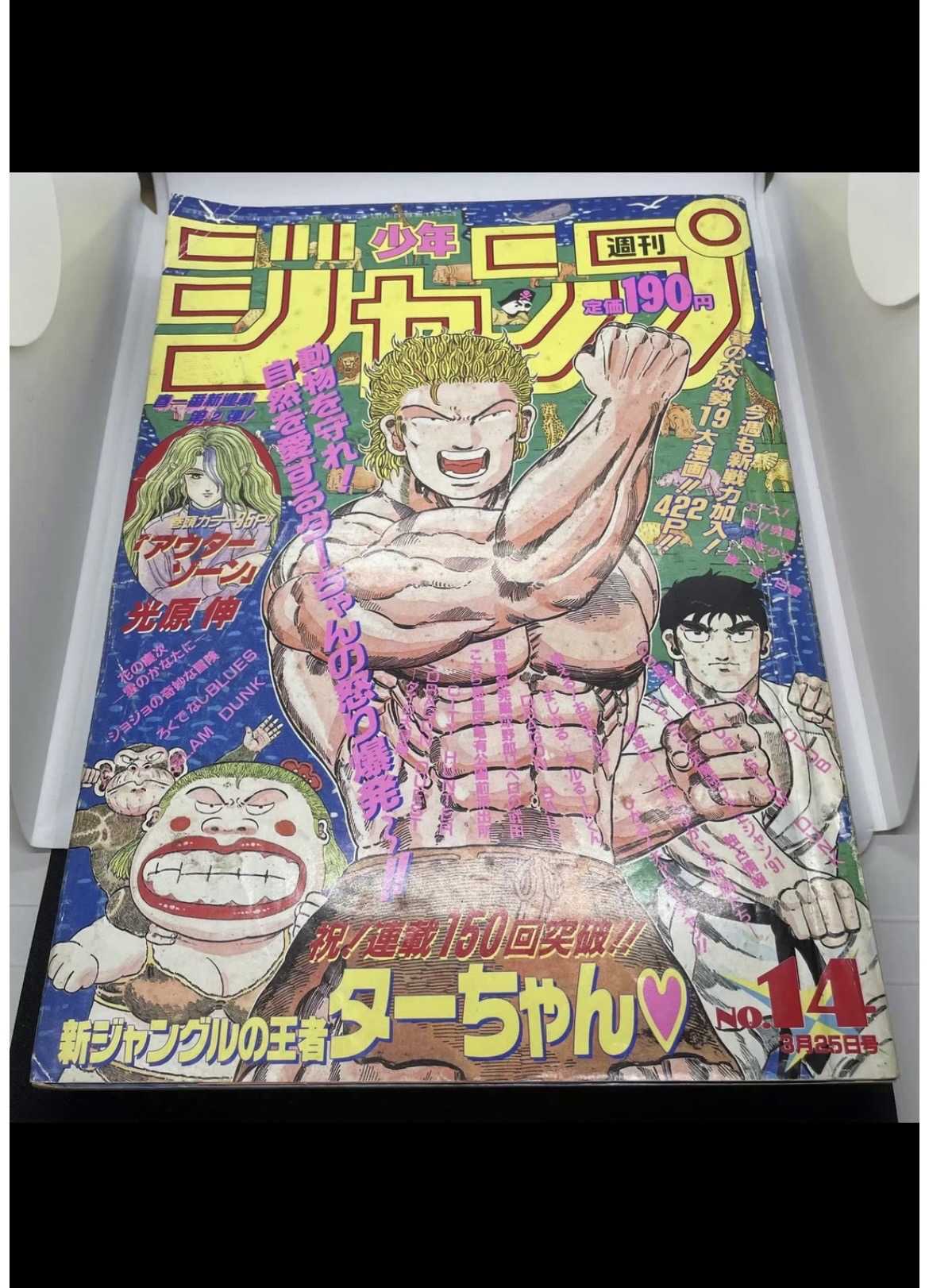
What Was Weekly Shonen Jump Like in 1991?
Imagine opening a Japanese manga magazine from 1991.
Inside a single issue, you could find Dragon Ball, Slam Dunk, JoJo’s Bizarre Adventure, City Hunter, Yu Yu Hakusho, Fist of the North Star-related Jump culture, and many other major series .
This is not a modern reprint.
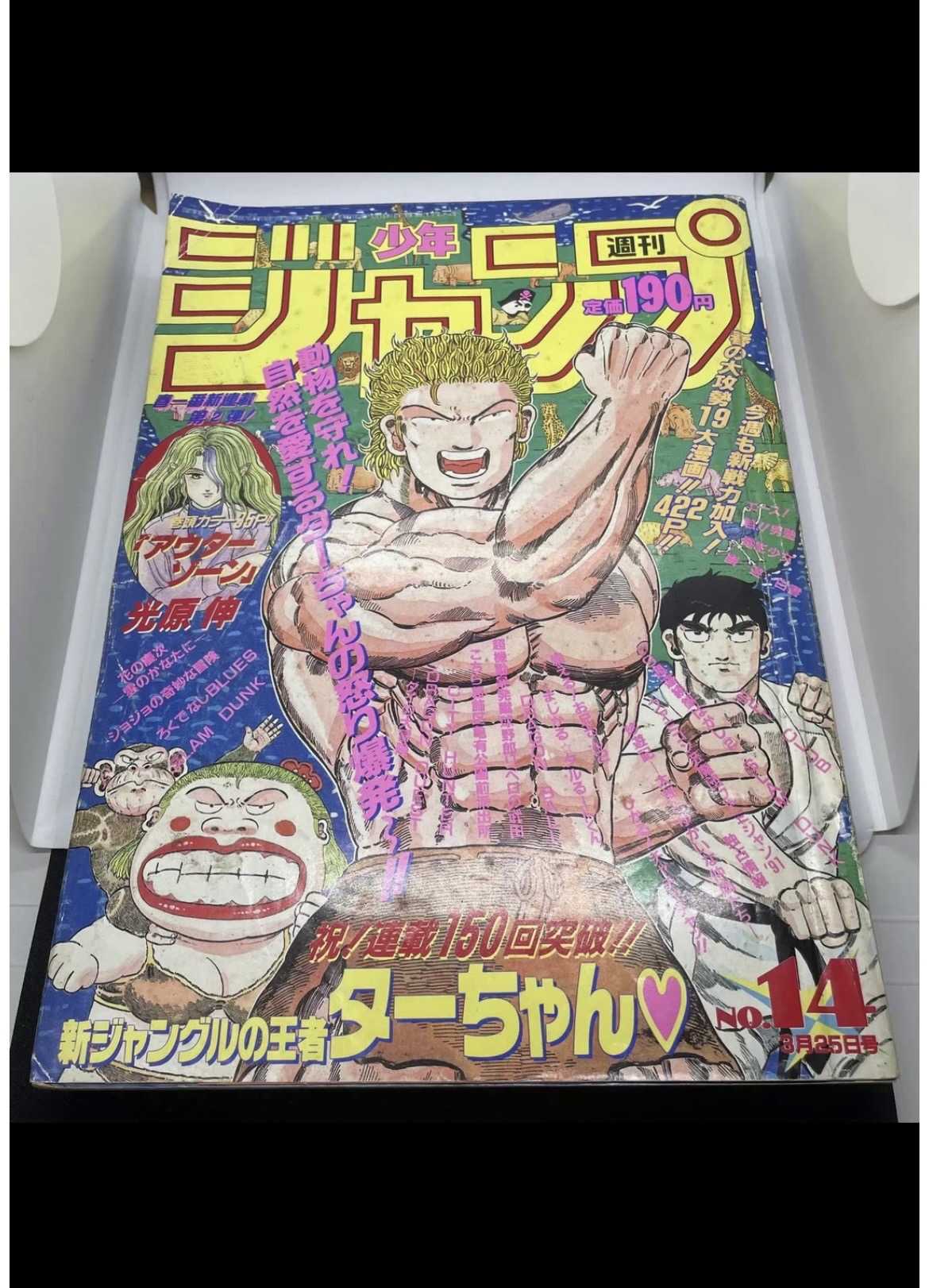
This is an actual copy of Weekly Shonen Jump No.14, dated March 25, 1991 .
And this particular issue is an incredible snapshot of Japanese pop culture at the beginning of the 1990s.
A Magazine Packed With Famous Manga
本文:
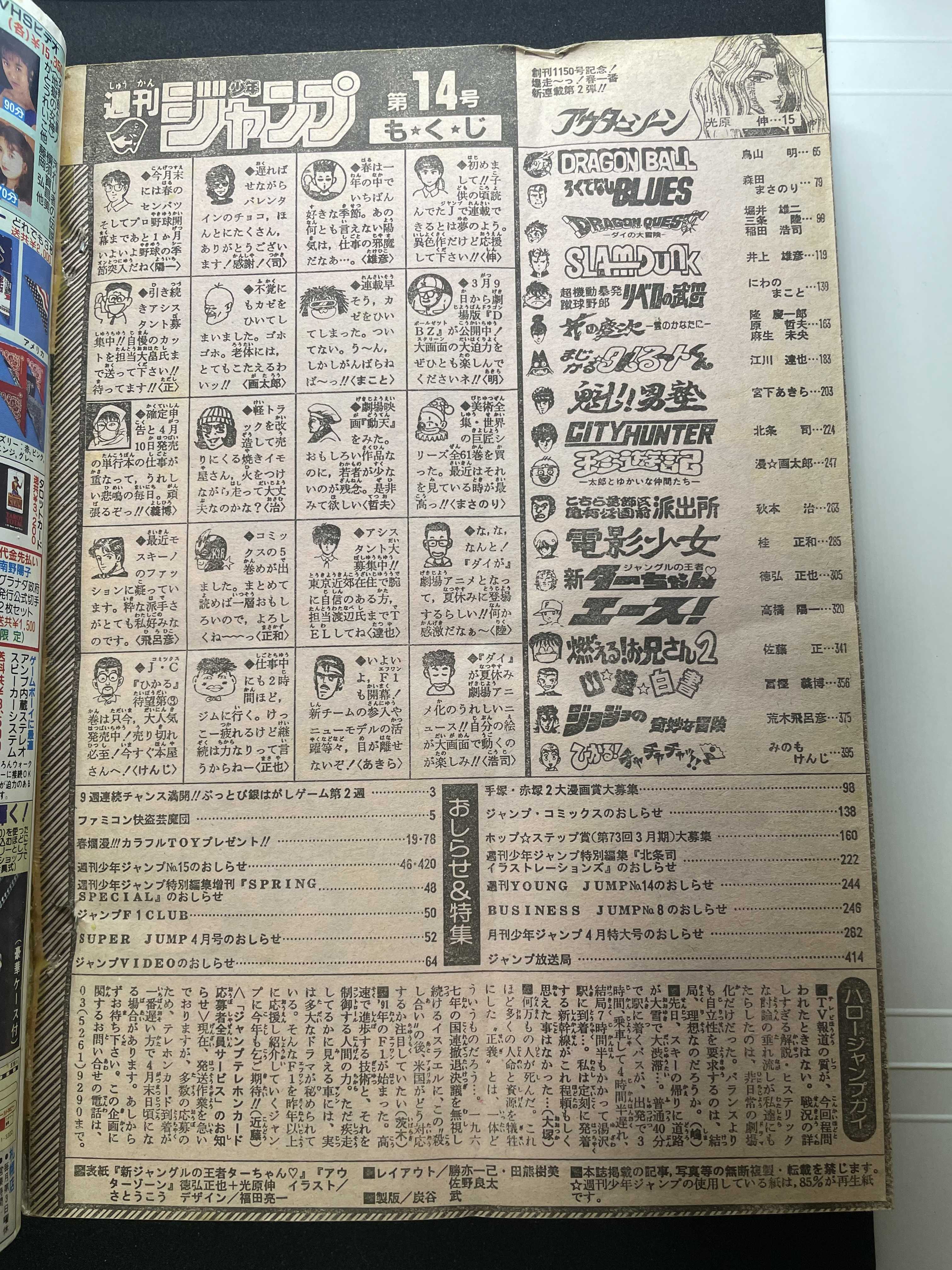
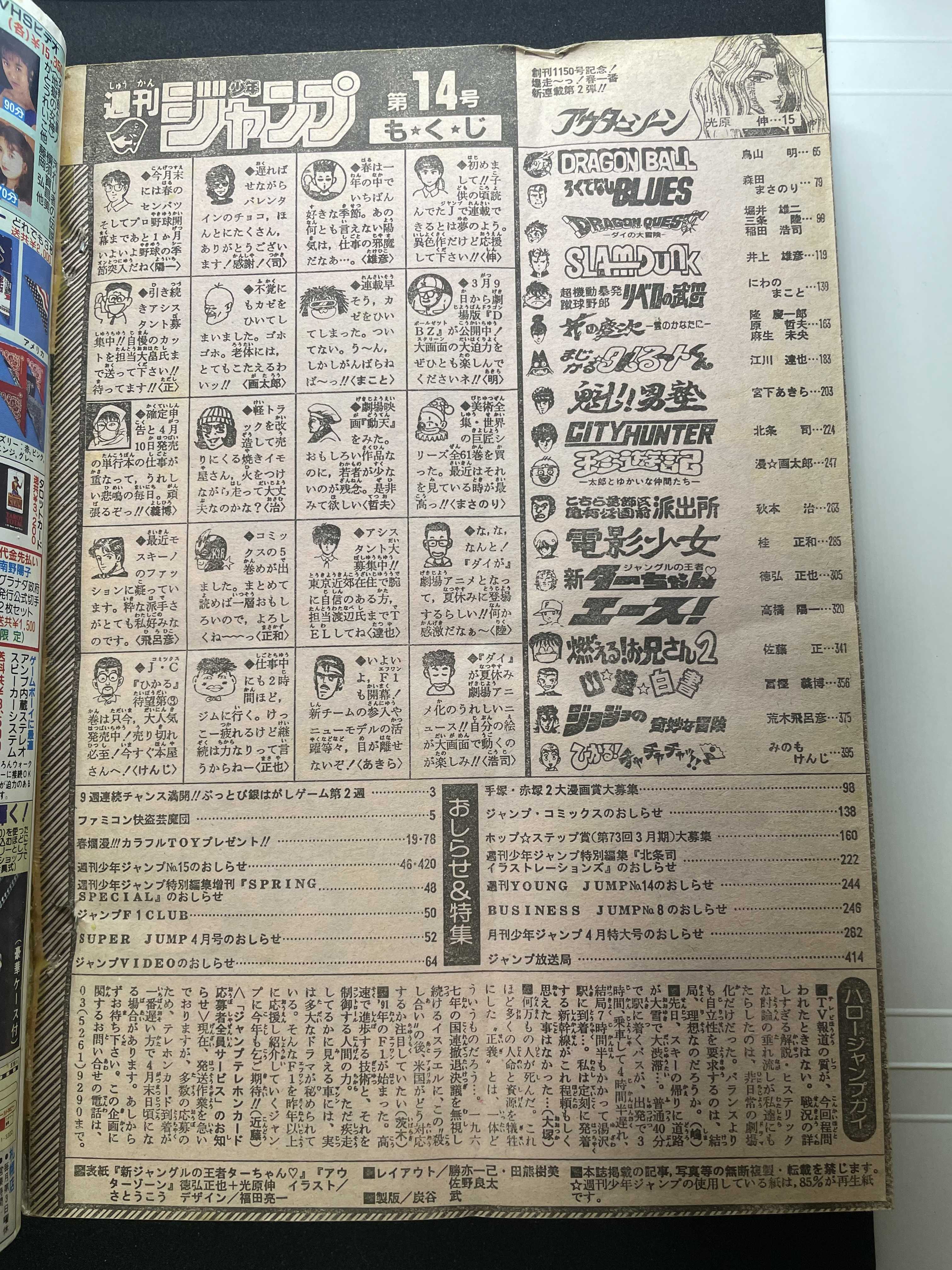
Just look at the table of contents.
The issue contains:
- Dragon Ball
- Slam Dunk
- JoJo’s Bizarre Adventure
- City Hunter
- Yu Yu Hakusho
- Rokudenashi Blues
- Dragon Quest: The Adventure of Dai
- New Jungle King Tar-chan
- Kochikame
- Magical Taruruto-kun
- Sakigake!! Otokojuku
- and more.
For anyone interested in Japanese manga history, this is like opening a time capsule.
Dragon Ball in 1991
本文:
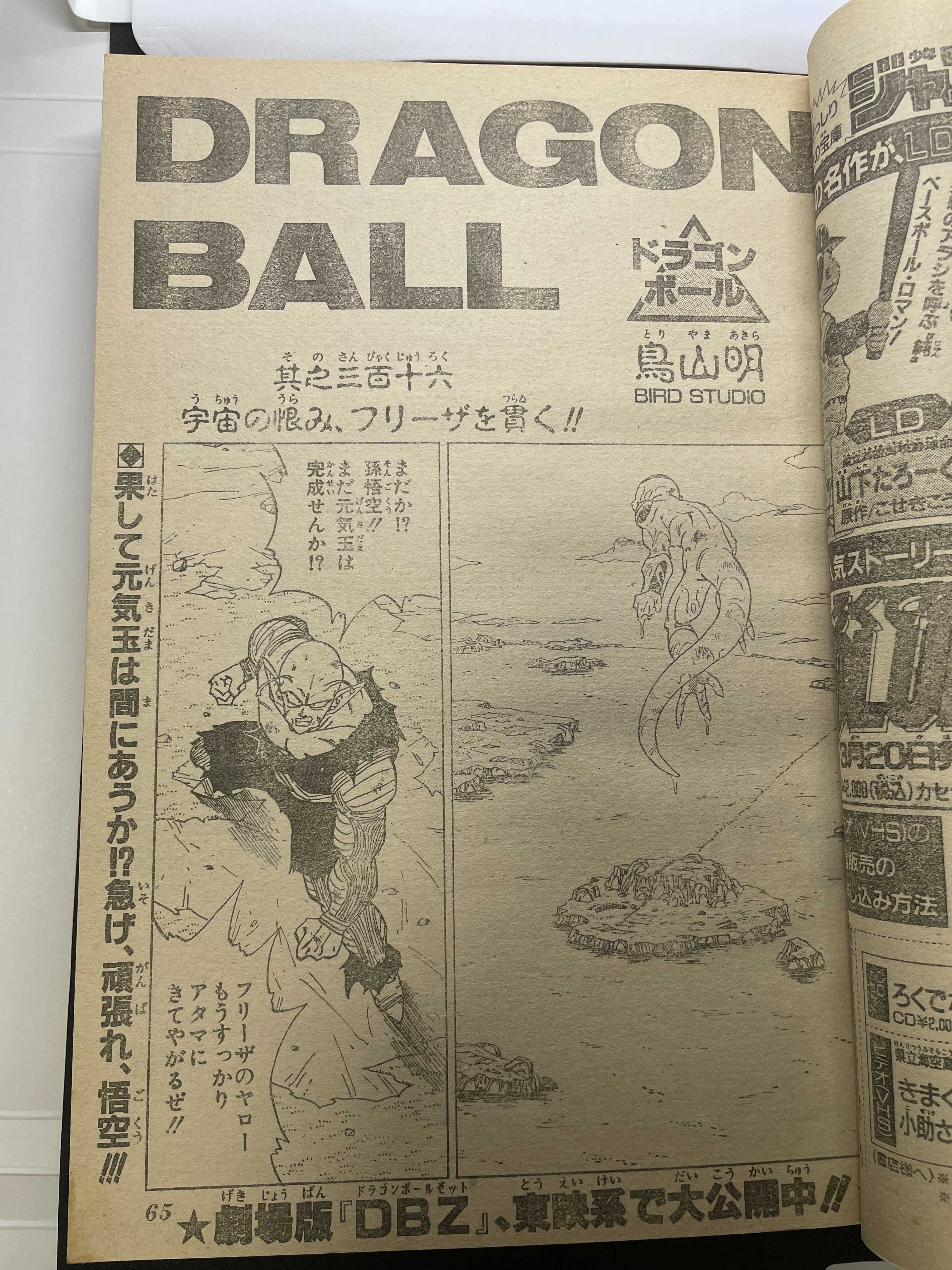
One of the biggest names in this issue is, of course, Dragon Ball .
The chapter in this issue is Chapter 316 , titled 「宇宙の恨み、フリーザを貫く!!」.
What is fascinating is seeing Dragon Ball exactly as Japanese readers would have encountered it in 1991 — printed on the slightly yellowed paper of a weekly manga magazine.
The Artwork Looks Completely Different on Paper
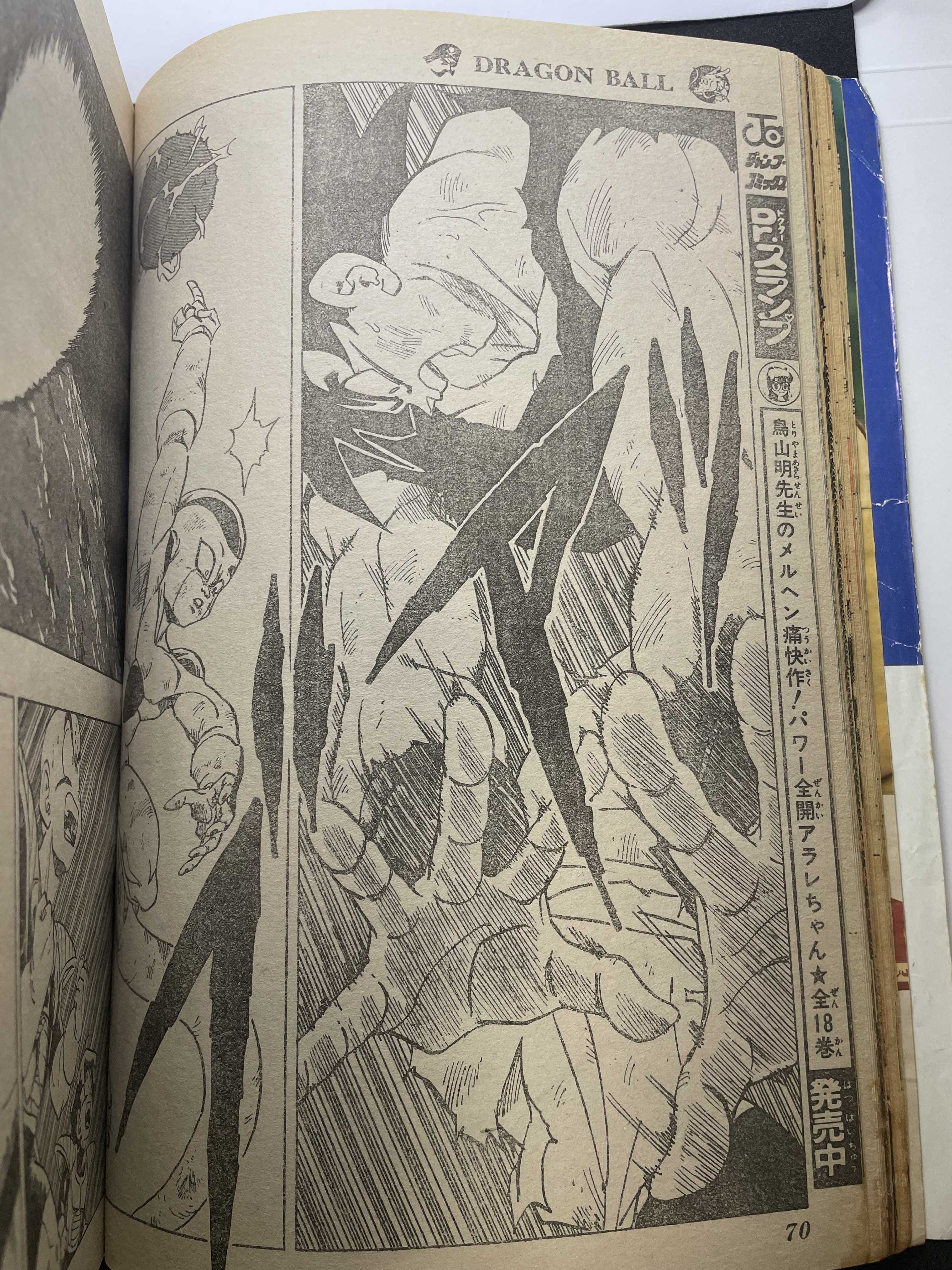
Looking at these pages today, the printing itself becomes part of the experience.
The paper.
The ink.
The contrast.
The huge sound effects.
The page layouts.
Digital images can reproduce the artwork, but they don’t reproduce the experience of holding the original magazine.
That physical feeling is one of the reasons I enjoy collecting old Japanese manga.
Slam Dunk Was Already Here
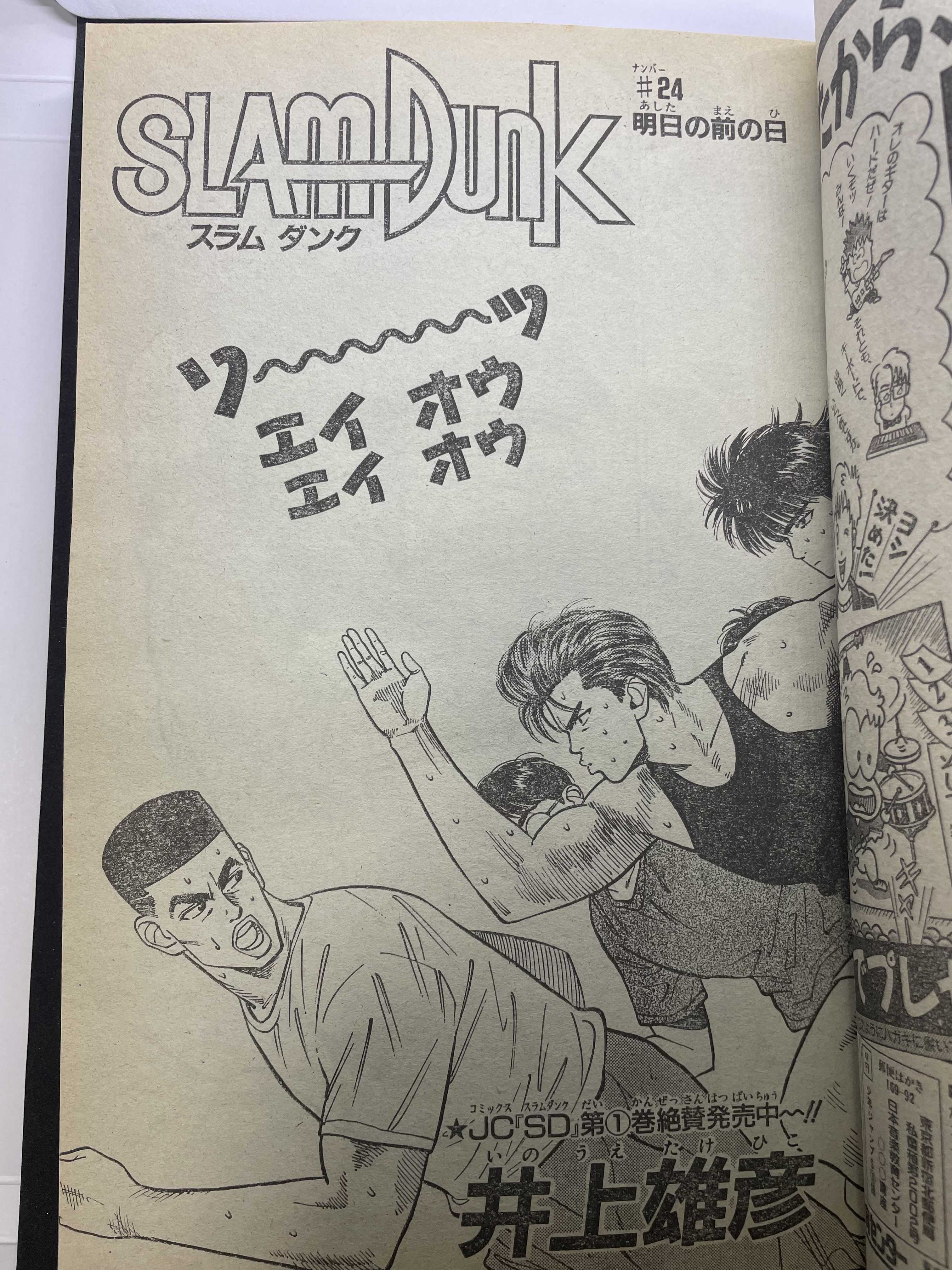
And then there is Slam Dunk .
The series was already running in Weekly Shonen Jump at this time.
This issue contains Slam Dunk #24, 「明日の前の日」 .
Today, Slam Dunk is known around the world.
But this is what the series looked like when readers in Japan were following it week by week.
City Hunter
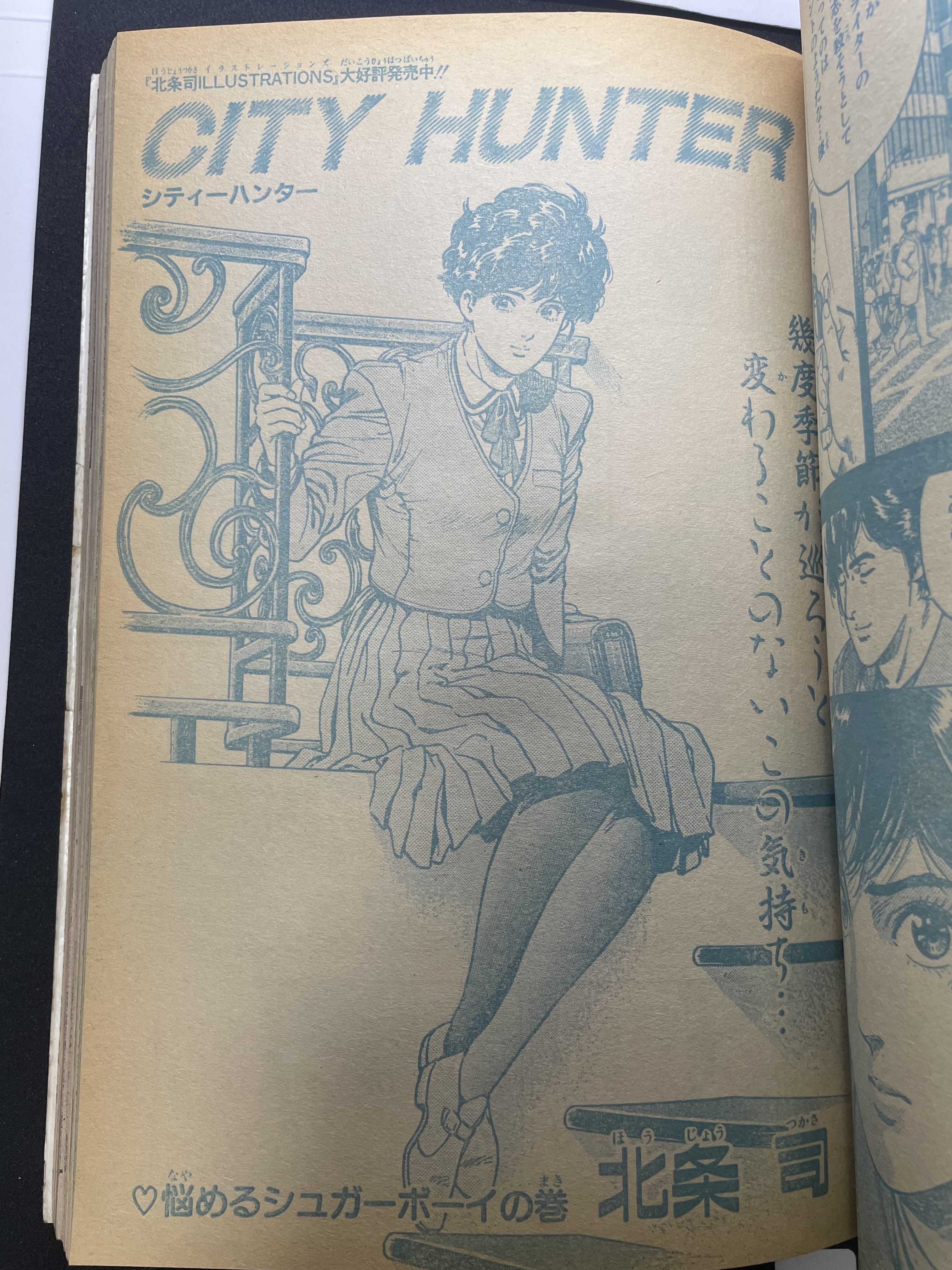
City Hunter was also part of the same issue.
The chapter was titled 「悩めるシュガーボーイの巻」.
Seeing City Hunter printed in the same magazine as Dragon Ball and Slam Dunk gives you a sense of just how much major manga was being published together.
JoJo’s Bizarre Adventure
And then there is JoJo’s Bizarre Adventure .
This issue features the chapter 「ジョセフの賭けの巻」.
The artwork immediately stands out.
Even without understanding Japanese, the dramatic character designs and unusual visual style are unmistakable.
Yu Yu Hakusho
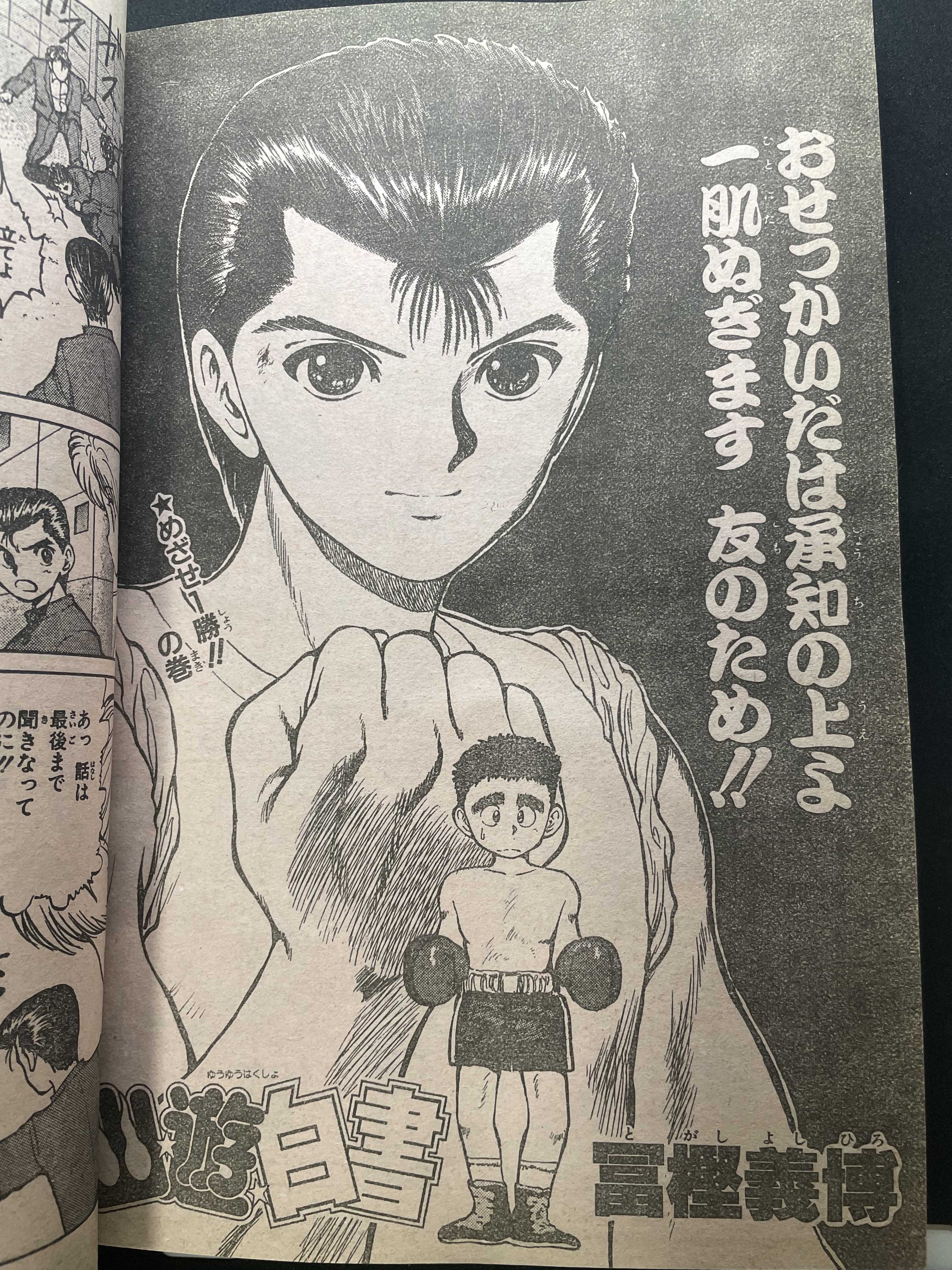
Yu Yu Hakusho was also running in Jump.
This is another reminder that many of the manga that became internationally recognizable later were being published together in the same Japanese magazine.
Tar-chan: The Star of the Cover
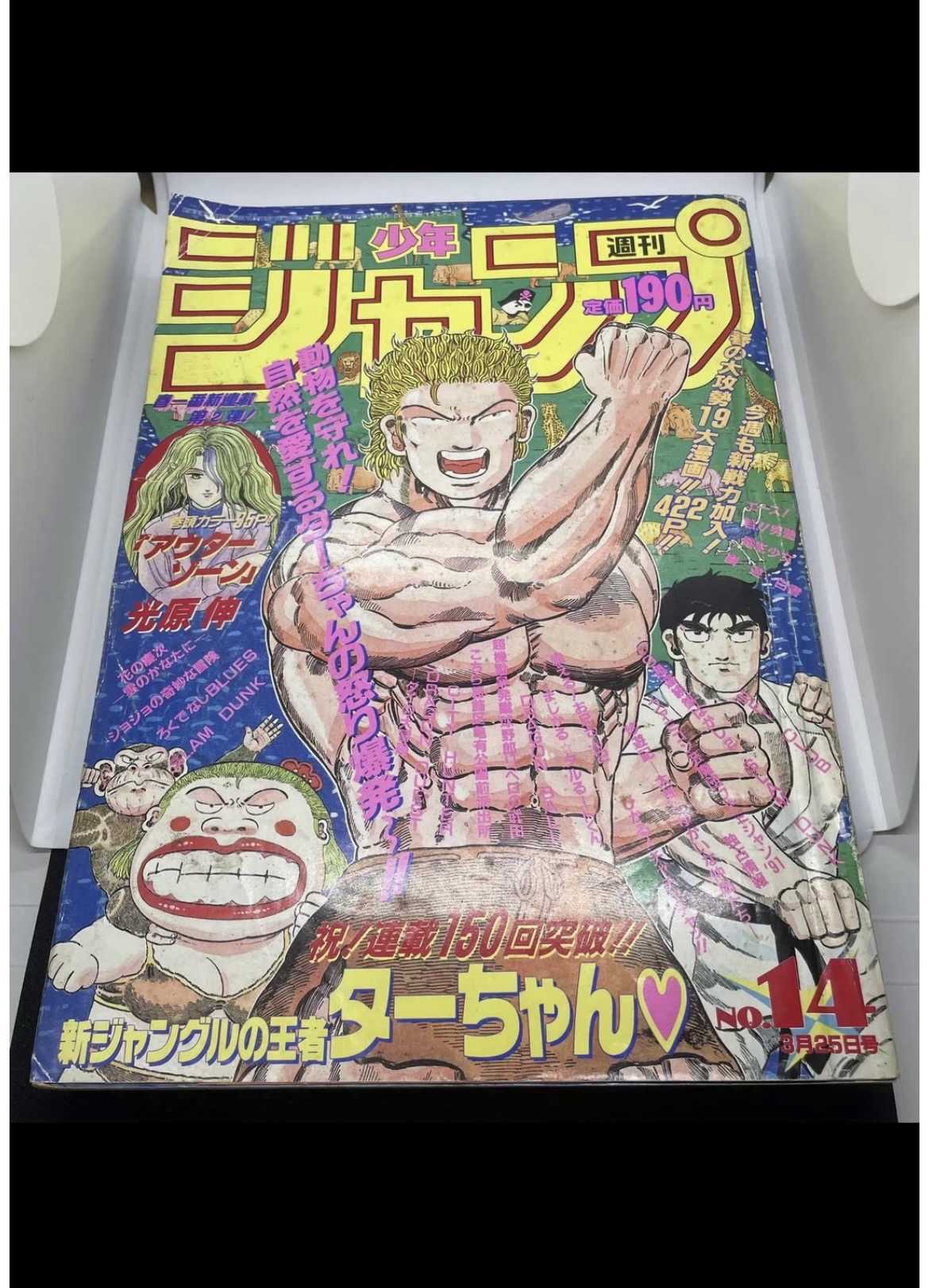
But there is one character who makes this particular issue especially important for JP RETRO GAMES.
Tar-chan.
The cover celebrates the series passing 150 chapters , and the issue itself contains No.151, 「エテ吉の昔話の巻」 .
The character is literally front and center on the cover.
And this is where the story connects to the Famicom.
From Weekly Shonen Jump to the Famicom
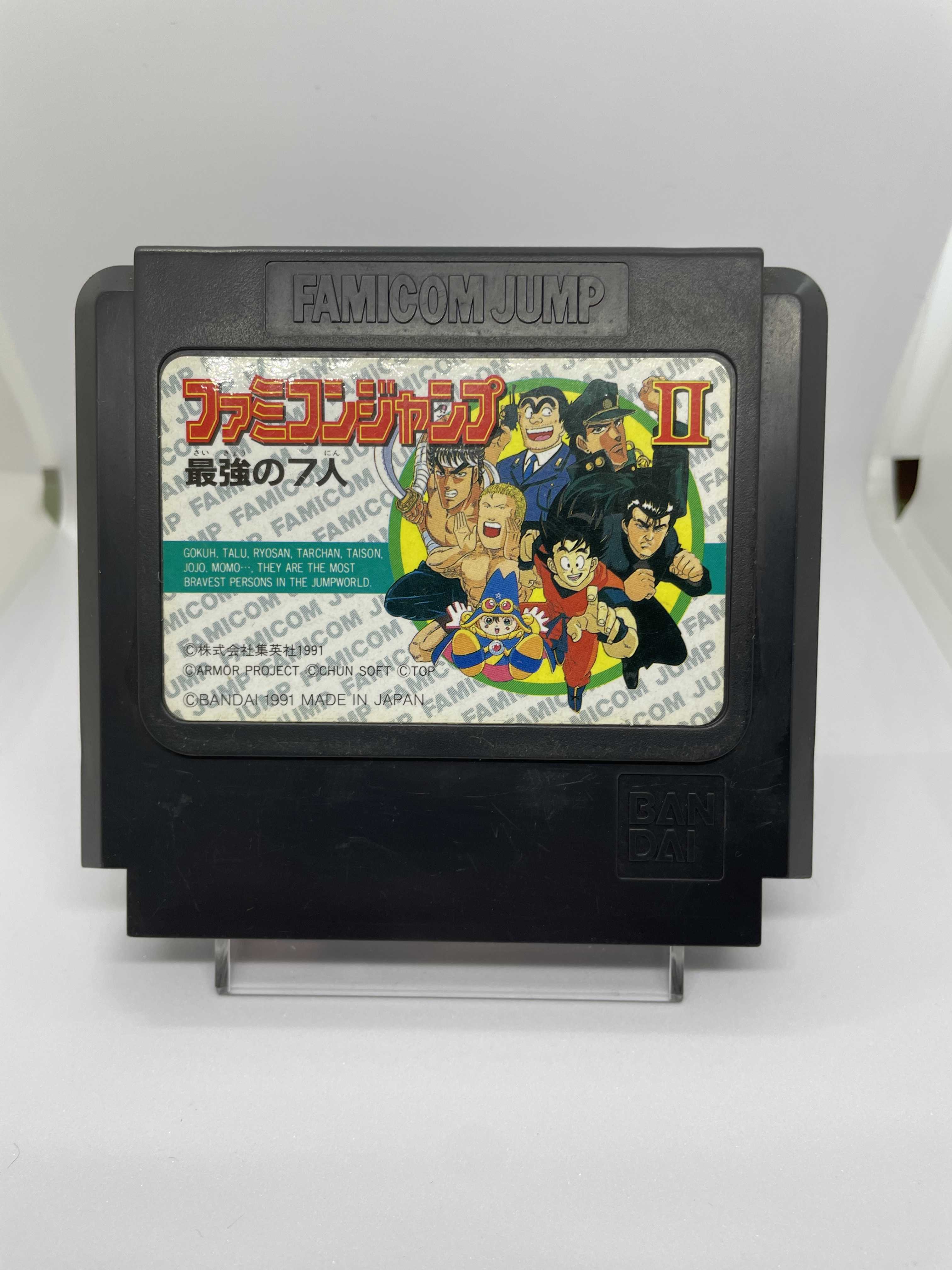
Later in 1991, Tar-chan would appear as one of the playable heroes in:
Famicom Jump II: Saikyo no 7-nin
The game brought together seven Weekly Shonen Jump characters in a Japanese Famicom RPG.
The seven heroes included Son Goku, Ryotsu Kankichi, Momotaro Tsurugi, Jotaro Kujo, Tar-chan, Taruruto and Maeda Taison.
So the connection is fascinating:
Weekly Shonen Jump → Jump characters → Famicom
Tar-chan on the Famicom
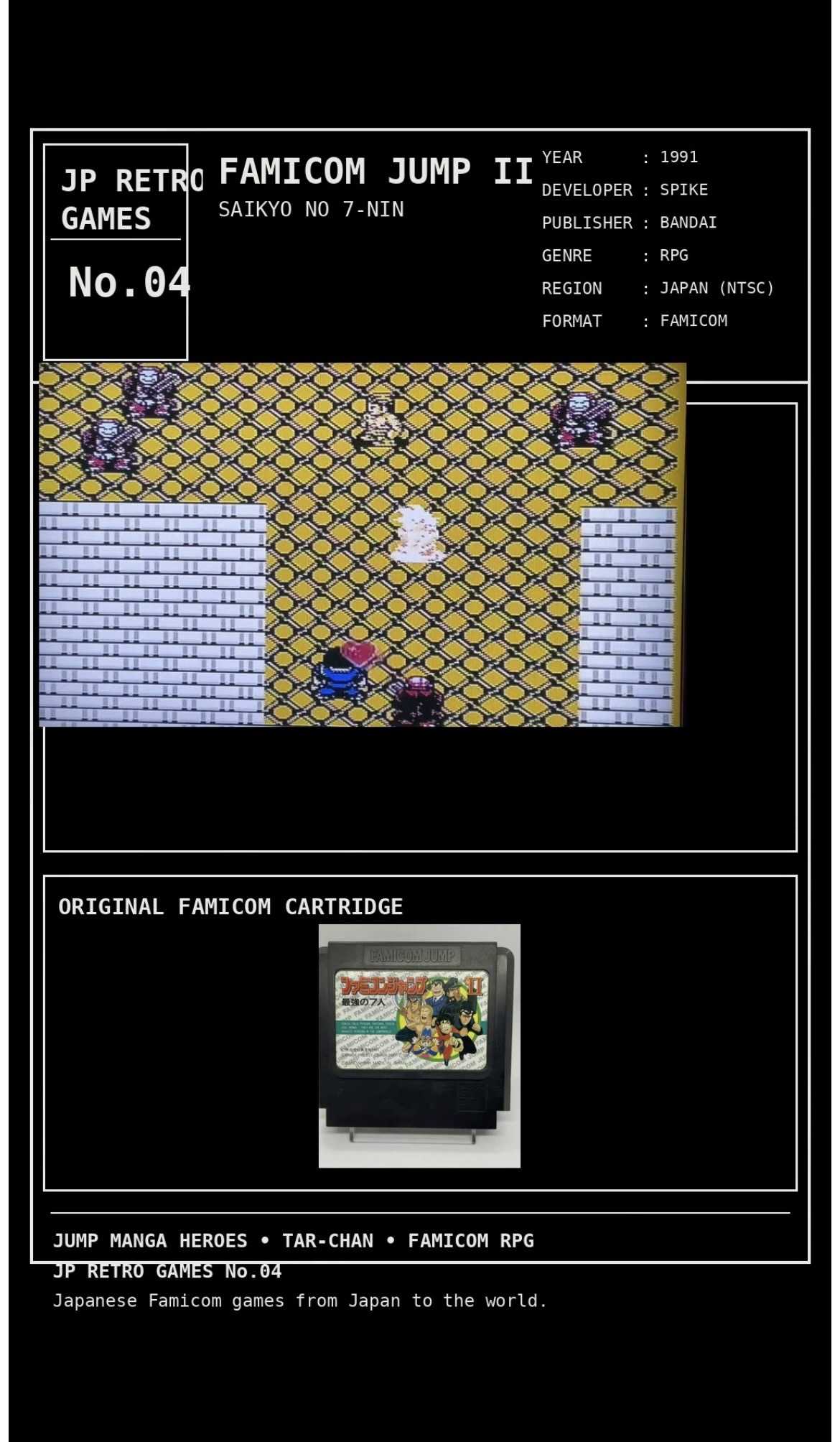
And Tar-chan isn’t just a character in the background.
He is playable.
He explores the world, enters battles and has his own attacks and abilities.
Tar-chan’s Attack
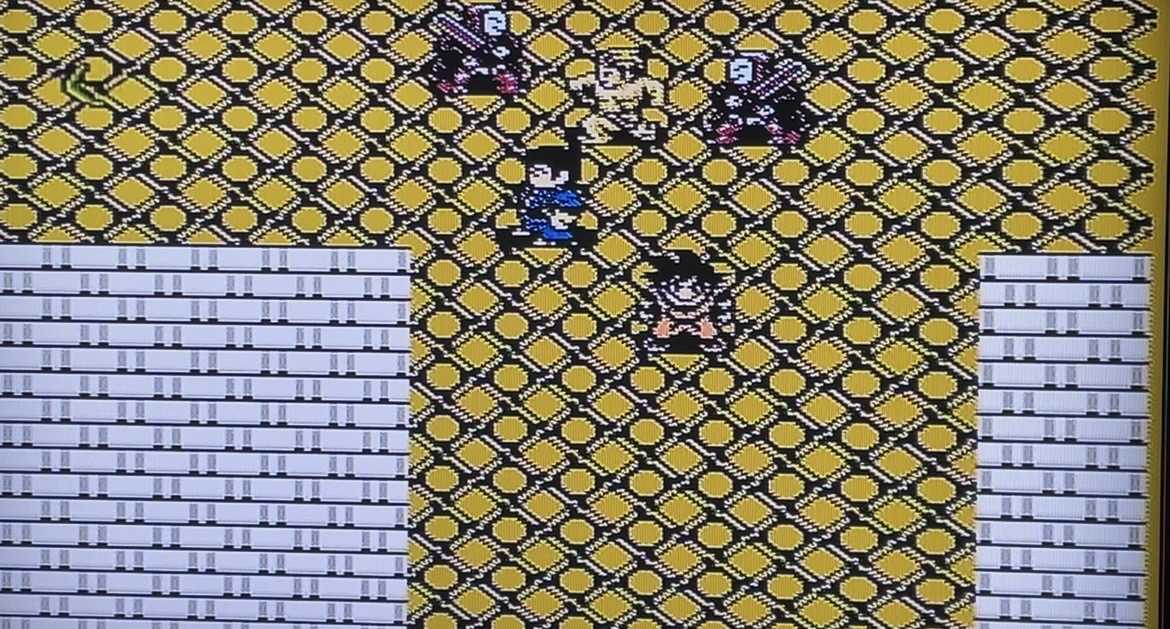
This is one of the moments I wanted to capture in JP RETRO GAMES No.04.
Tar-chan attacks an enemy with his characteristic weapon.
It’s a small moment, but it creates a direct connection between the manga character on the magazine page and the character on the Famicom screen.
One Issue. One Moment in Japanese Pop Culture.
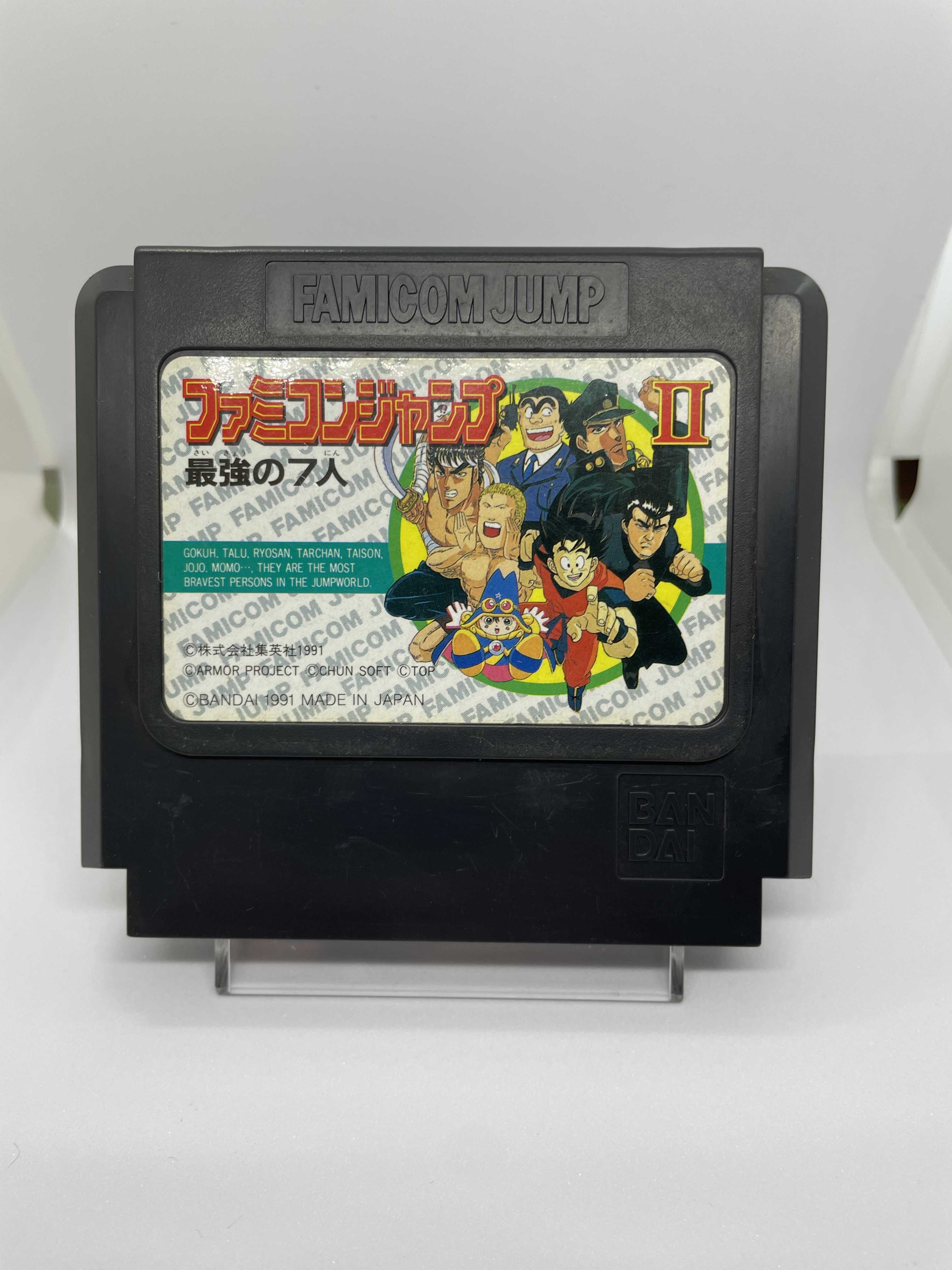
It’s the connection between them.
The magazine shows the characters in their original manga environment.
The Famicom game shows how those characters were transformed into an interactive adventure.
Both are pieces of Japanese pop culture from the same era.
Why Old Japanese Jump Magazines Are So Interesting
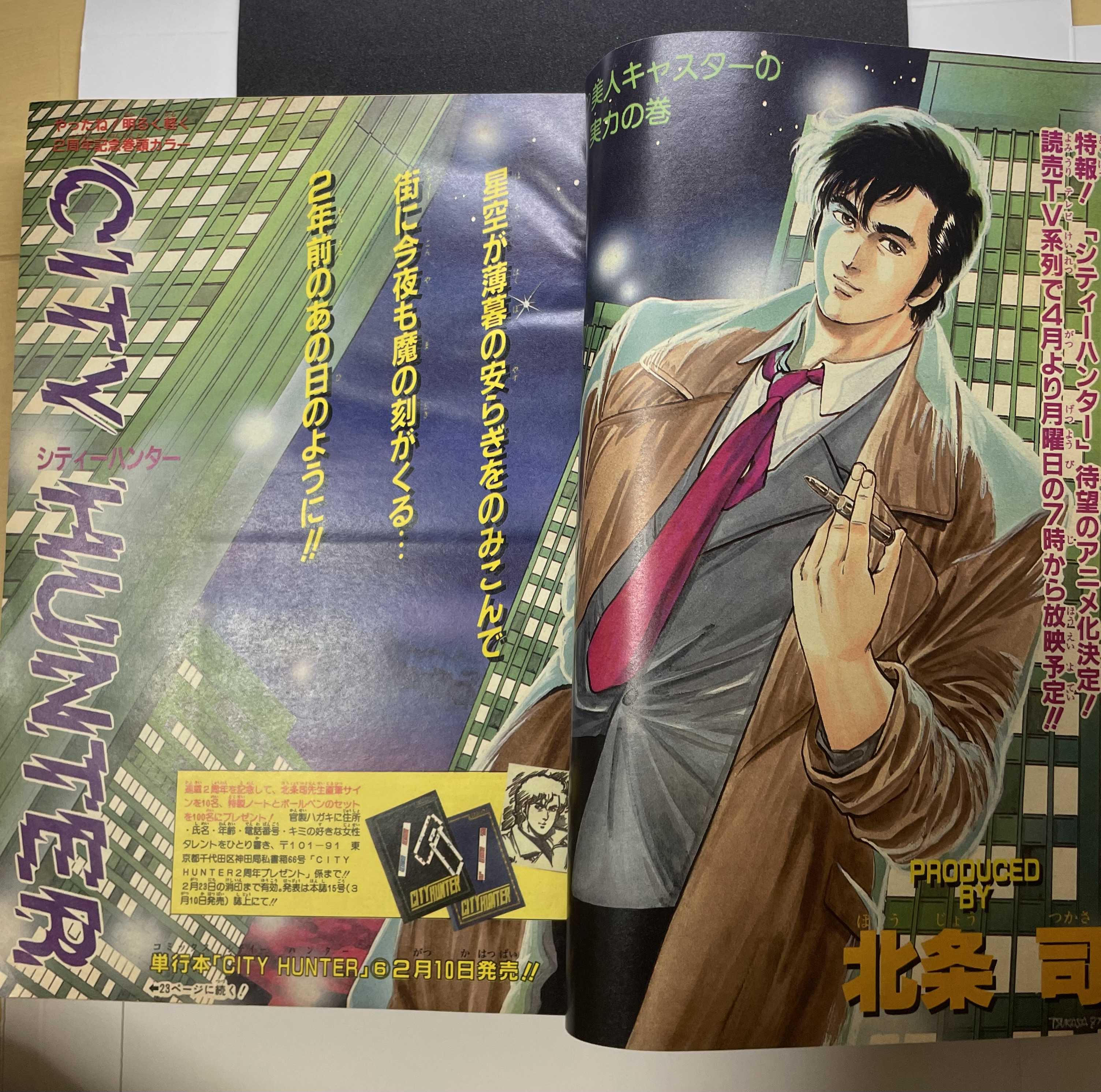
An old Weekly Shonen Jump isn’t just a manga book.
It is a snapshot of what Japanese readers were seeing, reading and talking about at the time.
The advertisements, table of contents, page layouts, manga artwork and even the physical condition of the paper all tell part of the story.
That’s what makes an original magazine so different from a modern digital archive.
1991 — A Snapshot of Jump
Looking at this one issue today, it is easy to understand why Weekly Shonen Jump became such an important part of Japanese pop culture.
Dragon Ball.
Slam Dunk.
JoJo.
City Hunter.
Yu Yu Hakusho.
Tar-chan.
All inside one magazine.
And one of those characters would soon appear in a Famicom RPG.
From Japan to the World
This is what I want to explore with JP RETRO GAMES .
Not just old games.
Not just old manga.
But the connections between Japanese games, manga and the pop culture that surrounded them.
Sometimes, a Famicom cartridge tells only part of the story.
Sometimes, you have to open an old Weekly Shonen Jump to see the rest.
What Japanese manga or Famicom game from the 1980s or 1990s should I explore next?
Looking for Japanese Famicom Games?
Follow JP RETRO GAMES as I explore Japanese Famicom games, manga and retro culture from Japan to the world.
JP RETRO GAMES — Japanese Retro Games from Japan to the World.

-
DRAGON QUEST IV: CHAPTERS OF THE CHOSEN… 2026.10.09
-
FAXANADU|A Dark Fantasy Adventure on t… 2026.10.08
-
DRAGON BALL Z III: RESSEN JINZOUNINGEN… 2026.10.07


