


PR

jinsan0716
『JINさんの陽蜂農遠日記』にアクセスありがとう ございます。 このブログは、 陽:太陽光発電、 蜂:趣味の養蜂、 農:菜園、花、スロー&アクティブシニアライフ、 遠:旅行、 を中心とした備忘録を兼ねた18年間にわたる毎日のブログ(雑記帳)です。 書き込んでいただける方は、写真下の『コメントを書く』から 気楽に、ご感想、ご意見ご質問等を書き込んでいただきたく。
Keyword Search
▼キーワード検索
卓球 nojima T リー…
New!
オジン0523さん
南モンゴル・ゴビ砂漠… 隠居人はせじぃさん
【桜蓼 ・ 日曜はリ…
Gママさん
停電時に自動点灯す…
noahnoahnoahさん
エコハウスにようこそ ecologicianさん
南モンゴル・ゴビ砂漠…
隠居人はせじぃさん【桜蓼 ・ 日曜はリ…
Gママさん停電時に自動点灯す…
noahnoahnoahさんエコハウスにようこそ ecologicianさん
Comments
Calendar
2026.09.07


カテゴリ: JINさんの農園
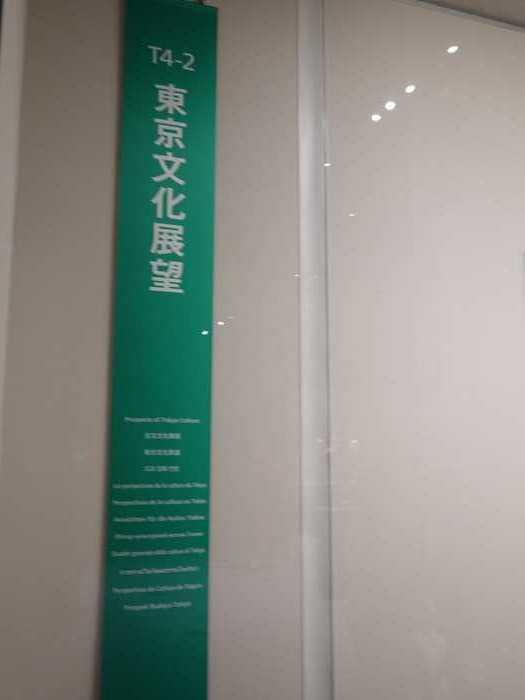
「 T4-2 東京文化展望
」
「 電気館(正面部分 ) 」👈️リンク
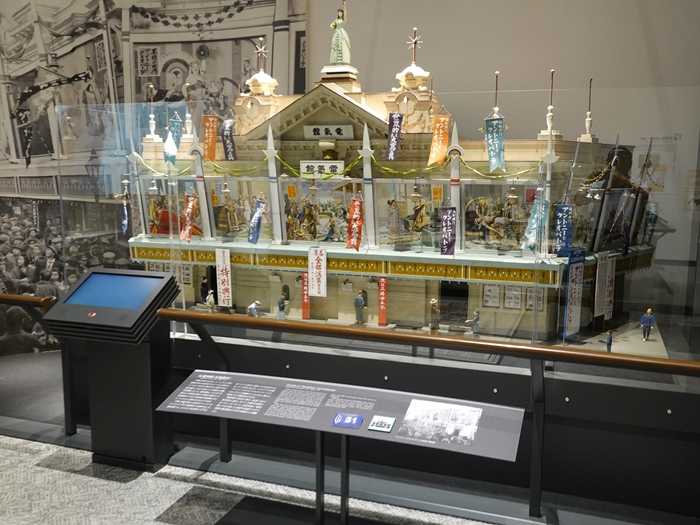
近づいて。
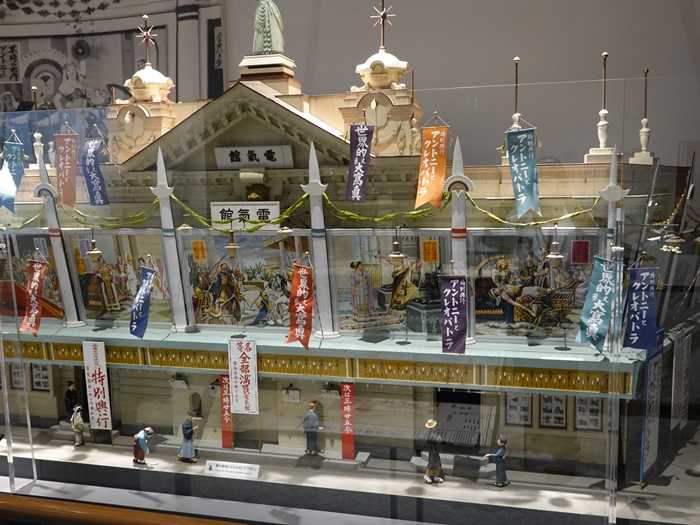
正面から。

「 模型解説 / Explanations of the models
「 東京十二題 大根がし 」

「 東京十二題 大根がし
「 髪梳ける女 」
「 東京拾二題 不忍池」
不忍池に静かに映る弁天堂と、和傘を差した二人の女性が春の情緒を漂わせる。
垂れ柳や淡い桜、水面に映る堂宇の姿まで繊細に描かれ、吉田博は新版画ならではの
美しい色彩と光の表現で、昭和初期の上野・不忍池の穏やかな風景を見事に描き出している。

「 イメージの中の都市
「 鉱石ラジオ
「 東京文化展望地図
「教育上の設備」、「娯楽上の設備」、「文芸上の設備」、「雑誌発行所」の各写真。
・・・もどる・・・
・・・つづく・・・
「 電気館(正面部分 ) 」👈️リンク
近づいて。
正面から。
「 模型解説 / Explanations of the models
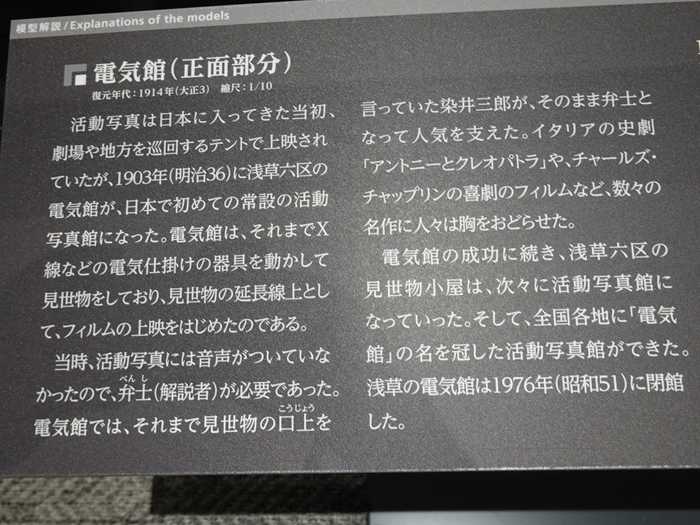
電気館(正面部分)
復元年代:1914年(大正3) 縮尺:1/10
活動写真は日本に入ってきた当初、劇場や地方を巡回するテントで上映されていたが、
1903年(明治36)に浅草六区の電気館が、 日本で初めての常設の活動写真館 になった。
電気館は、それまでX線などの電気仕掛けの器具を動かして見世物をしており、見世物の
延長線上として、フィルムの上映をはじめたのである。
1903年(明治36)に浅草六区の電気館が、 日本で初めての常設の活動写真館 になった。
電気館は、それまでX線などの電気仕掛けの器具を動かして見世物をしており、見世物の
延長線上として、フィルムの上映をはじめたのである。
当時、活動写真には音声がついていなかったので、弁士(解説者)が必要であった。
電気館では、それまで見世物の口上を言っていた染井三郎が、そのまま弁士となって人気を
支えた。イタリアの史劇『アントニーとクレオパトラ』や、チャールズ・チャップリンの
喜劇のフィルムなど、数々の名作に人々は胸をおどらせた。
電気館では、それまで見世物の口上を言っていた染井三郎が、そのまま弁士となって人気を
支えた。イタリアの史劇『アントニーとクレオパトラ』や、チャールズ・チャップリンの
喜劇のフィルムなど、数々の名作に人々は胸をおどらせた。
電気館の成功に続き、浅草六区の見世物小屋は、次々に活動写真館になっていった。
そして、全国各地に「電気館」の名を冠した活動写真館ができた。
そして、全国各地に「電気館」の名を冠した活動写真館ができた。
浅草の電気館は1976年(昭和51)に閉館した。」
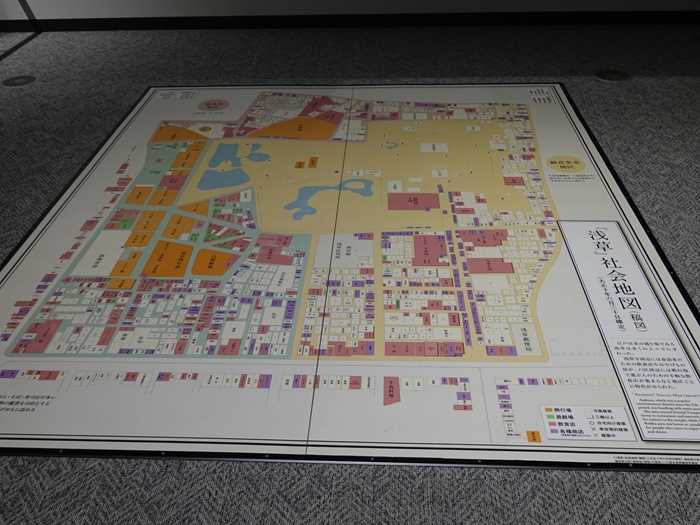
『浅草』社会地図(稿図)(大正十年六月三十日確定) 花屋敷地区~観音堂系地区 。
江戸以来の盛り場である浅草は多くの人々でにぎわった。
浅草寺周辺には参詣者のための飲食店やみやげもの屋が、六区周辺には興行場で遊ぶ人のための
手軽な飲食店が集まるなど地区ごとに特色が見られた。
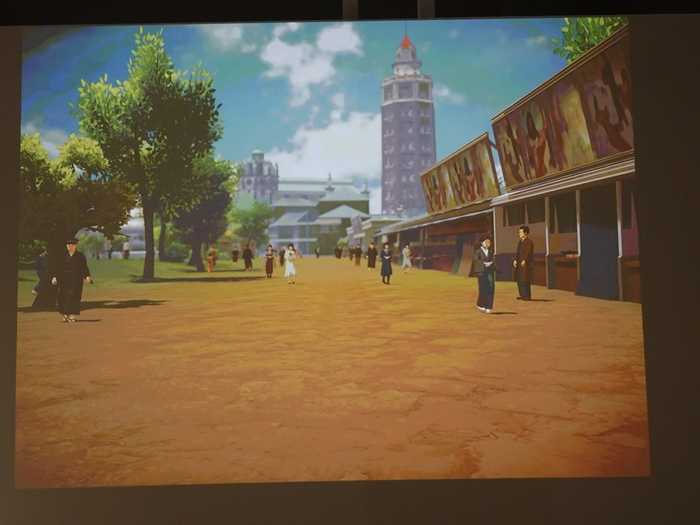
ビデオにても「浅草六区」を紹介 。
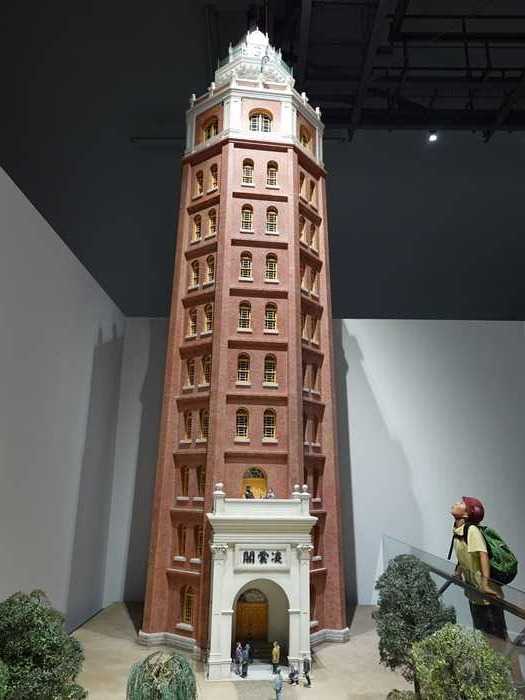
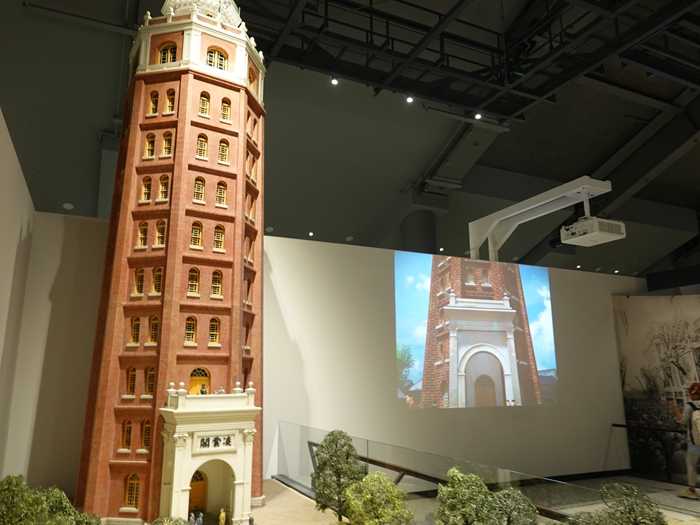
凌雲閣(十二階)の精巧な復元模型 が正面に。
「 凌雲閣(浅草十二階)
『浅草』社会地図(稿図)(大正十年六月三十日確定) 花屋敷地区~観音堂系地区 。
江戸以来の盛り場である浅草は多くの人々でにぎわった。
浅草寺周辺には参詣者のための飲食店やみやげもの屋が、六区周辺には興行場で遊ぶ人のための
手軽な飲食店が集まるなど地区ごとに特色が見られた。
ビデオにても「浅草六区」を紹介 。
凌雲閣(十二階)の精巧な復元模型 が正面に。
① 赤レンガ造りの堂々たる外観
明治23年(1890)に完成した日本初の本格的な高層建築で、高さ220尺(約66.7m)・
12階建であった。
12階建であった。
この模型では、
・赤レンガの壁
・白い石造風の窓枠
・アーチ形の窓
が忠実に再現されていた。
② 最上階の展望台
頂部には
・白い欄干
・八角形の展望室
・銅板葺きの屋根
・風見(避雷針)
まで細かく作られていた。
ここから当時の東京を一望でき、多くの人々が訪れた。
③ エレベーター設備
展望室の外側には、既に展示されていた銅版画にも描かれていた
日本初の電動エレベーターの設備を表す部分も再現されていた。
しかし実際には故障が多く、開業から約半年で運転停止となった。
その後は階段で展望台へ上がることになったとのこと。
④ 窓の多さ
各階に多数設けられた窓は
・採光
・換気
・展望を兼ねていた。
内部は展示室や売店なども設けられ、多くの見物客で賑わった。
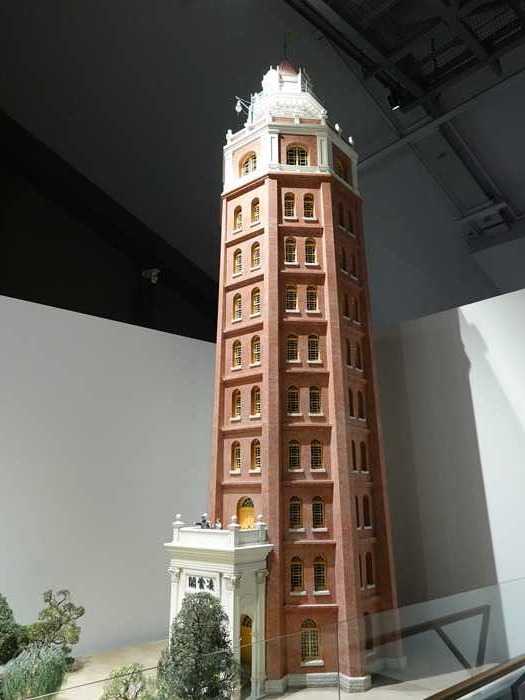
⑤正面入口
入口に 「凌雲閣」の扁額
がある。
この入口部分は洋風建築らしく、コリント式風の柱、アーチ入口、石造風の装飾
など、西洋建築の意匠が取り入れられている。
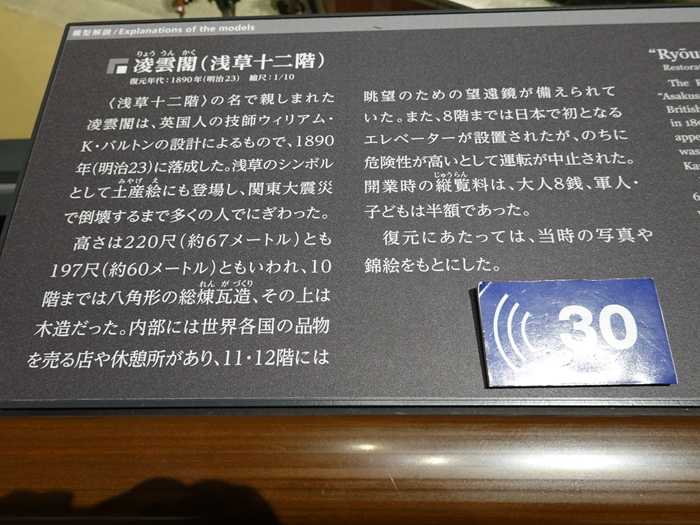
「 凌雲閣(浅草十二階)
復元年代:1890年(明治23) 縮尺:1/10
〈浅草十二階〉の名で親しまれた凌雲閣は、 英国人の技師ウィリアム・K・バルトンの設計
に
よるもので、1890年(明治23)に落成した。浅草のシンボルとして土産絵にも登場し、
関東大震災で倒壊 するまで多くの人でにぎわった。
よるもので、1890年(明治23)に落成した。浅草のシンボルとして土産絵にも登場し、
関東大震災で倒壊 するまで多くの人でにぎわった。
高さは220尺(約67メートル)とも197尺(約60メートル)ともいわれ、10階までは八角形の
総煉瓦造、その上は木造だった。 内部には世界各国の品物を売る店や休憩所があり、
11・12階には眺望のための望遠鏡が備えられていた。
総煉瓦造、その上は木造だった。 内部には世界各国の品物を売る店や休憩所があり、
11・12階には眺望のための望遠鏡が備えられていた。
また、 8階までは日本で初となるエレベーターが設置
されたが、 のちに危険性が高いとして
運転が中止 された。
運転が中止 された。
開業時の縦覧料は、大人8銭、軍人・子どもは半額
復元にあたっては、当時の写真や錦絵をもとにした。」
廻り込んで。
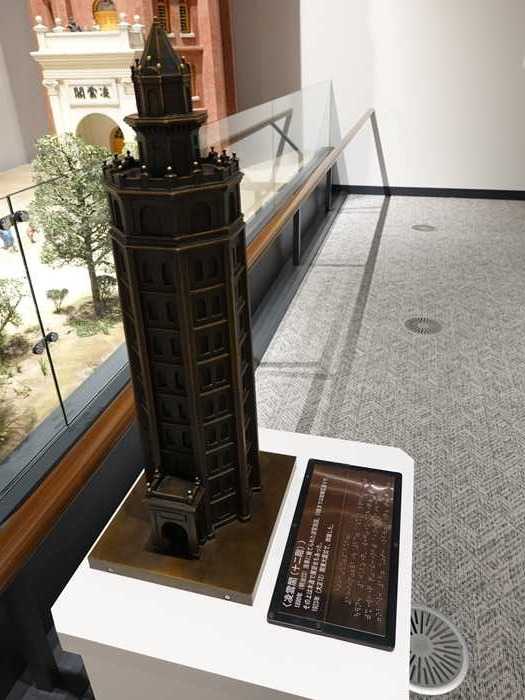
「 凌雲閣(十二階)
1890年(明治23) 浅草に建てられた展望施設。
10階までは総煉瓦造りで、その上は木造で展望台もあった。
1923年(大正12)関東大震災で倒壊した。」
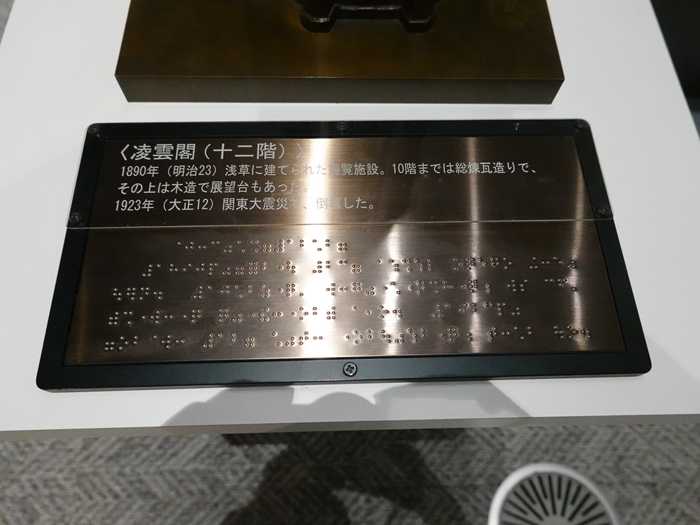
「 凌雲閣(浅草十二階)
廻り込んで。
「 凌雲閣(十二階)
1890年(明治23) 浅草に建てられた展望施設。
10階までは総煉瓦造りで、その上は木造で展望台もあった。
1923年(大正12)関東大震災で倒壊した。」
「 凌雲閣(浅草十二階)
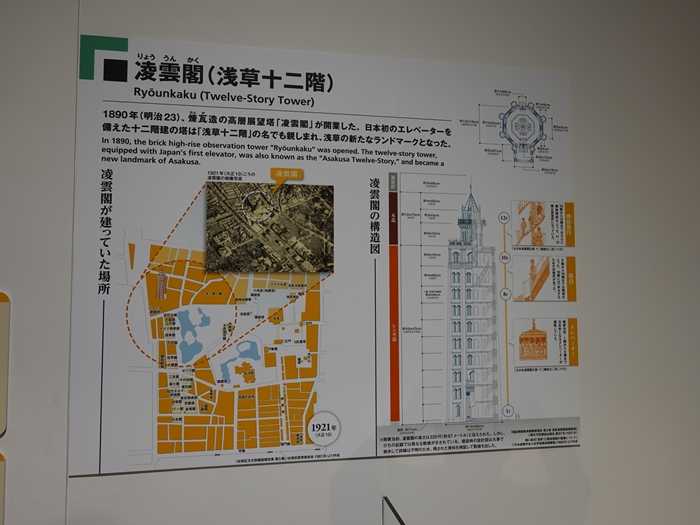
Ryōunkaku (Twelve-Story Tower)
1890年(明治23)、煉瓦造の高層展望塔「凌雲閣」が開業した。日本初のエレベーターを
備えた十二階建ての塔は「浅草十二階」の名でも親しまれ、浅草の新たなランドマークとなった。
備えた十二階建ての塔は「浅草十二階」の名でも親しまれ、浅草の新たなランドマークとなった。
In 1890, the brick high-rise observation tower "Ryōunkaku" equipped with Japan's first
elevator, was opened. The twelve-story tower, also known as the "Asakusa Twelve-Story," became a new landmark of Asakusa.
■左図
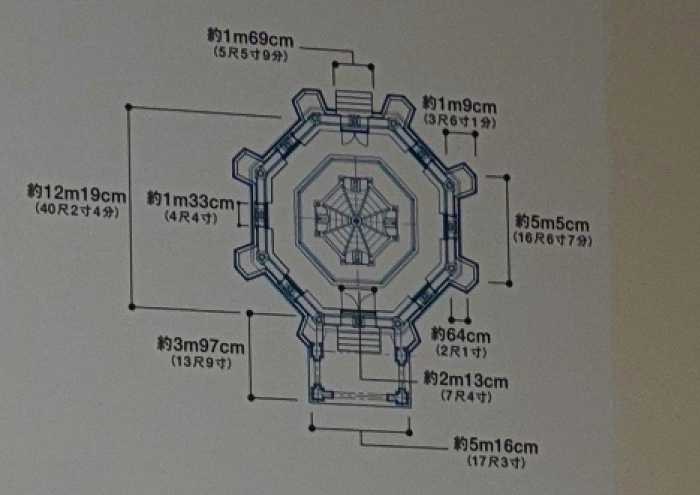
凌雲閣の 「 断面図 」。
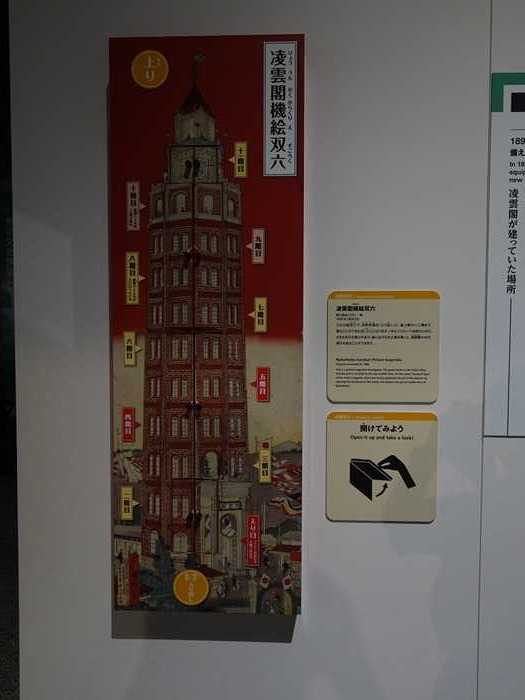
「 凌雲閣機絵双六(りょううんかく からくり すごろく) 」
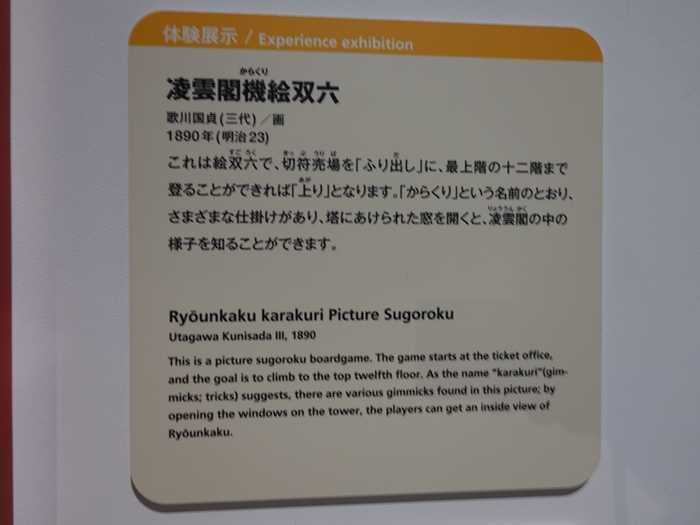
「 体験展示/Experience exhibition
elevator, was opened. The twelve-story tower, also known as the "Asakusa Twelve-Story," became a new landmark of Asakusa.
■左図
凌雲閣が建っていた場所
中央の航空写真には1921年(大正10)ごろの浅草園の俯瞰写真
とあり、黄色い吹き出しで凌雲閣の位置が示されています。
下には当時の六区周辺地図が描かれ、凌雲閣の位置が分かるようになっています。」 ■
右図
凌雲閣の構造図
構造は
・10階まで レンガ造
・11・12階 木造
・最上部 避雷針
・12階
螺旋階段
10階から12階まではさらに螺旋階段を上った。11・12階は展望室になっていた。
『大日本東京圖繪之圖 十二階直立二百二十尺』
・8~10階
階段
8階から10階までは階段を上った。10階には休みをするための休憩所があった。
・1階~8階
エレベーター
開業当初、1階から8階まで日本初となるエレベーターが運転していた。
※ 開業当初、凌雲閣の高さは220尺(約67メートル)と伝えられた。
しかし、のちの記録では
異なる数値が示されている。建設時の設計図は火事で焼失して詳細は不明のため、残された
資料を検証して数値を出した。
異なる数値が示されている。建設時の設計図は火事で焼失して詳細は不明のため、残された
資料を検証して数値を出した。
参考文献
『構造物振動実験調査報告 第3号 東京大震災被害検測』
(震災予防調査会報告 第97号/1921年)
堀口甚吉『浅草十二階凌雲閣の建築について』
(『日本建築学会大会学術講演梗概集』1968年)より作成
凌雲閣の 「 断面図 」。
「 凌雲閣機絵双六(りょううんかく からくり すごろく) 」
「 体験展示/Experience exhibition
凌雲閣機絵双六(りょううんかく からくり すごろく)
歌川国貞(三代)/画
1890年(明治23)
これは絵双六で、切符売場を「ふり出し」に、最上階の十二階まで登ることができれば
「上り(あがり)」となります。
「上り(あがり)」となります。
「からくり」という名前のとおり、さまざまな仕掛けがあり、塔にあけられた窓を開くと、
凌雲閣の中の様子を知ることができます。
凌雲閣(十二階)の精巧な復元模型の横の壁でも案内動画が。
「 T4-2 東京文化展望 」。
「 東京文化展望
凌雲閣の中の様子を知ることができます。
Ryōunkaku karakuri Picture Sugoroku
Utagawa Kunisada III, 1890
This is a picture sugoroku boardgame. The game starts at the ticket office, and the goal
is to climb to the top twelfth floor. As the name "karakuri" (gimmicks, tricks) suggests,
there are various gimmicks found in this picture; by opening the windows on the tower,
the players can get an inside view of Ryōunkaku.」
is to climb to the top twelfth floor. As the name "karakuri" (gimmicks, tricks) suggests,
there are various gimmicks found in this picture; by opening the windows on the tower,
the players can get an inside view of Ryōunkaku.」
凌雲閣(十二階)の精巧な復元模型の横の壁でも案内動画が。
「 T4-2 東京文化展望 」。
「 東京文化展望
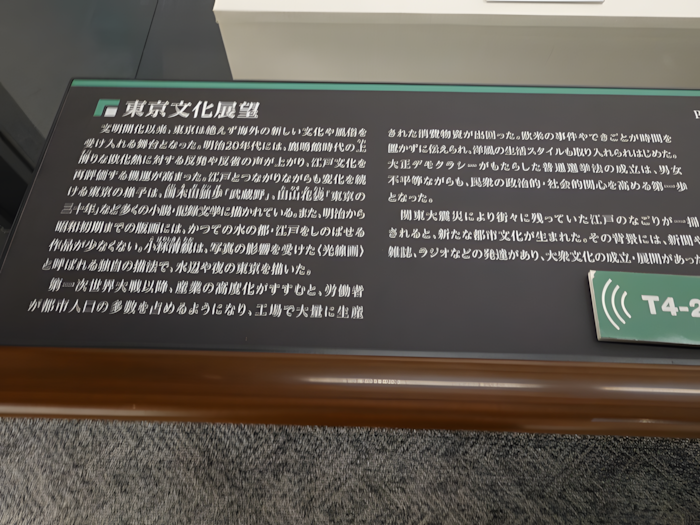
文明開化以来、東京は絶えず海外の新しい文化や風俗を受け入れる舞台となった。
明治20年代には、西南戦争後の空前の文明化に対する反動や反省の声が上がり、江戸文化を
再評価する機運が高まった。江戸とつながりながらも変化を続ける東京の様子は、尾崎紅葉
『金色夜叉』、古川緑波『東京の三十坪』など多くの小説・随筆を舞台に描かれている。
また、明治から昭和初期の版画には、かつての水の都・江戸をしのばせる作品が少なくない。
小林清親は、写真の構図を参考にした〈光線画〉と呼ばれる独自の版画で、水辺や夜の東京を
描いた。
明治20年代には、西南戦争後の空前の文明化に対する反動や反省の声が上がり、江戸文化を
再評価する機運が高まった。江戸とつながりながらも変化を続ける東京の様子は、尾崎紅葉
『金色夜叉』、古川緑波『東京の三十坪』など多くの小説・随筆を舞台に描かれている。
また、明治から昭和初期の版画には、かつての水の都・江戸をしのばせる作品が少なくない。
小林清親は、写真の構図を参考にした〈光線画〉と呼ばれる独自の版画で、水辺や夜の東京を
描いた。
第一次世界大戦以降、産業の高度化がすすむと、労働者が都市人口の多数を占めるようになり、
工場で大量に生産された消費物資が出回った。欧米の事件やできごとが時間を置かずに伝えられ、
洋風の生活スタイルも取り入れられはじめた。大正デモクラシーがもたらした普通選挙法の
成立は、男女不平等ながらも、民衆の政治的・社会的関心を高める第一歩となった。
工場で大量に生産された消費物資が出回った。欧米の事件やできごとが時間を置かずに伝えられ、
洋風の生活スタイルも取り入れられはじめた。大正デモクラシーがもたらした普通選挙法の
成立は、男女不平等ながらも、民衆の政治的・社会的関心を高める第一歩となった。
関東大震災により街々に残っていた江戸のたたずまいが一掃されると、新たな都市文化が
生まれた。その背景には、新聞や雑誌、ラジオなどの発達があり、大衆文化の成立・展開が
あった。」
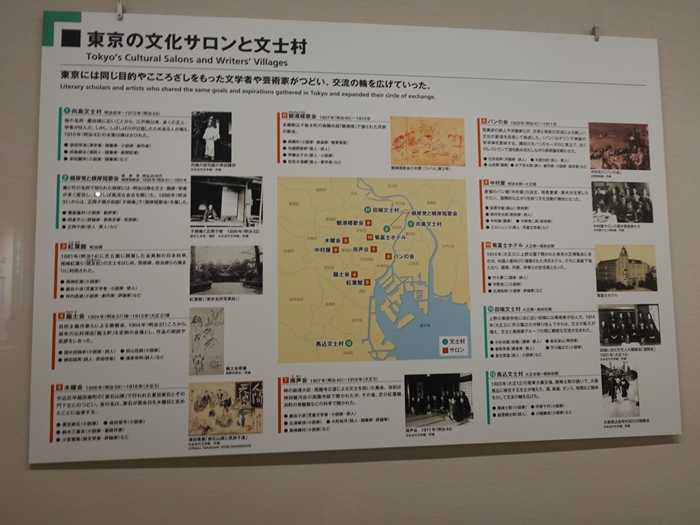
「 東京の文化サロンと文士村
生まれた。その背景には、新聞や雑誌、ラジオなどの発達があり、大衆文化の成立・展開が
あった。」
「 東京の文化サロンと文士村
Tokyo's Cultural Salons and Writers' Villages
東京には同じ目的やこころざしをもった文学者や芸術家がつどい、交流の輪を広げていった。
Literary scholars and artists who shared the same goals and aspirations gathered
in Tokyo and expanded their circle of exchange.」
「 『武蔵野』
Musashino
国木田独歩/著 民友社/発行
「武蔵野」は、それまで日本人の美意識にのぼらなかった落葉林の美しさを、洗練された
交互文体であらわした作品。国木田独歩(1871~1908年丿は186年の秋から翌年の春にかけて、
in Tokyo and expanded their circle of exchange.」
① 向島文士村
明治初年~1910年(明治43)
桜の名所・隅田堤に近いことから、江戸開府以来、多くの文人・学者が住んだ。しかし、
しばしば川が氾濫したため去る人が増え、1910年(明治43)の水害以降はさびれた。
しばしば川が氾濫したため去る人が増え、1910年(明治43)の水害以降はさびれた。
● 伊藤左千夫(歌学者・国語学者・小説家・創作者)
● 成島柳北(漢詩人・随筆家・新聞記者)
● 幸田露伴(小説家・随筆家)など
② 根岸党と根岸短歌会
根岸党 明治20年代
根岸短歌会 1899年(明治31)~1901年
蛍と竹の名所で知られた柳岸には、明治以降も文士・画家・学者が多く居住し、しばしば風流な
会合を開いた。1899年(明治31)からは、正岡子規が自邸「子規庵」で「柳岸短歌会」を催した。
会合を開いた。1899年(明治31)からは、正岡子規が自邸「子規庵」で「柳岸短歌会」を催した。
● 饗庭篁村(小説家・劇評家)
● 岡倉天心(評論家・美術学者・随筆家)
● 正岡子規(歌人・俳人)など
③ 紅葉館(こうようかん)
明治期
1861年(明治14)に芝公園に開業した会員制の日本料亭。
尾崎紅葉ら(硯友社)の文士をはじめ、芸術家、政治家らの集まりに利用された。
● 尾崎紅葉(小説家)
● 森鷗外(児童文学者・小説家・詩人)
● 坪内逍遙(小説家・劇作家・評論家)など
写真説明
紅葉館(『東京名所写真帖』)
④ 龍
圡
会(りゅうどかい)
1904年(明治37)頃~1913年(大正2)頃
自然主義作家らによる親睦会。
1904年(明治37)ころから、麻布の仏料理店「龍土軒」を定例の会場とし、作品の朗読や
批評をし合った。
批評をし合った。
● 国木田独歩(小説家・詩人)
● 柳田国男(詩人、民俗学者)
● 田山花袋(小説家)
● 蒲原有明(詩人)など
図版説明
龍土会寄書
(岡野利夫氏/所蔵)
⑤ 木曜会(もくようかい)
1906年(明治39)~1916年(大正5)
牛込区早稲田鶴町の漱石山房で行われた夏目漱石とその門下生とのつどい。
会の名は、漱石が毎週木曜日と定めたことに由来する。
参加者
● 夏目漱石(小説家)
● 鈴木三重吉(小説家・童話作家)
● 小宮豊隆(独文学者・評論家)など
● 森田草平(小説家)
図版
津田青楓「漱石山房と其弟子達」
日本近代文学館/所蔵
© Rioko Takahashi 2026/JAA2600032
⑥ 観潮楼歌会(かんちょうろううたかい)
1907年(明治40)~1910年
本郷駒込千駄木本町の森鷗外邸(観潮楼)で催された月例の歌会。
参加者
● 森鷗外(小説家・戯曲家・陸軍軍医)
● 与謝野鉄幹(歌人・詩人)
● 伊藤左千夫(歌人・小説家)
● 佐佐木信綱(歌人・歌学者)など
図版
観潮楼歌会の光景(『スバル』第3号)
⑦ 南声会(なんせいかい)
1907年(明治40)~1916年(大正5)
詩の雑誌『スバル』・『国民文学』による文士を招いた集会。
当初は神田駿河台の西園寺邸で開かれたが、その後、芝の紅葉館、湯河原の皆楽園などの
料亭で開かれた。
料亭で開かれた。
参加者
● 巌谷小波(児童文学者・小説家・詩人)
● 広津柳浪(小説家)
● 大町桂月(歌人・随筆家・評論家)
● 島崎藤村(小説家)など
写真
南声会 1911年(明治44)
日本近代文学館 所蔵
以下 略
以下 略
「 『武蔵野』
Musashino
国木田独歩/著 民友社/発行
「武蔵野」は、それまで日本人の美意識にのぼらなかった落葉林の美しさを、洗練された
交互文体であらわした作品。国木田独歩(1871~1908年丿は186年の秋から翌年の春にかけて、
東京市外の渋谷村に暮らした。「武載野」は、かつて妻と遊んだ小金井の思い出も盛リ込まれるが、
当時は渋谷も小金井も、ともに都市郊外・武蔵野であった。」
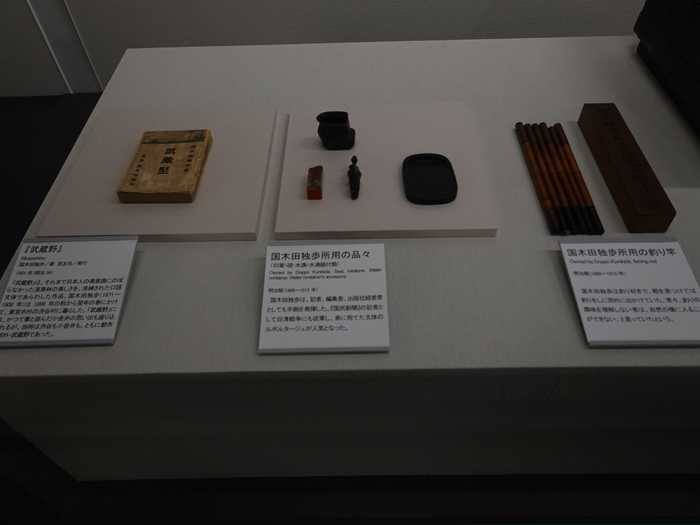
「 国木田独歩所用の品々
「 国木田独歩所用の品々
(印章・硯・水滴・水適脇付飾)
明治期(1868~ 1912年)
国木田独歩は、記者、編集者、出版社経営者としても手腕を発揮した。「国民新聞」の記者
として日清戦争にも従軍し、弟に宛てた文体のルポルタージュが人気となった。」
「 国木田独歩所用の釣り竿
明治期(1868~1912年)
として日清戦争にも従軍し、弟に宛てた文体のルポルタージュが人気となった。」
「 国木田独歩所用の釣り竿
明治期(1868~1912年)
国木田独歩は釣り好きで、暇を見つけては釣りをしに郊外に出かけていた。
常々、釣りの趣味を理解しない者は、自然の懐に入ることができない、と言って
いたという。」
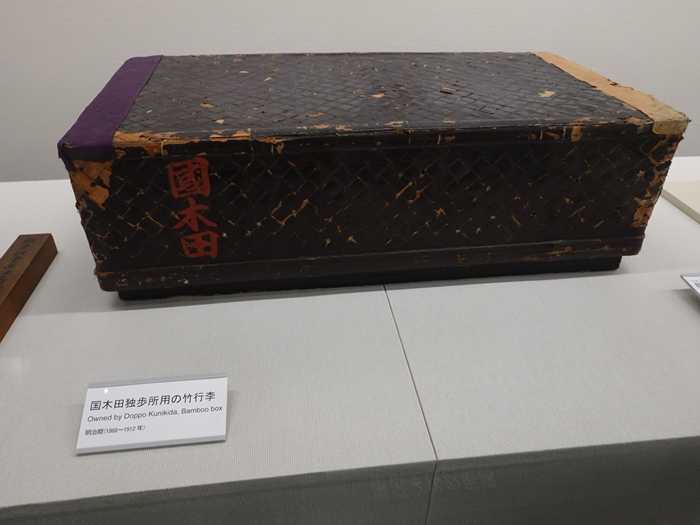
「 国木田独歩所用の竹行李(たけごうり)
明治期(1868~1912年)」
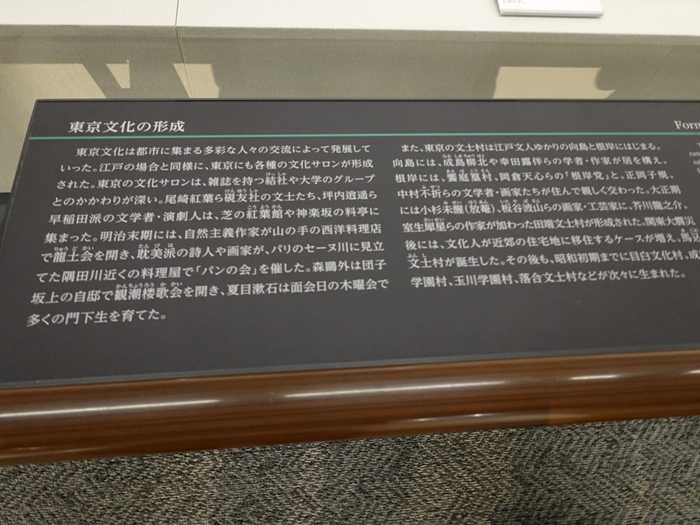
「 東京文化の形成
常々、釣りの趣味を理解しない者は、自然の懐に入ることができない、と言って
いたという。」
「 国木田独歩所用の竹行李(たけごうり)
明治期(1868~1912年)」
「 東京文化の形成
東京文化は都市に集まる多彩な人々の交流によって発展していった。江戸の場合と同様に、
東京にも各種の文化サロンが形成された。東京の文化サロンは、雑誌を持つ結社や大学の
グループとのかかわりが深い。尾崎紅葉ら硯友社の文士たち、坪内逍遥ら早稲田派の文学者・
演劇人は、芝の紅葉館や神楽坂の料亭に集まった。明治末期には、自然主義作家が山の手の
西洋料理店で龍土会を開き、耽美派の詩人や画家が、パリのセーヌ川に見立てて隅田川近くの
料理屋で「パンの会」を催した。森鴎外は団子坂上の自邸で観潮桜歌会を開き、夏目漱石は
面会日の木曜会で多くの門下生を育てた。
「 龍 圡 軒(りゅうどけん)使用大皿」。
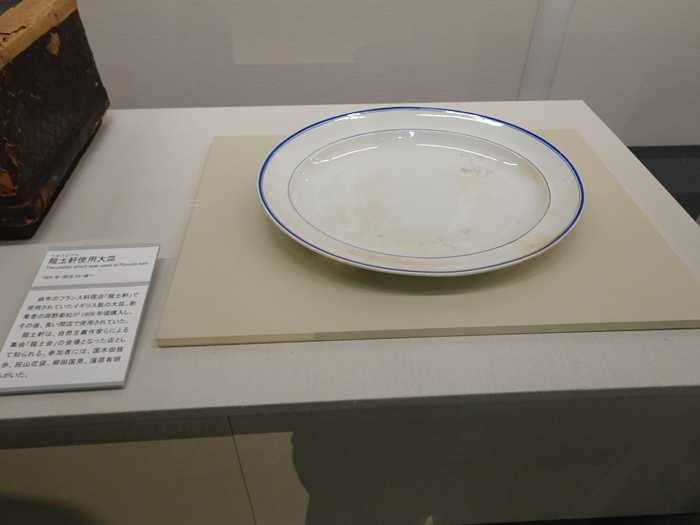
「 龍 圡 軒(りゅうどけん)使用大皿
東京にも各種の文化サロンが形成された。東京の文化サロンは、雑誌を持つ結社や大学の
グループとのかかわりが深い。尾崎紅葉ら硯友社の文士たち、坪内逍遥ら早稲田派の文学者・
演劇人は、芝の紅葉館や神楽坂の料亭に集まった。明治末期には、自然主義作家が山の手の
西洋料理店で龍土会を開き、耽美派の詩人や画家が、パリのセーヌ川に見立てて隅田川近くの
料理屋で「パンの会」を催した。森鴎外は団子坂上の自邸で観潮桜歌会を開き、夏目漱石は
面会日の木曜会で多くの門下生を育てた。
また、東京の文士村は江戸文人ゆかりの向島と根岸にはじまる。
向島には、成島柳北や幸田露伴らの学者・作家が居を構え、根岸には、饗庭篁村、岡倉天心
岡朝天心らの「根岸党」と、正岡子規、中村不折らの文学者・画家たちが住んで親しく交わった。
大正期には、小杉未醒(放庵)、板谷波山らの画家・工芸家に、芥川龍之介、室生犀星らの
作家が加わった田端文士村が形成された。関東大震災後には、文化人が近郊の住宅地に移住する
ケースが増え、馬込文士村が誕生した。その後も、昭和初期までに目白文化村、成城学園村、
玉川学園村、落合文土村などが次々に生まれた。」
岡朝天心らの「根岸党」と、正岡子規、中村不折らの文学者・画家たちが住んで親しく交わった。
大正期には、小杉未醒(放庵)、板谷波山らの画家・工芸家に、芥川龍之介、室生犀星らの
作家が加わった田端文士村が形成された。関東大震災後には、文化人が近郊の住宅地に移住する
ケースが増え、馬込文士村が誕生した。その後も、昭和初期までに目白文化村、成城学園村、
玉川学園村、落合文土村などが次々に生まれた。」
「 龍 圡 軒(りゅうどけん)使用大皿」。
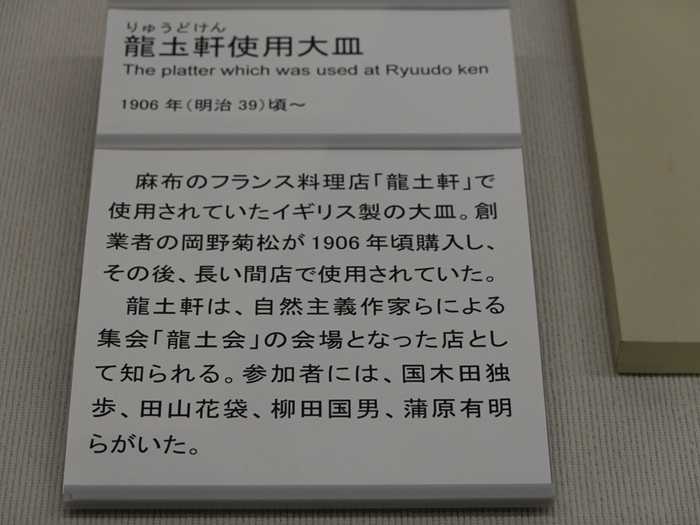
「 龍 圡 軒(りゅうどけん)使用大皿
The pllatter whichi was used at Ryuudo ken
1906年(明治39 )頃~
1906年(明治39 )頃~
麻布のフランス料理店「 龍
土軒」で使用されていたイギリス製の大皿。創業者の岡里予菊松が
1906年頃購入し、その後、長い間店で使用されていた。
1906年頃購入し、その後、長い間店で使用されていた。
龍土軒は、自然主義作家らによる集会「龍土会」の会場となった店として知られる。
参加者には、国木田独歩、田山花袋、柳田国男、蒲原有明らがいた。」
参加者には、国木田独歩、田山花袋、柳田国男、蒲原有明らがいた。」
「 東京十二題 大根がし 」
・河岸に建つ黒い海鼠壁(なまこかべ)の土蔵造りの建物
・河川に面した石積み護岸の上に、土蔵造りの商家や倉庫が並んでいます。
・大根をはじめとする青物を保管するため、耐火性に優れた蔵造りとなっています。
・荷を積んだ小舟
・舟には大根と思われる青物が積まれています。
・このような荷舟が隅田川や日本橋川を利用して河岸へ野菜を運び込みました。
・荷揚げを待つ人々
・舟の上の人物と岸に腰掛けた人物が荷揚げの合図を交わしているようにも見えます。
・水運が東京の物流を支えていたことが伝わります。
・岸辺の樽や籠
・建物の前には樽や竹籠が積まれています。
・野菜や青果の保管・運搬に使われた道具でしょう。
・物干しに掛けられた衣類
青い着物や桃色の子供服らしき衣類が干され、商いの場であると同時に、人々の日常生活の
場でもあったことを感じさせます。
場でもあったことを感じさせます。
・柳の大木
・手前には大きな柳が描かれています。
・川風に揺れる柳は、江戸・東京の河岸風景を象徴する樹木であり、画面に涼感と奥行きを
与えています。
与えています。
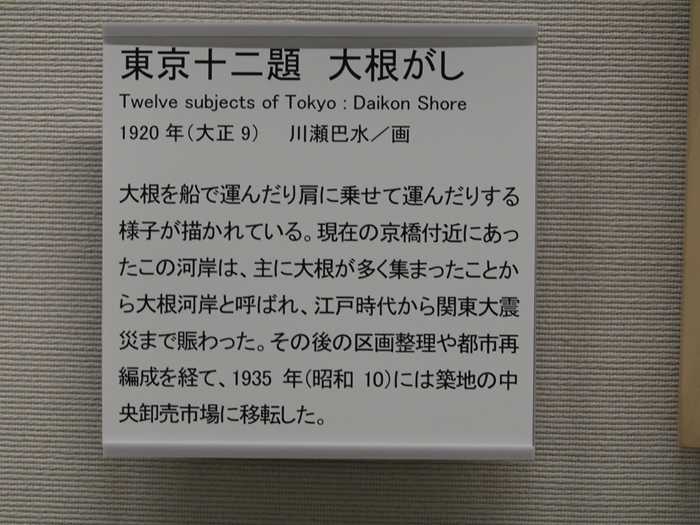
「 東京十二題 大根がし
Twelve subjects of Tokyo : Daikon Shore
1920年(大正9)
川瀬巴水/画
大根を船で運んだり肩に乗せて運んだりする様子が描かれている。
現在の京橋付近にあったこの河岸は、主に大根が多く集まったことから大根河岸と呼ばれ、
江戸時代から関東大震災まで賑わった。
江戸時代から関東大震災まで賑わった。
その後の区画整理や都市再編成を経て、1935年(昭和10)には築地の中央卸売市場に移転した。 」
「 髪梳ける女 」
まず目を引くのは、画面いっぱいに広がる艶やかな黒髪。
女性は左手で長い髪を持ち上げ、右手に持った柘植(つげ)の櫛で静かに梳かしている。
一見すると何気ない朝の身支度であるが、その自然な仕草が女性らしい美しさを際立たせている。
一見すると何気ない朝の身支度であるが、その自然な仕草が女性らしい美しさを際立たせている。
橋口五葉は一本一本の髪を極めて細密な線で摺り重ね、髪の光沢や柔らかさ、重みまでも
感じられるように表現した。新版画ならではの高度な木版技術が存分に発揮されている。
感じられるように表現した。新版画ならではの高度な木版技術が存分に発揮されている。
また、女性の視線は櫛へと静かに向けられ、穏やかな表情には落ち着きと気品が漂う。
派手な装飾や劇的な演出はなく、日常の一瞬を美へと昇華した作品。
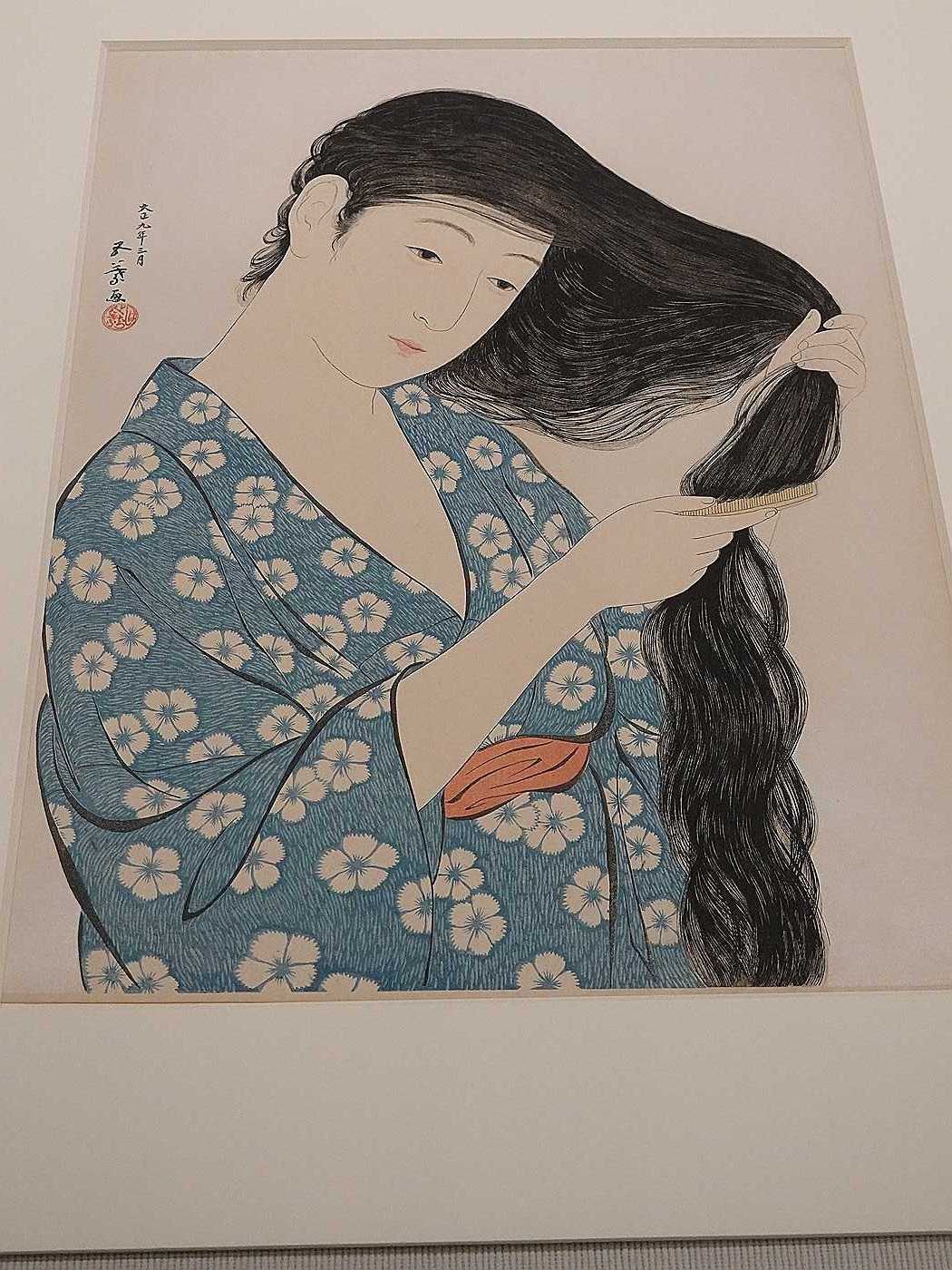
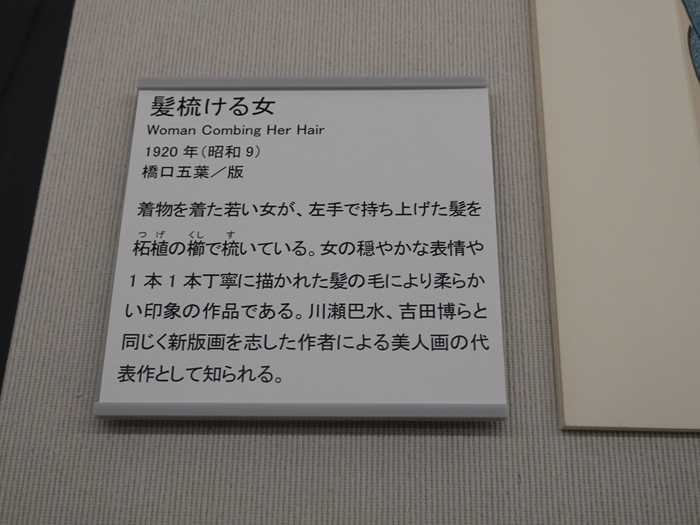
「 髪梳ける女
派手な装飾や劇的な演出はなく、日常の一瞬を美へと昇華した作品。
Woman Combing Her Hair
1920年(昭和9)
橋口五葉/版
着物を着た若い女が、左手で持ち上げた髪を柘植(つげ)の櫛で梳いている。女の穏やかな
表情や、一本一本丁寧に描かれた髪の毛により柔らかい印象の作品である。
川瀬巴水、吉田博らと同じく新版画を志した作者による美人画の代表作として知られる。」
「 夜の浅草
表情や、一本一本丁寧に描かれた髪の毛により柔らかい印象の作品である。
川瀬巴水、吉田博らと同じく新版画を志した作者による美人画の代表作として知られる。」
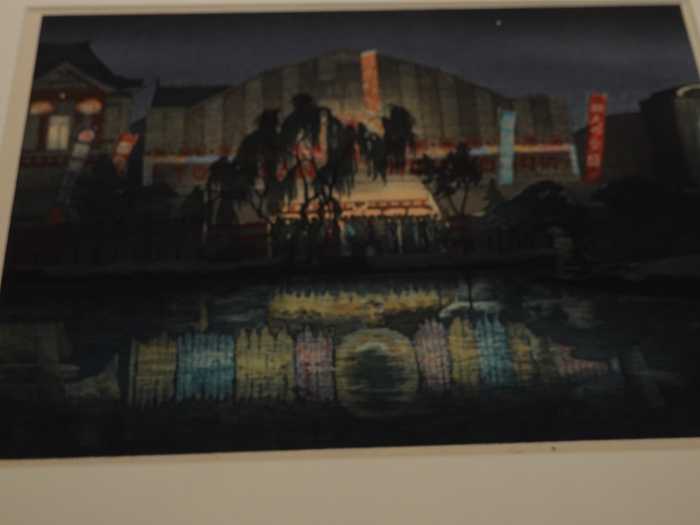
「 夜の浅草」
夜の瓢箪池に映画館「東京館」の灯りが美しく映り込み、上映を待つ人々の賑わいが
昭和モダンの浅草を彩る。柳の黒い影と色鮮やかなネオンの対比が印象的で、復興後に最も
活気に満ちた浅草六区の夜景を今に伝える貴重な新版画である。
昭和モダンの浅草を彩る。柳の黒い影と色鮮やかなネオンの対比が印象的で、復興後に最も
活気に満ちた浅草六区の夜景を今に伝える貴重な新版画である。
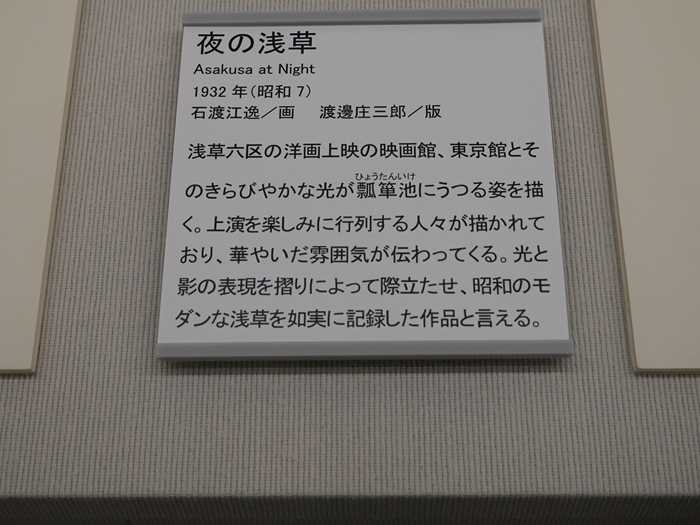
「 夜の浅草
Asakusa at Night
1932年(昭和7)
石渡江逸/画 渡邊庄三郎/版
浅草六区の洋画上映の映画館、東京館とそのきらびやかな光が瓢箪池(ひょうたんいけ)に
うつる姿を描く。上演を楽しみに行列する人々が描かれており、華やいだ雰囲気が伝わってくる。
光と影の表現を摺りによって際立たせ、昭和のモダンな浅草を如実に記録した作品と言える。」
うつる姿を描く。上演を楽しみに行列する人々が描かれており、華やいだ雰囲気が伝わってくる。
光と影の表現を摺りによって際立たせ、昭和のモダンな浅草を如実に記録した作品と言える。」
「 東京拾二題 不忍池」
不忍池に静かに映る弁天堂と、和傘を差した二人の女性が春の情緒を漂わせる。
垂れ柳や淡い桜、水面に映る堂宇の姿まで繊細に描かれ、吉田博は新版画ならではの
美しい色彩と光の表現で、昭和初期の上野・不忍池の穏やかな風景を見事に描き出している。
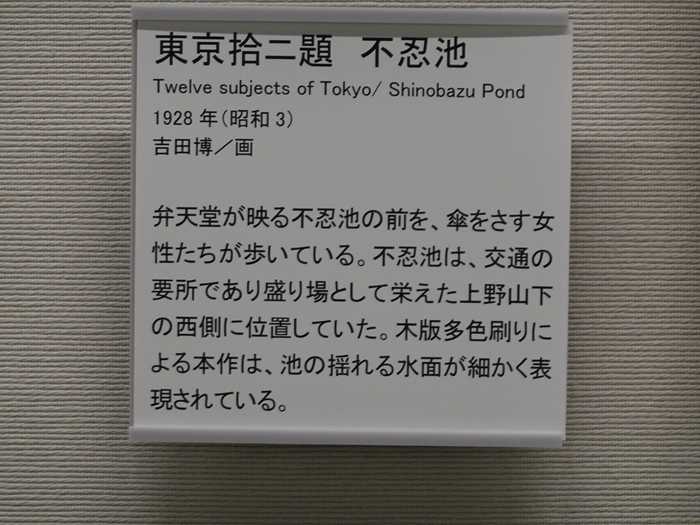
「 東京拾二題 不忍池
Twelve subjects of Tokyo / Shinobazu Pond
1928年(昭和3)
吉田 博/画
弁天堂が映る不忍池の前を、傘をさす女性たちが歩いている。
不忍池は、交通の要所であり盛り場として栄えた上野山下の西側に位置していた。
木版多色刷りによる本作は、池の揺れる水面が細かく表現されている。」
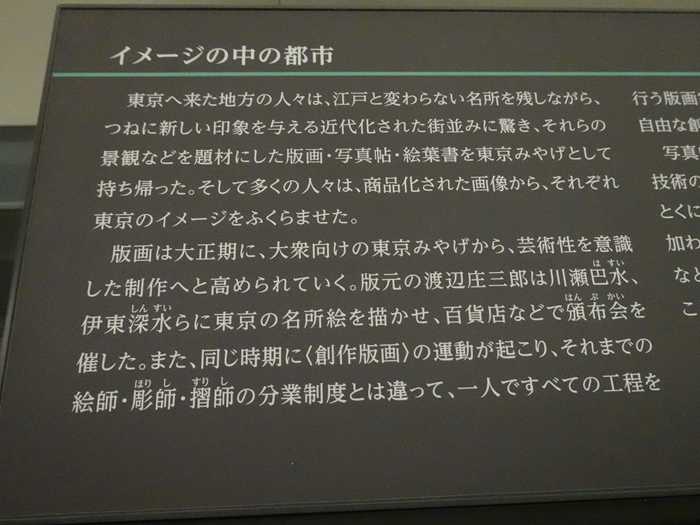
「 イメージの中の都市
東京へ来た地方の人々は、江戸と変わらない名所を残しながら、つねに新しい印象を与える
近代化された街並みに驚き、それらの景観などを題材にした版画・写真帖・絵葉書を東京みやげ
として持ち帰った。そして多くの人々は、商品化された画像から、それぞれ東京のイメージを
ふくらませた。
近代化された街並みに驚き、それらの景観などを題材にした版画・写真帖・絵葉書を東京みやげ
として持ち帰った。そして多くの人々は、商品化された画像から、それぞれ東京のイメージを
ふくらませた。
版画は大正期に、大衆向けの東京みやげから、芸術性を意識した制作へと高められていく。
版元の渡邊庄三郎は川瀬巴水、伊東深水らに東京の名所絵を描かせ、百貨店などで頒布会を
催した。また、同じ時期に〈創作版画〉の運動が起こり、それまでの絵師・彫師・摺師の
分業制度とは違って、一人ですべての工程を…」
「 最新東京名所写真帖
版元の渡邊庄三郎は川瀬巴水、伊東深水らに東京の名所絵を描かせ、百貨店などで頒布会を
催した。また、同じ時期に〈創作版画〉の運動が起こり、それまでの絵師・彫師・摺師の
分業制度とは違って、一人ですべての工程を…」
「 最新東京名所写真帖
Newest Photo Collection of Famous Spot in Tokyo
各所の写真を集めた「名所写真帖」は、明治後期から昭和初期に中流以上の層に親しまれた。
江戸時代以来の名所と、近代日本の首都としての新名所が集められている。多くはみやげ物
として買い求められた。」
「 絵葉書 ハリー彗星
江戸時代以来の名所と、近代日本の首都としての新名所が集められている。多くはみやげ物
として買い求められた。」
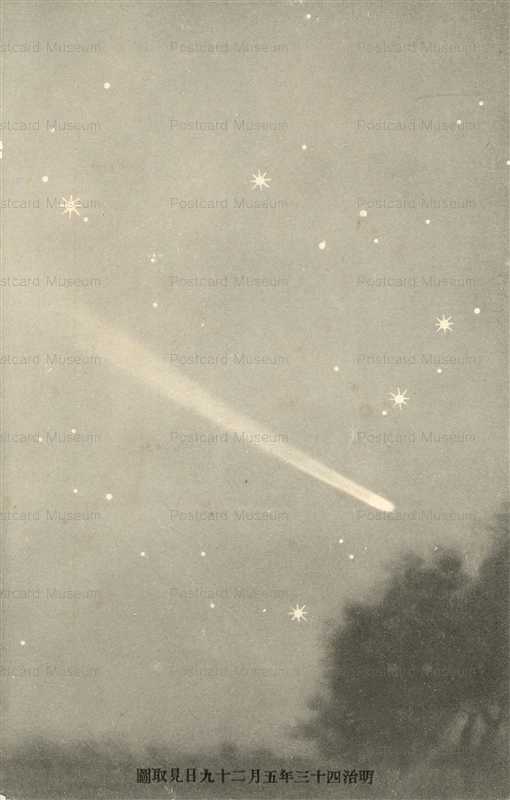
「 絵葉書 ハリー彗星
A post card sold to celebrate the Comet Halley's approach
明治四十三年五月二十九日見取図
1910年(明治43)頃」
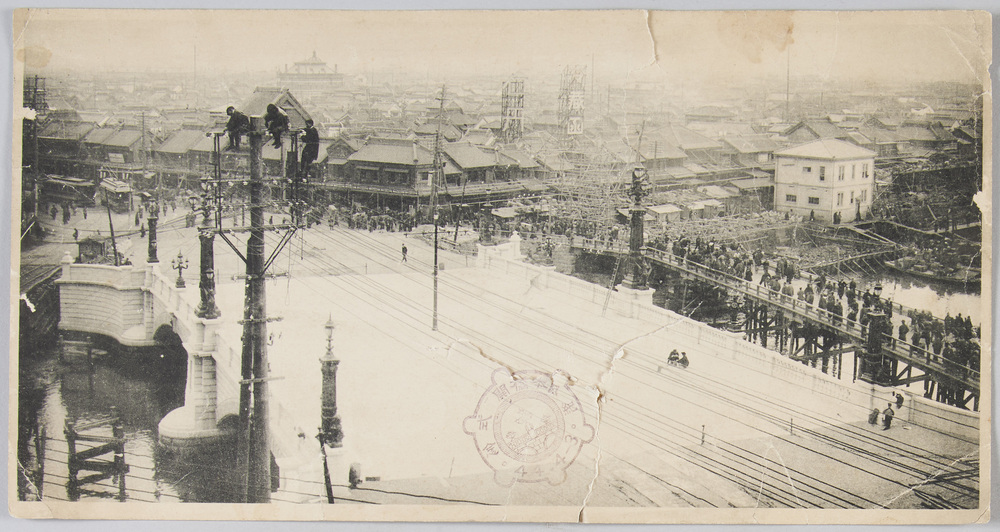
「 日本橋開通記念絵葉書
「 日本橋開通記念絵葉書
Post Card Commemorating the Opening Ceremony of the New Nihonbashi Bridge
1911年(明治44)
通常サイズの絵葉書3枚分の大判絵葉書。現在の石造アーチの日本橋は、1911年(明治44)に
完成した。
完成した。
橋の向こうにまだ仮設橋があり、架橋直前の頃の写真と考えられる。」
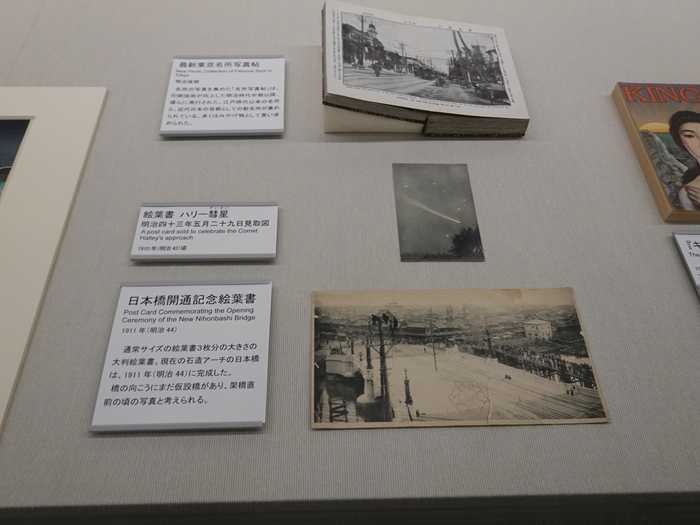
「 最新東京名所写真帖」 ネットから。
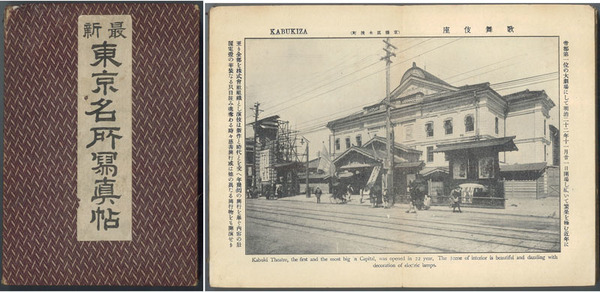
「 絵葉書 ハリー彗星」 をネットから。
「 日本橋開通記念絵葉書 」をネットから。
「 『キング』創刊号(複製)
「 最新東京名所写真帖」 ネットから。
「 絵葉書 ハリー彗星」 をネットから。
「 日本橋開通記念絵葉書 」をネットから。
「 『キング』創刊号(複製)
The first issue of "King" (reproduction)
1925年(大正14)
大日本雄辯會講談社/発行
講談社の初代社長、野間清治によって創刊された月刊誌。
「日本一おもしろい、日本一為になる、日本一安い雑誌」をモットーとした大衆娯楽雑誌で、
成功美談や人物評伝などのほか、多彩な作家による大衆小説が掲載された。
成功美談や人物評伝などのほか、多彩な作家による大衆小説が掲載された。
創刊号は74万部を記録。その後順調に部数を伸ばし、多くの読者を獲得した。」
「 円本『現代日本文学全集』
「 円本『現代日本文学全集』
"The works of modern Japanese literature"
1927年(昭和2)
改造社/発行 杉浦非水/装幀
円本とは、大正末期から昭和初期にかけて販売された予約制の廉価全集類。
1冊1円だったことから、「円本」と呼ばれた。
『現代日本文学全集』は、23万部の予約をとりつけ、その後に続く円本ブームの
きっかけとなった。」
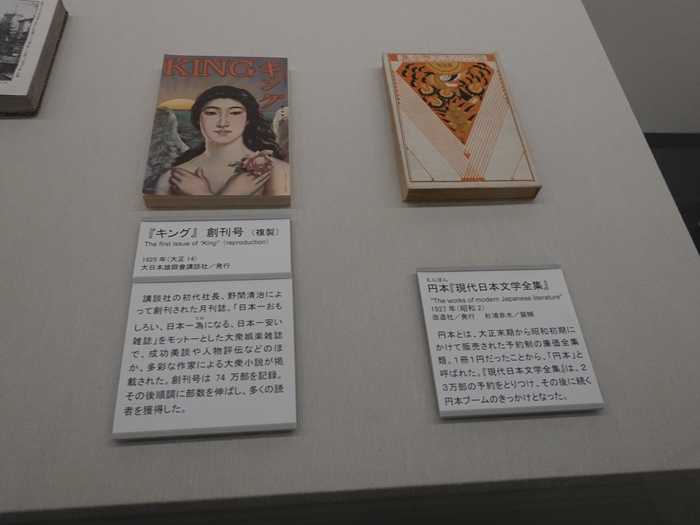
『キング』創刊号(複製)。
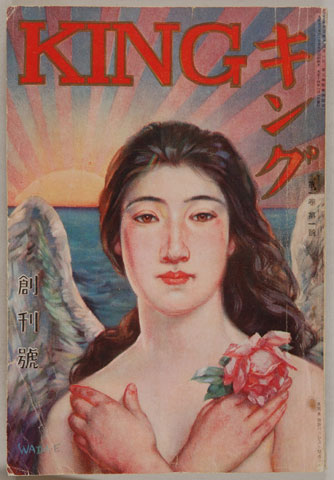
円本『現代日本文学全集』。

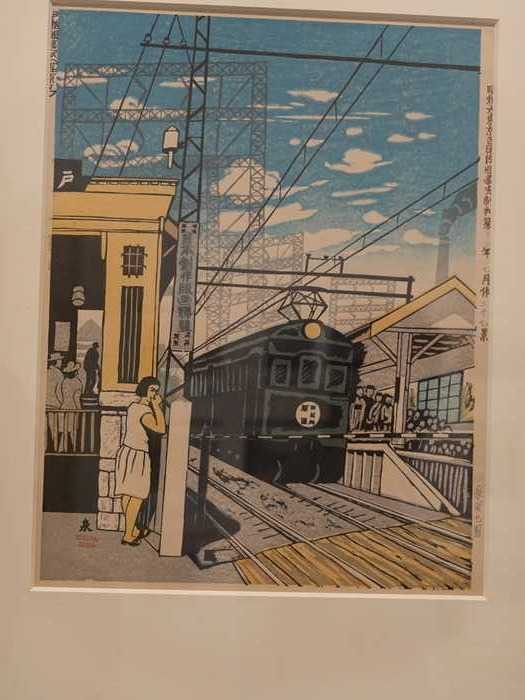
「 昭和大東京百図絵版画完制判
きっかけとなった。」
『キング』創刊号(複製)。
円本『現代日本文学全集』。
「 昭和大東京百図絵版画完制判
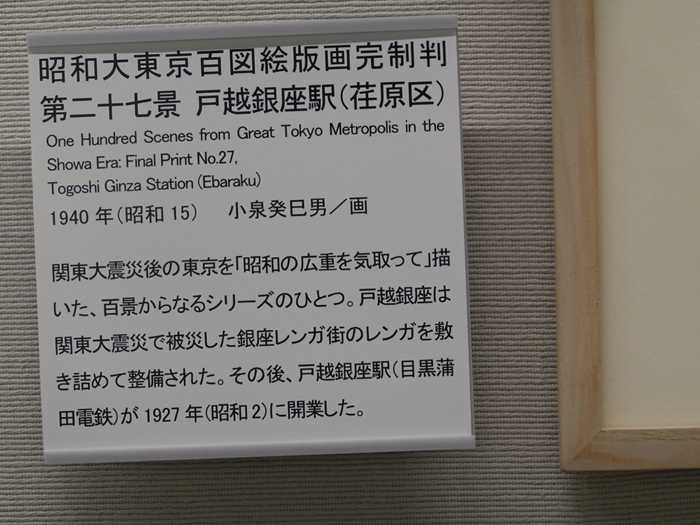
第二十七景 戸越銀座駅(荏原区)
」。
関東大震災からの復興を遂げた昭和東京。その象徴として戸越銀座駅へ進入する目黒蒲田電鉄を
中心に、送電鉄塔や架線、工場の煙突までを美しい都市風景として描いた一枚である。
左奥には富士山も望まれ、近代都市と日本の原風景が見事に調和している。
関東大震災からの復興を遂げた昭和東京。その象徴として戸越銀座駅へ進入する目黒蒲田電鉄を
中心に、送電鉄塔や架線、工場の煙突までを美しい都市風景として描いた一枚である。
左奥には富士山も望まれ、近代都市と日本の原風景が見事に調和している。
「 昭和大東京百図絵版画完制判
第二十七景 戸越銀座駅(荏原区)
One Hundred Scenes from Great Tokyo Metropolis in the Showa Era: Final Print No.27,
Togoshi Ginza Station (Ebaraku)
1940年(昭和15)
小泉癸巳男/画
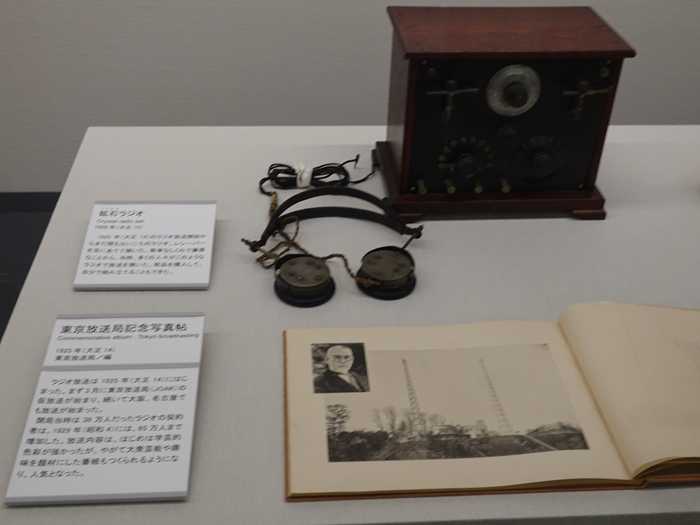
「 鉱石ラジオ 」と「 東京放送局記念写真帖 」。
関東大震災後の東京を「昭和の広重を気取って」描いた、百景からなるシリーズのひとつ。
戸越銀座は、関東大震災で被災した銀座レンガ街のレンガを敷き詰めて整備された。
その後、戸越銀座駅(目黒蒲田電鉄)が1927年(昭和2)に開業した。」
「 鉱石ラジオ 」と「 東京放送局記念写真帖 」。
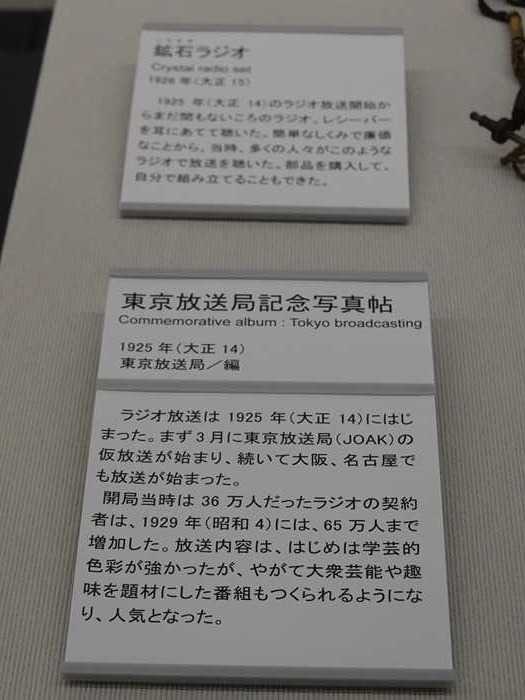
「 鉱石ラジオ
Crystal radio set
1926年(大正15)
1925年(大正14)のラジオ放送開始からまだ間もないころのラジオ。レシーバーを耳に
あてて聴いた。簡単なしくみで廉価なことから、当時、多くの人々がこのようなラジオで
放送を聴いた。部品を購入して、自分で組み立てることもできた。」
「 東京放送局記念写真帖
あてて聴いた。簡単なしくみで廉価なことから、当時、多くの人々がこのようなラジオで
放送を聴いた。部品を購入して、自分で組み立てることもできた。」
「 東京放送局記念写真帖
Commemorative album : Tokyo broadcasting
1925年(大正14)
東京放送局/編
ラジオ放送は1925年(大正14)にはじまった。まず3月に東京放送局(JOAK)の仮放送が
始まり、続いて大阪、名古屋でも放送が始まった。
始まり、続いて大阪、名古屋でも放送が始まった。
開局当時は36万人だったラジオの契約者は、1929年(昭和4)には、65万人まで増加した。
放送内容は、はじめは学芸的色彩が強かったが、やがて大衆芸能や趣味を題材にした番組も
つくられるようになり、人気となった。」
「 おもな雑誌の創刊年と種類数の変化
放送内容は、はじめは学芸的色彩が強かったが、やがて大衆芸能や趣味を題材にした番組も
つくられるようになり、人気となった。」
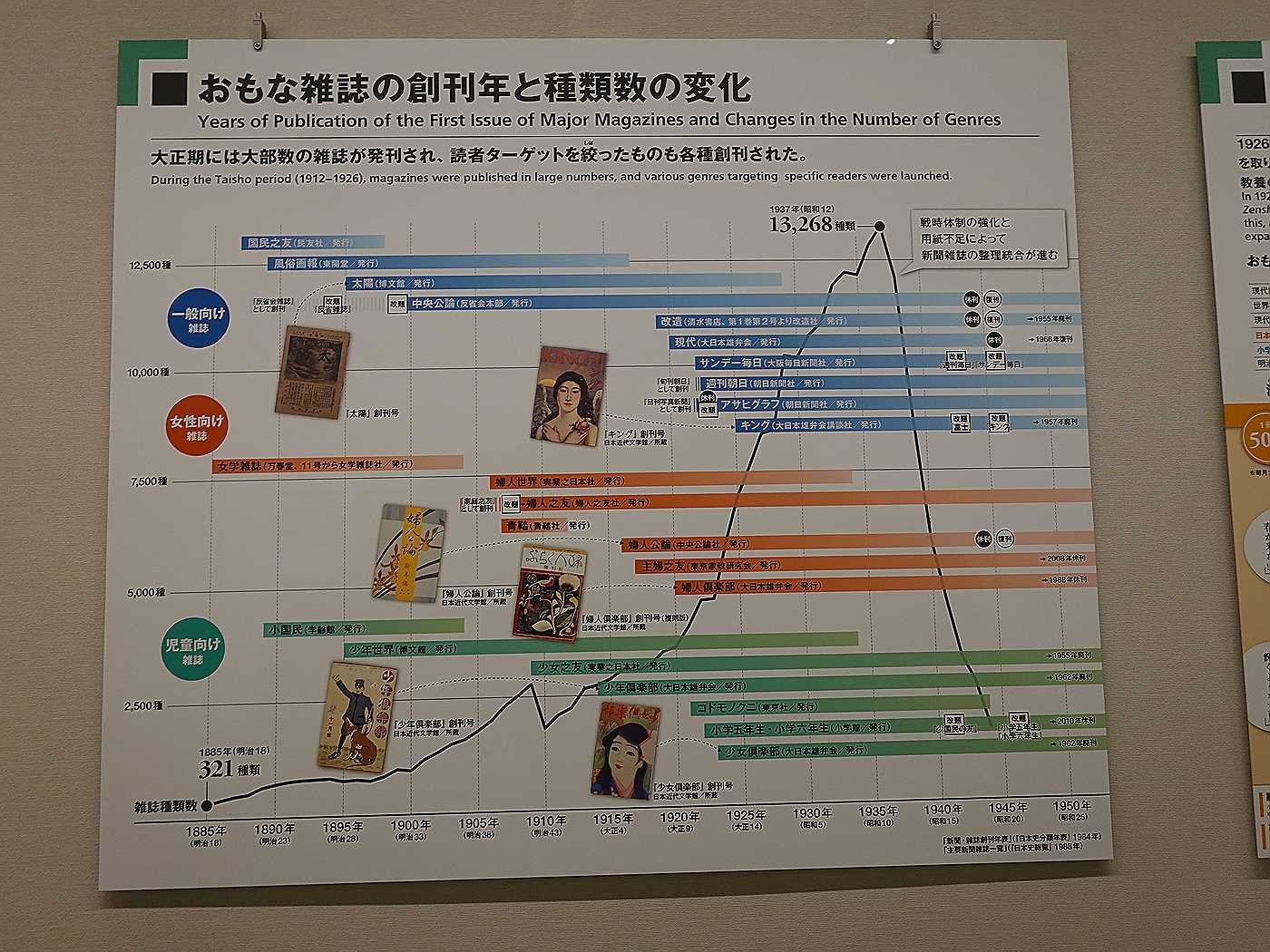
「 おもな雑誌の創刊年と種類数の変化
Years of Publication of the First Issue of Major Magazines and Changes
in the Number of Genres
in the Number of Genres
大正期には大部数の雑誌が発刊され、読者ターゲットを絞ったものも各種創刊された。
During the Taisho period (1912–1926), magazines were published in large numbers,
and various genres targeting specific readers were launched.
「 大衆文化の隆盛
and various genres targeting specific readers were launched.
雑誌種類数の推移
1885年(明治18)
321種類
↓
1937年(昭和12)
13,268種類
戦時体制による変化
戦時体制の強化と用紙不足によって新聞雑誌の整理統合が進む
分類
一般向け雑誌
国民之友
風俗画報
太陽
中央公論
改造
現代
サンデー毎日
週刊朝日
アサヒグラフ
キング
女性向け雑誌
女学雑誌
婦人世界
婦人之友
青鞜
婦人公論
主婦之友
婦人倶楽部
児童向け雑誌
小国民
少年世界
少女之友
少年倶楽部
コドモノクニ
小学五年生・小学六年生
少女倶楽部」「 大衆文化の隆盛
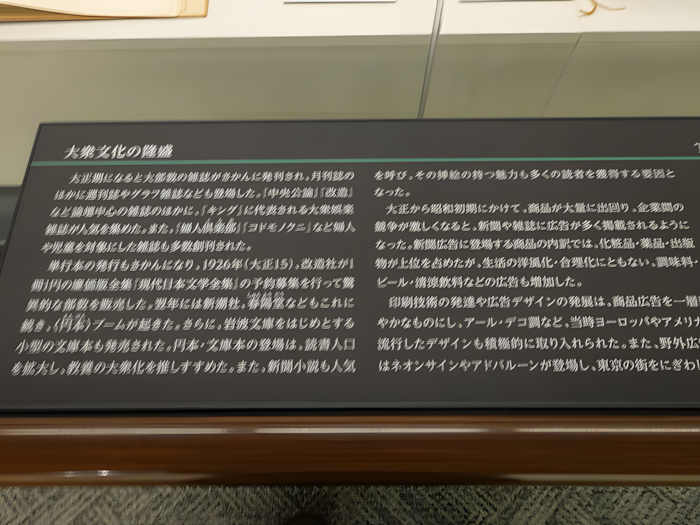
大正期になると大衆娯楽の雑誌がさかんに発刊され、月刊誌のほかに週刊誌やグラフ雑誌
なども登場した。「中央公論」「改造」など論壇中心の雑誌のほかに、「キング」に
代表される大衆娯楽雑誌が人気を集めた。また、「婦人倶楽部」「コドモノクニ」など婦人や
児童を対象にした雑誌も多数刊行された。
なども登場した。「中央公論」「改造」など論壇中心の雑誌のほかに、「キング」に
代表される大衆娯楽雑誌が人気を集めた。また、「婦人倶楽部」「コドモノクニ」など婦人や
児童を対象にした雑誌も多数刊行された。
単行本の発行もさかんになり、1926年(大正15)、改造社が1冊1円の廉価版全集
『現代日本文学全集』の予約募集を行って驚異的な部数を販売した。翌年には新潮社、春陽堂
などもこれに続き、円本ブームが起きた。さらに、岩波文庫をはじめとする小型の文庫本も
発売された。円本・文庫本の登場は、読書人口を拡大し、読書の大衆化を推しすすめた。
また、新聞小説も人気を呼び、その挿絵の持つ魅力も多くの読者を獲得する要因となった。
『現代日本文学全集』の予約募集を行って驚異的な部数を販売した。翌年には新潮社、春陽堂
などもこれに続き、円本ブームが起きた。さらに、岩波文庫をはじめとする小型の文庫本も
発売された。円本・文庫本の登場は、読書人口を拡大し、読書の大衆化を推しすすめた。
また、新聞小説も人気を呼び、その挿絵の持つ魅力も多くの読者を獲得する要因となった。
大正から昭和初期にかけて、商品が大量に出回り、企業間の競争が激しくなると、新聞や雑誌に
広告が多く掲載されるようになった。新聞広告に登場する商品の内訳でも、化粧品・薬品・
出版物が上位を占めたが、生活の洋風化・合理化にともない、調味料・ビール・清涼飲料などの
広告も増加した。
広告が多く掲載されるようになった。新聞広告に登場する商品の内訳でも、化粧品・薬品・
出版物が上位を占めたが、生活の洋風化・合理化にともない、調味料・ビール・清涼飲料などの
広告も増加した。
印刷技術の発達や広告デザインの発展は、商品広告を一層華やかなものにし、アール・デコ調など、
当時ヨーロッパやアメリカで流行したデザインも積極的に取り入れられた。また、野外広告には
ネオンサインやアドバルーンが登場し、東京の街をにぎわせた。」
「 森永ミルクキャラメル箱
当時ヨーロッパやアメリカで流行したデザインも積極的に取り入れられた。また、野外広告には
ネオンサインやアドバルーンが登場し、東京の街をにぎわせた。」
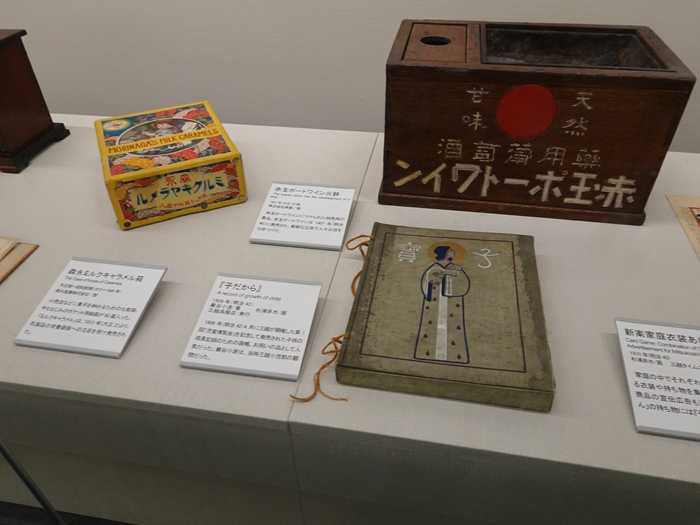
「 森永ミルクキャラメル箱
The Case of Morinaga Caramels
大正後期~昭和初期(1917~1945年頃)
森永製菓株式会社
小売店などに菓子を納めるための化粧箱。
今もなじみのポケット用紙箱が60箱入った。
「ミルクキャラメル」は、1913年(大正2)より乳製品の栄養価値への注目を受け
発売された。」
「 赤玉ポートワイン火鉢
発売された。」
「 赤玉ポートワイン火鉢
The advertisement of Akadama Port Wine
1927年(昭和2)頃
赤玉ポートワインにつけられた特製印の景品。
赤玉ポートワインは、1907年(明治40)に発売され斬新な広告で人々の目を引きつけた。」
「 『子だから』
「 『子だから』
A record of growth of child
1909年(明治42)
巌谷小波/著 杉浦非水/画
三越呉服店/発行
1909年(明治42)4月に三越が開催した第1回児童博覧会を記念して発表された子供の
成長記録のための画帳。お祝いの品として人気だった。巌谷小波は、当時三越小児部の
顧問だった。」
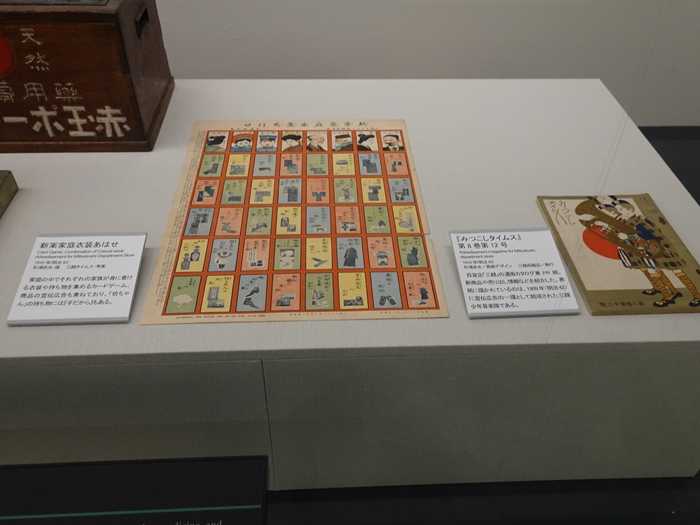
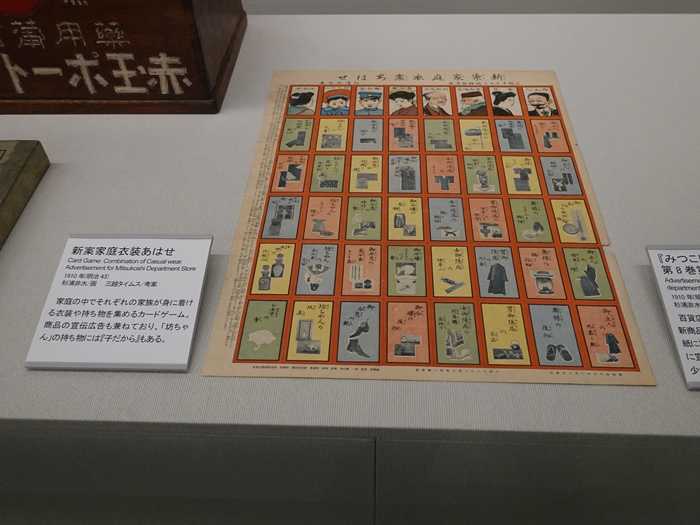
「 新案家庭衣装あはせ
成長記録のための画帳。お祝いの品として人気だった。巌谷小波は、当時三越小児部の
顧問だった。」
「 新案家庭衣装あはせ
Card Game: Combination of Casual wear,
Advertisement for Mitsukoshi Department Store
1910年(明治43)
杉浦非水 /画 三越タイムス/考案
家庭の中でそれぞれの家族が身に着ける衣装や持ち物を集めるカードゲーム。
商品の宣伝広告も兼ねており、「坊ちゃん」の持ち物には「子だから」もある。」
近づいて。
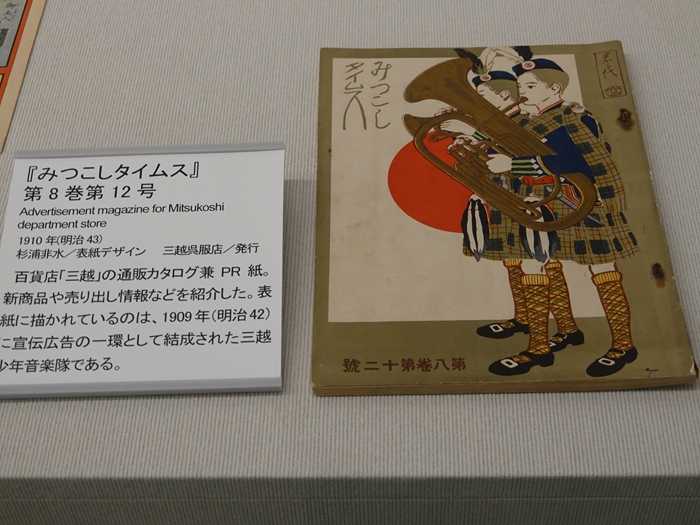
「 『みつこしタイムス』
近づいて。
「 『みつこしタイムス』
第8巻第12号
Advertisement magazines for Mitsukoshi department store
1910年(明治43)
杉浦非水/表紙デザイン 三越呉服店/発行
百貨店「三越」の通販カタログ兼PR誌。
新商品や売り出し情報などを紹介した。表紙に描かれているのは、1909年(明治42)に
宣伝広告の一環として結成された三越少年音楽隊である。」
これらの展示からは、大正から昭和初期にかけて、商品そのものだけでなく、雑誌や遊び、
景品などを通して人々の暮らしの中へ自然に入り込んでいった企業の広告戦略の巧みさを
知ることができるのであった。
「 円本合戦
宣伝広告の一環として結成された三越少年音楽隊である。」
これらの展示からは、大正から昭和初期にかけて、商品そのものだけでなく、雑誌や遊び、
景品などを通して人々の暮らしの中へ自然に入り込んでいった企業の広告戦略の巧みさを
知ることができるのであった。
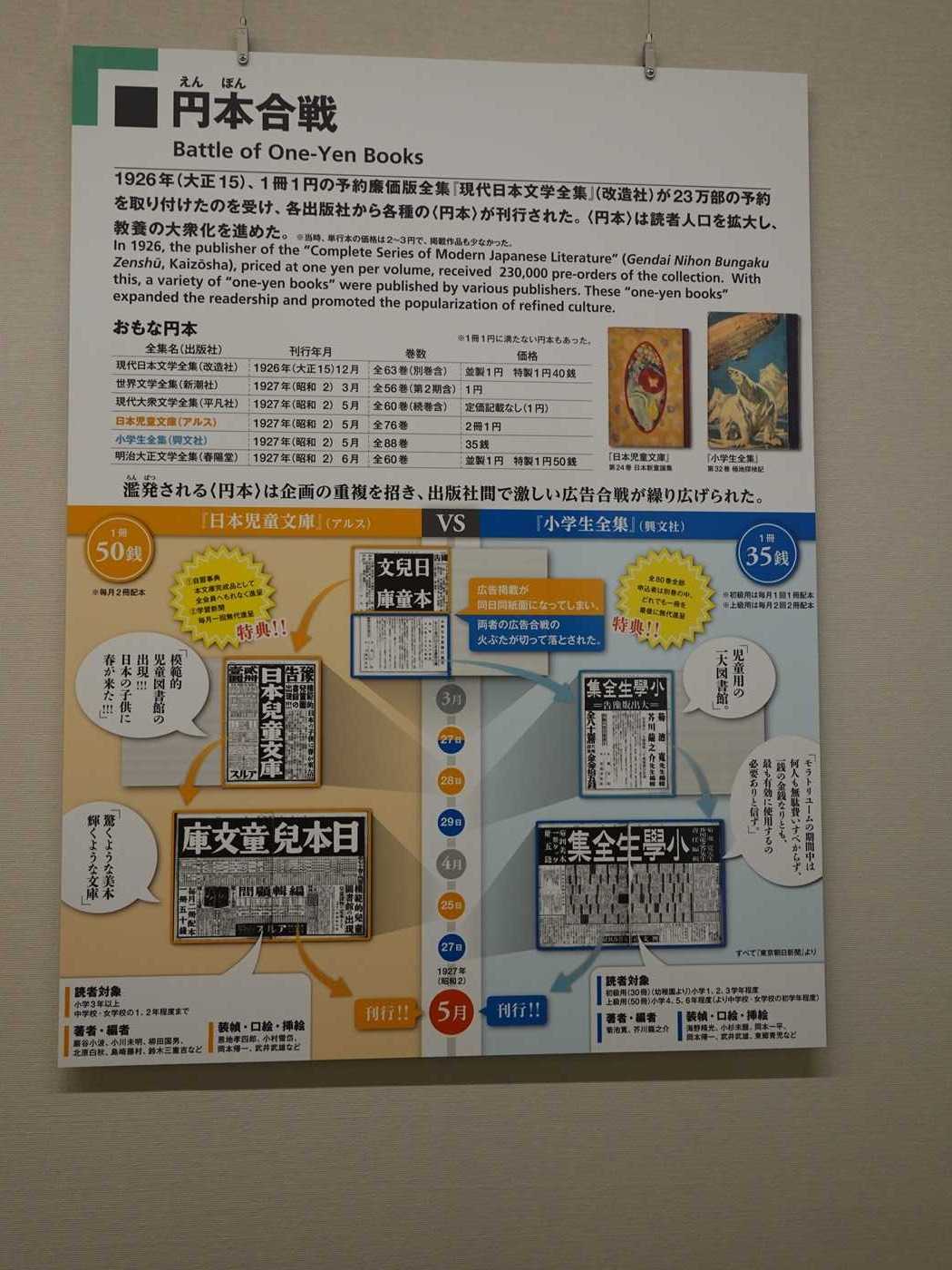
「 円本合戦
Battle of One-Yen Books
1926年(大正15)、1冊1円の予約廉価版全集『現代日本文学全集』(改造社)が23万部の
予約を取り付けたのを受け、各出版社から各種の「円本」が刊行された。
「円本」は読者人口を拡大し、教養の大衆化を進めた。
予約を取り付けたのを受け、各出版社から各種の「円本」が刊行された。
「円本」は読者人口を拡大し、教養の大衆化を進めた。
※当時、単行本の価格は2~3円で、挿絵作品も少なかった。
In 1926, the publisher of the "Complete Series of Modern Japanese Literature"
(Gendai Nihon Bungaku Zenshū, Kaizōsha), priced at one yen per volume,
received 230,000 pre-orders of the collection. With this, a variety of "one-yen books"
were published by various publishers. These "one-yen books" expanded the readership
and promoted the popularization of refined culture.
『日本児童文庫』(アルス) VS 『小学生全集』(興文社)
以下 省略」
「 宣伝広告の変化
(Gendai Nihon Bungaku Zenshū, Kaizōsha), priced at one yen per volume,
received 230,000 pre-orders of the collection. With this, a variety of "one-yen books"
were published by various publishers. These "one-yen books" expanded the readership
and promoted the popularization of refined culture.
おもな円本
全集名(出版社) 刊行年月 巻数 価格
現代日本文学全集(改造社)1926年(大正15)12月 全63巻(別巻含)並製1円・特製1円40銭
世界文学全集(新潮社)1927年(昭和2)3月 全56巻(第2期含) 1円
現代大衆文学全集(平凡社)1927年(昭和2)5月 全60巻(総巻含)定価記載なし(1円)
日本児童文庫(アルス)1927年(昭和2)5月 全76巻 2冊1円
小学生全集(興文社) 1927年(昭和2)5月 全88巻 35銭
明治大正文学全集(春陽堂)1927年(昭和2)6月 全60巻 並製1円・特製1円50銭
濫発される「円本」は企画の重複を招き、出版社間で激しい広告合戦が繰り広げられた。『日本児童文庫』(アルス) VS 『小学生全集』(興文社)
以下 省略」
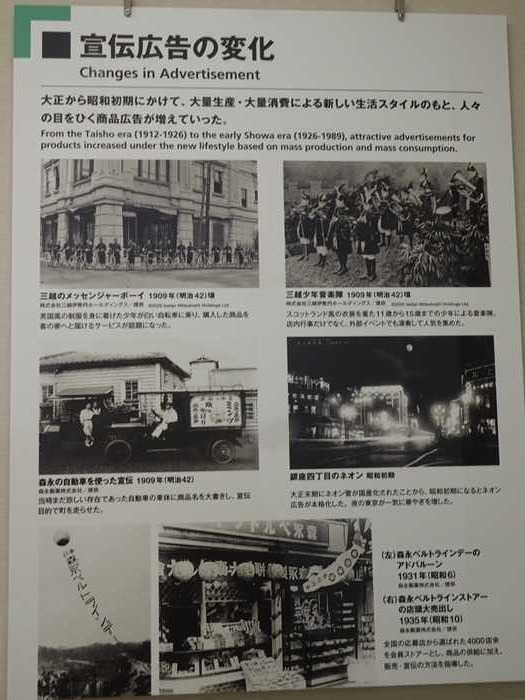
「 宣伝広告の変化
Changes in Advertisement
大正から昭和初期にかけて、大量生産・大量消費による新しい生活スタイルのもと、
人々の目をひく商業広告が増えていった。
人々の目をひく商業広告が増えていった。
From the Taisho era (1912–1926) to the early Showa era (1926–1989), attractive advertisements for products increased under the new lifestyle based on mass
production and mass consumption.
■銀座四丁目のネオン 昭和初期
production and mass consumption.
■三越のメッセンジャーボーイ 1909年(明治42)頃
株式会社三越伊勢丹ホールディングス/提供
©2025 Isetan Mitsukoshi Holdings Ltd.
英国風の制服を身に着けた少年が白い自転車に乗り、購入した商品を客の家へと届ける
サービスが話題になった。
サービスが話題になった。
■三越少年音楽隊 1909年(明治42)頃
株式会社三越伊勢丹ホールディングス/提供
©2025 Isetan Mitsukoshi Holdings Ltd.
スコットランド風の衣装を着た11歳から15歳までの少年による音楽隊。店内行事だけでなく、
外部イベントでも演奏して人気を集めた。
外部イベントでも演奏して人気を集めた。
■森永の自動車を使った宣伝 1909年(明治42)
森永製菓株式会社/提供
当時まだ珍しい存在であった自動車の車体に商品名を大書きし、宣伝目的で町を走らせた。
大正末期にネオン管が国産化されたことから、昭和初期になるとネオン広告が本格化した。
夜の東京が一気に華やぎを増した
夜の東京が一気に華やぎを増した
■(左)森永ベルトラインデーのアドバルーン
1931年(昭和6)
森永製菓株式会社/提供
■右)森永ベルトラインストアーの店頭大売出し
1935年(昭和10)
森永製菓株式会社/提供
全国の応募店から選ばれた4000店余を会員ストアーとし、商品の供給に加え、
販売・宣伝の方法を指導した。」
販売・宣伝の方法を指導した。」
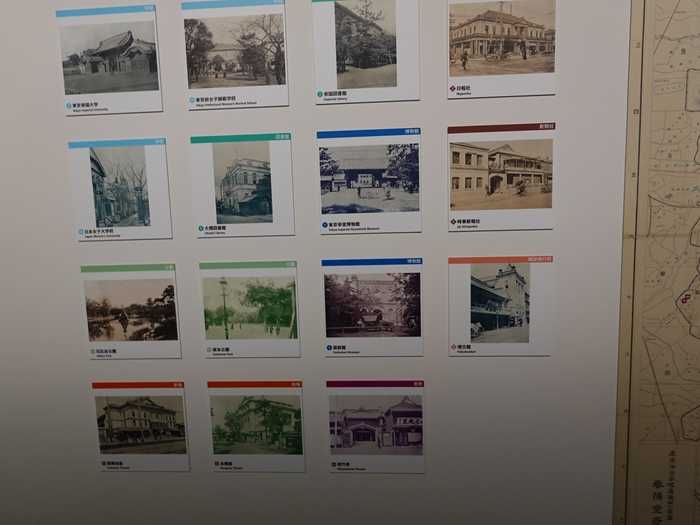
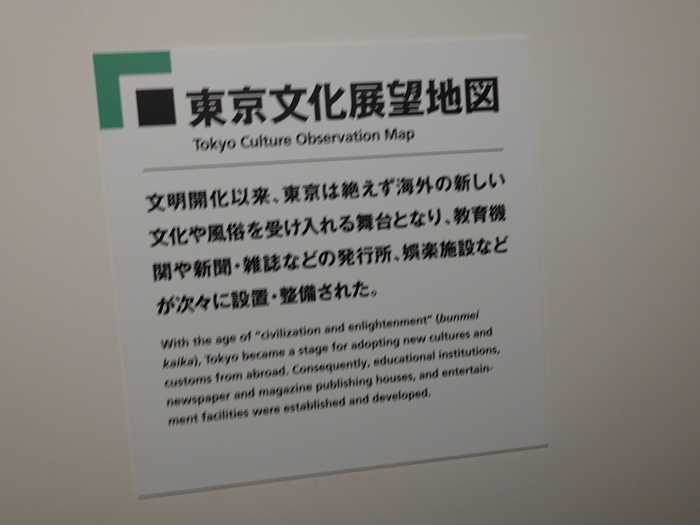
「 東京文化展望地図
Tokyo Culture Observation Map
文明開化以来、東京は絶えず海外の新しい文化や風俗を受け入れる舞台となり、教育機関や
新聞・雑誌などの発行所、娯楽施設などが次々に設置・整備された。
新聞・雑誌などの発行所、娯楽施設などが次々に設置・整備された。
With the age of "civilization and enlightenment" (bunmei kaika), Tokyo became a stage
for adopting new cultures and customs from abroad. Consequently, educational
institutions, newspaper and magazine publishing houses, and entertainment facilities
were established and developed.」
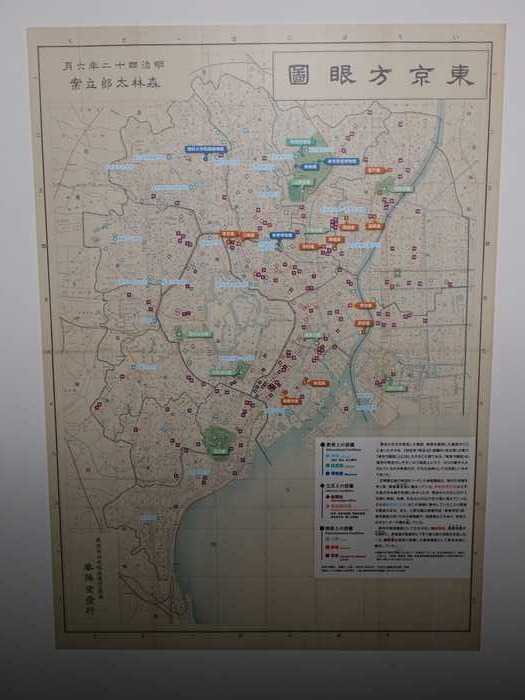
「 東京方眼図
明治四十ニ年六月
森林太郎立案
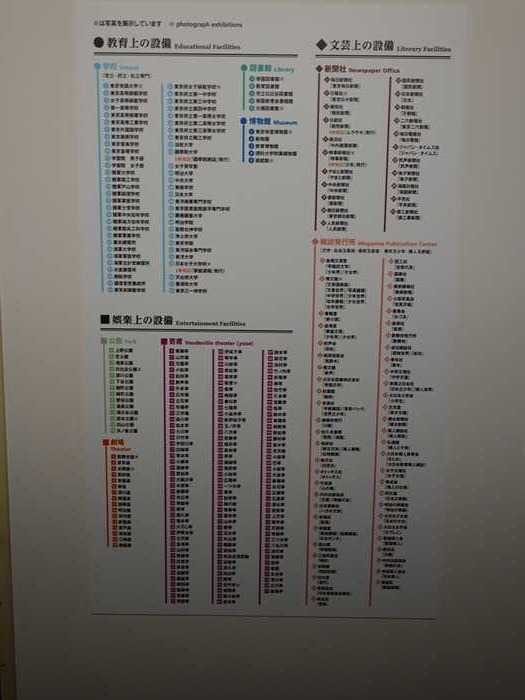
「教育上の設備」、「娯楽上の設備」、「文芸上の設備」、「雑誌発行所」 一覧表。
for adopting new cultures and customs from abroad. Consequently, educational
institutions, newspaper and magazine publishing houses, and entertainment facilities
were established and developed.」
「 東京方眼図
明治四十ニ年六月
森林太郎立案
東京日本橋通壱丁目
春陽堂発行」 凡例
● 教育上の設備
学校(官立・府立・私立専門)
図書館
博物館
◆ 文芸上の設備
新聞社
雑誌発行所(文学・法律・経済雑誌、趣味娯楽雑誌・専門雑誌等)
■ 娯楽上の設備
公園
劇場
寄席
この展示は、明治42年(1909)の東京における文化施設・教育施設・娯楽施設を、
森鷗外(森林太郎)が考案した「東京方眼図」の上に重ねて表示したもの 。
森鷗外(森林太郎)が考案した「東京方眼図」の上に重ねて表示したもの 。
見どころは次の点。
・銀座には新聞社や劇場が集中しており、近代文化・情報発信の中心地だったこと。
・日本橋・京橋には雑誌出版社が多く、出版文化の中心だったこと。
・神田・本郷・牛込には大学や専門学校が集まり、出版文化も山の手へ広がっていったこと。
・上野公園は、美術学校・音楽学校・博物館・図書館が集まる、日本有数の文化拠点だったこと。
・寄席は都内各地に点在し、庶民の日常の娯楽として親しまれていたこと。
つまり、この地図は「 明治末の東京がどこで学び、どこで本を作り、どこで遊び、どこで文化を
育てていたか」を一枚で示した文化地図 と言えよう。
育てていたか」を一枚で示した文化地図 と言えよう。
「教育上の設備」、「娯楽上の設備」、「文芸上の設備」、「雑誌発行所」 一覧表。
「教育上の設備」、「娯楽上の設備」、「文芸上の設備」、「雑誌発行所」の各写真。
・・・もどる・・・
・・・つづく・・・
お気に入りの記事を「いいね!」で応援しよう

[JINさんの農園] カテゴリの最新記事
-
江戸東京博物館へ(その37) 2026.09.06
-
江戸東京博物館へ(その36) 2026.09.05
-
江戸東京博物館へ(その35) 2026.09.04


【毎日開催】
15記事にいいね!で1ポイント


© Rakuten Group, Inc.
