



PR

jinsan0716
『JINさんの陽蜂農遠日記』にアクセスありがとう ございます。 このブログは、 陽:太陽光発電、 蜂:趣味の養蜂、 農:菜園、花、スロー&アクティブシニアライフ、 遠:旅行、 を中心とした備忘録を兼ねた18年間にわたる毎日のブログ(雑記帳)です。 書き込んでいただける方は、写真下の『コメントを書く』から 気楽に、ご感想、ご意見ご質問等を書き込んでいただきたく。
Keyword Search
▼キーワード検索
御所見地区の寺社史…
New!
オジン0523さん
アオノリュウゼツラ… New!
隠居人はせじぃさん
New!
隠居人はせじぃさん
【街路樹花壇西2と…
New!
Gママさん
エコハウスにようこそ ecologicianさん
noahnoah研究所 noahnoahnoahさん
アオノリュウゼツラ…
New!
隠居人はせじぃさん【街路樹花壇西2と…
New!
Gママさんエコハウスにようこそ ecologicianさん
noahnoah研究所 noahnoahnoahさん
Comments
Calendar
2026.07.20

カテゴリ: JINさんの農園
そして「 PICASSO館
」に到着。
「 PICASSO館 」は、20世紀を代表するスペインの芸術家パブロ・ピカソの作品を専門に
紹介するために、1984年に開館した。以来、マヤ・ピカソから購入した陶芸作品188点を
中心とした319点のピカソ・コレクションを順次公開している。

「 PICASSO館 」入口。

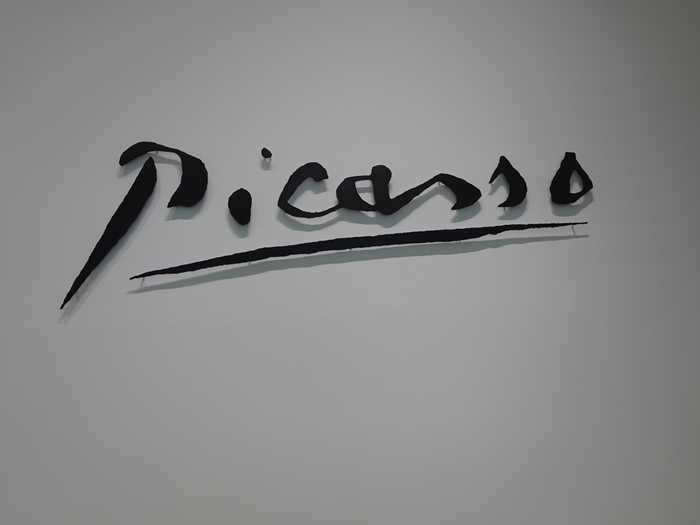
PICASSO 」。
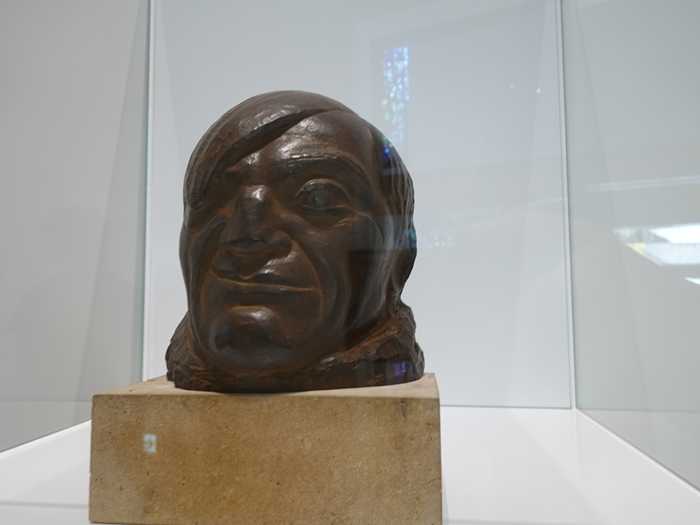
『 ピカソの肖像 Portrait of Picasso パブロ・ガルガリヨ Pablo Gargallo 』。
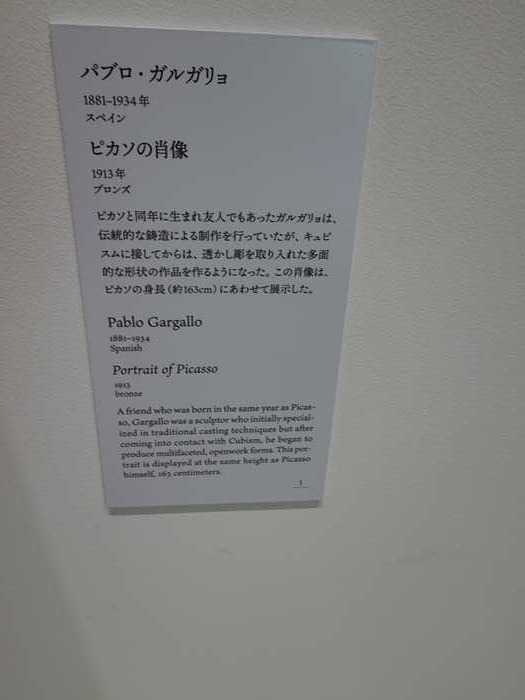
「 パブロ・ガルガリヨ
he began producing sculptures using openwork and multiple planes.
This portrait is displayed at the same height as Picasso himself, 163 centimeters.」
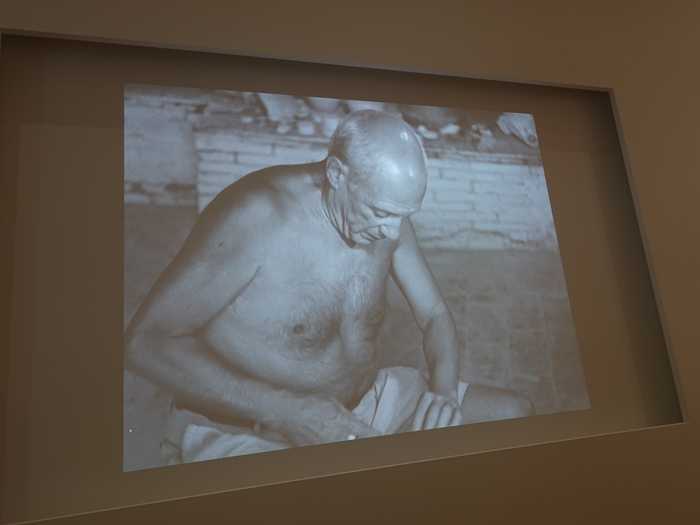
PICASOの創作風景をビデオで紹介。
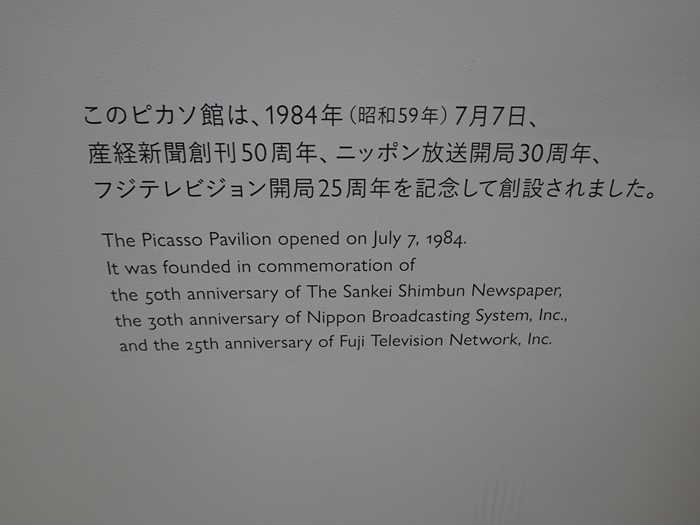
「このピカソ館は、1984年(昭和59年)7月7日、
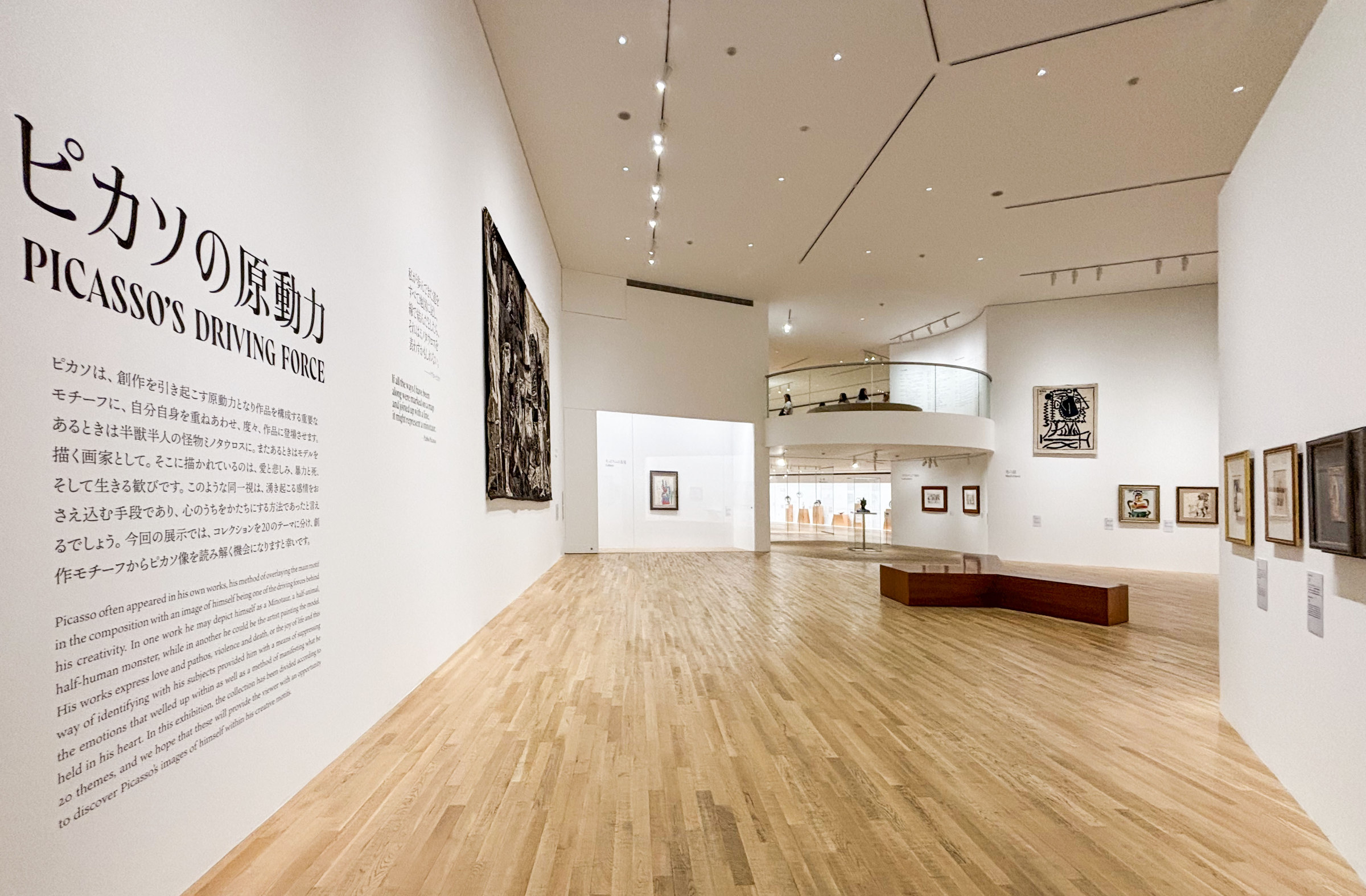
「 ピカソの原動力」。
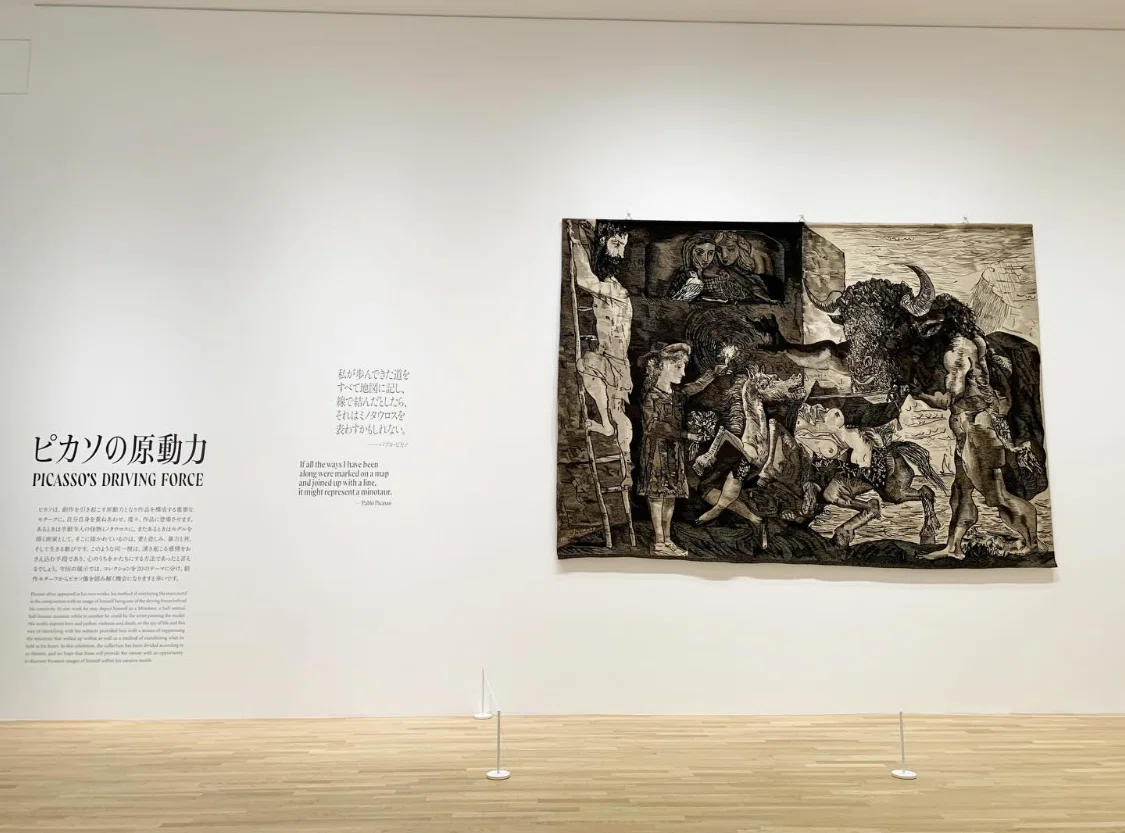
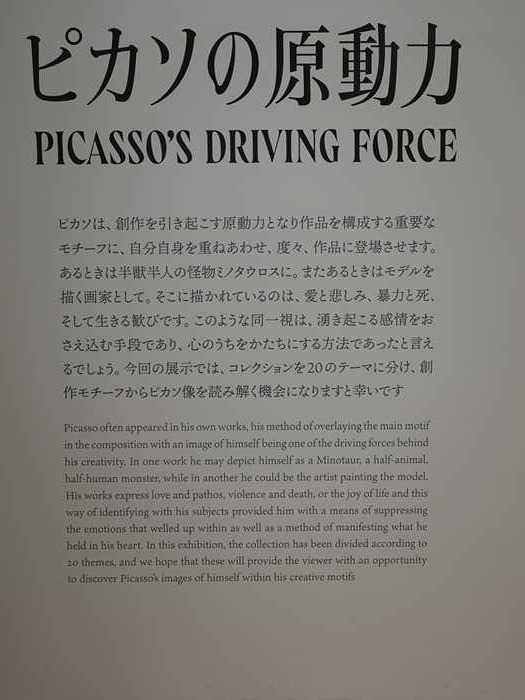
「 ピカソの原動力
「私が歩んできた道を
Women’s Faces 」
女の顔
『 女の顔
1904年、モンマルトルの「洗濯船」と呼ばれる木造長屋に住んだピカソは、近くにある
「ラベン・アジル」というキャバレーの常連となった。本作品の女性は、この店の主人
フレデリックジュラール(愛称フレデ爺さん)の愛人であるマルゴ(Margot)になっている。』
『 女の横顔 Woman in Profile 』
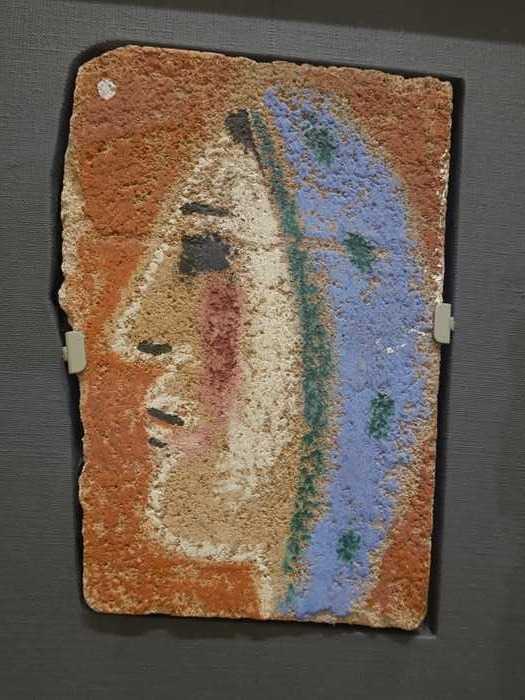
「 女の横顔
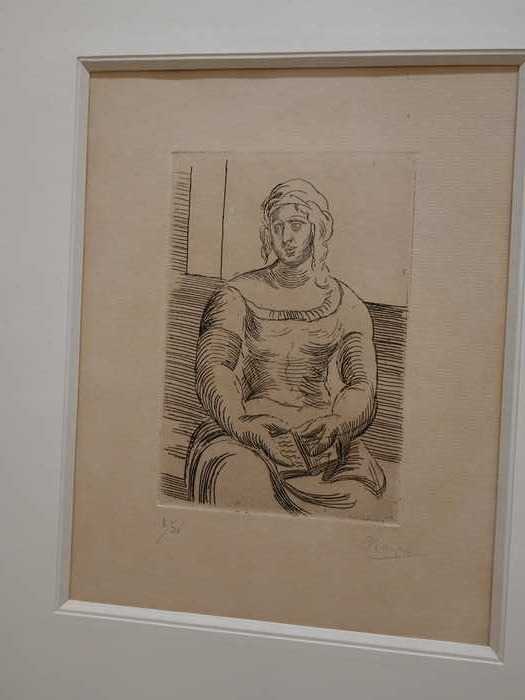
『 イタリアの女 Italian Woman 』。
「 イタリアの女
Napoli, Pompeii, Florence, and Milan and was struck by the culture and customs of
Italy. The trip also softened his artistic style, and from around this period he began
to produce works featuring voluptuous women.」
『 顔 Face 』
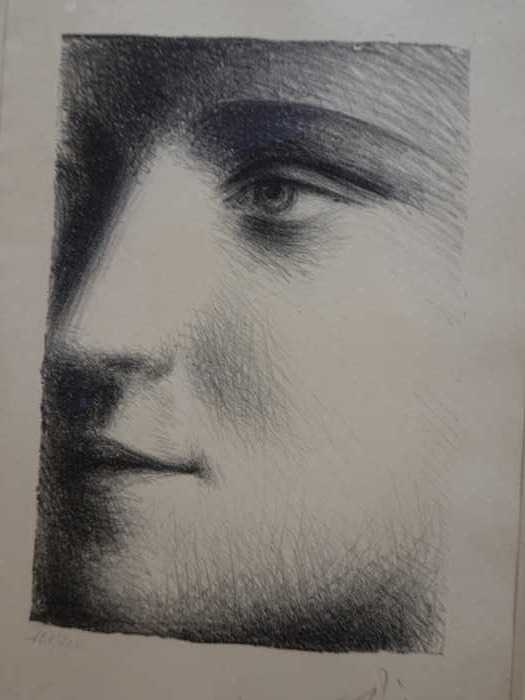
「 顔
As his marriage deteriorated, Picasso sought comfort from the young woman
who did not know his status as a painter, and she began to feature in
many beautiful works.」
『 二人のサルタンバンク Two Harlequins 』。
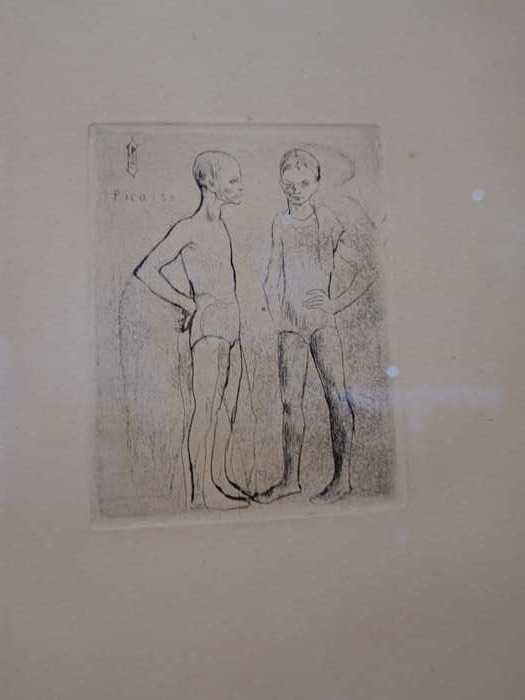
「 二人のサルタンバンク
『 フルート奏者と子ども Flute Player and Child 』。
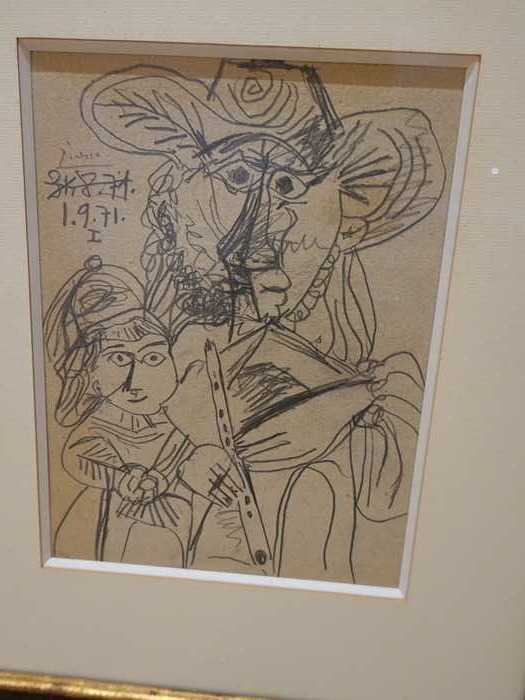
「 フルート奏者と子ども
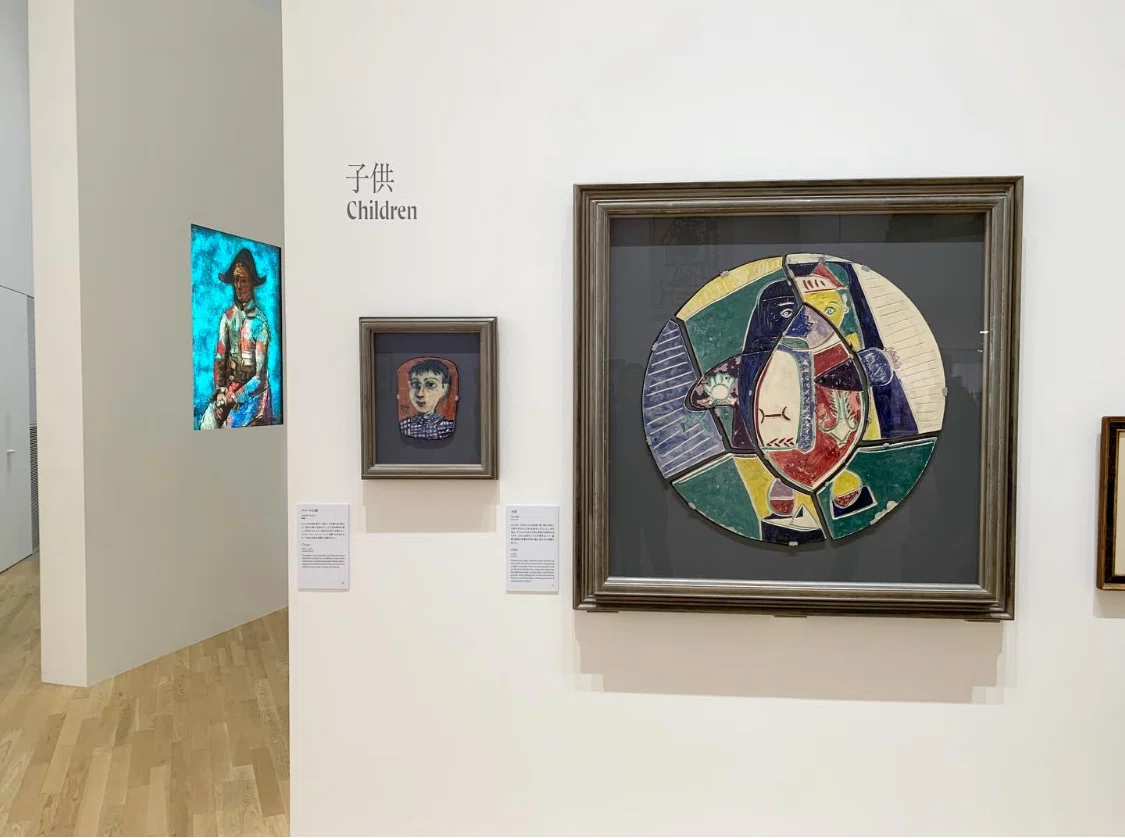
「 子供 Children 」。
近づいて。
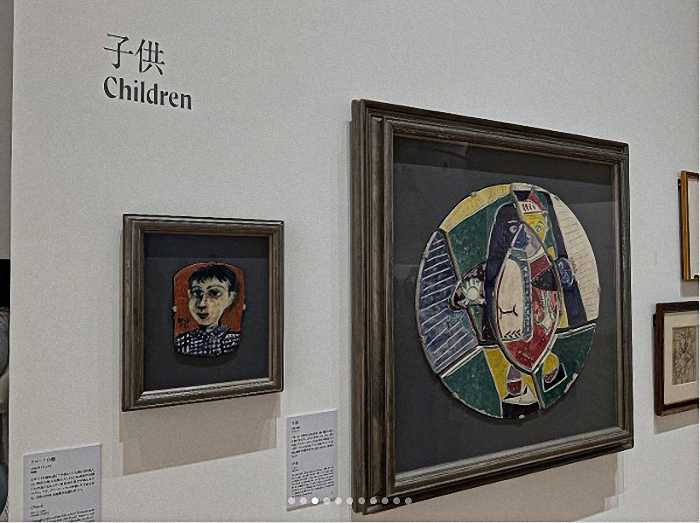
『 子供 Child 』。
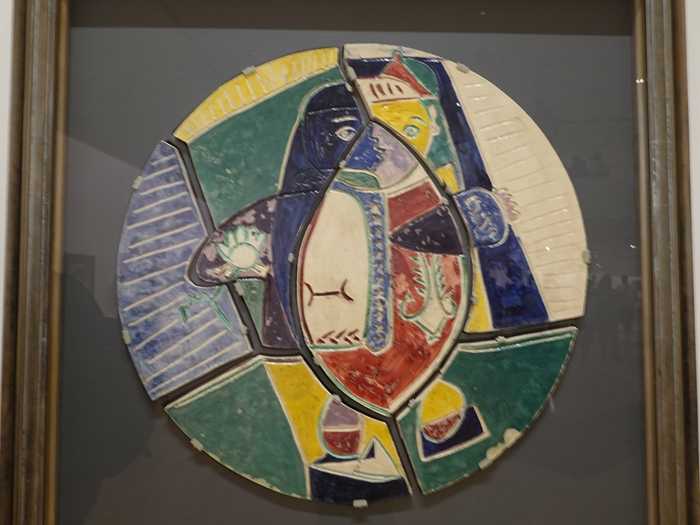
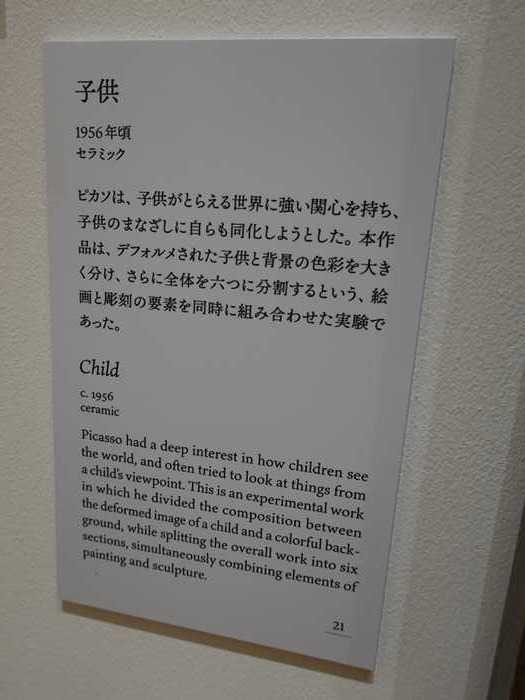
「 子供
things from a child's viewpoint. This is an experimental work in which he divided
the composition between the deformed image of a child and a colorful background,
while splitting the overall work into six sections, simultaneously combining elements
of painting and sculpture.」
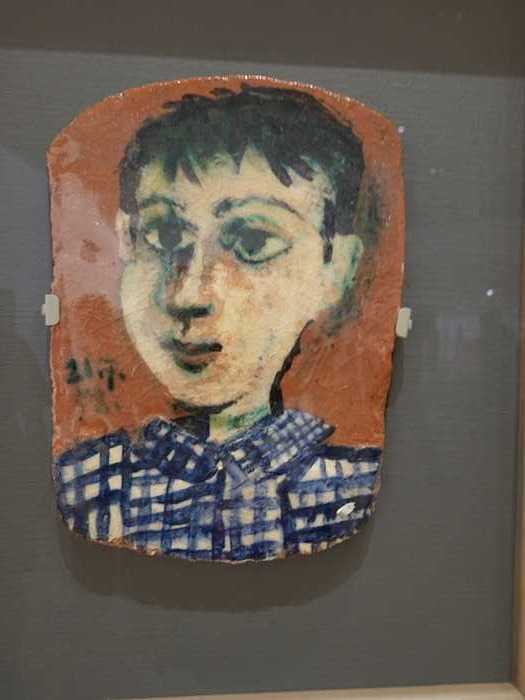
『 クロードの顔 Claude 』
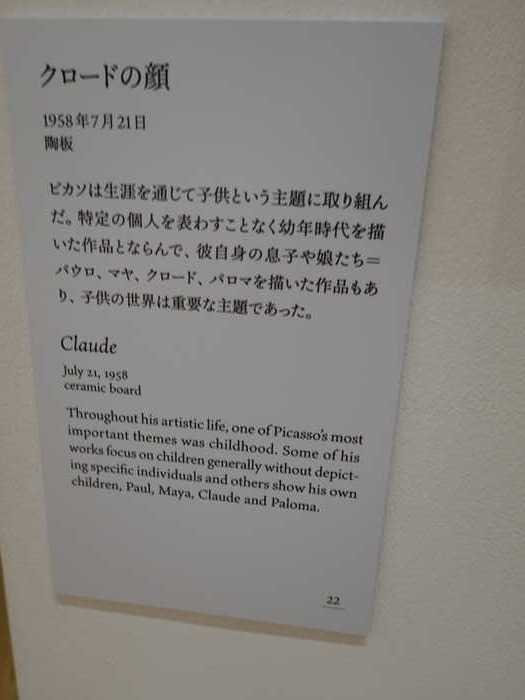
「 クロードの顔
「 ミノタウロス
Minotaur 」
パブロ・ピカソにとって「ミノタウロス(牛の頭と人間の体を持つ神話の怪物)」は、
1930年代に彼自身を投影した重要な分身(オルターエゴ)でした。彼はミノタウロスを、
野蛮な欲望、男性の暴力性、そして人間の本能的な感情の象徴として多くの絵画や版画に
描きました。
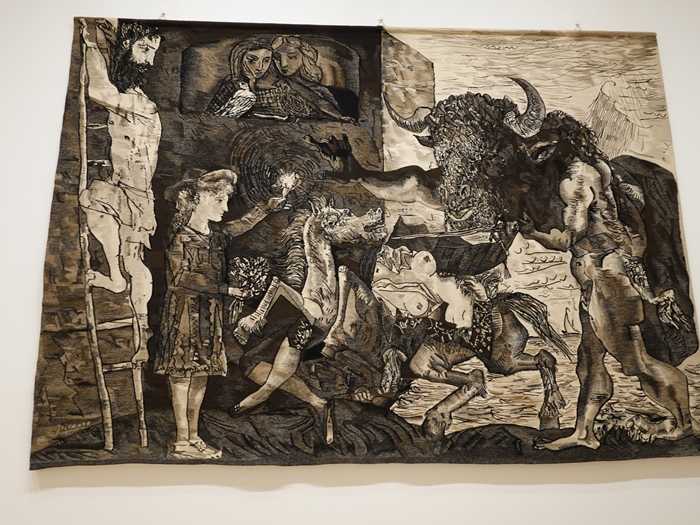
『ミノタウロマキア』(Minotauromachy, 1935年) :
彼のミノタウロスをテーマにした作品の中で最も有名で複雑な銅版画です。
盲目の怪物が少女に導かれる様子や、力と無垢の対比が描かれています。
「 イヴェット・コキール=プランス
with many of the major artists of the 20th century such as Braque, Chagall and Ernst.
She also won Picasso's complete trust, and while he was still alive, she produced
numerous tapestries for him. Working from actual size photographs, it would take her
between 2 weeks and 2 months to weave a 1m² section. This work took her
10 months to complete.」
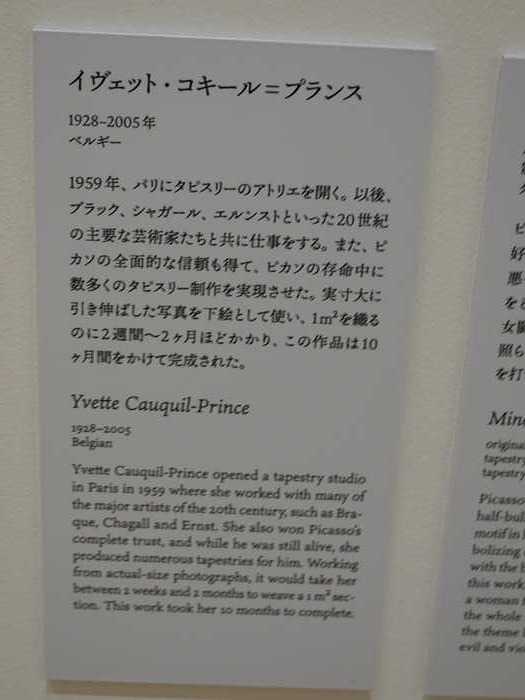
「 イヴェット・コキール=プランス 」。

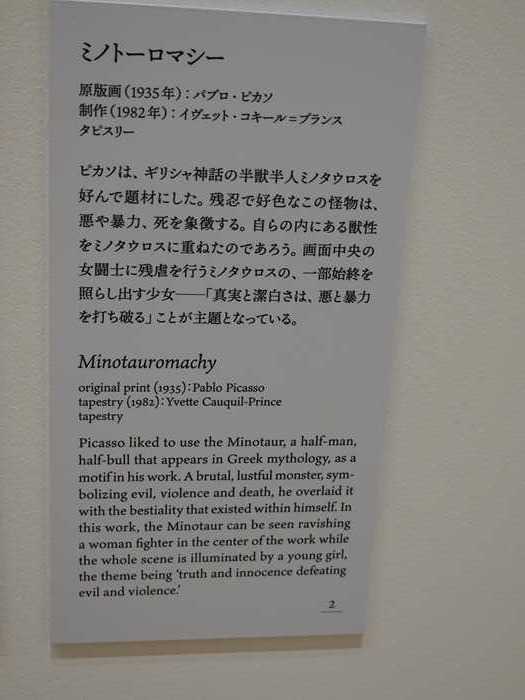
「 ミノトーロマシ
as a motif in his work. A brutal, lustful monster symbolizing evil, violence and death,
he overlaid it with the bestiality that existed within himself. In this work, the Minotaur
can be seen ravishing a woman fighter in the center of the work while the whole
scene is illuminated by a young girl, the theme being truth and innocence defeating evil
and violence.」
『 ミノトーロマシー Minotauromachy 』。
「 キュビスムの表現
cubism 」
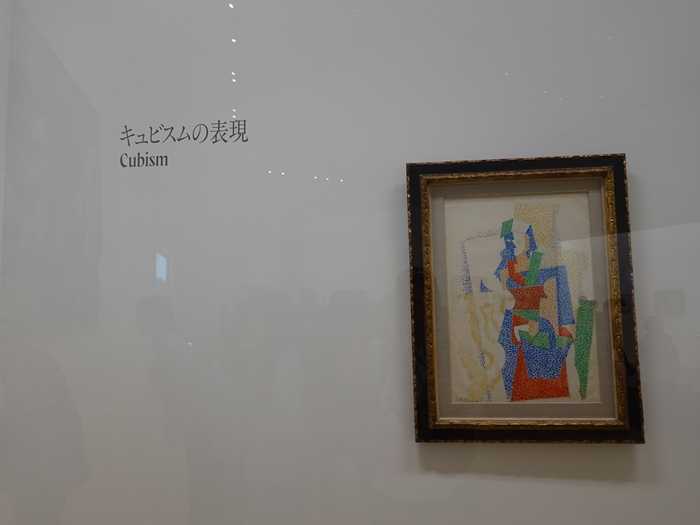
『 イタリアの女 Italian Woman 』。
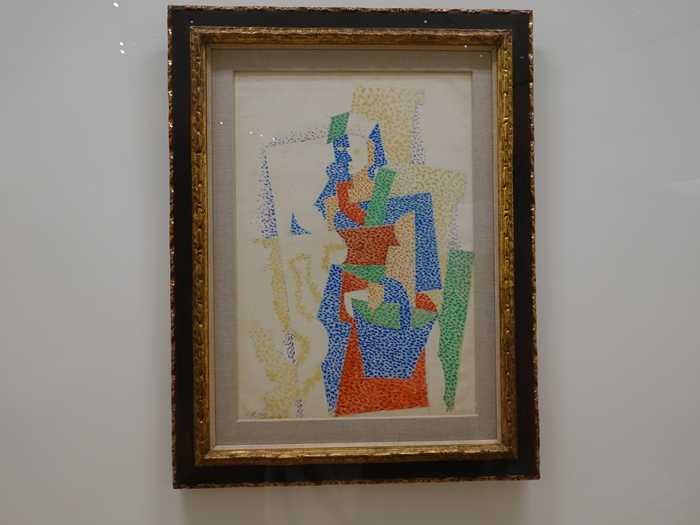
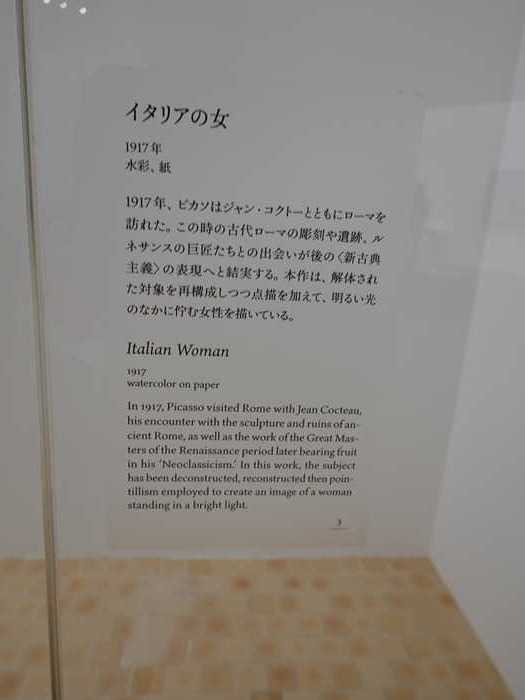
「 イタリアの女
ruins of ancient Rome, as well as the work of the great masters of the Renaissance,
later bore fruit in his Neoclassicism. In this work, the subject has been deconstructed, reconstructed and rendered with pointillist touches to create the image of a woman
standing in bright light.」
】
とのことでアップできません。
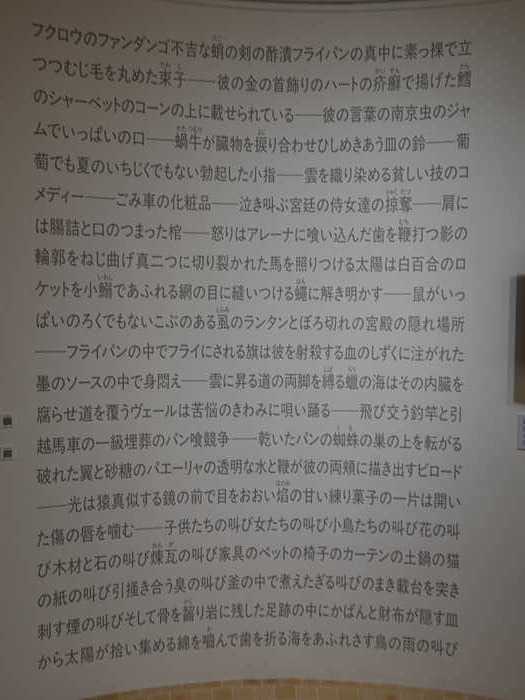
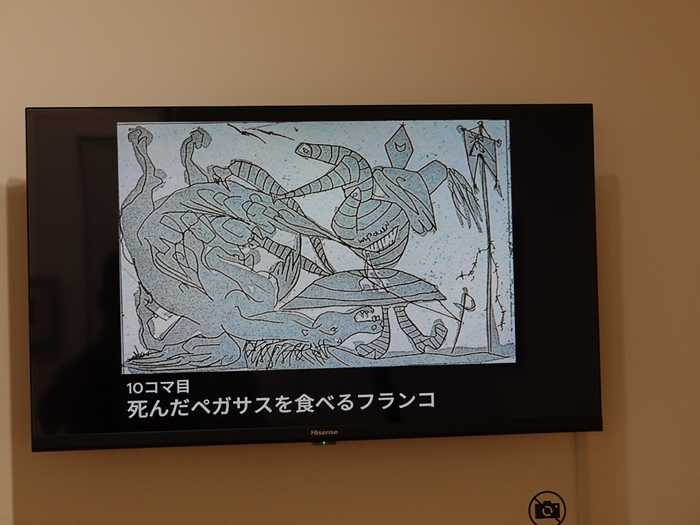
「10コマ目
死んだペガサスを食べるフランコ」
「 動物 Animals 」。
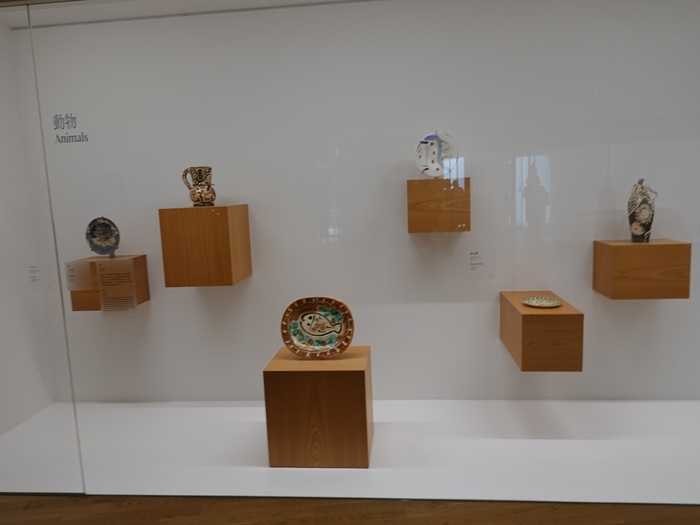
移動して。
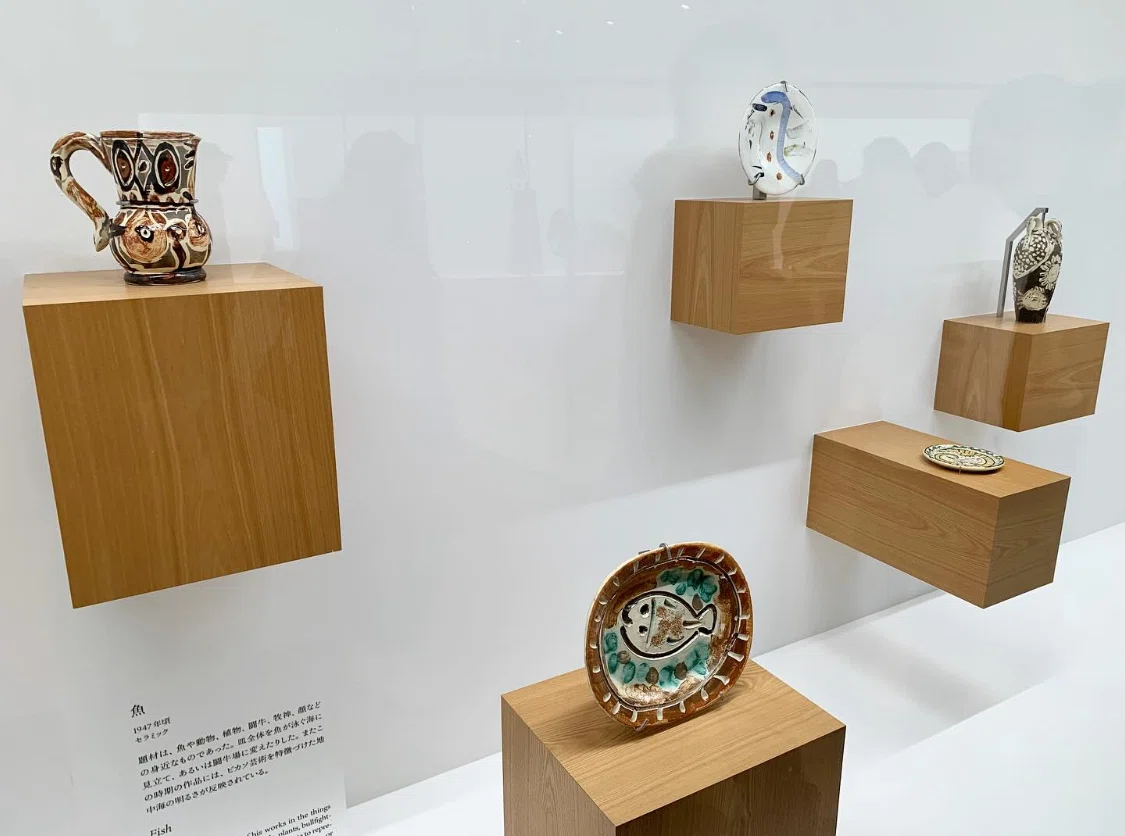
「 鳥 Birds 」。
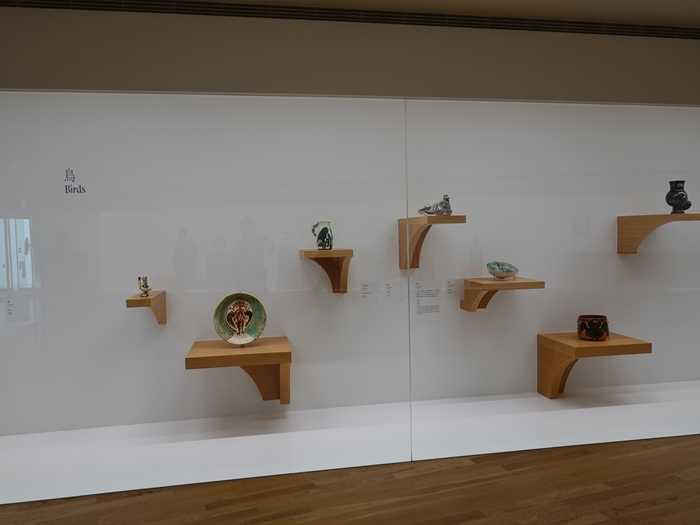
近づいて。
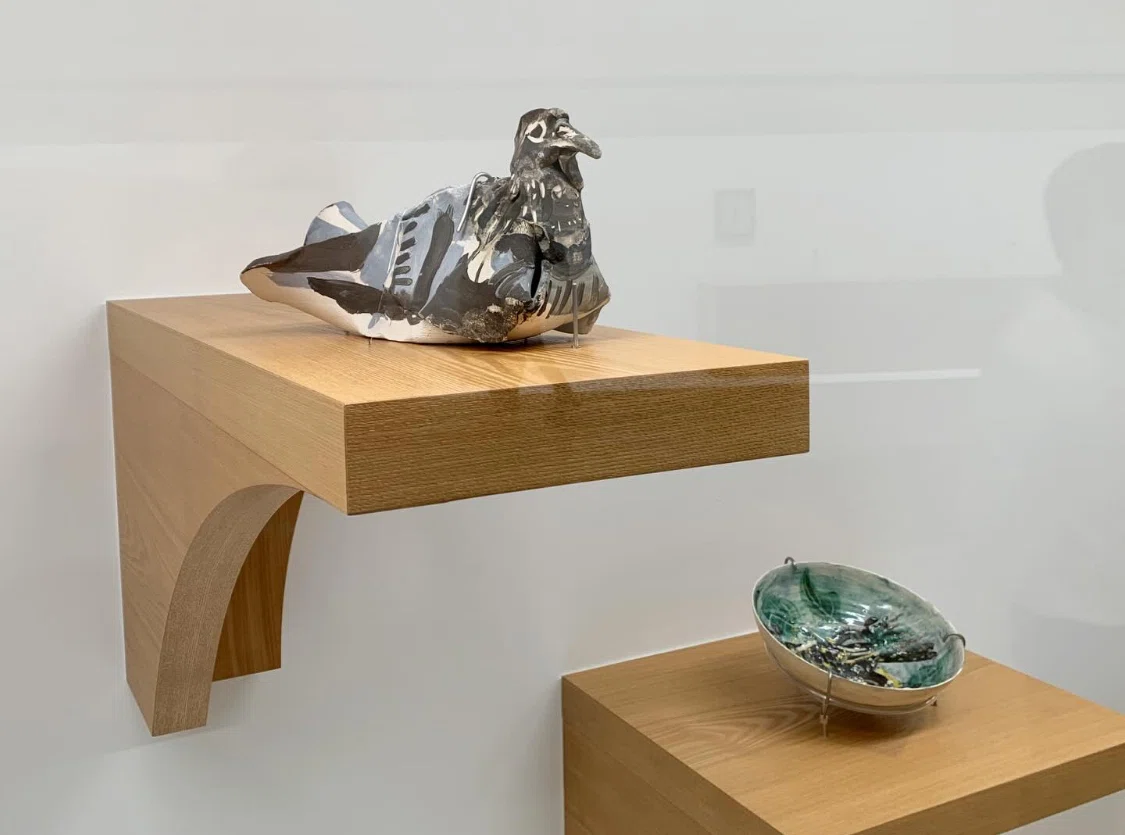
・・・ もどる ・・・
・・・ つづく ・・・
「 PICASSO館 」は、20世紀を代表するスペインの芸術家パブロ・ピカソの作品を専門に
紹介するために、1984年に開館した。以来、マヤ・ピカソから購入した陶芸作品188点を
中心とした319点のピカソ・コレクションを順次公開している。
「 PICASSO館 」入口。
PICASSO 」。
パブロ・ピカソは、91歳で生涯を閉じるまで、人間として、芸術家として劇的な人生を
歩みました。
歩みました。
1881年、スペイン、アダルシア地方の地中海をのぞむ町マラガに生まれたピカソは、
幼少より画才を見せ、画家で教師をしていた父親の薫陶の下に、やがて父親を越えるほどの
素描力を見せました。14歳でバルセロナへ移った彼は、翌年美術学校へ入学します。
1900年にパリへ出ると、トゥールーズ=ロートレック[1864-1901]の影響を受けて
アカデミックな表現を捨て、本格的に画家としての道を歩み始めます。その人生は起伏に
富んだもので、生涯に幾人かの女性が相次いで登場しますが、彼女たちは創作活動の
インスピレーションとなり、ひいてはピカソの作風の変化するきっかけともなりました。
幼少より画才を見せ、画家で教師をしていた父親の薫陶の下に、やがて父親を越えるほどの
素描力を見せました。14歳でバルセロナへ移った彼は、翌年美術学校へ入学します。
1900年にパリへ出ると、トゥールーズ=ロートレック[1864-1901]の影響を受けて
アカデミックな表現を捨て、本格的に画家としての道を歩み始めます。その人生は起伏に
富んだもので、生涯に幾人かの女性が相次いで登場しますが、彼女たちは創作活動の
インスピレーションとなり、ひいてはピカソの作風の変化するきっかけともなりました。
ピカソは、キュビスムのように理知的に対象を分析したリズム感あふれる作品を描いたかと
思うと、古典主義的なしっとりとした作品を描き、愛情とユーモアあふれる作品を生み出す
一方で、激しい怒りの叫びが聞こえるような作品を制作しています。異なる時期や様式の
ピカソの作品を見比べると、あまりに変化に富んでいるので、まったく別の人間が描いたかの
ように見えます。しかし、どの作品もピカソの人生を反映しており、彼の現実を見つめる
一貫した意志や姿勢が感じられます。
思うと、古典主義的なしっとりとした作品を描き、愛情とユーモアあふれる作品を生み出す
一方で、激しい怒りの叫びが聞こえるような作品を制作しています。異なる時期や様式の
ピカソの作品を見比べると、あまりに変化に富んでいるので、まったく別の人間が描いたかの
ように見えます。しかし、どの作品もピカソの人生を反映しており、彼の現実を見つめる
一貫した意志や姿勢が感じられます。
現在ピカソの作品を専門に収蔵している美術館は、生誕地のマラガや青年期を過ごした
バルセロナ、人生の大半を過ごしたパリ、古城をアトリエとして使っていたアンティーブ、
南仏の陶芸の町ヴァロリスなどにあり、それぞれに特徴を持っています。1984年に開館した
彫刻の森美術館のピカソ館は、ピカソの娘であるマヤ・ピカソ[1935-2022]から購入した
陶芸作品188点がコレクションの中心となっています。鮮やかな色彩、遊び心にあふれた
作品の数々は親しみやすく、見る者を豊かな楽しい気分にさせてくれます。
バルセロナ、人生の大半を過ごしたパリ、古城をアトリエとして使っていたアンティーブ、
南仏の陶芸の町ヴァロリスなどにあり、それぞれに特徴を持っています。1984年に開館した
彫刻の森美術館のピカソ館は、ピカソの娘であるマヤ・ピカソ[1935-2022]から購入した
陶芸作品188点がコレクションの中心となっています。鮮やかな色彩、遊び心にあふれた
作品の数々は親しみやすく、見る者を豊かな楽しい気分にさせてくれます。
その他、彫刻、絵画、タピスリー、ジェマイユ、金のオブジェ、銀製コンポートなど、多彩な
作品が展示してあります。好奇心、探求心の旺盛なピカソは、様々な造形に挑戦し、独自の
表現を開拓してきました。第1次世界大戦、スペイン戦争、第2次世界大戦など激変の
20世紀を、ピカソは驚異的な創造カとエネルギーを持って生き抜き、その業績は生前すでに
圧倒的な評価を受け、20世紀美術の最高峰としてそびえることになりました。
作品が展示してあります。好奇心、探求心の旺盛なピカソは、様々な造形に挑戦し、独自の
表現を開拓してきました。第1次世界大戦、スペイン戦争、第2次世界大戦など激変の
20世紀を、ピカソは驚異的な創造カとエネルギーを持って生き抜き、その業績は生前すでに
圧倒的な評価を受け、20世紀美術の最高峰としてそびえることになりました。
『 ピカソの肖像 Portrait of Picasso パブロ・ガルガリヨ Pablo Gargallo 』。
「 パブロ・ガルガリヨ
1881–1934年
スペイン
ピカソの肖像
1913年
ブロンズ
ピカソと同年に生まれ友人であったガルガリヨは、伝統的な鋳造による制作を行っていたが、
キュビスムに接してからは、透かし彫りを取り入れた多面的な形状の作品を作るようになった。
この肖像はピカソの身長(約163cm)にあわせて展示した。
キュビスムに接してからは、透かし彫りを取り入れた多面的な形状の作品を作るようになった。
この肖像はピカソの身長(約163cm)にあわせて展示した。
Pablo Gargallo
1881–1934
Spanish
Portrait of Picasso
1913
Bronze
A friend who was born in the same year as Picasso, Gargallo was a sculptor who initially specialized in traditional casting techniques. After coming into contact with Cubism,he began producing sculptures using openwork and multiple planes.
This portrait is displayed at the same height as Picasso himself, 163 centimeters.」
PICASOの創作風景をビデオで紹介。
「このピカソ館は、1984年(昭和59年)7月7日、
産経新聞創刊50周年、ニッポン放送開局30周年、フジテレビジョン開局25周年を記念して
創設されました。
創設されました。
The Picasso Pavilion opened on July 7, 1984.
It was founded in commemoration of
the 50th anniversary of The Sankei Shimbun Newspaper,
the 30th anniversary of Nippon Broadcasting System, Inc., and
the 25th anniversary of Fuji Television Network, Inc.」 「 ピカソの原動力」。
「 ピカソの原動力
PICASSO'S DRIVING FORCE
ピカソは、創作を引き起こす原動力となり作品を構成する重要なモチーフに、自分自身を
重ねあわせ、度々、作品に登場させます。あるときは半獣半人の怪物ミノタウロスに、
またあるときはモデルを描く画家として、そこに描かれているのは、愛と悲しみ、
暴力と死、そして生きる歓びです。
重ねあわせ、度々、作品に登場させます。あるときは半獣半人の怪物ミノタウロスに、
またあるときはモデルを描く画家として、そこに描かれているのは、愛と悲しみ、
暴力と死、そして生きる歓びです。
このような同一視は、湧き起こる感情をおさえ込む手段であり、心のうちをかたちにする
方法であったと言えるでしょう。
方法であったと言えるでしょう。
今回の展示では、コレクションを20のテーマに分け、創作モチーフからピカソ像を読み解く
機会になりますと幸いです。
機会になりますと幸いです。
PICASSO'S DRIVING FORCE
Picasso often appeared in his own works, his method of overlaying the main motif
in the composition with an image of himself being one of the driving forces behind
his creativity. In one work he may depict himself as a Minotaur, a half-animal,
half-human monster, while in another he could be the artist painting the model.
His works express love and pathos, violence and death, or the joy of life, and
this way of identifying with his subjects provided him with a means of expressing
the emotions that welled up within as well as a method of manifesting what
he held in his heart.
in the composition with an image of himself being one of the driving forces behind
his creativity. In one work he may depict himself as a Minotaur, a half-animal,
half-human monster, while in another he could be the artist painting the model.
His works express love and pathos, violence and death, or the joy of life, and
this way of identifying with his subjects provided him with a means of expressing
the emotions that welled up within as well as a method of manifesting what
he held in his heart.
In this exhibition, the collection has been divided according to 20 themes, and we
hope that these will provide the viewer with an opportunity to discover Picasso's
images of himself within his creative motifs.」
hope that these will provide the viewer with an opportunity to discover Picasso's
images of himself within his creative motifs.」
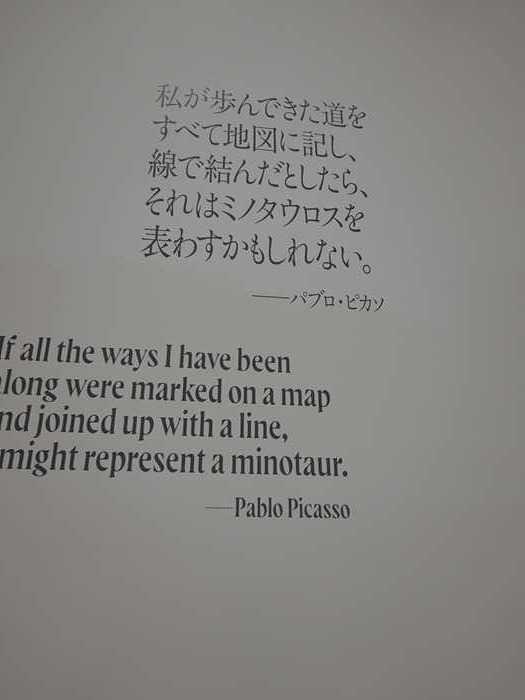
「私が歩んできた道を
すべて地図に記し
線で結んだとしたら、
それはミノタウロスを
表わすかもしれない。
―― パブロ・ピカソ
If all the ways I have been
along were marked on a map
and joined up with a line,
it might represent a minotaur.
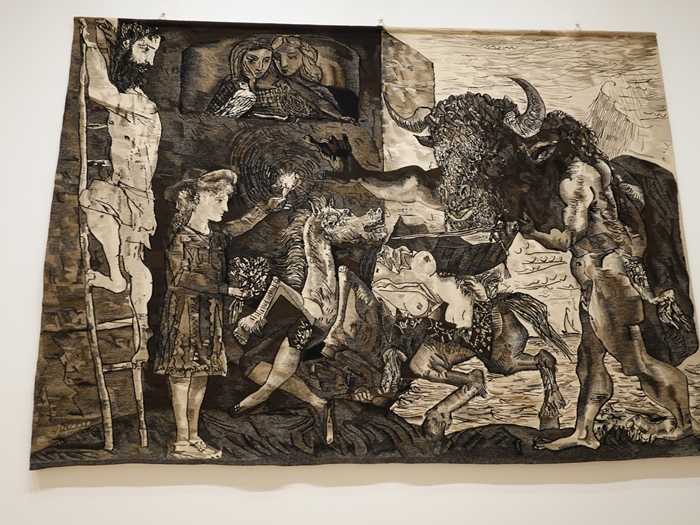
— Pablo Picasso」 「ミノトーロマシー」
原版画(1935年):パブロ・ピカソ
制作(1982年):イヴェット・コキール=プランスタピスリー 318x 450cm
Tapestry made by Yvette Cauquil-Prince after a work by Pablo Picasso
「1930年代、ピカソの作品にはミノタウロスという牛頭人身のギリシャ神話の怪獣が登場する。
人間的な弱さや愛情、ユーモアと、野獣の凶さや肉欲、残虐さを合わせ持つミノタウロスの多様な性格にピカソは共感を抱き、魅了された。自らの内にある獣性をミノタウロスに重ねて見ていたのであろう。彼の版画作品の中でも最高傑作である《ミノトーロマシー》は、1935年、ヨーロッパが第2次世界大戦へと向かう不穏な空気の中で描かれた。ミノタウロスは、愛らしい少女が差し出す蝋燭(ろうそく)の光を前に恐れたように立ちすくんでいる。中央には腹を裂かれ苦しむ馬と、馬の背に横たわる美しい女闘牛士。左手には逃げ出す髭(ひげ)の男、上方の窓にはふたりの女性が鳩と寄り添い様子を見守っている。いろいろな解釈を許す作品であるが、それらの題材は、2年後の大作《ゲルニカ》(1937年、ソフィア王芸術センター、マドリード)の悲劇に先駆ける象徴性を持ち、不吉な雰囲気を感じさせる。このタピスリーは《ミノトーロマシー》の原版画をもとにして糸の選択から仕上げまでタビスリー作家のイヴェット・コキール=プランス[1928-2005]が制作した。」
「 女の顔
Women’s Faces 」
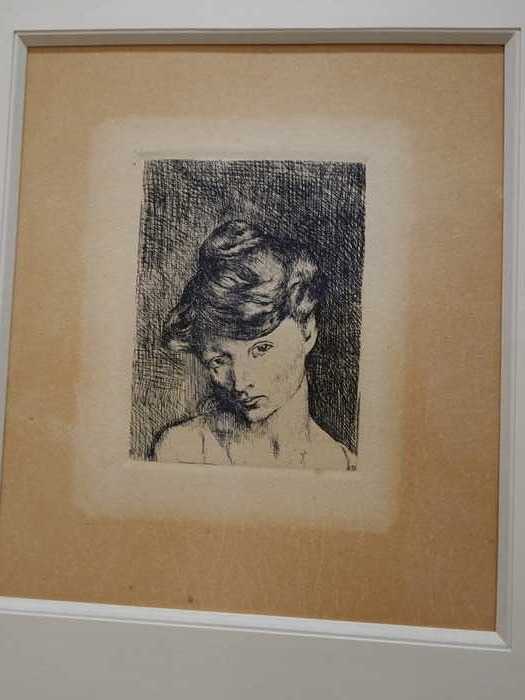
女の顔
1905年
エッチング』『 女の顔
1905年
エッチング1904年、モンマルトルの「洗濯船」と呼ばれる木造長屋に住んだピカソは、近くにある
「ラベン・アジル」というキャバレーの常連となった。本作品の女性は、この店の主人
フレデリックジュラール(愛称フレデ爺さん)の愛人であるマルゴ(Margot)になっている。』
『 女の横顔 Woman in Profile 』
「 女の横顔
1956年頃
セラミック
一息に描いた無駄のない簡素な描写と、陶の粗い肌合いがあいまって、プリミティブ芸術を想起
させるような素朴で、かつ端正な力強い女性像を想起させるような、素朴で、かつ崇高な女性を
表現している。ピカソはあらゆるものをキャンパスがわりにして、陶板の破片までも芸術作品に
仕立てあげた。
させるような素朴で、かつ端正な力強い女性像を想起させるような、素朴で、かつ崇高な女性を
表現している。ピカソはあらゆるものをキャンパスがわりにして、陶板の破片までも芸術作品に
仕立てあげた。
Woman in Profile
c. 1956
ceramic
This modest portrait, drawn rapidly and unpretentiously, combines with the rough
texture of the pottery to create a simple, yet sublime image of a woman, reminiscent
of primitive art. Picasso even used all kinds of material as he was turning even
this shard of pottery into a work of art.」
texture of the pottery to create a simple, yet sublime image of a woman, reminiscent
of primitive art. Picasso even used all kinds of material as he was turning even
this shard of pottery into a work of art.」
『 イタリアの女 Italian Woman 』。
「 イタリアの女
1918–19年
エッチン
1917年、ピカソはイタリアのローマ、ナポリ、ポンペイ、フィレンツェ、ミラノの遺跡や
美術館を巡り、その風土に魅せられた。画風もおおらかなものへと変化し、この頃から
豊満な人物像が現れてくる。
美術館を巡り、その風土に魅せられた。画風もおおらかなものへと変化し、この頃から
豊満な人物像が現れてくる。
Italian Woman
1918–19
etching
In 1917, Picasso toured historical sights and art galleries in the Italian cities of Rome,Napoli, Pompeii, Florence, and Milan and was struck by the culture and customs of
Italy. The trip also softened his artistic style, and from around this period he began
to produce works featuring voluptuous women.」
『 顔 Face 』
「 顔
1928年
リトグラフ、
モデルは当時19歳のマリ=テレーズ・ワルテルであろう。妻オルガ・コクローヴァと不仲に
なったピカソにとって、彼の名を知らなかった無邪気な娘は心の安らぎとなり、彼女を
描いた多くの美しい絵画が生まれた。
なったピカソにとって、彼の名を知らなかった無邪気な娘は心の安らぎとなり、彼女を
描いた多くの美しい絵画が生まれた。
Face
1928
lithograph, paper
This work was likely modeled by Marie-Thérèse Walter, who was then just 19.As his marriage deteriorated, Picasso sought comfort from the young woman
who did not know his status as a painter, and she began to feature in
many beautiful works.」
『 二人のサルタンバンク Two Harlequins 』。
「 二人のサルタンバンク
1905年
ドライポイント、紙
ピカソがサルタンバンク(サーカス芸人)を描く時に選んだのは、彼らの華やかな舞台
ではなく、幼い子どものいる家族や仲間たちと休憩したり、馬の世話をしたりする姿であった。
現実の社会と人々へのまなざしは、ピカソ芸術の原点にあった。
ではなく、幼い子どものいる家族や仲間たちと休憩したり、馬の世話をしたりする姿であった。
現実の社会と人々へのまなざしは、ピカソ芸術の原点にあった。
Two Harlequins
1905
drypoint, paper
When Picasso drew the Saltimbanques (circus performers), he chose not to depict
them on a flamboyant stage, but rather to show them with their families, including
young children, relaxing with friends, or looking after their horses.
The study of the real world and its people formed the foundation of Picasso's art. 」
them on a flamboyant stage, but rather to show them with their families, including
young children, relaxing with friends, or looking after their horses.
The study of the real world and its people formed the foundation of Picasso's art. 」
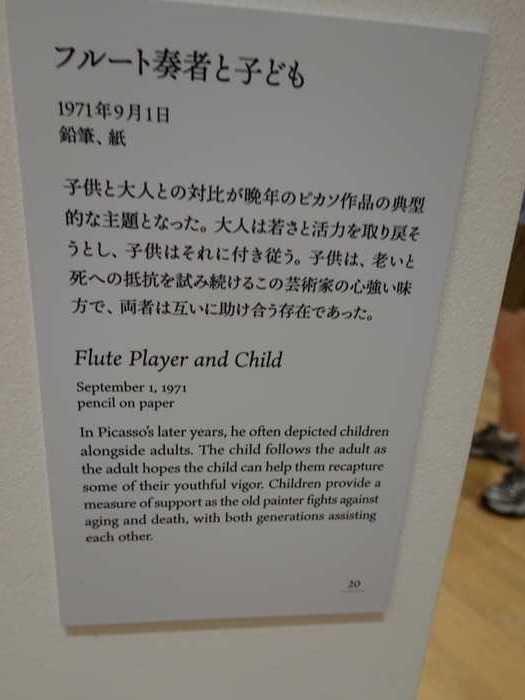
『 フルート奏者と子ども Flute Player and Child 』。
「 フルート奏者と子ども
1971年9月1日
鉛筆、紙
子どもと大人との対比が晩年のピカソ作品の典型的な主題となった。大人は若さと活力を
取り戻そうとし、子どもはそれに付き従う。子どもは、老いと死への抵抗を試み続けるこの
芸術家の心強い味方で、両者は互いに助け合う存在であった。
取り戻そうとし、子どもはそれに付き従う。子どもは、老いと死への抵抗を試み続けるこの
芸術家の心強い味方で、両者は互いに助け合う存在であった。
Flute Player and Child
September 1, 1971
pencil on paper
In Picasso's later years, he often depicted children alongside adults. The child follows
the adult as the adult hopes the child can help them recapture some of their
youthful vigor. Children provide a measure of support as the old painter fights
against aging and death, with both generations assisting each other. 」
the adult as the adult hopes the child can help them recapture some of their
youthful vigor. Children provide a measure of support as the old painter fights
against aging and death, with both generations assisting each other. 」
「 子供 Children 」。
近づいて。
『 子供 Child 』。
「 子供
1956年頃
セラミック
ピカソは、子供がとらえる世界に強い関心を持ち、子供のまなざしに自らも同化しようとした。
本作品は、デフォルメされた子供と背景の色彩を大きく分け、さらに全体を六つに分割する
という、絵画と彫刻の要素を同時に組み合わせた実験であった。
本作品は、デフォルメされた子供と背景の色彩を大きく分け、さらに全体を六つに分割する
という、絵画と彫刻の要素を同時に組み合わせた実験であった。
Child
c. 1956
ceramic
Picasso had a deep interest in how children see the world, and often tried to look atthings from a child's viewpoint. This is an experimental work in which he divided
the composition between the deformed image of a child and a colorful background,
while splitting the overall work into six sections, simultaneously combining elements
of painting and sculpture.」
『 クロードの顔 Claude 』
「 クロードの顔
1958年7月21日
陶板
ピカソは生涯を通じて子供という主題に取り組んだ。特定の個人を表わすことなく幼年時代を
描いた作品とならんで、彼自身の息子や娘たちニ、パウロ、マヤ、クロード、パロマを描いた
作品もあり、子供の世界は重要な主題であった。
描いた作品とならんで、彼自身の息子や娘たちニ、パウロ、マヤ、クロード、パロマを描いた
作品もあり、子供の世界は重要な主題であった。
Claude
July 21, 1958
ceramic board
Throughout his artistic life, one of Picasso's most important themes was childhood.
Some of his works focus on children generally without depicting specific individuals,
and others show his own children, Paul, Maya, Claude and Paloma. 」
Some of his works focus on children generally without depicting specific individuals,
and others show his own children, Paul, Maya, Claude and Paloma. 」
「 ミノタウロス
Minotaur 」
パブロ・ピカソにとって「ミノタウロス(牛の頭と人間の体を持つ神話の怪物)」は、
1930年代に彼自身を投影した重要な分身(オルターエゴ)でした。彼はミノタウロスを、
野蛮な欲望、男性の暴力性、そして人間の本能的な感情の象徴として多くの絵画や版画に
描きました。
『ミノタウロマキア』(Minotauromachy, 1935年) :
彼のミノタウロスをテーマにした作品の中で最も有名で複雑な銅版画です。
盲目の怪物が少女に導かれる様子や、力と無垢の対比が描かれています。
「 イヴェット・コキール=プランス
1928–2005年
ベルギー
1959年、パリにタピスリーのアトリエを開く。以後、ブラック、シャガール、工ルンストと
いった20世紀の主要な芸術家たちと共に仕事をする。
いった20世紀の主要な芸術家たちと共に仕事をする。
またピカソの全面的な信頼も得て、ビカノの存命中に数多くのタピスリー制作を実現させた。
実寸大に引き仲ばした写真を下絵として使い、1m²を織るのに2週間〜2ヶ月ほどかかり、
この作品は10ヶ月間をかけて完成された。
実寸大に引き仲ばした写真を下絵として使い、1m²を織るのに2週間〜2ヶ月ほどかかり、
この作品は10ヶ月間をかけて完成された。
Yvette Cauquil-Prince
1928–2005
Belgium
Yvette Cauquil-Prince opened a tapestry studio in Paris in 1959 where she workedwith many of the major artists of the 20th century such as Braque, Chagall and Ernst.
She also won Picasso's complete trust, and while he was still alive, she produced
numerous tapestries for him. Working from actual size photographs, it would take her
between 2 weeks and 2 months to weave a 1m² section. This work took her
10 months to complete.」
「 イヴェット・コキール=プランス 」。
「 ミノトーロマシ
原版画(1935年):パブロ・ピカソ
制作(1982年):イヴェット・コキール=プランス
タピストリー
ピカソは、ギリシャ神話の半獣半人ミノタウロスを好んで題材にした。残忍で好色なこの怪物は、
悪や暴力、死を象徴する。自らの内にある獣性をミノタウロスに重ねたのであろう。
画面中央の女闘士に残虐を行うミノタウロスの、一部始終を照らし出す少女――
「真実と潔白さは、悪と暴力を打ち破る」ことが主題となっている。
悪や暴力、死を象徴する。自らの内にある獣性をミノタウロスに重ねたのであろう。
画面中央の女闘士に残虐を行うミノタウロスの、一部始終を照らし出す少女――
「真実と潔白さは、悪と暴力を打ち破る」ことが主題となっている。
Minotauromachy
original print (1935): Pablo Picasso
tapestry (1982): Yvette Cauquil-Prince
Picasso liked to use the Minotaur, a half-man, half-bull that appears in Greek mythology,as a motif in his work. A brutal, lustful monster symbolizing evil, violence and death,
he overlaid it with the bestiality that existed within himself. In this work, the Minotaur
can be seen ravishing a woman fighter in the center of the work while the whole
scene is illuminated by a young girl, the theme being truth and innocence defeating evil
and violence.」
『 ミノトーロマシー Minotauromachy 』。
「 キュビスムの表現
cubism 」
『 イタリアの女 Italian Woman 』。
「 イタリアの女
1917年
水彩、紙
1917年、ピカソはジャン・コクトーとともにローマを訪れた。この時の古代ローマの彫刻や
遺跡、ルネサンスの巨匠たちとの出会いが後の《新古典主義》の表現へと結実する。
本作は、解体された対象を再構成しつつ点描を加えて、明るい光のなかに佇む女性を描いている。
遺跡、ルネサンスの巨匠たちとの出会いが後の《新古典主義》の表現へと結実する。
本作は、解体された対象を再構成しつつ点描を加えて、明るい光のなかに佇む女性を描いている。
Italian Woman
1917
watercolor on paper
In 1917, Picasso visited Rome with Jean Cocteau. His encounter with the sculpture andruins of ancient Rome, as well as the work of the great masters of the Renaissance,
later bore fruit in his Neoclassicism. In this work, the subject has been deconstructed, reconstructed and rendered with pointillist touches to create the image of a woman
standing in bright light.」
】
「10コマ目
死んだペガサスを食べるフランコ」
「 動物 Animals 」。
移動して。
「 鳥 Birds 」。
近づいて。
・・・ もどる ・・・
・・・ つづく ・・・
お気に入りの記事を「いいね!」で応援しよう

[JINさんの農園] カテゴリの最新記事
-
石垣山一夜城へ 2026.08.03
-
宮ノ下・富士屋ホテルへ(その3) 2026.08.02
-
宮ノ下・富士屋ホテルへ(その2) 2026.08.01


【毎日開催】
15記事にいいね!で1ポイント


© Rakuten Group, Inc.
