



PR

jinsan0716
『JINさんの陽蜂農遠日記』にアクセスありがとう ございます。 このブログは、 陽:太陽光発電、 蜂:趣味の養蜂、 農:菜園、花、スロー&アクティブシニアライフ、 遠:旅行、 を中心とした備忘録を兼ねた18年間にわたる毎日のブログ(雑記帳)です。 書き込んでいただける方は、写真下の『コメントを書く』から 気楽に、ご感想、ご意見ご質問等を書き込んでいただきたく。
Keyword Search
▼キーワード検索
御所見地区の寺社史…
New!
オジン0523さん
アオノリュウゼツラ… New!
隠居人はせじぃさん
New!
隠居人はせじぃさん
【街路樹花壇西2と…
New!
Gママさん
エコハウスにようこそ ecologicianさん
noahnoah研究所 noahnoahnoahさん
アオノリュウゼツラ…
New!
隠居人はせじぃさん【街路樹花壇西2と…
New!
Gママさんエコハウスにようこそ ecologicianさん
noahnoah研究所 noahnoahnoahさん
Comments
Calendar
2026.07.19

カテゴリ: JINさんの農園
『 浮かぶ彫刻3 マルタ・パン
』
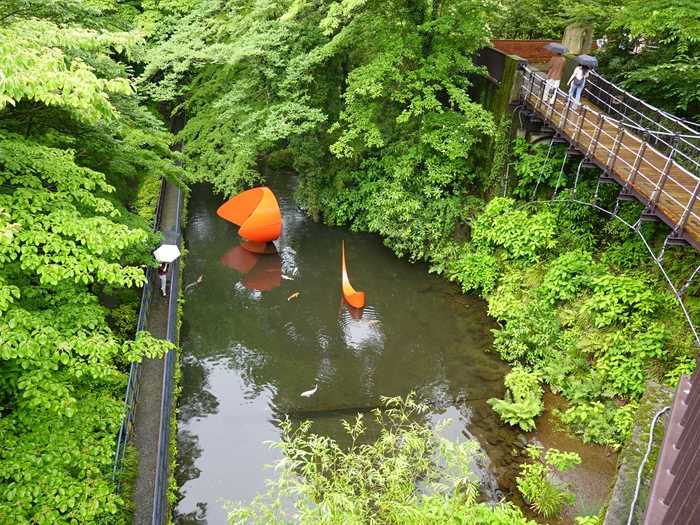
近づいて。

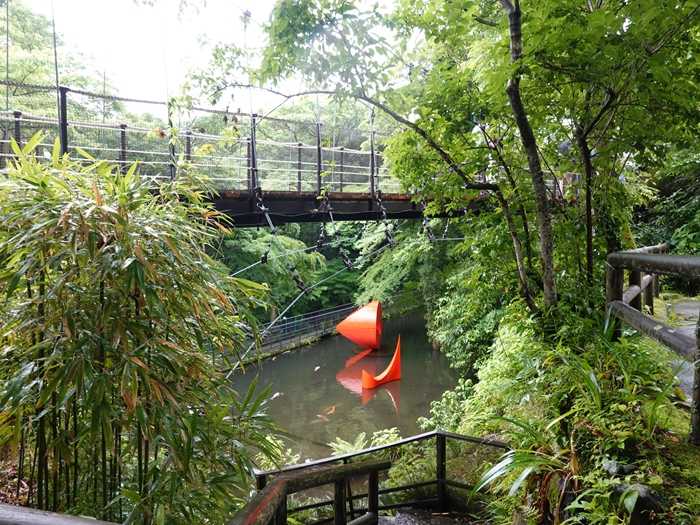
木立に囲まれた池を舞台に、大小の朱色のかたちが周囲の景色と響きあっています。
ゆるやかなカーブを描く大きな形の中央には穴が開いていますね。小さい形は、そこから
くり貫かれたもので、まるで赤ん坊のように母なる大きな形から生まれてきました。
小さい方は、風がふくと水の上を滑るように動きます。大きい方から離れたり、近づいたり、
まるで池の鯉や自然との対話を楽しんでいるかのようです。大きい方も、時折その場で向きを
変えながら様々な表情を見せます。ハンガリーで生まれ、その後パリを拠点に活躍してきた
ステンレスなどの現代的な素材を用いた作品は、作品が置かれる周囲の要素を取り込みながら、
おおらかで心地よい自由な空間を生み出しています。

移動して。

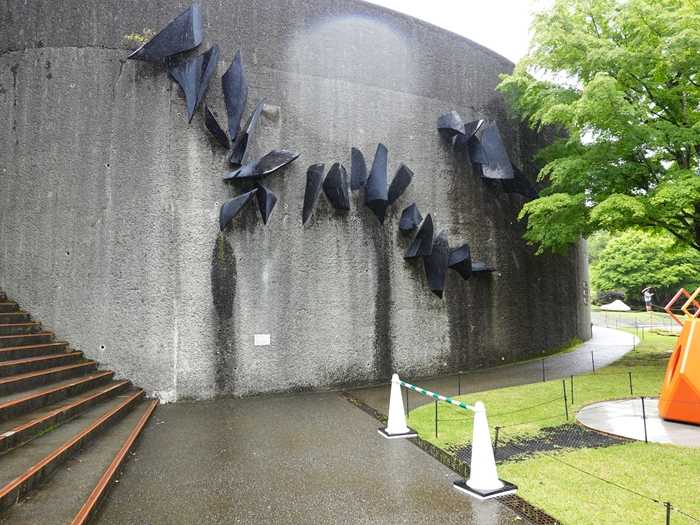
『 ハコネ Hakone
アリシア・ペナルバ(アルゼンチン-フランス) Alicia Penalba (Argentine / French) 』
「 アリシア・ペナルバ(アルゼンチン-フランス)
heightening the rhythm, while it also seems to contain some elements of magic.」
『 イサム・ノグチ(アメリカ)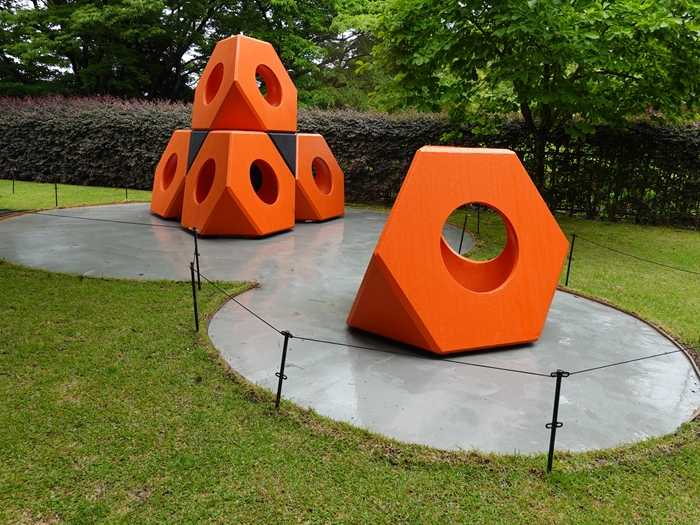
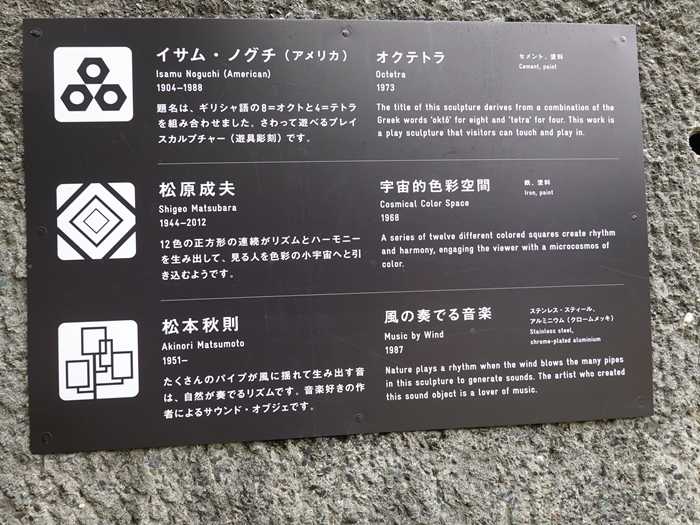
作品案内板 。
振り返って。
『 ソファー / ポケっと。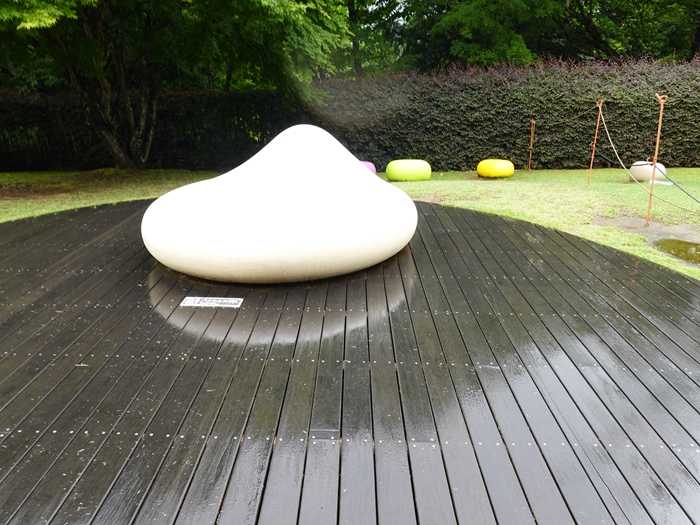
『 松原成夫
engaging the viewer with a microcosmos of color.』
移動して。
風の奏でる音楽 Music by Wind 松本秋則 Akinori Matsumoto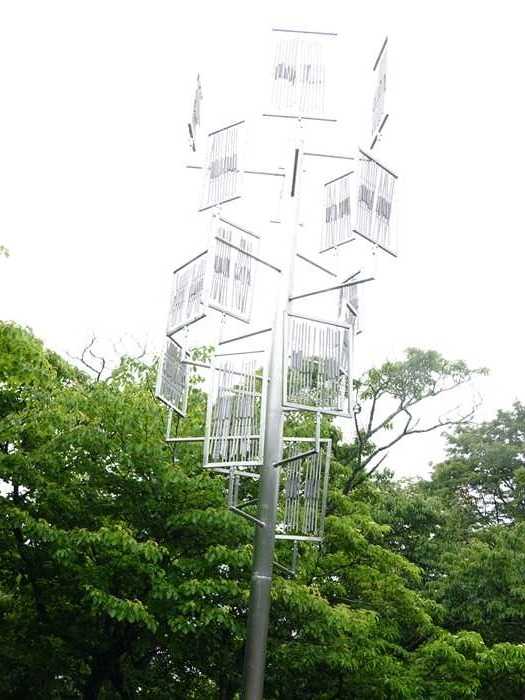
『 ポケつと 』。
2021年4月、彫刻の森美術館に体験型作品を中心に休憩できるエリア「ポケっと。」が
オープンしました。
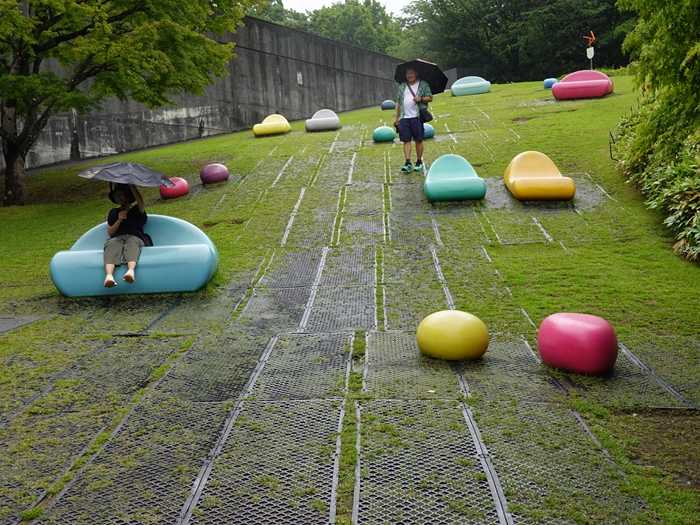
振り返って。
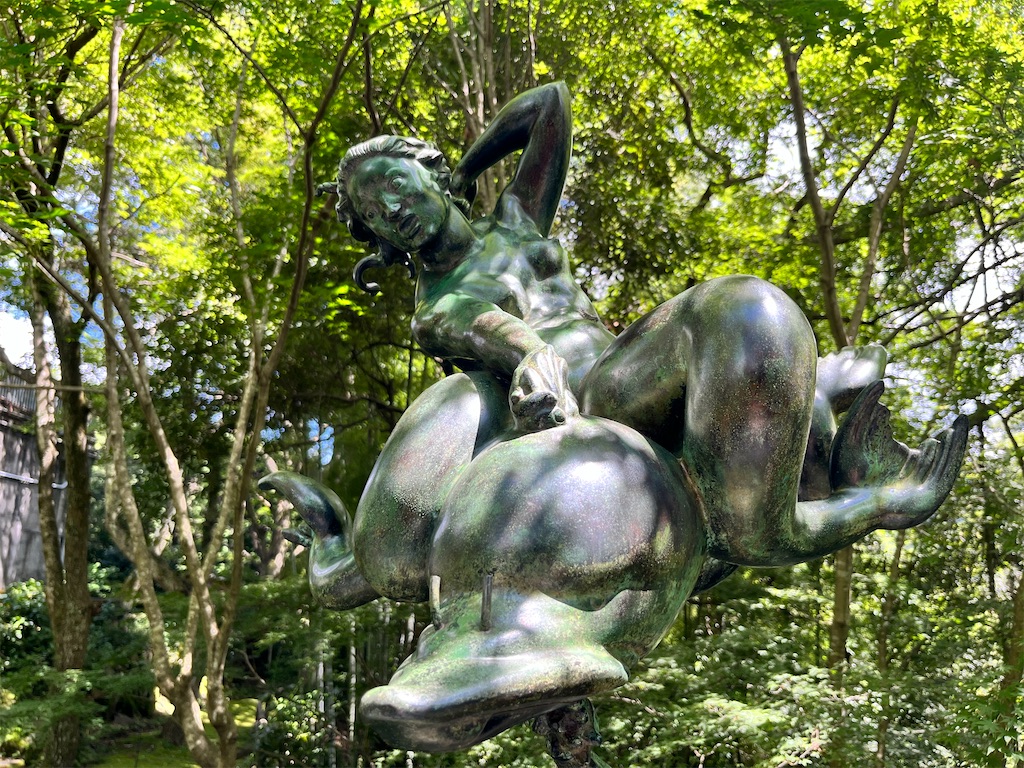
池に浮かぶ『 浮かぶ彫刻3 マルタ・パン 』見る。
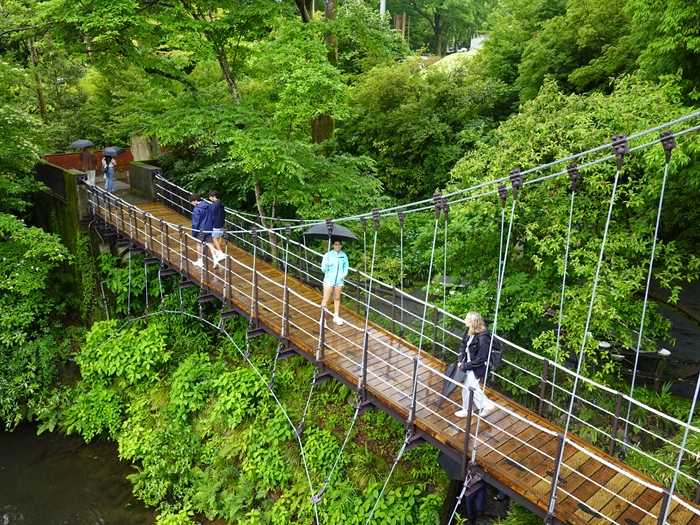
吊り橋。
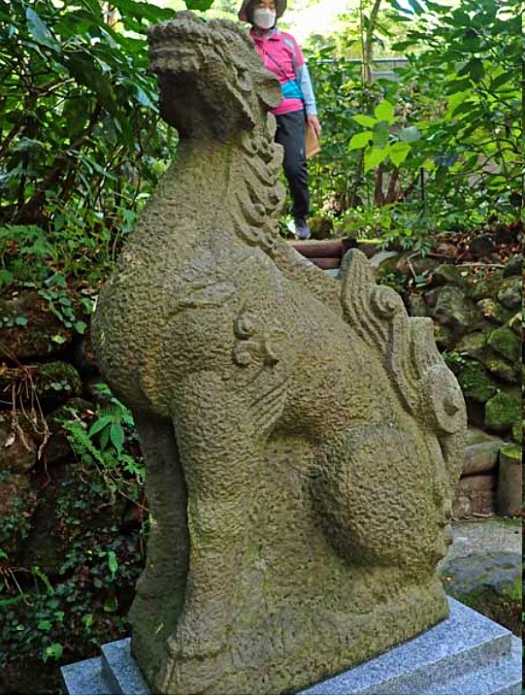
『 狛犬 長野隆業 』。
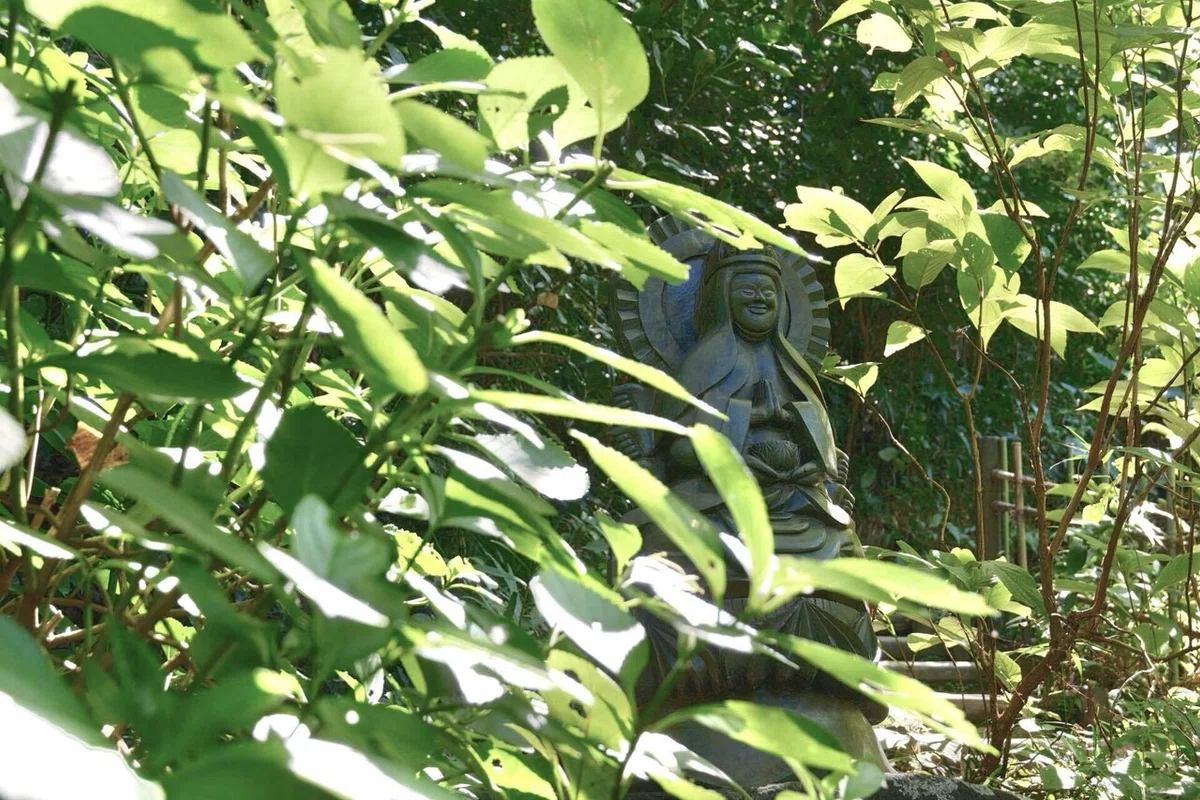
『 十一面観音像 木喰明満 』
『 西行 松村外次郎 』。

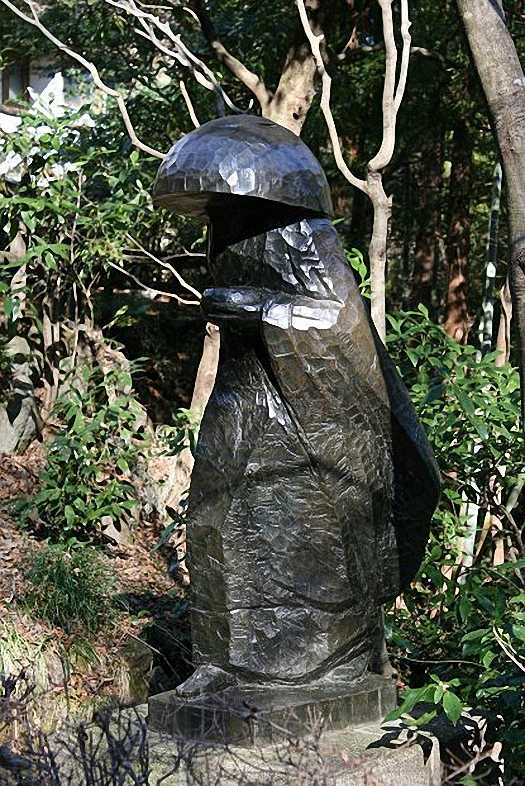
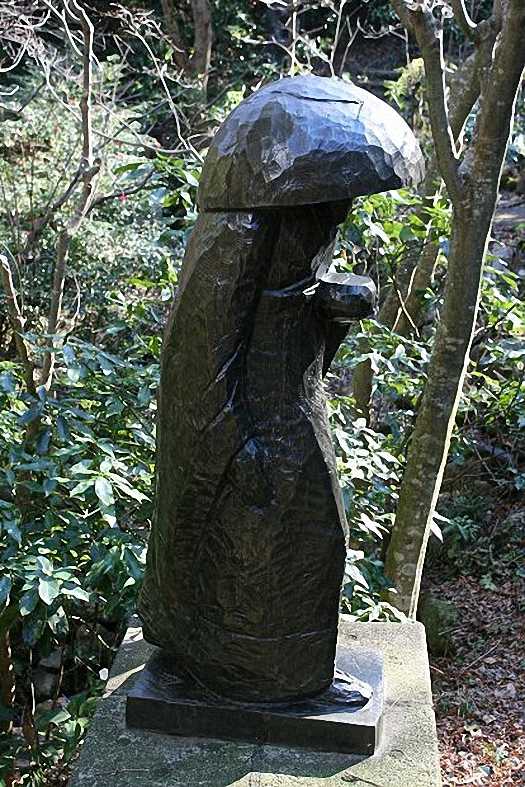
『 托鉢 矢崎 虎夫 』。
廻り込んで。
『太陽の輝き カール・ミレス』
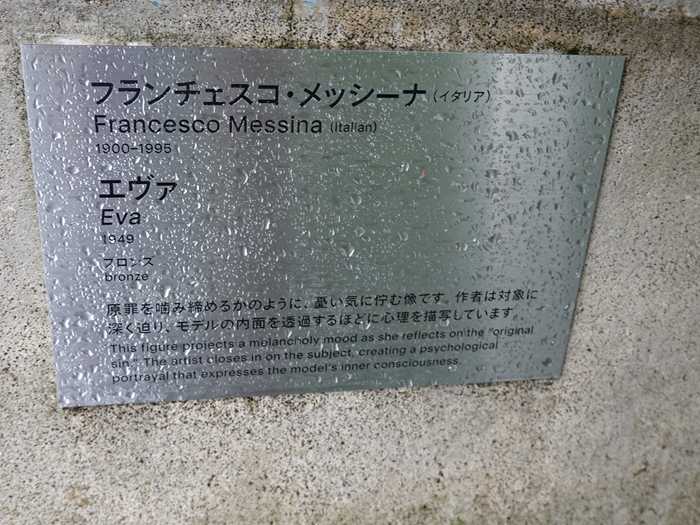
『 エヴァ
Eva
フランチェスコ・メッシーナ(イタリア)
Francesco Messina (Italian)
』。
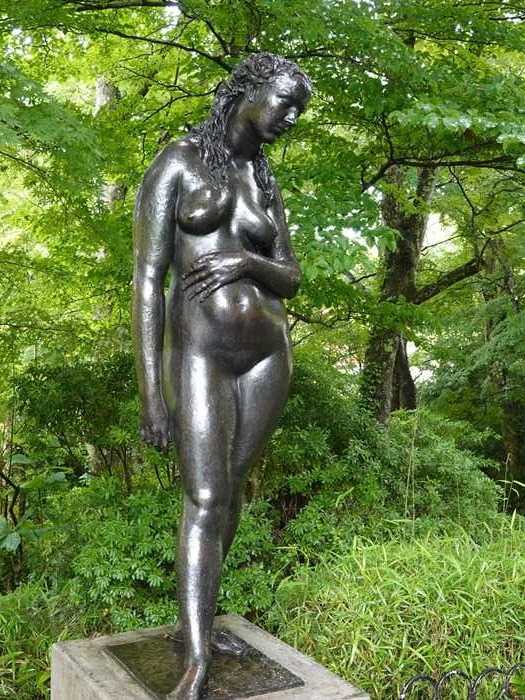
「 フランチェスコ・メッシーナ(イタリア)
The artist closes in on the subject, creating a psychological portrayal that
expresses the model's inner consciousness.」
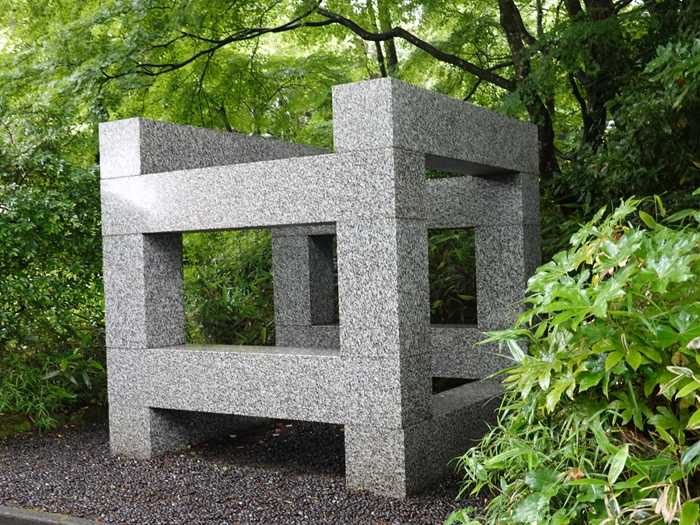
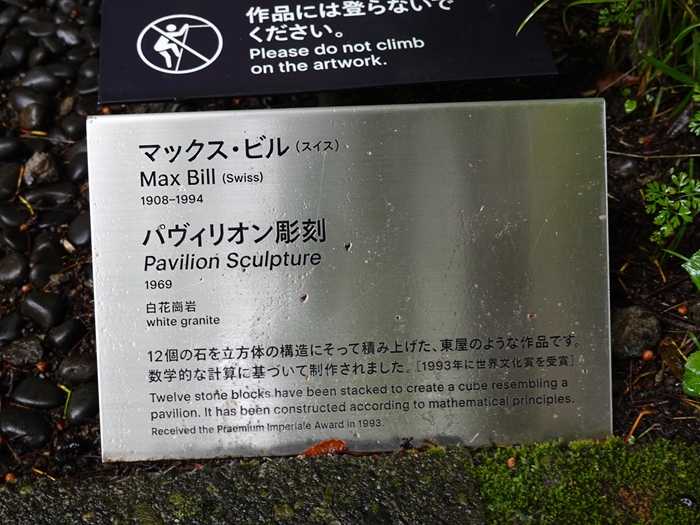
『 パヴィリオン彫刻 Pavilion Sculpture マックス・ビル(スイス) Max Bill (Swiss) 』。
「 マックス・ビル(スイス)
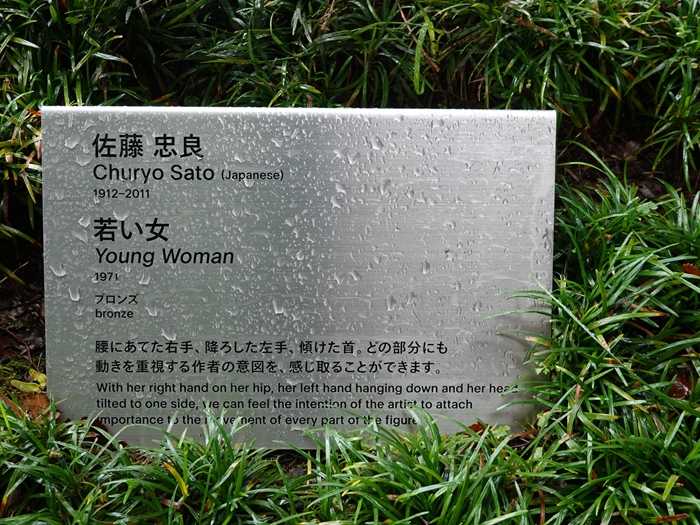
『 若い女 Young Woman 佐藤 忠良 Churyo Sato (Japanese) 』。
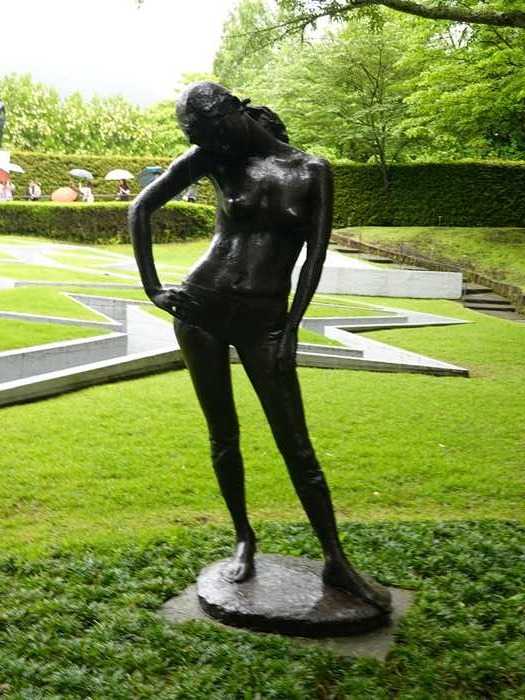
「 佐藤 忠良
one side, we can feel the intention of the artist to attach importance to the
movement of every part of the figure.」
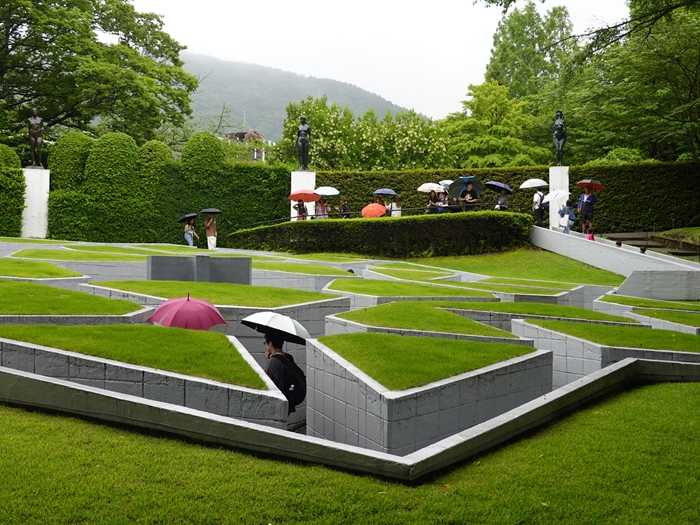
「 星の庭 迷路 」。
「 星の庭
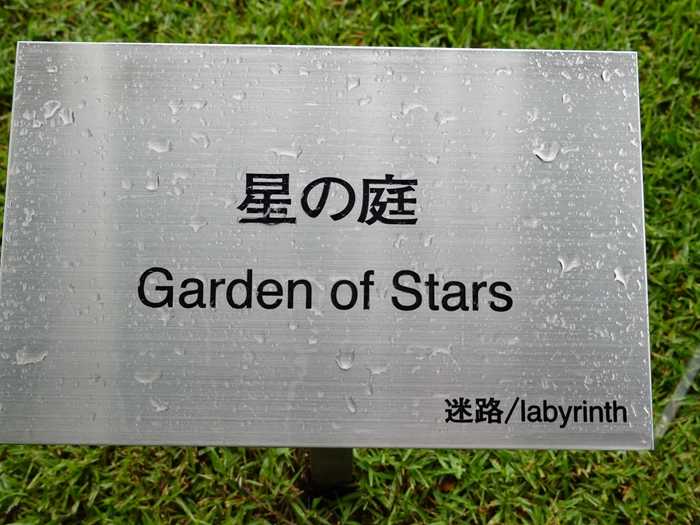
迷路 / labyrinth。

「ネットの森」を背景に。

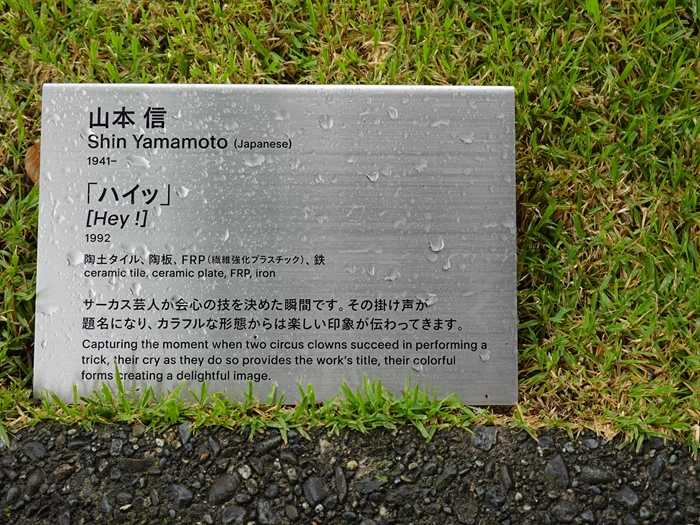
『 「ハイッ」 「Hey !」 山本 信 Shin Yamamoto (Japanese) 』。
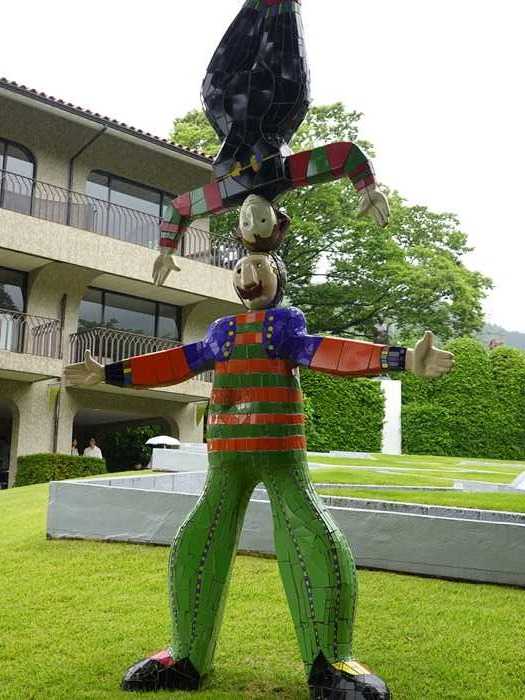
「 山本 信
この構造物の中にある『 おくりもの:未知のポケット2 堀内紀子 』を訪ねた。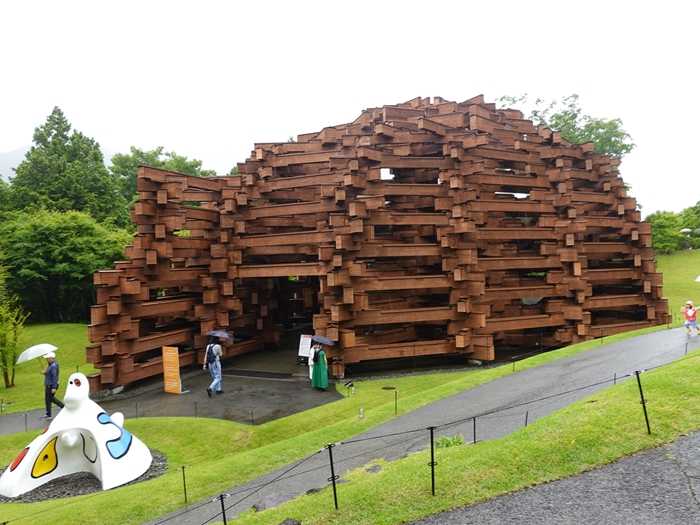
大断面集成材を積み上げた木造ドーム。
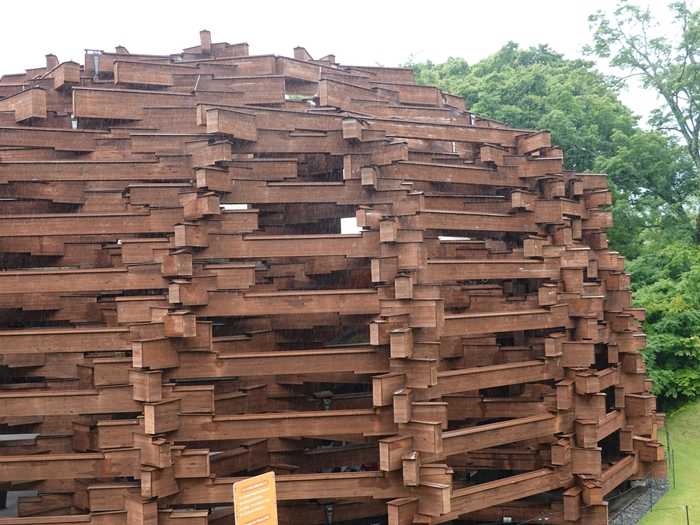
この角材を組んだ櫓 は
「 設計:手塚貴晴+手塚由比
構造設計:今川憲法英
協力:チャールズ・マッカーダム/インタープレイ・デザイン・アンド・
マニュファクチャリング

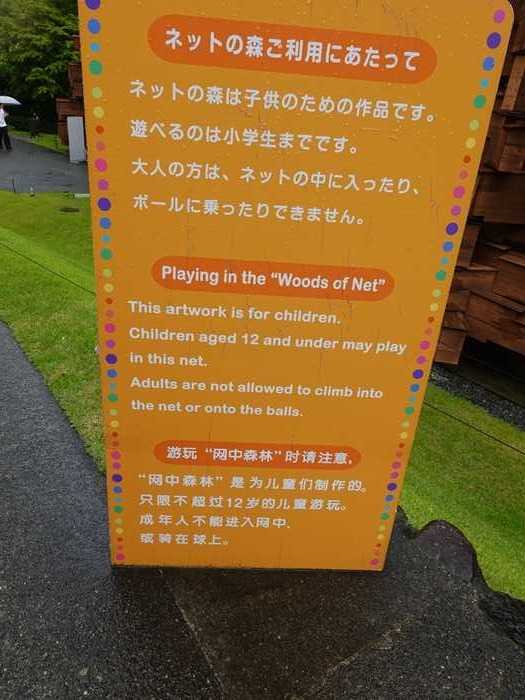
「ネットの森ご利用にあたって
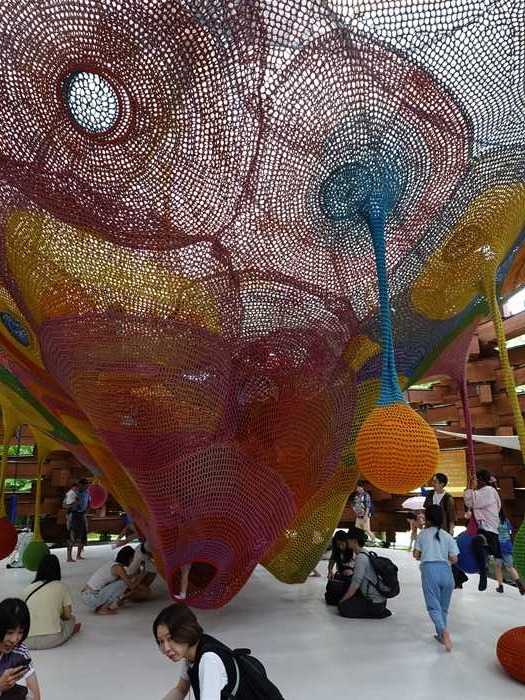
大断面集成材を積み上げた木造ドームの中に、カラフルな手編みのネットがいくつもつなぎ
合わされた 巨大なハンモックの造形が組みこまれた「ネットの森」は、造形作家・堀内紀子
と建築家・手塚貴晴+手塚由比によるコラボレーションから生まれました。
「ネットの森」ならではの色鮮やかなネット作品と木組みの造形美は見逃せません。
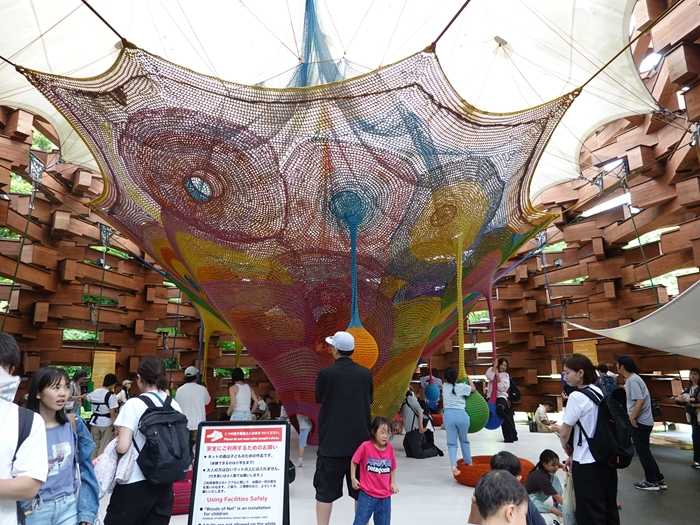
テント幕の下にこのようにネットが張られる子供専用の遊具。
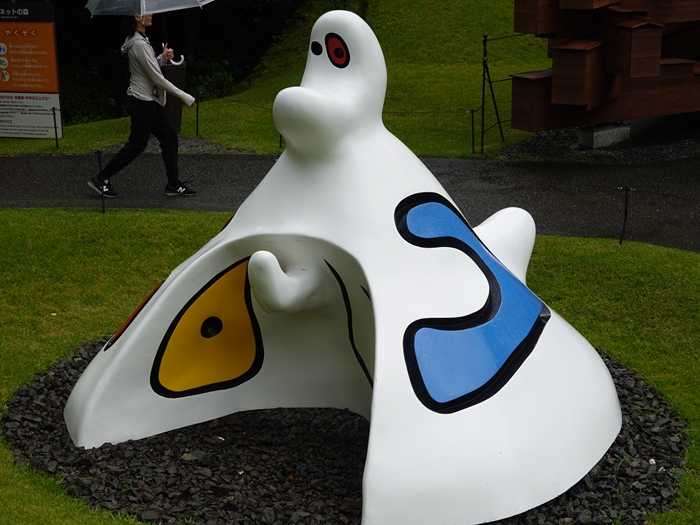
『 ジョアン・ミロ(スペイン) Joan Miró (Spanish)
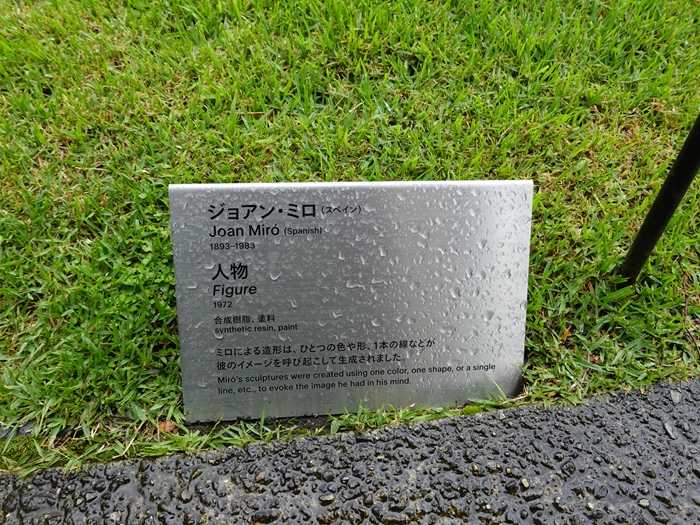
「 ジョアン・ミロ(スペイン)
to evoke the image he had in his mind.」
そして「ピカソ館」に向かって進む。
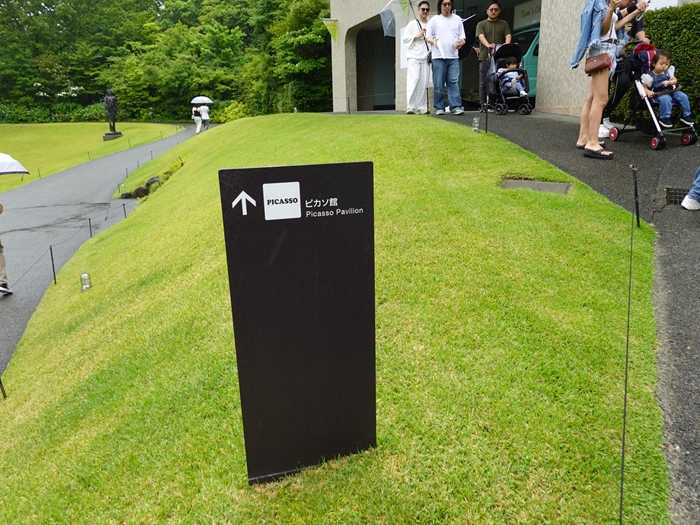
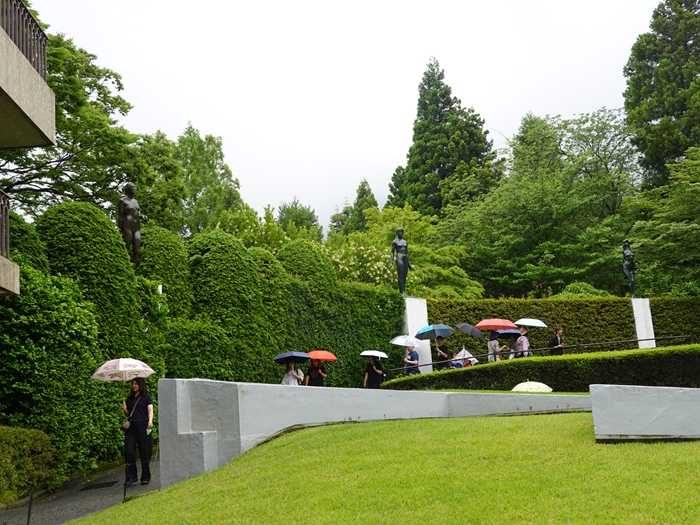
前庭にも。
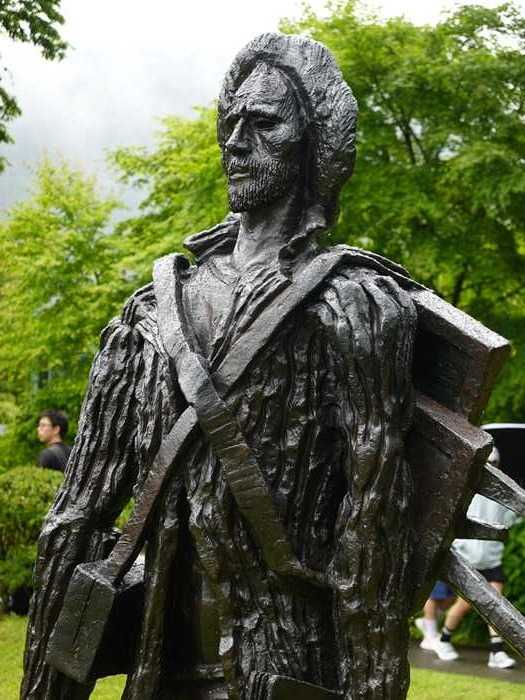
『 山野を歩くファン・ゴッホ
Van Gogh Walking Through the Fields
オシップ・ザッキン(ロシア―フランス)
Ossip Zadkine (Russian / French) 』
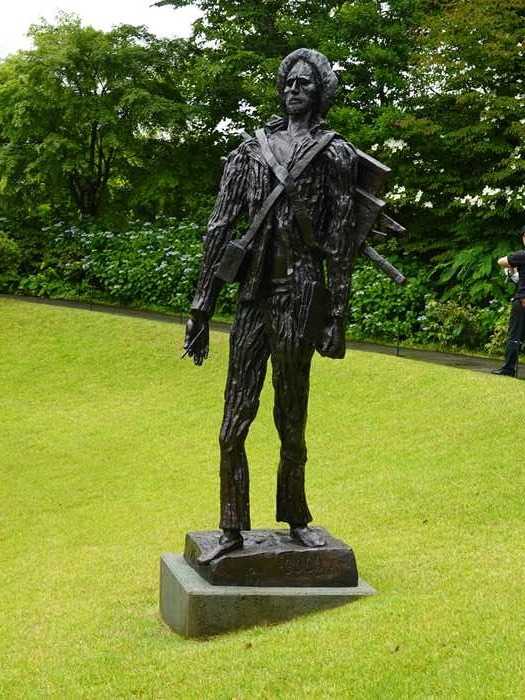
「 オシップ・ザッキン(ロシア―フランス)
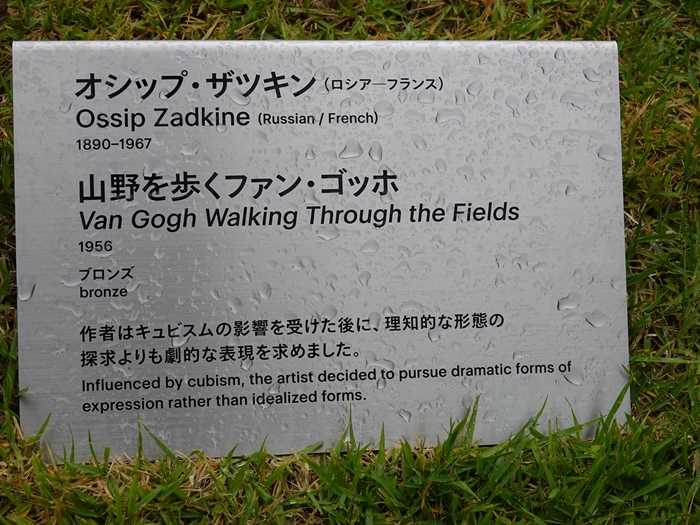
近づいて。
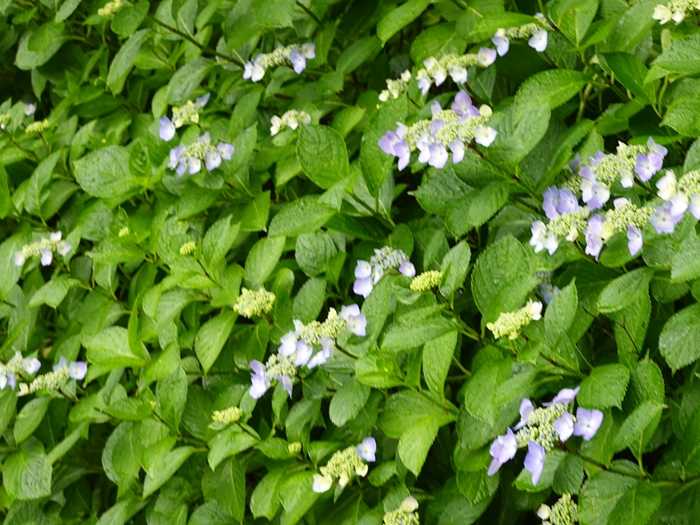
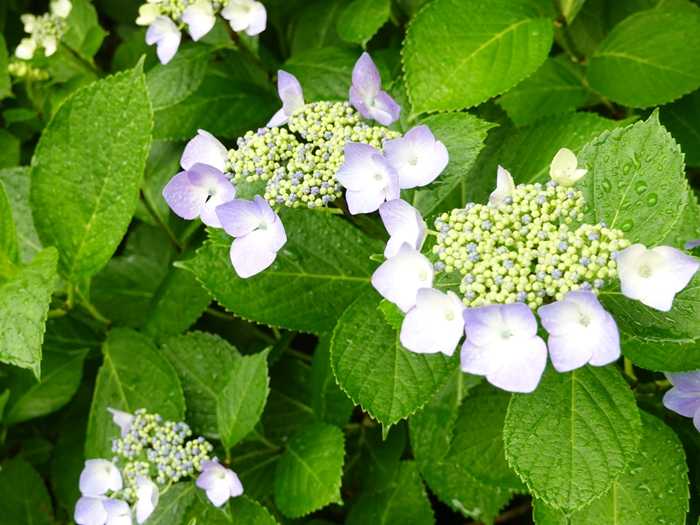
ガクアジサイ。
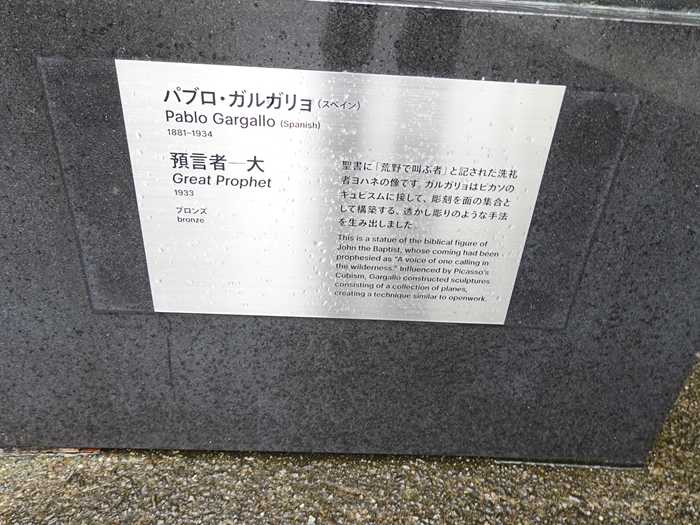
『 預言者―大 Great Prophet パブロ・ガルガリヨ(スペイン) Pablo Gargallo (Spanish) 』
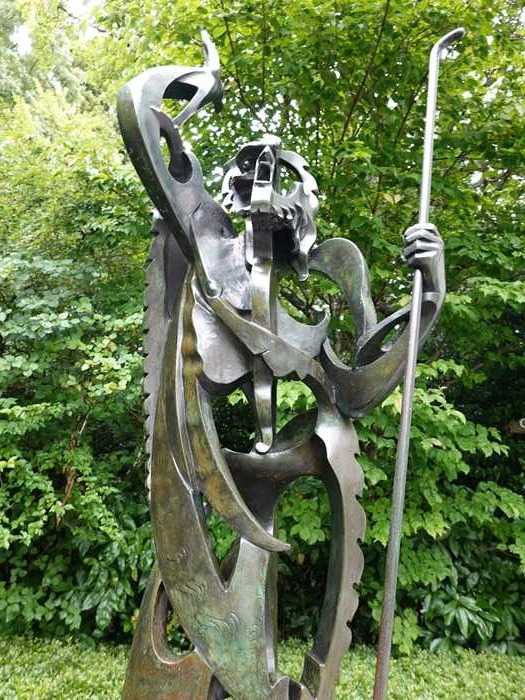
「 パブロ・ガルガリヨ(スペイン)
prophesied as "A voice of one calling in the wilderness." Influenced by Picasso's Cubism,
Gargallo constructed sculptures consisting of a collection of planes, creating a technique
similar to openwork.」
『 宮脇愛子 うつろひ Utsurohi 』。

・・・ もどる ・・・
・・・ つづく ・・・
近づいて。
木立に囲まれた池を舞台に、大小の朱色のかたちが周囲の景色と響きあっています。
ゆるやかなカーブを描く大きな形の中央には穴が開いていますね。小さい形は、そこから
くり貫かれたもので、まるで赤ん坊のように母なる大きな形から生まれてきました。
小さい方は、風がふくと水の上を滑るように動きます。大きい方から離れたり、近づいたり、
まるで池の鯉や自然との対話を楽しんでいるかのようです。大きい方も、時折その場で向きを
変えながら様々な表情を見せます。ハンガリーで生まれ、その後パリを拠点に活躍してきた
ステンレスなどの現代的な素材を用いた作品は、作品が置かれる周囲の要素を取り込みながら、
おおらかで心地よい自由な空間を生み出しています。
移動して。
『 ハコネ Hakone
アリシア・ペナルバ(アルゼンチン-フランス) Alicia Penalba (Argentine / French) 』
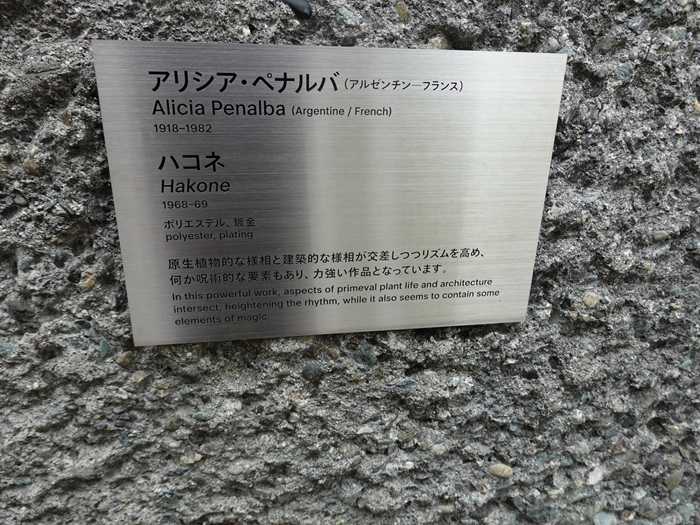
「 アリシア・ペナルバ(アルゼンチン-フランス)
Alicia Penalba (Argentine / French)
1918–1982
ハコネ
Hakone
1968–69
ポリエステル、鍍金
polyester, plating
原生植物的な様相と建築的な様相が交差しつつリズムを高め、何か呪術的な要素もあり、
力強い作品となっています。
In this powerful work, aspects of primeval plant life and architecture intersect,力強い作品となっています。
heightening the rhythm, while it also seems to contain some elements of magic.」
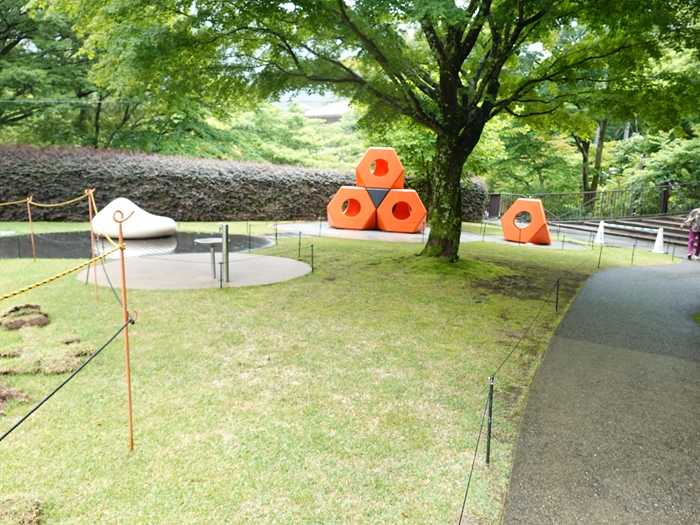
『 イサム・ノグチ(アメリカ)
Isamu Noguchi (American)
1904–1988
オクテトラ
Octetra
1973
セメント、塗料
Cement, paint
題名は、ギリシャ語の8=オクトと4=テトラを組み合わせました。さわって遊べる
プレイスカルプチャー(遊具彫刻)です。
プレイスカルプチャー(遊具彫刻)です。
The title of this sculpture derives from a combination of the Greek words "októ"
for eight and "tetra" for four. This work is a play sculpture that visitors can touch
and play in.』
for eight and "tetra" for four. This work is a play sculpture that visitors can touch
and play in.』
アメリカの彫刻家イサム・ノグチは、日常の遊び場にアートを持ち込み、こどもたちに夢を
与えるために数多くのプレイスカルプチャー(遊べる彫刻)を制作しました。
与えるために数多くのプレイスカルプチャー(遊べる彫刻)を制作しました。
《オクテトラ》は、イサム・ノグチが制作したプレイスカルチャーで最も知られたものです。
ギリシャ語の8=オクトと4=テトラを組み合わせて《オクテトラ》と名付けられたこの作品は、
六角形の面4つと三角形の面4つをあわせた八面体の彫刻で、中に入って登ったり、くぐったり
することができます。
ギリシャ語の8=オクトと4=テトラを組み合わせて《オクテトラ》と名付けられたこの作品は、
六角形の面4つと三角形の面4つをあわせた八面体の彫刻で、中に入って登ったり、くぐったり
することができます。
作品案内板 。
振り返って。
『 ソファー / ポケっと。
Sofa / PockeT.
2021
』
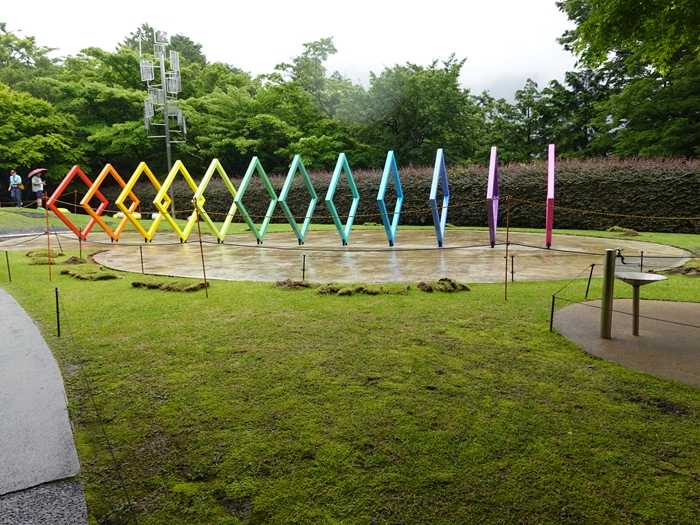
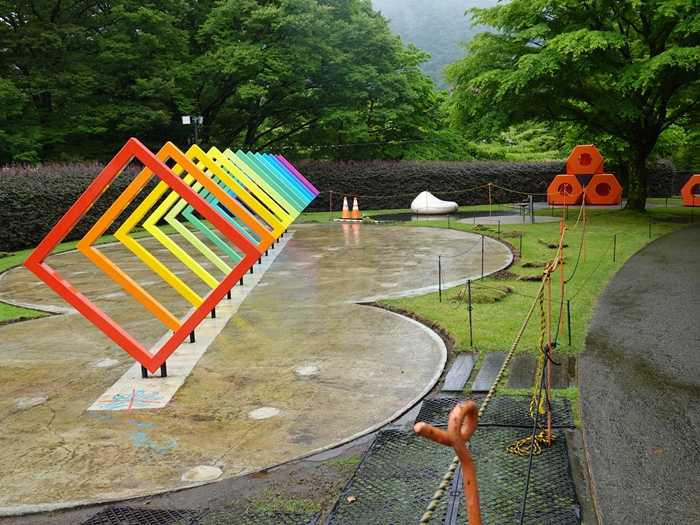
『 松原成夫
Shigeo Matsubara
1944–2012
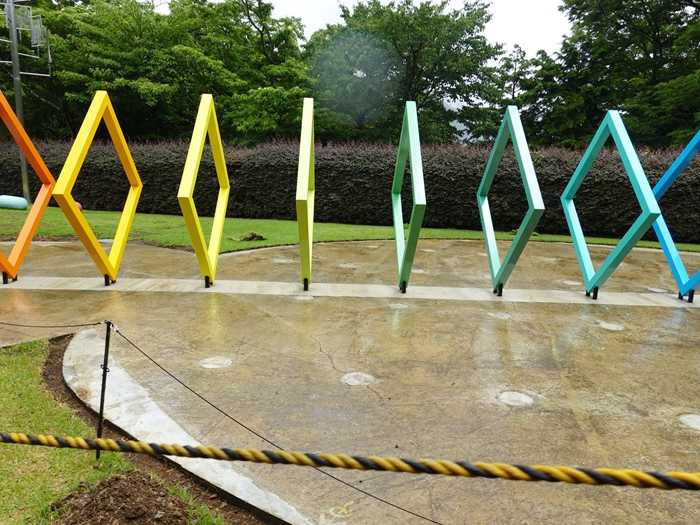
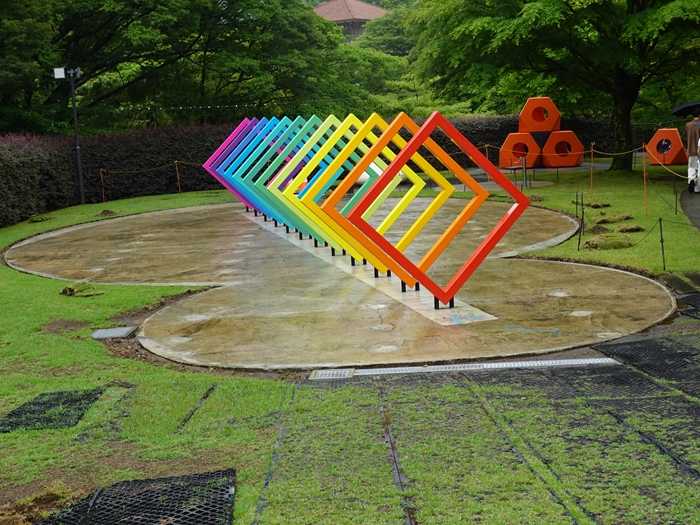
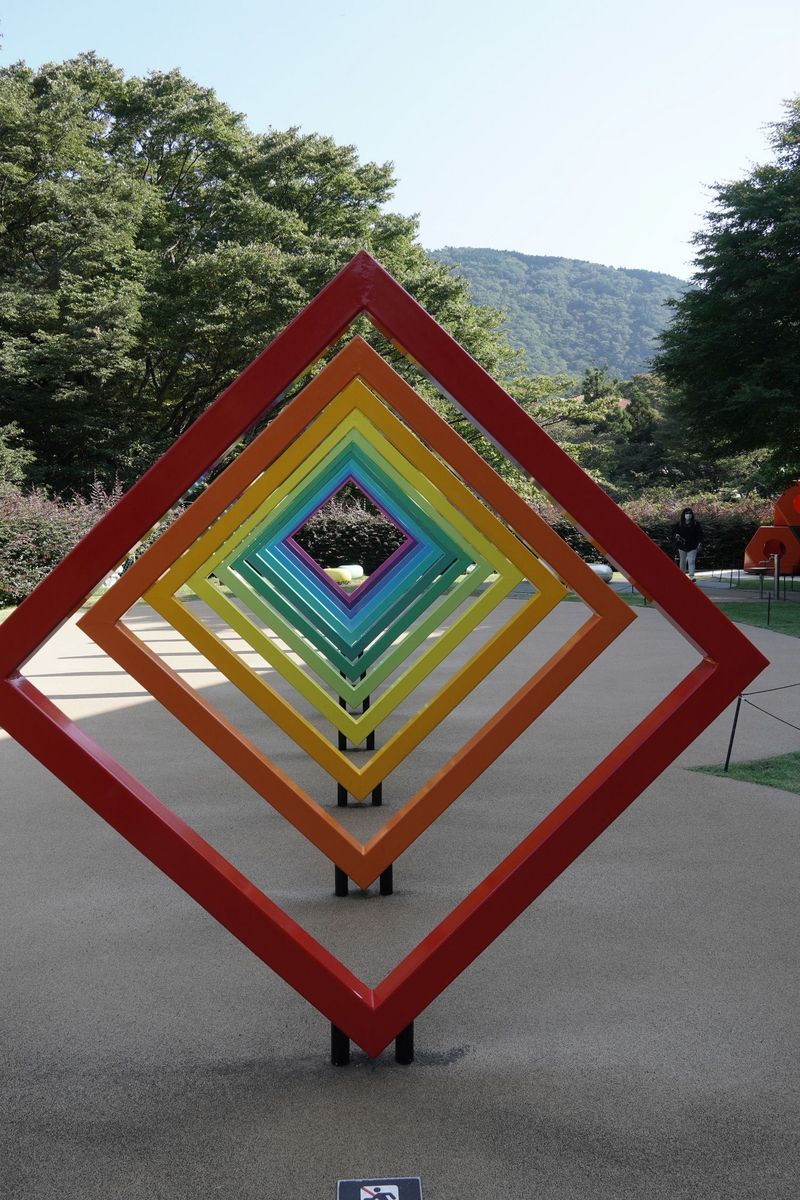
宇宙的色彩空間
Cosmical Color Space
1968
鉄、塗料
Iron, paint
12色の正方形の連続がリズムとハーモニーを生み出して、見る人を色彩の小宇宙へと
引き込むようです。
A series of twelve different colored squares create rhythm and harmony,引き込むようです。
engaging the viewer with a microcosmos of color.』
移動して。
松原は、「物体を並列させることで空間がつながり、屋外の自然と融合して秩序のある
宇宙空間が生まれる」と語ります。この作品では同じ大きさの正方形を1列に並べ、
赤、黄、緑、青と虹色に移り変わる色をつけました。12色の変化がリズムとハーモニーを
生み出して、まるで音でも聞こえてきそうな色彩の小宇宙を作っています。正方形の枠の
連続が作り出している空間は開放的で、見る人を思わず作品の中へと引き込んでいくようです。
宇宙空間が生まれる」と語ります。この作品では同じ大きさの正方形を1列に並べ、
赤、黄、緑、青と虹色に移り変わる色をつけました。12色の変化がリズムとハーモニーを
生み出して、まるで音でも聞こえてきそうな色彩の小宇宙を作っています。正方形の枠の
連続が作り出している空間は開放的で、見る人を思わず作品の中へと引き込んでいくようです。
子供たちだけでなく、大人までが枠をくぐり抜けてみたくなるこの作品は、人々の気持ちを
和ませる環境彫刻として、また作家の造形の意図を越えて、遊具造形としての役割も
果たしています。
和ませる環境彫刻として、また作家の造形の意図を越えて、遊具造形としての役割も
果たしています。
風の奏でる音楽 Music by Wind 松本秋則 Akinori Matsumoto
1951–
1987
ステンレス・スティール、アルミニウム(クロームメッキ)
Stainless steel, chrome-plated aluminium
たくさんのパイプが風に揺れて生み出す音は、自然が奏でるリズムです。
音楽好きの作者によるサウンド・オブジェです。
音楽好きの作者によるサウンド・オブジェです。
Nature plays a rhythm when the wind blows the many pipes in this sculpture to
generate sounds. The artist who created this sound object is a lover of music.』
generate sounds. The artist who created this sound object is a lover of music.』
風が吹くと頭上よりずっと高いところから、カランカランという素朴な音が聞こえてきます。
見上げると、周りの木立と背を並べるようにして、たくさんのパイプが風に揺れています。
風に揺れて生み出される音は、自然が奏でるリズム。長さに違いのあるアルミニウム製の
パイプは、音に高低があり、音楽を生み出します。例えば微風の時は、まるで風のささやき
のような優しい音楽を奏でます。独学で美術・音楽などを学びました。
見上げると、周りの木立と背を並べるようにして、たくさんのパイプが風に揺れています。
風に揺れて生み出される音は、自然が奏でるリズム。長さに違いのあるアルミニウム製の
パイプは、音に高低があり、音楽を生み出します。例えば微風の時は、まるで風のささやき
のような優しい音楽を奏でます。独学で美術・音楽などを学びました。
「私は音楽が好き。でもピアノやギターなどの既成の楽器を演奏することはできない。
そんな私が音楽活動をするにはどうしたら良いかと試行錯誤した結果、生み出されたのが
サウンド・オブジェたち」と語ります。
そんな私が音楽活動をするにはどうしたら良いかと試行錯誤した結果、生み出されたのが
サウンド・オブジェたち」と語ります。
1992年から1年半アジア7 カ国で少数民族の芸能を研究。近年は竹を素材にした
サウンド・オブジェを制作し、アジアの芸能をヒントにした影絵仕立てのサウンド・
インスタレーションで発表を続けています。
サウンド・オブジェを制作し、アジアの芸能をヒントにした影絵仕立てのサウンド・
インスタレーションで発表を続けています。
『 ポケつと 』。
2021年4月、彫刻の森美術館に体験型作品を中心に休憩できるエリア「ポケっと。」が
オープンしました。
振り返って。
池に浮かぶ『 浮かぶ彫刻3 マルタ・パン 』見る。
吊り橋。
『 狛犬 長野隆業 』。
『 十一面観音像 木喰明満 』
『 西行 松村外次郎 』。
『 托鉢 矢崎 虎夫 』。
廻り込んで。
『太陽の輝き カール・ミレス』
『 能姿の空間(弱法師)矢崎 虎夫
』
「 フランチェスコ・メッシーナ(イタリア)
Francesco Messina (Italian)
1900–1995
エヴァ
Eva
1949
ブロンズ
bronze
原罪を噛み締めるかのように、憂い気に佇む像です。作者は対象に深く迫り、モデルの内面を
透過するほどに心理を描写しています。
This figure projects a melancholy mood as she reflects on the original sin.透過するほどに心理を描写しています。
The artist closes in on the subject, creating a psychological portrayal that
expresses the model's inner consciousness.」
『 パヴィリオン彫刻 Pavilion Sculpture マックス・ビル(スイス) Max Bill (Swiss) 』。
「 マックス・ビル(スイス)
Max Bill (Swiss)
1908–1994
パヴィリオン彫刻
Pavilion Sculpture
1969
白花崗岩
white granite
12個の石を立方体の構造にそって積み上げた、東屋のような作品です。
数学的な計算に基づいて制作されました。
【1993年に世界文化賞を受賞】
Twelve stone blocks have been stacked to create a cube resembling a pavilion.
It has been constructed according to mathematical principles.
Received the Praemium Imperiale Award in 1993.」 It has been constructed according to mathematical principles.
『 若い女 Young Woman 佐藤 忠良 Churyo Sato (Japanese) 』。
「 佐藤 忠良
Churyo Sato (Japanese)
1912–2011
若い女
Young Woman
1971
ブロンズ
bronze
腰にあてた右手、降ろした左手、傾けた首。どの部分にも動きを重視する作者の意図を
、感じ取ることができます。
With her right hand on her hip, her left hand hanging down and her head tilted to、感じ取ることができます。
one side, we can feel the intention of the artist to attach importance to the
movement of every part of the figure.」
「 星の庭 迷路 」。
「 星の庭
Garden of Stars
迷路 / labyrinth
」迷路 / labyrinth。
「ネットの森」を背景に。
『 「ハイッ」 「Hey !」 山本 信 Shin Yamamoto (Japanese) 』。
「 山本 信
Shin Yamamoto (Japanese)
「ハイッ」
「Hey !」
1992
素材
陶土タイル、陶板、FRP(繊維強化プラスチック)、鉄
ceramic tile, ceramic plate, FRP, iron
サーカス芸人が会心の技を決めた瞬間です。その掛け声が題名になり、カラフルな形態からは
楽しい印象が伝わってきます。
楽しい印象が伝わってきます。
Capturing the moment when two circus clowns succeed in performing a trick,
their cry as they do so provides the work's title, their colorful forms creating
a delightful image.」
their cry as they do so provides the work's title, their colorful forms creating
a delightful image.」
この構造物の中にある『 おくりもの:未知のポケット2 堀内紀子 』を訪ねた。
子供たちに大人気の「 ネットの森
」が、彫刻の森美術館の2017年の夏休みに新しくなって
帰ってきた。
帰ってきた。
大断面集成材を積み上げた木造ドーム。
この角材を組んだ櫓 は
「 設計:手塚貴晴+手塚由比
構造設計:今川憲法英
協力:チャールズ・マッカーダム/インタープレイ・デザイン・アンド・
マニュファクチャリング
Designed by Takaharu Tezuka + Yui Tezuka
Structural design by Norihide Imagawa
Cooperated with Charles MacAdam / Interplay Design & Manufacturing Inc.」
「ネットの森ご利用にあたって
ネットの森は子供のための作品です。
遊 べるのは小学生まで
です。
大人の方は、ネットの中に入ったり、
ボールに乗ったりできません。」大断面集成材を積み上げた木造ドームの中に、カラフルな手編みのネットがいくつもつなぎ
合わされた 巨大なハンモックの造形が組みこまれた「ネットの森」は、造形作家・堀内紀子
と建築家・手塚貴晴+手塚由比によるコラボレーションから生まれました。
「ネットの森」ならではの色鮮やかなネット作品と木組みの造形美は見逃せません。
テント幕の下にこのようにネットが張られる子供専用の遊具。
『 ジョアン・ミロ(スペイン) Joan Miró (Spanish)
人物
Figure
「 ジョアン・ミロ(スペイン)
Joan Miró (Spanish)
1893–1983
人物
Figure
1972
合成樹脂、着色
synthetic resin, paint
ミロによる彫刻は、ひとつの色や形、1本の線などが彼のイメージを呼び起こして生成されました。
Miró's sculptures were created using one color, one shape, or a single line, etc.,to evoke the image he had in his mind.」
そして「ピカソ館」に向かって進む。
前庭にも。
『 山野を歩くファン・ゴッホ
Van Gogh Walking Through the Fields
オシップ・ザッキン(ロシア―フランス)
Ossip Zadkine (Russian / French) 』
「 オシップ・ザッキン(ロシア―フランス)
Ossip Zadkine (Russian / French)
1890–1967
山野を歩くファン・ゴッホ
Van Gogh Walking Through the Fields
1956
ブロンズ
bronze
作者はキュビスムの影響を受けた後に、理知的な形態の探求よりも劇的な表現を求めました。
Influenced by cubism, the artist decided to pursue dramatic forms of expression rather than idealized forms.」 近づいて。
ガクアジサイ。
『 預言者―大 Great Prophet パブロ・ガルガリヨ(スペイン) Pablo Gargallo (Spanish) 』
「 パブロ・ガルガリヨ(スペイン)
Pablo Gargallo (Spanish)
1881–1934
預言者―大
Great Prophet
1933
ブロンズ
bronze
聖書に「荒野で叫ぶ者」と記された洗礼者ヨハネの像です。ガルガリヨはピカソのキュビスムに
接して、彫刻を面の集合として構築する、透かし彫りのような手法を生み出しました。
This is a statue of the biblical figure of John the Baptist, whose coming had been接して、彫刻を面の集合として構築する、透かし彫りのような手法を生み出しました。
prophesied as "A voice of one calling in the wilderness." Influenced by Picasso's Cubism,
Gargallo constructed sculptures consisting of a collection of planes, creating a technique
similar to openwork.」
『 宮脇愛子 うつろひ Utsurohi 』。
『うつろひ Utsurohi』は、10本のワイヤーで空間に素描するように線を描いた作品。
ワイヤーはしなやかにたわみながら風にふるえ、光に輝き、瞬間瞬間の移りゆく時や風景を
記憶に留めるための媒体となっていた 。
ワイヤーはしなやかにたわみながら風にふるえ、光に輝き、瞬間瞬間の移りゆく時や風景を
記憶に留めるための媒体となっていた 。
・・・ もどる ・・・
・・・ つづく ・・・
お気に入りの記事を「いいね!」で応援しよう

[JINさんの農園] カテゴリの最新記事
-
石垣山一夜城へ 2026.08.03
-
宮ノ下・富士屋ホテルへ(その3) 2026.08.02
-
宮ノ下・富士屋ホテルへ(その2) 2026.08.01


【毎日開催】
15記事にいいね!で1ポイント


© Rakuten Group, Inc.
