



PR
令和維新
2004年4月から企業を離れ、コンサルタントや情報起業を試行しなが ら、失われた20年を取り戻し、日本再生をめざす私の歩みをみて一人でも多くの後継者が出てくれることを祈りつつ友達から紹 介されたこのホームページの更新を続け、これまでの活動の記録と今やビッグデータ、AI,、IOT,ブロックチェーン、仮想通貨の時代になってしまいましたが、私の現状認識と関連技術を紹介していきたい。
「日本の財政破綻はあり得ない」国債発行の仕組みと持続性
5つのAIプロンプトを使って、いかなるスキルをも独学する方法(How to Teach Yourself Any Skill Using 5 AI PRMPTs)
(2)コンテンツ開発のABCccccc’s:卓越性のためのフレームワーク(The ABCccccc’s of Content Development: A Framework for Excellence)
先端技術情報20261012
「フランスはユーロから脱退するべき」市場という鵺
AIの社会的影響で中国と競争しよう(Let’s compete with China on AI social impact)
AIエンジニアとして15-20万ドルを稼ぐのに役立つ5つのAIスキル(5 AI Skills That Can Help You Earn $150K–200K as an AI Engineer)
(1)コンテンツ開発のABCccccc’s:卓越性のためのフレームワーク(The ABCccccc’s of Content Development: A Framework for Excellence)
先端技術情報20261011
Comments
 New!
藻緯羅さん
New!
藻緯羅さん源氏物語〔38帖 鈴虫…
New!
USM1さん🍎 新作「アルプスの… New! 神風スズキさん
奈良運転所の夜 C12…
New!
GKenさん英語に未来時制って…
samito07さんCategory
カテゴリ未分類
(112)連絡
(24)交流会
(27)セミナー
(29)参考情報
(138)オフ会
(36)on-line報告会
(13)翻訳ビジネス
(8)情報開発
(270)ビッグデータ
(89)ブロックチェーン
(255)人工知能
(580)IOT
(309)仮想通貨
(882)コンテンツ
(133)政治経済
(2022)先端技術
(988)DITA
(53)テレワーク
(28)UX
(0)文書管理
(9)テクニカルライテイング
(30)学習
(9)訓練
(1)XMLソリューション
(3)メタバース
(101)Web3
(69)投資
(211)IoT
(34)投資信託
(1)ビットコイン
(844)イーサリアム
(166)NFT
(41)オンライン
(0)受動収入
(14)ソーシャルメデイア
(0)DAO
(2)DeFi
(85)暗号通貨
(168)トークノミクス
(23)アルトコイン
(234)空中投下
(16)スマート契約
(4)ステーブルコイン
(44)金
(5)生成AI
(5)SCM
(4)ウオレット
(9)不労所得
(60)セキュリテイ
(4)ミームコイン
(51)CBDC
(5)PoS
(3)PoW
(1)ETF
(15)仮想通貨ETF
(1)予言
(7)裁定取引
(1)GameFi
(5)マイニング
(11)RWA
(25)DePIN
(22)SWFT
(1)WLFI
(1)アービトラージ
(7)XRP
(69)大統領選
(4)BCH
(1)取引ボット
(17)トレーデイング
(56)不動産
(1)詐欺
(4)貿易戦争
(1)医療
(1)金融
(2)TEZOS
(1)CARDANO
(2)カルダーノ
(3)ステーキング
(5)チェーンリンク
(1)開発
(0)HEDERA
(4)スマートマネー
(0)流動性
(0)AIエージェント
(26)401k
(1)国際送金
(1)solano
(1)AI
(3)暗号資産
(102)機関投資家
(5)量子コンピューター
(8)AIエージェント
(8)ドキュメンテーション
(2)AIトレーデイング
(1)トークン化株式
(2)半導体
(1)フリーランス
(1)AIスキル
(1)Keyword Search
Freepage List


Shopping List


Usability: Clear, Concise, Consistent, Coherent, Concrete
ユーザビリティ:明確、簡潔、一貫性、論理的、具体的
Usability is not an afterthought; it is the ultimate measure of success. It depends on a synergy of clarity, organization, consistency, accessibility, and relevance.
ユーザビリティは後付けの要素ではなく、成功のための究極の尺度である。それは、明瞭性、組織化、一貫性、アクセシビリティ、そして関連性の相乗効果に依存している。
• Clear and Concise: removing clutter and writing with purpose.
明確かつ簡潔:無駄な雑音を取り除き、目的を持って執筆すること。
• Consistent and Correct: maintaining accuracy in terminology and structure.
一貫性があり、かつ正確:用語と構造における正確性を維持すること。
• Coherent and Concrete: organizing information logically with tangible examples.
論理的かつ具体的:具体的な例を用いて、情報を論理的に整理すること。
Usable content reduces friction. It ensures that even complex technical information can be accessed and comprehended easily.
使いやすいコンテンツは摩擦を軽減する。それにより、複雑な技術情報であっても、容易にアクセスされ、理解されることが保証される。
Checklist: Usability tests you can run
チェックリスト:実行可能なユーザビリティテスト
• Can a reader find the relevant information within a reasonable time?
読者は妥当な時間内に必要な情報を見つけることができるか。
• Does the content explain “what” and “why,” not only “what to do”?
コンテンツは「何をすべきか」だけでなく、「何」と「なぜ」を説明しているか。
• Are steps in correct order, with clear prerequisites and outcomes?
手順は正しい順序になっており、前提条件と結果が明確に示されているか。
• Is navigation predictable (headings, related links, breadcrumbs, TOC/map where applicable)?
ナビゲーションは予測可能か(見出し、関連リンク、パンくずリスト、必要に応じた目次やマップ)。
• Does the content remain understandable on mobile and in different browsers/accessibility settings?
コンテンツは、モバイル環境や異なるブラウザ、アクセシビリティの設定において、引き続き理解可能であるか。
• Can an AI agent reliably extract the needed steps/constraints (prerequisites, error conditions, expected results) without guessing?
AIエージェントが、推測に頼ることなく、必要な手順や制約(前提条件、エラー条件、期待される結果)を確実に抽出できるか。
Structure: Contextual, Compartmentalized, Cohesive
構造:文脈的であること、区画化されていること、まとまりがあること
Content structure determines findability and long-term reuse. Strong structure transforms raw information into usable knowledge:
コンテンツの構造は、見つけやすさと長期的な再利用性を決定づける。強固な構造は、生情報を使いやすい知識へと変容させる。
• Contextual: information appears exactly where it is needed.
文脈的:情報が、まさに必要とされる場所に現れること。
• Compartmentalized: modular chunks allow for efficient reuse across channels.
部品化:モジュール化されたまとまりにより、チャネルを跨いだ効率的な再利用が可能になること。
• Cohesive: despite modularity, the narrative flow remains seamless.
まとまりがある:モジュール化されていながらも、語り口の流れがシームレスに保たれていること。
This approach aligns with principles of DITA and knowledge management, promoting authoring efficiency and ensuring the reader is never left guessing.
このアプローチは、DITA(Darwin Information Typing Architecture)やナレッジマネジメントの原則と合致しており、執筆の効率性を高め、読者が迷うことがないように保証する。
Checklist: Structural quality checks
チェックリスト:構造的品質の確認
• Are topics defined at the right granularity (reusable, but not fragmented)?
トピックが適切な粒度で定義されているか(再利用可能でありながら、断片的すぎないか)。
• Are prerequisites, constraints, and dependencies explicit?
前提条件、制約、依存関係が明示されているか。
• Is the information sequence logical (task flow, decision flow, reference flow)?
情報の順序が論理的か(タスクフロー、決定フロー、リファレンスフロー)。
• Are cross-links and “related content” intentional and current?
クロスリンクや「関連コンテンツ」が意図的かつ最新のものであるか。
• Does the structure support reuse without losing meaning or context?
意味や文脈を失うことなく、構造が再利用をサポートしているか。
• Are definitions, parameters, and scope consistently located so AI consumers can ground answers in the right parts?
定義、パラメータ、スコープが一貫した場所に配置されており、AI消費者が適切な部分で回答の根拠を見つけられるようになっているか。
• Is metadata complete?
メタデータが完全か。
Usability is not an afterthought; it is the ultimate measure of success. It depends on a synergy of clarity, organization, consistency, accessibility, and relevance.
使いやすさは後付けの要素ではなく、成功のための究極の尺度である。それは、明瞭性、組織化、一貫性、近づき易さ、そして関連性の相乗効果に依存している。
Niche: Coded, Confidential, Chronological, Clinical
隙間領域:暗号化・機密性、時系列、臨床的・専門的
Every organization operates within a specialized context. Recognizing your niche is essential—whether it is:
すべての組織は、それぞれの特殊な文脈の中で活動している。自らが置かれた隙間領域を認識することは不可欠である。それが以下のようなものであれ、同様である。
• Coded and Confidential: data requiring secure storage and controlled access.
暗号化および機密:安全な保管と厳重なアクセス管理を必要とするデータ。
• Chronological: material like release notes that preserve institutional memory.
時系列:組織の記憶を保存するリリースノートのような資料。
• Clinical: domains demanding absolute precision and careful interpretation.
臨床的:絶対的な正確性と慎重な解釈が求められる領域。
Balancing this technical rigor with creative and captivating storytelling makes even the driest data usable and engaging.
このような技術的厳密さと、クリエイティブで魅力を惹きつける斧語りを話すことを両立させることで、最も無機質なデータであっても、使いやすく魅力的なものに生まれ変わる。
Checklist: Niche alignment checks
チェックリスト:隙間領域の整合性の確認
• What is the domain’s “must not fail” requirement (accuracy, timeliness, confidentiality, safety)?
その領域における「絶対に失敗してはならない」要件は何か(正確性、適時性、機密性、安全性)。
• Which data classifications affect what you can publish and how you must label it?
どのデータ分類が、何を公開できるか、そしてどのようにラベル付けしなければならないかに影響を与えるか。
• Are dates, versions, and scope clearly specified (so the reader trusts the information)?
日付、バージョン、スコープが明確に指定されているか(読者が情報を信頼できるようにするため)。
• Does the writing reflect the audience’s risk level and decision pressure?
執筆内容が、視聴者のリスクレベルや意思決定のプレッシャーを反映しているか。
• Where should you add “human” clarity (examples, plain-language summaries, visual cues) without sacrificing rigor?
厳密性を損なうことなく、「人間的な」分かりやすさ(例、平易な言葉による要約、視覚的手がかり)をどこに追加すべきか。
• Are there “forbidden zones” (content AI must not summarize/generate; content needing human review) that are clearly encoded in your governance?
統制において明確にコード化されている「禁止ゾーン」(AIが要約・生成してはならないコンテンツ、人間のレビューを必要とするコンテンツ)はあるか。
Look and Feel: Clean and Contemporary
見た目と感触:クリーンで現代的であること
Visual presentation directly affects perceived credibility and usability. A clean, contemporary design, characterized by clear hierarchy, ample whitespace, and consistent typography, enhances readability. Modern design signals that content is professional, current, and cared for. By aligning with accessibility standards (such as WCAG), using correct color contrast, and creating responsive layouts, organizations make information inclusive.
視覚的なプレゼンテーションは、知覚される信頼性とユーザビリティに直接的な影響を与える。明確な階層構造、十分な余白、一貫したタイポグラフィを特徴とするクリーンで現代的なデザインは、可読性を高める。モダンなデザインは、コンテンツが専門的であり、現在のものであり、手入れが行き届いていることをシグナルとして伝える。WCAGなどのアクセシビリティ基準に準拠し、正しい色彩のコントラストを使用し、レスポンシブなレイアウトを作成することで、組織は情報を包括的なものにする。
Checklist: Presentation and accessibility basics
チェックリスト:プレゼンテーションとアクセシビリティの基本
• Is the reading experience comfortable (font size, line length, spacing, contrast)?
読書体験は快適か(フォントサイズ、行の長さ、行間・字間、コントラスト)。
• Are headings structured for scanning (consistent levels, descriptive titles)?
見出しはスキャンしやすいように構造化されているか(一貫したレベル、説明的なタイトル)。
• Are images and diagrams supported with alt text and/or accessible explanations?
画像や図には、代替テキストやアクセシブルな解説がサポートされているか。
• Are tables readable (responsive behavior, headers, alignment)?
表は読みやすいか(レスポンシブな挙動、ヘッダー、配置)。
• Does the interface support orientation (where am I, what’s next, what’s related)?
インターフェースはオリエンテーションをサポートしているか(今どこにいるのか、次は何か、何に関連しているのか)。
• If AI-generated content is shown to users, is the UI designed to present scope, citations/links, and uncertainty (not just final answers)?
AIが生成したコンテンツがユーザーに表示される場合、単なる最終回答だけでなく、スコープ、引用・リンク、不確実性を示すようにUIが設計されているか。
AI-Ready: Citation-Ready, Compliance-aware, Cautious
AI対応:引用可能、法令順守意識、慎重であること
AI is reshaping two moments in the content lifecycle:
AIは、コンテンツのライフサイクルにおける以下の2つの瞬間を再構築している。
1. AI-assisted authoring (drafting, rewriting, summarizing, translation, structuring)
AI支援によるオーサリング(ドラフト作成、書き換え、要約、翻訳、構造化)
2. AI consumption (retrieval-augmented answers, chat-based guidance, agentic workflows)
AIによる消費(RAGによる回答、チャットベースのガイダンス、エージェント型ワークフロー)
To serve both reliably, treat “AI-ready” content as content that is:
これら両方を信頼性の高くサポートするために、「AI対応」コンテンツとは、下記条件を満たすものとして扱う。
• Citation-ready (evidence you can point to)
引用可能(指し示すことのできる証拠がある)
• Compliance-aware (rules you can’t break)
法令順守意識(破ることのできないルール)
• Cautious (scope and uncertainty you don’t overstep).
慎重(踏み越えてはならないスコープや不確実性)
Checklist: AI-ready content requirements
チェックリスト:AI対応コンテンツの要件
• Are claims attributable (topic source, version, effective date, citations/links)?
主張に根拠があるか(トピックのソース、バージョン、発効日、引用/リンク)。
• Are privacy, security, acceptable-use, and “must/must not” constraints explicit (including what AI tools may do vs what needs human review)?
プライバシー、セキュリティ、許容利用、および「すべき/すべきではない」という制約が明示されているか(AIツールが何をしてよいか、何に人間のレビューが必要かを含む)。
• Are limitations and known gaps stated clearly so AI outputs don’t over-generalize.
限界や既知のギャップが明確に述べられており、AIの出力が過度に一般化されないようになっているか。
• Is uncertainty communicated in a way that humans and systems can respect?
人間とシステムの両方が尊重できる形で、不確実性が伝達されているか。
• Are terminology, formatting, and headings predictable so AI doesn’t “merge” concepts incorrectly?
AIが概念を誤って「混合」しないよう、用語、書式、見出しが予測可能なものになっているか。
• Do you define what AI tools may do (e.g., drafting allowed) and what requires human approval (e.g., release decisions, compliance-critical language, confidential data)?
AIツールが許可されること(例:ドラフト作成の許可)と、人間の承認を必要とするもの(例:リリース決定、法令順守上重要な言語、機密データ)を定義しているか。
• Do you test with real retrieval and real generation workflows (and measure drift, citation correctness, and user usefulness)?
実際の検索および生成ワークフローでテストを行っているか(そして、ドリフト、引用の正確性、ユーザーの有用性を測定しているか)。
Conclusion: Beyond the C’s
結論:Cのその先へ
The “ABCs” of content development offer a memorable framework, but their deeper message is balance: the equilibrium between structure and style, creativity and control, and collaboration and governance. Your goal is to build a system where every “C” reinforces every other “C,” producing content that readers can trust and systems can use again and again. And while this article has been brought to you by the letter “C,” don’t neglect the other letters of the alphabet as you create your framework:
コンテンツ開発における「ABC」は覚えやすい枠組みを提供するが、そのより深いメッセージは「バランス」である。構造とスタイルの間、創造性と制御の間、そして協働と統制の間の均衡である。あなたの目標は、すべての「C」が他のすべての「C」を補強し、読者が信頼でき、システムが何度も再利用できるコンテンツを生み出すシステムを構築することである。そして、この記事は文字「C」によってもたらされたが、独自のフレームワークを作成する際には、アルファベットの他の文字も忘れてはならない。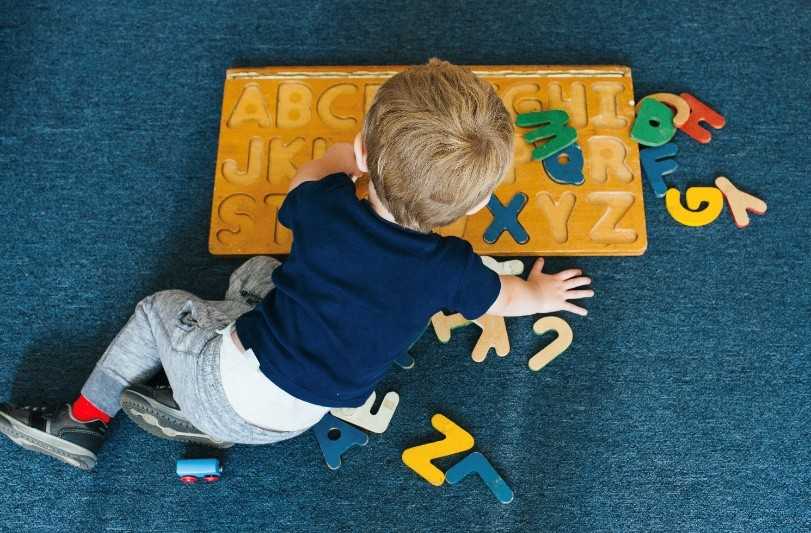
A = adaptability
A = 適応性
B = balance
B = バランス
…yo
以下続く
=============================
インターネット・コンピュータランキング
============================= ネットサービスランキング
==============================
![[商品価格に関しましては、リンクが作成された時点と現時点で情報が変更されている場合がございます。]](https://hbb.afl.rakuten.co.jp/hgb/4fd4a813.157ef50d.4fd4a814.82486a3e/?me_id=1434481&item_id=10000129&pc=https%3A%2F%2Fthumbnail.image.rakuten.co.jp%2F%400_mall%2Ftsk8-shop%2Fcabinet%2F1st%2Fnormal01%2Fti25046.jpg%3F_ex%3D240x240&s=240x240&t=picttext "[商品価格に関しましては、リンクが作成された時点と現時点で情報が変更されている場合がございます。]")
ズワイガニ 半むき身 生冷凍 1200g 1.2kg ズワイ蟹 ずわい蟹 かに 蟹 カニ 生 刺身 鍋用 しゃぶしゃぶ カニ刺し 送料無料 [TAKUMIの逸品] 価格:14,400円(税込、送料無料) (2026/1/8時点)
![[商品価格に関しましては、リンクが作成された時点と現時点で情報が変更されている場合がございます。]](https://hbb.afl.rakuten.co.jp/hgb/4fd4a9d0.573d1d85.4fd4a9d1.65b8ce1e/?me_id=1399275&item_id=10000005&pc=https%3A%2F%2Fthumbnail.image.rakuten.co.jp%2F%400_mall%2Fkaito-seafood%2Fcabinet%2F08394230%2Fimgrc0080410169.jpg%3F_ex%3D240x240&s=240x240&t=picttext "[商品価格に関しましては、リンクが作成された時点と現時点で情報が変更されている場合がございます。]")
魚 セット さかな 切り身 詰め合わせ おにぎりの具 冷凍食品 焼き魚 食品 8種セット (約50gx16切入) 【 簡易包装(熨斗はありません)】 敬老の日 お歳暮 クリスマス お正月 ※ 訳あり 骨なし ではありません 価格:3,960円(税込、送料別) (2026/1/8時点)

![[商品価格に関しましては、リンクが作成された時点と現時点で情報が変更されている場合がございます。]](https://hbb.afl.rakuten.co.jp/hgb/1ff2bb79.191d27ac.1ff2bb7a.979bba0e/?me_id=1206032&item_id=14577484&pc=https%3A%2F%2Fthumbnail.image.rakuten.co.jp%2F%400_mall%2Fjism%2Fcabinet%2F0528%2F4529327929000.jpg%3F_ex%3D240x240&s=240x240&t=picttext "[商品価格に関しましては、リンクが作成された時点と現時点で情報が変更されている場合がございます。]")
Titan Army|タイタンアーミー ゲーミング液晶ディスプレイ(27型/FAST IPS/WQHD 2560×1440/320Hz/1ms/HDR1000/HDMI2.1/DP1.4/PBP・PIP対応/VESA)(ブラック) P275MS+ 価格:62,800円(税込、送料別) (2025/8/1時点)
![[商品価格に関しましては、リンクが作成された時点と現時点で情報が変更されている場合がございます。]](https://hbb.afl.rakuten.co.jp/hgb/4ae27bcc.ba8aeb41.4ae27bcd.9a8f4b71/?me_id=1425036&item_id=10000049&pc=https%3A%2F%2Fthumbnail.image.rakuten.co.jp%2F%400_mall%2Fgmktecdirect%2Fcabinet%2F10269465%2Fcoupon%2Fk8plus-samune-0331.jpg%3F_ex%3D240x240&s=240x240&t=picttext "[商品価格に関しましては、リンクが作成された時点と現時点で情報が変更されている場合がございます。]")
![[商品価格に関しましては、リンクが作成された時点と現時点で情報が変更されている場合がございます。]](https://hbb.afl.rakuten.co.jp/hgb/4ae27418.1ee40ea5.4ae27419.d4988bf9/?me_id=1413163&item_id=10000379&pc=https%3A%2F%2Fthumbnail.image.rakuten.co.jp%2F%400_mall%2Fexception5251%2Fcabinet%2F11219683%2F11219688%2Fdiscount75%2Ff-00003.jpg%3F_ex%3D240x240&s=240x240&t=picttext "[商品価格に関しましては、リンクが作成された時点と現時点で情報が変更されている場合がございます。]")
![[商品価格に関しましては、リンクが作成された時点と現時点で情報が変更されている場合がございます。]](https://hbb.afl.rakuten.co.jp/hgb/4cb237fd.80b5f2c4.4cb237fe.9a40616a/?me_id=1360411&item_id=10000102&pc=https%3A%2F%2Fthumbnail.image.rakuten.co.jp%2F%400_mall%2Ff464686-osaki%2Fcabinet%2F08433205%2Fimgrc0109948245.jpg%3F_ex%3D240x240&s=240x240&t=picttext "[商品価格に関しましては、リンクが作成された時点と現時点で情報が変更されている場合がございます。]")
![[商品価格に関しましては、リンクが作成された時点と現時点で情報が変更されている場合がございます。]](https://hbb.afl.rakuten.co.jp/hgb/48b50de1.c719ad98.48b50de2.1452644e/?me_id=1306273&item_id=10024122&pc=https%3A%2F%2Fthumbnail.image.rakuten.co.jp%2F%400_mall%2Fsoukaidrink%2Fcabinet%2F920%2F4901777440920.jpg%3F_ex%3D240x240&s=240x240&t=picttext "[商品価格に関しましては、リンクが作成された時点と現時点で情報が変更されている場合がございます。]")

-
テクニカルライティングにおける適応力:A… 2026.09.24
-
専門家(SME)へのインタビューについて … 2026.09.23
-
(2)専門家(SME)へのインタビューにつ… 2026.09.22


