PR
キーワードサーチ
▼キーワード検索
カレンダー
サイド自由欄
鉄道模型・鉄道グッズリンク
鉄道関連書籍リンク
時刻表最新号
JTB時刻表

JR時刻表

鉄道雑誌最新号
鉄道ファン

鉄道ジャーナル

鉄道ピクトリアル

鉄道ダイヤ情報

Rail Magazine
RM MODELS

j train

とれいん

鉄道模型趣味

N

旅と鉄道

楽天トラベルで旅に出よう

鉄道関連書籍リンク
時刻表最新号
JTB時刻表
JR時刻表
鉄道雑誌最新号
鉄道ファン
鉄道ジャーナル
鉄道ピクトリアル
鉄道ダイヤ情報
Rail Magazine
RM MODELS
j train
とれいん
鉄道模型趣味
N
旅と鉄道
楽天トラベルで旅に出よう
コメント新着
Jan 20, 2018

テーマ: 鉄道(26564)
カテゴリ: 鉄道日記

6000系
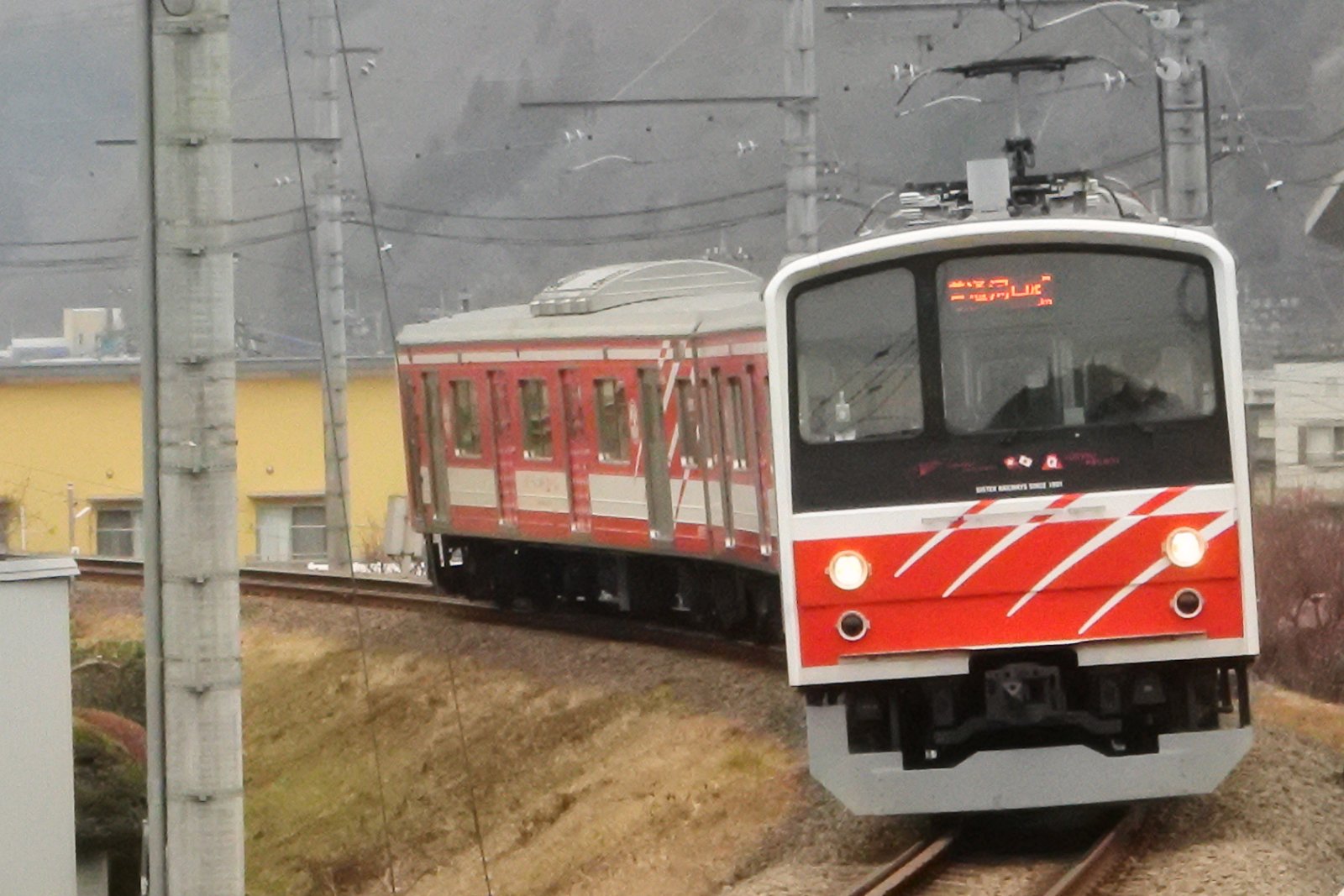
元国鉄・JR東日本205系電車。205系は1985(昭和60)年に国鉄初のオールステンレス製車体の車両として、当初は山手線用として登場した。オールステンレス製車体のほか、ボルスタレス台車や国鉄が独自開発した界磁添加励磁制御(旧来の直流直巻整流子モーターを使用しながら、補助電源装置からモーターの界磁(モーター内部のコイルのうち回転するコイル(電機子)の外周に固定されたもの)と主回路と呼ばれるメインの電気系統から別れた、モーターの界磁と並列につながれた界磁に流れる電流量を調節する誘導分路と呼ばれる回路との間を循環する、誘導分路においてはパンタグラフからモーターを介して線路へと流れる電流とは逆向きの電流を流し、その電流量を変えることで界磁の磁力を制御し、モーターの回転、すなわち電車の速度をコントロールする方式。201系で採用した電機子チョッパ制御よりも低コストで製造できること、減速時にモーターの回転によって発生した電気を架線に返す回生ブレーキが使用できるメリットがある)も初採用された。
2011(平成23)年から2012(平成24)年にかけて3両編成4本が譲渡され、2012(平成24)年2月29日より営業運転を開始した。上の写真は1985(昭和60)年に製造された側窓が「田」の字型の下段上昇・上段下降式の量産先行車のヤテ2→ケヨ25編成の6001F。下は1985(昭和60)年に製造された量産車のヤテ11→ケヨ22編成の6501F。共に国鉄・JR東日本時代は山手線と京葉線で活躍した。
(上)東桂駅にて、(下)都留文科大学前駅にて
6000 Series moved from JR East and renamed from 205 Series. 205 Series had been in service in 1985. It was first Japan National Railway (JNR) car made by stainless steel and equipped bolsterless bogies and superimposed field excitation control system; classical series-wound motor and resistance unit are equipped, but a loop of current circulating around magnetic generator via circuit in parallel with field coils of motors and the field coils and flowing in a direction reverse to that from pantograph to railway in the parallel circuit and field coils to control the amperage of the coils, and has a merit to equip regenerative brake.
Four 3-car sets are existed and all of those had been in service on Yamanote Line and Keiyo Line while they used to belonged to JR East.
The cars in upper photograph is 6001F set (Yate 2, when in service on Yamanote Line, Keyo 25, when on Keiyo Line) equipping double hung window at Higashi-katsura Station, and that in lower ones is 6501F (Yate 11, when in service on Yamanote Line, Keyo 22, when on Keiyo Line) having sashless vertical sliding window from the platoform of Tsuru-bunka-daigaku-mae [Tsuru University] Station.
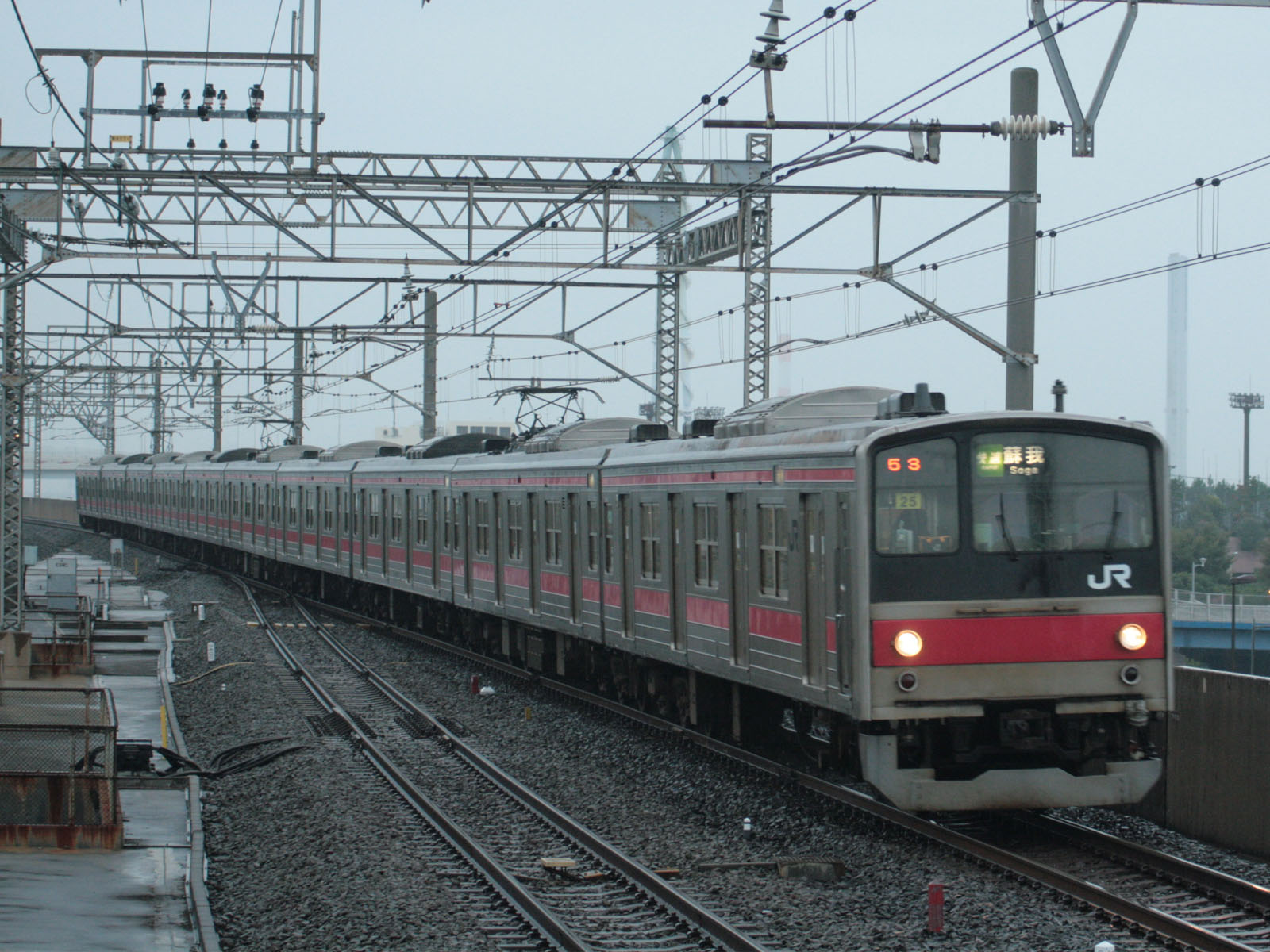
参考: 京葉線を走る205系ケヨ25編成 Keyo 25 set on Keiyo Line
8500系
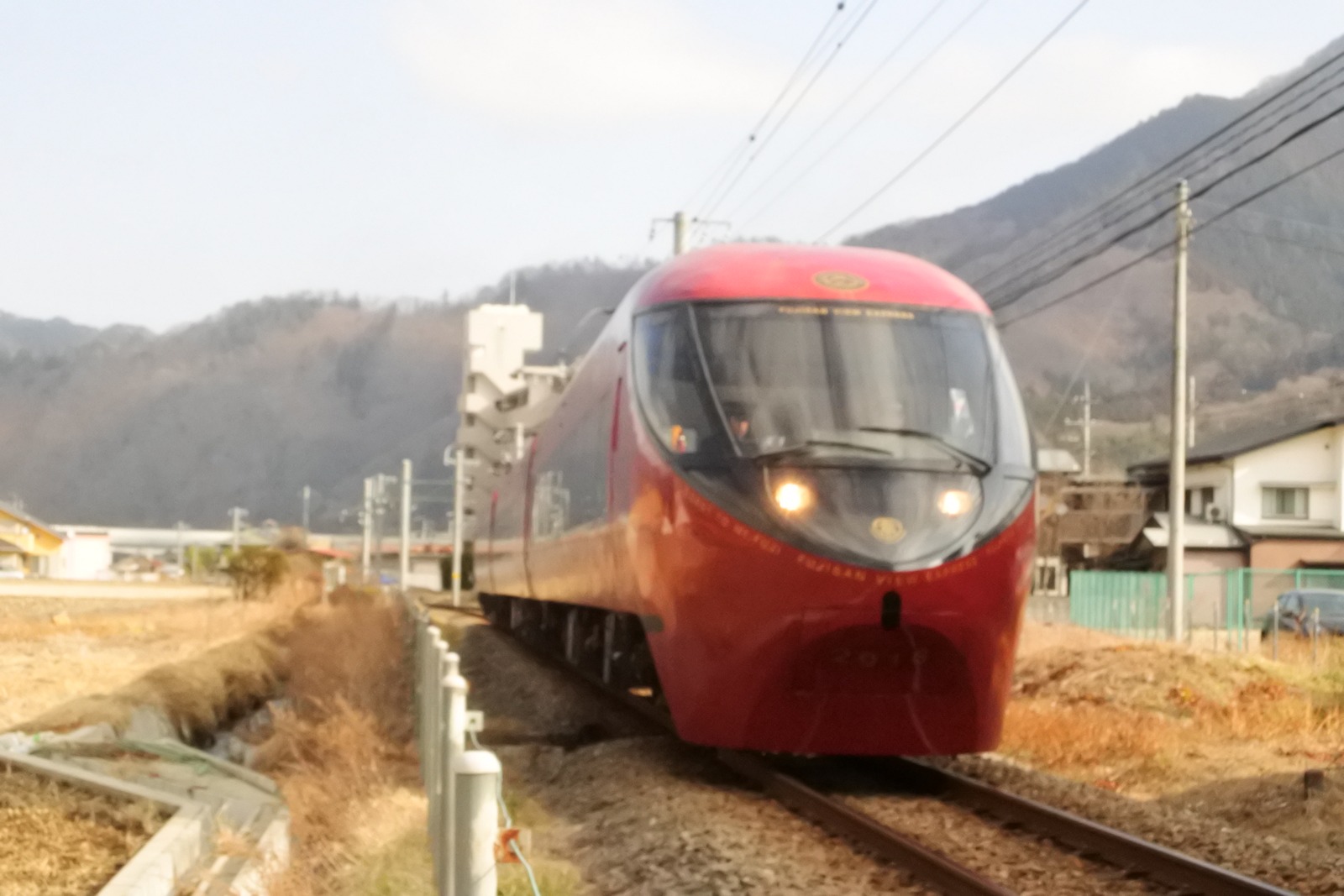
元JR東海371系電車。1991(平成3)年に新宿駅~沼津駅間を小田急小田原線・JR東海御殿場線経由の特急「あさぎり」用車両として登場した。製造されたのはたった1編成のみの貴重な車両でもあった。JR東海時代は7両編成を組み、このうち3・4号車(沼津方から3・4両目)にあたるサロハ371は2階建て車両であった。国鉄・JR東日本205系から続く界磁添加励磁制御を採用。2012(平成24)年に「あさぎり」としての運行を終了し、それ以降は臨時列車・イベント列車として運行された。2014(平成26)年に臨時列車・イベント列車としても役目を終え、平床車両3両が富士急行に譲渡された。富士急行では水戸岡鋭治さんの手によるリニューアルを施され、「富士山ビュー特急」の列車名を与えられた。
禾生駅~赤坂駅間にて
The photograph was shot between Kasei Station and Akasaka Station.
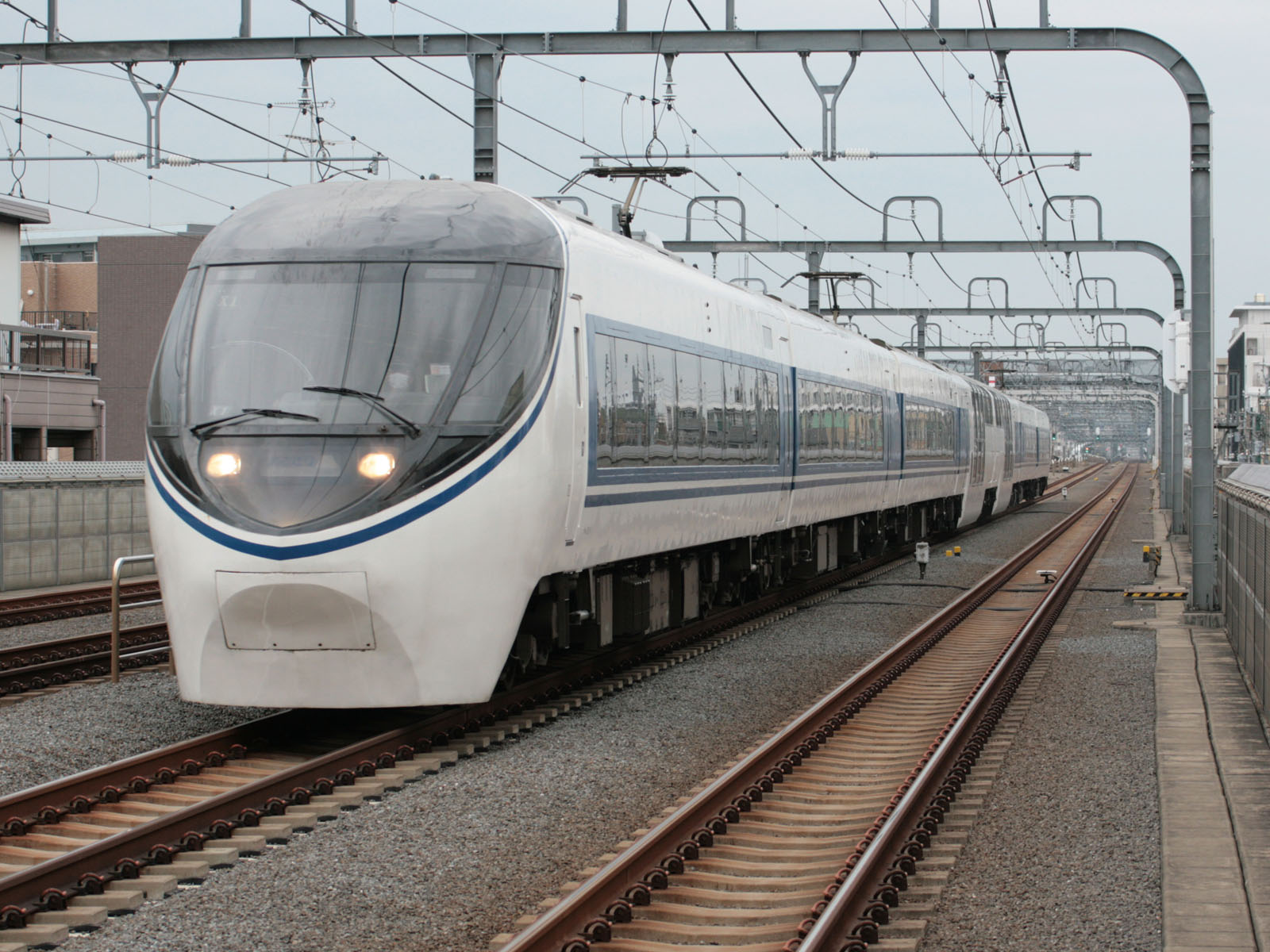
参考: 小田急小田原線を走るJR東海371系 371 Series on Odakyu Odawara Line
JR東日本189系
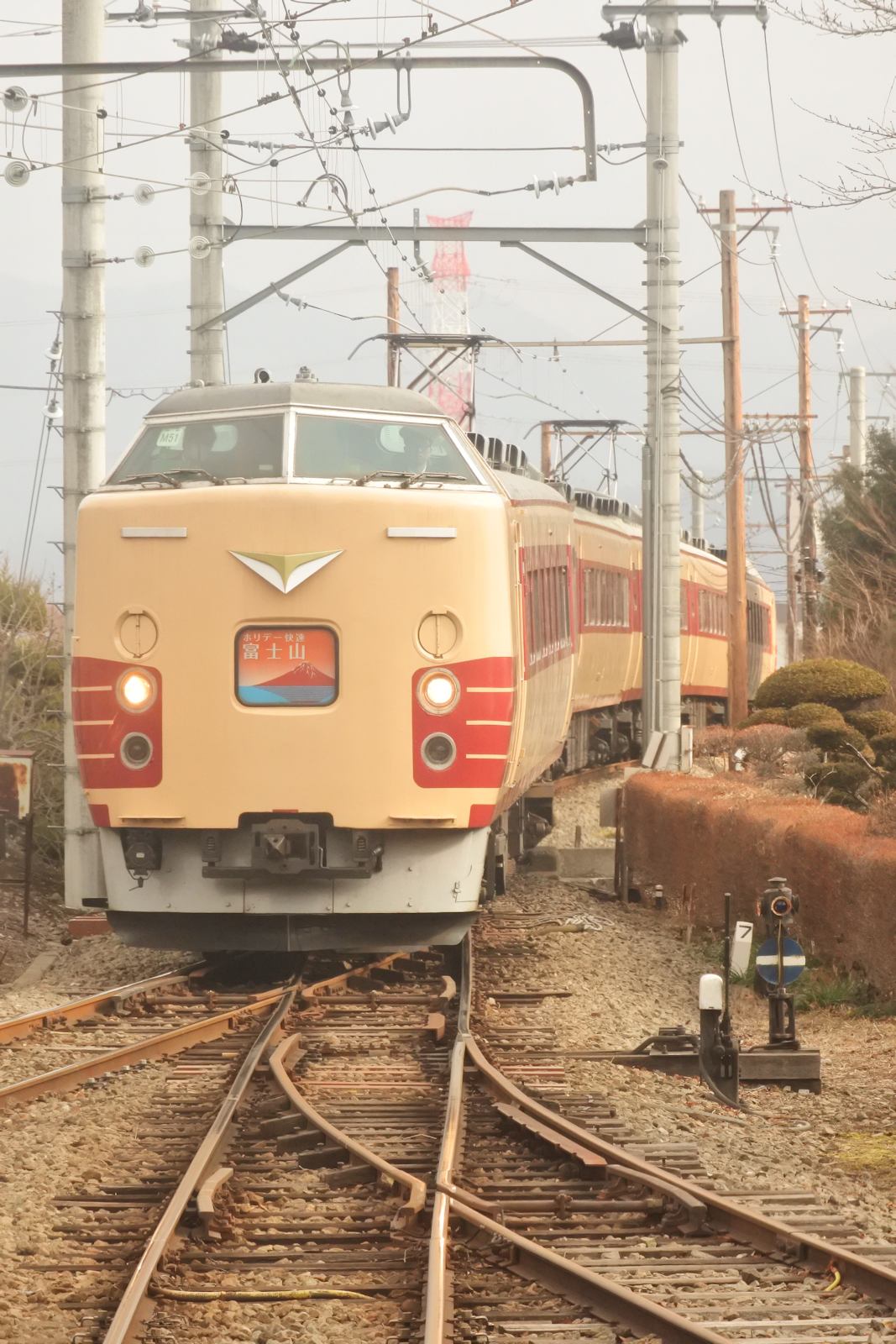
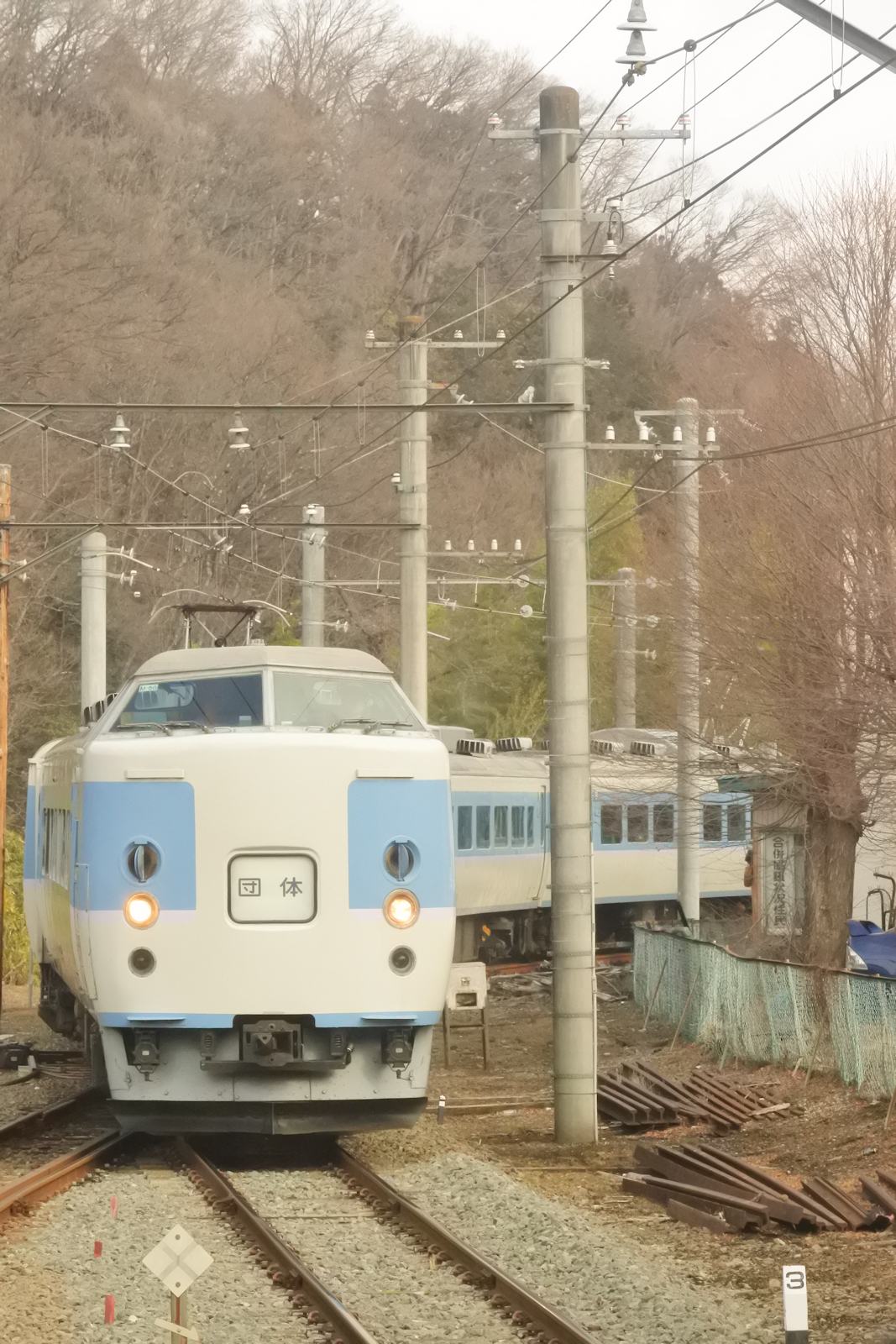
1975(昭和50)年、上野駅~長野駅・直江津駅の特急「あさま」用に、EF63形電気機関車2両を連結しての信越本線横川駅~軽井沢駅間の碓氷峠越え対策(横軽対策)を施した特急型車両として登場。富士急行線へは中央本線(中央東線)からの新宿駅~河口湖駅間を運行する臨時快速列車「ホリデー快速富士山」として土休日に運行されている。上はJR最後の国鉄特急色を纏う編成となったM51編成。下はこの日(1月20日)に富士急行線でのラストランを迎えた「あずさ」色のM50編成。
(上)三つ峠駅にて 大月行き列車車内最前部から、(下)谷村町駅にて 大月行き列車車内最前部から
JR East 189 Series, debuted in 1975 as the car for "Asama" limited express between Ueno Stataion and Nagano Station or Naoetsu Station and at first dedicated to steep slope on Shinetsu Main Line between Yokokawa Station and Karuizawa Station coupled with two Class EF63 electric locomotives, also go through Fuji Kyuko Line as "Holiday Rapid Mt.Fuji" on Saturdays, Sundays, and Japanese national holidays. The one in upper photograph is M51 cream-and-red-coloured (livery of traditional JNR limited express train) set shot at Mitsutoge Station over the front window of the train toward Otsuki, and the one in lower is M50 white-and-blue-coloured (livery of "Azusa" limited express after the privatization of JNR) set, which operated on Fuji Kyuko Line last time on that day, shot at Yamuramachi Station over the front window of the train toward Otsuki.
お気に入りの記事を「いいね!」で応援しよう

[鉄道日記] カテゴリの最新記事
-
my千歌ちゃんと鉄道博物館 「ラブライブ!… Mar 15, 2026
-
東京臨海高速鉄道71-000形初撮影&初乗車 Feb 22, 2026
-
前面赤帯復活!! 引退迫る東急9000系を撮る Sep 14, 2025


【毎日開催】
15記事にいいね!で1ポイント


© Rakuten Group, Inc.