


PR
令和維新
2004年4月から企業を離れ、コンサルタントや情報起業を試行しなが ら、失われた20年を取り戻し、日本再生をめざす私の歩みをみて一人でも多くの後継者が出てくれることを祈りつつ友達から紹 介されたこのホームページの更新を続け、これまでの活動の記録と今やビッグデータ、AI,、IOT,ブロックチェーン、仮想通貨の時代になってしまいましたが、私の現状認識と関連技術を紹介していきたい。
「政府の出番だよっ!」不確実性への対処
市場を揺るがしている 14 のレイヤー2 暗号資産プロジェクト群(14 Layer 2 Crypto Projects Disrupting the Market)
(2)今週、2つの暗号資産銘柄を分析した — 1つはより安全、もう1つはよりリスクが高い。(I Analyzed Two Crypto Coins This Week — One Safer, One Riskier)
先端技術情報20260513
安全保障は儲からない
技術文書のための拡大可能なコンテンツ分類体系を構築する(Build a Scalable Content Taxonomy for Technical Documentation)
(1)今週、2つの暗号資産銘柄を分析した — 1つはより安全、もう1つはよりリスクが高い。(I Analyzed Two Crypto Coins This Week — One Safer, One Riskier)
先端技術情報20260512
日本と中国の少子化問題
Comments
 New!
藻緯羅さん
New!
藻緯羅さん源氏物語〔34帖 若菜…
New!
USM1さん急行「きたぐに」青… New! GKenさん
🌷新作「裸一貫」(4)… New! 神風スズキさん
talking は動名詞、…
samito07さんCategory
カテゴリ未分類
(112)連絡
(24)交流会
(27)セミナー
(29)参考情報
(138)オフ会
(36)on-line報告会
(13)翻訳ビジネス
(8)情報開発
(270)ビッグデータ
(84)ブロックチェーン
(243)人工知能
(488)IOT
(297)仮想通貨
(844)コンテンツ
(123)政治経済
(1871)先端技術
(956)DITA
(50)テレワーク
(28)UX
(0)文書管理
(8)テクニカルライテイング
(17)学習
(9)訓練
(1)XMLソリューション
(3)メタバース
(99)Web3
(66)投資
(179)IoT
(32)投資信託
(1)ビットコイン
(762)イーサリアム
(155)NFT
(41)オンライン
(0)受動収入
(14)ソーシャルメデイア
(0)DAO
(2)DeFi
(74)暗号通貨
(168)トークノミクス
(21)アルトコイン
(223)空中投下
(16)スマート契約
(4)ステーブルコイン
(42)金
(5)生成AI
(5)SCM
(4)ウオレット
(9)不労所得
(57)セキュリテイ
(4)ミームコイン
(50)CBDC
(5)PoS
(3)PoW
(1)ETF
(12)仮想通貨ETF
(1)予言
(7)裁定取引
(1)GameFi
(5)マイニング
(9)RWA
(21)DePIN
(18)SWFT
(1)WLFI
(1)アービトラージ
(7)XRP
(57)大統領選
(4)BCH
(1)取引ボット
(17)トレーデイング
(24)不動産
(1)詐欺
(4)貿易戦争
(1)医療
(1)金融
(2)TEZOS
(1)CARDANO
(2)カルダーノ
(3)ステーキング
(5)チェーンリンク
(1)開発
(0)HEDERA
(1)スマートマネー
(0)流動性
(0)AIエージェント
(8)401k
(1)国際送金
(1)solano
(1)AI
(1)暗号資産
(46)機関投資家
(2)Keyword Search
Freepage List


Shopping List

2. Treat Small Caps as High-Conviction Plays, Not Lotto Tickets
2.時価総額が小さい銘柄は、宝くじではなく強い確信に基づく投資として扱おう
Most people approach small caps like scratch-offs. They scatter a few bets, pray one 100x’s, and call it “strategy.” But real small-cap success doesn’t come from luck, but from conviction built on evidence.
多くの人は、時価総額の小さな銘柄をスクラッチくじのように扱っている。いくつかに分散して賭けて、どれかが100倍になることを祈り、それを戦略と呼んでいる。しかし、時価総額の小さな銘柄で本当に成功するには、運ではなく、証拠に基づいた確信が必要だ。
You have to treat these plays like early-stage startups, not gambling tickets.
これらの銘柄は、ギャンブルのチケットではなく、初期段階の起業のように扱うべきだ。
That means research. Yes, even for memecoins. Understanding what you own and why is crucial. Every great small-cap win I’ve had shared the same DNA: an early but functional product or viral trend, clear demand signals, and a motivated community that wasn’t just farming airdrops.
つまり、リサーチが必要だ。 そう、ミームコインでさえも。自分が何を、なぜ保有しているのかを理解することが極めて重要だ。私が勝利した時価総額の小さな銘柄はすべて、同じDNAを共有していた。

What I Look For
私が探しているもの
Here’s how I evaluate small-cap crypto opportunities today:
私が現在小型時価総額の暗号資産のチャンスを評価する方法は、こちら。
約束よりも製品: MVPがあるか。「近日公開」と言い続けて半年経ってるものはどんなものも避ける。
Incentive design: How are users rewarded? Is it sustainable, or is it just yield dilution in disguise?
インセンティブ設計:ユーザーにはどのように報酬が与えられるのか。それは持続可能なのか、それとも単なる利回りの希釈に過ぎないのか
Team quality: I’ll dig into founders’ previous projects, even non-crypto ones. Execution history matters more than fancy whitepapers.
チームの質:私は創業者たちの過去のプロジェクト(暗号資産以外のものも含めて)を徹底的に調べる。華やかなホワイトペーパーよりも、実行の歴史の方が重要だ
Tokenomics clarity: I want transparent unlock schedules, a defined treasury strategy, and a clear link between token usage and network growth.
トークノミクスの明確さ:私は、透明性のあるアンロックスケジュール、明確に定義された財務戦略、そしてトークンの使用とネットワークの成長との明確なつながりを求めている。
But data is just the start. What’s most important is interpreting context. I’ll often pair metrics with qualitative cues, like Discord/Telegram growth, GitHub commits, or wallet diversity.
しかし、データは出発点にすぎない。最も重要なのは文脈を読むことだ。私はよく、数値指標と定性的な手がかりを組み合わせて見る。たとえば、DiscordやTelegramの成長、GitHubのコミット数、ウォレットの多様性などだ。
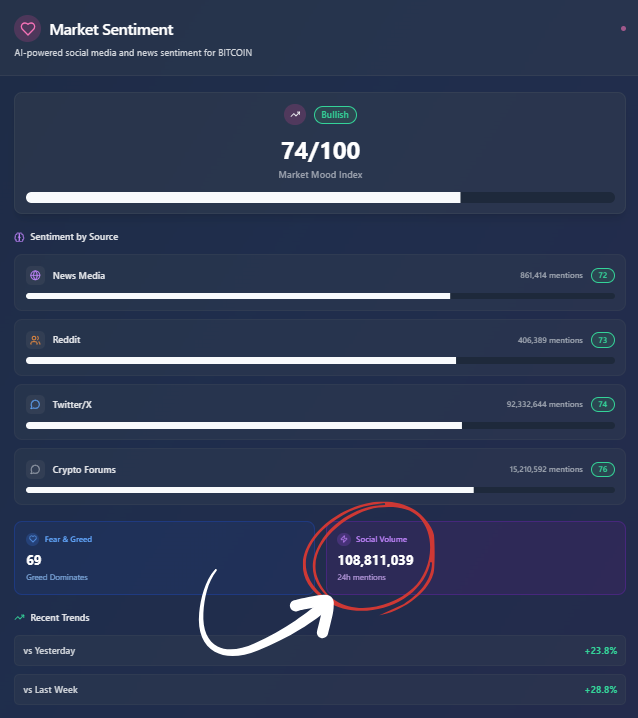
You can tell a lot about a project’s health by who’s showing up, not just how many are there.
プロジェクトの健全性について多くのことが分かるのは、どれだけの人数がいるかではなく、誰が来ているかによる。
My Approach to Position Sizing
私のポジションサイズの考え方
どんなにそのプロジェクトが気に入っていても、小型時価総額の銘柄のポジションサイズは慎重に設定する。
Usually between 0.5–2% of my total portfolio, unless conviction is extremely high.
通常は、ポートフォリオ全体の0.5〜2%の範囲にとどめる。確信が非常に強い場合を除いて。
For example, one of my biggest wins was a DeFi protocol called GMX. I accumulated quietly during a 3-month flat period. The liquidity was low, holders weren’t showing up, but the team kept building. When volume returned and CEX listings hit, the token did a 7x. But I wasn’t surprised. I’d been watching the fundamentals tighten for weeks. The key wasn’t catching hype; it was catching inflection. It’s also important to stay update. Every quarter, I reassess:
たとえば、私の最大の成功の一つはGMXというDeFiプロトコルだった。私は3ヶ月間の横ばい期間に静かに買い集めた。流動性は低く、保有者も現れていなかったが、チームは開発を続けていた。取引量が戻り、中央集権型取引所(CEX)への上場が決まったとき、トークンは7倍になった。でも私は驚かなかった。数週間にわたってファンダメンタルズが引き締まっていくのを見ていたからだ。鍵はハイプ(熱狂)を捉えることではなく、“転換点”を捉えることだった。
Is growth accelerating or stalling?
成長は加速しているか、停滞しているか
ロードマップに変更はあったか
Are new competitors eating their niche?
新たな競合がそのニッチ市場を奪っていないか
If the data weakens, I scale down. If traction builds, I add on strength.
データが弱まれば縮小し、勢いが増せば強気に追加する。
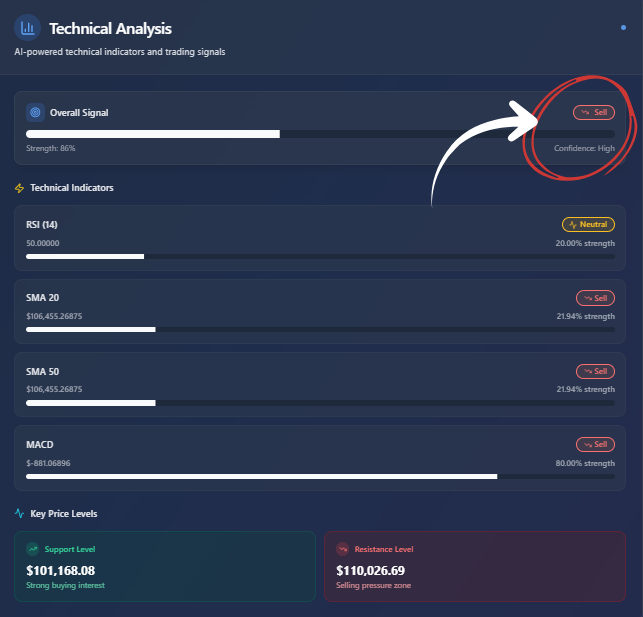
The Small Cap Mindset
小型時価総額の銘柄の心構え
The difference between a gambler and an investor in crypto is process. If you treat a small-cap token like a startup, you start asking sharper questions. You stop chasing pumps and start accumulating conviction. Because at the end of the day, your edge isn’t in finding the next “moonshot.” It’s in identifying something fundamentally strong before the rest of the market recognizes it.
暗号資産におけるギャンブラーと投資家の違いは、プロセスにある。小型時価総額のトークンを起業のように扱えば、より鋭い問いを投げかけるようになる。値上がりを追いかけるのをやめ、確信を積み重ねるようになる。その日の終わりにあなたの優位性は、次の急騰を見つけることではなく、市場が気づく前に本質的に強いものを見抜くことにあるからだ。
💡 Lesson: Treat every investment like a business. If you wouldn’t invest in the team or model in another industry, don’t justify it just because it’s on-chain.
教訓:すべての投資をビジネスのように扱おう。もし他の業界だったらそのチームやビジネスモデルに投資しないと思うなら、オンチェーンだからという理由だけで正当化してはいけない。
Visit Pump Parade and get free access to the most advanced crypto AI tools.
パンプパレードを訪れて、最先端の暗号資産AIツールに無料でアクセスしよう。
3. De-risk Through Strategy, Not Emotion
3.感情ではなく、戦略によってリスクを抑えよう
The hardest part of crypto isn’t finding opportunities, it’s managing yourself once you’re in one.
暗号資産で最も難しいのは、チャンスを見つけることではなく、ポジションを持った後の自分自身の管理だ。

The volatility, the hype, the “should I sell?” questions: it all eats at your discipline. The truth is, most people don’t lose money because they pick the wrong coins. They lose because they don’t have a playbook when things get chaotic.
乱高下、誇大広告、そして『売るべきか』という問い——それらすべてがあなたの規律を蝕んでいく。 真実はこうだ。ほとんどの人が損をするのは、間違ったコインを選んだからではない。混乱が起きたときに、攻略本を持っていないからだ。
Emotion is inevitable. What matters is that it doesn’t decide for you.
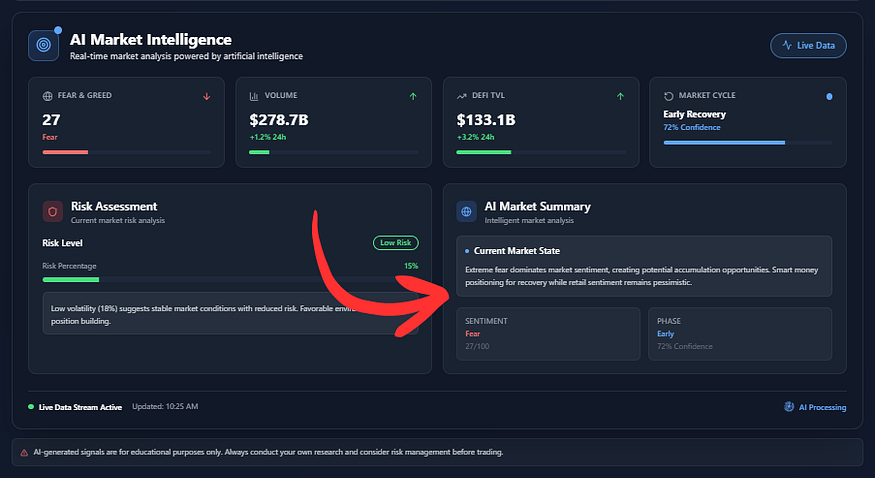
Build Systems, Not Feelings
感情ではなく、仕組みを作る
Every successful trader or investor I know operates with structure. That means predefined entry and exit rules, allocation sizing, and fallback plans. You don’t need to be perfect, you just need to be consistent. For me, that structure looks something like this:
私が知っている成功しているトレーダーや投資家は、皆“構造”を持って作戦行動をしている。つまり、事前に決めた参入と出口のルール、資金配分、そしてバックアッププランを持っているということだ。
Define what kind of trade it is before entering (scalp, swing, long-term hold).
どんな種類のトレードかを、参入前に定義する(スキャルピング、スイング、長期保有)。
Decide when I’ll take profits and where I’ll cut losses before hitting “buy.”
「買う」をクリックする前に、どこで利益を確定し、どこで損切りするかを決めておく。
Use staggered scaling in/out, not all-or-nothing moves.
一括措置をするのではなく、段階的にポジションを増減させる。
That alone cut my emotional stress in half. It also prevented me from turning small wins into big losses, something almost everyone in crypto learns the hard way.
これだけで、感情的なストレスが半分になった。 それに、小さな利益を大きな損失に変えてしまうのを防げた。これは、ほとんどの仮想通貨投資家が痛い目にあって学ぶことだ。
==============================
インターネット・コンピュータランキング
==============================
ネットサービスランキング
==============================
![[商品価格に関しましては、リンクが作成された時点と現時点で情報が変更されている場合がございます。]](https://hbb.afl.rakuten.co.jp/hgb/4f090f21.289310e1.4f090f23.6f4d2551/?me_id=1220528&item_id=10000332&pc=https%3A%2F%2Fthumbnail.image.rakuten.co.jp%2F%400_mall%2Fomosan%2Fcabinet%2F11749111%2Fomotenashi%2Fomotenashi.jpg%3F_ex%3D240x240&s=240x240&t=picttext "[商品価格に関しましては、リンクが作成された時点と現時点で情報が変更されている場合がございます。]")
\SS期間ポイント5倍※要エントリー★さらに12/10限定+5倍/おせち 2026 予約 千賀屋謹製 『おもてなし』 和風 3段重 57品 4人前 5人前 8.5寸 送料無料 お節 千賀屋 御節 おせち料理 2025 お正月 御節料理 三段重
価格:16,900円(税込、送料無料) (2025/12/9時点)

![[商品価格に関しましては、リンクが作成された時点と現時点で情報が変更されている場合がございます。]](https://hbb.afl.rakuten.co.jp/hgb/1ff2bb79.191d27ac.1ff2bb7a.979bba0e/?me_id=1206032&item_id=14577484&pc=https%3A%2F%2Fthumbnail.image.rakuten.co.jp%2F%400_mall%2Fjism%2Fcabinet%2F0528%2F4529327929000.jpg%3F_ex%3D240x240&s=240x240&t=picttext "[商品価格に関しましては、リンクが作成された時点と現時点で情報が変更されている場合がございます。]")
Titan Army|タイタンアーミー ゲーミング液晶ディスプレイ(27型/FAST IPS/WQHD 2560×1440/320Hz/1ms/HDR1000/HDMI2.1/DP1.4/PBP・PIP対応/VESA)(ブラック) P275MS+
価格:62,800円(税込、送料別) (2025/8/1時点)
![[商品価格に関しましては、リンクが作成された時点と現時点で情報が変更されている場合がございます。]](https://hbb.afl.rakuten.co.jp/hgb/4ae27d5e.21a3ae23.4ae27d5f.b3ad3ffe/?me_id=1430642&item_id=10000096&pc=https%3A%2F%2Fthumbnail.image.rakuten.co.jp%2F%400_mall%2Fvoguevortex%2Fcabinet%2F11366713%2F11366934%2F11367029%2Fztr.jpg%3F_ex%3D240x240&s=240x240&t=picttext "[商品価格に関しましては、リンクが作成された時点と現時点で情報が変更されている場合がございます。]")
![[商品価格に関しましては、リンクが作成された時点と現時点で情報が変更されている場合がございます。]](https://hbb.afl.rakuten.co.jp/hgb/4ae27bcc.ba8aeb41.4ae27bcd.9a8f4b71/?me_id=1425036&item_id=10000049&pc=https%3A%2F%2Fthumbnail.image.rakuten.co.jp%2F%400_mall%2Fgmktecdirect%2Fcabinet%2F10269465%2Fcoupon%2Fk8plus-samune-0331.jpg%3F_ex%3D240x240&s=240x240&t=picttext "[商品価格に関しましては、リンクが作成された時点と現時点で情報が変更されている場合がございます。]")
![[商品価格に関しましては、リンクが作成された時点と現時点で情報が変更されている場合がございます。]](https://hbb.afl.rakuten.co.jp/hgb/4ae27418.1ee40ea5.4ae27419.d4988bf9/?me_id=1413163&item_id=10000379&pc=https%3A%2F%2Fthumbnail.image.rakuten.co.jp%2F%400_mall%2Fexception5251%2Fcabinet%2F11219683%2F11219688%2Fdiscount75%2Ff-00003.jpg%3F_ex%3D240x240&s=240x240&t=picttext "[商品価格に関しましては、リンクが作成された時点と現時点で情報が変更されている場合がございます。]")
![[商品価格に関しましては、リンクが作成された時点と現時点で情報が変更されている場合がございます。]](https://hbb.afl.rakuten.co.jp/hgb/49d5faeb.86973ea4.49d5faec.1dd8f601/?me_id=1427535&item_id=10000020&pc=https%3A%2F%2Fthumbnail.image.rakuten.co.jp%2F%400_mall%2Flakshmistore%2Fcabinet%2F10865184%2Fimgrc0088556619.jpg%3F_ex%3D240x240&s=240x240&t=picttext "[商品価格に関しましては、リンクが作成された時点と現時点で情報が変更されている場合がございます。]")
![[商品価格に関しましては、リンクが作成された時点と現時点で情報が変更されている場合がございます。]](https://hbb.afl.rakuten.co.jp/hgb/3c5b7654.02273dfa.3c5b7655.0ebf4fa0/?me_id=1396705&item_id=10001358&pc=https%3A%2F%2Fthumbnail.image.rakuten.co.jp%2F%400_mall%2Fkrdirect%2Fcabinet%2Fnewpc%2Fn150_01_256g_rd.jpg%3F_ex%3D240x240&s=240x240&t=picttext "[商品価格に関しましては、リンクが作成された時点と現時点で情報が変更されている場合がございます。]")
![[商品価格に関しましては、リンクが作成された時点と現時点で情報が変更されている場合がございます。]](https://hbb.afl.rakuten.co.jp/hgb/4cb237fd.80b5f2c4.4cb237fe.9a40616a/?me_id=1360411&item_id=10000102&pc=https%3A%2F%2Fthumbnail.image.rakuten.co.jp%2F%400_mall%2Ff464686-osaki%2Fcabinet%2F08433205%2Fimgrc0109948245.jpg%3F_ex%3D240x240&s=240x240&t=picttext "[商品価格に関しましては、リンクが作成された時点と現時点で情報が変更されている場合がございます。]")
![[商品価格に関しましては、リンクが作成された時点と現時点で情報が変更されている場合がございます。]](https://hbb.afl.rakuten.co.jp/hgb/48b50de1.c719ad98.48b50de2.1452644e/?me_id=1306273&item_id=10024122&pc=https%3A%2F%2Fthumbnail.image.rakuten.co.jp%2F%400_mall%2Fsoukaidrink%2Fcabinet%2F920%2F4901777440920.jpg%3F_ex%3D240x240&s=240x240&t=picttext "[商品価格に関しましては、リンクが作成された時点と現時点で情報が変更されている場合がございます。]")
![[商品価格に関しましては、リンクが作成された時点と現時点で情報が変更されている場合がございます。]](https://hbb.afl.rakuten.co.jp/hgb/48b50a19.a272b4b8.48b50a1a.581db4e0/?me_id=1433141&item_id=10000025&pc=https%3A%2F%2Fthumbnail.image.rakuten.co.jp%2F%400_mall%2Fhappynext%2Fcabinet%2F12002380%2Fimgrc0104829129.jpg%3F_ex%3D240x240&s=240x240&t=picttext "[商品価格に関しましては、リンクが作成された時点と現時点で情報が変更されている場合がございます。]")

-
彼は数分で 6 BTC を失った — Apple のス… 2026.05.02
-
もし、あなたが今週読んだすべての暗号資… 2026.04.24
-
先端技術情報20260421 2026.04.21


