


PR
令和維新
2004年4月から企業を離れ、コンサルタントや情報起業を試行しなが ら、失われた20年を取り戻し、日本再生をめざす私の歩みをみて一人でも多くの後継者が出てくれることを祈りつつ友達から紹 介されたこのホームページの更新を続け、これまでの活動の記録と今やビッグデータ、AI,、IOT,ブロックチェーン、仮想通貨の時代になってしまいましたが、私の現状認識と関連技術を紹介していきたい。
「アメリカは憧れの国ではなくなった」 憧れの国はいずこ?
チューイー: Backed.fundを利用した国債裏付けトークン(Chewy: A Treasury Backed Token using Backed.fund)
チャートの見張りシグナルの罠からの脱出(Escaping the Chart-Watching Signal Trap)
(2)SpaceXは、他のすべてのAI研究所をC言語で打ち負かした。(SpaceXは、他のすべてのAI研究所をC言語で打ち負かした。)
先端技術情報20261108
「競争」と「共存」
ビットコインには何十億ドルも集まっている。では、なぜ高騰しないのか(Bitcoin Is Getting Billions. So Why Isn’t It Pumping?)
クラリテイ法案の解説:上院による歴史的な暗号資産法案の否決の後に何が起きるのか(CLARITY Act Explained: What Happens After the Senate's Rejection of the Landmark Crypto Bill?)
(1)SpaceXは、他のすべてのAI研究所をC言語で打ち負かした。(SpaceXは、他のすべてのAI研究所をC言語で打ち負かした。)
Comments
 New!
藻緯羅さん
源氏物語〔39帖 夕霧…
New!
USM1さん🌹新作「せせらぎ」(… New! 神風スズキさん
春闘のD51、C57 岩…
New!
GKenさん時制の一致をすべき… samito07さん
Category
カテゴリ未分類
(112)連絡
(24)交流会
(27)セミナー
(29)参考情報
(138)オフ会
(36)on-line報告会
(13)翻訳ビジネス
(8)情報開発
(270)ビッグデータ
(90)ブロックチェーン
(258)人工知能
(594)IOT
(310)仮想通貨
(883)コンテンツ
(134)政治経済
(2048)先端技術
(997)DITA
(53)テレワーク
(28)UX
(0)文書管理
(9)テクニカルライテイング
(30)学習
(9)訓練
(1)XMLソリューション
(3)メタバース
(101)Web3
(70)投資
(215)IoT
(35)投資信託
(1)ビットコイン
(850)イーサリアム
(166)NFT
(41)オンライン
(0)受動収入
(14)ソーシャルメデイア
(0)DAO
(2)DeFi
(85)暗号通貨
(168)トークノミクス
(23)アルトコイン
(236)空中投下
(16)スマート契約
(4)ステーブルコイン
(44)金
(5)生成AI
(5)SCM
(4)ウオレット
(9)不労所得
(61)セキュリテイ
(4)ミームコイン
(52)CBDC
(5)PoS
(3)PoW
(1)ETF
(17)仮想通貨ETF
(1)予言
(7)裁定取引
(1)GameFi
(5)マイニング
(11)RWA
(25)DePIN
(22)SWFT
(1)WLFI
(1)アービトラージ
(7)XRP
(69)大統領選
(4)BCH
(1)取引ボット
(17)トレーデイング
(64)不動産
(1)詐欺
(4)貿易戦争
(1)医療
(1)金融
(2)TEZOS
(1)CARDANO
(2)カルダーノ
(3)ステーキング
(8)チェーンリンク
(1)開発
(0)HEDERA
(6)スマートマネー
(0)流動性
(1)AIエージェント
(26)401k
(1)国際送金
(2)solano
(1)AI
(22)暗号資産
(115)機関投資家
(5)量子コンピューター
(8)AIエージェント
(12)ドキュメンテーション
(2)AIトレーデイング
(1)トークン化株式
(2)半導体
(1)フリーランス
(1)AIスキル
(1)Solana
(3)Keyword Search
Freepage List


Shopping List

Nicky Bleiel, Innovative Systems, Inc.
ニッキー・ブライエル、イノベーティブ・システムズ社
September 15, 2026
2026年9月15日
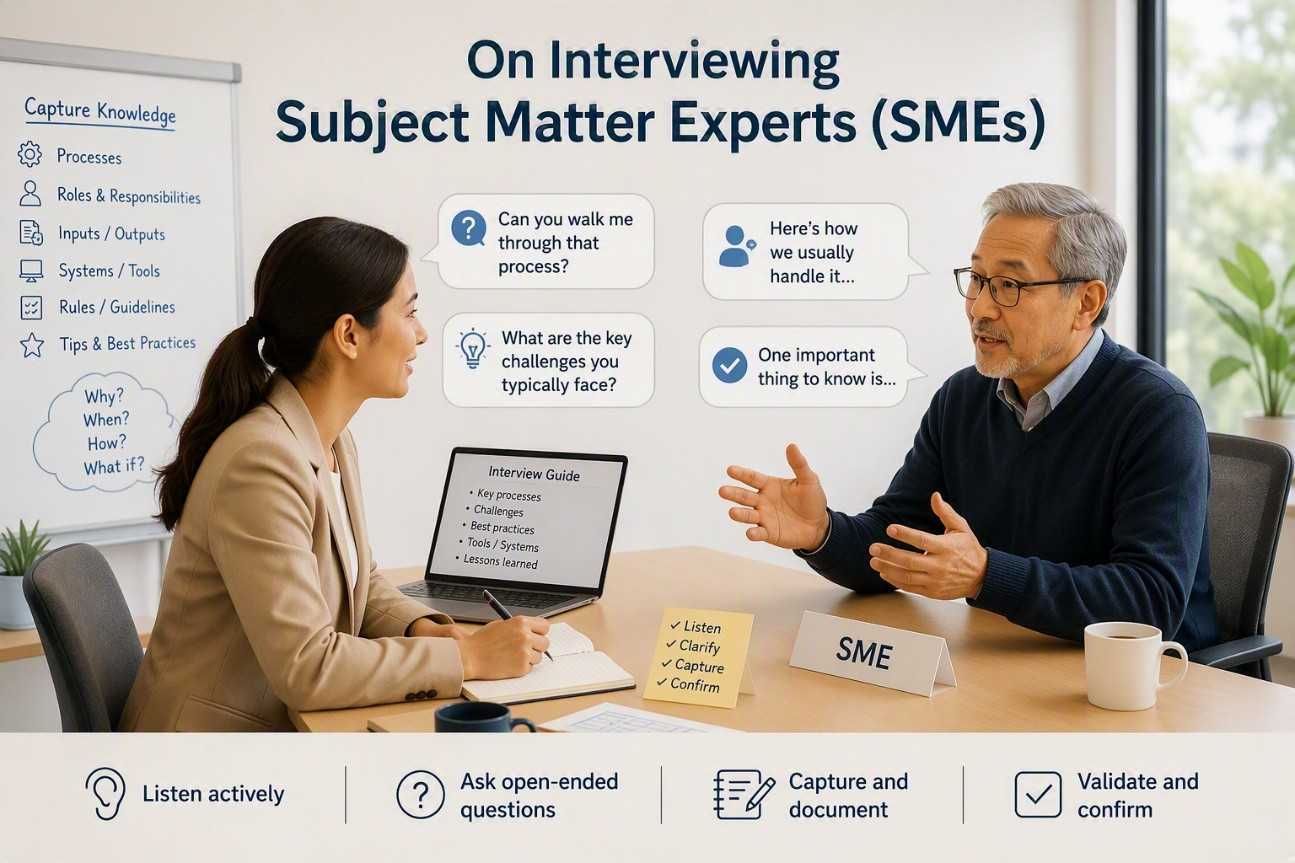
I have written a number of articles about strategies for interviewing subject matter experts, and I usually begin by explaining why interviewing SMEs is an important skill for technical communicators to master. But this time I’m going to begin with a defense of SMEs.
私はこれまで、専門家(SME)へのインタビュー戦略に関する記事を数多く執筆してきた。そして通常は、なぜSMEへのインタビューがテクニカルコミュニケーターにとって習得すべき重要なスキルなのかを説明することから始めている。しかし今回は、SMEを擁護することから始めたいと思う。
I’ve given many talks and workshops on interviewing SMEs, and the Q/A at the end inevitably shifts towards the difficulty of working with SMEs. And that can absolutely be the case sometimes, but no matter the situation – challenging or cordial — the approach taken unfailingly makes a difference, and I have always tried to provide solid strategies for how to get the answers you need as efficiently as possible, no matter the circumstances.
After all, collaborating with SMEs provides benefits to both sides. SMEs work with technical communicators to ensure that content is accurate and complete; they review content, and provide missing information, tips, and edge cases. And we help them understand the user perspective and deliver quality content that makes users more successful.
結局のところ、SMEとの協業は双方に利益をもたらすものである。SMEはテクニカルコミュニケーターと協力し、コンテンツの正確性と完全性を担保する。彼らはコンテンツをレビューし、不足している情報やヒント、例外的ケースを提供する。そして私たちは、彼らがユーザーの視点を理解し、ユーザーをより成功に導く高品質なコンテンツを届けるための支援を行う。
When writing software documentation, we can learn a great deal on our own about new features through research, testing, and issue tracking tickets. But when that isn’t enough to get the answers we need, SME interviews are necessary. These strategies for interviewing SMEs are the same for both synchronous one-on-one interviews and asynchronous question and answer exchanges in issue tracking tickets or messaging apps.
ソフトウェアドキュメントを執筆する際、リサーチやテスト、課題追跡チケットを通じて、新機能に関する多くの情報を自分自身で学ぶことができる。しかし、それだけでは必要な回答が得られない場合、SMEへのインタビューが不可欠となる。 これらのSMEインタビュー戦略は、1対1で行うリアルタイム(同期型)のインタビューであっても、課題追跡チケットやメッセージングアプリを介した非同期の質疑応答であっても、同様に有効である。
Identifying SMEs
SMEの特定
First of all, it’s important to learn who the SMEs are and cultivate relationships with them. Often a SME will be assigned to you — and you should work with that person — but expanding your cohort of SMEs will often improve the final product and make it easier to get quick answers to your questions in the future. SMEs are everywhere, and like a good journalist, you need to cultivate them as sources. Potential SMEs include (but are not limited to): Software developers, business analysts, quality assurance testers, technical support, product managers, sales professionals, and even (though this can be a little challenging to arrange) customers.
まず第一に、誰がSMEであるかを知り、彼らとの関係を培うことが重要である。多くの場合、特定のSMEが担当として割り当てられるため、その人物と協業すべきであるが、SMEのネットワークを拡大することは、最終成果物の質を向上させ、将来的に疑問が生じた際も迅速な回答を得やすくする。SMEは至る所に存在しており、優秀なジャーナリストのように、情報源として彼らとの関係を深める必要がある。SMEとなり得る対象には以下が含まれる(ただし、これらに限定されない)。ソフトウェア開発者、ビジネスアナリスト、品質保証(QA)テスター、テクニカルサポート、プロダクトマネージャー、営業担当者、そして(手配するのが少々困難な場合もあるが)顧客さえも対象となる。
Expanding Your SME Cohort
あなたのSME人脈の拡大
These suggestions are a mix of short-term and long-term efforts.
これらの提案は、短期的な取り組みと長期的な取り組みが混ざり合ったものである。
• During a SME interview, always ask “Who might have more information?” (And if there is additional information published internally – the author could be another resource).
SMEへのインタビュー中には、常に「他に誰がより多くの情報を持っているか」と質問する(また、社内で公開されている追加情報がある場合、その著者が別のリソースとなる可能性がある)。
• Volunteer to explain technical communicator responsibilities (which include interviewing SMEs) at new hire orientation (it may be a while before those new hires are SMEs, but existing SMEs usually attend orientation).
• Schedule meetings with other teams (such as QA and Customer Support) to explain what the information development team is working on and let them know you are available to answer questions.
他のチーム(QAやカスタマーサポートなど)との会議をスケジュールし、情報開発チームが取り組んでいる内容を説明するとともに、あなたが質問に対応可能であることを彼らに伝える。
• Post to the company messaging channels with Information Development team updates.
社内メッセージングチャンネルに情報開発チームの更新情報を投稿する。
Preparing SMEs
Not all SMEs know what their responsibilities are and may be nervous about being first time SMEs. Share the list of those responsibilities with them, as well as useful logistics – for example, project plans and deadlines, final deliverable(s), and the review process. While being a SME is not their primary job responsibility, most SMEs know how important their contribution is to the success of the product is. (If they don’t, remind them.)
すべてのSMEが自身の責務を理解しているわけではなく、初めてSMEを務めることに不安を感じている場合もある。責務のリストに加え、プロジェクトの計画や期限、最終成果物、レビュープロセスなどの役立つロジスティクス(運用上の詳細)を彼らと共有するとよい。SMEを務めることは彼らの本業ではないが、ほとんどのSMEは製品の成功において自身の貢献がいかに重要であるかを理解している(もし理解していない場合は、それを思い出させるとよい)
Kaleidico(@kaleidico)/Unsplash
Prepping Interview Questions
インタビュー質問の準備
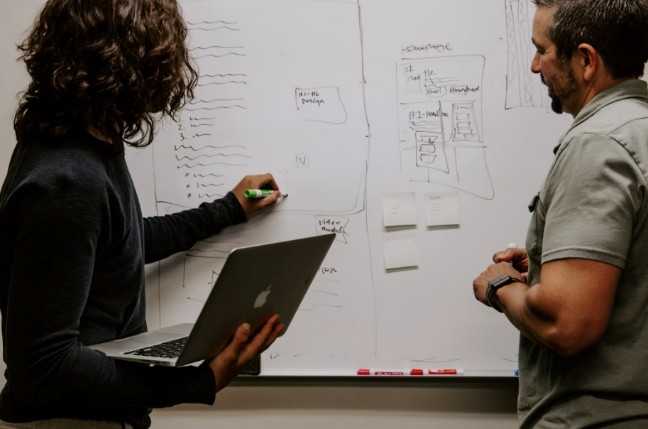
The next thing you need to do is prepare your questions. Start by reading project documents (such as issue tracking tickets, user stories, design artifacts) and testing the software. Take notes while you are researching. Your notes will come in handy when writing questions – as well as for your reference later when writing content.
次に行うべきことは、質問の準備である。まずはプロジェクト関連文書(課題追跡チケット、ユーザーストーリー、設計図など)を読み、ソフトウェアをテストすることから始める。調査中はメモを取るようにする。そのメモは質問を作成する際だけでなく、後でコンテンツを執筆する際の参照資料としても役立つ。
When writing questions – keep in mind one of the tenets of journalism – the 5 Ws and one H question (Who, What, Why, Where, When, How). For example, ask:
質問を作成する際は、ジャーナリズムの原則の一つである「5W1H(誰が, 何を, なぜ, どこで, いつ, どのように)」を念頭に置く。例えば、以下のように質問する。
• Who would use this feature? You know your audience, but you will gain insight into who the SME thinks the audience is for this content.
誰がこの機能を使用するのか。 あなた自身はターゲット層を理解しているが、SMEがこのコンテンツの対象者を誰だと考えているかについての洞察を得ることができる。
• What are the prerequisites? What are the feature prerequisites – is there anything users need to configure before using the feature (Not the software version, operating system, etc. Those should be in the project documents.)
前提条件は何か。 機能の前提条件として、ユーザーが機能を使用する前に設定しておくべき事項はあるか(ソフトウェアのバージョンやオペレーティングシステムなどではない。それらはプロジェクト文書に含まれているはずである)。
• When would users use this feature? When shouldn’t they use it?
ユーザーはいつこの機能を使用するのか。 また、どのようなときに使用すべきでないか。
• Why should they use this feature? This is often conceptual information – the use case.
なぜこの機能を使用すべきなのか。 これは多くの場合、概念的な情報(ユースケース)となる。
• How and the Where combine to explain the task. You may already know because you have tested the software but work through the steps together.
HowとWhereを組み合わせることでタスクの説明となる。すでにソフトウェアをテストして知っているかもしれないが、手順を一緒に確認しながら進める。
Write open-ended questions to avoid yes/no answers. And, since we are their representative, always consider the user perspective — what would they ask about the feature? What task would they be trying to accomplish? How will it make their job easier? If the interface has major changes, would it help the user if there was a chart explaining how to accomplish tasks in the old interface vs. the new?
「はい/いいえ」で終わる回答を避けるため、オープンエンド型の質問を作成する。そして、私たちはユーザーの代弁者であるため、常にユーザーの視点を考慮する。ユーザーはこの機能について何を質問するだろうか? どのようなタスクを達成しようとしているだろうか? それによってユーザーの業務はどのように楽になるだろうか? インターフェースに大幅な変更がある場合、旧インターフェースと新インターフェースでタスクを達成する方法を説明する図表があればユーザーの助けになるだろうか?
After you have all your questions written, your SME prepped, and the interview scheduled, you need to take the time to get your questions in order before the interview. The flow of questions is very important – the interview will go more smoothly if you aren’t jumping around from topic to topic. This step is especially useful if you promised to send the questions in advance.
すべての質問を書き出し、SMEの準備を整え、インタビューのスケジュールを設定した後は、インタビュー前に時間を取って質問の順序を整理する必要がある。質問のフロー(流れ)は非常に重要であり、トピックをあちこち飛び越えずに進めることで、インタビューはよりスムーズに進行する。このステップは、事前に質問を送ると約束している場合に特に有効である。

Vitaly Gariev (@silverkblack)/Unsplash
==============================
インターネット・コンピュータランキング
ネットサービスランキング
==============================

ズワイガニ 半むき身 生冷凍 1200g 1.2kg ズワイ蟹 ずわい蟹 かに 蟹 カニ 生 刺身 鍋用 しゃぶしゃぶ カニ刺し 送料無料 [TAKUMIの逸品] 価格:14,400円(税込、送料無料) (2026/1/8時点)


魚 セット さかな 切り身 詰め合わせ おにぎりの具 冷凍食品 焼き魚 食品 8種セット (約50gx16切入) 【 簡易包装(熨斗はありません)】 敬老の日 お歳暮 クリスマス お正月 ※ 訳あり 骨なし ではありません 価格:3,960円(税込、送料別) (2026/1/8時点)

Titan Army|タイタンアーミー ゲーミング液晶ディスプレイ(27型/FAST IPS/WQHD 2560×1440/320Hz/1ms/HDR1000/HDMI2.1/DP1.4/PBP・PIP対応/VESA)(ブラック) P275MS+ 価格:62,800円(税込、送料別) (2025/8/1時点)


-
(2)コンテンツ開発のABCccccc’s:卓越… 2026.10.13
-
テクニカルライティングにおける適応力:A… 2026.09.24
-
専門家(SME)へのインタビューについて … 2026.09.23


