


PR

jinsan0716
『JINさんの陽蜂農遠日記』にアクセスありがとう ございます。 このブログは、 陽:太陽光発電、 蜂:趣味の養蜂、 農:菜園、花、スロー&アクティブシニアライフ、 遠:旅行、 を中心とした備忘録を兼ねた18年間にわたる毎日のブログ(雑記帳)です。 書き込んでいただける方は、写真下の『コメントを書く』から 気楽に、ご感想、ご意見ご質問等を書き込んでいただきたく。
Keyword Search
▼キーワード検索
卓球 nojima T リー…
New!
オジン0523さん
南モンゴル・ゴビ砂漠… 隠居人はせじぃさん
【桜蓼 ・ 日曜はリ…
Gママさん
停電時に自動点灯す…
noahnoahnoahさん
エコハウスにようこそ ecologicianさん
南モンゴル・ゴビ砂漠…
隠居人はせじぃさん【桜蓼 ・ 日曜はリ…
Gママさん停電時に自動点灯す…
noahnoahnoahさんエコハウスにようこそ ecologicianさん
Comments
Calendar
2026.09.06

カテゴリ: JINさんの農園
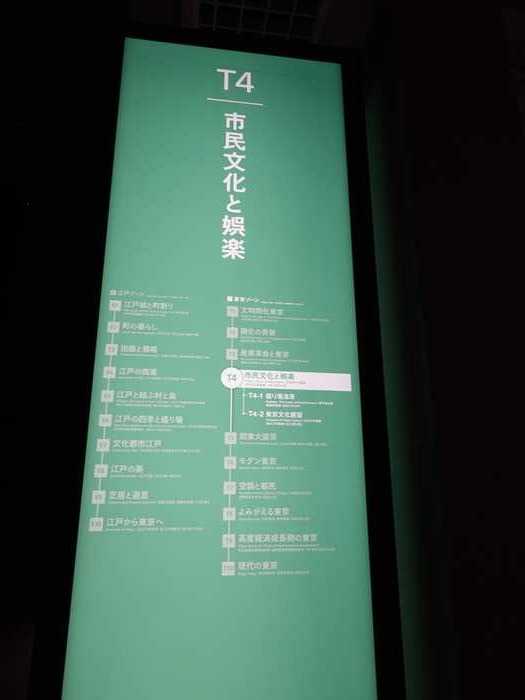
T4 市民文化と娯楽。
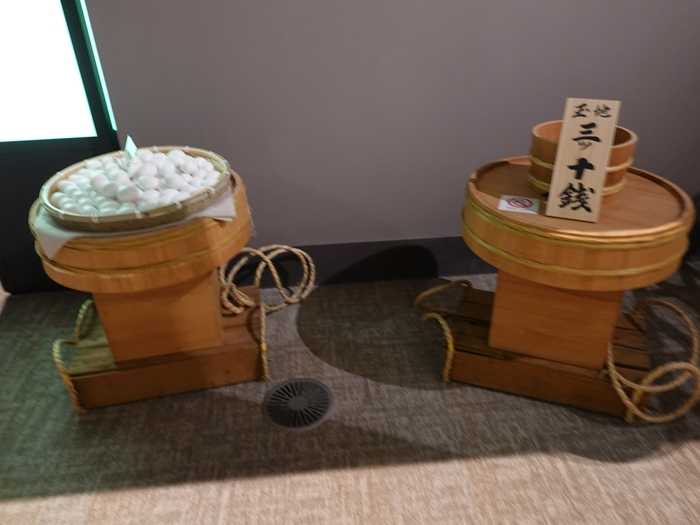
通路には「 地玉 三ツ 十銭 」と。
地元産の卵(地玉)3個で10銭と。
明治30年代の 「浅草花屋敷」の門 。
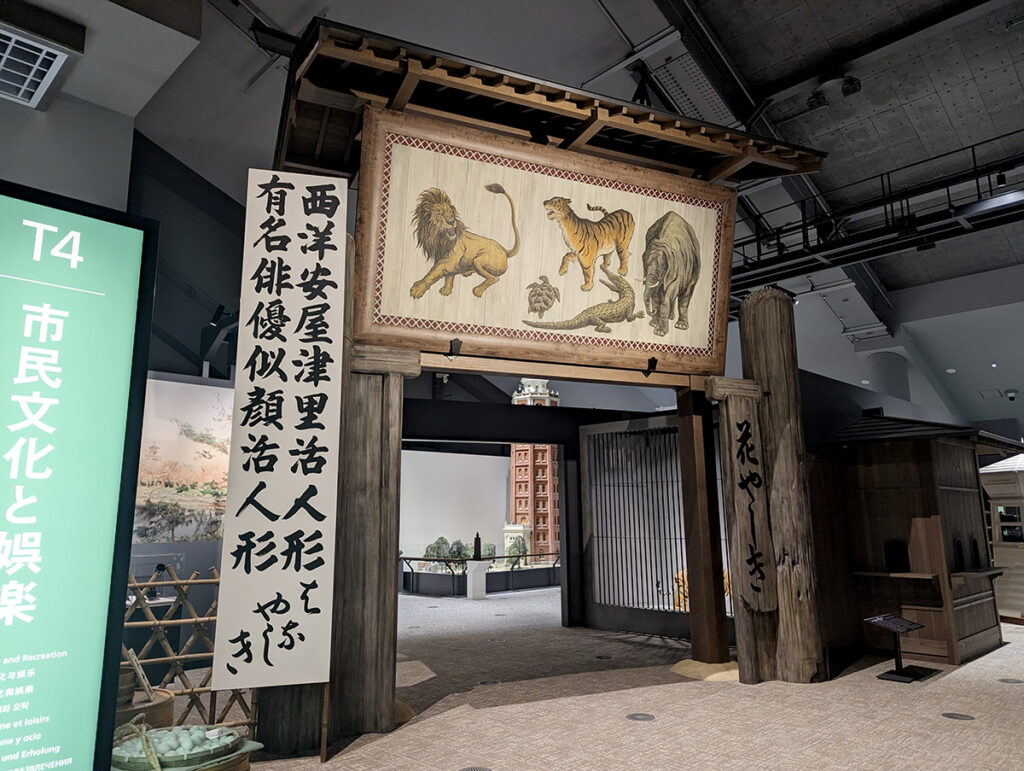
近づいて。
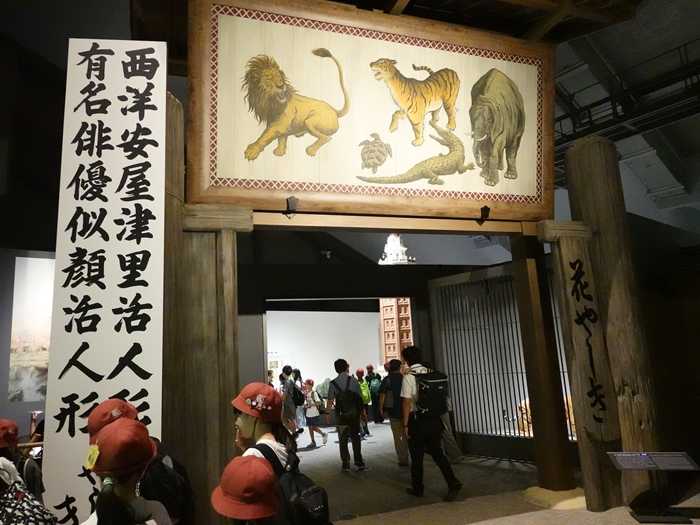
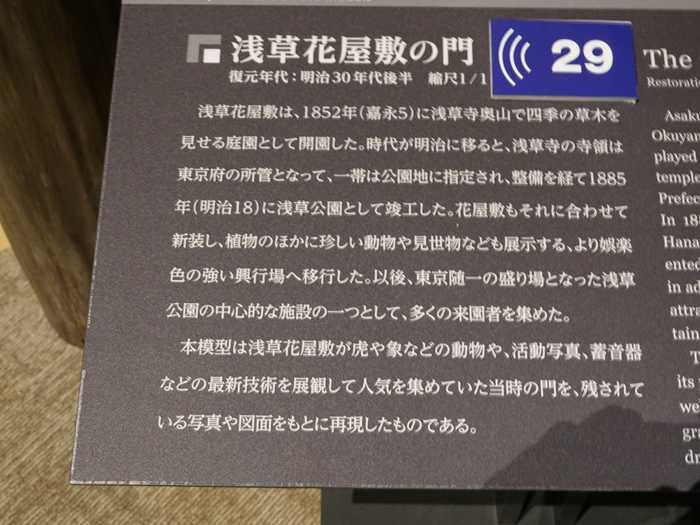
「 浅草花屋敷の門
復元年代:明治30年代後半 縮尺1/1
浅草花屋敷は、1852年(嘉永5)に浅草寺奥山で四季の草木を見せる庭園として開園 した。
整備を経て1885年(明治18)に浅草公園として竣工した。 花屋敷もそれに合わせて新装し、
植物のほかに珍しい動物や見世物なども展示する、より娯楽色の強い興行場へ移行 した。
以後、東京随一の盛り場となった浅草公園の中心的な施設の一つとして、多くの来園者を集めた。
本模型は浅草花屋敷が虎や象などの動物や、活動写真、蓄音器などの最新技術を展観して人気を
集めていた当時の門を、残されている写真や図面をもとに再現したも のである。」
「浅草花屋敷」の門 から 内部へ 。
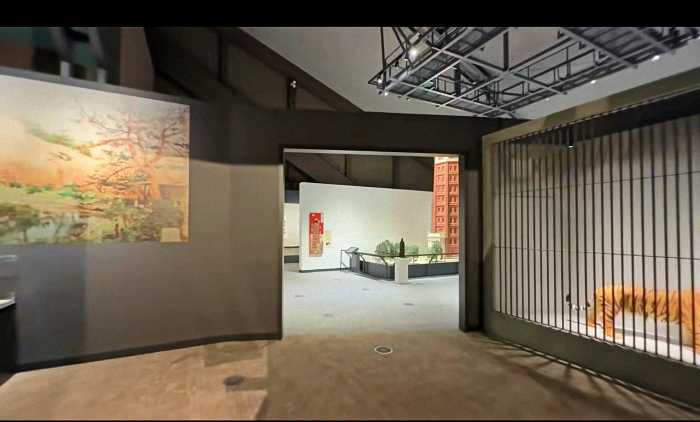
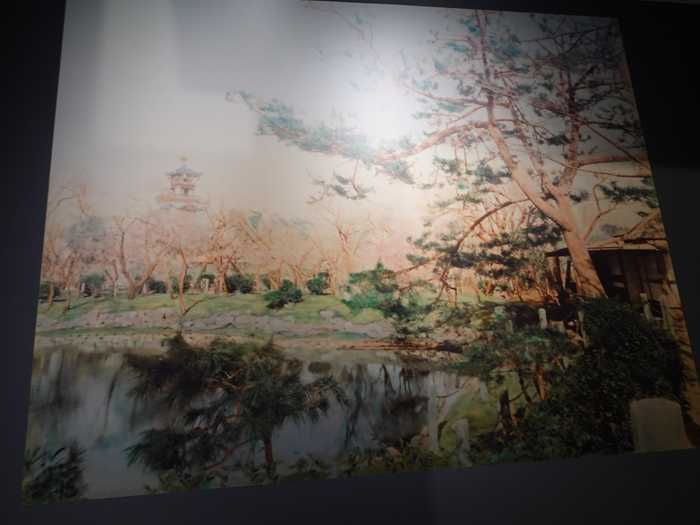
明治から大正初期頃の花屋敷、「奥山閣」の様子 。
凌雲閣(浅草十二階) の前にあった池の名前は、 瓢箪池(ひょうたんいけ) ( 正式名は「大池」 ) 。
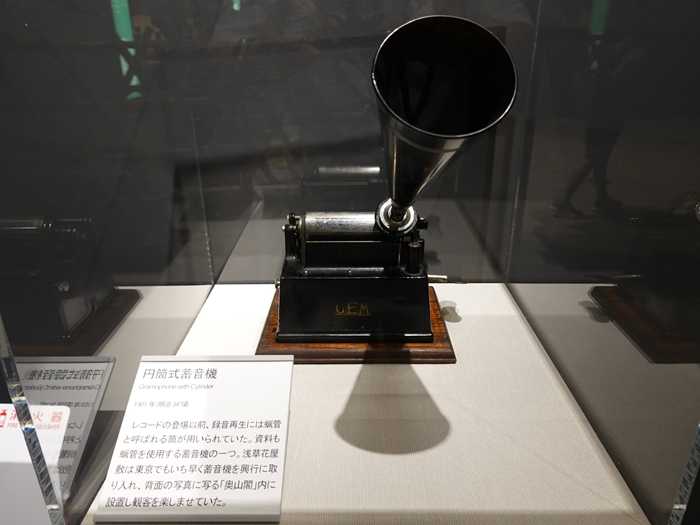
「 円筒式蓄音機
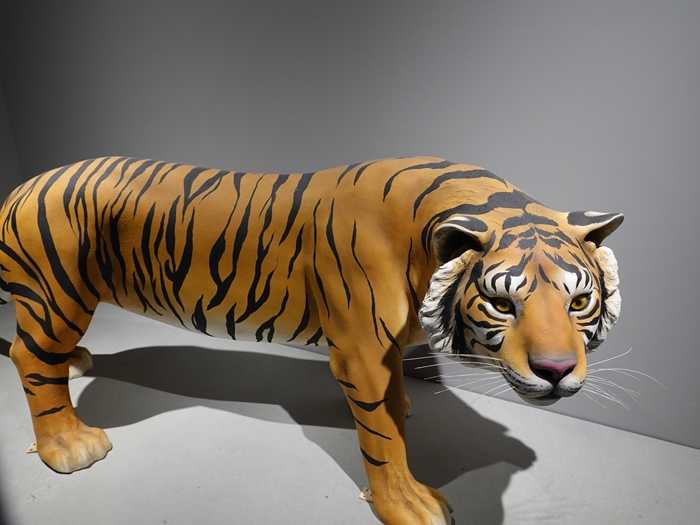
花屋敷で飼育されていた 虎
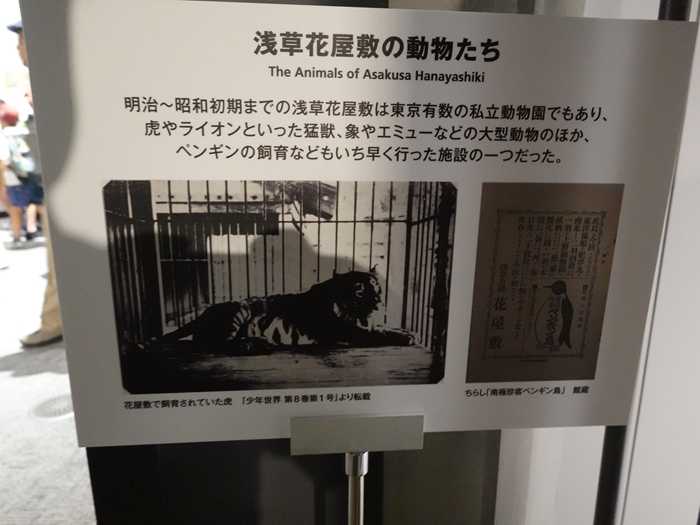
「 浅草花屋敷の動物たち
猛獣、象やエミューなどの大型動物のほか、ペンギンの飼育などもいち早く行った施設の
一つだった。」
「 T4ー盛り場浅草
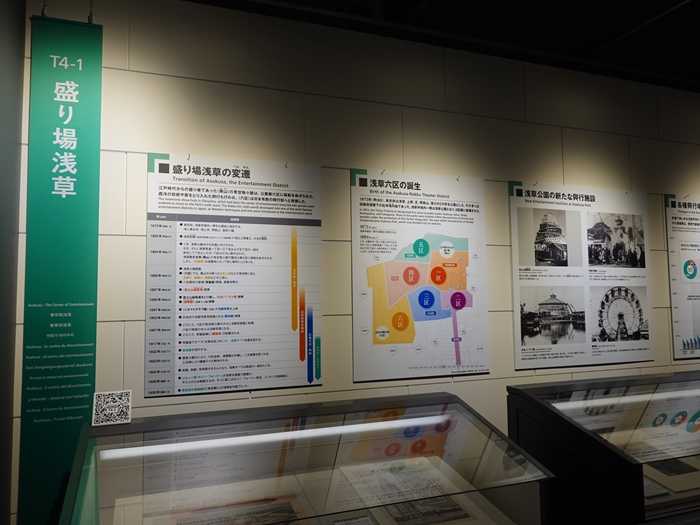
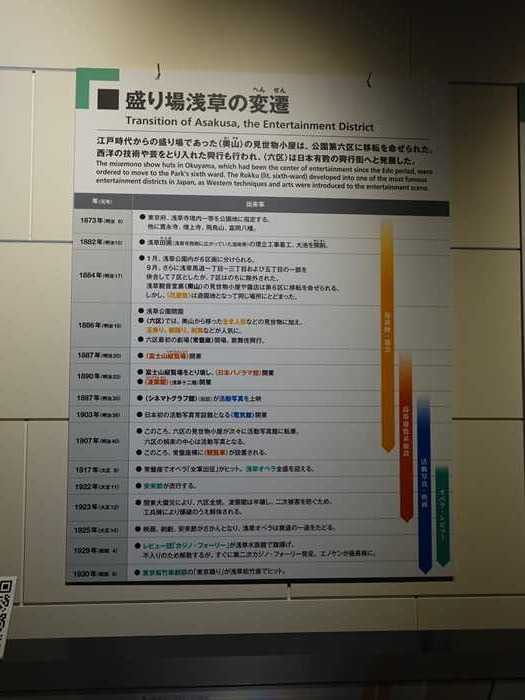
「 盛り場浅草の変遷
since the Edo period, were ordered to move to the Park's sixth ward.
The Rokku (lit. sixth-ward) developed into one of the most famous entertainment
districts in Japan, as Western techniques and arts were introduced
to the entertainment scene.」
「 盛り場浅草
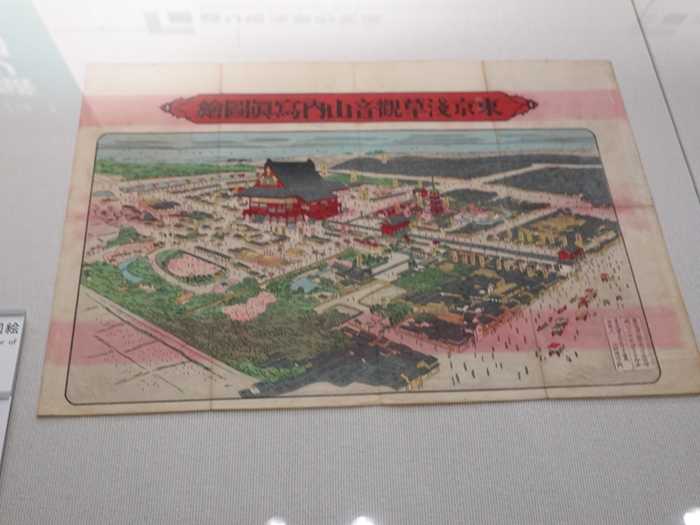
「 東京淺草観音山内寫眞圖繪(とうきょう あさくさ かんのん さんない しゃしん ずえ) 」。
明治初期の浅草寺境内を鳥瞰した錦絵。
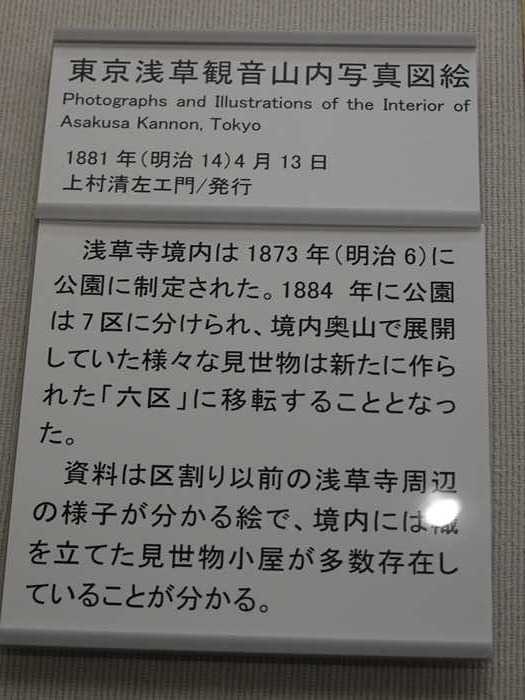
「 東京浅草観音山内写真図絵
「 浅草六区の誕生
「 六区誕生
「 銅版画
「 大日本凌雲閣之図
描かれたもので、2台の客室が釣り合い(カウンターウエイトのような関係)を利用して
上下する仕組みが表現されている。
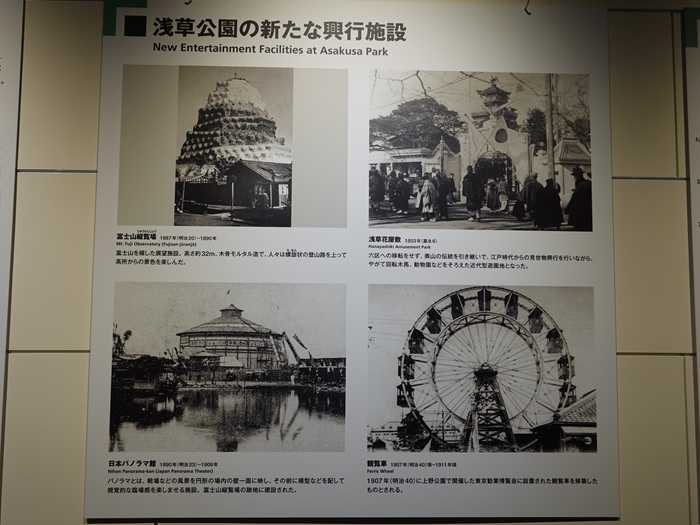
「 浅草公園の新たな興行施設
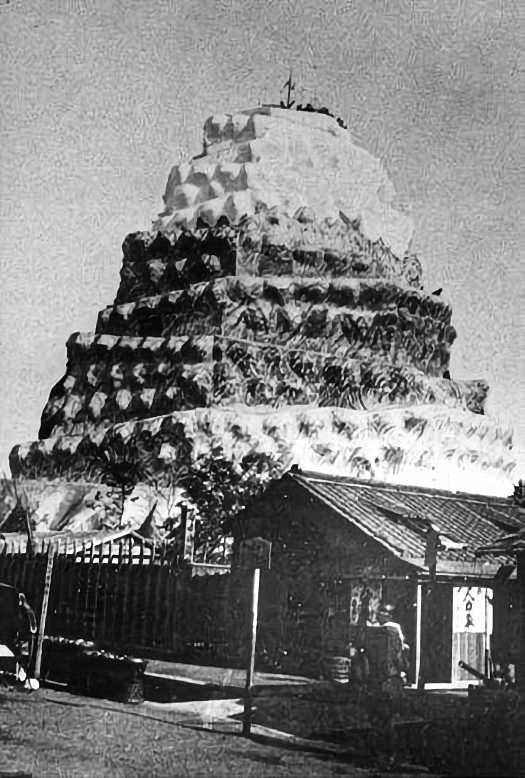
① 富士山縦覧場 をズームして。
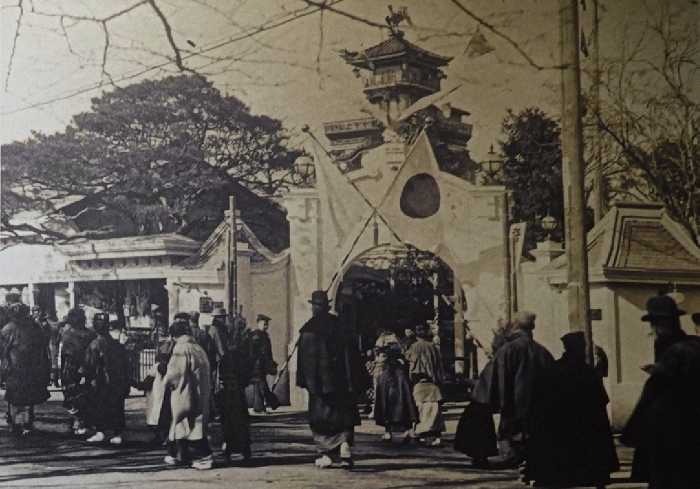
② 浅草花屋敷 をズームして。
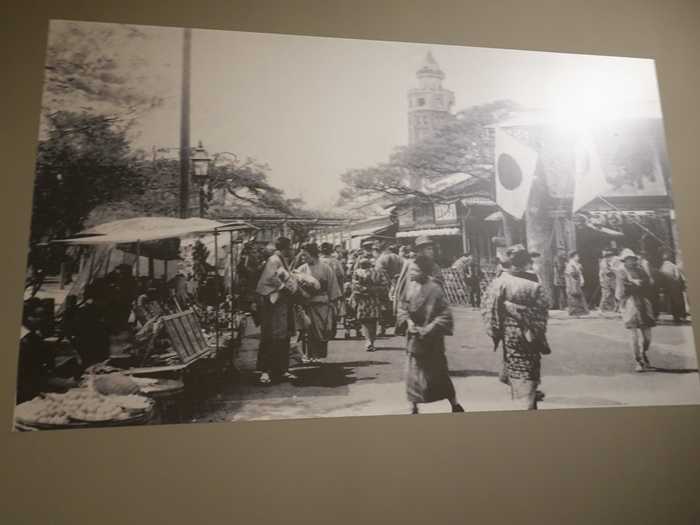
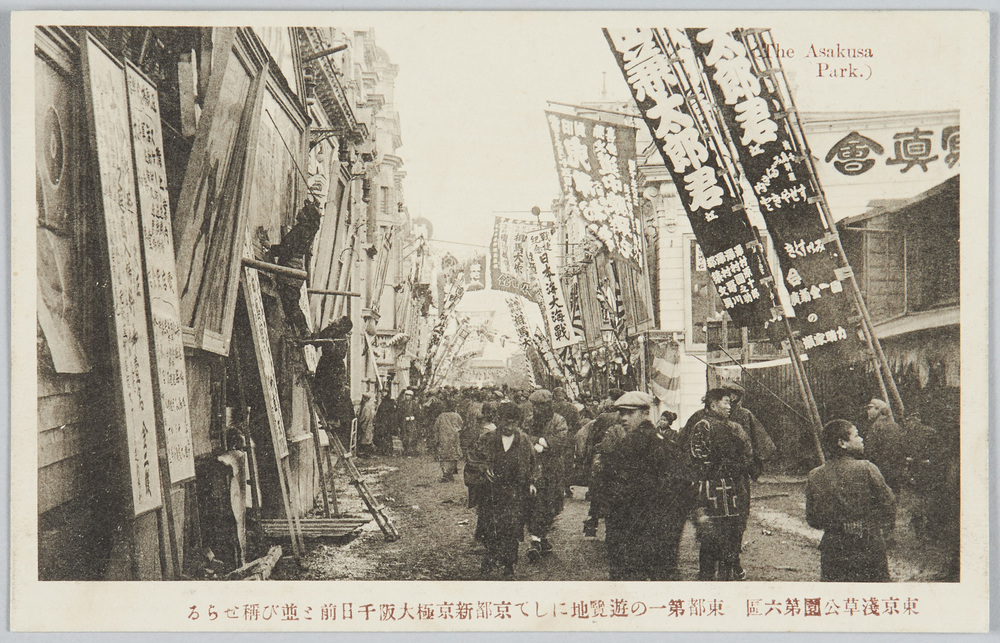
こちらは 凌雲閣(りょううんかく・十二階)の見える浅草六区(公園第六区)のにぎわい。
③ 日本パノラマ館 をネットから。

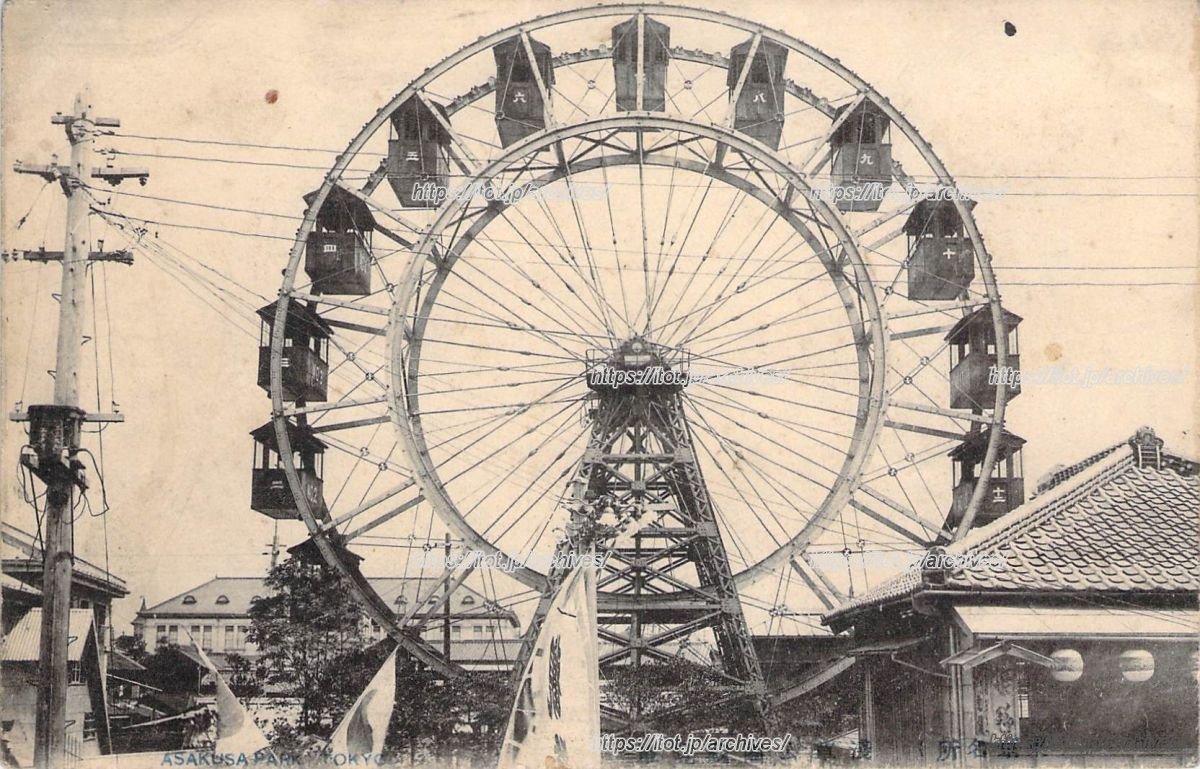
④ 観覧車 をネットから。
「 新板 浅草奥山芸人尽」
「 新板 浅草奥山芸人尽
「 浅草公園花屋敷興業チラシ
一大興行場であったことが伝わる。」
「 南極珍客ペンギン鳥
展示に加わった。当時は南極探検の映画が各地で公開された時期で、ペンギンも劇中に
登場しており、人々の関心も高かった。そのためチラシにも南米産なのに「南極」と
うたわれている。」
「南極珍客 ペンギン鳥
「 各種興行場における入場人員数の変化
By the 1910s, the number of visitors to moving picture theaters (movie theaters)
surpassed those to yose and theaters to become the top entertainment facility.」
「 民衆と娯楽
日本で初めて公開された活動写真(映画)は、1896年(明治29)、神戸でのキネトスコープで
あったが、最初の常設館は浅草六区の電気館である。その後、三友館、大勝館、世界館、帝国館、
富士館などが次々と六区に軒を連ね、活動写真の人気はうなぎのぼりとなっていった。
活動写真館は市外にも広がり、明治40年代には寄席や劇場の入場者数を抜いて、娯楽施設の
トップに立った。
「 「アントニーとクレオパトラ」写真帖
「 六区興行街の変遷
「 1908年(明治41年)
ネットから。
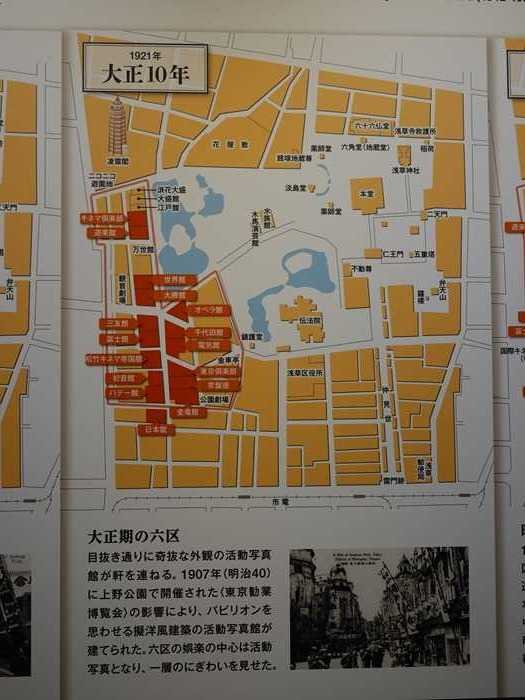
ネットからカラー版を。
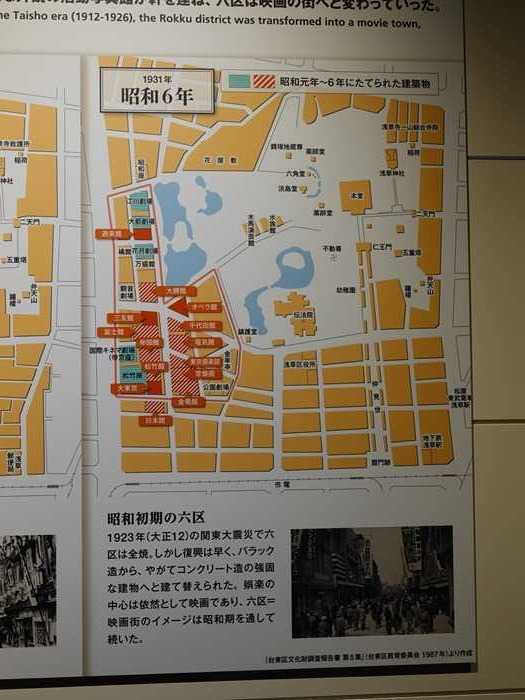
1931年 昭和6年
(凡例)
昭和元年~6年にたてられた建築物
ズームして。
『台東区文化財調査報告書 第5集』(台東区教育委員会 1987年)より作成。
「 六区活動写真館の開業年
左側説明板
「浅草オペラ絵葉書
「 大合同根岸歌劇団第3回 特別大興行プログラム
「 浅草六区の様々な興行
・・・もどる・・・
・・・つづく・・・
通路には「 地玉 三ツ 十銭 」と。
地元産の卵(地玉)3個で10銭と。
明治30年代の 「浅草花屋敷」の門 。
近づいて。
「 浅草花屋敷の門
復元年代:明治30年代後半 縮尺1/1
浅草花屋敷は、1852年(嘉永5)に浅草寺奥山で四季の草木を見せる庭園として開園 した。
整備を経て1885年(明治18)に浅草公園として竣工した。 花屋敷もそれに合わせて新装し、
植物のほかに珍しい動物や見世物なども展示する、より娯楽色の強い興行場へ移行 した。
以後、東京随一の盛り場となった浅草公園の中心的な施設の一つとして、多くの来園者を集めた。
本模型は浅草花屋敷が虎や象などの動物や、活動写真、蓄音器などの最新技術を展観して人気を
集めていた当時の門を、残されている写真や図面をもとに再現したも のである。」
「浅草花屋敷」の門 から 内部へ 。
明治から大正初期頃の花屋敷、「奥山閣」の様子 。
凌雲閣(浅草十二階) の前にあった池の名前は、 瓢箪池(ひょうたんいけ) ( 正式名は「大池」 ) 。
「 円筒式蓄音機
Gramophone with Cylinder
1901年(明治34)頃
レコードの登場以前、録音再生には蝋管(ろうかん)と呼ばれる筒が用いられていた。
資料も蝋管を使用する蓄音機の一つ。浅草花屋敷は東京でもいち早く蓄音機を興行に取り入れ、
背面の写真に写る「奥山閣」内に設置し観客を楽しませていた。」
資料も蝋管を使用する蓄音機の一つ。浅草花屋敷は東京でもいち早く蓄音機を興行に取り入れ、
背面の写真に写る「奥山閣」内に設置し観客を楽しませていた。」
花屋敷で飼育されていた 虎
「 浅草花屋敷の動物たち
The Animals of Asakusa Hanayashiki
明治〜昭和初期までの浅草花屋敷は東京有数の私立動物園でもあり、虎やライオンといった猛獣、象やエミューなどの大型動物のほか、ペンギンの飼育などもいち早く行った施設の
一つだった。」
左写真
花屋敷で飼育されていた虎
『少年世界 第8巻第1号』より転載
右写真
ちらし「南極珍客ペンギン鳥」
「 T4ー盛り場浅草
「 盛り場浅草の変遷
Transition of Asakusa, the Entertainment District
江戸時代からの盛り場であった〈奥山〉の見世物小屋は、公園第六区に移転を命ぜられた。
西洋の技術や芸をとり入れた興行も行われ、〈六区〉は日本有数の興行街へと発展した。
The misemono show huts in Okuyama, which had been the center of entertainmentsince the Edo period, were ordered to move to the Park's sixth ward.
The Rokku (lit. sixth-ward) developed into one of the most famous entertainment
districts in Japan, as Western techniques and arts were introduced
to the entertainment scene.」
年(元号)/出来事
1873年(明治6)
● 東京府、浅草寺境内一帯を公園地に指定する。
他に寛永寺、増上寺、飛鳥山、高尾八幡。
1882年(明治15)
● 浅草田圃(浅草寺西側に広がっていた湿地帯)の埋立工事着工、大池を開削。
1884年(明治17)
● 1月、浅草公園内が6区画に分けられる。
● 9月、さらに浅草馬道一丁目~三丁目および五丁目の一部を併合して7区としたが、
7区はのちに除外された。
7区はのちに除外された。
● 浅草観音堂裏(奥山)の見世物小屋や露店は第6区に移転を命ぜられる。
しかし、花屋敷は遊園地となって同じ場所にとどまった。
1886年(明治19)
● 浅草公園開園。
● 六区では、奥山から移った生き人形などの見世物に加え、玉乗り・軽業・剣舞などが人気に。
● 六区最初の劇場(常盤座)開場、歌舞伎興行。
1887年(明治20)
● 富士山縦覧場開業。
1890年(明治23)
● 富士山縦覧場をとり壊し、日本パノラマ館開業。
● 凌雲閣(浅草十二階)開業。
1897年(明治30)
● シネマトグラフ館(仮設)が活動写真を上映。
1903年(明治36)
● 日本初の活動写真常設館となる電気館開業。
1907年(明治40)
● このころ、六区の見世物小屋が次々に活動写真館に転業。
● 六区の娯楽の中心は活動写真となる。
● このころ、常盤座横に観覧車が設置される。
1917年(大正6)
● 常盤座でオペラ女優・松井須磨子が出演しヒット。
浅草オペラ全盛を迎える。
1922年(大正11)
● 安来節が流行する。
1923年(大正12)
● 関東大震災により、六区全焼。
凌雲閣は半壊し、二次被害を防ぐため、工兵隊により爆破のうえ解体される。
1925年(大正14)
● 映画、剣劇、安来節がさかんとなり、浅草オペラは衰退の一途をたどる。
1929年(昭和4)
● レビュー団「カジノ・フォーリー」が浅草水族館で旗揚げ。
不入りのため解散するが、すぐに第二次カジノ・フォーリー発足。エノケンが座長格に。
1930年(昭和5)
● 東京松竹楽劇部の「東京踊り」が浅草松竹座でヒット。
右側の分類
■
見世物・雑芸(Miscellaneous shows and entertainments)
■
高塔遊覧系施設(Observation tower attractions)
■
活動写真・映画(Motion pictures / Cinema)
■
オペラ・レビュー(Opera / Revue)
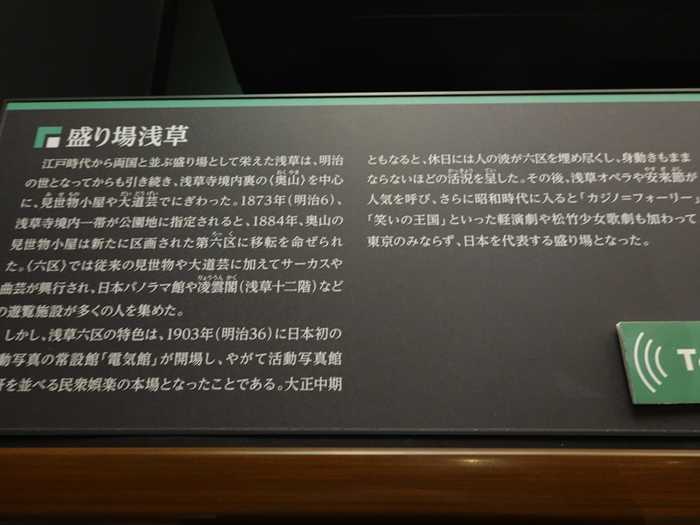
「 盛り場浅草
江戸時代から両国と並ぶ盛り場として栄えた浅草は、明治の世となってからも引き続き、浅草寺
境内裏の〈奥山〉を中心に、見世物小屋や大道芸でにぎわった。
境内裏の〈奥山〉を中心に、見世物小屋や大道芸でにぎわった。
1873年(明治6)、浅草寺境内一帯が公園地に指定されると、1884年、奥山の見世物小屋は
新たに区画された第六区に移転を命ぜられた。
新たに区画された第六区に移転を命ぜられた。
〈六区〉では従来の見世物や大道芸に加えてサーカスや曲芸が興行され、日本パノラマ館や
凌雲閣(浅草十二階)などの遊覧施設が多くの人を集めた。
凌雲閣(浅草十二階)などの遊覧施設が多くの人を集めた。
しかし、浅草六区の特色は、1903年(明治36)に日本初の活動写真の常設館「電気館」が
開場し、やがて活動写真館を並べる民衆娯楽の本場となったことである。
開場し、やがて活動写真館を並べる民衆娯楽の本場となったことである。
大正中期ともなると、休日には人の波が六区を埋め尽くし、身動きもままならないほどの活況を
呈した。
呈した。
その後、浅草オペラや安来節が人気を呼び、さらに昭和時代に入ると「カジノ・フォーリー」
「笑いの王国」といった軽演劇や松竹少女歌劇も加わって、東京のみならず、日本を代表する
盛り場となった。 」
「笑いの王国」といった軽演劇や松竹少女歌劇も加わって、東京のみならず、日本を代表する
盛り場となった。 」
「 東京淺草観音山内寫眞圖繪(とうきょう あさくさ かんのん さんない しゃしん ずえ) 」。
明治初期の浅草寺境内を鳥瞰した錦絵。
発行所(文書は宛先) 上村清左工門
年代 明治前期明治14年 1881 19世紀
・浅草寺本堂が中央に大きく描かれている。
・本堂右側に五重塔が見える。
・本堂前から南へ延びる仲見世が一直線に描かれている。
・左手には広い庭園をもつ花屋敷が描かれている。
・境内西側には奥山(見世物小屋が集まっていた場所)が描かれている。
・周囲にはまだ緑地が多く、明治初期の浅草公園周辺の様子がよく分かる。
「 東京浅草観音山内写真図絵
Photographs and Illustrations of the Interior of Asakusa Kannon, Tokyo
1881年(明治14)4月13日
上村清左エ門/発行
浅草寺境内は1873年(明治6)に公園に制定された。1884年に公園は7区に分けられ、
境内奥山で展開していた様々な見世物は新たに作られた「六区」に移転することとなった。
境内奥山で展開していた様々な見世物は新たに作られた「六区」に移転することとなった。
資料は区割り以前の浅草寺周辺の様子が分かる絵で、境内には幟を立てた見世物小屋が
多数存在していることが分かる。」
多数存在していることが分かる。」
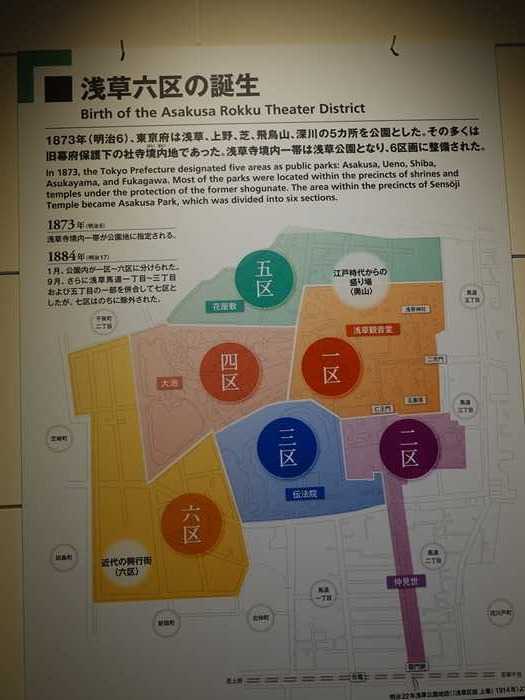
「 浅草六区の誕生
Birth of the Asakusa Rokku Theater District
1873年(明治6)、東京府は浅草、上野、芝、飛鳥山、深川の5カ所を公園とした。
その多くは旧幕府保護下の社寺境地であった。浅草寺境内一帯は浅草公園となり、6区画に
整備された。
Birth of the Asakusa Rokku Theater District
その多くは旧幕府保護下の社寺境地であった。浅草寺境内一帯は浅草公園となり、6区画に
整備された。
Birth of the Asakusa Rokku Theater District
In 1873, the Tokyo Prefecture designated five areas as public parks: Asakusa, Ueno,
Shiba, Asukayama, and Fukagawa. Most of the parks were located within the precincts
of shrines and temples under the protection of the former shogunate.
The area within the precincts of Sensōji Temple became Asakusa Park, which was
divided into six sections. 」
Shiba, Asukayama, and Fukagawa. Most of the parks were located within the precincts
of shrines and temples under the protection of the former shogunate.
The area within the precincts of Sensōji Temple became Asakusa Park, which was
divided into six sections. 」
年表
1873年(明治6)
浅草寺境内一帯が公園地に指定される。
1884年(明治17)
1月、公園内が一区〜六区に分けられた。
9月、さらに浅草馬道一丁目〜三丁目および五丁目の一部を併合して七区としたが、
七区はのちに除外された。
七区はのちに除外された。
地図中の主な表示
・一区 浅草観音堂
・二区 仲見世
・三区 伝法院
・四区 大池
・五区 花屋敷
・六区 近代の興行街(六区)
そのほか
・江戸時代からの盛り場(奥山)
・浅草神社
・仁王門
・二天門
・五重塔
周辺町名
・千束町二丁目
・芝崎町
・田島町
・新畑町
・北仲町
・馬道一丁目
・馬道二丁目
・馬道三丁目
・馬道五丁目
・花川戸町
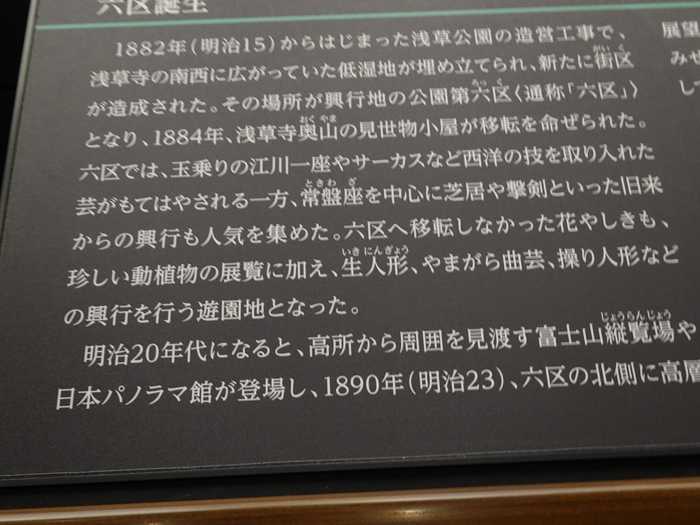
「 六区誕生
1882年(明治15)からはじまった浅草公園の造営工事で、浅草寺の南西に広がっていた
低湿地が埋め立てられ、新たに街区が造成された。その場所が興行地の公園第六区
(通称「六区」)となり、1884年、浅草寺奥山の見世物小屋が移転を命ぜられた。
低湿地が埋め立てられ、新たに街区が造成された。その場所が興行地の公園第六区
(通称「六区」)となり、1884年、浅草寺奥山の見世物小屋が移転を命ぜられた。
六区では、玉乗りの江川一座やサーカスなど西洋の技を取り入れた芸がもてはやされる一方、
常盤座を中心に芝居や撃剣といった旧来からの興行も人気を集めた。六区へ移転しなかった
花やしきも、珍しい動植物の展覧に加え、生人形(いきにんぎょう)、やまがら曲芸、
操り人形などの興行を行う遊園地となった。
常盤座を中心に芝居や撃剣といった旧来からの興行も人気を集めた。六区へ移転しなかった
花やしきも、珍しい動植物の展覧に加え、生人形(いきにんぎょう)、やまがら曲芸、
操り人形などの興行を行う遊園地となった。
明治20年代になると、高所から周囲を見渡す富士山縦覧場(じゅうらんじょう)や
日本パノラマ館が登場し、1890年(明治23)、六区の北側に高層展望・・・・・」
日本パノラマ館が登場し、1890年(明治23)、六区の北側に高層展望・・・・・」
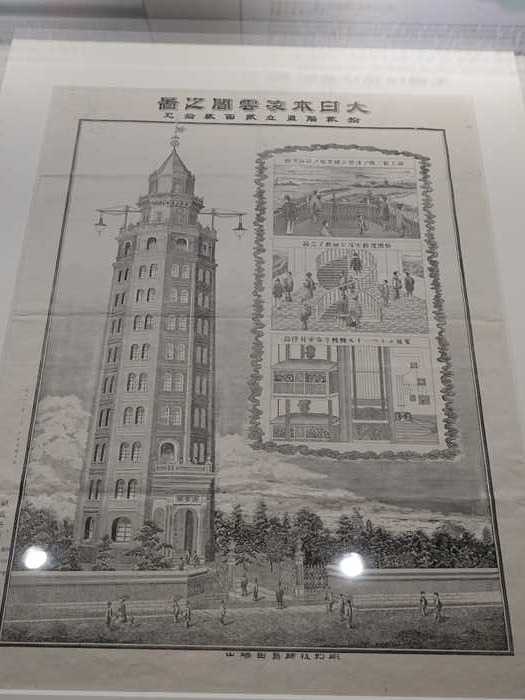
「 銅版画
大日本凌雲閣之図
拾貳階直立貳百貳拾尺(=高さ220尺・十二階建)
下部
彫刻技師 島田瑞山
画中の説明
画中の説明
右側には3つの小図が描かれている。
上段
展望台から東京市街を眺める様子
中段
螺旋階段
下段
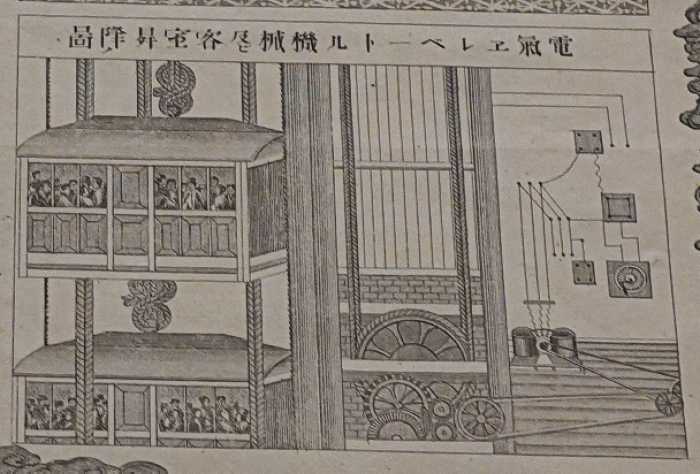
電氣エレベートル機械及ビ客室昇降模ノ圖
(電気エレベータ機械の仕組みと乗客昇降の様子)」
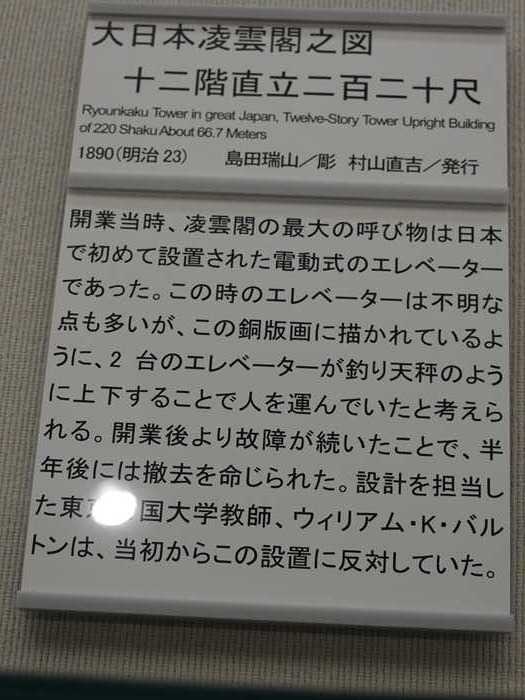
「 大日本凌雲閣之図
十二階直立二百二十尺
Ryounkaku Tower in Great Japan, Twelve-Story Tower Upright Building of 220 Shaku
About 66.7 Meters
About 66.7 Meters
1890(明治23)
島田瑞山/彫
村山直吉/発行
開業当時、 凌雲閣の最大の呼び物は日本で初めて設置された電動式のエレベーター
であった。
この時のエレベーターは不明な点も多いが、この銅版画に描かれているように、2台の
エレベーターが釣り天秤のように上下することで人を運んでいたと考えられる。
エレベーターが釣り天秤のように上下することで人を運んでいたと考えられる。
開業後より故障が続いたことで、半年後には撤去を命じられた。
設計を担当した東京帝国大学教師、ウィリアム・K・バルトンは、当初からこの設置に
反対していた。」
反対していた。」
電氣エレベートル機械及ビ客室昇降模ノ圖
ズームして。
この図は、当時としては最新技術だった日本初の電動式エレベーターの構造を紹介するために描かれたもので、2台の客室が釣り合い(カウンターウエイトのような関係)を利用して
上下する仕組みが表現されている。
・左側:2台のエレベーターかご(客室)が描かれている。
・中央:昇降路(シャフト)と滑車・歯車などの伝動機構。
・右側:電気配線、制御器、計器などの電気設備。
「 浅草公園の新たな興行施設
New Entertainment Facilities at Asakusa Park
① 富士山縦覧場
富士山縦覧場 1887年(明治20)~1890年
Mt. Fuji Observatory (Fujisan jūranjō)
富士山を模した展望施設。高さ約32m、木骨モルタル造で、人々は螺旋状の登山路を上って
高所からの景色を楽しんだ。
高所からの景色を楽しんだ。
A viewing facility modeled after Mt. Fuji. About 32 meters high and built with a
timber-frame mortar structure. Visitors climbed a spiral pathway to enjoy panoramic
views from the top.
timber-frame mortar structure. Visitors climbed a spiral pathway to enjoy panoramic
views from the top.
② 浅草花屋敷
浅草花屋敷 1853年(嘉永6)
Hanayashiki Amusement Park
六区への移転をせず、奥山の伝統を引き継いで、江戸時代からの見世物興行を行いながら、
やがて回転木馬、動物園などをそろえた近代型遊園地となった。
やがて回転木馬、動物園などをそろえた近代型遊園地となった。
Instead of relocating to the Rokku district, Hanayashiki continued the Okuyama tradition
of Edo-period sideshows. It later developed into a modern amusement park featuring
attractions such as a merry-go-round and a zoo.
of Edo-period sideshows. It later developed into a modern amusement park featuring
attractions such as a merry-go-round and a zoo.
③ 日本パノラマ館
日本パノラマ館 1890年(明治23)~1909年
Nihon Panorama-kan (Japan Panorama Theater)
パノラマとは、戦場などの風景を円形の場内の壁一面に映し、その前に模型などを配して
視覚的な臨場感を楽しませる施設。富士山縦覧場の跡地に建設された。
視覚的な臨場感を楽しませる施設。富士山縦覧場の跡地に建設された。
A panorama theater displayed large circular paintings of battlefields and other scenes
around the interior wall, with models placed in front to create a realistic visual
experience. It was built on the former site of the Mt. Fuji Observatory.
around the interior wall, with models placed in front to create a realistic visual
experience. It was built on the former site of the Mt. Fuji Observatory.
④ 観覧車
観覧車 1907年(明治40)頃~1911年頃
Ferris Wheel
1907年(明治40)に上野公園で開催した東京勧業博覧会に設置された観覧車を移築した
ものとされる。
ものとされる。
This Ferris wheel is believed to have been relocated from the one installed at the Tokyo
Industrial Exposition held in Ueno Park in 1907.」
Industrial Exposition held in Ueno Park in 1907.」
① 富士山縦覧場 をズームして。
② 浅草花屋敷 をズームして。
こちらは 凌雲閣(りょううんかく・十二階)の見える浅草六区(公園第六区)のにぎわい。
③ 日本パノラマ館 をネットから。
④ 観覧車 をネットから。
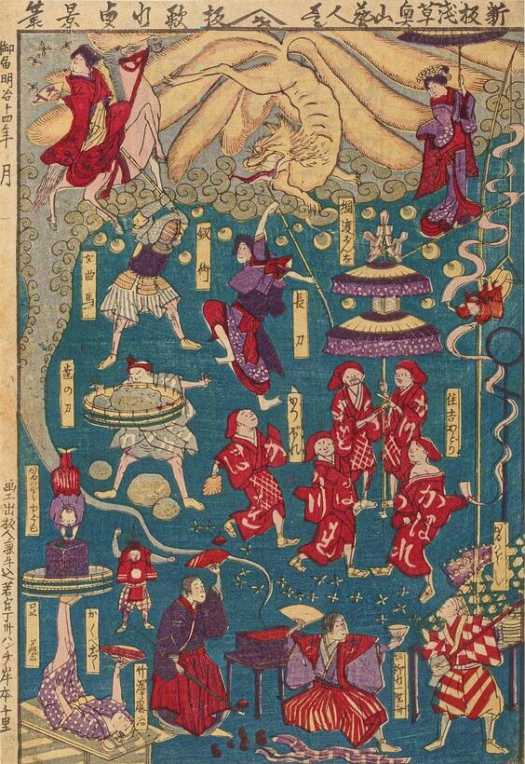
「 新板 浅草奥山芸人尽」
この錦絵は、浅草奥山・六区で人気を集めていた芸人や見世物芸を一枚にまとめた
「興行案内図」のような作品
「興行案内図」のような作品
・左上:馬上の人物
・上中央:龍・虎などを伴う見世物的な構成
・上中左:剣術または武芸
・上中央:弓を構える人物
・左中央:大きな輪状の道具を扱う芸
・左下寄り:台の上で逆立ちする軽業
・中央右:赤い衣装の踊り・音曲芸人
・下中央:傘や道具を使う曲芸・奇術
・右下:扇・盃・三味線などを用いる芸
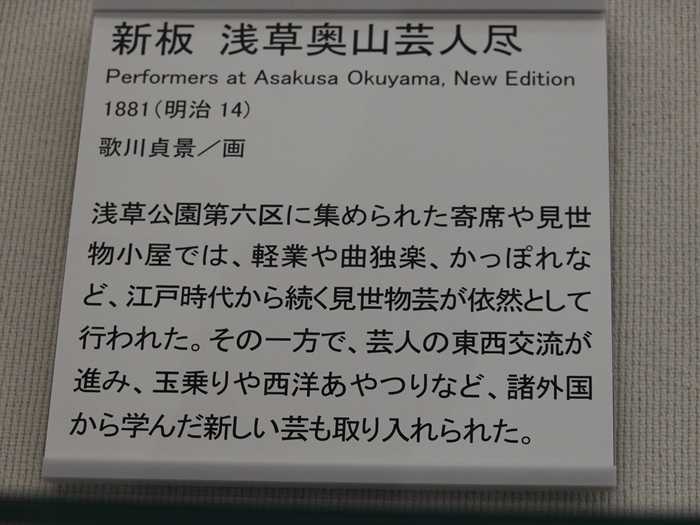
「 新板 浅草奥山芸人尽
Performers at Asakusa Okuyama, New Edition
1881(明治14)
歌川真景/画
浅草公園第六区に集められた寄席や見世物小屋では、軽業や曲独楽、かっぽれなど、
江戸時代から続く見世物芸が依然として行われた。
江戸時代から続く見世物芸が依然として行われた。
その一方で、芸人の東西交流が進み、玉乗りや西洋あやつりなど、諸外国から学んだ
新しい芸も取り入れられた。」
新しい芸も取り入れられた。」
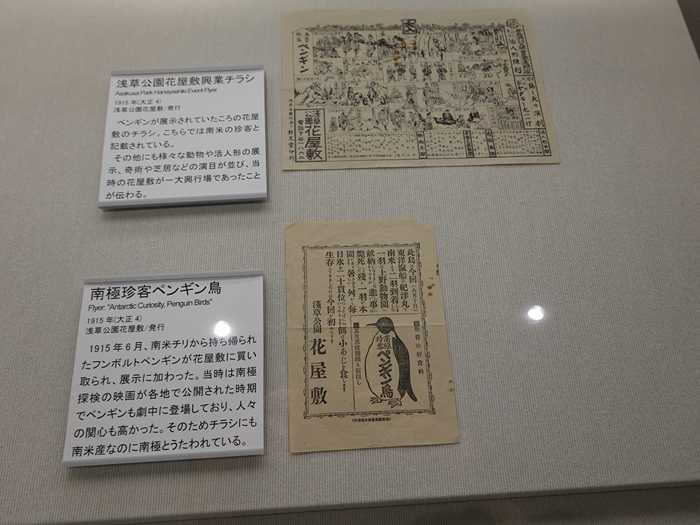
「 浅草公園花屋敷興業チラシ
Asakusa Park Hanayashiki Event Flyer
1915年(大正4)
浅草公園花屋敷/発行
ペンギンが展示されていたころの花屋敷のチラシ。こちらでは南米の珍客と記載されている。
その他にも様々な動物や活人形の展示、奇術や芝居などの演目が並び、当時の花屋敷が一大興行場であったことが伝わる。」
「 南極珍客ペンギン鳥
Flyer: "Antarctic Curiosity, Penguin Birds"
1915年(大正4)
浅草公園花屋敷/発行
1915年6月、南米チリから持ち帰られたフンボルトペンギンが花屋敷に買い取られ、展示に加わった。当時は南極探検の映画が各地で公開された時期で、ペンギンも劇中に
登場しており、人々の関心も高かった。そのためチラシにも南米産なのに「南極」と
うたわれている。」
「南極珍客 ペンギン鳥
此鳥は今回(六月十日)東洋滊船の紀洋丸に南米よりニ羽到着しました。
一羽は上野動物園へ献納になりましたそうですが、悲しい事には斃死しました。
残る一羽が本園にあります。暑さをきらい外から舛から毎日氷を二十貫位つつそばに
おいてやります。餌は小あじを食します。
残る一羽が本園にあります。暑さをきらい外から舛から毎日氷を二十貫位つつそばに
おいてやります。餌は小あじを食します。
生存してきましたのは今回が初めてです。
淺草公園 花屋敷」
淺草公園 花屋敷」
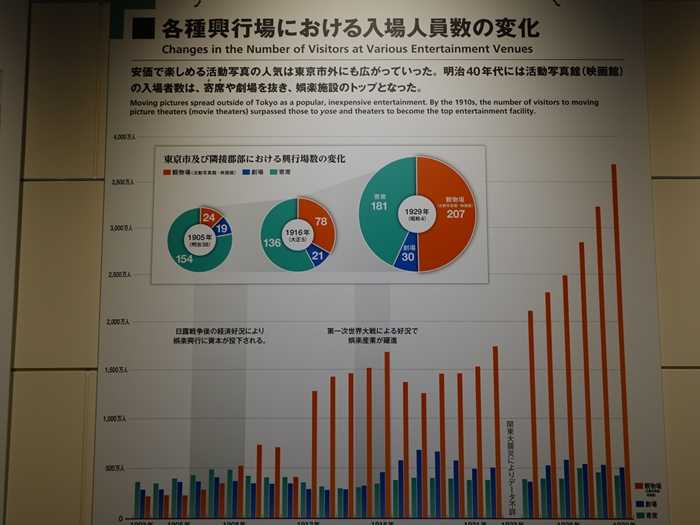
「 各種興行場における入場人員数の変化
Changes in the Number of Visitors at Various Entertainment Venue
安価で楽しめる活動写真の人気は東京市外にも広がっていった。明治40年代には活動写真館
(映画館)の入場者数は、寄席や劇場を抜き、娯楽施設のトップとなった。
Moving pictures spread outside of Tokyo as a popular, inexpensive entertainment.(映画館)の入場者数は、寄席や劇場を抜き、娯楽施設のトップとなった。
By the 1910s, the number of visitors to moving picture theaters (movie theaters)
surpassed those to yose and theaters to become the top entertainment facility.」
円グラフ
東京市及び隣接郡部における興行場数の変化
凡例
■
観物場(活動写真館・映画館)(橙)
■
劇場(青)
■
寄席(緑)
1905年(明治38)
観物場 24
劇場 19
寄席 154
1916年(大正5)
観物場 78
劇場 21
寄席 136
1929年(昭和4)
観物場 207
劇場 30
寄席 181
・1905年には寄席が154か所と圧倒的多数で、映画館は24か所しかなかった。
・1916年には映画館が78か所まで急増。
・1929年には映画館が207か所となり、寄席181か所を初めて上回った。
棒グラフ中の注記
・日露戦争後の経済好況により娯楽興行に資本が投下される。
・第一次世界大戦による好況で娯楽産業が躍進
・関東大震災によりデータ不詳
■
観物場(映画館)(橙)
■
劇場(青)
■
寄席(緑)
映画館(橙)の年間入場者数が1910年代から急激に増加し、昭和初期には3,000万人を超える
規模に達した一方、劇場や寄席は比較的緩やかな伸びに留まっている。
規模に達した一方、劇場や寄席は比較的緩やかな伸びに留まっている。
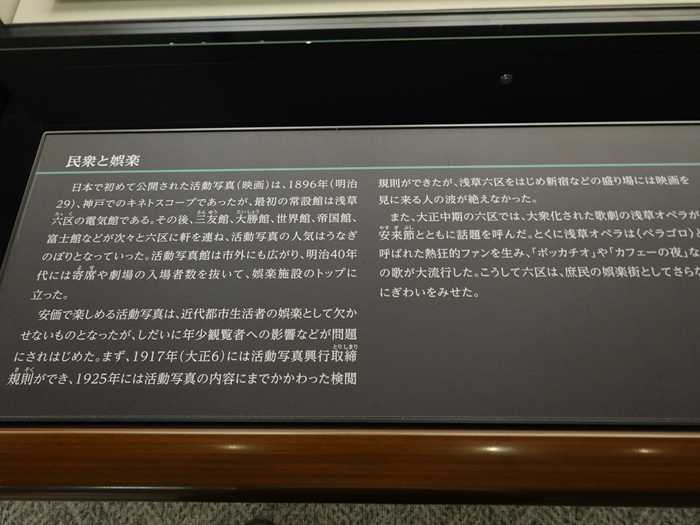
「 民衆と娯楽
日本で初めて公開された活動写真(映画)は、1896年(明治29)、神戸でのキネトスコープで
あったが、最初の常設館は浅草六区の電気館である。その後、三友館、大勝館、世界館、帝国館、
富士館などが次々と六区に軒を連ね、活動写真の人気はうなぎのぼりとなっていった。
活動写真館は市外にも広がり、明治40年代には寄席や劇場の入場者数を抜いて、娯楽施設の
トップに立った。
安価で楽しめる活動写真は、近代都市生活者の娯楽として欠かせないものとなったが、しだいに
年少観覧者への影響などが問題にされはじめた。まず、1917年(大正6)には活動写真興行取締
規則ができ、1925年には活動写真の内容にまでかかわった検閲規則ができたが、浅草六区を
はじめ新宿などの盛り場には映画を見に来る人の波が絶えなかった。
年少観覧者への影響などが問題にされはじめた。まず、1917年(大正6)には活動写真興行取締
規則ができ、1925年には活動写真の内容にまでかかわった検閲規則ができたが、浅草六区を
はじめ新宿などの盛り場には映画を見に来る人の波が絶えなかった。
また、大正中期の六区では、大衆化された歌劇の浅草オペラが安来節とともに話題を呼んだ。
とくに浅草オペラは「ペラゴロ」と呼ばれた熱狂的ファンを生み、「ボッカチオ」や
「カフェーの夜」などの歌が大流行した。こうして六区は、庶民の娯楽街としてさらなる
にぎわいをみせた。」
とくに浅草オペラは「ペラゴロ」と呼ばれた熱狂的ファンを生み、「ボッカチオ」や
「カフェーの夜」などの歌が大流行した。こうして六区は、庶民の娯楽街としてさらなる
にぎわいをみせた。」
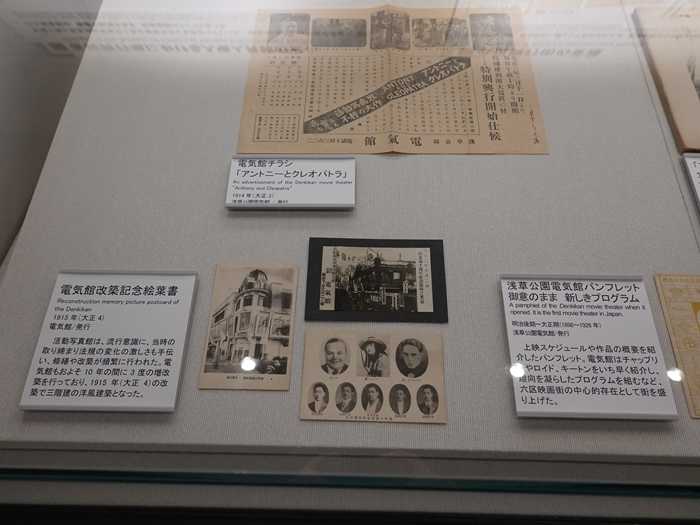
上
電気館チラシ
「アントニーとクレオパトラ」
An advertisement of the Denkikan movie theater
"Anthony and Cleopatra"
1914年(大正3)
浅草公園電気館/発行
左
電気館改築記念絵葉書
Reconstruction memory picture postcard of the Denkikan
1915年(大正4)
電気館/発行
活動写真館は、流行意識に、当時の取り締まり法規の変化の激しさも手伝い、修築や改築が
頻繁に行われた。電気館もおよそ10年間に3度の増改築を行っており、1915年(大正4)の
改築で三階建の洋風建築となった。
頻繁に行われた。電気館もおよそ10年間に3度の増改築を行っており、1915年(大正4)の
改築で三階建の洋風建築となった。
右
浅草公園電気館パンフレット
御意のまま 新しきプログラム
A pamphlet of the Denkikan movie theater when it opened. It is the first movie theater
in Japan.
in Japan.
明治後期~大正期(1898~1926年)
浅草公園電気館/発行
上映スケジュールや作品の概要を紹介したパンフレット。電気館はチャップリンやロイド、
キートンといった早くから人気俳優を上映したプログラムを組むなど、六区映画街の中心的
存在として街を盛り上げた。
キートンといった早くから人気俳優を上映したプログラムを組むなど、六区映画街の中心的
存在として街を盛り上げた。
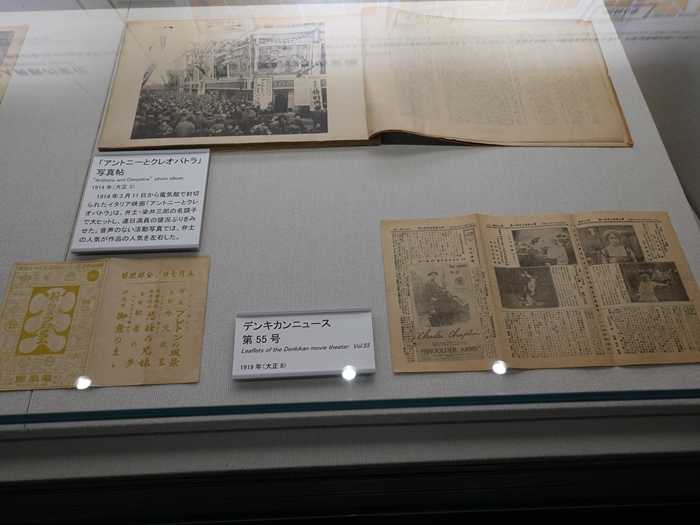
「 「アントニーとクレオパトラ」写真帖
1914年(大正3)
1914年3月11日から電気館で封切られたイタリア映画「アントニーとクレオパトラ」は、
弁士・染井三郎の名調子で大ヒットし、連日満員の盛況ぶりをみせた。音声のない
活動写真では、弁士の人気が作品の人気を左右した」
弁士・染井三郎の名調子で大ヒットし、連日満員の盛況ぶりをみせた。音声のない
活動写真では、弁士の人気が作品の人気を左右した」
「 デンキカンニュース
第55号
Leaflets of the Denkikan movie theater Vol.55
1919年(大正8)」
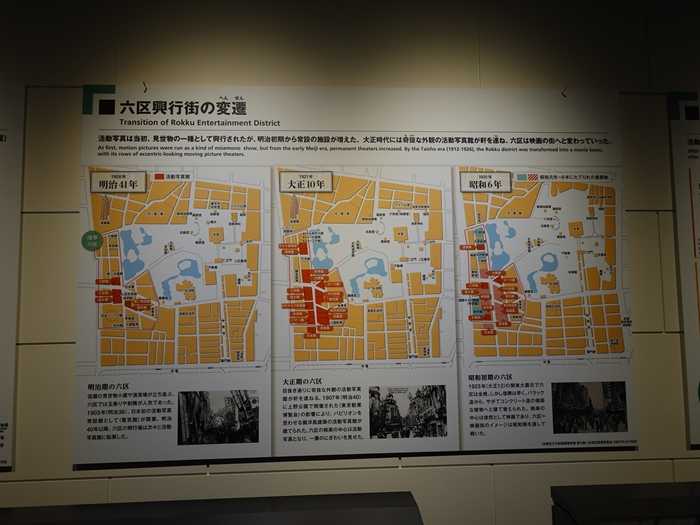
「 六区興行街の変遷
活動写真は当初、見世物の一種として興行されたが、明治初期から常設の施設が増えた。
大正時代には奇抜な外観の活動写真館が軒を連ね、六区は映画の街へと変わっていった。
大正時代には奇抜な外観の活動写真館が軒を連ね、六区は映画の街へと変わっていった。
At first, motion pictures were run as a kind of misemono show, but from the early
Meiji era, permanent theaters increased. By the Taisho era (1912–1926),
the Rokku district was transformed into a movie town, with its rows of eccentric-looking
moving picture theaters.」
Meiji era, permanent theaters increased. By the Taisho era (1912–1926),
the Rokku district was transformed into a movie town, with its rows of eccentric-looking
moving picture theaters.」
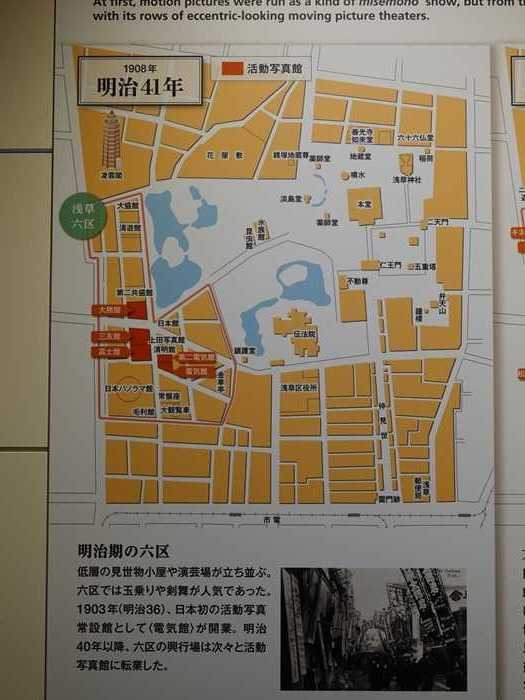
「 1908年(明治41年)
■
活動写真館
・大勝館
・三友館
・富士館
・第二電気館
・電気館
明治期の六区
低層の見世物小屋や演芸場が立ち並ぶ。
六区では玉乗りや剣舞が人気であった。
1903年(明治36)、日本初の活動写真常設館として「電気館」*が開業。
明治40年以降、六区の興行場は次々と活動写真館に転業した。」
ネットから。
浅草六区(活動写真館・劇場)
・キネマ倶楽部
・遊楽館
・浪花大座
・大盛館
・江戸館
・万世館
・観音劇場
・三友館
・富士館
・松竹キネマ帝国館
・初音館
・バテー館
・日本館
・世界館
・大勝館
・オペラ館
・千代田館
・電気館
・金車亭
・東京倶楽部
・常盤座
・公園劇場
・金竜館
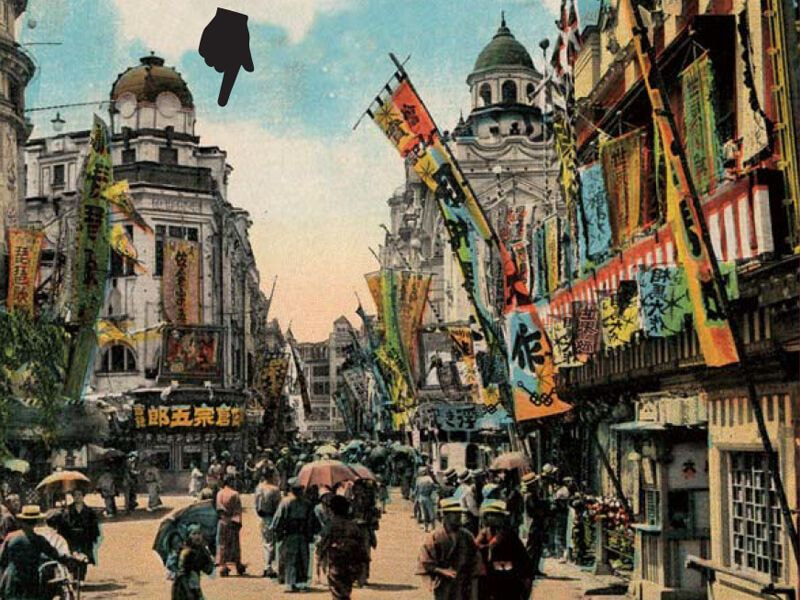
大正期の六区
目抜き通りに奇抜な外観の活動写真館が軒を連ねる。1907年(明治40)に上野公園で開催
された「東京勧業博覧会」の影響により、パビリオンを思わせる擬洋風建築の活動写真館が
建てられた。六区の娯楽の中心は活動写真となり、一層のにぎわいを見せた。
された「東京勧業博覧会」の影響により、パビリオンを思わせる擬洋風建築の活動写真館が
建てられた。六区の娯楽の中心は活動写真となり、一層のにぎわいを見せた。
ネットからカラー版を。
1931年 昭和6年
(凡例)
昭和元年~6年にたてられた建築物
・江川劇場
・大都劇場
・遊楽館
・三友館
・富士館
・帝国館
・帝京座
・松竹館
・大東京
・日本館
・大勝館
・オペラ館
・千代田館
・電気館
・東京倶楽部
・常盤座
・公園劇場
・金竜館
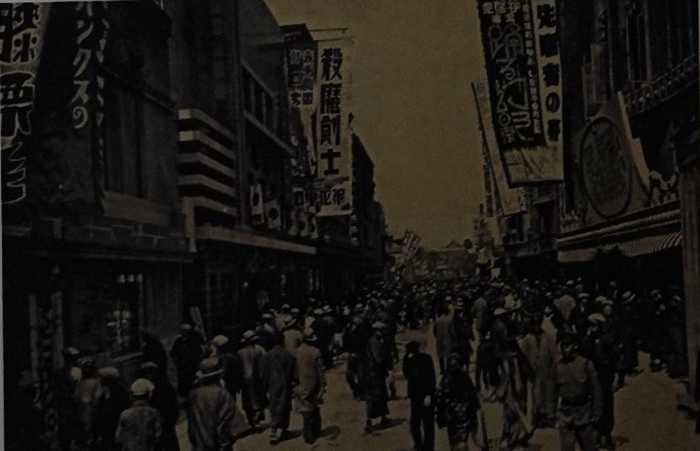
昭和初期の六区
1923年(大正12)の関東大震災で六区は全焼。
しかし復興は早く、バラック造から、やがてコンクリート造の強固な建物へと建て替えられた。
娯楽の中心は依然として映画であり、六区=映画街のイメージは昭和期を通して続いた。
ズームして。
『台東区文化財調査報告書 第5集』(台東区教育委員会 1987年)より作成。
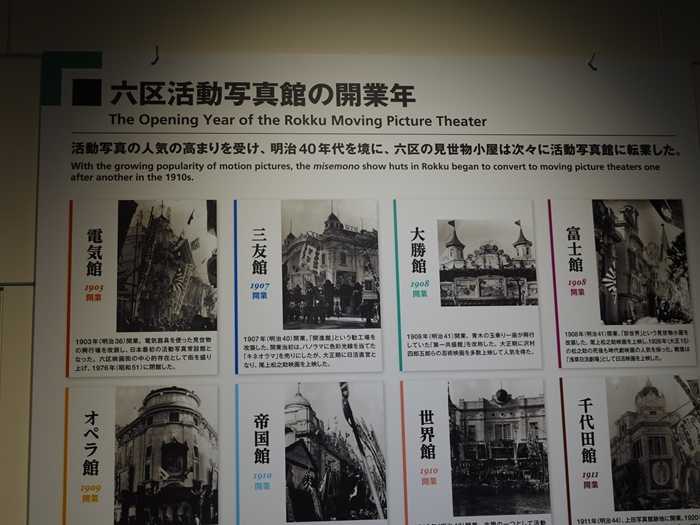
「 六区活動写真館の開業年
The Opening Year of the Rokku Moving Picture Theater
活動写真の人気の高まりを受け、明治40年代を境に、六区の見世物小屋は次々に
活動写真館に転業した。
活動写真館に転業した。
With the growing popularity of motion pictures, the misemono show huts in Rokku
began to convert to moving picture theaters one after another in the 1910s.」
began to convert to moving picture theaters one after another in the 1910s.」
・電気館 1903 開業
1903年(明治36)開業。電気器具を使った見世物の興行場を改装し、日本最初の活動写真
常設館となった。六区映画街の中心的存在として街を盛り上げ、1976年(昭和51)に閉館した。
常設館となった。六区映画街の中心的存在として街を盛り上げ、1976年(昭和51)に閉館した。
・三友館 1907 開業
1907年(明治40)開業。「開進館」という勧工場を改築した。開業当初は、パノラマに
色光線を当てた「キネオラマ」を売りにしたが、大正期に日活直営となり、尾上松之助映画を
上映した。
色光線を当てた「キネオラマ」を売りにしたが、大正期に日活直営となり、尾上松之助映画を
上映した。
・大勝館 1908 開業
1908年(明治41)開業。青木の玉乗り一座が興行していた「第一大盛館」を改称した。
大正期に沢村四郎五郎らの忍術映画を多数上映し、大変な人気を得た。
大正期に沢村四郎五郎らの忍術映画を多数上映し、大変な人気を得た。
・富士館 1908 開業
1908年(明治41)開業。「珍世界」という見世物小屋を改築した。尾上松之助映画を上映し、
1926年(大正15)の松之助の死後も時代劇映画の人気を保った。戦後は「浅草日活劇場」
として活動映画を上映した。
1926年(大正15)の松之助の死後も時代劇映画の人気を保った。戦後は「浅草日活劇場」
として活動映画を上映した。
・オペラ館 1909 開業
1909年(明治42)開業。都踊りの興行をしていた「日本館」を改築した。
大正元年から当時創立間もない日活の直営となり、日活映画の封切館となった。
1909年(明治42)開業。都踊りの興行をしていた「日本館」を改築した。
大正元年から当時創立間もない日活の直営となり、日活映画の封切館となった。
・帝国館 1910 開業
1910年(明治43)開業。「日本パノラマ館」を改築した。1921年(大正10)から
活動写真館の直営となり、洋画を上映した。戦後も松竹系の封切館として営業し、
1983年(昭和58)に閉館した。
・世界館 1910 開業
1910年(明治43)開業。寄席の一つとして活動写真を見せていた興行場「万世館」を改称した。
1930年(昭和5)、隣接の大勝館との交流興行で閉館し、大勝館に併合された。
・千代田館 1911 開業
1911年(明治44)、上田写真館跡地に開業。1920年(大正9)から活動写真館「日活」の
封切館となり、1925年頃にトップクラスの収益を挙げるに至った。1926年頃からは
日本映画とマキノ映画を上映した。
1910年(明治43)開業。「日本パノラマ館」を改築した。1921年(大正10)から
活動写真館の直営となり、洋画を上映した。戦後も松竹系の封切館として営業し、
1983年(昭和58)に閉館した。
・世界館 1910 開業
1910年(明治43)開業。寄席の一つとして活動写真を見せていた興行場「万世館」を改称した。
1930年(昭和5)、隣接の大勝館との交流興行で閉館し、大勝館に併合された。
・千代田館 1911 開業
1911年(明治44)、上田写真館跡地に開業。1920年(大正9)から活動写真館「日活」の
封切館となり、1925年頃にトップクラスの収益を挙げるに至った。1926年頃からは
日本映画とマキノ映画を上映した。
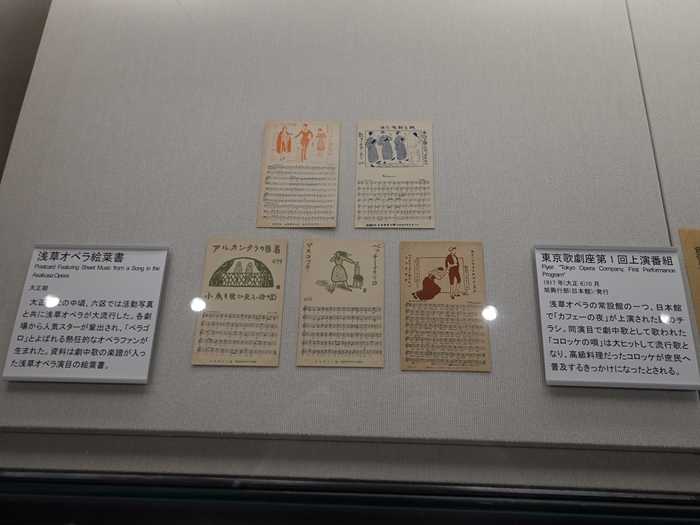
左側説明板
「浅草オペラ絵葉書
Postcard Featuring Sheet Music from a Song in the Asakusa Opera
大正期
大正時代の中頃、六区では活動写真とともに浅草オペラが流行した。各劇場から人気スターが
輩出され、「ペラゴロ」とよばれる熱狂的なオペラファンが生まれた。資料は劇中歌の楽譜が
入った浅草オペラ演目の絵葉書。」
右側説明板
輩出され、「ペラゴロ」とよばれる熱狂的なオペラファンが生まれた。資料は劇中歌の楽譜が
入った浅草オペラ演目の絵葉書。」
右側説明板
「東京歌劇座第1回上演番組
Flyer: "Tokyo Opera Company, First Performance Program"
1917年(大正6)6月
旭興行部(日本館)発行
浅草オペラの常設館の一つ、日本館で「カフェーの夜」が上演された時のチラシ。
同演目で劇中歌として歌われた「コロッケの唄」は大ヒットして流行歌となり、
高級料理だったコロッケが庶民へ普及するきっかけになったとされる。」
同演目で劇中歌として歌われた「コロッケの唄」は大ヒットして流行歌となり、
高級料理だったコロッケが庶民へ普及するきっかけになったとされる。」
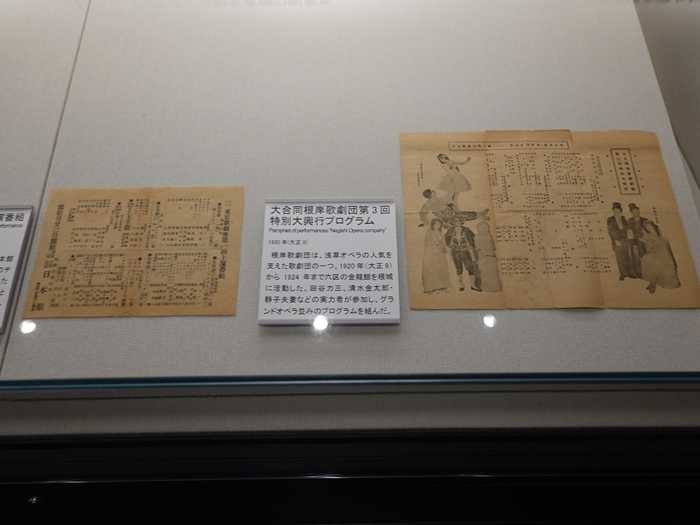
「 大合同根岸歌劇団第3回 特別大興行プログラム
1920年(大正9)
根岸歌劇団は、浅草オペラの人気を支えた歌劇団の一つ。1920年(大正9)から1924年まで
六区の金龍館を根城に活動した。田谷力三、清水金太郎、静子夫妻をはじめ実力者が参加し、
グランドオペラ中心のプログラムを組んだ。」
六区の金龍館を根城に活動した。田谷力三、清水金太郎、静子夫妻をはじめ実力者が参加し、
グランドオペラ中心のプログラムを組んだ。」
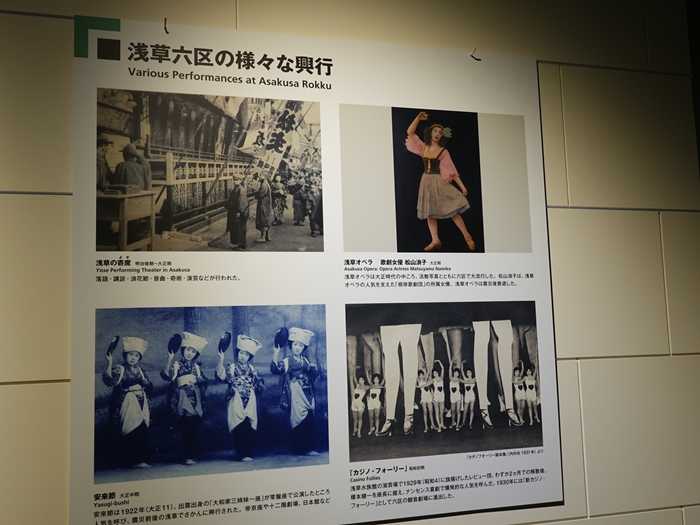
「 浅草六区の様々な興行
Various Performances at Asakusa Rokku
① 浅草の寄席
浅草の寄席
明治後期~大正期
落語、講談、浪花節・音曲・奇術・演芸などが行われた。
② 浅草オペラ
浅草オペラ 歌劇女優 松山浪子
大正期
浅草オペラは大正時代の中ごろ、活動写真とともに六区で大流行した。松山浪子は、
浅草オペラの人気を支えた根岸歌劇団の所属女優。浅草オペラは震災後衰退した。
浅草オペラの人気を支えた根岸歌劇団の所属女優。浅草オペラは震災後衰退した。
③ 安来節
安来節
大正中期
安来節は1922年(大正11)、出雲地方の「大和家三姉妹一座」が常盤座で公演したところ
大人気となり、その後浅草でさかんに興行された。帝国座や十二階劇場、日本館などでも
上演された。
大人気となり、その後浅草でさかんに興行された。帝国座や十二階劇場、日本館などでも
上演された。
④ 「カジノ・フォーリー」
「カジノ・フォーリー」
昭和初期
浅草松竹座の演芸場で1929年(昭和4)に旗揚げしたレビュー団。わずか2か月での解散後、本拠を一座長に据えた「カジノ・フォーリー」として六区の観客の人気を呼んだ。1930年には
「新カジノ・フォーリー」として六区の観客動員に進出した。
「新カジノ・フォーリー」として六区の観客動員に進出した。
(写真キャプション)
「カジノ・フォーリー脚本集(内外社 1931年)」より」 ・・・もどる・・・
・・・つづく・・・
お気に入りの記事を「いいね!」で応援しよう

[JINさんの農園] カテゴリの最新記事
-
江戸東京博物館へ(その38) 2026.09.07
-
江戸東京博物館へ(その36) 2026.09.05
-
江戸東京博物館へ(その35) 2026.09.04


【毎日開催】
15記事にいいね!で1ポイント


© Rakuten Group, Inc.
