


PR
キーワードサーチ
▼キーワード検索
カレンダー
サイド自由欄
鉄道模型・鉄道グッズリンク
鉄道関連書籍リンク
時刻表最新号
JTB時刻表

JR時刻表

鉄道雑誌最新号
鉄道ファン

鉄道ジャーナル

鉄道ピクトリアル

鉄道ダイヤ情報

Rail Magazine
RM MODELS

j train

とれいん

鉄道模型趣味

N

旅と鉄道

楽天トラベルで旅に出よう

鉄道関連書籍リンク
時刻表最新号
JTB時刻表
JR時刻表
鉄道雑誌最新号
鉄道ファン
鉄道ジャーナル
鉄道ピクトリアル
鉄道ダイヤ情報
Rail Magazine
RM MODELS
j train
とれいん
鉄道模型趣味
N
旅と鉄道
楽天トラベルで旅に出よう
コメント新着
Sep 15, 2019

テーマ: 鉄道(26574)
カテゴリ: 鉄道旅の記録
北海道旅行2日目の15日は、函館駅から札幌駅まで特急「スーパー北斗」に乗車した。キハ281系気動車の「スーパー北斗」には21年前の1998(平成10)年にも乗り、その時の乗車区間は洞爺駅~函館駅間だった。今回は函館駅~札幌駅間の函館本線・室蘭本線・千歳線の「海線」全区間に乗車した。
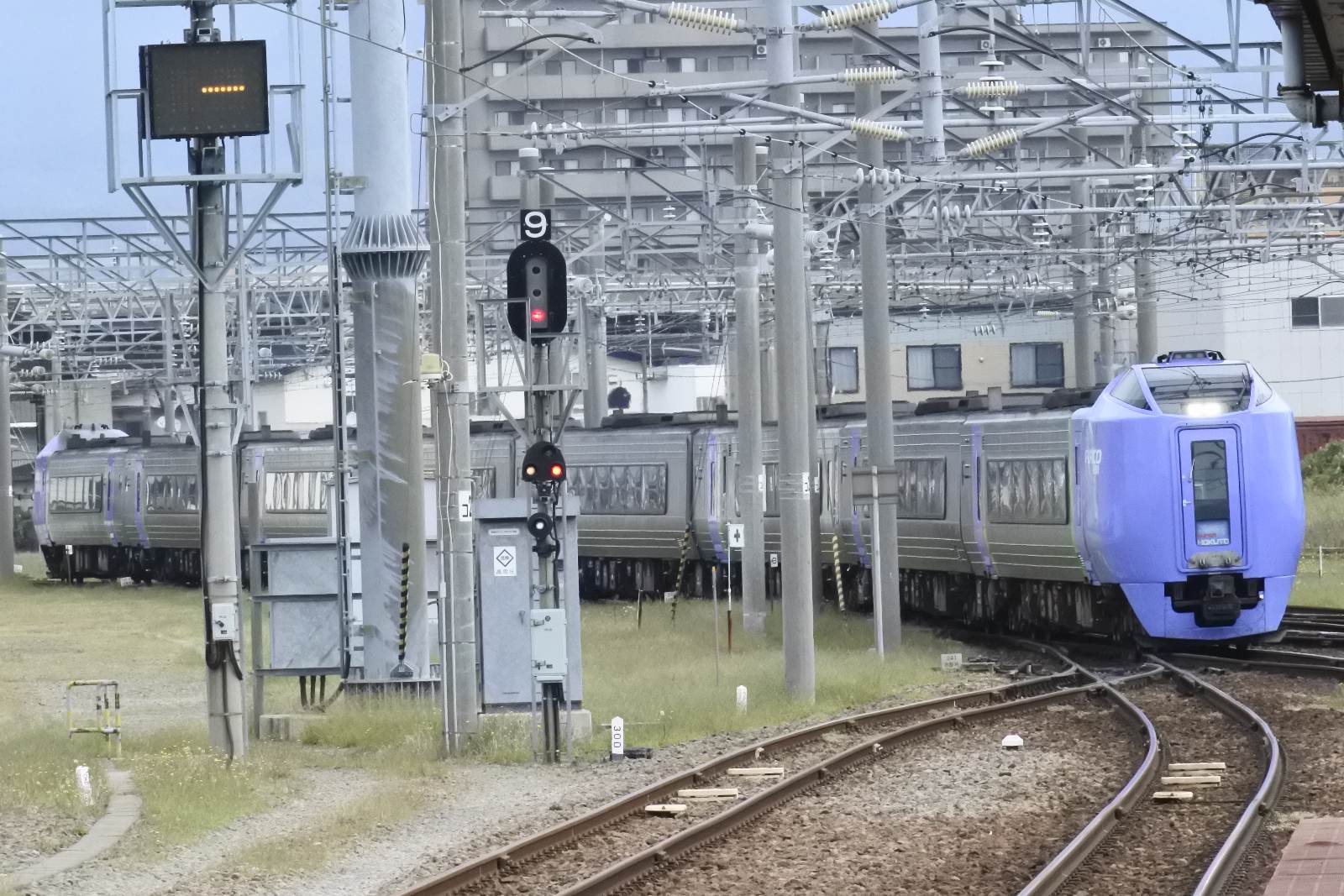
8:30、けたたましいくらいの警笛を鳴らしてキハ281系の「スーパー北斗5号」が函館駅の7番線に入線した。
僕が座った座席は、大沼や内浦湾(噴火湾)が見える海側(進行方向右側)の窓側。
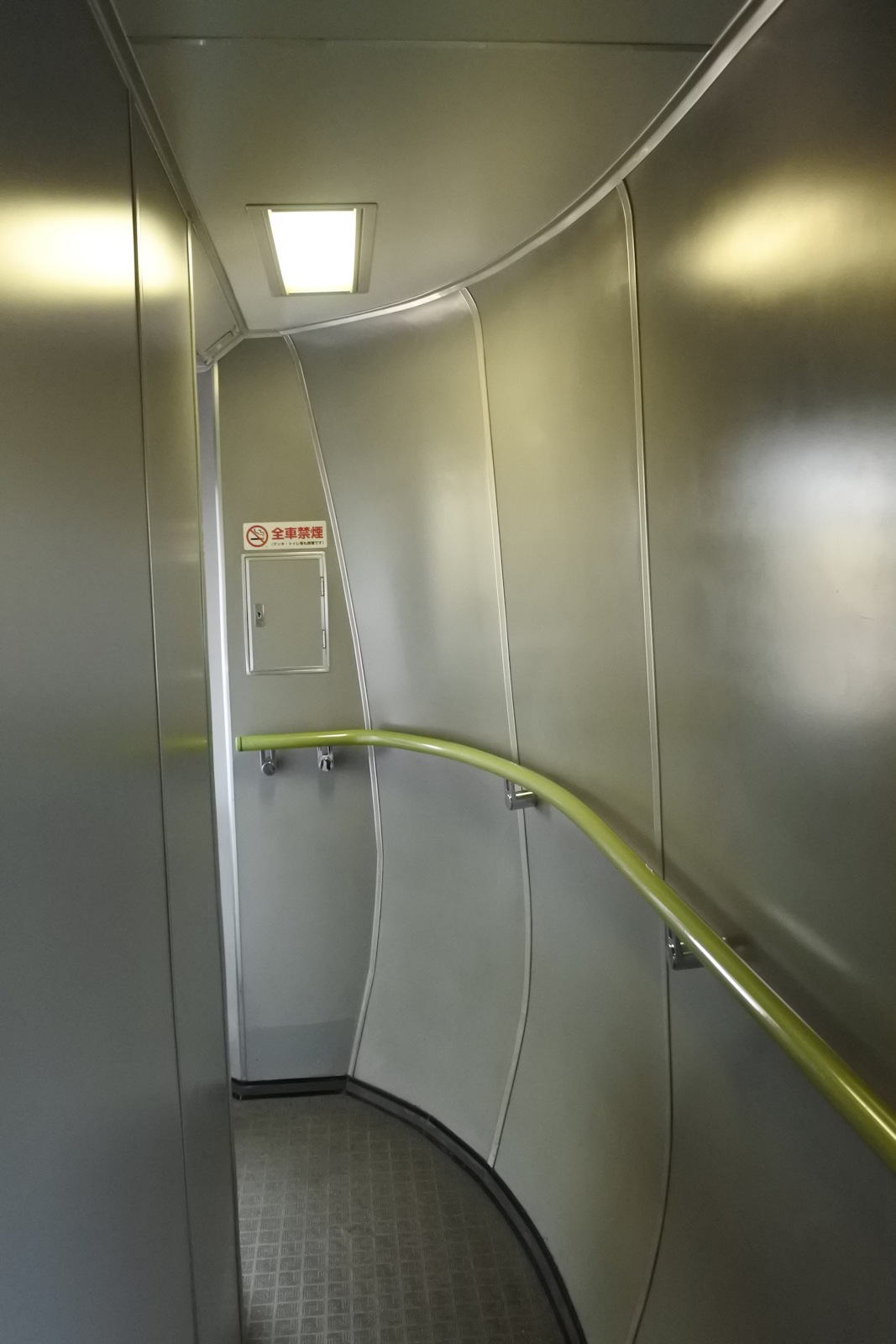
前回1998(平成10)年に乗った時は、先頭車両(キハ281形)の貫通路がオープンスペースであり、貫通扉から全面展望を楽しめたが、2010(平成22)年に函館本線で発生した789系電車による特急「スーパーカムイ」とダンプトラックが衝突する踏切事故をきっかけに、似た構造を持つキハ281系気動車やキハ283系気動車の貫通路はロープが張られ、立ち入り禁止となってしまった。
8:55、列車は定時で発車した。
函館駅を出発した列車は、五稜郭駅・新函館北斗駅・大沼公園駅・森駅・八雲駅・長万部駅・洞爺駅・伊達紋別駅・東室蘭駅・登別駅・苫小牧駅・南千歳駅・ 新札幌駅・ 札幌駅に停車。札幌駅には12:41に到着、乗車時間は3時間46分である。
函館駅を発車した列車はまず、すぐ次の五稜郭駅に停車した。道南いさりび鉄道線との乗換駅であるが、かつて同線はJR北海道江差線の一部で、特急「はつかり」や「スーパー白鳥」が本州から青函トンネルを抜けて函館駅まで乗り入れ、札幌行きの「スーパー北斗」と接続していた。しかし2016(平成28)年の北海道新幹線新青森駅~新函館北斗駅間の開業で、本州からの列車との乗換駅の役目を新函館北斗駅に譲った。
列車は七飯駅で運転停車した。七飯駅~森駅間の函館本線は、「8字区間」と呼ばれる、新函館北斗駅・大沼公園駅経由の本線と七飯駅~大沼駅間ノンストップの通称「藤城線」と大沼駅~森駅間を鹿部駅・渡島砂原駅経由で結ぶ通称「砂原線」の2つの支線からなる二股に分かれた単線区間である。「スーパー北斗」の全列車は同区間を本線経由で走る。2016(平成28)年以前は七飯駅~大沼駅間は藤城線経由だったが、本線にある渡島大野駅が新函館北斗駅に改称・北海道新幹線との乗換駅となったことから、本線経由に改められた。
新函館北斗駅の手前で北海道新幹線の高架線が進行方向左側へと接近してきた。新函館北斗駅は前述のとおり、函館駅や五稜郭駅に代わって、本州から来た北海道新幹線の列車と函館駅・札幌駅方面へ向かう列車との乗換駅という役目を担っている。
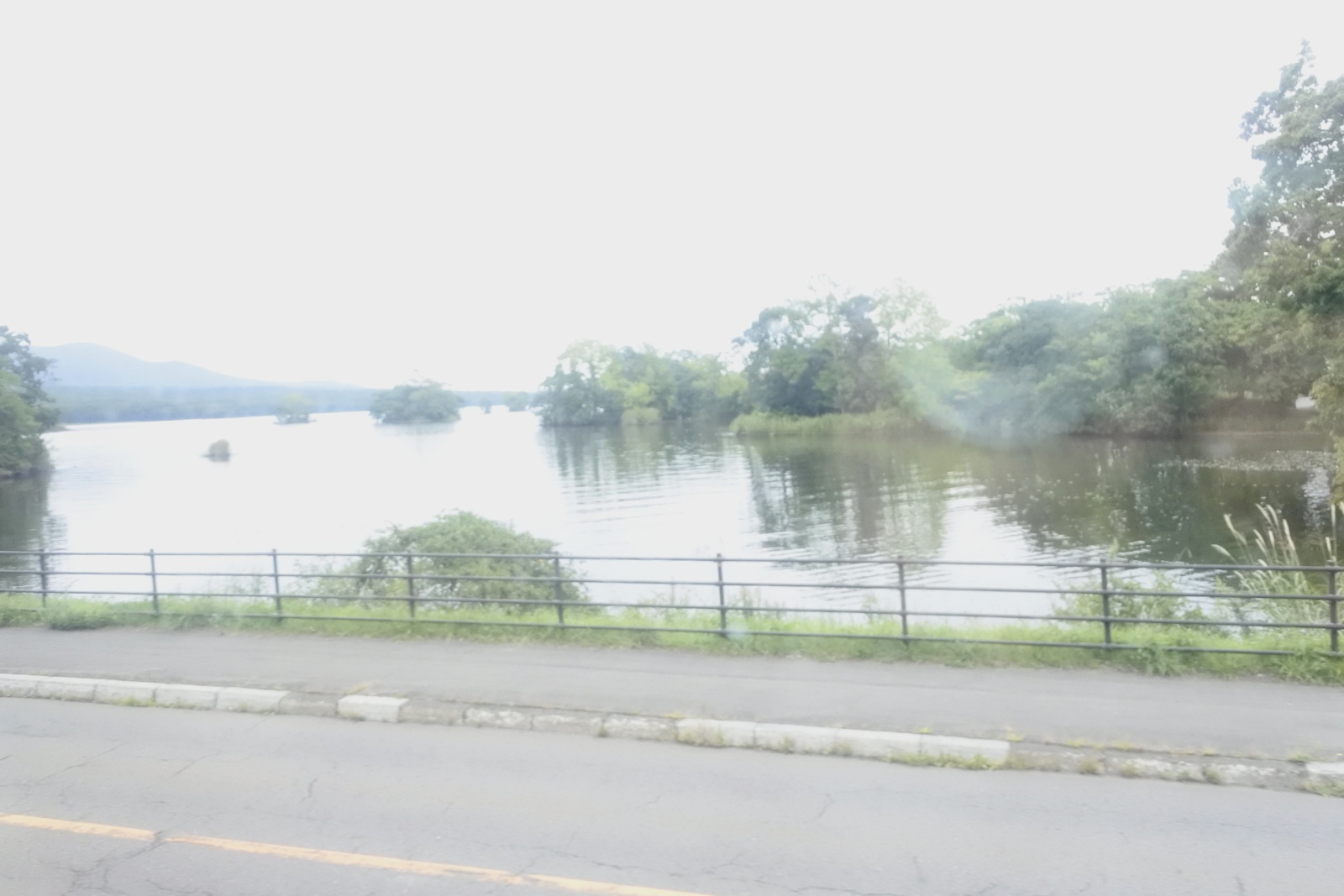
大沼公園駅を発車すると、進行方向右側に大沼が見えた。
列車は大沼から離れると、そこから振り子式車両であるキハ281系の本来の姿を見せ始める。蝦夷駒ヶ岳の麓へ入ると線路はカーブが増え、列車はエンジン音を響かせながらぐんぐんと加速していき、カーブでは車体を傾けながら蝦夷駒ヶ岳の麓を高速で駆け抜けていく。
大沼公園駅から2駅目の駒ヶ岳駅は、駅名の通り目の前に蝦夷駒ヶ岳が聳える。

森駅の手前で、大沼駅で分かれた砂原線と合流し、車窓には内浦湾(噴火湾)が見えた。森駅から再び複線となり、列車は内浦湾を進行方向右側に見ながら、ほぼ海岸に沿って走る。
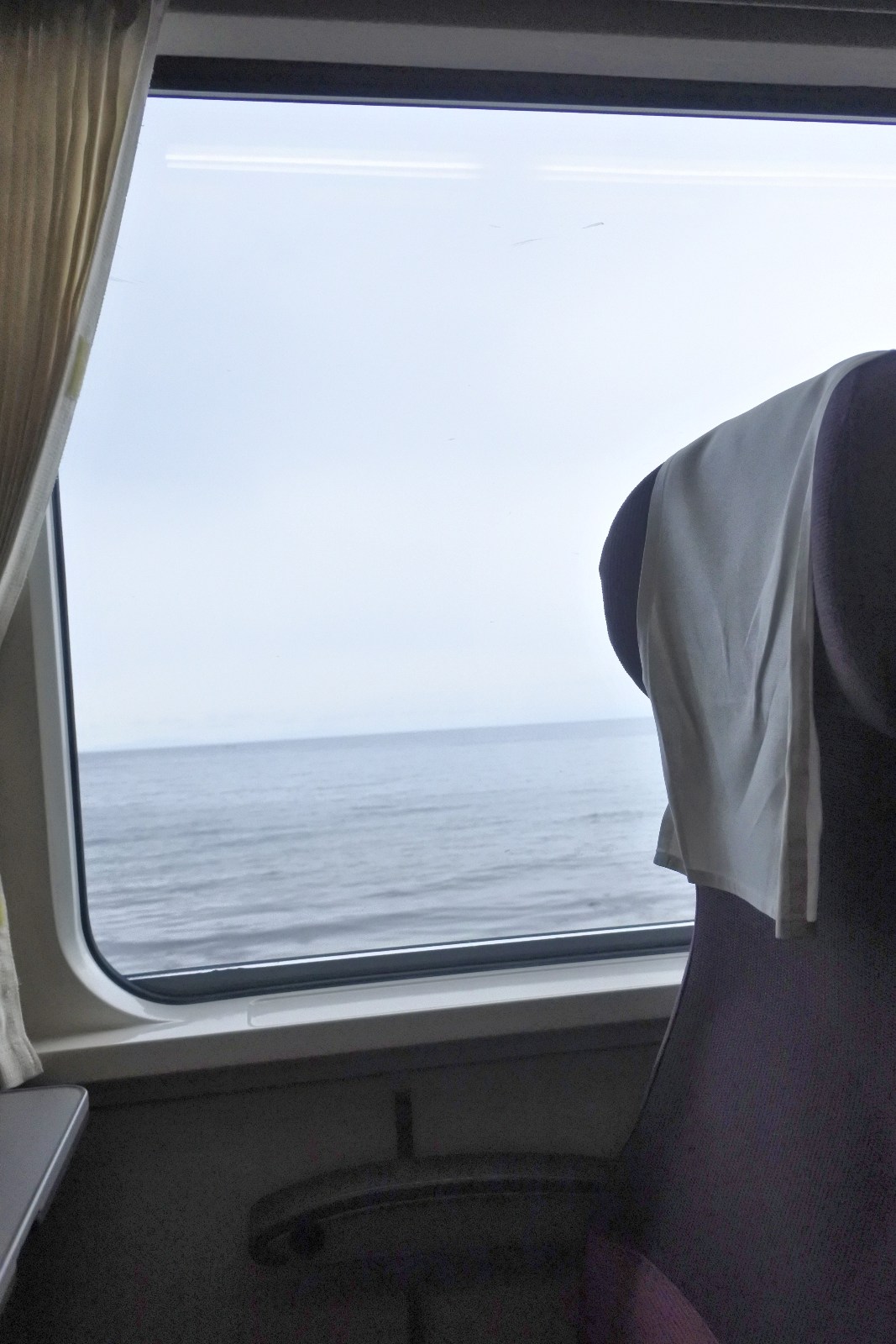
長万部駅からは室蘭本線に入る。ここからは内浦湾沿いと山間部を行ったり来たりしながら走る。山岳トンネルの数も増え、長くなっていく。長万部駅から2駅目の小幌駅は、周辺に何もない山間部にある小さな駅で、普通列車でも停まらないものが存在感するなどたどり着くことが難しい「日本一の秘境駅」として鉄道ファンの間で知られている。
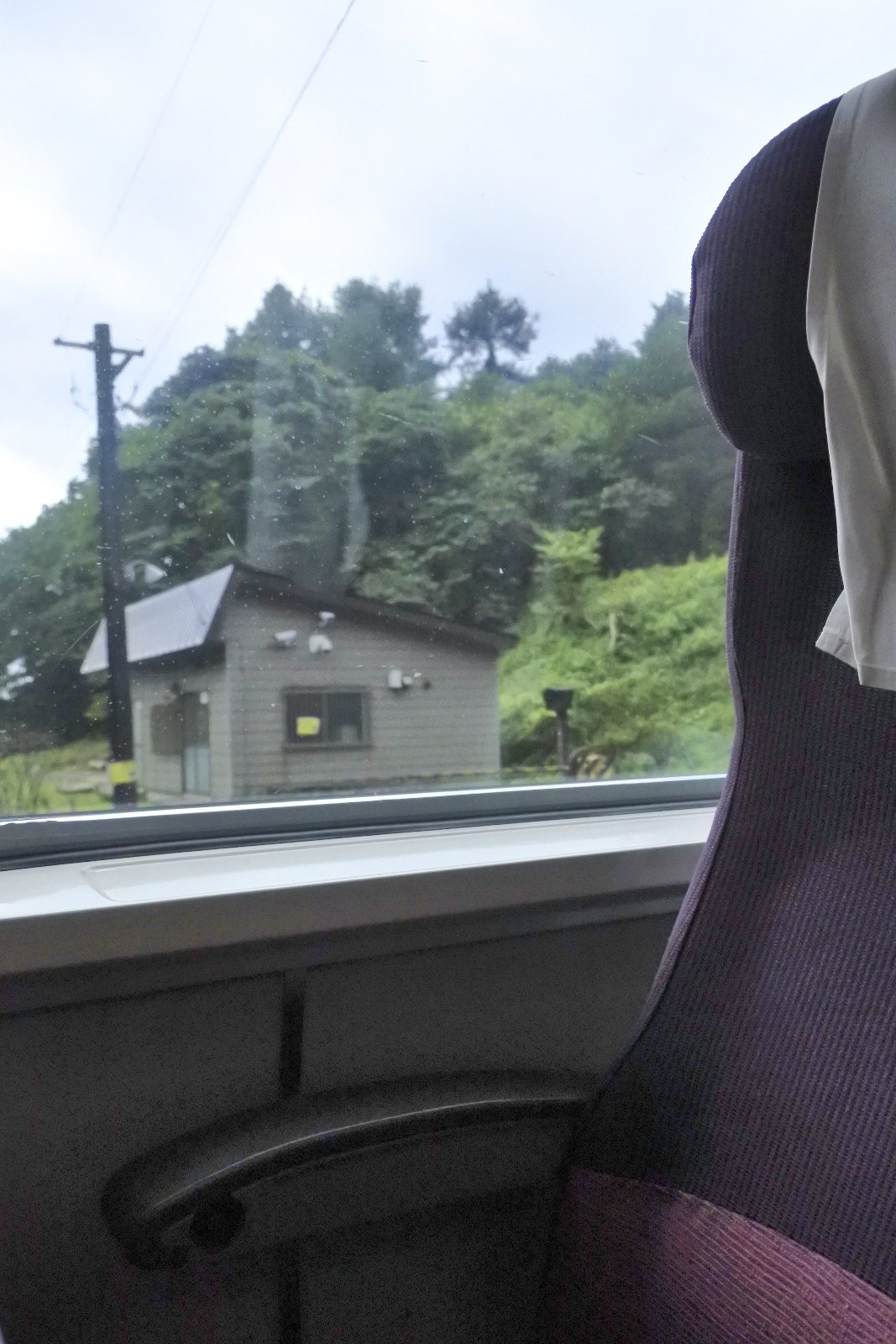
洞爺駅、伊達紋別駅に停まった後、列車は内浦湾から離れ、室蘭に立ち並ぶ工場群が進行方向右側に見えると、まもなく東室蘭駅に到着した。
東室蘭駅を発車すると、「この先列車は、エゾシカなどが出没する区間を走ります。急ブレーキをかけることがありますので、ご注意ください。」という、北海道ならではの自動放送が流れた。
車窓には内浦湾に代わって太平洋が見え始める。列車はほぼ太平洋に沿って走り、登別駅、苫小牧駅に停車。
苫小牧駅を発車後、JR貨物の苫小牧貨物駅を通過すると、沼ノ端駅を通過。ここから列車は海沿いを離れて千歳線に入る。千歳線は沼ノ端駅~植苗駅間で上下線の線路が離れ、札幌方面の下り線は室蘭本線の線路と並行する。植苗駅の手前で再び千歳線の上下線が合流し、新千歳空港駅方面への支線と石勝線との乗換駅である南千歳駅までの区間は緑が多い。
南千歳駅の次の千歳駅を通過すると札幌都市圏に入り、緑が残る箇所もある ものの住宅や広い駐車場を備えた店舗の数が増えてきた。住宅の種類も、一戸建てだけでなくマンションなどの集合住宅の姿も目立ち始める。列車の速度もそれまでほど速いものではなくなった。
新札幌駅を発車すると、函館本線の線路と合流し、白石駅、苗穂駅を通過、豊平川橋梁を渡るとまもなく終着(JR北海道では終点ではなく終着という)、札幌駅に到着した。
Kiha 281 Series "Super Hokuto" honked in a loud sound and came to track 7 of Hakodate Station around 8:30 (in the first photograph).
I sat on a right window side one from which I could see Lake Onuma and Uchiura Bay (Volcano Bay). The last time I watched the view from the front door, but passengers couldn't allow going there because of their safety after a crash of "Super Kamui" limited express by 789 Series, which has a similar design, into a dump truck on Hakodate Main Line in 2010 (in the second photograph).
At 8:55, The train departed on time.
The train stopped at Goryokaku, Shin-hakodate-hokuto, Onuma-koen [Onuma Park], Mori, Yakumo, Oshamambe, Toya, Date-mombetsu, Higashi-muroran, Noboribetsu, Tomakomai, Minami-chitose, and Shin-sapporo stations before arriving Sapporo terminal. It takes 3 hours and 46 minutes.
Goryokaku Station, the adjacent to Hakodate, is the junction with South Hokkaido Railway Donan Isaribi Tetsudo Line toward Kikonai Station, which used to be a part of JR Hokkaido Esashi Line and where "Hatsukari" or "Super Hakucho" limited express trains used to be in service from Honshu, such as Morioka Station or Shin-aomori Station, before opening Hokkaido Shinkansen.
Arriving at Shin-hakodate-hokuto Station, the railway of Hokkaido Shinkansen comes closer to the left. The station functions as the entrance of Hokkaido from Honshu instead of Hakodate Station or Goryokaku Station.
Departing from Shin-hakodate-hokuto Station, the train went into a forest. At Onuma Station, Fujishiro Branch Line merges into and Sawara Branch Line separates from mainline.
Leaving Onuma-koen [Onuma Park] Station, Lake Onuma appeared on the right (in the third photograph).
Gradually getting away from the lake, the train started to get faster and faster continuously tilting itself on curves along the west foot of Mt. Komagatake. When the train passing Komagatake Station, I could see Mt. Komagatake over the window (in the fourth photograph).
Near Mori Station, Sawara Branch Line merges into and Uchiura Bay (Volcano Bay) appears on the right. The train ran almost along the bay to Higashi-muroran Station (in the fifth photograph). From Mori Station, the double-track section started again.
Switching to Muroran Main Line from Oshamambe Station, the train started to come and go between bayside and mountainous areas. On the way, the train passed Koboro Station, which is located between the two tunnels and known as the station in hidden scenic spots and difficult to come among Japanese railfans (in the sixth photograph).
After stopping at Toya Station and Date-mombetsu Station, the train got away from the bay and the factories in Muroran City appear on the right. Then, the train arrived at Higashi-muroran Station.
As leaving Higashi-muroran Station, the conductor announced that passengers should be beware of a sudden stop to prevent the crash with Yezo sika deer.
On the right, the Pacific Ocean appeared instead of Uchiura Bay. The train kept running along the coast to Tomakomai Station.
Leaving Tomakomai Station and passing Tomakomai Freight Station, the train passed Numanohata Station, which is the junction of Muroran Main Line and Chitose Line. The train switched to Chitose Line. though the railway between Numanohata Station and Uenae Station is a double-track, each of those is separated; that of Sapporo-bound spread in parallel with the double track of Muroran Main Line and that of Tomakomai-bound does away from the three.
The two tracks meet again near Uenae Station and then train ran in a forest to Minami-chitose Station, where a branch line to New Chitose Airport Station and Sekisho Line toward Shin-yubari, Tomamu, and Obihiro meet.
From Chitose Station, the adjacent station of Minami-chitose, the train went into Sapporo urban area, where flats and stores with large parking as well as detached houses are located. The train gradually got slow down.
From Shin-sapporo Station, the tracks of Hakodate Main Line get closer and the two lines cross Toyohira River. A few minutes later, the train arrived at Sapporo Terminal.
8:30、けたたましいくらいの警笛を鳴らしてキハ281系の「スーパー北斗5号」が函館駅の7番線に入線した。
僕が座った座席は、大沼や内浦湾(噴火湾)が見える海側(進行方向右側)の窓側。
前回1998(平成10)年に乗った時は、先頭車両(キハ281形)の貫通路がオープンスペースであり、貫通扉から全面展望を楽しめたが、2010(平成22)年に函館本線で発生した789系電車による特急「スーパーカムイ」とダンプトラックが衝突する踏切事故をきっかけに、似た構造を持つキハ281系気動車やキハ283系気動車の貫通路はロープが張られ、立ち入り禁止となってしまった。
8:55、列車は定時で発車した。
函館駅を出発した列車は、五稜郭駅・新函館北斗駅・大沼公園駅・森駅・八雲駅・長万部駅・洞爺駅・伊達紋別駅・東室蘭駅・登別駅・苫小牧駅・南千歳駅・ 新札幌駅・ 札幌駅に停車。札幌駅には12:41に到着、乗車時間は3時間46分である。
函館駅を発車した列車はまず、すぐ次の五稜郭駅に停車した。道南いさりび鉄道線との乗換駅であるが、かつて同線はJR北海道江差線の一部で、特急「はつかり」や「スーパー白鳥」が本州から青函トンネルを抜けて函館駅まで乗り入れ、札幌行きの「スーパー北斗」と接続していた。しかし2016(平成28)年の北海道新幹線新青森駅~新函館北斗駅間の開業で、本州からの列車との乗換駅の役目を新函館北斗駅に譲った。
列車は七飯駅で運転停車した。七飯駅~森駅間の函館本線は、「8字区間」と呼ばれる、新函館北斗駅・大沼公園駅経由の本線と七飯駅~大沼駅間ノンストップの通称「藤城線」と大沼駅~森駅間を鹿部駅・渡島砂原駅経由で結ぶ通称「砂原線」の2つの支線からなる二股に分かれた単線区間である。「スーパー北斗」の全列車は同区間を本線経由で走る。2016(平成28)年以前は七飯駅~大沼駅間は藤城線経由だったが、本線にある渡島大野駅が新函館北斗駅に改称・北海道新幹線との乗換駅となったことから、本線経由に改められた。
新函館北斗駅の手前で北海道新幹線の高架線が進行方向左側へと接近してきた。新函館北斗駅は前述のとおり、函館駅や五稜郭駅に代わって、本州から来た北海道新幹線の列車と函館駅・札幌駅方面へ向かう列車との乗換駅という役目を担っている。
大沼公園駅を発車すると、進行方向右側に大沼が見えた。
列車は大沼から離れると、そこから振り子式車両であるキハ281系の本来の姿を見せ始める。蝦夷駒ヶ岳の麓へ入ると線路はカーブが増え、列車はエンジン音を響かせながらぐんぐんと加速していき、カーブでは車体を傾けながら蝦夷駒ヶ岳の麓を高速で駆け抜けていく。
大沼公園駅から2駅目の駒ヶ岳駅は、駅名の通り目の前に蝦夷駒ヶ岳が聳える。
森駅の手前で、大沼駅で分かれた砂原線と合流し、車窓には内浦湾(噴火湾)が見えた。森駅から再び複線となり、列車は内浦湾を進行方向右側に見ながら、ほぼ海岸に沿って走る。
長万部駅からは室蘭本線に入る。ここからは内浦湾沿いと山間部を行ったり来たりしながら走る。山岳トンネルの数も増え、長くなっていく。長万部駅から2駅目の小幌駅は、周辺に何もない山間部にある小さな駅で、普通列車でも停まらないものが存在感するなどたどり着くことが難しい「日本一の秘境駅」として鉄道ファンの間で知られている。
洞爺駅、伊達紋別駅に停まった後、列車は内浦湾から離れ、室蘭に立ち並ぶ工場群が進行方向右側に見えると、まもなく東室蘭駅に到着した。
東室蘭駅を発車すると、「この先列車は、エゾシカなどが出没する区間を走ります。急ブレーキをかけることがありますので、ご注意ください。」という、北海道ならではの自動放送が流れた。
車窓には内浦湾に代わって太平洋が見え始める。列車はほぼ太平洋に沿って走り、登別駅、苫小牧駅に停車。
苫小牧駅を発車後、JR貨物の苫小牧貨物駅を通過すると、沼ノ端駅を通過。ここから列車は海沿いを離れて千歳線に入る。千歳線は沼ノ端駅~植苗駅間で上下線の線路が離れ、札幌方面の下り線は室蘭本線の線路と並行する。植苗駅の手前で再び千歳線の上下線が合流し、新千歳空港駅方面への支線と石勝線との乗換駅である南千歳駅までの区間は緑が多い。
南千歳駅の次の千歳駅を通過すると札幌都市圏に入り、緑が残る箇所もある ものの住宅や広い駐車場を備えた店舗の数が増えてきた。住宅の種類も、一戸建てだけでなくマンションなどの集合住宅の姿も目立ち始める。列車の速度もそれまでほど速いものではなくなった。
新札幌駅を発車すると、函館本線の線路と合流し、白石駅、苗穂駅を通過、豊平川橋梁を渡るとまもなく終着(JR北海道では終点ではなく終着という)、札幌駅に到着した。
Kiha 281 Series "Super Hokuto" honked in a loud sound and came to track 7 of Hakodate Station around 8:30 (in the first photograph).
I sat on a right window side one from which I could see Lake Onuma and Uchiura Bay (Volcano Bay). The last time I watched the view from the front door, but passengers couldn't allow going there because of their safety after a crash of "Super Kamui" limited express by 789 Series, which has a similar design, into a dump truck on Hakodate Main Line in 2010 (in the second photograph).
At 8:55, The train departed on time.
The train stopped at Goryokaku, Shin-hakodate-hokuto, Onuma-koen [Onuma Park], Mori, Yakumo, Oshamambe, Toya, Date-mombetsu, Higashi-muroran, Noboribetsu, Tomakomai, Minami-chitose, and Shin-sapporo stations before arriving Sapporo terminal. It takes 3 hours and 46 minutes.
Goryokaku Station, the adjacent to Hakodate, is the junction with South Hokkaido Railway Donan Isaribi Tetsudo Line toward Kikonai Station, which used to be a part of JR Hokkaido Esashi Line and where "Hatsukari" or "Super Hakucho" limited express trains used to be in service from Honshu, such as Morioka Station or Shin-aomori Station, before opening Hokkaido Shinkansen.
Arriving at Shin-hakodate-hokuto Station, the railway of Hokkaido Shinkansen comes closer to the left. The station functions as the entrance of Hokkaido from Honshu instead of Hakodate Station or Goryokaku Station.
Departing from Shin-hakodate-hokuto Station, the train went into a forest. At Onuma Station, Fujishiro Branch Line merges into and Sawara Branch Line separates from mainline.
Leaving Onuma-koen [Onuma Park] Station, Lake Onuma appeared on the right (in the third photograph).
Gradually getting away from the lake, the train started to get faster and faster continuously tilting itself on curves along the west foot of Mt. Komagatake. When the train passing Komagatake Station, I could see Mt. Komagatake over the window (in the fourth photograph).
Near Mori Station, Sawara Branch Line merges into and Uchiura Bay (Volcano Bay) appears on the right. The train ran almost along the bay to Higashi-muroran Station (in the fifth photograph). From Mori Station, the double-track section started again.
Switching to Muroran Main Line from Oshamambe Station, the train started to come and go between bayside and mountainous areas. On the way, the train passed Koboro Station, which is located between the two tunnels and known as the station in hidden scenic spots and difficult to come among Japanese railfans (in the sixth photograph).
After stopping at Toya Station and Date-mombetsu Station, the train got away from the bay and the factories in Muroran City appear on the right. Then, the train arrived at Higashi-muroran Station.
As leaving Higashi-muroran Station, the conductor announced that passengers should be beware of a sudden stop to prevent the crash with Yezo sika deer.
On the right, the Pacific Ocean appeared instead of Uchiura Bay. The train kept running along the coast to Tomakomai Station.
Leaving Tomakomai Station and passing Tomakomai Freight Station, the train passed Numanohata Station, which is the junction of Muroran Main Line and Chitose Line. The train switched to Chitose Line. though the railway between Numanohata Station and Uenae Station is a double-track, each of those is separated; that of Sapporo-bound spread in parallel with the double track of Muroran Main Line and that of Tomakomai-bound does away from the three.
The two tracks meet again near Uenae Station and then train ran in a forest to Minami-chitose Station, where a branch line to New Chitose Airport Station and Sekisho Line toward Shin-yubari, Tomamu, and Obihiro meet.
From Chitose Station, the adjacent station of Minami-chitose, the train went into Sapporo urban area, where flats and stores with large parking as well as detached houses are located. The train gradually got slow down.
From Shin-sapporo Station, the tracks of Hakodate Main Line get closer and the two lines cross Toyohira River. A few minutes later, the train arrived at Sapporo Terminal.
お気に入りの記事を「いいね!」で応援しよう

[鉄道旅の記録] カテゴリの最新記事
-
天浜線の旅 終点・掛川駅を目指す May 24, 2025
-
天浜線初乗車&転車台見学 May 23, 2025
-
豊橋鉄道渥美線で東急7200系に乗る May 22, 2025 コメント(2)


【毎日開催】
15記事にいいね!で1ポイント


© Rakuten Group, Inc.
