2020年01月の記事
全15件 (15件中 1-15件目)
1
-

武漢の病院 死者3人の遺体廊下に置きっ放し
2020年01月31日
コメント(0)
-
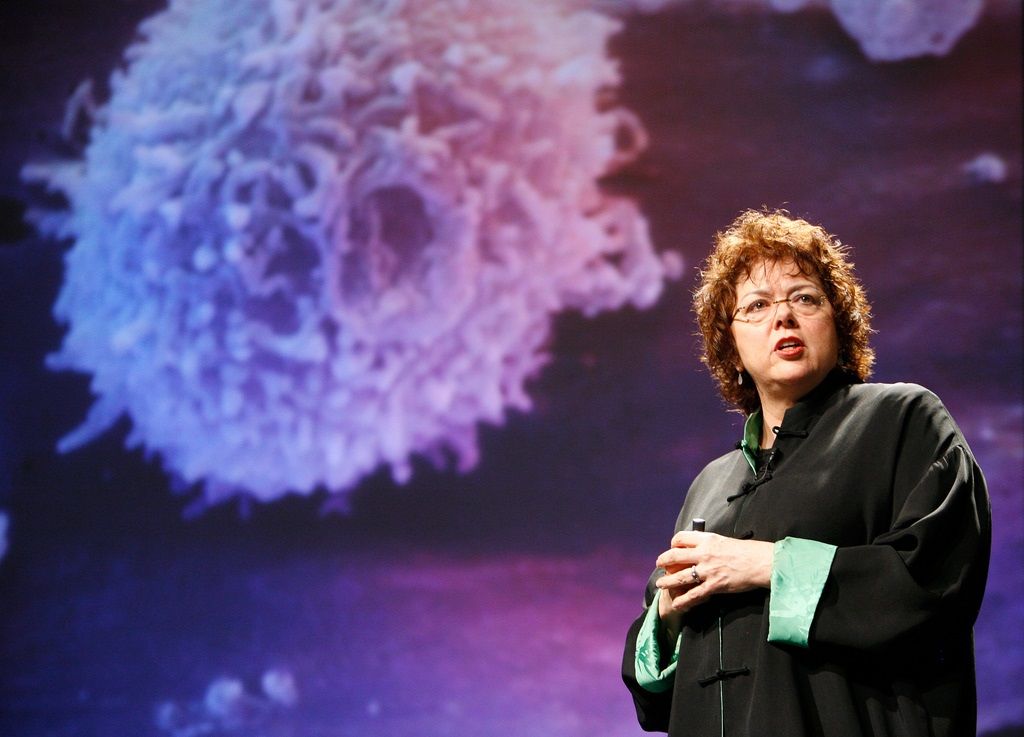
Very simple measures can protect you.
メモ ✍ 》重要 I know people are very frightened. And I expect panic will rise in the coming days.But very simple measures can protect you. During the SARS epidemic, I traveled all over China and Hong Kong, interviewed people infected with the virus, doctors and nurses treating the disease, government officials, police—everybody. I was never concerned that I would become infected, despite being in the room with sick individuals. And that’s because I knew what precautions to take. Here are the most important ones to know: 1. When you leave your home, wear gloves—winter mittens or outdoor gloves—and keep them on in subways, buses, and public spaces. 2. If you are in a social situation where you should remove your gloves, perhaps to shake hands or dine, do not touch your face or eyes, no matter how much something itches. Keep your hands away from contact with your face. And before you put your gloves back on, wash your hands thoroughly with soap and warm water, scrubbing the fingers. Put your gloves on. 3. Change gloves daily, washing them thoroughly, and avoid wearing damp gloves. 4. Masks are useless when worn outdoors and may not be very helpful even indoors. Most masks deteriorate after one or two wearings. Using the same mask day after day is worse than useless—it’s disgusting, as the contents of your mouth and nose eventually coat the inside of the mask with a smelly veneer that is attractive to bacteria. I rarely wear a face mask in an epidemic, and I have been in more than 30 outbreaks. Instead, I stay away from crowds, and I keep my distance from individual people—a half meter, about 1.5 feet, is a good standard. If someone is coughing or sneezing, I ask them to put on a mask—to protect me from their potentially contaminated fluids. If they decline, I step a meter (about 3 feet) away from them, or I leave. Don’t shake hands or hug people—politely beg off, saying it’s better for both of you not to come in close contact during an epidemic. 5. Inside your household, remove all of the towels from your bathrooms and kitchen immediately, and replace them with clean towels that have the names of each family member on them. Instruct everybody in your home to only use their own towels and never touch another family member’s. Wash all towels twice a week. Damp towels provide terrific homes for viruses, like common colds, flus, and, yes, coronaviruses. 6. Be careful with doorknobs. If it’s possible to open and close doors using your elbows or shoulders, do so. Wear gloves to turn a doorknob—or wash your hands after touching it. If anybody in your home takes sick, wash your doorknobs regularly. Similarly, be cautious with stairway banisters, desktops, cell phones, toys, laptops—any objects that are hand-held. As long as you handle only your own personal objects, you will be ok—but if you need to pick up someone else’s cell phone or cooking tools or use someone else’s computer keyboard, be mindful of not touching your face and wash your hands immediately after touching the object. 7. If you share meals, do not use your personal chopsticks and utensils to remove food from a serving bowl or plate and, of course, tell your children to never drink out of anybody else’s cups or from a container of shared fluid. It is customary in China to prepare several dishes for a meal and then allow everybody at the table to use their personal chopsticks to pull food from the common dishes: Don’t do this until the epidemic is over. Place serving spoons in each dish and instruct everybody at the table to scoop what they want from the serving dishes onto their personal plates or bowls, return the serving spoon to the main dish, and then use their personal chopsticks only to pick food from their personal plate or bowl into their mouth. Wash all food and kitchenware thoroughly between meals and avoid restaurants that have poor hygiene practices.But very simple measures can protect you. During the SARS epidemic, I traveled all over China and Hong Kong, interviewed people infected with the virus, doctors and nurses treating the disease, government officials, police—everybody. I was never concerned that I would become infected, despite being in the room with sick individuals. And that’s because I knew what precautions to take. Here are the most important ones to know: 1. When you leave your home, wear gloves—winter mittens or outdoor gloves—and keep them on in subways, buses, and public spaces. 2. If you are in a social situation where you should remove your gloves, perhaps to shake hands or dine, do not touch your face or eyes, no matter how much something itches. Keep your hands away from contact with your face. And before you put your gloves back on, wash your hands thoroughly with soap and warm water, scrubbing the fingers. Put your gloves on. 3. Change gloves daily, washing them thoroughly, and avoid wearing damp gloves. 4. Masks are useless when worn outdoors and may not be very helpful even indoors. Most masks deteriorate after one or two wearings. Using the same mask day after day is worse than useless—it’s disgusting, as the contents of your mouth and nose eventually coat the inside of the mask with a smelly veneer that is attractive to bacteria. I rarely wear a face mask in an epidemic, and I have been in more than 30 outbreaks. Instead, I stay away from crowds, and I keep my distance from individual people—a half meter, about 1.5 feet, is a good standard. If someone is coughing or sneezing, I ask them to put on a mask—to protect me from their potentially contaminated fluids. If they decline, I step a meter (about 3 feet) away from them, or I leave. Don’t shake hands or hug people—politely beg off, saying it’s better for both of you not to come in close contact during an epidemic. 5. Inside your household, remove all of the towels from your bathrooms and kitchen immediately, and replace them with clean towels that have the names of each family member on them. Instruct everybody in your home to only use their own towels and never touch another family member’s. Wash all towels twice a week. Damp towels provide terrific homes for viruses, like common colds, flus, and, yes, coronaviruses. 6. Be careful with doorknobs. If it’s possible to open and close doors using your elbows or shoulders, do so. Wear gloves to turn a doorknob—or wash your hands after touching it. If anybody in your home takes sick, wash your doorknobs regularly. Similarly, be cautious with stairway banisters, desktops, cell phones, toys, laptops—any objects that are hand-held. As long as you handle only your own personal objects, you will be ok—but if you need to pick up someone else’s cell phone or cooking tools or use someone else’s computer keyboard, be mindful of not touching your face and wash your hands immediately after touching the object. 7. If you share meals, do not use your personal chopsticks and utensils to remove food from a serving bowl or plate and, of course, tell your children to never drink out of anybody else’s cups or from a container of shared fluid. It is customary in China to prepare several dishes for a meal and then allow everybody at the table to use their personal chopsticks to pull food from the common dishes: Don’t do this until the epidemic is over. Place serving spoons in each dish and instruct everybody at the table to scoop what they want from the serving dishes onto their personal plates or bowls, return the serving spoon to the main dish, and then use their personal chopsticks only to pick food from their personal plate or bowl into their mouth. Wash all food and kitchenware thoroughly between meals and avoid restaurants that have poor hygiene practices.https://foreignpolicy.com/2020/01/25/wuhan-coronavirus-safety-china/
2020年01月30日
コメント(0)
-
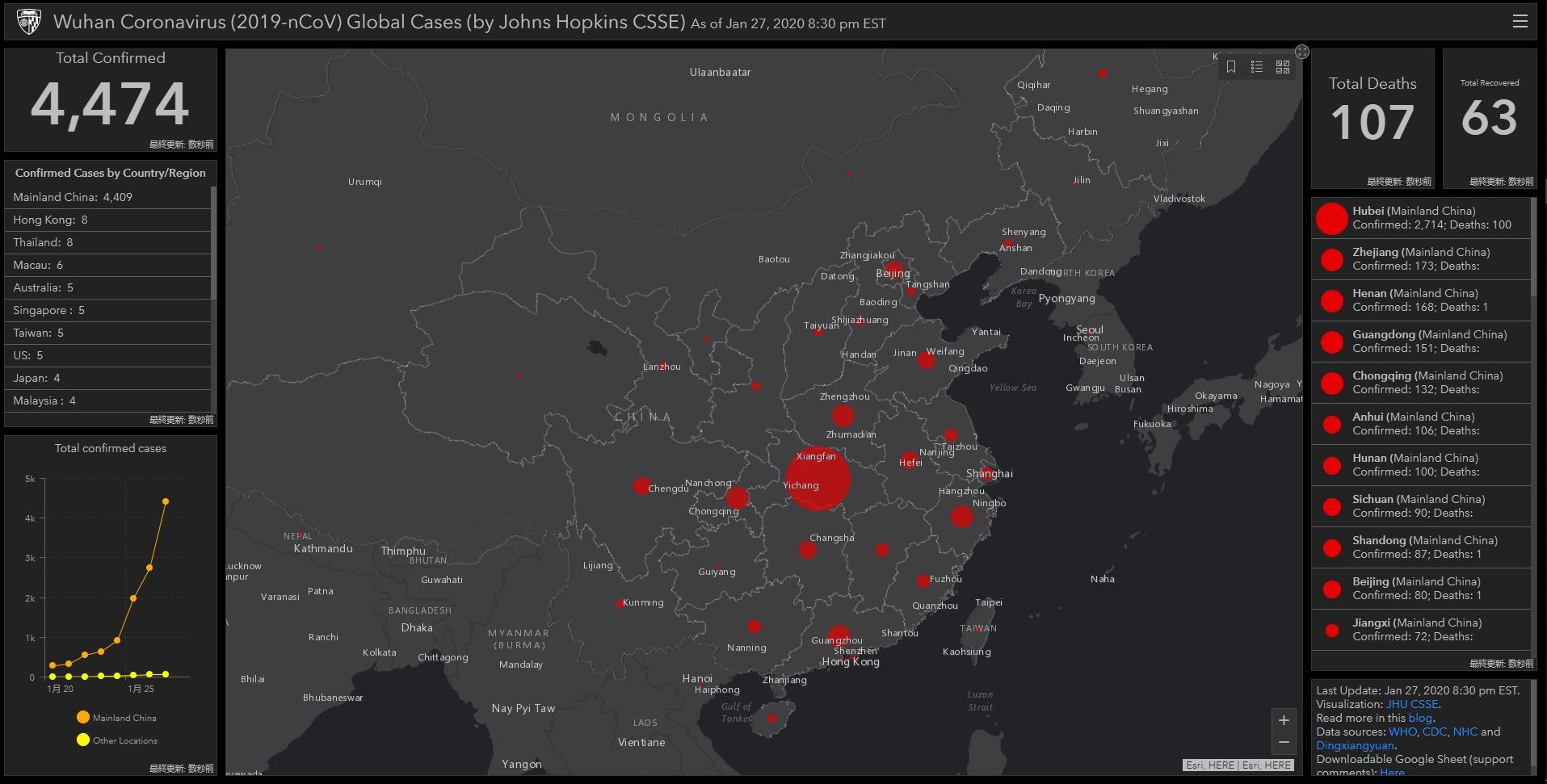
ハルマゲドン様相 Armageddon now!
2020年01月28日
コメント(0)
-
パンデミック性ウイルスの脅威
2020年01月26日
コメント(0)
-

武漢封鎖
2020年01月25日
コメント(0)
-

ソフトバンク 銀行目線の倒産可能性
2020年01月23日
コメント(0)
-

えっ、、、まだテレビ見ている人がいるの?
2020年01月21日
コメント(0)
-
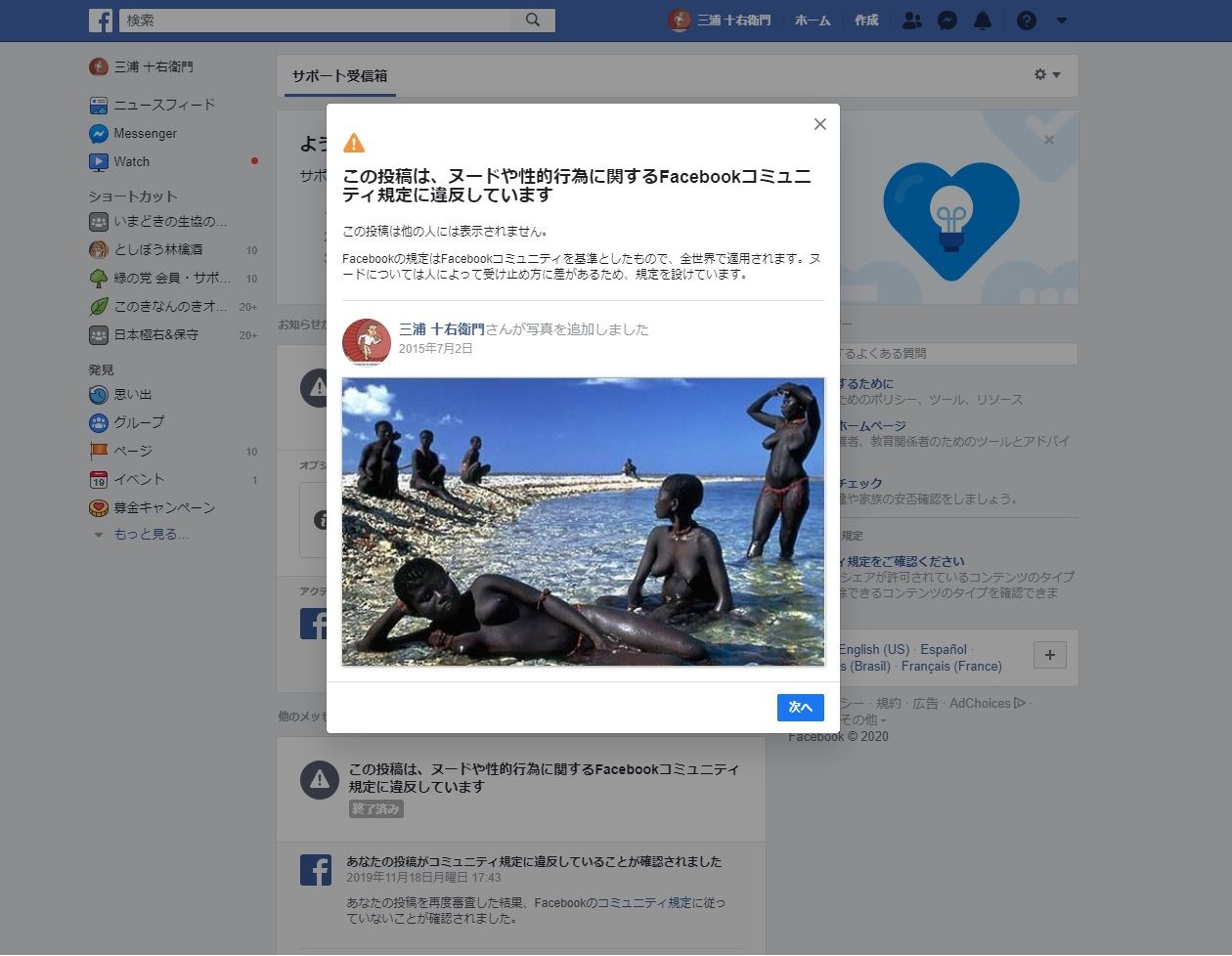
【民族差別SNS】Facebookコミュニティ規定の濫用の事例
2020年01月18日
コメント(0)
-

【黒打ち】〈解説〉カルロス・ゴーンは何をしたのか。
2020年01月17日
コメント(0)
-

【政治家】と【パチンコ】と【カジノ】
2020年01月11日
コメント(0)
-
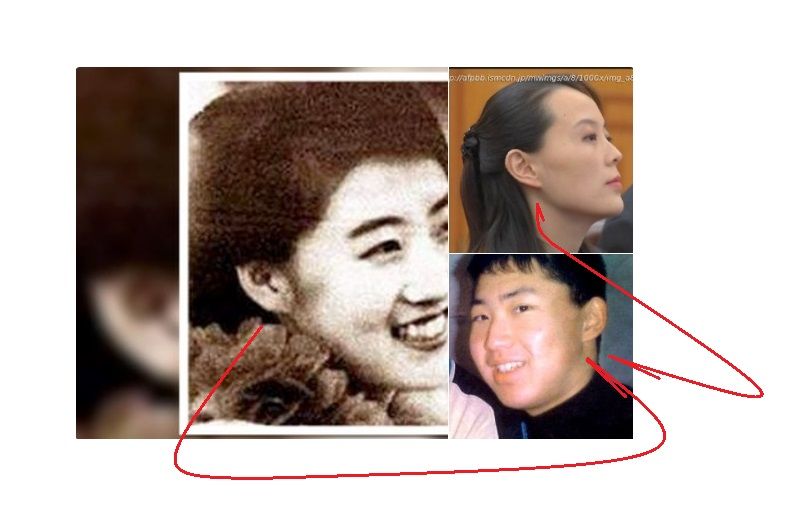
影武者
2020年01月09日
コメント(0)
-
カルロス・ゴーン被告が記者会見 逮捕に関与した日産・日本政府関係者の実名公表か
2020年01月08日
コメント(0)
-

IRカジノを実現したい松井一郎大阪市長
引用---桜川ケンヂ昔話だけで終わってはいけないよ。第2幕は、今まさに着々と進行しています。 笹川良一氏の専属運転手が現大阪市長の松井一郎氏の父親であり、競艇施設の管理利権を独占している。そして橋下徹氏と万博を隠れ蓑にし、又もや賭博利権を手にしようとしている、岸信介の孫の安倍政権下で。 橋下氏はカジノ利権のために大阪市長になったが、公務時間内に度々民団関係者との密会を目撃されていた。自ら市長の給与を半分にしたとはばからないが、大阪都構想という中身が無いまやかしの政策を連呼していただけで実際何一つなされていない。 更に運転手の息子も今、都構想の住民投票だけでで任期を終えようとしている。 具体的な都構想中身は、実際この10年間に一度も示されていない。 前回の住民投票時に、複数の維新議員に直接質問を投げかけたが0回答だった。引用終----
2020年01月01日
コメント(0)
-

謹賀新年
新年が冬来るのはいい。時間の切りかへは縦に空間を切り裂き切面は硬金属のようにぴかぴか冷たい。精神にたまる襤褸をもう一度かき集め、一切をアルカリ性の昨日に投げ込む。わたしは又無一物の目あたらしさとすべての初一歩の放つ芳しさとに囲まれ、雪と霰と水と霜と、かかる酷寒の一族に滅菌され。ねがはくは新しい世代というに値する清潔な風を天から吸おう最も低きに居て高きを見よう。最も貧しきに居て足らざるなきを得よう。ああしんしんと寒い空に新年は来るといふ。(高村光太郎)
2020年01月01日
コメント(0)
-

北、革命的血統に異変? 異例含みの党中央委総会 最高指導者に健康問題?
2020年01月01日
コメント(0)
全15件 (15件中 1-15件目)
1