Make Your Positive Life Change Today At The Hertfordshire Wellbeing Centre
Specialist help and treatment to manage the negative thoughts and feelings associated with obsessive compulsive disorder

OCD is completely manageable and treatable
At the Life Change Wellbeing Clinic, Paul Allenby has worked effortlessly to create a therapeutic approach that works.
This approach to OCD gives sufferers hope that they can develop the tools to manage their feelings in a way that is not only achievable but sustainable.
If
you suffer with OCD, Paul Allenby has the skill and many years
experience to help you take back control and find effective and workable
solutions.
Paul has worked effortlessly to create a therapeutic approach that works.
This approach to OCD gives sufferers hope that they can develop the tools to manage their negative feelings in a way that is not only achievable but sustainable.
Understanding OCD
First of all there is nothing wrong with you and no...you're not going mad!
Most people who experience OCD believe that there is something wrong with them. They often blame themselves for the condition they experience and sometimes develop a self loathing.
This all adds to the debilitating feelings of anxiety, fear and panic associated with obsessive compulsive disorder.
The word "obsession" usually describes something enjoyable, but in OCD the obsession is unpleasant and frightening.
A compulsion is a repetitive behaviour or mental act that someone feels they need to carry out to try to prevent an obsession coming true.
Most people who experience OCD believe that there is something wrong with them. They often blame themselves for the condition they experience and sometimes develop a self loathing.
This all adds to the debilitating feelings of anxiety, fear and panic associated with obsessive compulsive disorder.
The word "obsession" usually describes something enjoyable, but in OCD the obsession is unpleasant and frightening.
A compulsion is a repetitive behaviour or mental act that someone feels they need to carry out to try to prevent an obsession coming true.
Symptoms of OCD
OCD symptoms can range from mild to severe. For example, some people with OCD may spend an hour or so a day engaged in obsessive-compulsive thinking and behaviour. For others, the condition can completely take over their life.
Although OCD affects individuals differently, most people with the condition fall into a set pattern of thought and behaviour. The pattern has four main steps in it’s cycle:
Obsession – your mind is overwhelmed by a constant obsessive fear or concern. You can't stop thinking over and over again about his fear or concern.
Anxiety – An obsession can provoke feelings of intense anxiety and distress.
Compulsion – you adopt a pattern of compulsive behaviour to reduce your anxiety and distress, such as checking all your windows and doors are locked at least three times before leaving the house.
Temporary relief – the compulsive behaviour brings temporary relief from anxiety but the obsession and anxiety soon return, causing the cycle to begin again.
The negative thoughts and feelings associated with OCD are completely manageable
Although OCD affects individuals differently, most people with the condition fall into a set pattern of thought and behaviour. The pattern has four main steps in it’s cycle:
Obsession – your mind is overwhelmed by a constant obsessive fear or concern. You can't stop thinking over and over again about his fear or concern.
Anxiety – An obsession can provoke feelings of intense anxiety and distress.
Compulsion – you adopt a pattern of compulsive behaviour to reduce your anxiety and distress, such as checking all your windows and doors are locked at least three times before leaving the house.
Temporary relief – the compulsive behaviour brings temporary relief from anxiety but the obsession and anxiety soon return, causing the cycle to begin again.
The negative thoughts and feelings associated with OCD are completely manageable
Although the feelings of obsessive compulsive disorder (OCD), are debilitating, you can effectively learn how to manage the feelings of anxiety, fear and panic that goes along with it.
At the Life Change Wellbeing Clinic Paul Allenby has the skill and experience working with OCD helping his clients to finally take back control from the negative feelings.
At the Life Change Wellbeing Clinic Paul Allenby has the skill and experience working with OCD helping his clients to finally take back control from the negative feelings.

The treatments for OCD
At the Life Change Wellbeing Clinic, Paul Allenby is a skilled and competent OCD therapist and has been in private practice since 1998 helping people to find resolve to the debilitating feelings that they experience with OCD.
Our OCD treatments are proactive in their nature and will help you to develop positive tools that work.
Our treatments for OCD don't offer quick fixes that come undone. The OCD programme for change is thorough and week by week you will notice the changes taking effect.
Some therapists will tell you that they will help you 'get rid' of OCD. Unfortunately these therapists would be misleading you.
OCD is a disorder that doesn't go away but the therapies at the Life Change Wellbeing Clinic work to help you create the tools to effectively manage the symptoms.
The treatments and therapies for obsessive compulsive disorder gets results.
You will gain relief in stages. You will learn to re-label a a thought for what it is....a negative thought or a negative brain message.
At present you accept the messages you receive as truth and then act upon them. The re-lable stage is very effective and first most important step.
Once you are able to differentiate the difference to what is a true message and what's a false brain message you will be well able to create a more positive way of looking at what OCD is telling you.
For example; OCD might tell you that you will contaminate someone if you come in to contact with alcohol products.
But once you fully understand this as a false message you will be able to start challenging the thoughts and with that, stop giving in to the compulsions.
This is what we call the revalue stage. You successfully revalue the negative thoughts that OCD sends you.
The next stage is called the re-focus stage. Once you have re-labled the thought as false and revalued it with a more rational way of thinking you are then encouraged to re-focus your mind on something completely unrelated to what OCD is telling you.
This programme will help you to develop the skills to re-focus your mind as well as learning effective relaxation techniques to manage the feelings of anxiety or fear.
Our OCD treatments are proactive in their nature and will help you to develop positive tools that work.
Our treatments for OCD don't offer quick fixes that come undone. The OCD programme for change is thorough and week by week you will notice the changes taking effect.
Some therapists will tell you that they will help you 'get rid' of OCD. Unfortunately these therapists would be misleading you.
OCD is a disorder that doesn't go away but the therapies at the Life Change Wellbeing Clinic work to help you create the tools to effectively manage the symptoms.
The treatments and therapies for obsessive compulsive disorder gets results.
You will gain relief in stages. You will learn to re-label a a thought for what it is....a negative thought or a negative brain message.
At present you accept the messages you receive as truth and then act upon them. The re-lable stage is very effective and first most important step.
Once you are able to differentiate the difference to what is a true message and what's a false brain message you will be well able to create a more positive way of looking at what OCD is telling you.
For example; OCD might tell you that you will contaminate someone if you come in to contact with alcohol products.
But once you fully understand this as a false message you will be able to start challenging the thoughts and with that, stop giving in to the compulsions.
This is what we call the revalue stage. You successfully revalue the negative thoughts that OCD sends you.
The next stage is called the re-focus stage. Once you have re-labled the thought as false and revalued it with a more rational way of thinking you are then encouraged to re-focus your mind on something completely unrelated to what OCD is telling you.
This programme will help you to develop the skills to re-focus your mind as well as learning effective relaxation techniques to manage the feelings of anxiety or fear.
If you are serious about getting a grip of your problems with OCD do not be tempted by the quick fix methods offered by some practitioners.
OCD is a deep rooted problem and cannot be 'fixed' with a few techniques.
Paul Allenby is an established practitioner and specialises in the treatment of OCD and gets great results with the 3 step approach he has devised.
OCD is a deep rooted problem and cannot be 'fixed' with a few techniques.
Paul Allenby is an established practitioner and specialises in the treatment of OCD and gets great results with the 3 step approach he has devised.
Getting effective relief from the symptoms of OCD in graded steps
As you well know, you can’t just stop feeling the way you do because you would already have done so. If you try a quick fix any benefits will be short lived because putting a plaster over the problem doesn’t make it go away.
With the years of clinical experience working with OCD, Paul has has found that lasting relief from obsessive compulsive disorder comes about when the change occurs in graded steps.
The early stages of the OCD CBT counselling establishes the different situations and events where you experience your symptoms of OCD.
We then would grade them in their intensity. Some situations will create a higher negative feeling or emotion than others. Some situations will have a greater urge to carry out a compulsion than others.
Some of OCD thoughts, obsessions and compulsions will be easier to manage than others and it’s those we would get to work on first.
You will be helped to take back control in graded steps by creating change in thoughts and behaviour with the situations where you believe you will have success, the ones that produce the least level of anxiety.
Our priority in helping our clients manage the debilitating feelings associated with OCD is to get success.
Our therapies will help you to create the confidence and the belief that you can successfully take back control and with success achieved in graded steps will help you achieve that.
With the years of clinical experience working with OCD, Paul has has found that lasting relief from obsessive compulsive disorder comes about when the change occurs in graded steps.
The early stages of the OCD CBT counselling establishes the different situations and events where you experience your symptoms of OCD.
We then would grade them in their intensity. Some situations will create a higher negative feeling or emotion than others. Some situations will have a greater urge to carry out a compulsion than others.
Some of OCD thoughts, obsessions and compulsions will be easier to manage than others and it’s those we would get to work on first.
You will be helped to take back control in graded steps by creating change in thoughts and behaviour with the situations where you believe you will have success, the ones that produce the least level of anxiety.
Our priority in helping our clients manage the debilitating feelings associated with OCD is to get success.
Our therapies will help you to create the confidence and the belief that you can successfully take back control and with success achieved in graded steps will help you achieve that.
Don't believe that you can't talk back to OCD...
BECAUSE YOU CAN!
This OCD programme for change will help you take back control in graded, achievable steps. This method of treating OCD using cognitive behavioural therapy with exposure and response therapy has given much relief to our many clients seen who suffer with obsessive compulsive disorder.
BECAUSE YOU CAN!
This OCD programme for change will help you take back control in graded, achievable steps. This method of treating OCD using cognitive behavioural therapy with exposure and response therapy has given much relief to our many clients seen who suffer with obsessive compulsive disorder.

The therapies used
to treat OCD
OCD and the symptoms of OCD are complex in their nature and not one therapy alone works for everyone.
Paul Allenby is a skilled and competent therapist who uses different therapies to help treat OCD which include traditional counselling, hypnotherapy, cognitive behavioural therapy and exposure and response therapy.
Paul Allenby is a skilled and competent therapist who uses different therapies to help treat OCD which include traditional counselling, hypnotherapy, cognitive behavioural therapy and exposure and response therapy.

Cognitive Behavioural Therapy
One of the main ingredients needed to keep OCD and the negative feelings alive is the negative thoughts we attach to events and situations.
If we can develop the skills to talk back to our 'OCD mind', relief from the symptoms is almost inevitable. Once we stop giving in to what our mind tells us then we can make the behavioural changes to take back control.
Cognitive behavioural therapy is endorsed by N.I.C.E, (National Institute for Health and Clinical Excellence), and the NHS as an effective therapy to create sustainable behavioural change.
CBT helps to systematically break down our negative thoughts and beliefs that create negative feelings and behaviour.
The huge benefit of the CBT treatment for obsessive compulsive disorder is that it goes beyond just talking about how OCD affects you. It helps you to develop the tools to make sustainable behavioural change.
If we can develop the skills to talk back to our 'OCD mind', relief from the symptoms is almost inevitable. Once we stop giving in to what our mind tells us then we can make the behavioural changes to take back control.
Cognitive behavioural therapy is endorsed by N.I.C.E, (National Institute for Health and Clinical Excellence), and the NHS as an effective therapy to create sustainable behavioural change.
CBT helps to systematically break down our negative thoughts and beliefs that create negative feelings and behaviour.
The huge benefit of the CBT treatment for obsessive compulsive disorder is that it goes beyond just talking about how OCD affects you. It helps you to develop the tools to make sustainable behavioural change.
Exposure and Response Prevention
CBT is made up of many different kinds of therapies. The most important therapy for OCD is called “Exposure and Response Prevention” (ERP). The “Exposure”in ERP refers to confronting the thoughts images objects and situations that make a person with OCD anxious.
The”Response Prevention”in ERP refers to making a choice not to do a compulsive behavior after coming into contact with the things that make a person with OCD anxious.
Cognitive behavioural therapy is endorsed by N.I.C.E, (National Institute for Health and Clinical Excellence), and the NHS as an effective therapy to create sustainable behavioural change.
This strategy may not sound right to most people. Those with OCD have probably confronted their obsessions many times and tried to stop themselves from doing their compulsive behavior only to see their anxiety skyrocket.
With ERP a person makes the commitment to not give in and do the compulsive behavior until they notice a drop in their anxiety.
It's best if the person stays committed to not doing the compulsive behavior at all. The natural drop in anxiety that happens when you stay “exposed” and “prevent” the “response” is called habituation.
This is just 1 of the many techniques used to work at combating the anxiety and fear associated with obsessive compulsive disorder (OCD) and obtains great results for OCD sufferers.
The”Response Prevention”in ERP refers to making a choice not to do a compulsive behavior after coming into contact with the things that make a person with OCD anxious.
Cognitive behavioural therapy is endorsed by N.I.C.E, (National Institute for Health and Clinical Excellence), and the NHS as an effective therapy to create sustainable behavioural change.
This strategy may not sound right to most people. Those with OCD have probably confronted their obsessions many times and tried to stop themselves from doing their compulsive behavior only to see their anxiety skyrocket.
With ERP a person makes the commitment to not give in and do the compulsive behavior until they notice a drop in their anxiety.
It's best if the person stays committed to not doing the compulsive behavior at all. The natural drop in anxiety that happens when you stay “exposed” and “prevent” the “response” is called habituation.
This is just 1 of the many techniques used to work at combating the anxiety and fear associated with obsessive compulsive disorder (OCD) and obtains great results for OCD sufferers.
Hypnotherapy
The feelings of OCD can be very debilitating. When the obtrusive thoughts come, we can lose our ability to see things rationally because our mind is not calm enough to do so.
Hypnotherapy for OCD is a great therapeutic tool to help our clients learn how to naturally create a calmer mind. Hypnotherapy will teach you relaxation techniques so you can manage the feelings associated with anxiety, fear and panic.
Hypnotherapy helps to create a more positive state of mind. You will be helped to create the mindset of focusing how you want things to be. With this repetition your mind can help you to create the very things you desire with the guided visualisation techniques. What the mind sees...the mind can achieve.
Hypnotherapy, when used with cognitive behavioural therapy to treat obsesive compulsive disorder can help you break free from the negative thoughts and feelings you may experience.
Hypnotherapy for OCD is a great therapeutic tool to help our clients learn how to naturally create a calmer mind. Hypnotherapy will teach you relaxation techniques so you can manage the feelings associated with anxiety, fear and panic.
Hypnotherapy helps to create a more positive state of mind. You will be helped to create the mindset of focusing how you want things to be. With this repetition your mind can help you to create the very things you desire with the guided visualisation techniques. What the mind sees...the mind can achieve.
Hypnotherapy, when used with cognitive behavioural therapy to treat obsesive compulsive disorder can help you break free from the negative thoughts and feelings you may experience.

You don't have to put up with the thoughts and feelings
associated with OCD
The symptoms of OCD are completely treatable. With the effective therapies of counselling, hypnotherapy, (for relaxation techniques), and cognitive behavioural therapy, you can be helped to create effective resolve and manage anxiety, fear and panic.
With our many years experience treating obsessive compulsive disorder, we have found that once our clients not only learn the skills of managing the negative feelings associated with OCD but believe that they can manage these debilitating feelings, the thoughts and feelings reduce to manageable levels.
Once you believe that you can manage fear and anxiety then any fear and anxiety you experience will naturally reduces in it's intensity.
You may have suffered with OCD for some time and maybe you have a belief that you will always be saddled with the negative feelings.
This couldn't be further from the truth. we have been working with people with OCD since 1998 and you can benefit from our considerable experience.
If you are serious about doing something about how you feel, the specialist help available at the Life Change Wellbeing Clinic can help you take back control and stop letting OCD control you.
Paul Allenby
MGHR - MNCS - MCNHC
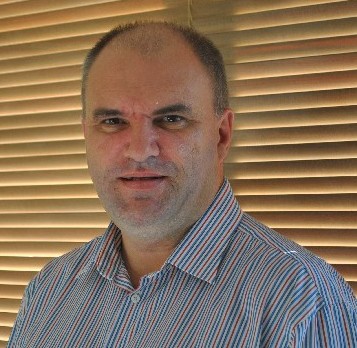
Hello! My
name is Paul Allenby and I have been in private practice for over 14
years years helping people to find solutions to problems with OCD and a whole host of other problems and difficulties.
I have treated well over a 3000 clients and this experience has helped me to devise my effective 3 step programme for change with sustainable results.
I am competent with the use of specialist therapies of counselling, hypnotherapy and cognitive behavioural therapy.
I pride myself on the therapy I provide for my clients using effective listening skills, showing empathy and understanding in its nature without judgment.
Registered Therapist
I am a professional, registered and qualified practitioner and a member of the professional bodies listed below.