


PR
Calendar
Category
Hiekka aikaa
(731)Suomi
(322)Lappi
(53)Kuksa ククサ
(23)Luonto
(25)erämaa
(18)huomio
(162)muovimalli
(32)musiikki
(301)eläinpelastus
(79)veitset (knives)
(41)Olkoon voima kanssasi!
(35)剣の巻
(37)今は昔
(21)陽明学
(441)道家思想
(126)孫子兵法
(12)人鏡論
(13)海外通販/個人輸入
(26)日本独立計画
(49)隷属への道
(25)多目的道具
(206)現代甲冑考 - Modern Armors -
(80)実用物具考
(85)民間防具考
(177)民間防衛
(219)戦ふ日本刀
(97)實戦刀譚
(103)臨戦刀術
(94)古傳鍛刀術
(2)北欧
(118)西欧
(260)中欧
(35)彫金
(20)意匠
(58)『傭兵たちの挽歌』
(141)2011 jalkeen
(34)TORIAEZ
(11)Needle Felted Animals
(262)Weekly SAK
(597)Weekly SL
(485)Weekly EXP
(39)Keyword Search
▼キーワード検索
2026年06月
2026年05月
2026年04月
2026年03月
2026年02月
2026年05月
2026年04月
2026年03月
2026年02月
2026年01月
2025年12月
2025年11月
2025年10月
2025年09月
2025年12月
2025年11月
2025年10月
2025年09月


2019年03月20日

テーマ: 老荘思想(128)
カテゴリ: 道家思想
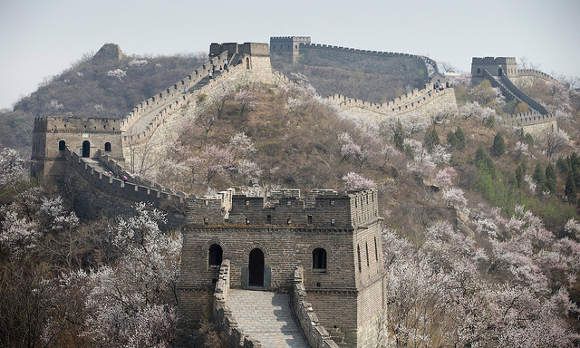
Cherry trees blossom along the Mutianyu section of the Great Wall of China
Photo by United Methodist News Service

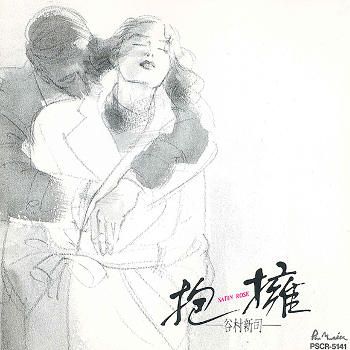
※ 春 花吹雪の舞う中で 貴方を見ていた〜〜
~ 「卒業」『抱擁-SATIN ROSE-』所収
道家思想篇 30 韓非子・喩老篇 8
「趙襄主〔ちょうじょうしゅ〕、御〔ぎょ〕を王子〔おうじ〕於期〔おき〕に學ぶ。
俄〔にわ〕かにして於期〔おき〕と逐〔ちく〕し、
三たび馬を易〔か〕えて三たび後〔おく〕れたり。
襄主曰く、子〔し〕の我に御を教うる、術〔じゅつ〕未〔いま〕だ盡〔つ〕くさざる也と。
對〔こた〕えて曰く、術〔じゅつ〕は已〔すで〕に盡〔つ〕きたり。
凡〔およ〕そ御の貴〔たっと〕ぶ所は、
馬體〔ばたい〕車〔くるま〕に安く、人心〔じんしん〕馬に調〔かな〕い、
而〔しか〕る後〔のち〕以て速きを進〔お〕い遠きを致す可し。
今〔いま〕君〔きみ〕の後れては則ち臣に逮〔およ〕ばむと欲し、
先〔さき〕だちては則ち臣に逮〔およ〕ばれむを恐る。
夫〔そ〕れ道に誘〔ひ〕いて遠きを爭うは、先だつに非〔あら〕ず則ち後〔おく〕るる也。
而〔しこう〕して先後〔せんこう〕の心〔こころ〕臣に在り、
上〔なお〕何を以て馬を調〔かな〕わむ、此れ君の後〔おく〕るる所以〔ゆえん〕なりと。
白公〔はくこう〕勝亂〔しょうらん〕を慮〔はか〕り、
銳〔えい〕顊〔あご〕を貫〔つらぬ〕き、血〔ち〕流〔なが〕れて地に至れども知らず。
鄭人〔ていひと〕之〔これ〕を聞いて曰く、
顊〔あご〕をも之〔こ〕れ忘る、將〔は〕た何ぞ忘れざらやむやと。
故に曰く、其の出〔いづ〕ること彌〔いよいよ〕遠き者は、
其の智〔し〕ること彌〔いよいよ〕少しと。
則ち遺〔わす〕るる所〔ところ〕近きに在〔あ〕るを言う也。
是〔ここ〕を以て聖人には常行〔じょうこう〕無し、能く並〔あまね〕くを智る。
故に曰く、行かずして知ると。
能く並〔あまね〕く視る、故に曰く、見ずして明〔あきら〕かなりと。
時に隨いて以て事を舉げ、資に因りて功〔こう〕を立て、
萬物の能〔のう〕を用いて利を其の上に獲〔う〕、
故に曰く、為〔な〕さずして成ると。
楚〔そ〕の莊王〔そうおう〕、政〔せい〕に莅〔のぞ〕むこと三年、
無令を發すること無く、政の為すこと無し。
右司馬〔ゆうしば〕、座に御〔ぎょ〕して王〔おう〕と隱して曰く、
鳥〔とり〕有りて南方の阜〔おか〕に止まる、
三年〔さんねん〕翅〔はばたき〕せず、飛ばず鳴かず、
嘿然〔もくぜん〕として聲〔こえ〕無し、此〔これ〕を何の名と為すと。
王曰く、三年翅せざるは, 將〔まさ〕に以て羽翼〔うよく〕を長ぜむとし、
飛ばず鳴かざるは、將に以て民則〔みんそく〕を觀んとするなり。
飛ぶ無しと雖〔いえど〕も、飛〔と〕ばば必ず天に冲〔いた〕らむ、
鳴く無しと雖〔いえど〕も、鳴かば必ず人を驚かさむ。
子〔し〕之〔これ〕に釋〔お〕け、
不穀〔ふこく〕(※ここでは莊王自身のこと)之を知ると。
處〔お〕ること半年、乃ち自ら政を聽〔き〕く。
廢する所の者〔もの〕十〔じゅう〕、起こす所の者九、
大臣を誅すること五、處士〔しょし〕を舉ぐること六にして、邦〔くに〕大いに治まる。
兵を舉げて齊〔せい〕を誅し、之を徐州に(於いて)敗り、
晉〔しん〕に河雍に(於いて)勝ち、諸侯を宋に(於いて)合わせ、遂に天下に霸たり。
莊王小善を為さず、故に大名有り。
蚤〔はや〕く見示〔けんし〕せず、故に大功有り。
故に曰く、大器晚成す、大音〔たいおん〕希聲〔きせい〕なりと。
( 『韓非子』喩老 第二十一)
Once upon a time Viscount 46 Hsiang of Chao learned driving from Prince Yü -ch`i.
All at once he started racing with Yü-ch`i.
He changed his horses three times, but thrice he lagged behind.
Thereupon Viscount Hsiang said:
"You teach me how to drive, but the course is not as yet completed."
"The course is completed," said Yü-ch`i in reply,
"but the fault lies in the way it is applied.
In general, what is important in driving is to fix the bodies of the horses firmly to
the carriage and the mind of the driver to the horses. Then one can drive fast and far.
Now, Your Highness, whenever behind, wants to get ahead of thy servant,
and, whenever ahead, is afraid of lagging behind thy servant.
To be sure, when one runs a race with others on the same road,
he is either ahead of or behind others. Whether ahead or behind, if the mind of
Your Highness is always concentrated on thy servant, how can Your Highness keep
the horses under control?
This was the reason why Your Highness lagged behind."
When Prince Pai Shêng was planning a rebellion, once after the office hour
in the government he held his cane upside down and leaned on it.
The tip of the cane, being so sharp, pierced through his chin.
Therefrom blood flowed down upon the ground but he never noticed it.
At the news of this accident, the Chêngs said:
"When he forgot the pain on his chin, for what was it forgotten at all?"
Hence the saying:
"The farther one goes, the less one knows."
This amounts to saying that if one's intelligence hits everything afar,
what is missed will be at hand.
Therefore, the saintly man has no definite destination, but can know both far and near.
Hence the saying: "He does not travel, and yet he has knowledge."
He can see both far and near.
Hence the saying: "He does not see things, and yet he defines them."
He inaugurates works in accordance with the times, accomplishes merits by means
of resources, and employs the utilities of the myriad things to get profits out of them.
Hence the saying: "He does not labour, and yet he completes."
King Chuang, for three years after he took the reins of government, issued no decree
and formulated no policy.
Therefore, one day the Right Commissioner of the Army,
when attending on the Throne, made before the King an intimation, saying:
"There is a bird which has perched or a hill-top in the south.
For three years it has neither fluttered nor flown nor sung but kept silent without
making any sound.
What is the name of that bird?"
In reply the King said: "For three years it has not fluttered in order thereby to grow
its wings and feathers, and has neither flown nor sung in order thereby to look at
the conditions of the people.
Though it has not flown, yet once it starts flying, it will soar high up into the sky.
Though it has not sung, yet once it starts singing, it will surprise everybody.
Leave it as it has been. I, the King, understand what you mean."
In the course of half a year, the King began to administer the state affairs himself,
abolishing ten things, establishing nine things, censuring five chief vassals,
and appointing six hitherto unknown personages to office, with the immediate
result that the state became very orderly.
In the meantime he raised an army to punish Ch`i and defeated them at Hsü-chou.
Then he triumphed over Chin at Ho-yung and called a conference of the feudal lords
in Sung, till he attained Hegemony in All-under-Heaven.
Thus, King Chuang never did good in a small way, wherefore he accomplished a
great achievement.
Hence the saying: "The largest vessel becomes complete slowly,
the loudest sound is rarely heard."
( Han Feizi >Chapter XXI. Illustrations of Lao Tzŭ's Teachings)
[隷属への道] カテゴリーに移動しました。
アメリカの古い自己啓発書に
"The Message of a Master"
( https://www.law-of-attraction-haven.com/support-files/message-of-a-master.pdf )
(邦題『運命の貴族となるために』、『マスターの教え』)という本があって、
同書を要約するに、 「願い事は秘密にしろ」
( Chapter XI
__Have I now given you the Law in its entirety?
Well, in a sense, I have. Then again, I have not.
To instruct one as to what to do is good, but to show one how to do it is better.
It is not only necessary that we learn how to attain,
but we must also learn how to maintain.
I will, therefore, go further and give you an important requirement in successful
achievement and that is secretiveness . __)
「世事や他人を批判したり嫉妬するな、エネルギーの無駄である」
(Chapter IV
__Are you to recognize resistance in any guise?
No. For, if you recognize it as a power opposed to your progress,
you are resisting it, therefore you automatically acknowledge it as a power greater
than you, for no lesser power can retard the progress of a greater one.
That is plain. And going further, remember this great truth:
Whoever or whatever you resist, be it in thought, word or action;
be it in the form of criticism, envy, jealousy,
hatred or otherwise, you must assuredly help, and you weaken yourself proportionately.
Why? Because you have deliberately taken a portion of your precious life force so
necessary to your progress, and transferred it to that person or thing.
Have you not witnessed the case at times, of one becoming exhausted after a
“fit of rage” over another? Exhaustion is depletion.
And to deplete means to empty. Something went out.
Yes, to the other person to his profit and the other’s loss.
This is an example of the transfer of life force in a violent form.
You are very fortunate in having learned this wisdom.
Now, by all means, practice it.)
と書いているのであるが、現代社会ではこれがなかなか難しい。
まず第一に、他の人間が干渉してきて、
「お前は何をやっているのだ」「何がしたいのだ」などと聴いてくるから、
ついつい自分が将来やりたいことを口に出して話してしまう。
あるいは、 ツイッター やブログで
「こんなこと考えてまーす」と自分から目標を公表してしまう。
上掲書はこれらをいかんと言っているのである。
第二に、マスコミ報道や芸能ニュース、あるいは身近な人の噂、世間話に気をとられてしまい、
話題の犯罪者や芸能人を批判したり、恵まれている他人に嫉妬したりしてしまう。
これも気力が散逸してしまうからダメだ、と言っている。
__もちろん例外もあって、
全体主義・超国家主義運動や未来の規制につながることに対しては気をつける必要もあるし、
それらに対抗できる情報や知識などを持っているなら反対しなければならない。
願望実現優先でずっと沈黙していたら収容所に閉じ込められてしまった、
趣味で集めていたものが所持規制されてしまった、
という事例もあるにちがいないからだ。
実際、第二次世界大戦時のドイツ近隣のユダヤ人富豪や、
アジアの満州人たちは財産を根こそぎ奪われたではないか。
ところで、上掲書 "The Message of a Master" の Chapter XIV に
精神に力を与える言葉を繰り返し唱えよ、という箇所があるのだが、
日本語に翻訳したものを唱えて効果があるかどうかはわからない。
なぜなら、英語と日本語では単語の意味合いが違うこともあるからだ。
たとえば、「羊が1匹、羊が2匹・・・」というのは、
英語の one sheep…two sheep…three sheep の直訳であるが
日本語に訳してしまったら
まずは「目標は口に出さないで秘密にする」、
「他人への批判や嫉妬を減らす」から試してみるのもよいかもしれぬ。
(つづく)
お気に入りの記事を「いいね!」で応援しよう

Last updated
2019年03月23日 09時06分53秒
[道家思想] カテゴリの最新記事
-
道家思想篇 119 老子 顯質第八十一 (The… 2020年12月30日
-
道家思想篇 118 老子 獨立第八十 (Stand… 2020年12月23日
-
道家思想篇 117 老子 任契第七十九 (Adh… 2020年12月16日


【毎日開催】
15記事にいいね!で1ポイント


© Rakuten Group, Inc.
