



PR
Calendar
Category
Hiekka aikaa
(731)Suomi
(322)Lappi
(53)Kuksa ククサ
(23)Luonto
(25)erämaa
(18)huomio
(162)muovimalli
(32)musiikki
(301)eläinpelastus
(79)veitset (knives)
(41)Olkoon voima kanssasi!
(35)剣の巻
(37)今は昔
(21)陽明学
(441)道家思想
(126)孫子兵法
(12)人鏡論
(13)海外通販/個人輸入
(26)日本独立計画
(49)隷属への道
(25)多目的道具
(206)現代甲冑考 - Modern Armors -
(80)実用物具考
(85)民間防具考
(177)民間防衛
(219)戦ふ日本刀
(97)實戦刀譚
(103)臨戦刀術
(94)古傳鍛刀術
(2)北欧
(118)西欧
(260)中欧
(35)彫金
(20)意匠
(58)『傭兵たちの挽歌』
(141)2011 jalkeen
(34)TORIAEZ
(11)Needle Felted Animals
(262)Weekly SAK
(597)Weekly SL
(485)Weekly EXP
(39)Keyword Search
▼キーワード検索
2026年06月
2026年05月
2026年04月
2026年03月
2026年02月
2026年05月
2026年04月
2026年03月
2026年02月
2026年01月
2025年12月
2025年11月
2025年10月
2025年09月
2025年12月
2025年11月
2025年10月
2025年09月


2019年04月17日

テーマ: 老荘思想(128)
カテゴリ: 道家思想
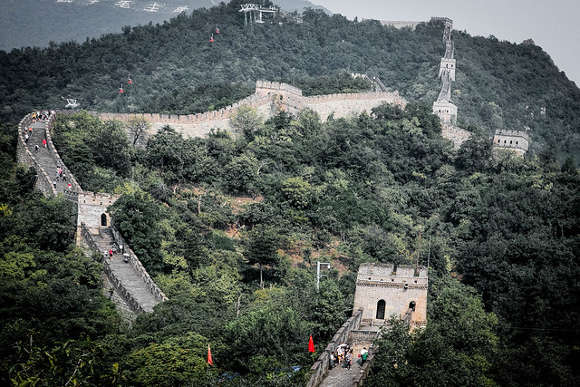
Great Wall of China
Photo by vijaykumar79

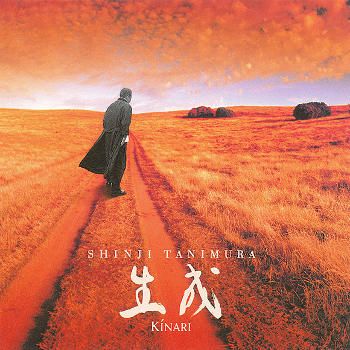
※ 今年の櫻は散りました 夜明けの風雨(あらし)に耐えきれず
~ 「櫻守 (Album version)」『生成』所収
道家思想篇 34 韓非子・亡徴篇 3
「地の固〔かため〕無く、城郭〔じょうかく〕惡〔あ〕しく、
畜積〔ちくせき〕無く、財物〔ざいぶつ〕寡〔すくな〕く、
守戰の備え無くして而も輕〔かろがろ〕しく攻伐〔こうばつ〕する者、亡ぶ可き也。
種類〔しゅるい〕(※君主とその一族)壽〔じゅ〕ならず、
大臣制〔だいじんせい〕を專〔もっぱら〕にし、
羈旅〔きりょ〕を樹〔う〕えて以〔もっ〕て黨〔とう〕と為し、
數〔しばしば〕地を割〔さ〕きて以て交〔まじわり〕を待〔たの〕む者、
亡ぶ可き也。
太子〔たいし〕尊顯〔そんけん〕、徒屬〔とぞく〕眾強〔しゅうきょう〕、
大國〔たいこく〕の交〔まじわり〕多くして、威勢〔いせい〕蚤〔はや〕くして具わる者、
亡ぶ可き也。
變褊〔へんへん〕にして心〔こころ〕急〔きゅう〕に、
輕疾〔けいしつ〕にして動發〔どうはつ〕し易〔やす〕く、
亡ぶ可き也。
主〔しゅ〕、怒ること多く好みて兵を用い、
本教〔ほんきょう〕を簡〔す〕てて戰攻〔せんこう〕を輕〔かろ〕んずる者、
亡ぶ可き也。
貴臣〔きしん〕相妬〔あいそね〕み、大臣〔だいじん〕隆盛〔りゅうせい〕、
外は敵國に藉〔か〕り、內〔うち〕は百姓を困〔くるし〕め、
以て怨讎〔えんしゅう〕を攻め、而も人主〔じんしゅ〕誅せざる者、
亡ぶ可き也。
君〔きみ〕不肖〔ふしょう〕にして側室〔そくしつ〕賢〔けん〕、
太子〔たいし〕輕〔かろ〕くして庶子〔しょし〕伉〔こう〕し、
官吏〔かんり〕弱くして人民〔じんみん〕桀〔けつ〕なる、
此〔かく〕の如きは則〔すなわ〕ち國〔くに〕躁〔さわ〕がし、
國躁がし者、亡ぶ可き也。
怨〔うらみ〕を藏〔おさ〕して發〔はっ〕せず、罪を懸け〔か〕て誅〔ちゅう〕せず、
群臣を使〔し〕て陰〔ひそか〕に憎みて愈〔いよいよ〕憂懼〔ゆうく〕せしめ、
而〔しか〕も久しく未〔いま〕だ知る可からざる者、亡ぶ可き也。
( 『韓非子』亡徴 第十五)
If the terrian has no stronghold, the city-walls are in bad repair, the state has no
savings and hoardings, resources and provisions are scarce, and no preparations
are made for defence and attack, but the ruler dares to attack and invade other
countries imprudently, then ruin is possible.
If the royal seed is short-lived, new sovereigns succeed to each other continuously,
babies become rulers, and chief vassals have all the ruling authority to themselves
and recruit partisans from among foreign residents and maintain inter-state friendship
by frequently ceding territories, then ruin is possible.
If the crown prince is esteemed and celebrated, has numerous dependents and
protégés, develops friendships with big powers, and exercises his authority and
influence from his early years, then ruin is possible.
If the ruler is narrow-minded, quick-tempered, imprudent, easily affected, and,
when provoked, becomes blind with rage, then ruin is possible.
If the sovereign is easily provoked and fond of resorting to arms and neglects
agricultural and military training but ventures warfare and invasion heedlessly,
then ruin is possible.
If nobles are jealous of one another, chief vassals are prosperous, seeking support
from enemy states and harassing the hundred surnames at home so as to attack
their wrongdoers, but the lord of men never censures them,
then ruin is possible.
If the ruler is unworthy but his half-brothers are worthy; if the heir apparent is
powerless and the bastard surpasses him; or if the magistrates are weak and the
people are fierce; then the state will be seized with a panic.
And a panic-stricken state is liable to ruin.
If the ruler conceals his anger, which he would never reveal, suspends a criminal case,
which he never would censure, and thereby makes the officials hate him in secret
and increases their worries and fears, and if he never comes to know the situation
even after a long time, then ruin is possible.
( Han Feizi >Chapter XV. Portents of Ruin)
[隷属への道] カテゴリーに移動しました。
「大往生」「大団円」は甚だ難〔かた〕し
一個人や国家・企業の盛衰を見るに、見事な去り方をする事例は貴重である。
市井の噂話やニュースでもっぱら話題になるのは、
いっとき大隆盛を誇った人物や会社が、ジリピンになって朽ち果てていく様子である。
もちろん、富を持たざる者の妬〔ねた〕み嫉〔そね〕みが根底にあるのは否定できないが、
なまじっか成功したために調子に乗り過ぎて不幸になった経営者などの末路は
いわゆる「他山の石」として二の轍を踏まぬよう心すべきだ。
ある御用教授が
「徳富蘇峰の歴史書を買わなかったケチな外国人教授は(学会から)消えてしまった」
とか、
「私の英語研究書にケチをつけて出版しなかった出版社はその後潰れた
などと 当てつけ 混じりで著書に書いているのだが、
最期まで脱落せずに生き残る個人や会社はよほど注意深く行動する者であって、
その他大勢は二流・三流、はたまた、四流・五流あたりにとどまって、
かろうじて糊口をしのぐか、他分野に鞍替えして消えるかのいずれかである。
また個人の場合も、善人であれ悪人であれ、日頃から不摂生を行い、
他人から恨みを買うような真似をしていれば、いつかそのしっぺ返しを喰らうか、
自ら墓穴を掘って大事故・大事件・大病の憂き目に遭うというものである。
悪人でありながら見事な大往生を遂げた、という例は
「悪人」と称される群れの絶対数と比べればごくごく少数であろう。
(つづく)
お気に入りの記事を「いいね!」で応援しよう

Last updated
2019年04月27日 06時35分46秒
[道家思想] カテゴリの最新記事
-
道家思想篇 119 老子 顯質第八十一 (The… 2020年12月30日
-
道家思想篇 118 老子 獨立第八十 (Stand… 2020年12月23日
-
道家思想篇 117 老子 任契第七十九 (Adh… 2020年12月16日


【毎日開催】
15記事にいいね!で1ポイント


© Rakuten Group, Inc.
