



PR
Calendar
Category
Hiekka aikaa
(731)Suomi
(322)Lappi
(53)Kuksa ククサ
(23)Luonto
(25)erämaa
(18)huomio
(162)muovimalli
(32)musiikki
(301)eläinpelastus
(79)veitset (knives)
(41)Olkoon voima kanssasi!
(35)剣の巻
(37)今は昔
(21)陽明学
(441)道家思想
(126)孫子兵法
(12)人鏡論
(13)海外通販/個人輸入
(26)日本独立計画
(49)隷属への道
(25)多目的道具
(206)現代甲冑考 - Modern Armors -
(80)実用物具考
(85)民間防具考
(177)民間防衛
(219)戦ふ日本刀
(97)實戦刀譚
(103)臨戦刀術
(94)古傳鍛刀術
(2)北欧
(118)西欧
(260)中欧
(35)彫金
(20)意匠
(58)『傭兵たちの挽歌』
(141)2011 jalkeen
(34)TORIAEZ
(11)Needle Felted Animals
(262)Weekly SAK
(597)Weekly SL
(485)Weekly EXP
(39)Keyword Search
▼キーワード検索
2026年06月
2026年05月
2026年04月
2026年03月
2026年02月
2026年05月
2026年04月
2026年03月
2026年02月
2026年01月
2025年12月
2025年11月
2025年10月
2025年09月
2025年12月
2025年11月
2025年10月
2025年09月


2019年04月24日

テーマ: 老荘思想(128)
カテゴリ: 道家思想
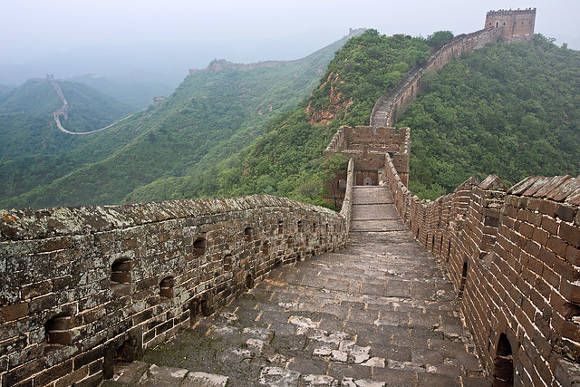
Great Wall of China, Jinshanling section
Photo by Michelle Rousell


※ 今年の櫻は散りました 夜明けの風雨(あらし)に耐えきれず
~ 「櫻守 (Album version)」『生成』所収
道家思想篇 35 韓非子・亡徴篇 4
「軍〔ぐん〕を出〔いだ〕すに將〔しょう〕に命ずること太〔はなは〕だ重く、
邊地〔へんち〕、守〔しゅ〕に任〔にん〕ずること太〔はなはだ〕尊〔たっと〕く、
制〔せい〕を專〔もっぱら〕にし命〔めい〕を擅〔ほしいまま〕にし、
徑為〔けいい〕をして請〔こ〕う所〔ところ〕無き者、亡ぶ可き也。
外內〔がいない〕混通〔こんつう〕し、男女〔だんじょ〕別〔べつ〕無き、
是〔これ〕を兩主〔りょうしゅ〕と謂〔い〕う。
兩主〔りょうしゅ〕の者、亡ぶ可き也。
后妻〔こうさい〕賤〔いや〕しくて婢妾〔ひしょう〕貴〔たっと〕く、
太子〔たいし〕卑〔いや〕しくて庶子〔しょし〕尊〔たっと〕く、
相室〔しょうしつ〕輕〔かろ〕くして典謁〔てんえつ〕重き、
此〔かく〕の如〔ごと〕きは則ち內外〔ないがい〕乖〔そむ〕く。
內外〔ないがい〕乖〔そむ〕く者、亡ぶ可き也。
大臣〔だいじん〕甚〔はなは〕だ貴〔たっと〕く、
主斷〔しゅだん〕壅塞〔ようそく〕して重く國を擅〔ほしいまま〕にする者、亡ぶ可き也。
私門〔しもん〕の官〔かん〕用いられて、
馬府〔ばふ〕の世〔よ〕絀〔しりぞ〕けられ、
鄉曲〔きょうきょく〕の善〔ぜん〕舉げられ,
私行〔しこう〕を貴〔たっと〕びて公功〔こうこう〕を賤〔いやし〕む者、亡ぶ可き也。
公家〔こうか〕虛〔むな〕しくして大臣〔だいじん〕實〔み〕ち、
正戶〔せいこ〕貧〔まず〕しくして寄寓〔きぐう〕富み、
耕戰〔こうせん〕の士〔し〕困〔くるし〕みて、
末作〔まつさく〕の民〔たみ〕利する者は亡ぶ可き也。
大利〔たいり〕を見て而〔しか〕も趨〔おもむ〕かず、
禍端〔かたん〕を聞き而〔しか〕も備えず、
爭守〔そうしゅ〕の事に淺薄〔せんぱく〕して、
而〔しか〕も務〔つと〕めて仁義を以て自ら飾る者、亡ぶ可き也。
人主〔じんしゅ〕の孝〔こう〕を為さずして、匹夫〔ひっぷ〕の孝を慕い、
社稷〔しゃしょく〕の利を顧〔かえり〕みずして、
主母〔しゅぼ〕(※母親)の令を聽き、女子〔じょし〕國〔くに〕を用い、
刑餘〔けいよ〕の事を用いる者、亡ぶ可き也。
辭辯〔じべん〕にして而〔しか〕も法〔ほう〕あらず、
心〔こころ〕智〔ち〕にして而〔しか〕も術無く、
主〔しゅ〕多能〔たのう〕にして而も法度〔ほうど〕を以て事に從わざる者、亡ぶ可き也。
新臣〔しんしん〕進みて故人〔こじん〕退〔しりぞ〕き、
不肖〔ふしょう〕事〔こと〕を用いて賢良〔けんりょう〕伏〔ふく〕し、
功〔こう〕無きもの貴〔たっと〕くして勞苦〔ろうく〕するもの賤〔いや〕しき、
是〔かく〕の如きは則ち下〔しも〕怨〔うら〕む、
下〔しも〕怨〔うら〕む者、亡ぶ可き也。
父兄〔ふけい〕大臣〔だいじん〕祿秩〔ろくちく〕功に過ぎ、
章服〔しょうふく〕等〔とう〕(※等級)を侵し、
宮室〔きゅうしつ〕供養〔きょうよう〕太〔はなは〕だ侈〔おご〕りて、
人主〔じんしゅ〕禁ぜずば、則ち臣の心〔こころ〕窮〔きわま〕り無けむ、
臣の心窮り無き者、亡ぶ可き也。
公壻〔こうせん〕(君主の娘婿)公孫〔こうそん〕民〔たみ〕と門を同じくして、
其の鄰〔となり〕に暴慠〔ぼうごう〕する者、亡ぶ可き也。
亡徵〔ぼうちょう〕とは、必ず亡ぶと曰〔い〕うに非ず、其の亡ぶ可きを言う也。
夫〔そ〕れ兩堯〔りょうぎょう〕(※堯が二人いたとして)は相〔あい〕王たるに能わず、
兩桀〔りょうけつ〕(※桀が二人いたとして)相〔あい〕亡〔ほろ〕ぼす能わず。
亡王〔ぼうおう〕の機〔き〕、必ず其の治亂〔ちらん〕、其の強弱、
相〔あい〕踦〔き〕する者なり。
木の折るるや必ず蠹〔と〕を通じ、墻〔かき〕の壞〔やぶ〕るるや必ず隙〔げき〕を通ず。
然れども木〔き〕蠹〔と〕すと雖〔いえど〕も,疾風〔しっぷう〕無くば折れず、
墻〔かき〕隙〔げき〕ありと雖〔いえど〕も、大雨〔たいう〕無くば壞れず。
萬乘〔ばんじょう〕の主〔しゅ〕能く術を服し法を行い、
以て亡徵〔ぼうちょう〕の君〔きみ〕の風雨〔ふうう〕と為〔な〕る者有らば、
其の天下を兼ねること難〔かた〕からざらむ。」
( 『韓非子』亡徴 第十五)
※以上の書き下し文、並びにふりがなは、
竹内照夫氏 著『新釈漢文大系 11 韓非子 上』明治書院発行 を参考とさせていただきました。
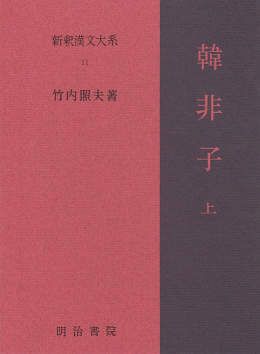
新釈漢文大系(11)韓非子 上
竹内照夫 著・監修 明治書院 発行
https://books.rakuten.co.jp/rb/208035/
If the commander in the front line has too much power, the governor on the
frontier has too much nobility, and if they have the ruling authority to themselves,
issue orders at their own will and do just as they wish without asking permission of
the ruler, then ruin is possible.
If the queen is adulterous, the sovereign's mother is corrupt, attendants inside and
outside the court intercommunicate, and male and female have no distinction, such
a régime is called "bi-regal".
Any country having two rulers is liable to ruin.
If the queen is humble but the concubine is noble, the heir apparent is low but the
bastard is high, the prime minister is despised but the court usher is esteemed,
then disobedience will appear in and out of the court. If disobedience appears in
and out of the court, the state is liable to ruin.
If chief vassals are very powerful, have many strong partisans, obstruct the sovereign's
decisions, and administer all state affairs on their own authority,
then ruin is possible.
If vassals of private families are employed but descendants of military officers are
rejected, men who do good to their village communities are promoted but those
who render distinguished services to their official posts are discarded, self-seeking
deeds are esteemed but public-spirited works are scorned,
then ruin is possible.
If the state treasury is empty but the chief vassals have plenty of money,
native subjects are poor but foreign residents are rich, farmers and warriors have
hard times but people engaged in secondary professions are benefited,
then ruin is possible.
The ruler who sees a great advantage but does not advance towards it, hears the
outset of a calamity but does not provide against it, thus neglecting preparations
for attack and defence and striving to embellish himself with the practice of
benevolence and righteousness, is liable to ruin.
If the ruler does not practise the filial piety of the lord of men but yearns after the
filial piety of the commoner, does not regard the welfare of the Altar of the Spirits
of Land and Grain but obeys the orders of the dowager queen, and if he allows women
to administer the state affairs and eunuchs to meddle with politics,
then ruin is possible.
If words are eloquent but not legal, the mind is sagacious but not tactful, the sovereign
is versatile but performs his duties not in accordance with laws and regulations,
then ruin is possible.
If new ministers advance when old officials withdraw, the unworthy meddle with politics
when the virtuous pass out of the limelight, and men of no merit are esteemed
when hard-working people are disdained, then the people left behind will resent it.
If the people left behind resent it, ruin is possible.
If the bounties and allowances of uncles and brothers exceed their merits, their badges
and uniforms override their grades, and their residences and provisions are too
extravagant, and if the lord of men never restrains them, then ministers will
become insatiable.
If ministers are insatiable, then ruin is possible.
If the ruler's sons-in-law and grandsons live behind the same hamlet gate with the
commoners and behave unruly and arrogantly towards their neighbours,
then ruin is possible.
Thus, portents of ruin do not imply certainty of ruin but liability to ruin.
Indeed, two Yaos cannot rule side by side, nor can two Chiehs ruin each other.
The secrets of rule or ruin lie in the inclination towards order or chaos, strength or
weakness.
It is true, the tree breaks down because of vermin, the fence gives way on account
of cracks. Yet, despite the vermin, if no sudden gale blows, the tree will not break down;
despite the cracks, if no heavy rain falls, the fence does not give way.
If the sovereign of ten thousand chariots can exercise tact and enforce law and
thereby function as gale and rain to rulers having portents of ruin,
his annexation of Allunder-Heaven will have no difficulty.
( Han Feizi >Chapter XV. Portents of Ruin)
※「君は『はだしのゲン』の町内会長を助けるか?」は
[隷属への道] カテゴリーに移動しました。
木〔き〕蠹〔と〕し、墻〔かき〕隙〔げき〕あり、獅子身中に虫あり
昨日、日本教文社(__生長の家だ)発行の
エマソン選集 3『生活について』(小泉一郎 訳) に以下のような文章を見つけた。
「(前略)たとえば、共感の力が働いていれば、
一座にただ一人の賢い人間がいるだけで誰でも賢くなるように、
馬鹿が一人いればその仲間はみな馬鹿になってしまう。
こんな人間は、他の精神を麻痺させる驚くべき力をそなえているのだ。
彼が事務室や公けの部屋にはいって来ると、そこの一座はばらばらになる。
一人去り二人去りして、その部屋は彼によって左右されるようになる。
浮薄な性質ほど矯正しがたいものはない。蝿はハイエナのように始末が悪い。
が、ふざけたりおどけたり、怠けたりするという意味での愚かしさは、まだしも我慢できる。
タレーランも「ばかげた行為は、ふしぎに人を爽やかにしてくれるものだ」といっている。
しかし、毒気をふくんだ、攻撃的な馬鹿者は、一家の理性を汚染してしまう。
静かな、道理をわきまえた人びとから成る一家全体が、
こんな馬鹿者の犠牲となって混乱し逆上するさまを私は見たことがある。
なぜなら、一人のひねくれた人間の、間断ない頑迷な振舞いは、
どんなすぐれた人物をも立腹させるに足りるからである。
私たちは愚昧には抵抗せざる得ないからだ。
だが、抵抗は大馬鹿者を激昂させるにすぎない。
こんな馬鹿者は、自然や引力をまったく間違っているのであって、
正しいのは俺一人だと信じこんでいるのである。
このために、十幾人の一家の者が、さまざまな美徳をそなえた勤勉な人々なのに、
たちまち邪道に堕ち、この一人の悪人の反対者となり、告発者となり、
弁明者となり、矯正者となるのである。
ひっくりかえろうとしている舟か、いきなり馬が駆けだした馬車かなんぞのように、
愚かな水先案内や御者ばかりでなく乗っている者全部が、
船や馬車の平衡をとって顛覆を妨ぐために、異様な、滑稽な態度をとらざるを得なくなる。
こんな場合、症状がまだ軽いあいだにとるべき療法として、
私は冷淡な態度と真理とをあげたいと思う。
すなわち、いっさいの真理を語り行なう際に、無に近い冷淡な態度をとることである。
さもなれけば、真理そのものが、愚昧と化し去るであろう。
しかし、症状が根深い、悪性のものとなった場合には、唯一つの安全な策は切断である。
水夫のいわゆる、「いかり綱を切って急拠出帆する」ことである。
自分に適しない仲間と一緒にいてどうして暮らすことができよう。
そんな連中と一緒の生活は、おおかた、浪費に等しい。
そして、経験の教えるところも、私たちの古い自己防衛の本能を多く出ないのだ
絶対に彼らと交わらず彼らの狂気沙汰に反対しないで、
疲れ果てるままにさせておくことである。(後略)」
(エマソン選集『生活について』「随想余録」P.143 ~ P.145)
___ As, when there is sympathy, there needs but one wise man in a company
and all are wise, so a blockhead makes a blockhead of his companion.
Wonderful power to benumb possesses this brother. When he comes into the office
or public room, the society dissolves; one after another slips out, and the
apartment is at his disposal. What is incurable but a frivolous habit?
A fly is as untamable as a hyena. Yet folly in the sense of fun, fooling or dawdling
can easily be borne; as Talleyrand said, “I find nonsense singularly refreshing;”
but a virulent, aggressive fool taints the reason of a household. I have seen a whole
family of quiet, sensible people unhinged and beside themselves, victims of such a rogue.
For the steady wrongheadedness of one perverse person irritates the best;
since we must withstand absurdity. But resistance only exasperates the acrid fool,
who believes that nature and gravitation are quite wrong, and he only is right.
Hence all the dozen inmates are soon perverted, with whatever virtues and
industries they have, into contradictors, accusers, explainers and repairers of this
one malefactor; like a boat about to be overset, or a carriage run away with,
—not only the foolish pilot or driver, but everybody on board is forced to assume
strange and ridiculous attitudes, to balance the vehicle and prevent the upsetting.
For remedy, whilst the case is yet mild, I recommend phlegm and truth: let all the
truth that is spoken or done be at the zero of indifferency, or truth itself will be folly.
But when the case is seated and malignant, the only safety is in amputation;
as seamen say, you shall cut and run. How to live with unfit companions?
—for with such, life is for the most part spent; and experience teaches little better
than our earliest instinct of self-defence, namely not to engage, not to mix yourself
in any manner with them, but let their madness spend itself unopposed.
Ralph Waldo Emerson
“VII. Considerations by the Way” in The Conduct of Life
エマソンの態度は尤もであるが、 こちら に言い分があれば あちら にも言い分がある。
漫画『はだしのゲン』 で、
町内総出の 竹槍訓練 に水を差す中岡家の父親は「非国民」であるが、
当の中岡家の主は「この戦争は勝てない」とすっかり見抜いてしまっている。
勝てない戦争をいかにも勝てそうに振る舞う大多数が利口な側だったのか、
それとも上っ面だけの猿芝居だったかは、残酷にも時間の経過が暴露してしまった。
ただし、エマソンは 19世紀の人だから、ダッハウ Dachau の強制収容所や
(それにしてもドイツからの出国を余儀なくされた
マルティン・ブーバー Martin Buber は強運の持ち主だった)、
日本人輸送船団が海の藻屑と消えたバシー海峡 Bashi Channel の悲劇を知らないだろう。
振り返って、現代の日本を見てみると、
表裏で統一教会やら勝共連合などと共闘して、
わざわざ日韓を仲違いさせて好戦的な雰囲気を作ることに熱心な御用学者、
御用作家どもの集団があるから油断ならない。
いわば「獅子身中の虫」というものである。
こういった扇動工作もスパイ活動の一環と見てよいかもしれない。
ということで、次回からは道家思想を微妙にかすりつつ、
『孫子』用閒篇 十三 "Sun Tzu's Art of War" Chapter XIII. The Use of Spies
を取り上げてみよう。
(つづく)
13 Use of Spies | The Art of War by Sun Tzu (Animated)
お気に入りの記事を「いいね!」で応援しよう

Last updated
2019年04月27日 13時22分49秒
[道家思想] カテゴリの最新記事
-
道家思想篇 119 老子 顯質第八十一 (The… 2020年12月30日
-
道家思想篇 118 老子 獨立第八十 (Stand… 2020年12月23日
-
道家思想篇 117 老子 任契第七十九 (Adh… 2020年12月16日


【毎日開催】
15記事にいいね!で1ポイント


© Rakuten Group, Inc.
