


2010年08月の記事
全7件 (7件中 1-7件目)
1
-
医療通訳を育成へ-経産省が東京外語大で講座
下記記事を見つけましたが、医療ツーリズムの国家レベルのプロモーションは経済産業省管轄なんですね。また、地方の観光資源を生かした町おこしとなると総務省管轄となるようです。どちらも観光立国日本を推進すべき観光庁の仕事だと思うのですが、観光情報発信のIT活用や旅行情報基盤構築の提案を持っていっても、それを理解できる窓口担当者がいないためか、バックアップはするから直接経済産業省に提案してくれといわれることが多かったのですがこのままでいいのでしょうか。医療通訳も、実際にかかわった人のお話では通訳ガイド試験合格者でないと日本では通訳ガイドができないことになっていますが、観光ガイド以外ほとんど役に立たないそうです。いったい誰がこのような医療通訳の教育を担当されるのでしょうか。米国の医学学部卒業者で日英の文化両方を理解した人でないと、通訳は不可能なのでしょうか。医療通訳を育成へ-経産省が東京外語大で講座 新たな成長産業として政府が力を入れる「医療ツーリズム」の受け入れ強化に向け、経済産業省は、高度な医療知識とコミュニケーション能力を備えた「医療通訳」の育成に取り組む。東京外国語大に委託し、養成講座を10月に開講する。【関連記事】医療ツーリズム、10年後は5500億円の市場に―DBJ試算医療・介護保険外サービスを創出―産業構造ビジョン骨子案検証 医療ツーリズム元年(3)「言葉をつなぐ」医療ツーリズム専門部署がスタート―JTB医療ツーリズム、国家レベルのプロモーションを―経産省の報告書
2010.08.24
コメント(0)
-
9月定例オフ会
関係各位 9月定例オフ会の案内9月定例オフ会を開催します。現状報告と今後の活動企画提案をご紹介して皆さまのご意見を伺いたいと思っています。1.日時:平成22年9月25日(土)11:00-14:002.場所:中華レストラン「天山」東京駅八重洲北口から徒歩2分(http://r.gnavi.co.jp/g093100/)3.参加費:2000円(コーヒー飲み放題、サラダ食べ放題の中華ランチ込み)4.話題:今後の活動についての提案を提供されたい方はもちろん、歓迎ですが、特になくても、参加してみて何か情報交換できれば良いという軽い気持ちでも遠慮なくご参加ください。現在考えている話題は下記の通りです。1.平成22年度第1回交流会の反省・参加者の感想意見交換・反省と次回への改善提案2 テクニカルコミュニケーション入門(5)2.1 倫理や法律の考慮についての理解(1)A brief Introduction to Ethics(2)Your Legal Obligations(3)CopyRight Law(4)Trademark Law(5)Contract Law(6)Liability Law(7)Codes of Conduct3 国際会議英語3.1 ロバート議事規則 - 要約版3.2 PartI Rules of Order(1) Deliberative Assemblies- Art. I(2) Classification of Motions - Art. II(3) Privileged Motions - Art. III(4) Incidental Motions - Art. IV(5) Subsidiary Motions - Art. V(6) Main and Unclassified Motions - Art. VI3.3 国際会議に参加して実際にジュネーブで8月末から1週間予定の国連のUN/CEFACT国際会議の反省4 その他参加者の方から何かご提案があれば、遠慮無くご発表願います。5.申込方法参加希望者はmixiのメッセージ機能で、下記情報を添えて連絡いただければ幸いです。(1)氏名(2)職業(3)連絡先(メールアドレスと電話)
2010.08.22
コメント(1)
-
8月オフ会報告(2)
3 国際会議議事進行について3.1 Robert's Rules of Order Index3.2Getting Started:(1)Table of Contents(2)Order of Precedence of Motions(3)Table of Rules Relating to Motions(4)Preface(5)Introduction to Robert's Rules上記内容を紹介したがコピーするとそれだけでインク代が1万以上かかりそうなので内容は別途ファイルでメーリングリストに掲載しますのでそちらを参照願います。その代わりに、見つけた資料を日本語で解説しましたので、こちらに掲載します。ただし、機械翻訳を使っているので意味不明のところがあるかもしれませが、それは、別途メーリングリストに原文を載せますのでそちらで確認願います。Introduction to Robert's Rules of Order 1. What is Parliamentary Procedure? 2. Why is Parliamentary Procedure Important? 3. Example of the Order of Business 4. Motions 5. Types of Motions 6. How are Motions Presented? 7. Voting on a Motion What Is Parliamentary Procedure? It is a set of rules for conduct at meetings, that allows everyone to be heard and to make decisions without confusion. Why is Parliamentary Procedure Important? Because it's a time tested method of conducting business at meetings and public gatherings. It can be adapted to fit the needs of any organization. Today, Robert's Rules of Order newly revised is the basic handbook of operation for most clubs, organizations and other groups. So it's important that everyone know these basic rules!Organizations using parliamentary procedure usually follow a fixed order of business. Below is a typical example: 1. Call to order. 2. Roll call of members present. 3. Reading of minutes of last meeting. 4. Officers reports. 5. Committee reports. 6. Special orders --- Important business previously designated for consideration at this meeting. 7. Unfinished business. 8. New business. 9. Announcements. 10. Adjournment.The method used by members to express themselves is in the form of moving motions. A motion is a proposal that the entire membership take action or a stand on an issue. Individual members can: 1. Call to order. 2. Second motions. 3. Debate motions. 4. Vote on motions.There are four Basic Types of Motions: 1. Main Motions: The purpose of a main motion is to introduce items to the membership for their consideration. They cannot be made when any other motion is on the floor, and yield to privileged, subsidiary, and incidental motions. 2. Subsidiary Motions: Their purpose is to change or affect how a main motion is handled, and is voted on before a main motion. 3. Privileged Motions: Their purpose is to bring up items that are urgent about special or important matters unrelated to pending business. 4. Incidental Motions: Their purpose is to provide a means of questioning procedure concerning other motions and must be considered before the other motion.How are Motions Presented? 1. Obtaining the floor 1. Wait until the last speaker has finished. 2. Rise and address the Chairman by saying, "Mr. Chairman, or Mr. President." 3. Wait until the Chairman recognizes you. 2. Make Your Motion 1. Speak in a clear and concise manner. 2. Always state a motion affirmatively. Say, "I move that we ..." rather than, "I move that we do not ...". 3. Avoid personalities and stay on your subject. 3. Wait for Someone to Second Your Motion 4. Another member will second your motion or the Chairman will call for a second. 5. If there is no second to your motion it is lost. 6. The Chairman States Your Motion 1. The Chairman will say, "it has been moved and seconded that we ..." Thus placing your motion before the membership for consideration and action. 2. The membership then either debates your motion, or may move directly to a vote. 3. Once your motion is presented to the membership by the chairman it becomes "assembly property", and cannot be changed by you without the consent of the members. 7. Expanding on Your Motion 1. The time for you to speak in favor of your motion is at this point in time, rather than at the time you present it. 2. The mover is always allowed to speak first. 3. All comments and debate must be directed to the chairman. 4. Keep to the time limit for speaking that has been established. 5. The mover may speak again only after other speakers are finished, unless called upon by the Chairman. 8. Putting the Question to the Membership 1. The Chairman asks, "Are you ready to vote on the question?" 2. If there is no more discussion, a vote is taken. 3. On a motion to move the previous question may be adapted.Voting on a Motion: The method of vote on any motion depends on the situation and the by-laws of policy of your organization. There are five methods used to vote by most organizations, they are: 1. By Voice -- The Chairman asks those in favor to say, "aye", those opposed to say "no". Any member may move for a exact count. 2. By Roll Call -- Each member answers "yes" or "no" as his name is called. This method is used when a record of each person's vote is required. 3. By General Consent -- When a motion is not likely to be opposed, the Chairman says, "if there is no objection ..." The membership shows agreement by their silence, however if one member says, "I object," the item must be put to a vote. 4. By Division -- This is a slight verification of a voice vote. It does not require a count unless the chairman so desires. Members raise their hands or stand. 5. By Ballot -- Members write their vote on a slip of paper, this method is used when secrecy is desired.There are two other motions that are commonly used that relate to voting. 1. Motion to Table -- This motion is often used in the attempt to "kill" a motion. The option is always present, however, to "take from the table", for reconsideration by the membership. 2. Motion to Postpone Indefinitely -- This is often used as a means of parliamentary strategy and allows opponents of motion to test their strength without an actual vote being taken. Also, debate is once again open on the main motion.Parliamentary Procedure is the best way to get things done at your meetings. But, it will only work if you use it properly. 1. Allow motions that are in order. 2. Have members obtain the floor properly. 3. Speak clearly and concisely. 4. Obey the rules of debate. Most importantly, BE COURTEOUS.
2010.08.21
コメント(0)
-
8月オフ会報告(1)
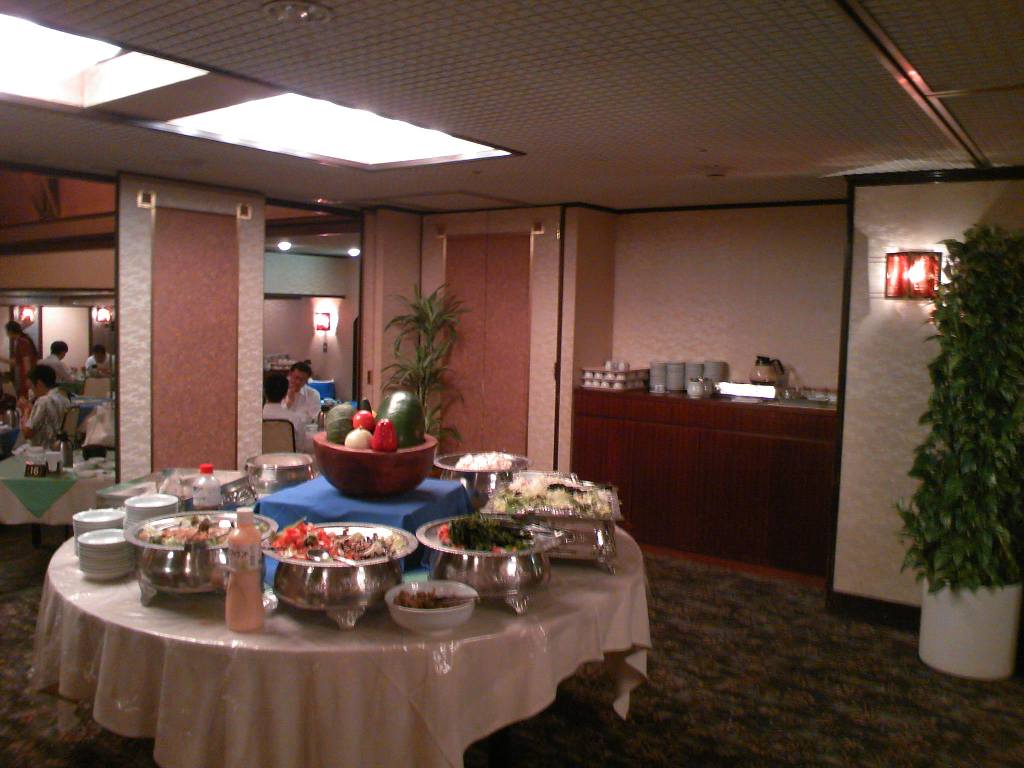
今日はなんといつもの昼食の予算内でコーヒーとサラダバーが飲み放題食べ放題でした。しかも土曜日は女性にだけ、デザートのサービスもあり、これから、参加する方は同じサービスが受けられるそうです。 それはともかく、今日の活動内容を報告いたします。残念ながら、交流会参加者はどなたも見えなかったので、交流会の反省会はできなかったのですが、下記内容について報告、意見の交換をしました。参加者からは、活動内容もさることながら、天山のサービスもよかったのでまた参加したいとのコメントをいただきました。(笑い) 1.テクニカルコミュニケーションについて 詳細は別途、メーリングリストに掲載する資料ファイルを参照いただくとして概要を報告いたします。 1 平成22年度第1回交流会の反省 残念なら先日の交流会に参加した方が誰も参加されなかったので、反省会は次回にします。2 テクニカルコミュニケーションとは(4) 2.1テクニカルコミュニケーションの特徴(続き) (1)Honesty It is the right thing to do. Readers can get hurt if you are dishonest. You and your organization could face serious legal charges if you are dishonest. (2)Clarity Your goal is to produce a document that covey's a single meaning the reader can understand easily. The following directive, written by the British navy (Technical Communication, 1990), is an example of what you don't want to do: Technical communication must be clear for two reasons: Unclear technical communication can be dangerous. Unclear technical communication is expensive. (3)Accuracy Inaccurate writing can cause as many problems as unclear writing. Accuracy seems a simple concept: you must record the facts carefully. If you meant to write 4,000, double-check your work to make sure that you didn't write 40,000. The slightest inaccuracy will, at the least, confuse and annoy your readers. A major inaccuracy can be dangerous and expensive. (4)Comprehensiveness A good technical document provides all the information readers need. It describes the background so that readers who are unfamiliar with the subject can understand it. It contains sufficient detail so that readers can follow the discussion and carry out any required tasks. It refers to supporting materials clearly or includes them as attachments. (5)Accessibility Accessibility refers to the ease with which readers can locate the information they seek. Most technical documents are made up of small, independent sections. Some readers are interested in only one or two sections; others might want to read more. (6)Conciseness To be useful, technical communication must be concise. A longer document is more difficult to use because it takes more of the reader's time. In a sense, conciseness actually works against clarity and comprehensiveness; for a technical explanation to be absolutely clear, it must describe every aspect of the subject in great detail. (7)Professional Appearance You start to communicate before anyone reads the first word of the document. If the document looks neat and professional, readers will form a positive impression of both the content and the authors. (8)Correctness Good technical communication observes the conventions of grammar, punctuation, spelling, and usage. 2.2練習問題 (1) Eavaluate the following letter from a dentist to all his patients. (2) Web page from Canon Corporation(1999)"Clean Earth Campaign" 2.3事例 Teaching Technical Communication across Campus
2010.08.21
コメント(0)
-

◆「グローバル・イングリッシュ」なんてどうだろう◆
関係各位私の知人である菊地さんから下記案内をいただきましたので、ご紹介します。以上【ラジオデイズビジネスセミナーのご案内】なぜ日本ではグローバル人材が育たないのか ――英語力と対話力を伸ばす学びと仕組み日本企業はなぜグローバル人材を育て、活用できないのか? なぜ、日本人は英語コミュニケーションを駆使できないのか? 企業の先進事例と専門家の知見に学ぶスペシャルセミナー! ■日時 2010年9月17日(金)午前11時~午後2時(昼食をご用意します) ■会場 スタジアムプレイス青山(8階 801会議室) 東京都 港区北青山2-9-5 http://www.sp-aoyama.jp/access/index.html 東京メトロ銀座線 「外苑前」駅3番出口 徒歩2分 ■講師と演題 Lecture1 グローバル人材の育成と活用:三菱商事の挑戦 神崎慎治氏 (三菱商事株式会社HRDセンター グローバルHRDチームリーダー) Lecture2 ビジネス英語の力をつける本当のやり方 村井 勝氏 (元コンパック株式会社会長、株式会社ネットラーニング取締役) Lecture3 「壁」を超える英会話の教え方・学び方 原賀真紀子氏 (ジャーナリスト、 東京工業大学外国語研究教育センター非常勤講師) ■参加費 1名につき7,000円(聴講費+昼食代)■主催 株式会社ラジオカフェ 東京都 新宿区新宿1-6-5 シガラキビル6F ★ご参加のお申込みは、Webサイト「ラジオデイズ」でお願いします。http://www.radiodays.jp/community/show_event/106もしくは「ラジオデイズ」で検索してくださいお電話( 03-3341-1230)でも受け付けております。 ■講師プロフィール●神崎慎治氏 (三菱商事株式会社HRDセンター グローバルHRDチームリーダー)慶應義塾大学法学部政治学科卒。化学品の営業在籍時にフランス語研修生、米国・インドネシア駐在を経験し、現職に至る。 現在は三菱商事のグローバル人材開発全般の企画・立案・推進を担うグローバルHRDチームのリーダーを担当。 ●村井勝氏 Masaru Murai (元コンパック株式会社会長、株式会社ネットラーニング取締役) カリフォルニア大学(UCLA)大学院卒(MBA)。米国IBM・日本IBMを経て、コンパック株式会社社長・会長を歴任し、外資系情報産業研究会会長、在日米国商工会議所理事、ジェネラル・アトランティック・パートナーズ特別顧問なども務めた。 ●原賀真紀子氏 Makiko Haraga (ジャーナリスト、 東京工業大学外国語研究教育センター非常勤講師) 慶應義塾大学文学部卒、米ノースウェスタン大学ジャーナリズム大学院修了。旧第一勧業銀行勤務、通訳・翻訳などを経て現在に至る。『週刊朝日』『AERA』『AERAEnglish』などで取材・執筆。著書に『「伝わる英語」習得術 理系の巨匠に学ぶ』がある。
2010.08.13
コメント(0)
-
インバウド観光客を増やすための施策とは
私はNPO 旅行電子放取引促進機構でも活動していますが、そちらでも、観光情報発信やメデイカル・ツーリズムへの協力が検討されています。世界への観光情報や日本の誇る科学技術情報の発信と日本観光への動機づけにXML/EDIの標準を活用するにはどうしたら良いか、あるいはソーシャルメデイアの活用との連携などが話題になっています。政府は2013年までに今まで年間7-800万人くらいしか来日していない海外の観光客を、3000万人まで増やそうと目標を設定しているようですが、地域の観光資源の開発やあらゆる手段を講じないと、いくら観光立国日本の立ち上げとか予算だけは増えても有効な活用もできないし、なかなか目標達成は難しいのではないでしょうか。JNTOが海外の旅行者を日本に呼ぶ目的で海外駐在員事務所を数カ所に開設、年間9億円も欠けているのに、先日の仕分けでは、それだけのお金をかけていったい何人日本に観光客を送り込んだのかと聞かれると、実績は統計的に答えることもできず、廃止の判定を受けていましたが、その一部でもいいから、XML/EDIやインターネットでの情報発信に有効活用してもらいたいものです。日本語のホームページの多言語対応、海外から、英語で予約できる体制、来日したら、観光案内が、自分の好む言語で案内が受けられるようにしていくには、相当の覚悟と予算が必要な気がする。90億円もあると言われる観光庁の予算がどこへ消えて行くのか、国民はもっと、監視の目を光らせる必要がありそうだ。【1】医療通訳・翻訳最前線~ネットで問診票を作成~--------------------------------------------------------------------------日本語を話せない外国人が、日本で医療機関にかかるときに言語のサポートをするのが「医療通訳」。最近は外国人観光客の「医療観光」も注目されるなか、その役割がますますクローズアップされてきています。この医療通訳の育成やサービスに、以前から積極的に取り組んでいるNPO法人「多文化共生センターきょうと」では、数年前から多言語医療問診システムM3(エムキューブ)を、病院に提供しています。↓↓↓この記事の続きはこちら↓↓↓http://www.tsuhon.jp/wordpress/?p=161*・*・*・*・*・*・*・*・*・*・*・*・*・*・*また上記の「多文化共生センターきょうと」と「多言語社会リソースかながわ」の共同開催で、8月21日に「第3回 医療通訳を考える全国会議」が京都で開かれます。会議には、一般の方もオブザーバーとして会議の参加(傍聴)が可能です。興味のある方はこちらをチェックしてください。「第3回医療通訳考える全国会議」http://sites.google.com/site/the3rdnationalconference/
2010.08.06
コメント(0)
-
「手作りせっけんの販売店募集のおしらせ」
「手作りせっけんの販売店募集のおしらせ」 あなたは、FacebookというSNS(ソーシャル・ネットワーク・サービス)をご存知ですか? 全世界で5億人が登録しているという世界最大のSNSですが、日本では、今年になってから急激にブレークしています。 そのFacebookでは、数多くのグループ活動がありますが、その中に、「心と心をつなぐYukariせっけんプロジェクト」というものがあり、800人以上のメンバーがいますが、私のその一員として、協力しています。 この記事は、そのプロジェクトで、「ぜひとも、ブログで紹介してほしい」という呼びかけがあったので、紹介協力させていただくものです。 さて、このプロジェクトというのは、アメリカ在住のYukari Richさんが、自然の原料だけを使って手作りされ大好評となっているせっけんを、日本で手作り製造し、全国の障がい者共同作業所やさまざまな福祉関連施設、また一般小売店で販売いただくことで、関わる人たちの収入アップにつなげていこうというプロジェクトです。(一般小売店での販売の場合、5%の福祉への寄付提案をさせていただいております。本プロジェクトで直販される場合も同様に、5%寄付されます。)せっけんは、合成界面活性剤(ラウリル硫酸ナトリウム、硫酸塩)を含まない、植物性(主にココナッツ)グリセリンにゴートミルク(山羊のお乳)が配合されたグリセリンベースに、殺菌力に優れ、人の肌の主成分である「ワックスエステル」を豊富に含んでいるオーガニック・未精製のゴールデンホホバオイル、自然の恵みであるラベンダーエッセンシャルオイルを加えます。この材料は、Yukariさんがアメリカで手作りし、販売しているのと同じものを取り寄せます。Facebook のファンページ(「Yukariせっけん*倶楽部」)にて、実際、使っている方々の声を確認することができますので、是非ご覧ください。http://www.facebook.com/yukarifan せっけんの製造は、このプロジェクトの事務局となっている会社が行いますが、手作りということもあって、OEM生産(作業所オリジナルの商品生産)を依頼する場合でも、わずか100個から可能とのことです。 一般的な掛け率は、発注量に応じて、標準小売価格の50~70%だそうですが、OEM生産なら、販売価格は自由につけられますので、粗利率50%を確保するのも難しくないと思います。このプロジェクトは、「入所者・通所者の収入アップに役立つように、ボランティアではなく、あくまでビジネスとして、せっけんの販売をご提案するもの」です。要するに、企業の下請けではないということです。せっけんのよいところは、消耗品ですのでリピート購入となりやすいことです。また、誰もが使います。もし、問題点を問われたら、機械で製造するのではなく、手作りで製造するために、一度に大量の受注をこなせないということです。そのため、販売先についても、受注量とのバランスを考えながら、徐々に増やさざるを得ないので、「せっけんの販売をしたい」という作業所さんが現れても、そのタイミングによれば、すぐに応じてもらえない場合もあります。 あなたの周りに、障がい者共同作業所やさまざまな福祉関連施設に関係する方、一般小売店がいらっしゃれば、「手作りせっけんを販売して、収入アップに役立てよう」という、この活動をぜひご紹介ください。 詳しい内容については、直接、プロジェクトの事務局で、実際のせっけんを製造する朝永(ともなが)彰さんあて、お問い合わせください。心と心をつなぐYukariせっけんプロジェクト事務局ドリームシップ株式会社代表取締役 朝永 彰(ともながあきら)〒520-1131 滋賀県高島市音羽1067http://www.facebook.com/l/9578dX3YfQeQF13lPgi1zOvAApQ;dreamship.co.jp/mail info@http://www.facebook.com/l/9578dWOEylVaVP-4JSNUucmUuHw;dreamship.co.jpスカイプ名 at-dreamshipTEL 0740-20-1428 携帯電話090-3626-2247FAX 0740-20-5561会社案内 http://www.facebook.com/l/9578dCfqjen3iCH9zJDkh4oMh1w;dreamship.co.jp/kaishaannai.pdf
2010.08.02
コメント(0)
全7件 (7件中 1-7件目)
1


-
-
- ★資格取得・お勉強★
- 勉強を休んでしまっても「リカバリー…
- (2026-05-19 20:48:17)
-
-
-
- まち楽ブログ
- 岩野桃復活プロジェクト
- (2026-05-30 18:08:55)
-
-
-

- お買い物マラソンでほしい!買った!…
- 楽天お買い物マラソンで損しない最終…
- (2026-05-29 20:35:02)
-


