



全て
| カテゴリ未分類
| Football
| OPERA
| BALLET
| Musical Theatre
| Classical Music
| Cinema
| Mystery
| International
| Competition
| これからの公演のお知らせ
| ATPテニス
| アクセス
| ARTS
2011年10月20日

カテゴリ: カテゴリ未分類
Zeljko Lucic talked about 2011 Summer Part1
19 October 2011 at the MET
during the intermission of "Il Barbiere di Siviglia"
in the radio show hosted by Ms. Margaret Juntwait
Zeljko Lucic talked about 2011 Summer Part2
(In Japanese) ジェリュコ・ルチッチ インタビュー at the MET 2011年10月 Part 1
(In Japanese) ジェリュコ・ルチッチ インタビュー at the MET 2011年10月 Part2
***
well, I was very much moved! Thank you, Margaret!
She has just interviewed Zeljko Lucic in the radio show she hosted,
What is I wanted to hear from him most!
Thank you so much Ms. Margaret Juntwait, I am your listener every time!
***
M: We love to welcome baritone Zeljko Lucic, Hello, dear dear!
Z: Hello, good evening. very nice to be here.
M: I'm trying to picture you as Figaro, -
Z: hhh(giggling)
M: -this character has so much fun, he gets run around the stage, he was funny bits as "Largo Al Factotum" (私は街の何でも屋)
Z: Yeah.
M: Would you ever wanted to sing Figaro?
Z: Yes, I would, but ha-ha-ha I think it's too late.
Z: Um----
M: Just go into the past you can--?
Z: Actually I lost the moment.a couple of years ago, ten, fifty years ago when I was beginning, I should sing it then, you know, at the beginning. That's real for the beginners.
M: Did you ever do?
Z: Never. Unfortunately I've never sung. Of course at the beginning I did lyric opera baritone role as Onegin, like Silvio in Pagliacci, like Valentin in Faust and then since my first Germont(Giorgio Germont) in La Traviata, Verdi took me. That's the direction I stay there and I did almost all his operas and I'm still in that repertoire.
Z: Almost all, yes.
M: Is it because it suits your singing or because you love his writing so much?
Z: Uh, both. Actually it's really both. I like his writing, adore Verdi as composer how he wrote these operas and of course I like Verdi and suits my voice, yes.
M: Tell us about that then because some baritones could conceivably sing maybe Verdi and Figaro, Rossini, -- am I going in a wrong direction?
Z: No, no. Uh, I think I could sing Figaro now. I said it's too late because I'm lazy, I don't have no time to learn the opera. (laughing) But let's look Leo Nucci for examples, every time he feels like being tired of singing hard baritone roles dramatic roles, he goes back to Figaro in order to relax his voice.
M: That's very interesting.
Z: Yeah. You're taking couples of very light not so high baritone roles, little bit out of the hard repertoire, dramatic repertoire and then come back again.
M: Ruggero Raimondi as well?
Z: Um-, well yes.
M: He was Basilio.
Z: yes, yes.
M:-- to go into the ---
Z: Just go into the Rossini opera just to take a little breath and then come back.
M: like a little, um, Amuse-bouche.
Z: (laughing) yes.
M: So the Nabucco is the story of the conversion of Nebuchadnezzar(= king of the Neo-Babylonian Empire, who reigned c. 605 BC - 562 BC)(ネブカドネザルの改心、帰依), and it's early Verdi, what is it take for you as the title role to feel like this big Biblical character? (聖書に出てくる人物)What do you have to say to yourself before you go out on stage, (arrogantly) I, Nebuchadnezzar.
Z: Ah,
M: and going to claim myself as God eventually,
Z: Yes but after that immediately I'm going crazy. (laughing)
M: Yes!
Z: so I'm preparing myself more to be crazy, and absent completely then to be King or God.
M: I would imagine because you are a big man and you have a commanding voice and just have a lot of presence. Before you go crazy, being a King must be easier a sort of--portrayal for you?
Z: Yes, yes it is, just only because of as you said I'm a big man, it's not hard to play the character that demands substance and actually I wanna say it's natural, going on a stage singing Nabucco is nothing natural there,(giggling) but I don't prepare myself special - in special way to do this,
M: But you do think your head to the point which you, sort of mentaly incapacitated, you said, you make yourself some sort of empty or vacant?
Z: Yes, yes. I mean, look, Macbeth is going crazy as well, in other sense Simon Boccanegra also. Nabucco which I did all this role it's really not hard for me to tranform myself to be crazy really, completely absent not knowing when I'm doing, where I'm going so it's kind of very natural thing.
M: So when you are singing role of Macbeth, because I always go back to you're singing Macbeth here, it's just very much alive for me, when you singing that role Maria Guleghina was Lady Macbeth. so I've always felt that the connection between the two of you, that is very good pairing, I think. What do you think, she is also in Nabucco with you, What do you think she brings out in your performance?
Z: Actually she doesn't let me be abandoned. She is there, very tough, very hard I mean, strong as a person, as a singer. You have to follow her. If you don't you will lose. and you don't have Nabucco, whole opera whole performances like nothing. So you have to compete with Maria every time you sing.
M: That's interesting. Do you think you bring out (= 〈真価・特徴などを〉引き出す, 発揮する)something in her?
Z: Well I think so, At least I should. but our duetto in third act Nabucco is really quite something.
To be continued to Zeljko Lucic talked about 2011 Summer Part2
19 October 2011 at the MET
during the intermission of "Il Barbiere di Siviglia"
in the radio show hosted by Ms. Margaret Juntwait
Zeljko Lucic talked about 2011 Summer Part2
(In Japanese) ジェリュコ・ルチッチ インタビュー at the MET 2011年10月 Part 1
(In Japanese) ジェリュコ・ルチッチ インタビュー at the MET 2011年10月 Part2
***
well, I was very much moved! Thank you, Margaret!
She has just interviewed Zeljko Lucic in the radio show she hosted,
What is I wanted to hear from him most!
Thank you so much Ms. Margaret Juntwait, I am your listener every time!
***
M: We love to welcome baritone Zeljko Lucic, Hello, dear dear!
Z: Hello, good evening. very nice to be here.
M: I'm trying to picture you as Figaro, -
Z: hhh(giggling)
M: -this character has so much fun, he gets run around the stage, he was funny bits as "Largo Al Factotum" (私は街の何でも屋)
Z: Yeah.
M: Would you ever wanted to sing Figaro?
Z: Yes, I would, but ha-ha-ha I think it's too late.
Z: Um----
M: Just go into the past you can--?
Z: Actually I lost the moment.a couple of years ago, ten, fifty years ago when I was beginning, I should sing it then, you know, at the beginning. That's real for the beginners.
M: Did you ever do?
Z: Never. Unfortunately I've never sung. Of course at the beginning I did lyric opera baritone role as Onegin, like Silvio in Pagliacci, like Valentin in Faust and then since my first Germont(Giorgio Germont) in La Traviata, Verdi took me. That's the direction I stay there and I did almost all his operas and I'm still in that repertoire.
Z: Almost all, yes.
M: Is it because it suits your singing or because you love his writing so much?
Z: Uh, both. Actually it's really both. I like his writing, adore Verdi as composer how he wrote these operas and of course I like Verdi and suits my voice, yes.
M: Tell us about that then because some baritones could conceivably sing maybe Verdi and Figaro, Rossini, -- am I going in a wrong direction?
Z: No, no. Uh, I think I could sing Figaro now. I said it's too late because I'm lazy, I don't have no time to learn the opera. (laughing) But let's look Leo Nucci for examples, every time he feels like being tired of singing hard baritone roles dramatic roles, he goes back to Figaro in order to relax his voice.
M: That's very interesting.
Z: Yeah. You're taking couples of very light not so high baritone roles, little bit out of the hard repertoire, dramatic repertoire and then come back again.
M: Ruggero Raimondi as well?
Z: Um-, well yes.
M: He was Basilio.
Z: yes, yes.
M:-- to go into the ---
Z: Just go into the Rossini opera just to take a little breath and then come back.
M: like a little, um, Amuse-bouche.
Z: (laughing) yes.
M: So the Nabucco is the story of the conversion of Nebuchadnezzar(= king of the Neo-Babylonian Empire, who reigned c. 605 BC - 562 BC)(ネブカドネザルの改心、帰依), and it's early Verdi, what is it take for you as the title role to feel like this big Biblical character? (聖書に出てくる人物)What do you have to say to yourself before you go out on stage, (arrogantly) I, Nebuchadnezzar.
Z: Ah,
M: and going to claim myself as God eventually,
Z: Yes but after that immediately I'm going crazy. (laughing)
M: Yes!
Z: so I'm preparing myself more to be crazy, and absent completely then to be King or God.
M: I would imagine because you are a big man and you have a commanding voice and just have a lot of presence. Before you go crazy, being a King must be easier a sort of--portrayal for you?
Z: Yes, yes it is, just only because of as you said I'm a big man, it's not hard to play the character that demands substance and actually I wanna say it's natural, going on a stage singing Nabucco is nothing natural there,(giggling) but I don't prepare myself special - in special way to do this,
M: But you do think your head to the point which you, sort of mentaly incapacitated, you said, you make yourself some sort of empty or vacant?
Z: Yes, yes. I mean, look, Macbeth is going crazy as well, in other sense Simon Boccanegra also. Nabucco which I did all this role it's really not hard for me to tranform myself to be crazy really, completely absent not knowing when I'm doing, where I'm going so it's kind of very natural thing.
M: So when you are singing role of Macbeth, because I always go back to you're singing Macbeth here, it's just very much alive for me, when you singing that role Maria Guleghina was Lady Macbeth. so I've always felt that the connection between the two of you, that is very good pairing, I think. What do you think, she is also in Nabucco with you, What do you think she brings out in your performance?
Z: Actually she doesn't let me be abandoned. She is there, very tough, very hard I mean, strong as a person, as a singer. You have to follow her. If you don't you will lose. and you don't have Nabucco, whole opera whole performances like nothing. So you have to compete with Maria every time you sing.
M: That's interesting. Do you think you bring out (= 〈真価・特徴などを〉引き出す, 発揮する)something in her?
Z: Well I think so, At least I should. but our duetto in third act Nabucco is really quite something.
To be continued to Zeljko Lucic talked about 2011 Summer Part2
お気に入りの記事を「いいね!」で応援しよう

最終更新日
2011年11月03日 19時18分06秒
【毎日開催】
15記事にいいね!で1ポイント


PR
サイド自由欄



TENOR
小原啓楼
Ten.笛田博昭~2016
Ten.笛田博昭2017
公式サイト
小野弘晴(テノール)
UPCOMING
Ten.城宏憲 INDEX 2014~2017
Ten.又吉秀樹 INDEX
Ten.又吉秀樹2017
Ten.澤崎一了~2017
澤﨑一了2018~2019
Ten.小堀勇介2015
小堀勇介2016~2017
小堀勇介2018
小堀勇介2019
金山京介
2025
吉田連
UPCOMING
Ten.吉田連
Ten.前川健生
伊藤達人
UPCOMING
PAST
Ten.宮里直樹
UPCOMING
PAST
~2017
2018~2019
下村将太 テノール
2025
工藤和真
UPCOMING
PAST
BARITONE
青山貴
UPCOMING
2015
KS Tomohiro Takada, Bariton 概要
2024~2025
Bar.大沼徹
UPCOMING
2015~2016
2017
2024
His repertory 1
今井俊輔
UPCOMING
高橋洋介
UPCOMING
PAST
飯塚 学
UPCOMING
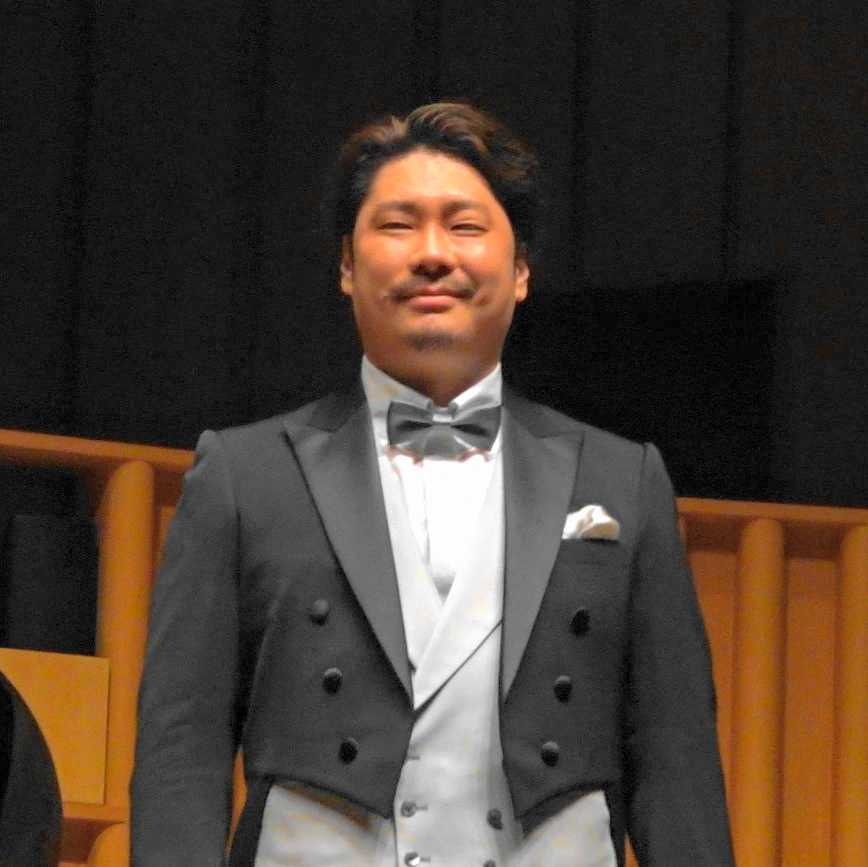
小林啓倫
UPCOMING2026
2024~
2012~2023
清水勇磨
UPCOMING
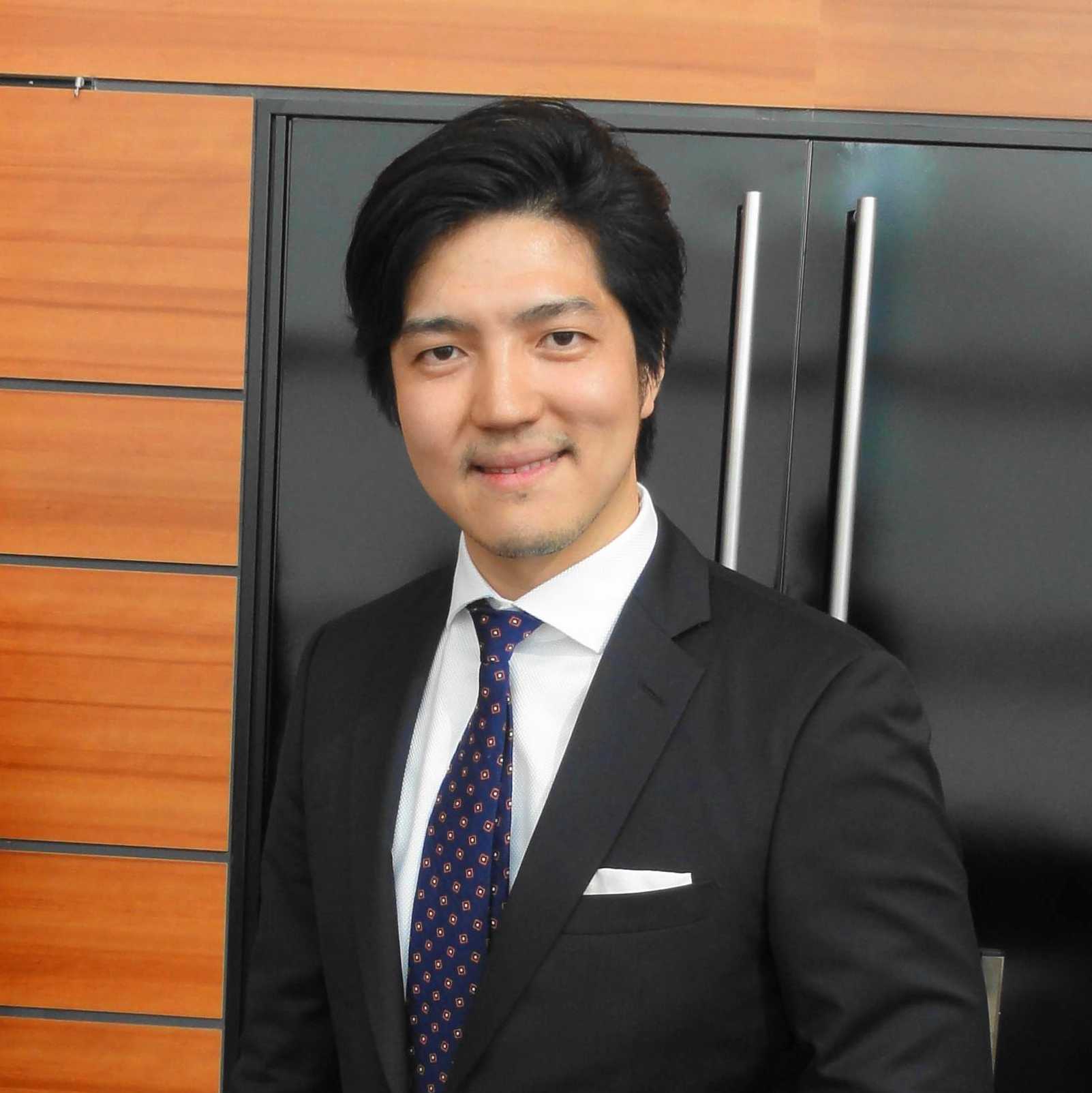
大西宇宙
UPCOMING
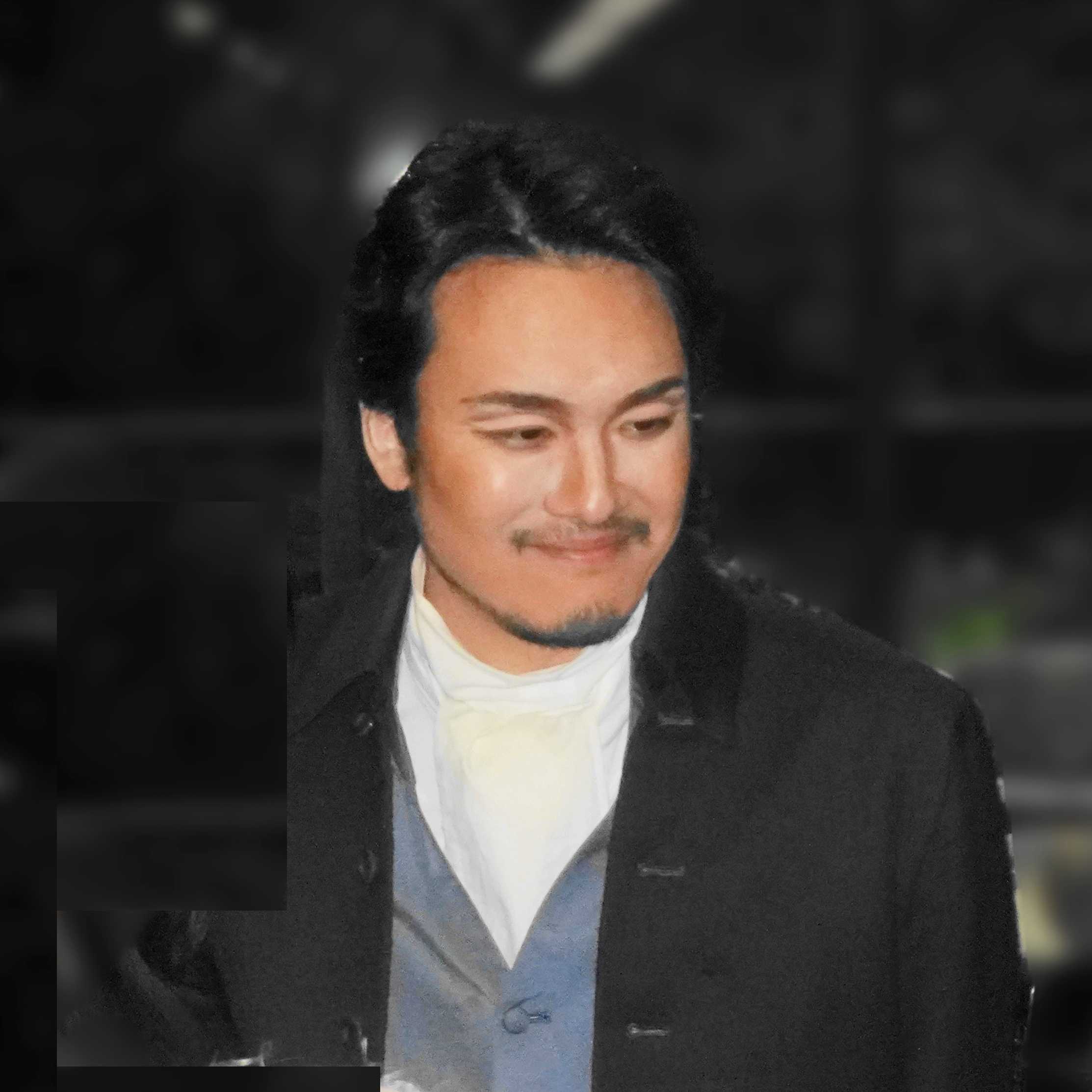
池内 響
UPCOMING
PAST
井出 壮志朗
UPCOMING
PAST
市川 宥一郎
UPCOMING
PAST
大塚博章
UPCOMING
Bs-Br大塚博章 2014-2015
Bs-Br狩野賢一2015
Bs河野鉄平
後藤春馬(バス・バリトン)
UPCOMING
水島正樹
UPCOMING
IL DEVU
HIGHLIGHT 2014
Francesco Meli Il Trovatore
Micheal Fabiano La traviata
Juan Diego Flórez IL BARBIERE DI SIVIGLIA
Tézier vs Kaufmann La forza del destino
OperadeLyonJapan tourHoffmann
Stefano Secco Madama Butterfly
Bryan Hymel Guillaume Tell
Dmitry Korchak I Puritani
Celso Albelo Lucia di Lammermoor
Teatrodell'OperadiRomaJapantour2014
Wolfgang Koch Arabella
Lawrence Brownlee I Puritani
Tomasz Konieczny Das Rheingold
Torsten Kerl Die tote Stadt
Best Opera 2025
Best Opera 2024
Best Opera 2023
Best Opera 2022
Best Opera 2021
Best Opera 2020
Best Opera 2019
Best Opera 2018 Index
Best Artists in Opera 2017
Best Opera 2017
Photo:©Shevaibra, courtesy of the artist
2016 Best Opera
2015 Best Opera
2014 Best Opera
2013 Best Opera
2012 Best Opera
2011 Best Opera and Ballet
2010 Best Opera and Ballet
2009 Best Opera and Ballet
2008 Best Opera and Ballet
[BALLET]
2009
2008 Ballet Top 10 in Japan
2008 BALLET INDEX
What's New 2007
What's New 2006
Past Articles 2005
Past Articles 2004
Past Articles 2003
[OPERA]
Simon Keenlyside What is NEW ?
Robert Gambill
What's new
Biography
2008 Opera Top 10 in Japan
2007 Top 10
What is NEW ? 2006
What is NEW ? 2005
STAGE What is NEW ?
Second Top -Sheva's Sporting World
Football
[José Mourinho - Chelsea 2007 Index]
[José Mourinho - Chelsea 2006 Index]
What Mourinho said - 抱腹絶倒モウリーニョ語録
Last edited 1 Jul 2007
FOOTBALL What is NEW ?
2005
Tennis
2006
Roger Federer First time in JAPAN - AIG Japan Open INDEX
Cinema, Books brand new and privat
Cinema
2005年5月3日
音楽関係更新 Classical Music
BOOKS 2006
BOOKS 2004年
1月31日 Books by Jeffery Deaver
INDEX genre
DANCERS INDEX
AMP DANCERS INDEX
NEW ADVENTURES Dancers Index
Cooper Company Dancers Index
Adam Cooper Index
Matthew Hart Index
Jesus Pastor Index
Damien Stirk Index
Andrew Corbett Index
Will Kemp Index
Isaac Mullins Index
Ballet Choreographer Index
Matthew Bourne Index
Ballet Company Index
Ballet Pieces Index
Musical Index
AMP DANCERS INDEX
NEW ADVENTURES Dancers Index
Cooper Company Dancers Index
Adam Cooper Index
Matthew Hart Index
Jesus Pastor Index
Damien Stirk Index
Andrew Corbett Index
Will Kemp Index
Isaac Mullins Index
Ballet Choreographer Index
Matthew Bourne Index
Ballet Company Index
Ballet Pieces Index
Musical Index
LINKS
Theatre official
Bayerische Staatsoper
Bayreuther Festspiele
Lyric Opera of Chicago
MET
Royal Opera House
Salzburger Festspiele
Teatro alla Scala
Wienerstaatsoper
ZurichOperaHouse
New National Theatre,Tk
Tokyo Nikikai
Singers official
Takashi Aoyama
Aris Argiris
Johan Botha
Fabio Maria Capitanucci
Massimo Cavalletti
Markus Eiche
Alex Esposito
Burkhard Fritz
simonkeenlyside.info
Wolfgang Koch
Tomasz Konieczny
Zeljko Lucic
Alexey Markov
Tetsuya Mochizuki
Ryoichi Nakai
Evgeny Nikitin
Toru Onuma
Takashi Otsuki
René Pape
Detlef Roth
Andreas Schager
Jörg Schneider
Kasumi Shimizu
Yuri Vorobiev
Koji Yamashita
Kwangchul Youn
Operabase Artist
Orchestra
Berliner Philharmoniker
NHK Symphony Orchestr
Opera Fan Blog
Alex Vinogradov(Valenci
By The Thames(dognora
Cafe Klassiker H(Hiroto
猫の日記(camelstraycat
FOOD FOR SOUL(Sarda
東海岸-音楽、食(Kinox
Impression(娑羅)
In fernem Land(galahad
Intermezzo
ネコにオペラ(kametaro)
Opera Chic
OperaOperaOper(Madok
右舷日記(starboard)
taqkkawanamiさんのブログ
備忘録(euridice)
Ballet Fan Blog
きょんのバレエ日記(きょん)
Web Radio
Oe1 Programm
Bayern 4 Klassik
Deutschlandradio Kultur
NDR Kultur
RBB Kultur
BBC Opera on 3
RAI radio3
WFMT-Chicago
Sydney ABC
Radio New Zealand Conc
operacast
劇場座席数・残響時間
SITE MAP
Sheva's Blog( What people tweeted )
Since Apr 2003
キーワードサーチ
▼キーワード検索
カテゴリ
カテゴリ未分類
(2445)Football
(27)BALLET
(701)Musical Theatre
(60)Classical Music
(837)Cinema
(45)OPERA
(3189)Mystery
(12)International
(5)Competition
(4)これからの公演のお知らせ
(4)ATPテニス
(8)アクセス
(25)ARTS
(2)© Rakuten Group, Inc.
