



PR

白山菊理姫
古代史から現代史まで真実を追究するサイト。 隠され封印され消された歴史や出来事を明らかにしてゆきます。
フリーページ
ハーバード経済日誌

ハーバード経済日誌(2)
ハーバード経済日誌(3)
ハーバード経済日誌(4)
ハーバード経済日誌(5)

ハーバード経済日誌(6)
古代飛騨王朝を探して
海外でのダイビングあれjこれ
海外でのダイビングあれこれ2
海外でのダイビングあれこれ3
驚異のガラパゴス(1)
驚異のガラパゴス(2)
驚異のガラパゴス(3)
歴史箱
山口博教授の講演録
古典SFの世界
富山サイエンス・フィクションの世界
ETとの交信は可能か
不思議な世界
不思議な世界2
不思議な世界3
不思議な世界4
不思議な世界5
不思議な世界6
不思議な世界7
不思議な世界8
フォト・ギャラリー
雑感
誰がケネディを殺したか
誰がケネディを殺したか2
誰がケネディを殺したか3
誰がケネディを殺したか4
カストロが愛した女スパイ1
カストロが愛した女スパイ2
カストロが愛した女スパイ3
カストロが愛した女スパイ4
カストロが愛した女スパイ5
カストロが愛した女スパイ6
カストロが愛した女スパイ7
カストロが愛した女スパイ8
カストロが愛した女スパイ9
カストロが愛した女スパイ10
カストロが愛した女スパイ11
出雲族と大和族の話(パート1)
出雲族と大和族の話(パート2)
サイド自由欄
設定されていません。
2007.10.09

テーマ: いい言葉(573)
カテゴリ: 文学・芸術
バラとしての生き方
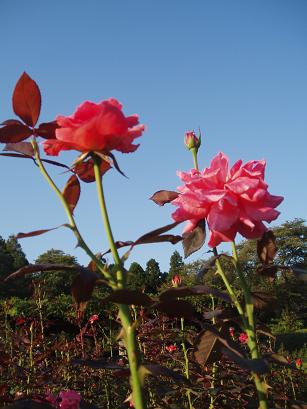
恋を貫いて死ぬか、それとも愛してもいない男と結婚するか、と迫られたハーミア。アセンズ(アテネ)の公爵シーシアスは、そのようなハーミアに、親に従うように迫ります。
その場面です。
THESEUS
Either to die the death or to abjure
For ever the society of men.
Therefore, fair Hermia, question your desires;
Know of your youth, examine well your blood,
Whether, if you yield not to your father's choice,
You can endure the livery of a nun,
To live a barren sister all your life,
Chanting faint hymns to the cold fruitless moon.
die the deathで、「死刑に処せられる」の意。abjureは絶つ。the society of menは「男性との交際」というような意味でしょうか。親に逆らった場合にも二者択一があり、死刑か、それとも一生涯、男を寄せ付けないか、の二つがあると言っていますね。
その上で、5行目のwhether以下に書かれていることに耐えられるかどうか、自分自身に尋ねてみよ、とハーミアに問いかけます。
6行目のliveryは制服、ここでは尼僧の着る墨色の服のことです。
7行目のfor ayeは、2行目のfor everと同じ意味で「永遠に」。cloister は修道院、mew’dは mewedのことで「閉じ込められた」、shadyと併せ「「薄暗い修道院の庵室に閉じ込められて」という意味になります。
訳は以下のようになります。
シーシアス
死刑になるか、それとも一生涯、男との交わりを絶つかだ。
だからハーミアよ、よく自分の気持ちに聞いてみるがよい。
お前はまだ若い。情熱の血がたぎっているではないか。
永久に薄暗い修道院の庵室に閉じこもり、
冷たくつれない月に向かって、か細い声で賛美歌を歌いながら、
生涯、子を産まぬ尼僧の人生を送ることになるのだ。
そのような人生を耐えることができるのか、よく考えてみよ。
シーシアスはさらに畳み掛けます。
To undergo such maiden pilgrimage;
But earthlier happy is the rose distill'd.
Than that which withering on the virgin thorn
Grows, lives and dies in single blessedness.
thriceは「3度の」「3倍の」という意味ですが、thrice-blessedで「非常に祝福された(恵まれた)」となります。thrice-blessedとtheyの間にareを補って読むと意味がわかりやすいですね。that以下はtheyを説明しています。master は克服する。so は「かくのごとく」、つまり先に描写したような尼僧の生活のことを差しています。bloodは情熱とか欲情という意味になるでしょう。
3行目のearthlierはearthly(世俗的な)の比較形です。より世俗的な幸せである、という意味ですね。何がかというと、the rose distill'dで、「蒸留されたバラの花」。つまり、バラエキス(香水)を抽出するために蒸留器にかけられたバラのほうが、世俗的にはより幸せである、となります。何よりも幸せなのかというと、that which以下のバラであると言っています。4行目のvirginには、人の手が入っていないという意味が込められていますね。live in single blessednessは慣用句で「気楽な独身生活を送る」の意。
訳は次のとおりです。
そのように情欲を抑え、処女のまま清らかに人生の旅路をまっとうする者は、大いに祝福される。
しかし、世俗的な見方をすれば、人に摘み取られることなく、ただ独り気楽な生の中で成長し、生きて、死んでいくバラに比べたら、摘み取られてエキスを抽出されたバラのほうが幸せなのだ。
かなり大胆な言い分ですね。人知れず野生の中で咲く孤高のバラよりも、愛でられるために、人間に手折られてエキスにされたバラのほうが幸せだと主張しています。あなたなら、どちらのバラを選ぶでしょうか。
ハーミアは次のように答えます。
HERMIA
So will I grow, so live, so die, my lord,
Ere I will my virgin patent up
Unto his lordship, whose unwished yoke
My soul consents not to give sovereignty.
2行目のereはrather thanと同じ意味。I would die ere I would beg(物乞いをするぐらいなら、むしろ死にたい)のように使います。patentは特許(権利)を与える。二行目は目的語と動詞の順番が入れ替わっています。I will patent my virgin up unto~(私の処女の特権をすべて~に与える)とすれば、わかりますね。upは動詞を強めて「すっかり~する」。3行目his lordshipは貴族に対する尊称ですから、殿方とでも訳しておきます。
ハーミア
いっそのこと、そのように成長し、生きて、死にたいと願っております、公爵様。私の魂が支配権を与えようと思わないような、望みもしない絆を結ぼうとする殿方に、私の処女を捧げるぐらいなら。
潔いですね。一切の迷いはないようです。ハーミアは孤高のバラを選びましたね。
実はこの部分、『真夏の夜の夢』の第一幕第一場、まさに最初のシーンなのです。いきなりハーミアに突きつけられた二者択一。ハーミアはどちらを選択するのかと、観客を一気に劇の中の物語に引きずり込みます。
このように二者択一には、かなりの劇的効果があります。シェークスピアの常套手段ですね。
ところでこの手法、文学の世界で使われる分には一向に構わないのですが、政治の世界で使われると非常に厄介です。ブッシュ米大統領は「われわれの側につくか、テロリストの側につくか」と扇動し、米国民と世界を戦争へと巻き込みました。私などは「どっちがテロリストの側だ」と、思わず突っ込みを入れたくなってしまいましたが、多くの人はあの戦争をテロとの戦いだと本当に信じてしまったようです。日本にも同じような政治家がいましたね。
二者択一は、物語をわかりやすくして観客を引き込みますが、とくに政治の世界で使われた場合は注意するに越したことはありません。
最後に一口豆知識。結婚式の披露宴でよく使われる『』は、メンデルスゾーンがこの『真夏の夜の夢』のフィナーレの結婚式ために19世紀に作曲したものです。そう、物語の結末はハッピーエンドでした。
(続く)
恋を貫いて死ぬか、それとも愛してもいない男と結婚するか、と迫られたハーミア。アセンズ(アテネ)の公爵シーシアスは、そのようなハーミアに、親に従うように迫ります。
その場面です。
THESEUS
Either to die the death or to abjure
For ever the society of men.
Therefore, fair Hermia, question your desires;
Know of your youth, examine well your blood,
Whether, if you yield not to your father's choice,
You can endure the livery of a nun,
To live a barren sister all your life,
Chanting faint hymns to the cold fruitless moon.
die the deathで、「死刑に処せられる」の意。abjureは絶つ。the society of menは「男性との交際」というような意味でしょうか。親に逆らった場合にも二者択一があり、死刑か、それとも一生涯、男を寄せ付けないか、の二つがあると言っていますね。
その上で、5行目のwhether以下に書かれていることに耐えられるかどうか、自分自身に尋ねてみよ、とハーミアに問いかけます。
6行目のliveryは制服、ここでは尼僧の着る墨色の服のことです。
7行目のfor ayeは、2行目のfor everと同じ意味で「永遠に」。cloister は修道院、mew’dは mewedのことで「閉じ込められた」、shadyと併せ「「薄暗い修道院の庵室に閉じ込められて」という意味になります。
訳は以下のようになります。
シーシアス
死刑になるか、それとも一生涯、男との交わりを絶つかだ。
だからハーミアよ、よく自分の気持ちに聞いてみるがよい。
お前はまだ若い。情熱の血がたぎっているではないか。
永久に薄暗い修道院の庵室に閉じこもり、
冷たくつれない月に向かって、か細い声で賛美歌を歌いながら、
生涯、子を産まぬ尼僧の人生を送ることになるのだ。
そのような人生を耐えることができるのか、よく考えてみよ。
シーシアスはさらに畳み掛けます。
To undergo such maiden pilgrimage;
But earthlier happy is the rose distill'd.
Than that which withering on the virgin thorn
Grows, lives and dies in single blessedness.
thriceは「3度の」「3倍の」という意味ですが、thrice-blessedで「非常に祝福された(恵まれた)」となります。thrice-blessedとtheyの間にareを補って読むと意味がわかりやすいですね。that以下はtheyを説明しています。master は克服する。so は「かくのごとく」、つまり先に描写したような尼僧の生活のことを差しています。bloodは情熱とか欲情という意味になるでしょう。
3行目のearthlierはearthly(世俗的な)の比較形です。より世俗的な幸せである、という意味ですね。何がかというと、the rose distill'dで、「蒸留されたバラの花」。つまり、バラエキス(香水)を抽出するために蒸留器にかけられたバラのほうが、世俗的にはより幸せである、となります。何よりも幸せなのかというと、that which以下のバラであると言っています。4行目のvirginには、人の手が入っていないという意味が込められていますね。live in single blessednessは慣用句で「気楽な独身生活を送る」の意。
訳は次のとおりです。
そのように情欲を抑え、処女のまま清らかに人生の旅路をまっとうする者は、大いに祝福される。
しかし、世俗的な見方をすれば、人に摘み取られることなく、ただ独り気楽な生の中で成長し、生きて、死んでいくバラに比べたら、摘み取られてエキスを抽出されたバラのほうが幸せなのだ。
かなり大胆な言い分ですね。人知れず野生の中で咲く孤高のバラよりも、愛でられるために、人間に手折られてエキスにされたバラのほうが幸せだと主張しています。あなたなら、どちらのバラを選ぶでしょうか。
ハーミアは次のように答えます。
HERMIA
So will I grow, so live, so die, my lord,
Ere I will my virgin patent up
Unto his lordship, whose unwished yoke
My soul consents not to give sovereignty.
2行目のereはrather thanと同じ意味。I would die ere I would beg(物乞いをするぐらいなら、むしろ死にたい)のように使います。patentは特許(権利)を与える。二行目は目的語と動詞の順番が入れ替わっています。I will patent my virgin up unto~(私の処女の特権をすべて~に与える)とすれば、わかりますね。upは動詞を強めて「すっかり~する」。3行目his lordshipは貴族に対する尊称ですから、殿方とでも訳しておきます。
ハーミア
いっそのこと、そのように成長し、生きて、死にたいと願っております、公爵様。私の魂が支配権を与えようと思わないような、望みもしない絆を結ぼうとする殿方に、私の処女を捧げるぐらいなら。
潔いですね。一切の迷いはないようです。ハーミアは孤高のバラを選びましたね。
実はこの部分、『真夏の夜の夢』の第一幕第一場、まさに最初のシーンなのです。いきなりハーミアに突きつけられた二者択一。ハーミアはどちらを選択するのかと、観客を一気に劇の中の物語に引きずり込みます。
このように二者択一には、かなりの劇的効果があります。シェークスピアの常套手段ですね。
ところでこの手法、文学の世界で使われる分には一向に構わないのですが、政治の世界で使われると非常に厄介です。ブッシュ米大統領は「われわれの側につくか、テロリストの側につくか」と扇動し、米国民と世界を戦争へと巻き込みました。私などは「どっちがテロリストの側だ」と、思わず突っ込みを入れたくなってしまいましたが、多くの人はあの戦争をテロとの戦いだと本当に信じてしまったようです。日本にも同じような政治家がいましたね。
二者択一は、物語をわかりやすくして観客を引き込みますが、とくに政治の世界で使われた場合は注意するに越したことはありません。
最後に一口豆知識。結婚式の披露宴でよく使われる『』は、メンデルスゾーンがこの『真夏の夜の夢』のフィナーレの結婚式ために19世紀に作曲したものです。そう、物語の結末はハッピーエンドでした。
(続く)
お気に入りの記事を「いいね!」で応援しよう

[文学・芸術] カテゴリの最新記事
-
17歳の作文の自己講評 2023.04.29
-
17歳の作文の後半 2023.04.28
-
目には見えない「冬の花」 2023.02.27


【毎日開催】
15記事にいいね!で1ポイント


キーワードサーチ
▼キーワード検索
コメント新着
ワールドカップ最終 …
 convientoさん
虹色のパレット カズ姫1さん
■■宇宙歴史自然研究… 第七十三世武内宿禰さん
氣のワーク研究所 朝日6844さん
窓辺でお茶を heliotrope8543さん
convientoさん虹色のパレット カズ姫1さん
■■宇宙歴史自然研究… 第七十三世武内宿禰さん
氣のワーク研究所 朝日6844さん
窓辺でお茶を heliotrope8543さん
カレンダー
© Rakuten Group, Inc.
