



2021年02月の記事
全27件 (27件中 1-27件目)
1
-
やや強いが春の風
やや強いが春の風。これを強東風(つよこち)という。そこで一句。(またかいな) 強東風や初花散らす九十九折り 青穹(山田維史) 東風吹くと門戸開けくる人のあり 東風吹かば想い起こせしさてもさて【Haiku】 Tsuyo-kotchi ya hatsu-hana chirasu tsuduraori Oh a strong easterly sprimg wind Scatters first flowers bloomed At a winding path of life Kochi fuku to monko aké kuru hito no ari Saying the easterly wind blows There are a visitor Who open the door Kochi fukaba omoi okosèsi satèmo satè When the easterly wind blows I remind some things Oh, dear!Tadami Yamada
Feb 28, 2021
コメント(0)
-
ひとあし早く雛祭りを詠む
ひとあし早く雛祭りを詠む。 信州梓山のT家のみごとな享保雛を思い出す。昭和26年の記憶だ。そして亡母が制作したH家所蔵の美しい木目込み雛人形の五段飾りも思い出す。母にとっては、子どもが男兄弟ばかりで、ちょいとつまらなかったであろう雛祭り。 友の家縁より覗く享保雛 青穹(山田維史) 古雛の衣冠の錦ちらちらと 威をただす女雛男雛の睦み事 男児無く肩身せまかろ小さき雛 白酒に男雛手を振り「すまぬ下戸」【Haiku】On the Girl's Doll Festival* Tomo no ié én yori nozoku Kyōhobina Kyōho dolls, the Girl's Festival** Peeping from a veranda Of my friend's house Furu-bina no ikan no nishiki chirachira to The old dolls of girl's festival Its full court dresses of traditional The brocades' gold flickering Xi wo tadasu mébina obina no mutsumigoto Princess doll and Prince doll Straiten them-self with dignity On things harmoniously Danji naku katami sémakaro chisaki hina There's no boy our family So small girl's festival dolls Maybe they feel ashamed Shirozake wo tsugéba té wo furi "sumanu, géko" If you pour white sake, The prince doll wave his hand "Sorry, a nondrinker"【*Note】The Girl's Doll Festival : The Hinamatsuri onMarch 3rd is a festival for girls and is also called thedolls festival. The dolls are a set of traditional styles,typically consisting of a prince and a princess (Obinaand Mebina), Minister of the Left and Minister of theRight (Sadaijin, Udaijin), three court ladies (Sannin Kanjyo), and five court musician (Goninbayashi), pluselaborate miniature furniture and furnishings in astaircase with a scarlet carpet. They are displayed in the main room of the house for several days. It is also called the peach festival to decorate peach blossoms. It is a tradition that a set of these dolls is passeddown from parent to child and from generation togeneration.【**Note】The Kyōho Hina doll was made during theKyōho era (1716-1734) of the 8th Shōgun Yoshimune.It is one of the largest doll in the history of Hina dollsand is about 30 cm tall. It features an old-fashionedtaste with a fine almond-shaped face. By the way, I, Yamada, have seen the real thing inthe possession of two private houses ever.Tadami Yamada
Feb 27, 2021
コメント(0)
-
不思議な巨木の梅
午後に民生委員・児童委員の地区月例会議。ここ数ヶ月間、デスク無しマスク着用のソーシャルディスタンスで3,40分ほどの会議である。会議といっても、COVID-19禍の緊急事態宣言が出ている最中、各自担当地区で個別に活動するに当たっての方針確認である。 梅が満開だ。紅梅、白梅。一重に八重。会議への行き帰りにあちらこちらの他家の梅を楽しむ。・・・それにしても、あの不思議な梅の木は! 弧を描くように流れている水路のほとりに一本の梅の大木があった。幹の太さは一抱えもあるほどで、今頃の季節に萬朶の花を咲かせていた。私は毎年、通りかかるたびに暫く立ち止まって、通る人の頭上にまで広く枝を張りまるで白い雲が降りて来たかのような花の盛りを楽しんでいた。 あるとき私はその梅の奇妙さに気がついた。花が一重の枝と八重の枝がまざりあっているのである。あきらかに種類がことなる梅花が、樹齢数十年、もしかすると100年になるかもしれないような巨木に同一になって咲いているのだ。いわゆるハイブリドである。 私はこのように混種した理由がわからないままに、面白いことだと長年眺めて来た。 ところが3,4年前になろうか、通りかかると、なんと根本からバッサリ伐られていたのである。ごく近くの家の方が亡くなられて、しばらく無人であったことは知っていた。梅の巨木がその家のものであったかどうかは知らない。どうもそうではなさそうだったが、どうして100年の命がこうも無惨に伐り倒されてしまったのだろうと、呆然として水路のほとりにたたずんでしまった。 先日の日記に掲載した句がある。 老梅を伐りし他家の垣梅挿しぬ この句は、じつは水路のほとりで100年の間、萬朶の花を咲かせていた、一重八重交雑種の梅の老木を思い出しながら詠んだのだった。 その後この一帯は更地にされた。そして昨年からアパートらしき建築が進んでいる。間もなく完成するようだ。今日、私は会議の行き帰りにそこを通ってみた。あちらこちらの家の庭に梅は満開であるが、あの見事な巨木の梅は無い。 District monthly meeting of members of Local WelfareCommittee and Committee for Children's Welfare in theafternoon. For the past few monthes, it's been a 30 or40- minute meeting with a social distance wearing a mask without a desk. Even though it is a meeting, it isa policy confirmation for individual activities in eacharea in charge while the state of emergency of COVID-19 is being declared. By the way, the plum blossomes are in full bloom.Red plum, white plum. Single flower and double flower.Enjoy plum blossoms from other homes here and thereon the way to and from the meeting. ... Anyway, thatmysterious plum tree! There was a large plum tree on the banks of thewaterway that was flowing in an arc. The trunk was asthick as one, and so many flowers on the branches were in bloom this season. Every year, every time I passed by, I stopped for a while and enjoyed theflowering as if white clouds had come down, withwide branches extending above the passersby. At one point I noticed the strangeness of the plum.Siongle flowering branches and double floweringbranches are mixed in one tree. Plum blossoms ofclearly different types are blooming in the same wayas a giant tree that may be decades old, or perhaps100 years old. I haave been watching for many years that it is interesting without knowing the reason of mixedtype. However, maybe three or four years ago, when Ipassed by, it was cut down from the root. I knewthat a person of a house near the plum tree had died and the house unmanned for a while. I don'tknow if the plum giant tree belonged to the house. It didn't seem like that, but I was stunned to findmyself on the banks of the waterway, wonderingwhy 100 years of life of the giant tree had been cutdown so miserably. There is a haiku posted in this diary the other day. I inserted a branch of plum in the fence of another house that had cut down old plum This haiku was actually written while remember-ing the old giant plum tree of the single-doubleflowering hybrid, which had been in bloom for 100years on the banks of the waterway. After that, this area was vacant. And since lastyear, the construction that seems to be an apartmenthouse has been progressing. It seems to be completedsoon. Today I went through it on the way back and from the meeting. The plum blossoms are in full bloomin the garden of the houses here and there, but there isno such a magnificent giant plum blossom.Tadami Yamada
Feb 26, 2021
コメント(0)
-
二月二十五日は菅原道真の命日
二月二十五日は菅原道真の命日 菅公の愛憎離れて梅花御供 青穹(山田維史) 雷公は菅公なりき菜種御供* 黒髪に菜の花挿して道真忌 執念で飛び来る梅や天満宮** 平安を乱してきょうの菜種御供***【*註】菅原道真の命日である2月25日、京都北野天満宮では魂鎮めの祭祀がおこなわれる。大小二鉢の神供と香立瓶子を供える。古くはこの瓶子に菜種の花を挿したので菜種御供の名がある。祭人は衣冠に菜種を挿す。また、菜種のかわりに梅の花を用いるようにもなり、梅花御供とも称される。【**註】菅原道真が左大臣藤原時平の讒言にあって福岡太宰府に流されるとき、愛でていた邸内の梅に寄せて「東風吹かば匂い起こせよ梅の花あるじなしとて春な忘れそ」と詠んだ。梅は道真を慕って天空を太宰府天満宮に飛んだという伝説がる。「飛梅(とびうめ)」と称され、太宰府天満宮の神木である。【***註】自分の句を解説するのもどうかと思うが、「きょう」と仮名で書いたのは「今日」と「京」を掛けたのである。「平安」は、文字どおり「平安」と「平安京」を掛けた。なお、菅原道真の恨みの執念は雷と化して京の都を恐怖に陥れたのであった。【Haiku】 Feburuary 25th is the anniversaey of Sugawara noMichizane's death. (845-903) Kan-kō no aizou hanare te Baikagoku Baikagoku* Away from Lord Sugawara's Love and hate Rai-kō wa Kan-kō nariki Natanegoku Lord Thunder's the incarnate fiend Of Lord Sugawara no Michizane The soul-quenching ritual Natanegoku Kuro-kami ni nanohana sashi tè Kan-kō-ki Wearing a rape blossoms On black hair The anniversary of Sir Michizane's death Syunen dè tobi kuru umé ya Tenmagū The plum tree Flies and comes with obsession** To the Tenmagu Shrine Heian wo midasi tè kyō no Natanegoku Disturbing peace*** The Capital Heian But today's Natanegoku【*Note】On February 25, the anniversary of Sugawara no Michizane's death, a soul-quenching ritual will be held at Kitano Tenmangu Shrine in Kyōto. Offering up two large and small bowls and incense bottles to gods. In the olden days, rapeseed flowers were inserted into this bottle, so it has the name of the Natanegoku (Offering rapeseed). The festival person inserts a rape-seed flower in the crown of the full court dress of tradi-tional fashion. In addition, plum blossoms have come to be used instead of rapeseed flower, and it is also called the Baikagoku (Offering plum blossoms).【**Note】When Sugawara no Michizane was exilede toFukuoka Dazaifu in the slander of the Minister of theLeft, Fujiwara no Tokihira, he said to his beloved plumtree in his residence, "Eastern wind blows, when you,the plum blossoms, will be fragrant in spring, don'tforget me but altough I leave you." There is a legend that the plum tree flew to the Dazaifu Tenmangu inthe sky in love with Sir Michizane. It is called "Tobiume(Flying Plum tree)" and is a sacred tree of the DazaifuTenmangu Shrine.【***Note】I think it would be not good to explain myown haiku, but I wrote Japanese "kyō" in pseudonym bymultipluing "kyō (today)" and "Kyō (Kyōto ; the CapitalKyō). And, "Heian" is literally multiplied by "heian (peace)" and "Heiankyō(the Capital Kyō)". In addition,Sugawara no Michizane's obsession with resentmentturned into thunder and terrorized the Capital Kyō.Tadami Yamada
Feb 25, 2021
コメント(0)
-
詩『ははははは』
『ははははは』 山田維史 ははははは ははははは きょうも一日笑ったなァ あれもおかしかったなァ これもおもしろかったよ ははははは笑った笑った 笑った笑ったははははは ははははは ははははは 箸が転んでもおかしくて そうさ爺ちゃんはお年頃 あっちが腐りこっちもだ そんな日本に生きて来て 見るだけ見たさ卑しさも ははははは ははははは 笑って笑って一日過ぎる 笑って笑って死んでゆく 底なしの泥沼に沈むより 元素に還ろう宇宙の塵に 呵々大笑だけが私の人生 ははははは ははははは ははははは ははははは "Hahahahaha" Tadami Yamada Hahahahaha Hahahahaha I was laughing all day today Because that's also strange Other is also funny stupidity Hahahahaha laughed laughed Laughed laughed hahahahaha Hahahahaha Hahahahaha Laughing even if every little thing Laughing because I around the age That's rotten, this also, vulgar that all But I've lived in Japan like that cage I saw enough, enough that of all Hahahahaha Hahahahaha Laughing, laughing throughout a day Laughing, laughing and I'm going to die Rather than sinking in a swamp someday Let's return to the element, to the dust In the cosmos, my life, only laughing Hahahahaha Hahahahaha Hahahahaha Hahahahaha
Feb 24, 2021
コメント(0)
-
アインシュタイン博士の信条についての私見
昨夜、いつものように就寝前の読書をしていて, ふと、アルベルト・アインシュタイン博士の言葉はこれまでもしかすると世界中で誤解されてきているのではないかと思った。 誤解の最たることは、私の考えでは、「科学者の神秘主義」あるいは言葉を変えて「科学者の宗教心」という理解である。そしてこの「宗教心」ということが、いわゆる既製宗教の教義の内にあるという理解である。 はたしてそうなのだろうか? アインシュタイン博士の言葉はそのような意味だったのであろうか? 私が、ふと思ったのはそのようなことだ。 私は今朝、起床と同時に、アインシュタイン博士の信条を表現していると思われる博士自身の英語による言葉を読み直してみた。次のような言葉である。 ”That which is impenetrable to us really exists.Behind the secrets of nature remains somethingsubtle, intangible, and inexplicable. Venerationfor this force beyond anything that we cancomprehend is my religion." なるほど、神秘主義者や宗教家が喜びそうな英単語がいくつもある。たとえば日本語でこの言葉をどのように訳すだろう。あるいは、どのように日本語に訳して来たのだろう。 こんなふうに訳して来たのではないかと私が推測する日本語訳を掲げてみよう。 「私たちには通れないものが確かに実在します。自然の秘密の背後には微妙で、無形で、説明のつかないある何かが残されています。私たちの理解を超越したこの力に対する崇拝が、私の宗教です。」 それでは、私自身の日本語訳をしてみよう。 「私たちに見抜けない事が確かに存在します。自然の秘密の背後には、微妙で、無形で、説明がつかない事が残っています。私たちが包括したことを超えた背後の意味への敬意が、私の宗教です。」 いかがであろう。私の貧弱な英語読解力ながら、誤ってはいないと思う。日本語のわずかなニュアンスの違いに過ぎないと言われるだろうか? 私は、はっきり「NO!」と言おう。 私が試みた訳には、科学する精神、すなわち観察によって得た資料を分析し、検証し、未知への理解を深めてゆくという人間の知力、その人間の態度への敬意が表明されているだろう。"exist" という言葉に私は注目する。この言葉をどのように解釈しているかが問題である。「そういうことは有るのだよ。私たちが解明していない未知の事はこの宇宙に当然たくさんありますよ」と。”Veneration" というアインシュタイン博士が言った 言葉の対象は、決して神秘主義にいろどられるものではあるまい。「神」の「存在」などという幻想・・・いや、もっとはっきり言うと、社会学的には支配の原理である神(「王権神授」に代表するワン・クッション置いた支配原理が如実に表わしているとおり)・・・を語って未知なる自然に対する知的な探究心を停滞させてはいないのだ。博士はこの宇宙を "nature" と捉えていることは全くまちがいあるまい。アインシュタイン博士自身の「科学(近代的な学問するといことと同じ意味)」と「心」とは一致しているのである。
Feb 23, 2021
コメント(0)
-
61年ぶりマリオ・デル・モナコ『オテロ』
私がYouTubeやその他のSNSのコンテンツに驚くのは、昔々の映像や音楽録音に出逢うときだ。 静止画像であったけれど私の亡父の40歳頃の影像を集合写真のなかに発見したこともあった。誰が投稿したか知らないが、たぶん家庭用8mmカメラで撮影したらしい動画の一部にその静止画像は挟み込まれていた。家族の誰もが知らない写真だった。 そして昨夜、ひょいと思い出したのがイタリアのオペラ歌手マリオ・デル・モナコ氏(1915-1982)だった。就寝するためにパジャマに着替えている最中だったが、コンピューターの前に戻ってマリオ・デル・モナコ氏のお名前で検索してみた。すると驚いたことにデル・モナコ氏が初来日したオペラ公演の映像が在ったのだ。 それはNHKの招請で実現したイタリア歌劇団公演で、1959年(昭和34年)のことである。マリオ・デル・モナコ氏は『オテロ』と『カルメン』に出演された。私が14歳、中学2年生のときだった。私はその1年前から両親家族と離れて学校生活していたのだが、父が持たしてくれたラジオを机の上に置き、孤独を慰めていた*。そのラジオからマリオ・デル・モナコ氏のどぎもを抜くような歌声が流れてきたのである。びっくりしたなんて言うどころではなかった。14歳の私をラジオの前に釘付けにしてしまったのだ。 ・・・昨夜見つけたのは、その来日公演のライヴ映像で、オテロを演じるマリオ・デル・モナコ氏がデズデモナの死を嘆き、絶望し、自らの胸を短剣で貫く場面だった。氏のもっとも得意としたアリアである。 この投稿映像は当時のTV放映を撮影したものと思われる。というのは当時、ディジタル・ヴィデオ技術はNHKでさへ無かったのではないかと推測するからだ。それだからこそ、よくぞ貴重な映像を保存されていたと、私は感心しながら、61年ぶりにあのブッ飛んだマリオ・デル・モナコ氏のオテロを聴いた。 氏は1961年にも来日し、東京でリサイタルをおこなった。その映像も投稿されていた。私は就寝するのを忘れて楽しんだ。【*註】このラジオ(W60XH30XD25cmほどの大きさ)、家具調の木製の箱に真空管やコンデンサーなどがシャーシーに設置されていた。私は分解好きだったから、せっかく父が持たしてくれた家具調の箱を取り払って、剥き出しのシャーシーを机に置いていた。その機械っぽい机の上の光景が気に入っていたのだ。しかしもちろん危険である。一度、シャーシーを素手で持ち上げて感電し、ドスンと落としたことがあった。ヘンな思い出である。マリオ・デル・モナコ初来日のオテロマリオ・デル・モナコ東京リサイタル I'm amazed at YouTube an d other social mediacontent when I come across old -fashiond videoand music recordings. Although it was a still image, I also found an image of my late father around 40 years old in agroup photo. I don't know who posted it, but thestill image was probably part of a video that wasprobably shot with a home 8mm film camera. It was a photo that no one in the family knew. And last night, I remembered the Italian operasinger Mario Del Monaco. I was changing intomy pajamas to go to bed, but I went back to mycomputer and searched for Mario DEl Monaco'sname. Then, to my surprise, there was a videoof the opera performance that Mr. Del Monaco visited Japan for the first time. It was a performance by the Italian OperaCompany, which was realized at the invitationof NHK, in 1959 (Showa 34). Mario Del Monacostarred in "Otrllo" and "Carmen". It was when Iwas 14 years old and in the second grade of junior high school. I had been living in school away from my parents and family from previousyear, and I put the radio that my father presentedon my desk* to comfort my loneliness. Mario Del Monaco's singing voice was heard from the radio. That voice! I surprised strikingly.The voice nailed me, 14 years old boy, in frontof the radio. What I found last night was a live video of theperformance in japan, in 1959, where Mario DelMonaco, who played Otello, Lamented Dezdemona'sdeath, despaired, and pietced his chest with a dagger. THis was his best aria. It seems that this posted video was shot on TVat that time with a movie camera. This is becauseI speculate that digital video technology was not available on even NHK at that time. That's why I was impressed that the precious images were often preserved, and I listened to Mario Del Monaco's Otello, who flew away me, for the first time in 61 years. He came to Japan in 1961 and gave a recital in Tokyo. The video was also posted. I forgot to go to bed and enjoyed it.【*Note】This radio (about the size of W60XH30XD25cm), with a Furniture-like wooden box, andvacuum tubes and a condenser were installed inthe chassis. I liked disassembling a machine, soI removed the wooden box and put the exposedchassis on my desk. I liked the sight on the mechanical desk. But of course it is dangerous. I once lifted the chassis with my bare hands, got an electric shock, and dropped it. It's a strangeand stupid memory.Tadami Yamada
Feb 22, 2021
コメント(0)
-
春風と早梅で六句、シェキナベイビー
玄関のドアを開けたとたん春風が吹いた。そこで一句。一句が五句に。はははは。追加で六句, シェキナベイビー! 春風や浅き夢見し酔い心地 青穹(山田維史) 春風におどろきて笑む「いつの間に」 老梅を伐りし他家の垣梅挿しぬ 山家にはいまだふふまぬ梅一枝 人待つや待たずに在るや春の風 春や春ふわりと風のぬくさかな【Haiku】 Syunpū ya taitō to shite yoi gokochi Oh the spring breeze! It feels like I'm dreaming shallow, and drinking with solo Harukazè ni odoroki tè ému "Itsu no mani" "Unknowingly" Surprised and laughed at the spring breeze Rōbai wo kirishi take-gaki umé sashi nu I inserted a branch of plum in the fence of another house that had cut an old plum Yamaga niwa imada fufumanu umé isshi The house on the mountain has a branch of plum that are still hard Hito matsu ya matazu ni aru ya haru no kazé Will the pring breeze wait for people, or will it blow without waiting for people? Haru ya haru fuwari to kazé no nukusa kana Oh spring spring! It's floating gently breeze warmlyTadami Yamada
Feb 21, 2021
コメント(0)
-

フロム『愛するということ』そして・・・
またもや新聞コラムに因る。20日の朝日新聞朝刊のコラム「読書 売れている本」に、同紙本社編集委員・近藤康太郎氏が、エーリッヒ・フロム『愛するということ』を紹介している。現在、ベストセラーなのだそうだ。(鈴木晶訳、紀伊国屋書店、2020年9月刊) 著者エーリッヒ・フロム(1900-1980)は、社会学・心理学を学んだ後、精神分析學の研究に入り、また臨床にたずさわった。ナチスに追われ米国に逃亡した。新フロイディズムの指導的な立場と目されていたが、彼自身はむしろフロイト理論に戻りそれを超克しようとしていたようだ。エーリッヒ・フロムの学問のおおきな特徴は、臨床精神分析から得た知見ならびに経験を社会や文化現象に適用しようという考えであった。 さて、私は近藤氏の記事を読みながら、私自身の10代の終りから20代の初めの読書を懐かしく思い出したのだ。エーリッヒ・フロム(本人は、エーリックであると言っていた*)の著作は、当時、ほとんどが次々に日本で翻訳刊行されていた。10代の私も精神分析学関係の書物を読み始めていた頃だったから、エーリッヒ・フロムもごたぶんに洩れず読んでいた。じつはこの日記を書きながら、手を止めて、50年以上昔の蔵書を探ってみた。途中で疲れてしまったので探すのを止めたが、『愛するということ』は見つからなかったけれど、『悪について』が見つかった。あとで画像を掲載しよう。 『愛するということ』は当時すでに改版されていたのではないかと思う。日本語で最初に紹介されたのは昭和31年(1956)のはずである。訳者は懸田という人である。そして『自由からの逃走』が最も早いエーリッヒ・フロム著作の日本紹介だったと記憶している。 私が蔵書から見つけた『悪について』は、1965年・昭和40年7月刊行の初版であるが、じつは原書は前年1964年の刊行で、エーリッヒ・フロムの最新の著作だった。10代20代だった私がすぐに購入したくらいだから、私は気付かなかったが当時おそらく読書人注目の学者だったのかもしれない。 いや、そんな世間的な事情よりも、私の当時の読書歴をふりかえると、自分ながら微苦笑してしまう。「ああ, 若かったのだ」と。「悪について」と一緒に出て来たのはスタンダール『恋愛論』とドニ・ド・ルージュモン『愛について』である。ここにフロムの『愛するということ』を並べると、私が自らをふりかえって「ああ、若かったのだ」と微苦笑したことをお分かりくださるだろう。それはそうだ、間もなく76歳にならんとしているのだから、半世紀よりもっと昔だもの・・・若い私が愛とか恋愛とかを一生懸命考えるさ。 ついでに。 ルージュモン『愛について』に昔のままの付箋の箇所があった。次のような記述箇所である。〈異端者の置かれていた特異な状況の結果、トルバドゥールのある者はありきたりの自然発生的な象徴主義にあきたらず、彼らの詩が正確に裏の意味をもつように秘かに望んでいたと考えられる。この場合象徴は寓意によって二重の意味をもち、暗号通信的な性格を帯びる。〉 こんな記述はすっかり忘れていた。私は後年、そして現在にいたるまで、象徴学(シンボリズム)について研究して来たので、19歳のときにルージュモンのこんな記述に付箋していたことに今ちょっと驚いている。 ついでにもうひとつ。 スタンダール『恋愛論』には、彼の有名な定義〈結晶作用〉が出て来る。つまり恋愛とは結晶作用のようなことだ、というのである。 私は亡父が鉱山関係者だったために幼い頃から鉱物に親しんでいた。ざくろ石や方解石や黄銅鉱や黄鉄鉱やらの小さな標本を机の抽出に入れて持っていた。それらはほぼ純粋結晶の標本だった。そんなこともあってスタンダールの〈結晶作用〉という言葉は、いたく気に入ってしまった。後年、私は画家になり、1978年に『結晶前期』という油彩画を描いた。題名は後付けであるが、もちろん10代の終りに読んだスタンダールの『恋愛論』に出てきた〈結晶作用〉を直接的に意識したのだ。 ちなみに『結晶前期』は、その後、サンリオ文庫のキングスリイ・エイミス『去勢』のカヴァー装画として使用した。このブログ左のフリーページ、「回顧展Part1」と「サンリオ文庫他」の項目にその絵を掲載してある。【*註】エーリッヒという名前の発音に関しては、本人のエーリックという主張にもかかわらず、日本の出版社の意向があったようだ。しかし、私、山田の私見ではあるが、生国ドイツからナチスを逃れて米国に亡命した本人は、エーリッヒというドイツ語読みから英語読みのエーリックに変える強い意志があったのではあるまいか。ひとりの人間のアイデンティティに関わる重要な問題、と私は思う。 Again I starte to write today's diary due to the news-paper column. In the morning edition of the Asahi Shimbun colum"Reading : Selling Books" on the 20th, Kotaro Kondo,editorial board member of the newspaper, publishedErich Fromm's "The Art of Loving (translated by AkiraSuzuki, Kinokuniya Shoten, Sep. 2020). Introducting.It's currently a bestseller. The author, Erich Fromm (1900-1980), studiedpsychoanalysis after studying sociology and psycho-logy, and was also involved in clinical practice. He waschased by the Nazis and fled to the United States. Hewas seen as a leader in neo-Freudism, but he himselfseemed to rather go back to Treud's theory and try toovercome it. A major feature of Erich Fromm's scholar-ship was the idea of applying the knowledge and ex-perience gained from clinical psychoanalysis to socialand cultural phenomena. By the way, while reading Mr. Kondo's article, I missedmy own reading from the end of my teens to the begin-ning of my twenties At that time, most of the works ofErich Fromm (who himself pronounced engl. Eric*) were translated and published one after another in Japan. As a teenager, I was just starting to read books related to psychoanalysis, so I read Erich Fromm's books without exception. As a matter of fact, while writing this diary, I stopped writing it, and searched for books that were more than 50 years old. But I stopped looking because I got tired on the way. I couldn't find "The Art of Loving", but I found "The Heart Of Man: Its Genius for Good and Evil". I will post the image later. I think that "The Art of Loving" had already been revised at that time. It must have been first introducedin Japanese in 1956. THe translator is a person namedKenda. And I remember that "Escape from Freedom"was the earliest introduction to Japan. "The Heart Of Man: Its Genius for Good and Evil (InJapan, entitled About Evil)" I found in my collection wasthe first edition published in July 1965, but the originalwas actually published in 1964 the previous year, andwas the latest work of Erich Fromm. I didn't realized itbecause I was in my teens and beginning of twenties,but may be he was a reader-forcused scholar at thattime. No, rather than such a wordly situation, when I lookback on my reading history at that time, I smiled a littleand gave a sardnic grin. "Oh, I was young." Stendhal's "De l'Amour (On Love)" and Denis de Rougemont's "L'Amour et l'Occident (About Love)" cameout with "About Evil". If you line up Fromm's "The Art ofLoving" here, you see that I looked back at myself andsmiled, "Oh, I was young." That's right, I'm about toturn 76 years old, so it's more than half a century old...so, at that time, I was thinking hard about love and romance. incidentally. Rougemont's "About Love" had the same sticky notesas before. The description is as follws.〈As a result of the peculiar circumstance in which theheretica were placed, some of Troubadour did not fallinto the mundane spontaneous symbolism and secretly hoped that their poems had exactly the meaning behindthem. It is probable that tere was. In this case, the symbol has a double meaning by allegory and has a cryptographic character.〉( eng. translated by Yamada) I completely forgot such a description. I've beenstudying symbolism in later years and the present, soI'm a little surprised that I was sticking to Rougemont'sdescription when I was 19 years old. Incidentally, another one. In Stendhal's "On Love", his famous definition "Crys-tallization" appears. In other words, love is like acrystallization. I was familiar with minerals from an early age becausemy late father was miner. I had small specimens of garnet, calcite, chalcopyrite, pyrite, etc. in my desk drawer. They were almost pure crystal specimens. Forthat reason, I really like the word "crystallization" by Stendhal. Later, I became a painter, and in 1978 Ipainted an oil painting entitled "Pre-Crystallization Age". The title is an afterthought, but ofcourase I was directly aware of the "Crystallization" that appeared in Stendhal's "On love" that I read at the end of my teens. By the way, "Pre-Crystallization Age" was later used as a cover illustration for kingsley Amis's "Castration" of Sanrio Bunko. The picture is posted on the free page on the left of this blog, "Restrospective Exhibition Part 1" and "Sanrio Bunko, etc."【*Note】Regarding the pronunciation of the nameErich, it seemes that there was an intention of theJapanese publisher despite the claim of Erich (eric)himself. However, in my opinion, Yamada, theperson who fled the Nazis from his native Germanyand went into exile in the United States may have hada strong will to change from German reading Erich toEnglish reading Erich (eric). ... I think it is an importantissue related to the identity of one person.Tadami Yamadaエーリッヒ・フロム『悪について』鈴木重吉訳、紀伊國屋書店、1965.7刊Erich Fromm The Heart Of Man: In Genius for Good and Evil, 1964スタンダール『恋愛論』生島遼一・鈴木昭一郎訳、人文書院、1963.11刊StendhalDe L'Amour (On Love)ドニ・ド・ルージュモン『愛について』鈴木健郎・川村克己訳、岩波書店、1964.8 第5刷Denis de RougemontL'Amour et l'Occident (About Love), 1956
Feb 20, 2021
コメント(0)
-
半年ぶりに院長夫人と会う
ほぼ半年ぶりに医療クリニックの院長夫人にお目にかかり、1時間半ほどお話しした。「お互いに元気でなにより」と、サージカルマスク姿でソーシャル・ディスタンス。クリニックの医療体制を、ホリスティック・メディスンの考えを基に、新たな取組みを始めるとのこと。 その計画については私は以前から伺っていた。また、私はずっと早くに、院長の医療についての理念がホリスティックであることを、本人にも夫人にも指摘していた。私はそのように院長夫妻を観察(失礼!)していたので、クリニックの周縁事業として診療棟の別棟のカンファレンス・ルームで4年前から美術講座を開始したのだった。 私の講義内容は、美術関連書に書いてあるようなことではない。美術的な事象や個々の優れた作品を核として、そこに収斂した社会背景や社会思潮・・・政治経済やさまざまな宗教教義や宗教心理あるいは哲学、あるいは都市計画や建築史などなど・・・私の知識を総動員して「人間がどのように生て来たか。そして世界がどのように構成されてきたか」を具体的な図版資料を提示して検証するというものである。 私の考えは、世界は網の目の重層構造であり、存在のすべては連関している、というものだ。網の目の一つの結び目は、「私」であり「あなた」であると考えても良い。あるいは一つの事件という駒を当てはめても良い。そこに「在る」ということが、世界の意味をどのように表現しているか、ということである。 院長夫人と私との話は、特に病気がちな高齢者の暮しを活性化するために、どのような支援をし、導くかということだった。 内的な発動のきっかけをもってもらうためには、どうするか。実例として、75歳の私が忙しく毎日をおくっているのは、なぜだ? その生活に元気である秘訣がひそんでいるのか? その活力はいったいどこから生まれるのだ? なぜ私にはストレスが溜まらないのだ? ・・・などなど。私自身の生活方法が他の高齢者に適用できるかどうかは私にはわからない。 しかしそんなことを院長夫人に打ち明けるのは、私は院長夫人の企画力(それは空想ではなく、きわめて現実に即していることを私は見抜いている)と、実現のために必要な関係構築力を知っているからだ。 わかれぎわに私の論文をお読みになりたいと仰るので、数時間後にコピーをお届けした。 I met the direvtor's wife of the medical clinic for thefirst time in almost half a year and talked about it for about an hour and a half. "We each is fine and aboveall," said in a social distance weaaring a surgical mask.She said she and her husband, the director, will start a new approach to the clinic's medical system based on the idea of holistic medicine. I had heard about the plan for a long time ago. I alsopointed out to the director and his wife much earlier that the director's philosophy of medical care washolistic. Since I was observing, excuse me!, thedirector and his wife in the way. so I started an art lecture four years ago in the conference room in the annex of the clinic as aperipheral project of theclinic. The content of my lecture is not something thatis written in art-related books. It include that social backgrounds and social thought that haveconverged on artistic events and individual excel-lent works ...political economy, various religious doctrines, religious psychology or philosophy, city planning, architectural history, etc. I lecture with all my knowledge for verify "howyou and I, human being, live and how the world was constructed" by presenting concrete manyhistorical illustration materials. My idea is that the world is a multi-layered structure by meshes, and all existences are linked. You can thinc of one knot in the mesh as "I" and "you". Alternatively, you may apply onematter as the core. "Being" there is how to express the meaning of the world. The talk between the director's wife and me waswhat kind of aupport and guidance would be givento revitalize the lives of the elderly, who are espe-cially prone to illness. What should we do to get an opportunity to activateit internally? As an example, Since he asked me, so I talked her about myself. Why am I 75 years old busy every day? Is there a secret to being healthy in that life? Where does that vitality come from? Why don't I get stressed? ...etc. I don't know if my own way of life is applicable to other older people. However, I talked that because I know her planning ability ( I see that it is not fantasy but very realistic) and the power of cooprerating with persons. I gave her a copy a few hour later, as she said thatshe wanted to read my some article.Tadami Yamada
Feb 19, 2021
コメント(0)
-
桃園町、失われた地名
朝日新聞夕刊に「とことこ散歩旅」という連載コラムがある。今日までに542回つづいている。 その今日の記事は「中野通り 桃園橋」。1960年代以降、川はすべて暗渠となり、桃園橋は存在しない。 ところで記事は、「桃園」という名称の由来を書いていて、八代将軍徳川吉宗が鷹狩りでこの地を訪れてい、畑の畦をはじめとする一帯に桃の木を植えさせたのだという。 私が大学入学と同時に上京し、最初に住んだのが中野の桃園町だった。2年間住んでいた。私にとって精神的な危機と言うべき暗黒の時代で、陽の光や蛍光灯の明りが神経を刺激するので大学にも夕方の授業にだけ出て、一日中雨戸を閉め切った暗い部屋にちぢこまっていた。2年生の夏休みに札幌の両親の家に帰ったときに大学病院を受診し、自律神経失調症と言われた。東京に戻る際、なんだか知らないが大量の処方薬を持たされた。真っ暗な部屋でその大量の薬をみているうちに、ふいに「これは自分の気のもちようではないか?」と思った。思ったとたんに、私はその大量の薬すべてをゴミ函に捨ててしまった。一度も薬をのまなかった。・・・なんと、私の神経衰弱はケロリと治ってしまったのだ! 余計なことを書いたが、そんなさんざんな桃園町での暮しだった。じつは7年前に民生委員の委嘱を受諾し、その東京都の研修が中野でおこなわれた。中野を訪ねたのは39年ぶりだった。 少し早く到着したので、昔住んでいた場所へ行ってみた。街筋はほとんど変わっていないと思ったが、もちろん一帯の商店も住宅もすっかり変わっていた。馴染みだった建物はひとつもなかった。 ただ私が住んでいた学生アパート・・・大家さんの住居の一部を8っつの個室に改造した男子大学生専門のアパートは、おそらく代替わりしているであろうが昔の大家さんの名前の標札で、現代的な建物になって存在した。私はちょっと驚いた。学生アパートかどうかは分からなかったが、どうやら現在も賃貸アパートを兼ねているようだった。まさか突然訪ねるわけにもいかないので私はそのまま踵を返した。 ああ、私が朝日新聞のコラムに依って書こうとしたのはそんなことではなかった。ただ一行、歴史的な由来がある「桃園町」という名称は、もう無い、ということだけである。私は上に述べた39年ぶりの散策でそれを知った。「中野三」という味も素っ気もない名称になっていた。「あきれたもんだ」と、私はそのとき呟いたかもしれない。
Feb 18, 2021
コメント(0)
-
鳴雪忌を前に
俳句五句 啓蟄や古木の洞(うろ)に蜥蜴あり 青穹(山田維史) 倒木の骸(むくろ)に育つ新樹かな 老いてなお死してなお見ん草萌ゆる 執念や執念だぞよ麦を踏む 実をひとつ拾いてみるや鳴雪忌 【註】鳴雪忌:松山藩士・内藤素行鳴雪(1847-1926)。大正15年2月20日、「たゞ頼む湯婆(ゆたんぽ)一つの寒さかな」の句を残して東京麻布に死去。【Haiku】 Keichitsu ya koboku no uro ni tokagè ari It's time for the animals to wake up from hidernation, a lizard in the old tree cave Tōboku no mukuro ni sodatsu sinjyu kana Oh! a new tree that grows on the skeleton of a fallen tree Oi te nao Shishi te nao min kusa moyuru Aged yet and old yet I'll want to look that Herbs put forth young shoots Syūnen ya syūnen dazo yo mugi wo fumu I'm obsession it's more obsession, I step on the wheat Mi wo hitotsu hiroitè miru Meisètsu-ki When I picked up one fruit The anniversary of Meisetsu's death【Note】Meisetsu-ki: The anniversary of Méisètsu's death. A samurai of feudal Matsuyama, Motoyuki Naito (1847-1926), a pen name is Méisètsu, onFebruary 20, 1926, he died in Azabu, Tokyo,leaving behind a haiku, "Tada tanomu yutanpohitotsu no samusa kana (It is the cold of a hotwater bottle that asks for it)".Tadami Yamada
Feb 17, 2021
コメント(0)
-
ひな菊
今日の一句 ひな菊や主亡き家を壊しおり 青穹(山田維史) 雛菊の野辺に送りし夫婦かな 點鬼簿に長命菊をそえてみん 【註】ひなぎく:長命菊の別名がある。【Haiku】 Hinagiku ya nushi naki ié wo kowashi keri Ah daisy! It's doing destroy the deceased house Hinagiku no nobèni okurishi meoto kana Ah! daisies of field, where the burials of a married couple of Tenkibo ni chōmeigiku wo soètè min Do let's attach to a Long-lived-daisy to the pass away person's list 【Note】Hinagiku : A daisy, also known as an Englishdaisy in America. In Japan, there is another name forChōmeigiku (Long-lived chrysanthemum).Tadami Yamada
Feb 16, 2021
コメント(0)
-
ピアノ演奏をするホロヴィッツ氏の手
間もなく22時になる。これから就寝までの2時間をいつものように読書をするが、その前にちょっと書いておきたくなった。ウラディミール・ホロヴィッツ氏(1903-1989) のピアノ演奏をする手についてだ。 いや、何もごたいそうなことを言おうとしているのではない。ただ私が見るかぎりだが、他のヴァーチュオウソウ(名演奏家)には見られない、何と言おうか、ほとんど鍵盤の上を撫でるような動きだ。決して手を宙に浮かせて叩き付けるような弾き方をしない。左手など、鍵盤の下方の枠にぶらさげているかのようにさへ見える。これぞ天性のピアニストというような長く細い指が、滑るようにフォルテもピアノも鍵盤をやさしく撫でるようにリズムを刻んで行く。鍵盤から一瞬たりとも目を離さなず、その身体はほんの少し前屈みのままほとんど動じない。お顔の表情も、ただただピアノと静かに対話しているかのようだ。感情はその指が奏でる音にだけあるのだ。これ見よがしの余計な身体的パフォーマンスをしない。観客はピアノの音だけに集中できる。・・・そうか, ホロヴィッツ氏の演奏スタイルはそういうことなのかもしれない!ホロヴィッツ氏リサイタルホロヴィッツ氏ラフマニノフ交響曲3番 It will be 22:00 soon. I will read for the next two hours until bedtime as usual, but before that I wanted to write a little. It's about Vladimir Horowitz's (1903-1989) piano playing hand. No, I'm not trying to say anything great or terrible. Asfar as I can see, it's almost like stroking the keyboard,which is not seen in other Virtuousou (famous perform-ers). Never play with his hands floting high in the air. Itlooks as if it is hanging from the lower frame of the keyboard, such as the left hand. The long, thin fingers, as natural pianist, rhythm as if they were sliding and gently stroking the keybord on both 'forte' and 'piano'. Keeping eyes on the keybord for the whole music, the body remains slightly bent forward and hardly moves. The facial expression seems to be just a quiet dia-logue with the piano. His emotions are only in the sound of the finger. This does not give you extra physical performance. The audience can concentrate only on the sound of piano. ... Well, Mr. Horowitz's playing style may be that kind of such thing! That'sit!Tadami Yamada
Feb 15, 2021
コメント(2)
-
67年前の2年間の76の記憶
朝から雨である。昨日の春めく日差しはどこへやら。 新型コロナウィルス禍のためであろうか、昨日は日曜日なのに近所に子どもたちの遊ぶ声がなかった。子どもたちがボール遊びをしたり鬼ごっこをしているらしい元気な声が聞こえなくなって、もう一年以上になるかもしれない。やはりコロナウィルスのためであろう。私は仕事場に閉じこもりながらも、戸外の賑やかな子どもたちの遊び声を、聴くとはなしに聞いているのが好きだ。 子どもの時間というのは本当に豊なのだなーと、じつは今朝まだベッドから起きだす気にもなれずに、今日一日のスケジュールを考えながら、ふと思った。 それをきっかけにして私の子ども時代の記憶影像が浮かんできた。 そして・・・私が長野県川上村に住んだのは昭和26年9月ころから昭和28年9月初めまでの丁度2年間だ。昭和27年4月に川上第二小学校に入学し、そのわずか2年間のなんと豊かな思い出にみちていることか! 1年間365日として2年間730日。・・・私は試すかのようにベッドの中で思い浮かんでくる記憶の影像場面を数えてみた。76の場面がよみがえって来た。それらは動画のように人物の一連の動きをともなっている場面もあるし、断片的に、あるいはスポットライトを当てたように浮かんでくる場面もある。 梓川の石河原のカワラナデシコの薄いピンク・・・その土手道の野イバラの茂み・・・河原と反対側の土手下にひろがる里芋畑と、その先の、水入れ中の水田のオタマジャクシ。さらにその先のヤマニさんの水車小屋。 学校帰りにトオルちゃんの家に寄り、その帰り道、ひとりで山林のなかの細道をたどっているときに見つけたハナホウキタケ。 遠足の昼食のときに樋口カエ子先生が「タダミさん、ちょっといらっしゃい」と、私に食虫植物の群生地を見せてくださったこと。 家族旅行の途中、高原の駅に停車中の汽車の窓から私が見つけた植物を、父がとびおりて採って来てくれたこと。その間に列車が発車して、植物を手にした父が走って列車を追いかけ、デッキに飛び乗ったこと・・・。そんな76の場面である。 それらの場面は、もちろん一日一場面ではない。が、67,8年も昔、子ども時代の2年間730日分の76は、アッハッハ、悪くはないなー。私はひとりで笑いながら、「どっこいしょ!」とベッドを出た。 春雨もときによりけりコロナ禍に 青穹(山田維史) It has been raining since morning. Where is the sun-shine yesterday spring? Maybe because of the COVID-19, there were no child-ren playing in the neighborhood even though it was Sunday yesterday. It may be more than a year since I can't hear the cheerful voicesof children playing ball orplaying tag. Probably because of coronavirus. I like tolisten to the lively outdoor children's play voices, with-out listening, while staying in my studio. The child's time was really abundant. I didn't feel likegetting out of bed this morning, so I thought about theschedule for the day today. I triggered me to come up with a memory image ofmy childhood. And ... I lived in Kawakami Village, Nagano Prefecture for exactly two years from September 1951 to the beginning of September 1953. I entered Kawakami Dai-ni Elementary School in April 1952, and what a richmemory I have for just two years! 730 days for years as 365 days for 1 year. ... I count-ed the image scenes of memories that came to my mindin bed as if I were trying. 76 scenes have come back. Insome cases, they are accompanied by a series of move-ments of persons. such as a movie. and in other cases,they appear in fragents or in the spotlight. The pale pink of Kawaranadeshiko (Dianthus super-bus L.) on the stone riverbank of the Azusa River ... The bush of wild thorns on the causeway ... The taro field that spreds under the bank on the opposite side of the stone riverbank, and the tadpoles in the paddy fields that were being filled water. Furthermore, Yama-ni family's watermill beyond that. On the way home from school, I stopped by Toru-chan's house, and on the way back, I found Ramariaformosa while following a narrow path in the forestalone. At lunch time on the schhol picnic, my teacher Kaeko Higuchi showed me the carnivorous plant colony,saying, "Mr. Tadami, come with me." During my family trip, my father jumped from the train and picked up the plant I found from the windowof the train stopped at a station on the heights. Mean-while, the train departed, and my father, who had aplant, ran to chase the train and jumped onto the deck. ... There are 76 such scenes. Of course, thise scenes are not one scene a day.However, 67 or 68 years ago, 76 for 730 days for twoyears as a childhood is, Ahaha, not bad. I laughed alone and went out of bed saying, "Upsy-daisy!"【Haiku】 It is elegant spring rain But it would be also depend Nowadays of the COVID-19Tadami Yamada
Feb 15, 2021
コメント(0)
-
予想がつかない面白さ
寒さもゆるみ種々の庭木も芽吹き初めている。 しかし私は、一日中、仕事場に閉じこもって作品制作。先ほど午後6時30分に今日の筆を止めた。 描いたことがない人物描写をしているので、・・・いや、そうではない。昨年ニューヨークのアートフェアがCOVID-19のパンデミックで中止になった。その展覧会で発表予定だった作品が、人物描写の新たな方法の最初であった。現在描いている作品はその描写方法を踏襲しながら一層発展させた描写であるため、少しばかり慎重に進めている。どうなるか予想がつかないことをやるのは、いつでもおもしろい。 THe cold has eased and various trees of my smallgarden have begun to sprout. However, I stayed in my studio all day to create works. I stopped painting today at 6:30 pm. I'm portraying a person I've neber drawn in fashion, ...no. it's not. Last year the New York Art Fair was cancelddue to the COVID-1- pandemic. The work tobe pres-ented at the exhibition was the first of a new way ofportaraying people. The work I'm currently drawing isa depiction that has been further developed whilefollowing the depiction method, so I'm proceeding alittle carefully. It's always fun to do things that I can'tpredict what will happen.Tadami Yamada
Feb 14, 2021
コメント(0)
-

ああ! 君、ことしも元気だったね!
我家の玄関脇の小さな一角にアガパンサスが地植えしてある。決して日当りが良くないし、手入れもしないのだが、ほぼ20年間、毎年薄紫の花を咲かせて来た。 アフリカ起源の植物である。乾燥に強い植物だというので、私は自分の無精を棚にあげて、放ったらかしにしている。しかし私も勝手な者だ。毎年春先になると乾いた土の中から緑濃い芽を出すのを楽しみにしている。 じつは花期が終り、剣状の葉だけになり、やがてその葉も枯れる頃に、私は葉を完全に切り取ってしまう。すると数ヶ月後にはまったく地面から姿を消してしまう。ただの乾いた地面になってしまうのだ。ところがアガパンサスは土の中で生きていて、大寒が過ぎ、春の気配がしはじめると、何も見えなかった地表にその生命を主張するひときわ濃い緑色の芽をすくっと出すのである。 今朝、私はその芽が出ているのに気付いた。もう5cmほどに伸びていた。「ああ! 君、ことしも元気に土の中から出てきてくれたね!」と私は思った。これからどんどん伸びてゆくだろう。そして5月頃には、また薄紫の小さな吊り鐘状の花を、まさに鈴生りに咲かせるだろう。 Agapanthus is planted in a small corner beside the entrance of our house. It's never sunny and unmain-tained, but it has been blooming light purple flowers every year for almost 20 years. It is a plant of African origin. It's a drought-resistantplant, so I put my stubbornness on the shelves and leave it alone. But I am also a selfish person. I look fo-rward to sprouting green buds from the dry soil every spring. Actually, when the flowering season was over and there were only sword-shaped leaves, and when the leaves died, I cut off the leaves compleately. Then, after a few months, it disappears from the ground altogeth-er. It's just a dry ground. However, Agapanthus lives in the soil, and when the cold weather has passed and the signs of spring being to appear, the extremely deep green buds that claim its life sprout on the sur-face of the earth where nothing can be seen. This morning, I noticed the buds coming out. It hasalready grown to about 5 cm. "Oh! You've come out of the soil energetically!" I thought/ It will grow steadilly from now on. And around May, another light purple small bell-shaped flower will bloom just like heavily bells or laden.Tadami Yamada
Feb 12, 2021
コメント(0)
-
二人の映画人を追悼
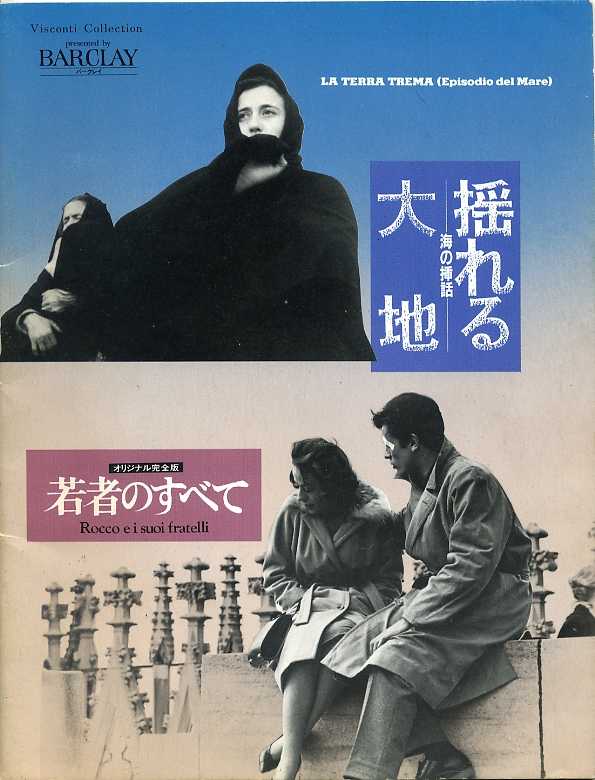
★ 2021年2月7日、イタリアの映画撮影監督ジュゼッペ・ロトゥンノ氏が死去された(1923-2021)。享年97。 撮影監督として手がけた作品。スタンリー・クレイマー監督『渚にて』(1959)、ルキーノ・ヴィスコンティ監督『若者のすべて』()、同『山猫』(1963)、同『異邦人』(1967)、ヴィットリオ・デシーカ監督『昨日・今日・明日』(1963、同『ひまわり』()、フェデリコ・フェリーニ監督『サテリコン』(1969)、同『フェリーニのローマ』(1970)、同『フェリーニのアマルコルド』(1973)、同『カサノバ』(1976)、同『女の都』(1980)、同ジョン・ヒューストン監督『天地創造』(1966)、アーサー・ヒラー監督『ラ・マンチャの男』(1972)、ボブ・フォッシー監督『オール・ザット・ジャズ』(1980)、マイク・ニコルズ監督『心の旅』(1991)、ダリオ・・アルジェント監督『スタンダール・シンドローム』(1996)。他多数。 私にとって忘れられない作品とその映像である。映画撮影監督ジュゼッペ・ロトゥンノ氏の逝去を悼みます。R.I.P. On February 7, 2021, Italian cinematographerGiuseppe Rptunno died (1923-2021). He is 97 years old. It is the works and its image that I will never forget. I mourn the death of Giuseppe Rotunno. RIP. Above is the screening pamphlet of the Visconti Collection, planned by the Ginza Cultural Theater in January 1990. ★ 2021年2月8日、フランスの作家・脚本家ジャン=クロード・カリエール氏が死去された(1931-2021)。享年89。 カリエール氏の脚本による映画。ルイス・ブニエル監督『昼顔』(1967)、同『ブルジョワジーの秘かな愉しみ』(1972), 同『欲望のあいまいな対象』(1977), ジャック・ドレー監督『太陽が知っている』(1969)、同『ボルサリーノ』(1970)、ミロス・フォアマン監督『パパ ずれてるぅ』(1971)、同『宮廷画家ゴヤは見た』(2006), マルコ・フェレーリ監督『ひきしお』(1972)、フォルカー・シュレンドルフ監督『ブリキの太鼓』(1979), ジャン=リュック・ゴダール監督『勝手に逃げろ/人生』(1980), アンジェイ・ワイダ監督『ダントン』(1983), 大島渚監督『マックス、モン・アムール』(1997), フィリップ・カウフマン監督『存在の耐えられない軽さ』(1988), エドゥアール・ニエルマン監督『カサノバ最後の恋』(1992), ジョナサン・グレイザー監督『記憶の棘』(2004), ジュリアン・シュナーベル監督『永遠の門 ゴッホの見た未来』(2018)。他多数。 亡くなられたことに溜め息が出る。映画脚本家ジャン=クロード・カリエール氏の逝去を悼みま。R.I.P. On February 8, 2012, French writer and screenwriterJean-Claude Carriere died (1931-2021). He is 89 years old. I sigh when I knew he died. In mourning the death ofJean-Claude Carriere. RIP. Be low is the screening pamphlet of Iwanami Hall in February 1984. 私の資料箱からすぐに見つかったパンフレットを掲載。 上は1990年1月に銀座文化劇場企画、ビスコンティ・コレクションの上映パンフレット。 下は1984年2月、岩波ホールの上映パンフレット。
Feb 11, 2021
コメント(0)
-
幽霊のようなアイデアが浮かんだけれど
いままで考えたこともなかった作品の新しいアイデアが出てきた。ただしイメージではない。それはアイデアではあるがあまりにも漠然としている。そのためスケッチブックには短い文字で書き留めた。どのようにしたらこのアイデアを確実な形にできるだろう。どのくらい日時を要するか自分でもわからないが、とにかく幽霊のようなアイデアを頭の中で自由に遊ばせておく。 A new idea of a work that I had never thought of before came out. However, it is not an image. it's an idea but too obscure. Therefore, I wrote down it by short letters in the sketchbook. How and what can I do this idea becoming sirtain figure? I don't know howlong it will take, but i'll just let that the ghostly idea free playing in my head.
Feb 10, 2021
コメント(0)
-
ものすごく長い英単語
昨夜、就寝前に読んでいた英原書にものすごく長い単語が出てきた。化学物質名である。 "Cyclotrimethylenetrinitramin" 「シクロトリメチレントリニトラミン」 まあ、化学分子式がらみの合成名詞であることは何となく分かった。しかし私の知識ではその内実は分からない。じつは高性能エネルギー物質である。現在、国際的にそれぞれの国の国防産業において研究が進んでいる。 人類は、もしかすると未来に新たな脅威を産み、脅威を抱え込むことになるかもしれない。・・・本来的な意味を失った言葉使いをし、軽薄に短くした造語で日本語を破壊している日本の現状である。しかし一方で、ものすごく長いこの造語(名詞ではあるが)には、人類的な脅威が込められているのかも知れない。私は本を読みながら、そんなことを思った。 Last night a very long word appeared in English origi-nal book I was reading before going to bed. It is a chemical substance name. "Cyclotrimethylenetrinitramin" Well, I somehow understood that it is a synthetic noun related to chemical molecular formulas. But my knowledge doesn't tell the truth. In fact, it is a high performance energetic material.Currently. each country is conducting research in the defense industry internationally. HUman beings may create new threats in the future and carry threats. ... The current situation in Japan is that Japanese is being destroyed by coined words thathave lost their original meaning and are frivolouslyshortened. However, on the other hand, the extremelylong coined word, altough it is a noun, may have a human threat. I tought about that whole reading a book.Tadami Yamada
Feb 9, 2021
コメント(0)
-
私は笑う
『私は笑う』 山田維史笑いがこみあげてくる。滑稽だなー。何もかにもだ。安っぽい表層の中に吸い込まれて行くのか?!あの子どもっぽい芝居じみた書割りの扉のなかに?!笑いがこみあげてくる。滑稽だなー。何を見たのだ。泥の天井を突抜け逆さまに墜ちるのか?!あのからっぽな乾き切った蟻地獄の穴のなかに?!笑いがこみあげてくる。滑稽だなー。生まれたのだ。命の短さを抱えて逆さまにこの世にか?1堕天使の背中に偽の翼を貼付けられ幻想の罠に?!私は笑う私を笑う表層の下にひろがる実存に触れぬ手足を I Laugh by Tadami YamadaLaughter comes up.It's jest.Something.In the cheesy surfaceWill I be sucked in? !!That childishThe play-like settingIn the door? !!Laughter comes up.It's jest.What did I see?Penetrate the mud ceilingWill it fall upside down? !!That emptyDried ant-lion's hellIn the hole? !!Laughter comes up.It's jest.I was born.With a short lifeUpside down in this world? !!On the back of a fallen angelFake wings are pastedIn an illusion trap? !!I laughLaugh at meSpread under the surfaceLimbs that do not touch existence
Feb 8, 2021
コメント(0)
-
猫柳を詠む
猫柳を詠む ねこやなぎ岸の旧居を見る思い 青穹(山田維史) 山深きかの地かの川ねこやなぎ いまむかし龍沢の岸ねこやなぎ 男なる旅の孤影ぞねこやなぎ 頬なでて笑むや童子の猫柳【Haiku】 Nekoyanagi kishi no kyu-kyo wo omoimiru Seeing pussy willows recalled my former house on the brook's shore Yama fukaki kano-chi kano-kawa nekoyanagi The deep mountains that place, that stream, that pussy willow in my mind Ima-mukashi Ryuzawa no kishi nekoyanagi Long time ago, not now On a bank of the Ryuzawa river A pussy willow I remember Otoko naru tabi no koei zo nekoyanagi The lonely shadow of a man"s journey on side by a pussy willow Hoho nade te emu ya doji no nekoyanagi The cheeks were stroked and laughed, In the baby's hand a pussy wilowTadami Yamada
Feb 8, 2021
コメント(0)
-
「鬼滅の刃」の言葉に発す
昨日2月5日の〈朝日新聞デジタル〉に校閲センターの田辺詩織氏が〈鬼滅の刃 漢文法なら「滅鬼」のはず? 「きめつ」のワケ〉と題する記事を書いていられた。人気漫画『鬼滅の刃』の漢字表記について読者から疑問が寄せられ、田辺氏が日本近代語研究会にその疑問を問うてみたというのである。 私は校閲者が書いているのでおもしろく思い、日本近代語研究会の回答は読まずに、私自身が長らく「いやな感じ(漢字)」と思っていることを述べてみようという気になった。 朝日新聞に寄せられた読者の疑問はまったくその通りだと私も思う。漫画の人気、そしてそのおそらく優れたストーリーテーリングや作画とはまったく別なこととしてである。 「鬼滅」と同様な漢文法を無視した造語は、「婚活」「就活」「終活」がある。「結婚準備活動」、「就職活動」、あるいは私なら「死に仕度」というであろう言葉を、ヤクザな符牒言葉に仕立てている。これらの造語の根本をなすのは漢語についての教養不足であろう。 言葉の無教養さは、このたびの新型コロナウィルスのクラスターから言われ出した「三密」に、如実に現われている。「三密」は本来、大乗密教用語であり、「身、口、意」を指す。すなわち身口意の修行を三密と言う。決して空間的な密接を指してはいない。私がいやな感じがするのは、この無教養語「三密」が官製用語だという点だ。・・・ついでなので言おう。官製語でいやな感じは英語の誤用である。「GO TO」・・・ここまではいい。だがそのあとにトラベルと来ては笑ってしまう。トラベルを言いたいなら、「GO ON」。ゴー・オン・トラベル、だ。ゴー・トゥ・キョウト。ゴー・トゥ・カナザワ。・・・何が違うかおわかりでしょう? これで小学校から英語教育だなんて言って、まったくどうかしているよ。 さらに、「フレイル」なんて言い出した。どうやら病的状態にいたる前段階の虚弱者あるいは身体的高齢弱者を指したいらしい。「フレイル」は、英語の「frail」なのだろうが、このfrail に、そんな限定的な意味があったかしら。「弱い」という意味はある。だが、「意志薄弱」という意味もあれば「もろさ」という意味もある。「はかなさ」という意味さえある。 シェイクスピアの『ハムレット』のなかの「弱き者、汝の名は女なり」という有名な台詞。原語では「Frailty, thy name is woman (フレイルティ。ズィ・ネイム・イズ・ウーマン)」である。ここには病的状態にいたる前段階としての虚弱者という意味はまったくない。「弱き者、汝の名は女なり」という日本語訳は、名訳といえば名訳だが、イギリス本国の人たちは「Frailty 」をもっと複雑な陰影あることばとして捉えているだろう。女性存在をこの一言に表現しているのである。「処女王」あるいは「栄光の女人」または「善き女王」と讃えられたエリザベス1世時代の戯曲であることを思えば、「弱きもの」で片付けられない文学的な深さが込められていると言わなければなるまい。 どういうわけか日本の行政は、このようなわけのわからない外国語を公報のなかで使用する。後期高齢者などという無礼千万な言葉を造りだし、その高齢者すべての人が分かるはずもない外国語を使う。バカか! 植民地じゃないのだ。きちんとした正確な日本語を使え! 話をもとに戻すと、漢語として奇怪な造語をしていると、義務教育過程のなかで教えるのに苦慮することになる。例をあげてみよう。 「絶対」と「絶体」と、どのように違うか説明できますか、子どもたちに。どのように使い分けるか説明できますか? 漢文法に則ると説明は簡単なばかりか、以後間違うことはないでしょう。 まず、語順です。動詞+目的語 という順序で熟語は成立しています。次に熟語として成立している意味を具体的におしえます。 「絶対」は、「対」を「絶(た)つ」ということ。つまり「対」は「相手」です。したがって「絶対」は「相手がいない状態」なのです。「絶対王制」というが、王以外に統治者がいない政治制度と説明すればよい。もっと普通に、「絶対おいしい」などと言えば、これに匹敵する程おいしいものは無い、とおしえられましょう? では「絶体」はというと、「体(からだ)」を「絶(た)つ」ことです。だから「絶体絶命」は、カラダをタチ、イノチをタツ 状態を言うのです。 このように説明すると、たとえば「絶縁テープ」の「絶縁」も「縁」を「絶つ」ことだ、と子どもは理解できるでしょう。「絶縁関係」も繋がり(関係)の縁を絶つことと理解し、発展的に言葉の仕組を理解し、語彙を増やしていけるでしょう。 「滅茶」という言葉も毎日のように耳にする。どうやら「すごい」とか「すばらしい」という意味に使っているようで、「滅茶たのしい」「滅茶旨い」などと言っている。誤用というより、本来の意味とは全く正反対の使い方である。関西方面から使われだしたようだが、しかし関西独特のいわゆる地方言語とは言えないのではないか、と私は思っている。昔、関西漫才で一世を風靡したエンタツ・アチャコがいた。横山エンタツ氏と花菱アチャコ氏のコンビである。このお二人の漫才のきめぜりふが「ムチャクチャでござりまするがな」であった。「ムチャクチャ」は「無茶苦茶」である。「滅茶苦茶」と同語である。お二人はこの言葉を本来的な正しさで使用していた。すなわち否定のための言葉としてである。決して「ムチャクチャたのしい」などと肯定的には使わなかった。 それではこのことば、「無茶苦茶」ないし「滅茶苦茶」の由来は何であろう。 日本に茶が渡来したのは桃山時代以前であるが、茶は非常に貴重なもので、医薬品扱いされることもあった。もちろん今日のように誰でもが気軽に茶を呑めたわけでは全然ない。呑めたとしてもいわゆる出がらしさへも茶の色がなくなるまで大切に呑んだ。庶民が呑んでいたのは白湯であった。それさへもやたらめったらに呑んでいたわけでもなさそうだ。 さて、その貴重な茶であるが、江戸時代になると京近郊で産した茶(宇治茶)を大きな壷に詰めて錦の布で覆い絹の房付の編み上げ紐で蓋を結わき、大名行列のように江戸城に運んだ。お茶様のお行列である。昔のわらべ歌にこんなのがある。いまでも多くの人が知っているだろう。 ずいずいずっころばし ごまみそずい 茶壺におわれて とっぴんしゃん 抜けたら どんどこしょ 俵の鼠が米食って チュー チュウチュウチュ おとっつあんが呼んでも おっかさんが呼んでも 行きっこなしよ 井戸のまわりで お茶碗欠いたの だーれ このわらべ歌の「茶壺におわれて とっぴんしゃん 抜けたら どんどこしょ」に注目しよう。まさに今、御茶壺のお行列が通るのだ。下にー、下にー、である。道端に這いつくばらずに「おっとどっこい」と庶民は逃げたのだ。・・・というような貴重な茶。それをダメにする。淹れかたがまずくてニガイ茶にする。あるいは良薬口に苦しである。・・・それが「滅茶苦茶」という意味である。つまりこの言葉には肯定的な意味はまったく無い。 言葉の誤用はコミュニケイションの成立をさまたげる。通用するのは仲間内だけである。私があえてヤクザの符牒と同じだという由縁だ。 「日本が日本が」と言う割には、文化の根本を形成する日本語が崩壊しつつあるように私は思う。国語辞書が次第に使いもにならなくなるほど語彙が消えている。私は数冊の国語辞書を持っているが、先日、「右顧左眄(あるいは左顧右眄)」を引いたら、ある大判の高価な辞書に載っていなかったので驚いてしまった。辞書というのは今流行のバカコトバをせっせと収録しても役には立たない。そのような言葉は「現代俗語辞典」を作って収録するとよかろう。辞書を引くのは如何なるときか、如何なる事態かは、考える程のことでもあるまい。昔の辞書が手放せなくなっていることを、監修者として名を記している「国語学者」とやらは、どう思っているのやら。彼らが自分の書棚に数百冊数千巻の辞書を並べていても、監修者として出版販売する辞書の語彙がスカスカではどうしようもあるまい。 On February 5th, yesterday, at〈Asahi Shimbun Digit-al〉, Ms. Shiori Tanabe of the Review Center was writingan article entitled〈Kimetsu no Yaiba: If it's Chinese grammar, it should be "Metsu Ki" ? Why of "Kimetsu"〉.Asahi Shimbun's reader asked questions about the kanjinotaition of the popular manga (cartoon) "Kimetsu noYaiba," and Ms. Tanabe asked the Jaapanese Modern Language Study Group about that question. I found it interesting because it was written by a reviewer who is aspecialist on language, and I wasmotivated to state what I had long thought to be "un-pleasant on the problem of today's trend of the usingkanji" without reading the answers from the JapanModern Language Study Group. I totally agree with the reader's question asking theAsahi Shimbun. Apart from the popularity of the comic,and perhaps the excellentstory telling and drawing of"Kimetsu no Yaiba". Coined words that ignore Chinese grammar similarto "Kimetsu" include "Kon-katsu," "Shu-katsu," and by the same pronounciation "Shu-katu". The coinedwords mean "marriage activity," "job hunting," and"death preparation". These coined words are like theyakuza's signatures. The basis for these coined wordsis probably a lack of education about Kanji grammar. Words that are used without knowing the originalmeaning of the language are clearly visible in the"San-mitsu" from the COVID-19 cluster. "San-mitsu"was originally a Mahayana Buddhist term for "body,mouth, mind". In other words, training about "body,mouth, mind" is the true meaning of "San-mitsu (Three Dense)". Hoewver, this "dense" does not refer to spatial proximity. What I hate is that the word "San-mitsu", whichdeviates from its original meaning, is a term coinedby government and its agencies. Let's talk about it. Discomfort in the official language is a misuse ofEnglish. "GO T0" ... That's fine. But when governorssay "Go to travel," I laugh. If you want to use the word travel, it's "GO On Travel"... "Go to Kyoto,""Go to Kanazawa". ... Can you understand what'sdifferent? While the government used the wrong English asthe official language it had policy of starting Englisheducation from elementary school, so there is doubtabout what the government is doing. In addition, welfare administration has begun touse the word "frail". Apparently, the governmentwants to refer to those who are weak or physicallyolder and vulnerable before reaching a morbidstate by the word. "frail" is the English, but themeaning of this English word "frail" is not as limited as the meaning used by government. Certainly it means "weak". But it also means"weak will" and " vulnerability". It can even mean"temporary" or "effeminate". In Shakespeare's "Hamlet," there is the famousline, "Frailty. Thy name is woman". Here, there is no meaning as a weak person as a pre-stage of amorbidity. The Japanese translation of the line maybe a pretty good translation. But the British peoplemay think of "frailty" as a more complex term.Because this one word expresses the existence of a woman. Since it is a play of the Elizabeth I era,which was praised as a ”The Virgin Queen," "Gloriana," "Good Queen Bess," it has a literarydepth that does not just mean "weak." That's howI used the word Frailty by Shakespeare. For some reason, the Japanese administrationuses such an incomprehensible foreign languagein gazettes. Do they think that using foreignlanguages can make people think that govermentis working? They create rude words such as thelate elderly and uses a foreign language that notall the elderly can understand. Are you stupid!Japan is not a colony. Use proper and accurate Japanese! Returning to the original story if you have astrange coined word as a complexed-kanji, youwill have a hard time teaching it in the compulsoneducatin process. Let me give you an example. Can you explain to the children how the differencebetween "絶対 (zettai)" and "絶体 (zettai)" is? Can youexplain how to use them properly? According to the Chinese granmar, the explanationis not only simple, but there will be no mistakes afterthat. First, the word order. Idioms are established in theorder of verb + object. Next, you will give the childrena concrete meaning of what is established as an idiom. "絶対" means "絶 (cut off, or brak off)" + "対 (pair, or against, versus)". In other words, "pair" is "other party".Therefore, "絶対" means "cut off versus". The term "絶対王制 (Zettai-ousei; Absolute monatchy"can be explained as a political system in which there isno rule other than the king/queen. More commonlywhen you say "絶対おいしい (zettai oishii)", you can tellus that nothing is as delicious as this. Then, "絶体" means, "体" is "body", "cut off body". Thatis why "絶体絶命 (zettai zetumei" means "desperate situation" refers to the state of cutting off the body andcutting off life. Explaining in this way, children may be able to under-stand that, for example, "絶縁テープ (zetuen-tape; insu-lation tape)" also means "cutting off the edge of con-duction". "縁 (en)" means the edge or the relation. Children will understand that "絶縁関係 (zetuen-kankei)"also break the connection (relationship), and they will be able to progressively understand the mechanism ofwords and increase their vocabularu. I hear the word "滅茶 (mettya: destructive tea)" almostevery day. Apparently, it is used to mean "amazing" or"fany" or "great", and it is said to be "mettya tanoshii(great pleasant)" or "mettya umai (very delicious)". Rather than misuse, it is the exact opposite of what itreally meant. It seems that it was used from the Kansai area, but I think it is not a so-called local language peculiar to Kansai. Once upon a time, there was Entatsu Achako, who was a Kansai manzai (Kansai comic dialogue) and was very popular. It is a combination of Mr. Entatsu Yoko-yama and Mr. Achako Hanabishi. Their most popular speech was "Mucha kucha de gozarimasuru ga na! (You are messing me up with your unreasonable demand!)". The two used this word with its original correctness.That is, as a word for denial. They never used it posi-tively, saying that it was "fun". Then, what is the origin of this word "metyakucha ormutyakucha" ? Tea arrived in Japan before the Momoyama era, buttea was extremely valuable and was sometimes treatedas a medicine. Of course, not everyone casually dranktea like today. Even if they swallowed it, they swallowedit carefully until the color of the tea disappeared, evenfor the so-called degarashi (thin tea). It was plain hotwater that the common people were drinking. It doesn'tseem like they were swallowing it. By the way, it is a precious tea, but in the Edo period,tea (Uji tea) produced in the suburbs of Kyo (Kyoto) waspacked in a large jar, covered with a brocade cloth, andthe lid was tied with a braided string with a silk tuft. Itwas carried to Edo Castle. It is a procession of tea. There is such a thing in the old nursery rhyme. Manypeople still know it.(The lyrics is omitted.) Let's pay attention to this nursery rhyme, "Tyatsuboni oware te toppinncyan nuketara dondokosyo (I amchasing away by Tea jar, and running away. Oh, poorthing. Upsy-daisy!)" Right now, the processing of the Tea jar is passing.Prostrate yourself before Tea jar! But, instead of crawling on the side of the road, children ran away,saying, "Oops!". ... A precious tea like this. Ruin the tea. Or it suffers from good medicine. ...That means "metyakucha (destructive tea, also,messed up)". In other words, this word has nopositive meaning. Misuse of words hinders the establishment of communication. It is only valid within the group.The reason is that I dare to be the same as thayakuza's signature. While saying "Japan only", I think the Japanese language, which forms the basis of culture, iscollapsing. The vocabulary has disappeard so much that the Japanese dictionary is graduallybecoming useless, I have several Japanese dictionaries, but the other day, when i lookedup "Sako-uben , or Uko-saben (look this and that way)", I was surprised because it wasn't listed in some large expensive dictionary. Dictionaries are useless even if you record the trendy idiot words. It would be good to make a "modern slag dictionary" and record such words. It's not hard to think about when and what happens when you look up a dictionary. What do the "Japanese langyage scholars" who write their names as supervisors think that the old dictionaries cannot be parted? Even if they have hundreds of thousands of dictionaries on their bookshelf, the vocabularry of the dictionaries published and sold as a supervisor can't be helped.Tadami Yamada
Feb 6, 2021
コメント(0)
-

徳永健一郎氏の最期のコンサート
チェロ奏者パブロ・カザルス(Pablo Casals, aka Pau Casals ; 1876-1973) が演奏する〈鳥の歌〉を聴いていた。演奏時間4分弱。カザルスが生涯大切にしていたという曲である。後に述べるが、私がカザルスを知ったのは13歳。中学1年のときだった。 じつはYouTubeにはこの〈鳥の歌〉のすばらしい演奏がアップロードされている。徳永健一郎氏(1941-1996)の最後の演奏・・・亡くなられる45日前に入院されていたホスピスでの小さな演奏会における演奏である。 私は言うことばがないのだが、涙を拭いながら言えば、芸術家の最期について思い知らされる。越路吹雪さんに教わった。美空ひばりさんに教わった。島倉千代子さんに教わった。音羽信子さんに教わった。新藤兼人さんに教わった。そのほか沢山の方に教わった。モーツァルトから。バッハから。死の直前まで我が道を突き進んで己の表現を追求された方々であった。徳永健一郎氏の最期のコンサート さて、気を取り直して、上に述べたパブロ・カザルスを知ったきっかけを思い出しながら・・・ 私が最初に作った「本」は、13歳の時に雑誌から切り抜いた名画を編集した画集である。高校生からもらった受験雑誌「蛍雪時代」などから切り抜いた絵を集めて、会津若松市の神明通りの洋品店(山形屋さんだったかな?)から買って来た黒ビロードで装釘した。それらの絵のなかにココシュカが描いたチェロを演奏するパブロ・カザルス像があったのである。つまり私がカザルスを知ったのは、彼が演奏する音楽より先にその肖像画だった。以後、カザルスって誰だ? ということになったのである。カザルスの演奏をレコードで聴くと、彼は演奏しながらまるで唸るように低く歌っている。グレン・グールドもピアノ演奏しながら歌っている。それを音楽の純粋性にとって邪魔だという聴衆もいるが、中学生の私は面白がっていたのだった。 以下に、62年前につくったその画集の画像を掲載します。 I was listening to "El cant ocells" by cellist Pablo Casals (aka Pau Casals ; 1876-1973). Playing time is less than 4 minutes. It is a work that Casaals cher-ished throughout his life. As I will explain later, I was13 years old when I learned about Casals. I was in mythe first year of a jounior high school. The wonerful performance of this "El cant ocells" has been uploaded to YouTube. The last performanceat a small convert at a hospice that was hospitalized45 days befor his death. J have no words to say, but if I wipe my tears, I amreminded of the artist's end. I was taught by FubukiKoshiji. I was taught by Hibari Misora. I was taughtby Chiyoko Shimakura. I was taught by Nobuko Otowa.I was taught by Kaneto Shindo. Manyother people taught me. From Mozart. From Bach. Until just beforeher/his death, they were the ones who went on ownway and pursued their own wxpression. Now, let's take a second look and remember howI got know Pablo Casals mentioned above ... My first "book" was a collection of masterpieces' painting pictures cut out from magazine "Keisetsu-jidai (Firefly Snow Age" that I got from high schoolstudents. and was bounded them with black velvetthat I bought from a clothing store (Is it Yamabata-ya?) on Shinmei-dori in Aiduwakamatsu City. Among those paintings was the Portrait of PabloCasals playing the cello drawn by Kokoschka. So itwas in the portrait that I knew Casals before the music ne played. After that. Who is Casals? when I listened to Casals' performance on vinyle,he sang low while he was playing the cello. Glenn Gould also sang while playing the piano. Someaudiences said it was a hindrance to the purity ofthe music, but as a junior high school student, iwas amused. l posted the image of the art book made 62 years ago mentioned above.Tadami Yamada
Feb 5, 2021
コメント(0)
-
春を語りあう人もなく(俳句)
コロナ禍や春の浅深語る人もなく 青穹(山田維史) 独り坐す仕事机に餘寒あり 白魚を盛りて織部の緑かな【Haiku】 Korona-ka ya haru no senjin kataru hito mo naku Blockade of COVID-19 aginst disaster No one talks about the shallowness and depth of spring together Hitori zasu shigotozukuè ni yokan kana A little coldness linger on the work desk ever, I sit alone Shirauo wo mori té Oribè no midori kana Oribe'*s green Whitebaits dish up on【*Note】Oribè ; Ceramic ware. It was produced in theMino rejion during the Momoyama period which wasfrom the middle ages to the early modern period, and was favored by the famous tea master Oribe Furuta at that time, so it came to be called Oribe ware. It is also produced today. It has a strange shape and pattern,and is characterized by a deep green glaze on the part.Tadami Yamada
Feb 3, 2021
コメント(0)
-
春ですねー!
きのう書いたとおり今日は124年ぶりの2月2日の節分。つまり明日は立春である。もちろんカレンダーの上での春なので、まだまだ寒い日があるだろう。 しかし私は意外なことでその春を感じたのだ。じつは朝起きたときから先ほど夜の9時ちかくなるまで靴下を穿いていないことに気がつかなかった。終日裸足のまま過ごしていたのである。間が抜けていると言えば、そのとおりなのだが、先ほど「あれ? 靴下を穿くのを忘れていたぞ」と、自分の足を見た。それを家人に言うと、笑いながら、私が仕事場で着ているジャンバーを取って私の目の前で振った。私はそれを着るのも忘れていたのだ。春ですねー! 愛しさを花にたとえん春や春 青穹(山田維史) 背戸の山吹く風鳴る木春立つや As I wrote yesterday, today is the Setsubun onFebruary 2nd in 124 years. In other words, tomorrowis the biginning of spring. Of course, it's spring on thecalendar, so there will be more cold days. However, I unexpectedly felt the spring. Actually, Ididn't notice that I didn't wear socks from the time I work up in the morning until 9 o'clock in the evening.I spent all day barefoot. Speaking of being stupid, that'sright, but I saw my feet a little while ago, saying, "Oh?I forgot to wear socks." When I said it to my family, helaughed and took the jumper I was wearing at work andshook it in front of me. I also forgot to wear it. It's spring!【Haaiku】 Itosisa wo hana ni tatoen haru ya haru Spring, oh spring! Let's compare love to flowers Sedo no yama fuku kaze naru ki haru tatsu ya The beginning of spring In the mountains of the back door A breeze blowing, trees rustlingTadami Yamada
Feb 2, 2021
コメント(0)
-
124年ぶりの2月2日の節分
明日は節分である。すなわち立春の前日。え? 明日は2月2日だよ。節分は3日だろう? そのとおり。でも宇宙の運行の事情で今年の1年は365日6時間。例年より6時間長いのだ。それで今年は2月2日が節分というわけ。124年ぶりのことだそうだ。豆撒きの豆は用意できているでしょうか? 毎年、節分の翌朝の我家の庭や駐車場には豆がころがっている。私が鬼というわけでもあるまいが(ハハハ)、隣近所の子どものいる家が撒いた豆が飛ん来ているのである。我家は豆を撒かない。口に放り込むのである。老年になってからはせいぜい10粒20粒。七十六粒も口に入れてごらんよ、大変だから。 我家には恵方巻を食す習慣がない。恵方巻を食べるのはどの地方だろう。関西方面だろうか。我家のルーツは仙台藩の武士と北海道江差近傍の僧侶。私は恵方巻と称する海苔巻を知ったのは、ずっと後年になってからである。父も母も死ぬまで知らなかっただろう。しかもその食べ方を聞いて私は二度びっくりした。 ここ2,30年の間に地方性は何においても薄れているかもしれない。恵方巻もどこのコンビニエンス・ストアーでもスーパー・マーケットでも売っている。私は買わない。それを食べないのだから買わないのだ。海苔巻なら、私が作る。アッハッハハ。 明治32年に出版された平出ケン二郎(ケンは金ヘンに堅)著『東京風俗志』には、明治時代の東京の節分についての記述がある。なかなかお盛んと言うべきか、大変な事と言うべきか、「ヘー!」ということばかり。ちょっと面白いので行事の要点をかいつまんでみよう。 〈 節分の日には厄落しのために煎り豆を年齢より一粒多く食う。またその数を紙に包んで、身体を撫で、三つ角の辻に捨てる。その夜、福は内、鬼は外と唱え、また門口に豆がら鰯、ヒイラギ等を挿して悪鬼を祓う。痰を根治するマジナイと称して、長蕪(ながかぶ;大根)の葉に自分の姓名と誕生日を書き、これを懐に入れて寝、翌朝水に流す。毎年このようにして三年間つづけると病根を断つと伝えられている。昼は太神楽が来、夜は「厄祓い」と呼び歩く。この夜、亀戸神社で追儺(ついな)の神事がある。社前に篝火(かがりび)を焚き、神楽を奏す。講中の者が二人、二本の角に四つ目の赤鬼青鬼に扮し、猿の皮をかぶり、鹿の角の杖をついて社前に近づく。これを神主が問答して説諭し、退散させる。〉『東京風俗志』に拠る。 亀戸神社で追儺神事は、明治維新の頃は途絶えていたが、明治30年頃には復活した、と平出氏は書いている。現在はどうなのだろう。私は知らない。しかし亀戸神社のウェブサイトによると節分の追儺神事は現在もおこなっているようだ。 今年こそ新型コロナウィルスの厄祓いを望む人は多いであろうに、少なくとも私の住んでいるあたりの寺社では豆撒きは中止のようだ。しかしそれもまた、感染クラスターを避ける厄払いであろう。 Tomorrow is Setsubun (The first day of biginning ofspring and The day of Bean-Throwing). Why? Tomorrow is February 2nd. Setsubun will beFeburuary 3rd, is't it? Thaat's right. However, due to space operations, this year's year is 365 days and 6 hours. It's six hours longer than usual. That's why February 2nd is Setsubun this year. It's been 124 years since then. Are the beans sowed ready? Every year, beans are falling and rolling in our gardenand parking lot the morning after Setsubun. I'm not aOni (demon)....hahahaha..., but beans sown by houseswith children in the neighborhood are flying. I don'tsprinkle beans. Throw them in my mouth. At most 10beans or 20 beans as old age. Put 76 beans in yourmouth, because it's hard. My family don't have a habit of eating Ehōmaki.Which region will eat Ehōmaki? Is it in the Kansai area? The roots of our family are the samurai of the Sendaidomain and tha monks near Esashi, Hokkaidō. It wasin the last some years that I learnd about the seaweed roll called Ehōmaki. Neither my father nor my mother eould have known until their death. Moreover I wassurprised twice when I heard how to eat it. In the last few 30 years. locality may have faded in everything. Ehōmaki is also sold at convenience storesand supermarkets everywhere. I don't buy. I don't buyit because I don't eat it. If it's norimaki, seaweed roll,I'll make it. Ahahaha. THe book "Tokyo Fuzokushi (Tokyo Customs" by Kenjiro Hiraide published in1899 has a description ofSetsubun in Tokyo during the Meiji era. Whether it should be said that it is quite popular or hard custom,it's all about "What?". It's a little interesting, so let'stake a look at the main points of the event.〈On Setsubun day, eat one more roasted bean thanyour age to get rid of evil. Also, wrap the number in paper, stroke the body, and throw it into the three-intersection Tsuji. That night, Sprinkling beans, "Fuku wa uchi, Oni wa soto (Fortune in, Devils out)" exclaimed. And also, a head of sardine, holly, etc. are inserted at the gate to exterminate evil spirits. Called Majinai (charm), which cures sputum, write your first and last name and birthday on the leaves of Nagakabu (Daikon; radish), put this in your pocket, sleep, and flish it with water the next morning. It is said that if you continue for three years in this way every year, the root of the diseas will be cut off, and you will completely recovere from sputum. Daikagura (the Shintō's secred music and dance) comes in the daytime, and at night walking "Yaku-harai (drive off evils) exclaimed. This night, there is Shinto ritual Kameido Shrine. A bonfireis lit in front of the company to play Kagura. Two people in the class dressed as the four eyed with two horns' Aka-oni and Ao-oni (red and blue demons) ,covered with monkey skin, and attached a cane withdeer horns to approsche the shrine. The priest asksand answers this question, preaches them, and dis-perses them.〉 based on "Tokyo Fuzokushi". Mr. Hiraide wrote that the ritual of Setsubun at Kameido Shrine had stopped during the Mwiji Resto-ration, but was revived around 1895 or so. How is it now? Unfortunately I don't know. However, accordingto the Kameido Shrine website, it seems that theShintō ritual of Setsubun is still being held. Many people would like to get rid of COVID-19 thisyear, but at least at the temples and shrines where I live, sowing beans seems to have stopped. But that would also be a exorcize to avoid infected clusters.Tadami Yamada.
Feb 1, 2021
コメント(0)
全27件 (27件中 1-27件目)
1


-
-
- マンガ・イラストかきさん
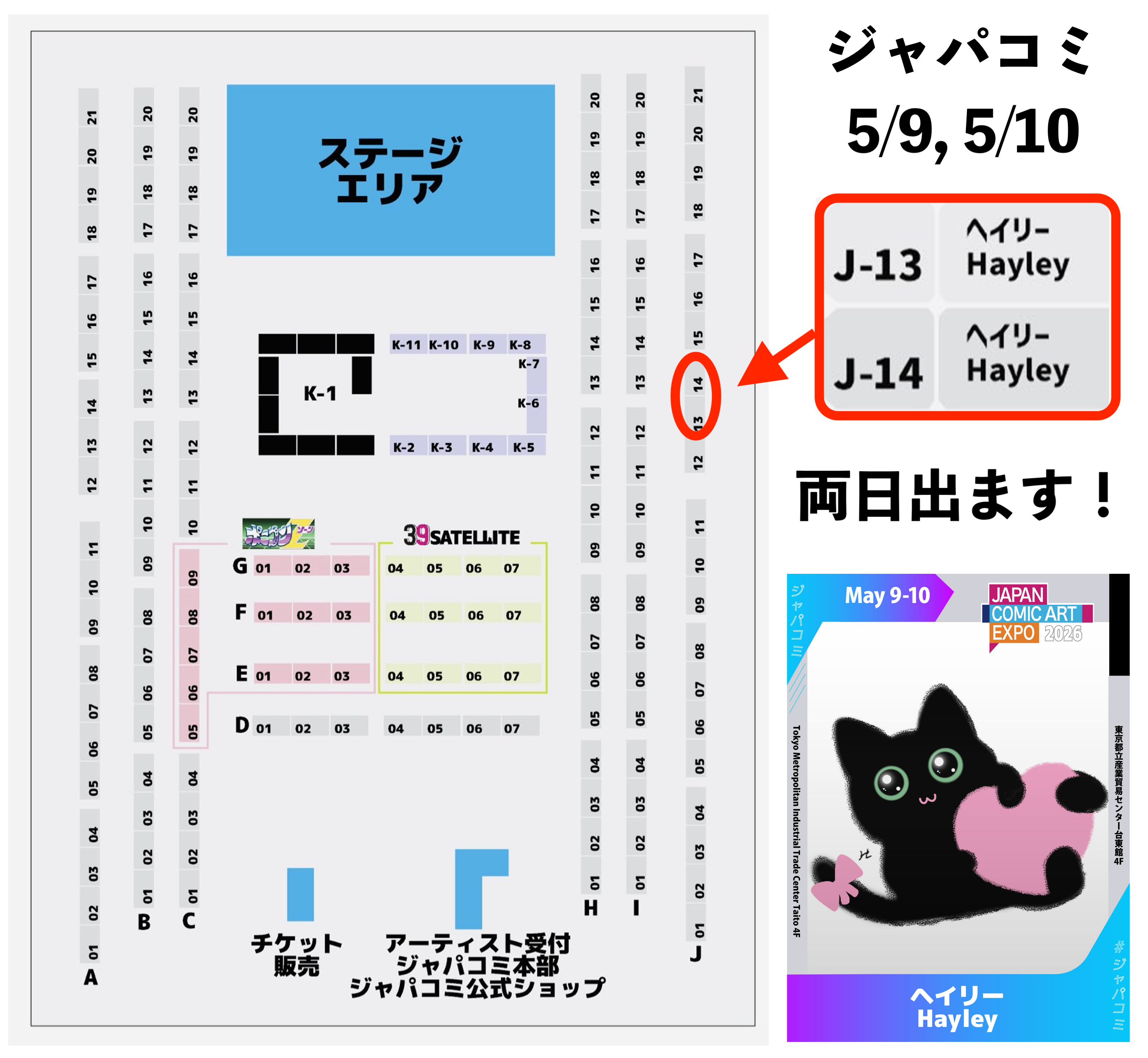
- ジャパコミは両日とも「J-13,14」で…
- (2026-05-08 01:35:26)
-
-
-

- ボーイズラブって好きですか?
- ヒロアカのBL同人誌!緑谷出久と爆豪…
- (2025-12-23 14:25:28)
-
-
-

- 最近買った 本・雑誌
- MAQUIA(マキア)12月号も購入しました…
- (2026-11-02 07:00:04)
-


