



2021年04月の記事
全27件 (27件中 1-27件目)
1
-
家の中でエクササイズ
連休を前に、初夏の気候。私はあいかわらず外出を控えている。家に籠って仕事をし、読書をし、また、家の中でエクササイズ。階段踏みやスクワットである。木刀の素振りは戸外でやらなければならないので止めている。 先日は運動のやり過ぎで筋肉が発熱し、しばらくの間かえって調子が悪かった。年寄の冷や水と反省した。以後は身の程をわきまえたエクササイズである。 数日後には76歳になる。とにもかくにもこの歳まで寝込むような病気を一度もせずに来た。風邪を引いたかなと思ったのも、考えてみれば4,5年前だ。まあ、無病息災で来たと言ってもよいだろう。 もっとも、長期間の作品制作がつづくと、背筋力が弱くなり腰が痛み出す。私だけのことかもしれないが、職業病だと思っている。そして、これも私だけであろうが、作品制作中にあまり筋肉を目覚めさせると、集中していた思考がどこかにフッ飛んでしまう。 このメカニズについて深く考えたことはないが、数十年間の経験から捕まえた「私」という構造体である。その構造体のメカニズムを操作しながら76歳までやって来た。 ハハハハ、いつまで操作できるだろう? Before the Golden Week holidays, the climate is earlysummer. I'm still refraining from going out. Stay athome, work in my studio, read, and exercise at home.Stepping stairs and squats. I have to stop swinging thewooden sword because I have to do it outdoors. The other day, my muscle became feverish due toexcessive exercise, and I was not feeling well for awhile. I reflected on an old man's indiscretion. Afterthat, it is an exercise that is self-explanatory. A few days later, I will be 76 years old. Anyway, Icame to this age without any illness that would makeme to be in bed. I thought I had a cold four or five years ago. Well, it can be said that I came without anyillness. However, if the production of the painting continuesfor a long period of time, the back mustle strength will weaken and the lower back will start to hurt. Maybe it's just me, but I think it's an occupationaldisease. And, as I am the only one, If I awaken mymuscles too much during the production of the work,my concentrated thoughts will be blown away some-where. I have never thought deeply about this mechanics,but it is a structure called "I" that I have capturedfrom decades of experience. I came to the age of 76,manipulating the mechanics of the structure. Hahahaha, how long can I operate it?Tadami Yamada
Apr 30, 2021
コメント(0)
-
亡母の羽織
亡母の羽織 山繭の袖にながるゝ絲ひかり 青穹(山田維史) 仏前に食うや喰わずや蕨餅 竹の秋まといて母は死出の旅 (母が亡くなった直後、私は駆けつけてくれた看護士に手伝ってもらって、母の衣装箪笥から黒と深緑の交織絹地に金糸で竹の意匠を織り込んだ着物を選んで着せ、棺の到着を待った。そして看護士が帰ってから、私はスケッチブックを取り出し、母の死顔を描いた。9年前のことである。仏花を替えながらあの夜のことを思い出した。) 【註】山繭:山繭蛾の繭からとった絹絲で織った独特の光沢がある布。母の羽織の一枚。「山繭」は春の季語。【註】竹の秋:竹は春に古い葉を落として新しい葉になる。「竹の秋」は春の季語。 Haiku ; While remembering my late mother's haori (Japanese coat). Yamamayu no sodé ni nagaruru ito hikari Silk the mountain cocoon The thread shines On the sleeves Butsuzen ni kúu ya kuwazu ya warabi mochi Eat or do not eat Warabimochi, In front of the Buddhist alter Také-no-aki matoi te haha wa shidè-no-tabi Bamboo autumn dressed Mother was On a journey to death(Immediately after my mother died, I dressed my mother a kimono, with the help of a nurse who rushed to me. I chosed the kimono which was with a bamboo design woven with gold thread on blak and dark green silk thread mixed woven fabric, from my mother's chest of drawers. And I waited the casket arrived. And after the nurse returned, I took out the sketchbook and drew my mother's dead face. Nine years ago. I remembered that night while changing the Buddha flowers today.) 【Note】Mountain cocoon : A cloth with a unique lusterwoven from silk rayon taken from the cocoon of themountain cocoon moth. A piece of mother's haori."Yamamayu (the mountain cocoon)" is a spring seasonword.【Note】Bamboo Autumn : Bamboo drops old leaves inspring and becomes new leaves. "Také-no-aki (Bambooautumn9" is a spring season word.Tadami Yamada
Apr 29, 2021
コメント(7)
-
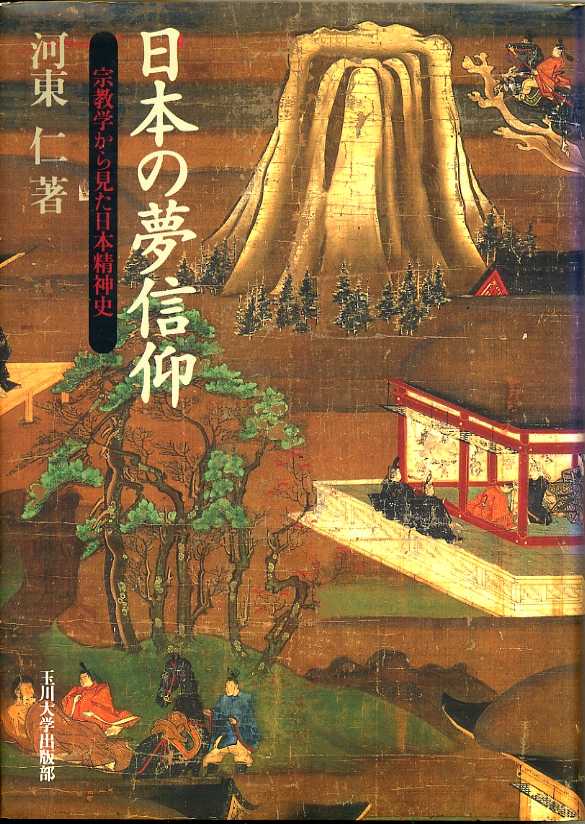
スーパームーンから明恵上人の歌へ
すばらしいスーパームーン&ピンクムーンだった。 私のベッドヘッドの後ろは窓である。そして昨夜の満月は、午前0時30分頃に、まさに私の頭と一直線の上空に輝いた。月の位置など確認する必要などまったくない。しかも山の上の家であるから視界をさえぎるものが無いのである。 私は読みかけの英語の小説を閉じて、しばらくの間なにも考えずに月の光を浴びていた。 明恵上人の歌を口ずさむ。 あかあかや あかあかあかや あかあかや あかあかあかや あかあかや月 明恵上人(1173-1232)は栂尾の高山寺を開いた華厳宗の僧。この歌は『明恵上人歌集』にある。 余計な事だが、私は、芭蕉の「松島やあゝ松島や松島や」の句は、明恵上人のこの歌から本歌取りしているのではないかと思っている。 明恵上人の夢信仰については、河東仁著『日本の夢信仰』(玉川大学出版部刊、2002年)の研究がすばらしい。河東仁先生が私に御恵贈くださった同書の画像を以下に掲載 It was a wonderful Super Moon & Pink Moon. Behind my bed head is a window. And last night'sfull moon shined right above my head at about 0:30am. There is no need to check the position of themoon. Moreover, because it is my house on the mountain, there is nothing to block the view. I closed the English novel I was reading and wasin the moonlight for a while without thinking aboutanything. Sing a tanka (Japanese poem of 31 syllables)of Myōe Shōnin. Akaakaya akaakaakaya akaakaya akaakaakayaakaakaya tsuki Bright oh bright bright bright oh bright bright oh bright bright brigt oh bright moon! (translated by Tadami Yamada) Myōe Shōnin (Saint Myōe : 1173-1232) is a monk ofHuayan sect who opened Kōzanji Temple in Toganoo,Kyōto. This tanka poem is in "Myōe Shōnin Ka-syū". It's superfluous, I think Bashō's haiku "Matsushimaya Matsushima ya ah Matsushima ya," is the mimicryof Myōe Shōnin's. Regarding the dream belief of Myōe Shōnin, theresearch of Masashi Kawato's "Nippon no yume-shinkō (Dream Faith in Japan)", published by TamagawaUniversity Press. 2002, is wonderful. Below is an image of the book that Professor MasashiKawato gave to me.Tadami Yamada
Apr 28, 2021
コメント(0)
-
今夜はピンクムーン&スーパームーン
昨夜、就寝のために寝室へ入ると、シーツや枕元に積んである本がピカピカと輝いていた。窓から強い光が斜に差し込んでいた。何だろうと思いながら窓から覘くとまんまるな月である。雲ひとつない夜空に黄金の円盤がはりついていた。満月のようでもあり、また、まだ日が充ちていないようでもあった。 きょうのCNNが、アメリカ先住民が「ピンクムーン」と言っている4月の満月が、日本時間の今夜午前0時32分であると報じている。しかも、月と地球とが最接近するため普段より月が大きく見える「スーパームーン」が重なるのだそうだ。 どうりで昨夜の月は「張り切っていた」。今夜のために「行くぞー!」という感じで。ハハハハ。 ピンクムーン&スーパームーンを楽しむとしよう。雲が無ければよいが・・・ 肘白き僧のかり寝や春の宵 蕪村 眼つむれば若き我あり春の宵 虚子 水茎のたより懐かし春の宵 青穹(山田維史) When I went to bed last night to go to sleep, thesheets and books on my bedside were shiningbrightly. Strong light was shining diagonallythrough the window. It's a round moon when I lookthriugh the wondow wondering what it is. A goldendisk was stuck to the cloudless night sky. It waslike a full moon, but it didn't seem to be due by thefull moon yet. Today's CNN reports that the full moon in April,which Native American call "pink moon," is 0:32 amJapan time tonight. Moreover, because the moonand the earth are closest to each other, the "supermoon", which makes the moon look bigger thanusual, and the pink moon falls on the full moon. No wonder, last night's moon was "tensioned".I felt like it said "I'm going!" For tonight. HAhahaha. Let's enjoy Pink Moon & Super Moon. I wish therewere no clouds ...【Haiku】 Hiji shiroki sō no kariné ya haru no yoi by Buson Manako tsumureba wakaki ware ari haru no yoi by Kyoshi Mizuguki no tayori natsukashi haru no yoi A dear handwritten letter I received Spring eveningTadami Yamada
Apr 27, 2021
コメント(0)
-
インターネットのシステム障害
いやー、あらためて思った。私もすっかりインターネット空間にがんじがらみになっていると。 朝、Eメールを確認するためにコンピューターを起動させた。ところがインターネットに接続しないのだ。それが午前7時。その後は、ネットワーク環境をあれこれいじくってみたり、接続会社に電話したり。しかしどうやら広域でシステム障害が起ったらしく、おそらくユーザーからの問い合わせが殺到しているのであろう、何度掛け直しても電話は混雑していて繋がらない。コンピューターの不具合かとも思い、別のコンピューターを起動してみたがやはりインターネットに接続できなかった。メールアドレスはテーマ別に幾つかもっているが、メールが使えない状態なのだからアドレスを幾つもっていようが用をなさない。海外情報がまったく掴めないのだ。もちろん作品制作用のソフトも使えなかった。 ・・・と、かくして一日中インターネットは使えず、午後8時にようやっと復旧した。そうしてこのブログ日記を書いているわけである。なんだかバカげた空間に落ち込んでしまった、と思いながら。 Well, I thought again. I'm completely stuck in theinternet space. In the morning, I started my computer to check mye-mail. However, it didn't connect to the internet.That was 7:00 am. After that, I checked around with thenetwork environment and called the connecting com-pany. However, it seemed that a system failure hadoccurred in a wide area, and probably there was a flood of inquiries from users. No matter howmany times I called back, the phone was busy and I couldn't connect. I thought it was a computer malfunction, soI started another computer, but I still couldn't connectto the internet. I have several e-mail addresses for each theme, butsince I can't use e-mails, it doesen't matter how manyaddresses I have. I can't get overseas information at all.Of course, I couldn't use the software for creating work. ... Anyway, I couldn't use the internet all day long, andfinally recovered at 8 pm. That's how I am writting thisblog diary. While thinking that I was somewhat de-pressed in a stupid space.Tadami Yamada
Apr 26, 2021
コメント(0)
-
緊急事態宣言が発令されたが
25日、東京都にもCOVID-19禍による緊急事態宣言が発令された。来月11日までと言うが、このコロナウィルス対策に関しては何事も根拠があいまいだ。私はそう思っている。 しかしながら私自身の生活には何の変化もない。パンデミックに巻き込まれたおよそ1年半の間、世間並みに「自粛」などと私も言ってはいるが、特に自粛しているわけでもない。普段と変わる事無く坦々と、また淡々と、自分のやるべきことを毎日きちんきちんと営んでいる。 もちろんサージカルマスクをし、手を消毒し、ちょっとの外出から帰宅してもまず庭水で手を洗い、次に玄関内に備え付けの消毒液で再び洗浄し、マスクを捨て、顔を洗い、眼鏡を洗い・・・罹患予防のためのコースを辿る。家人もまったく私同様である。そう、その部分だけが1年半前と少し変った。しかしそんなことは変化と言う程のことでもない。 春愁や口は大きく目もひらき 青穹(山田維史) On the 25th, a state of emaergency was announcedin Tokyo due to the COVID-19 disaster. Until the 11th of next month, the grounds for this coronavirus countermeasure are ambiguous. I thinkso. However, there is no change in my own life. Forabout a year and ahalf when our society was in-volved in a pandemic, I have said that I shouldrefrain fromdoing so, but I am not particularlyrefraining from doing so. I am doing what I should do every day, without any change. Of course, I wear a surgical mask, disinfect myhands, and even if I go home from a short walk,I first wash my hands with garden water, thenwash again with the disinfect solution providedin the entrance, throw away the mask, wash myface, and wear glasses Wash ... Follow the coursefor disease prevention. The family is exactly the same as me. YEs, only that part has changed a littlefrom a year and ahalf ago. But that's not a change.【Haiku】 Syun-syū ya kuchi wa ōkiku mé mo hiraki Well pathos in spring, Open mouth wide Also open eyes wideTadami Yamada
Apr 25, 2021
コメント(0)
-
藤が花盛り
藤が花盛りである。 千年の藤の花房短けり 青穹(山田維史) 千年の藤仰ぐ吾七十五 誰が杖ぞ忘れし垣に藤の花 禅寺の鐘の音遠く藤の花 少年の頬は鋭し藤の影【Haiku】 Sen'nen no fuji no hanabusa mijikakeri Millennium wisteria flower Its cluster short Sen'nen no fuji aogu ware nanajūgo I look up at the wisteria of the millennium I am seventy-five Taga tsuèzo wasureshi kaki ni fuji no hana Who forgot the cane on the fence and wisteria flowers Zen-dera no kane no ne tōku fuji no hana The sound of the Zen temple bell in the distance, Wisteria bloom Syonen no hoho wa surudoshi fuji no kagè The boy's cheeks are sharp The shadow of wisteriaTadami Yamada
Apr 24, 2021
コメント(0)
-
忙しい日
きょうは朝からちょっと忙しかった。
Apr 23, 2021
コメント(0)
-
風音の中に救急車のサイレンが聞こえる
初夏を想わせる暖かさだが、山からやや強い風が吹き降りて来る。山の上にある我家の二階の軒下を風が吹き抜けるときに、戸袋の中にもぐりこんで雨戸を揺する。その音にまぎれて遠くから救急車のサイレンが聞こえる。 遠くあちらこちらの方向から毎日のように救急車のサイレンが聞こえている。どのような事体が起っているのか、私は知るよしもないが、民生委員になってからというものサイレンの音にはいささか敏感になっている。 あるとき、事件が起きたと近隣住民からの電話で駆けつけると、日中は独り住まいの高齢者が今しも救急隊員に運ばれ、私が救急車に同乗して付添い、救命医療病院で4時間待機していたことがあった。また路上で大けがをして倒れている高齢者に遭遇し、私が救急車を呼んだこともあった。 ・・・このような不慮の遭遇は私が住んでいる市内での出来事ばかりではない。 あるとき、他市のメインストリートの歩道に横たわっている高齢者に出逢った。聴くと、散歩の途中で足をすべらせてガラス壁に突っ込んだのだという。 私はガラス片が刺さっていないか、骨折していないかを、「手に触りますよ。足に触りますよ」などと言いながら注意深く調べた。ケガはしていなかったが、救急車は呼ばないでくれと言う。 たまたまそこへ警察のパトロールカーが来た。歩道に横たわって何をしているのかと思ったのであろう、二人の警察官が車から降りて来た。私の説明を聞いてから、「病院に行きたくないのですか?」などと言いながら立ったま老人を見ている。 私は、「事件性はないようですから、とにかくこのままにしてはおけませんから、自宅まで運びましょう。私が脚を持ちますから、お二人は頭の方を持ってください」と警察官を指揮し、自宅まで運んでベッドに寝かせた。そして、私はその老人の衣服の乱れを整え、「頭が痛くなったり、吐き気がしたり、とにかくどこか少しでも痛むようなら、すぐに救急車を呼んでくださいね。ためらってはだめですよ」と私は言い残して、その後は警察官に任せて立去った。・・・もちろん私がまったく知らない高齢者だった。 どういうわけか、私はこのような不慮の事体にしばしば遭遇するのである。高齢者とは限らない。車椅子の聾唖者がターミナル駅の雑踏の中で出口を見失って途方にくれているのを、筆談により事情を知った私は車椅子を押して目的の場所まで運んだこともあった。ヘイトスピーチで攻撃されていた欧米系の女性やアジア系の方を救ったこともあった。 ・・・まあ、とにかく長い間生きているといろいろな事にでくわす。 風はまだ止まない。 The warmth is reminiscent of early summer, but aslightly strong wind blows down from the mountains.When the wind blows through the eaves on the sec-ond floor of my house on the mountain, it sneaksinto the pocky of sliding door and shakes the door.In the sound of wind I can hear an ambulance sirenfrom a distance. Ambulance sirems can be heard almost every dayfrom far away. I don't know what's going on, but I've been alittle sensitive to the sound of sirenssinceI became a civil welfare officer. One day, when I rushed to the neighborhood onthe phone saying that an incident had occurred, anelderly person living alone during the day was stilltaken to an ambulance, and I was accompanied byan ambulance and waited for 4 hours at a life-saving medical hospital. I had been doing it. I also called an ambulance when I encountered an elderly person who was seriously injured andcollapsed on the strrt. ... Such unexpected encounters are not limitedto the events on the city where I live. At one point, I met an elderly person lying onthe sidewalk of the main street in another city.when I listened to it, he said that he slipped his foot during the walk and plunged into the glasswall. I carefully examined whether the glass piecewas stuck or broken, saying, "I will touch yourhand. I will touch your foot." He wasn't injured,but he told me not to call an ambulance. It happened that a police patro; car came there.Two police officers got out of the car, wonderingwhat we were doing lying on the sidewalk. Afterlistening to my explanation, two plice officerswere watching the old man standing up, saying,"Don't you want to go the hospital? I said, "it doesn'y seem to be criminal case,so I can't leave him here, so let's take him home.I have his legs, so please two of you hold hishead. " I commanded police officers, and wecarried the old man home and laid him on thebed. Then, I fixed the old man's clothes and saidhim, "If you have a headache, nausea, or anyslight pain, call an ambulance immediately. Don'thesitate. OK?", and then left it to the policeofficers. .... Of course, he was an elderly person I didn'tknow at all. I don't know why, but I often come across sichunforeseen things. Not necessarly the eldely. Ilearned from a written conversation that a deafperson in a wheelchair lost sight of the exit inthe crowd at the terminal station and was at aloss. I once pushed the wheelchair to thedestination. I also saved WEstern woman and Asian whoeach were attacked by hate speech. ... Well, if you live for a long time, you willcome across various thing. The wind hasn't stopped yet.
Apr 22, 2021
コメント(2)
-
Haiku on Umewaka-ki and Hōnen-ki
先日15日の梅若忌と19日の法然忌に詠んだ句の英語版。日本文化独自の伝統的な仏教行事に関することなので、英語の俳句にするのがちょっと難しかった。いくつかの注釈を付記することで誤摩化したようなかたちだ。【Haiku】 Sodé no ka no sugiyuku kágè ya Umewaka-ki* The passing shadow Of incense on the sleeves The anniversary of Umewaka's death Mokuboji è to Shirahigè wataru Umewaka-ki Cross the Shirahigè Bridge To Mokuboji Temple The anniversary of Umewaka's death Mizukagè ya Sumida nana hashi Umewaka-ki Shadows on the water Seven bridges over the Sumida River** The anniversary of Umewaka's death【*Note】Umewaka-ki (The anniversary of Umewaka's death: Mokuboji Temple on the bank of the Sumida River is said to have originated from the small temple for Buddhist invocation which was built in 977 in themiddle of Heian period by Acharya Chūèn to memo-rialize Umewakamaru. The legend of Umewakamaru was created by Motomasa Kanze (1394/1409 - 1432) in the Nohplay "Sumidagawa (Sumida River)" during theMuromachi period, and is still a popular Noh playtoday. In the story, a mother, who kidnapped by her littleson Umewakamaru, wanders from Kyo to MusashiProvince in search of the whereabout of her beloved child. The mother goes crazy and eventually shereaches the banks of the Sumida River in MusashiProvince. But the mother learned there that her beloved son had died. The memorial service for Umewakamaru was onceheld on March 15th of Yin calendar at MokubojiTemple, but is now held on April 15th. It is aseasonal word for haiku as "Umewaka-ki" or"Mokuboji Dainenbutsu". 【**Note】Seven bridges over the Sumida River: Ryogoku Bridge, Kuramae Bridge, UmayabashiBridge, Komagata Bridge, Azuma Bridge, KototoiBridge, Shirahigè Brige. Shikantaza tada nenbutsu yo Hōnen-ki* Shikantaza** meditation But only Buddhist invocation The anniversary of Hōnen's death Korona-ka wa shikantaza to na Honen-ki Lockdown of COVID-19 influence Not only meditation, but Buddhist invocation, Does it? The anniversary Honen's death Tsuzuraori yuku hito mo nashi Hōnen-ki There is no one Those who go on a zigzag slope The anniversary Honen's death Monzen ni tsuki miru hito ya Gyoki-mōdè*** Seeing the moon At in front of gate of the temple Honen's memorial service to visit Gyoki-mōdè shizukani ayumu Zōjōji**** The Honen's memorial service To walk quietly Zōjōji Temple【*Note】Hōnen-ki (The anniversary of Honen's death: Hōnen (1133 - 1212) was the founder of the Jōdo sect. He promoted Hinayana Buddhism, whichis easy for illiterate people to accept, rather thanthe esoteric Mahayana Buddhism based on rigoroustraining. He was not so-called "self-help application"but the teaching of "other power application". Hejust said that you would become a Buddha just bychanting the Nenbutsu (Buddhist invocation).【**Note】Shikantaza is a meditation method taught by Dōgen (1200-1253) of the Sōtō sect. It is a teaching that enlightment can be achieved by simply continuing to sit down. It is a so-called "self-help application" because it awakens by self-training. Therefore, although it is the opposite of Hōnen's "other power application". But, I, Yamada think that they are saying the same thing after all.【***Note】Gyoki-mōdè is "To visit the temple on Hōnen'smemorial service on April 15th". It is the samemeaning of "Hōnen-ki," also known as "Gyoki".【****Note】Zōjōi Temple is a famous old temple in Shiba, Tokyo. It has the history of 600 years. Everyyear Hōnen-ki is held on April 15th at ZōjōjiTemple.Tadami Yamada
Apr 20, 2021
コメント(0)
-
4月19日は法然忌
4月19日は法然忌 只管打坐ただ念仏よ法然忌 青穹(山田維史) コロナ禍は只管打坐とな法然忌 九十九折行くひともなし法然忌 門前に月見るひとや御忌詣 御忌詣で静かに歩む増上寺
Apr 19, 2021
コメント(0)
-
30年の眠りから醒めた梅酒
きょうは日野市の市長選挙ならびに市議会議員一部改選選挙の投票日。私は午前9時に投票を済ませた。 三月の御彼岸の日に、弟が師事する方から「お兄さまに」と言って私におはぎが贈られた。その御礼にと思い、私が仕込み、今年でちょうど30年が経った梅酒を贈ることにした。納戸の奥に眠っていた瓶をとりだし口を切った。とろりとした琥珀色と香りを楽しんでくださると良いのだが。
Apr 18, 2021
コメント(0)
-
海外でも生卵を食べないわけではない
日本の卵かけ御飯は外国人からしばしば奇異な目で見られるようだ。私自身はそんな場面にであったことはないが、要するに外国人は生卵がサルモネラ菌などによって汚染されているのではないかと心配するらしい。 しかし普段の食生活は別にして、海外でも生卵を食べないわけでもない。 シルベスター・スタローン主演の映画『ロッキー』(ジョン・G・アヴィルドセン監督、1976)にはその有名なシーンがあった。ロッキーがトレーニングから帰ると冷蔵庫から卵を出して呑むシーンである。 そして、私は昨日の日記に『ハスラー』について書いたが、その作品とは何の脈絡もないのだが、ふいにカトリーヌ・ドヌーヴが主演した『赤いブーツの女』のシーンを思い出した。 名匠ブニュエル監督の息子ファン・ルイス・ブニュエル監督の1974年の映画である。アメリカ映画『ロッキー』の2年前に公開されたフランス・スペイン合作映画だ。 ・・・映画が始まって間もなく、ドヌーブが初めて登場するシーン。街の高台からつづら折れに下る石段。食料品配達の若い男が途中で休憩している。傍らには食料品の入ったバスケット。背後からドヌーヴが降りて来て何のためらいもなく若者のバスケットから卵を二つ盗む。あっけにとられて呼び止める若者をドヌーヴは振向きもせずに立去る。 ドヌーヴ(フランソワズという役名)は奔放な小説家である。つづくシーンで彼女は広いホールでエイジェント(だったように記憶している)と話している。 話しながら彼女は、ポケットから先ほど盗んだ卵を取り出す。着ている厚手のハイネック・セーターの襟首の折り返しの陰からピンを抜き取って、卵に穴をあける。あおむけになって生卵を呑む! ・・・と、私がふいに思い出したのは、その「生卵を呑む」ということ。 ほかにも生卵を呑むシーンがある映画作品はないだろうかと、記憶の頭陀袋をさぐてみたが・・・ちょいと思い当たらない。とにかく海外でも生卵を食べないわけではないのである。【追記】日本映画には伊丹十三監督『タンポポ』の一挿話で、役所広司(ヤクザ者)と黒田福美(その情婦)とが生卵の黄身を互いの口に行き来させる。食とエロティズムとの関係性を描いてまことに秀逸なシーン。 It seems that Japanese raw egg on boiled rice is oftenseen by foreigners with strange eyes. I myself havenever been in such a situation, but in short, foreignersseem to be worried that raw eggs may be contaminatedwith Salmonella. However, apart from the usual eating habits, it doesnot mean that they do not eat raw eggs overseas. The movie "Rocky" starring Sylvester Stallone (directedby John G. Avildsen, 1976) had that famous scene. When Rocky returns from training, he takes out an egg from the refrigerator and swallows it. And I wrote about "Hustler" in yesterday's diary, but ithas nothing to do with that work, but I suddenly re-mebered the scene of "The Woman with Red Boots (LaFemme aux bottes rouges)" starring Catherine Deneuve. It is a 1974 movie directed by Juan Luis Buñuel, theson of master Buñuel. It is a French-Spanish collabo-ration movie released two years before the Americanmovie "Rocky". ... A scene where Deneuve first appeared shortly afterthe movie started. A stone staircase that winds downfrom a hill in the city. A young grocery delivery man istaking a break on the way. A basket with groceriesbeside him. Deneuve comes down from behind andsteals two eggs from the youth's basket without anyhesitation. Deneuve leaves without turning around theyoung man who is taken away and stopped. Deneuve (role name Françoise) is a free-spirited novelist. In the following scene, she talks to an agent (I remember it as it was) in a large hall. While talking, she takes the egg she stole from herpocket. She pulls a pin out of the shade of the collar neck of the thick high-necked sweater she wears and punctures her egg. Turn over and swallow raw egg! I suddenly remembered that "swallowing raw egg". I wondered if there was another movie work that had a scene of swallowing or eating a raw egg, but I searched for a memory bag in my head, but I could'tthink of it. Anyway, it doesn't mean that foreigners don't eat raw eggs.【Addition】In a Japanese movie, in a episode of"Tanpopo (Dandelion)" directed Juzo Itami, KojiYakusho (yakuza) and Fukumi Kuroda (the mistress)move raw egg yolks back and forth between eachother's mouths. A truly excellent scene depictingthe relationship between food and eroticism.Tadami Yamada
Apr 17, 2021
コメント(0)
-
映画「ハスラー」の中のマティスの絵
ポール・ニューマン主演の映画「ハスラー」(監督:ロバート・ロッセン、1961年)をDVDで観ていたら、いままで見落としていたことがあった。画家アンリ・マティスの作品がセット装飾として使われていた。 自分こそ最強のハスラーだとうぬぼれるエディ(ポール・ニューマン)が、15年間不敗の伝説的ハスラーのミネソタ・ファッツ(ジャッキー・グリーソン)に敗れる。大きな勝負をするためには後援者が必要だという冷酷な賭博師バート(ジョージ・C・スコット)の申し出を拒絶したエディは、資金を自力で稼ぐために場末のビリヤード場でケチ臭い勝負をする。勝負には勝ったがその相手のハスラーと仲間たちに襲われ、指を折られる。知り合って情を交わした女子大生サラ(パイパー・ローリ)に献身的に看護される。サラと同棲する部屋。両手にギプスのエディは、シャツの釦をサラにかけてもらう。キスするふたり。・・・その狭い部屋の奥、ふたつの窓の間の壁に絵が飾られている。アンリ・マチスの晩年の切り絵。1951年作『スノー・フラワーズ(Snow Flowers)』。ポスターであろう。実物はニューヨークのメトロポリタン美術館が所蔵している。 まあ、私がDVDを観ながら気がついたというのはただそれだけのこと。映画の中でその絵が何か意味を担っているわけではない。家具付安アパートあるいはレジデンスタイプの安ホテルの装飾である。・・・ただ、あえてコメントするならば、このセット美術はやはりよく考えられているのである。二つの窓は縦に長い窓である。その間の壁も狭い。『スノー・フラワーズ』は縦長の作品なのである。狭い壁の空間にピタリとおさまり、窓とのバランスが良い。しかも葉っぱのような花は抽象的である。映画の画面の奥にあって、風景画とか人物がのような具象画のようには、主張をしないのである。・・・これはやはり良く考えられたセット美術であると私はちょっと感心しながら思った。 残念ながらこの絵は著作権・所有権の非常に厳しい規制があり、ここに掲載できない。 When I was watching the movie "The Hustler" starringPaul Newman (Director: Robert Rossen, 1961) on DVD, Inoticed that I had overlooked a thing before. The workof the painter Henri Matisse was used as a set decora-tion. Eddie (Paul Newman), who is proud to be the strong-est Hustler, Loses to the legendary Hustler Minnesota Fats (Jackie Gleason) who has been undefeated for 15 years. Eddie rejects the ruthless gambler Bert (george C. Scott('s says that Eddie ought to have a backer to play a big game, and offer it him. And Eddie has stingy game at the pool hall to earn his own money. He won the game, but was attacked by his opponent Hustler and his gangs, and his fingers were broken. He is devotedly cared for by a female college student Sarah (Piper Lori) who has met and exchanged emotions. At the room that the both live. Eddie's hands were put in the cast. He asks Sarah to button his shirt. Two people kissing. ... A picture is displayed on the wallbetween the two windows in the back of the small room. Paper-cutting of Henri Matisse's Later years, 1951 "Snow Flowers". It would be a poster. The real work is in the possession of the Metropolitan Museum of Art in New York. Well, that's all I noticed while watching the DVD.The picture does not have any meaning in the storyof the movie. It is the decoration of a furnished cheap apartment or a residence type cheap hotel.However, if I dare to comment, this set art is stillwell thought out. The two windows are vertically long windows. The wall between them is alsonarrow. "Snow Flowers" is a vertically long work.It fits perfectly in a narrow wall space and iswell-balanced with windows. Moreover, theleaf-like flowers are abstract. It doesn't makea claim like a landscape painting or a concretepainting like a portrait in the back of the screenof a movie. ... I was a little impressed that this was a well-thought-out set art. Unfortunately, this Matisse's picture cannotbe posted here due to very strict copyright andownership restrictions.Tadami Yamada
Apr 16, 2021
コメント(0)
-
能「隅田川」に因む「梅若忌」
四月十五日は墨田木母寺にて梅若忌 袖の香のすぎゆく影や梅若忌 青穹(山田維史) 木母寺へと白鬚渡る梅若忌 水影や墨田七橋梅若忌【*】墨田川に架かる七橋: 両国橋、蔵前橋、厩橋、駒形橋、吾妻橋、言問橋、白鬚橋
Apr 15, 2021
コメント(0)
-
春雨にたたずむ二人静
小雨が降りつづいている。 玄関脇の二人静がわずかに紫を潜めた濃い緑の葉に雨を受けている。冬の間はまったく影も形も無かった。消息を絶ったかのようだった。それでも私はその何もない土に水を注いでいた。二人静は土の中で四月の今をじっと待っていたのだ。 まもなく穂状の神楽鈴のような対の花を咲かせるだろう。 恋しさや二人静に春の雨 青穹(山田維史) 如何にとは二人静のご消息 It's been raining lightly. Futarishizuka* on the side of the entrance of my house are receiving rain on the dark green leaves that are slightly lurking in purple. There was no shadow or signs during the winter. It was as if it had lost its tidings. Still, I was pouring water into the empty soil. Shizuka was waiting in the soil for the present of April. Soon, a pair of flowers like spike-shaped kagura bells will bloom. Koishisa ya Futarishizuka ni haru no amè I miss you Spring rain falling On Futarishizuka Ikani to wa Futarishizuka no go-shōsoku How is her...? It's about Shizuka Gozen Disguised as a Futarishizuka【*Note】Futarishizuka is a plant name. A pair ofsmall spike-shaped inflorescence bloom in latespring. The shape of the spikes resmbles the bellused in Kagura dance (Shinto's liturgical music anddance). Also, in association with Shizuka Gozen(Ledy Shizuka : unknown birth year and death year,lived from Heian period to Kamakura period ) whowas Minamoto no Yoshitsune's mistress, and danced with the bell, the meaning of the twoShizuka Gozen is the plant name.Tadami Yamada
Apr 14, 2021
コメント(2)
-
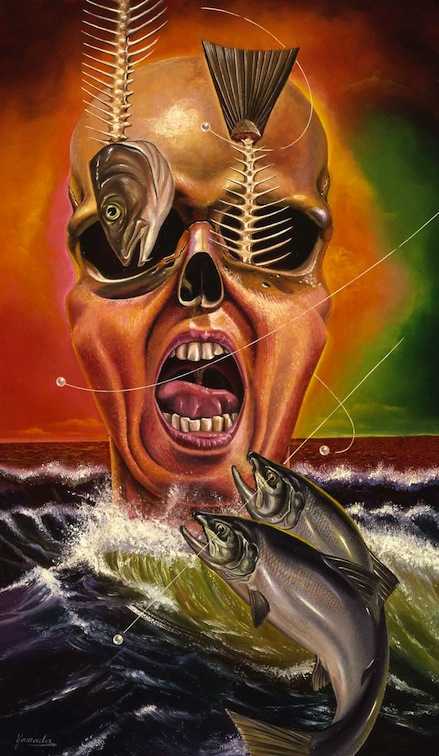
「風評被害」という言葉の二面性について
放射能汚染水が海洋放出される。政府は放射性物質の濃度を法令基準以下に処理するといい、安全性を公言している。そして安全なのであるからむしろ風評被害が出て来る事が問題だとも言う。 だがしかし、と私は思う。この「風評被害」という言葉が社会にどのように作用してきたかを過去の例によって考察してみるとき、じつは二面的に作用していたことがわかる。 すなわち、一つは当該事件から実害となるような問題が発生していないにもかかわらず、その実体を見る事無く、あたかも害があるかのように口外することにより噂となって社会全体に広がり、流通経済等に実害がでる。これにはさらに、不安感から風評が広がる場合と、なんらかの敵対意識から風評をあえて煽動する場合がある。 そして二つには、風評被害であると発言することで当該事件から実害が発生していることを隠蔽する。これは当該事件の関係者(組織体)および権力機構による大衆操作の意図がある場合が少なくない。場合によっては組織体や権力機構の自己保身が一時しのぎに風評被害を口走ることもある。 このように「風評被害」については、社会学的な分析が可能であり、じじつ、東日本大震災とそれにともなう東京電力第一原子力発電所の大きな事故後には上述の二つの面が出て来た。なによりも危険なのは組織体や権力機構および諸々の関係機関が「保身」に走ったことだ。まことに残念なことに、日本社会の暗部には組織上層部や、公僕という意識が失われたために政治家や官僚に、自己保身の全面突出が一種の文化として巣くっている。 放射能処理水海洋放出の方針を決定した政府が、「風評対策」と言っていることが、はたしてどんな意味を内包しているか、そしてそれを支持している人物や団体が過去にどのような言動をしているか、また、政府の安全宣言に反対している人物や団体についても過去の言動に照らし合わせて、日本国民は世界の人々のためにも厳しく見て行く必要があると私は思う。なぜならこの政府決定によって出来する問題は、自然破壊と海洋資源破壊の危険性をはらみ、きわめて長い年月に幾世代にも影響をおよぼすことが、容易に予想されるからである。 Radioactive contaminated water is released into theocean. The government says that the concentration ofradioactive substances should be treated below thelegal standard, and is proclaiming safety. And becauseit is safe, it is rather a problem that rumor damagecome out. However, I think. When I consider how the word"rumor damage" has acted on society using past ex-amples, I can see that it actually acted in two ways. In other words, one is that even thoug there is noproblem that causes actual harm from the incident,it becomes a rumor and becomes a rumor to thewhole society by saying it as if it is harmful withoutseeing the substance. It spreads and causes actualdamage to tha distribution economy. In addition,there are cases where rumors spread due to anxiety,and cases where rumors are intentionally agitated due to some kind of hostility. And secondly, by saying that it was a rumor damage it conceals that the actual damage has occurred from the incident. This is often the inten-tion of mass manipulation by the parties (or company)involved in the case and the power organization. Insome cases, the self-protection of an company or a power organization may temporarilly cause rumors. In this way, sociological analysis of "rumor damage"is possible, and in fact, the above two aspects emergedafter the Great East Japan Earthquake and the accom-panying major accident at the TEPCO Daiichi NuclearPower Station. ... The most dangerous thing is that organizations ran for "self-protection". Unfortunately,in the dark part of Japanese society, politicians andbureaucrats have lost the consciousness of being apublic servant and the upper level of the organization. What does the government, which has decided onthe policy of releasing radioactively treated waterinto the ocean, mean "countrmeasures against rumors", and what kind of people and organizationssupport it in the past? I think that the Japanese peopleneed to take a strict look for the people of the world in the light of past words and deeds regarding people and groups that are saying or acting or are opposed to the governmet's declaration of safety. This isbecause the problems created by this government decision carry the risk of destruction of nature and marine resources, and are easily expected to affectgenerations over a very long period of time.Tadami Yamada Tadami Yamada "Evil Sea" Oil on canvas, 1983山田維史『魔海』キャンヴァスに油彩 1983年作
Apr 13, 2021
コメント(0)
-
About "Azusa Yumi" in "Isemonogatari"
About "Azusa Yumi" in "Isemonogatari"By Tadami Yamada In this blog diary, I have written my thought and opinions related to Japanese and symbols several times. The article on the previous day also expressed my thoughts on the Japanese dictionary based on the article in the Asahi Shimbun. The newspaper article conveyed the trend of compiling a Japanese dictionary on gender, using the word "love" as an example. My blog diary today will also write one of my daily thoughts derived from it. I sometimes think that the interpretation does not read the true meaning of the original text, while read-ing Japanese classical literature, and also reading the modern translations that I presume that it is probably the interpretation of most Japanese literary figures. Sometimes. I think there will be criticism that my thoughts are a misunderstanding about the original text. This is because some classical literature has been adopted in high school textbooks. I don't know what high school students are learning from classical litera-ture. I also don't know what the teacher is trying to teach with the literary work. However, high school students may be learning the modern interpretation that I think is wrong. Actually, I realized that the commonly disseminated interpretations of "Azusa Yumi" and "Tsutsuizutsu" in"Ise Monogatari (The Tales of Ise)" could not be read as literature at all. The original text consists of very short chapters which can be called a short story. I tride to read various modern translations. All had exactly the same interpretation. It was a "sad love story" like a boys and girls novel. I thought it should be included in high school textbooks. However, has such a story like a boys and girls novelbeen inherited as a representative Japanese love literarywork for hundreds of years? The author is unknown. There is a theory that Ariwarano Narihira. Speaking of Narihira, along with Heichu(Taira no Sadafumi), it is said to be the "irogonomi(philander)" of the Heian period. Regardless of the truth, the word "Narihira" must have been synonymous with "irogonomi". When you say "irogonomi", it seems to be understoodas an elegant secret love, but that is in the process of love. In other words, in the tactics of love, there is an "elegant" aspect in any era, even if it is not in Heian period. But, just to make it a legend, no one would thought that the one of today's philander was that much. ... It is "Ise Monogatari" that such a person was supposed to be the author. No, people who were of Heian period could think like this. In other words, Narihira was the only person who could write verious aspects of sexual intercourse so openly! That's right. I would like to say that the traditionalinterpretation of the original text is wrong, whetherit is "Azusa Yumi" or "Tsutsuizutsu", it depicts thereality of sexual love that is too scary for high schoolstudents to be taught at school. It is written that ifyou know it, it will probably be difficult for teachersto teach in words. And written clearly. And that partis not actually translated at all in the modern trans-lation. That's what I noticed. Maybe reserch scholarscouldn't undrstand the meaning. Or even if theyunderstand it, it may have been hidden as an aca-demic discipline. Let'S see the original text. This Is the chapter of"Azusa Yumi" in "The tales of Ise".【Japanese original Text】 むかし、をとこ片田舎にすみけり。をとこ、宮づかへしにとて、別れ惜しみて行にけるままに三年こざりければ、待ちわびたりけるに、いとねむごろにいひける人に、今宵あはむとちぎりたりけるを、このをとこきたりけり。このとあけたまへとたたきけれど、あけで、歌をなむよみ出だしたりける。 あらたまのとしの三年を待ちわびてただ今宵こそにひまくらすれといひい出だしたりければ、 梓弓ま弓つき弓年をへてわがせしがごとうるはしみせよといひて、去なむとしければ、女、 梓弓引けど引かねど昔より心は君によりにしものをといひけれど、をとこかへりにけり。女、いとかなしくて、しりにたちて追いひゆけど、え追ひつかで、清水のある所に伏しにけり。そこなりける岩に、およびの血してかきつけゝる。 あひ思はで離れぬる人をとどめかねわが身はいまぞ消えはてぬめると書きて、そこにいたづらになりにけり。 It is not difficult at all as a classics text. But in a nut-shell, A man lost communication with his fiancée waitedfor three years, but she finally decided to marry a manwho was serious it. However, On the first night with groom, the man of her former fiancé returned. The mantells the woman to open the door. She said, "I've beenwaiting for three years. but I've just accepted anotherman. And we are in bed now." The the former man saidfrom the outside, whoch remains closed. "Azusa yumi,Ma yumi, Tuki yumi, toshi wo hete, waga seshigagotouruwashimi seyo," and to the man who was about toleave, "Azusa yumi hikedo hikanedo mukashi yori kokoro ha kimi ni yorinishi mono wo," said the woman,but the man went away. The woman chases afterwards, but she cannot catch up and falls down. And she re-gretted herself for not being able to hold the man, andshe died, writing blood on the rock with her finger. The tanka (poem) I left as the original text (Japanese)is not clear in the modern translation. This is where the truth of this extreamely short story is told. Why did the woman have to die? ... Because she was exhausted by chasing the manand running. Hahaha. ... Because she couldn't wait for her fiancé to returnand she married a new man? Well. However, woman are so weak heart, don't?(oh,no, this is my individual opinion) The woman had her first night with her new man.She accepted the man. This era was a "commuting marriage" in which a man visited a woman's house. Her old fiancé knocked on the door of her home during her sexual intercourse. And the former fiancé, who was told by her woman that it was her first night. He now imagines her sexual intercourse with another man on her first night's bed. And to that imagination, he layered on her sexual intercourse, which he once met with this woman. "I used to do that with my penis, do something like that, do something similar and love each other." Of course, he was not saying it with tenderness and kindness. What was swirling in the man's head was the still vivid mellowness of the sceane of sexual intercourse that he once had with the woman. It's an outright word from jealousy. The woman said, "when I accepted or didn't accept your "man", my heart never left you." The modern translation did not interpret the word "Azusa yumi, Ma yumi, Tsuki yumi". This isan outright expression of sexual love by the malegenitalia. Certainly, these arranged words are good nickname of the bow. However, moderninterpretation does not explain why "bows" arelined up here, even though "Azusa Yumi" isdescribed as a "makurakotoba (customary epithet)" for "pull". But it is forgotten that pullinga bow means "shooting an arrow." Of course, it's"insertion" or "ejaculation". "Azusa yumi, Ma yumi, Tsuki yumi", this is not amakurakotoba. I am not making an arbitrary interpretation. There is the following passage in "Shinchokusen-syu (The Collection of the New Imperial Edition)". That is "Yumi to ieba shina naki mono to Azusayumi Ma yumi Tsuki yumi hito shina mo nashi (Speaking the bow it's has not elegance. Azusayumi, Ma yumi, and Tsuki yumi, all these thingsare not elegance)". The meaning is reversed depending on how theparticle "to" is interpreted, and it become a goodnickname for the bow, but even so, consideringwhy the bow was said to be "not elegance", thesymbol works there. It is probable that it was working. If you understand that, it will be a physiol-ogical action that at least men can immediately understand what the metaphorical expression of "Azusa yumi hikedo hikanedo (Whether you pulled the bow or didn't pull it..." that the woman said means. The woman clearly distinguished betweenthe "man's body" and the "woman's heart." So, we can understand why "Azusa Yumi (The Bow)" is the title of this short story. And the reason why the woman had to die. It isthe "shame" consciousness of a woman who has beenvisited into a sexual scene by her old fiancé. One person who has a proper understanding of "sexual attraction" is Shohei Ooka. His writings about the sexual attraction of Princess Hikari in The Tale of Genji are a proper understanding of "sexual attraction." Below is a quote from Shohei Ooka. Yamada's underlining adds a comment. "The sexual attraction of Princess Hikari resembles the giant deities of India, who could simultaneously provide sexual satisfaction to numerous women. In the Heian aristocratic polygamy, a variation of wife-visiting marriage, sexual attraction was actually a virtue, which explains why Princess Hikari is considered an ideal figure." (Shohei Ooka, "Seijo News," Diary of September 3, 1980, Chuokoron-Shinsha Bunko, p. 194) As modern people, we should recognize that the Heian period was a sexually charged era. In fact, there are chapters in The Tales of Ise that specifically point out the term "woman with a penchant for lust" (chapters 28, 37, 130, 139, and 142 in the Iwanami Bunko edition, which is based primarily on Teika's manuscript). What this shows is that "woman with a penchant for lust" does not simply refer to the exchange of poems. "Many penchant for lust" refers to the foreplay that leads to sexual intercourse, and the afterplay that involves the parting (kinuginu) after sexual satisfaction, which is carried out through song. The "woman with a penchant for lust" mentioned in The Tales of Ise means "a woman who is proactive in sexual matters." And when we consider what Ōoka points out, it becomes clear why Narihira and Taira no Sadafumi were so highly praised as the most lustful men of their time. Furthermore, in light of the "Azusa Yumi" chapter in The Tales of Ise, we can point out that there was a social consensus that a woman's sexual relations with multiple men were immoral. The female protagonist bears a double "shame" in Heian aristocratic society. "Tsutsuizutsu" in the "Isemonogataro" is still a story of sexual love. Boys and girls who are childhood friend are not sexual even if they say love. However, while living the city for many years away from his childhood friend, the young man naturally learms that he loves women sexually. After that experience, when he returned to his homeland and saw his childhood friend, he realized for the first time that the girl was a woman. ...and that is the truth of this story. Very delicate observations have been made regarding the age of love and the mind and body of being a "childhood friend." The title "Tsytsuizutsu" is also the core of the theme here. It's noy just a "Tsutsuizutsu (childhood friend)". "Tsutsuizutsu" means a childhood friend of man and woman because they grew up playing around the well (around their house) from an early age. The word "tsuhiji ni jindo" appears in the picture scroll "Chigo no Soshi" of unknown author in the Kamakura priod, which is owned by Daigosanpoin Temple. It is a meyaphor for the old priest's penis not being successfully inserted into the infant's anus. Even in the modern translation of this Soshi picture sxroll, the translator understands that the sxual love act cannot be completed, but misun-derstands the meaning of the word. "tsuhiji" can be read as "tsukiji" which means the clay wall with a roof. However, they don't understand the next word "Jindo". this is a "god head" , which is a type of an arrowhead, namely, it is an arrowhead that has the tip of Kaburaya (a turnip-like arrowhead) cut off flat. It was called the head of God because it is an arrowhead that does not stick even when shot. In the picture scroll's text, the male gnital is likened to an arrow. What's more, it says that he doesn't pierce the Tsukiji wall as if he shot a "god's head arrow", and that the old priest's penis can't be inserted into the infant's anus just by rubbing the infant's butt. Also, the following verse from "Mutamagawa (The Tama River in Musashino)," a collection of highly-rated haiku by Keikiitsu (1695-1762) and published in 1750 during the Edo period, contains the following: "I hate loincloths, so I don't wear a bow." "He seems to dislike loincloths, but it seems he doesn't like bows (Yamada's interpretation)." The "bow" in this context is also phallic. Moreover, bows are counted as "hari" (bows with a bow), and even as "yumihari" (bow-stretching), so the humor in this verse becomes clear only when one considers this. Another verse from "Mutamagawa": "Two people sleep on a boat with two bows." "Butamagawa" refers to a two-row boat (chokibune) that travels to the Yoshiwara pleasure district. Also, "tama" (bows with a bow) is counted as "tama." This verse may depict a secret rendezvous between a monk and a young man on a pleasure boat. ("Mutamagawa" (Haiku, Volume 1, Chapter 5-40, Volume 3, Chapter 15-7, Iwanami Bunko) The existence of the following erotic book may provide supporting evidence of how the Tales of Ise were read in later generations. These are the two works, "The Erotic Tales of Ise" (published in 1686, the third year of the Jōkyō era) and Ihara Saikaku's "The True Tales of Ise" (published in 1690, the third year of the Genroku era). Both are available for viewing in the National Diet Library Digital Collection. Tadami Yamada, I do not believe that these stories merely followed (imitated) the format of "The Tales of Ise" (a narrative structure consisting of a series of short chapters or anecdotes). The author's deliberate choice to name them "The Tales of Ise" likely had some intention. Furthermore, I do not agree with the argument that these erotic versions of "The Tales of Ise" are obscene stories in contrast to the elegant "Tales of Ise." This is because it is impossible to say that such an argument is free from a certain yearning to view classical Heian culture as "elegant" according to the commentator's modern sensibilities. For example, in "Rainy Night's Appraisal" from The Tale of Genji, even the most obtuse modern commentator would not believe that the men were simply discussing the merits and demerits of women in terms of their "culture." The Tale of Genji is "erotic literature of the imperial court aristocracy" written from a woman's perspective. It goes without saying that romantic literature, throughout history, has always been stories about various aspects of sexual love, whether it be love between a man and a woman, between men or between women. As mentioned earlier, there has long been a theory that the author of The Tales of Ise was Ariwara no Narihira, a notorious womanizer. The "Bounaitawaregusa" (1663), a book on sexual techniques published in the early Edo period, has another title, "Narihira's Giso." Even 800 years later, Ariwara no Narihira was still known as a "sexual master." This provides supporting evidence for how The Tales of Ise has been read (interpreted). The "Azusa Yumi" chapter and the "Tsutsui Tsutsumi" chapter are not innocent stories like those found in novels for boys and girls.[Addendum] The strange book, "A Dictionary of Obscene and Abolished Words," written by Miyatake Gaikotsu and expanded by Iijima Kagetsu, lists the word "Ise Mara" as its source from the "Kokin Chomonshu" and "Itchomonshu." It states, "Mara earned the highest name of Ise Mara, etc. (Kokin Chomonshu)." There's no need to explain the meaning. What this "Ise" refers to is not particularly clear, and one interpretation is "the one called the Gonnegi Tokai Morihiro of the Outer Shrine of Ise, etc. (Itchomonshu)." Of course, Yamada and I have no intention of linking this to "The Tales of Ise," but we'll add it here just to keep it in mind. Furthermore, "A Dictionary of Obscene and Abolished Words" also lists words that are sourced from the "Erotic Tales of Ise" and "The True Tales of Ise," as noted above.
Apr 12, 2021
コメント(0)
-
伊勢物語の「梓弓」について
私はこのブログ日記において幾度か日本語や象徴にからむ私考・私見を書いて来た。前日の記事も朝日新聞の記事を土台にして国語辞典をめぐって私の考えを述べた。新聞記事がジェンダーをめぐる国語辞典編纂の動向を伝え、「恋愛」という言葉を例にしていた。私のきょうのブログ日記もそこから派生した日頃の私の一つの考えを書こうと思う。 私は日本の古典文学を読みながら、そしてそのおそらく大方の国文学者の解釈なのだろうと私が推測する現代語訳を合せて読みながら、ときどき、その解釈が原文の真意を読み取れていないぞと思うことがある。そのような私の思いこそ原文についての誤解だと批判が出るかとは思う。なぜなら中には高校生の教科書に採択されている古典文学もあるからだ。高校生が古典文学によって何を学んでいるのか、私は知らない。また教師がその文学作品によって何を教えようとしているかも私は知らない。しかし、私が誤りだと思っている現代語解釈を、高校生は学んでいるのだろう。 のっけから私は奥歯に物がはさまったような、もって回った煮え切らない言い方をしている。 じつは『伊勢物語』の「梓弓」と「筒井筒」について、私は一般に流布している解釈が、まったく文学として真意を読み取れていないのだと気付いた。原文は掌編小説というべききわめて短い章段からなる。 私はためしに種々の現代語訳を見てみた。どれもまったく同じ解釈だった。少年少女小説のような「悲恋物語」となっていた。なるほど高校の教科書に載録されるはずだわい、と思った。 しかしそんな少年少女小説のような物語が、数百年もの長きにわたって日本の代表的な恋愛文学作品として継承されて来たのだろうか。 永井荷風は、「余(よ)常に伊勢物語を以て国文中の真髄となし、芭蕉と蜀山人(しょくさんじん)の吟詠を以て江戸文学の精粋なりとせり」といっている。この評言は、正宗白鳥の『永井荷風論』にも引かれている。永井荷風の文学が遊蕩哲学の委曲を尽くした研究と評されることを思えば、伊勢物語が少年少女小説のような解釈にては到底おさまりきらないことを理解しなければならない。 作者は判明していない。在原業平という説がある。『伊勢物語』は、書かれた当時すでに知られていた和歌の、詠まれた経緯を絵解きするような物語構造である。在原業平の歌にまつわる物語も少なからずある。私が注目するのは、全章段のなかで業平の歌のみ、あまり良い出来ではないと書かれている。これはもしかすると、『伊勢物語』の作者が業平であるため謙遜している、と考えられないだろうか。むろん私の推測ではある。あるいは、業平といえば平中(平貞文)とならんで平安時代きっての色好みと言われている。その真相はともかくとしても、色好みの代名詞だったことはまちがいない。「色好み」などと言うと、とかく雅な秘め事と解されているようだが、それは恋愛の過程でのこと。すなわち恋の駆引きにおいては平安時代でなくても、いずれの時代であっても、「雅」な一面はある。平安貴族文化における恋愛の駆け引きは、和歌をなかだちとした為に現代からみれば一層雅に映るだろう。だが、たんに伝説にしろ、当代きっての漁色家をそれだけのものとは誰も思いはしなかっただろう。・・・そのような人物が作者ではないかとされる『伊勢物語』である。いや、こう考えることもできよう。すなわち、こんなにあからさまにさまざまな性愛の相を書けるのは、業平しかいない! と。 そう。私は、従来の原文解釈は間違っていますよと言いたいのは、「梓弓」にしろ「筒井筒」にしろ高校生が学校で教わるにはあまりにも恐ろしい性愛の現実が描かれているのだということだ。それを知ればおそらく教師はなかなか言葉にして教え難いであろうことが書かれているのである。しかも明瞭に。そして、その部分がじつは現代語訳ではまったく訳されていないのである。私が気がついたのはその点だ。たぶん意味を理解できなかったのであろう。あるいは理解していても、学問としてさへ秘めてしまったのかもしれない。 原文を見よう。ただし読み易いように句読点をつけ改行等をほどこした。『伊勢物語』の「梓弓」の章である。 むかし、をとこ片田舎にすみけり。をとこ、宮づかへしにとて、別れ惜しみて行にけるままに三年こざりければ、待ちわびたりけるに、いとねむごろにいひける人に、今宵あはむとちぎりたりけるを、このをとこきたりけり。このとあけたまへとたたきけれど、あけで、歌をなむよみ出だしたりける。 あらたまのとしの三年を待ちわびて、ただ今宵こそ、にひまくらすれといひい出だしたりければ、 梓弓ま弓つき弓年をへてわがせしがごとうるはしみせよといひて、去なむとしければ、女、 梓弓引けど引かねど昔より心は君によりにしものをといひけれど、をとこかへりにけり。女、いとかなしくて、しりにたちて追いひゆけど、え追ひつかで、清水のある所に伏しにけり。そこなりける岩に、およびの血してかきつけゝる。 あひ思はで離れぬる人をとどめかねわが身はいまぞ消えはてぬめると書きて、そこにいたづらになりにけり。 古文として全くむずかしくはない。が、簡単に要約すれば、 ある男が宮仕えを求めて都に旅立ったまま婚約者の女と音信不通になった。婚約者の女は3年間待ったが、真剣に言いよる男がいたのでついにその男と結婚することにした。ところがその男との初夜に、前の婚約者の男が帰って来たのだ。戸を開けてくれと言う男に女は言う。「3年待ちわびました。しかし私はいま別の男を受け入れました」と。すると前の男は閉ざされたままの外から言う。「梓弓ま弓つき弓年をへてわがせしがごとうるはしみせよ(原文のまま)」そして去ろうとした男へ、「梓弓引けど引かねど昔より心は君によりにしものを(原文のまま)」と女は言ったが、男はそのまま帰って行った。女はあとから追いかけるが、追いつかず、倒れ伏す。そして男を留めることができなかった我身を悔いて、指で岩に血文字を書いて死んだ。 いま私が原文のままとした歌が、現代語訳では意味を明瞭にしてはいないのである。ここにこそ、この極めて短い物語の真相が述べられているにもかかわらずだ。 なぜ女が死ななければならなかったのか。・・・ 私は、ためらいながらではあるが、次にこの物語の真相を述べよう。 女は新しい男との初夜を迎えた。男を受け入れた。この時代は男が女の家を訪れる「通い婚」だった。その性愛の最中に昔の婚約者が戸をたたいたのだ。そして女に初夜であることを告げられた前の婚約者は、いま初夜の褥でおこなわれている性愛に、かつて自分がこの女と睦あった性愛のかずかずを想い重ねた。「昔私の男根であんなことをした、こんなことをした、それと同じような事をやって愛し合いなさい」。もちろん優しい親切心で言っているのではない。男の頭のなかに渦巻いているのは、かつて女とおこなった性愛の現場のなまなましいあれこれである。嫉妬心から言い放ったあからさまな言葉である。女は言う「あなたの男を受け入れたときも受け入れなかったときも、心は貴男と離れたことはありません」 「梓弓ま弓つき弓」という言葉を現代語訳は解釈してこなかったのである。これは男性器によるあからさまな性愛表現なのだ。 弓は、丸木の枝を払っただけの丸木弓から次第に発達したが、奈良時代以降の木弓は丹や黒漆が塗られ、材は、梓、檀(まゆみ)、槻(つき)が使われ、平安時代中期になると木弓の外側に真竹を貼った弓が出現した。この弓は伏竹弓と言う。 「梓弓ま弓つき弓」とは弓の材を羅列しているのだが、伊勢物語のこれらの弓が、真竹を貼った伏竹弓か否かは書かれていない。要するに弓の総称としてここにあり、また歌において弓の美称としてある。けれども伊勢物語「梓弓」においては、特別な意味を担っているのである。現代解釈は、「梓弓」が「引く」の枕詞と説明しても、なぜここに「弓」が並べたてられているかを説明していない。しかもこの男の歌には枕詞が導き出すはずの「引く」という言葉も「梓弓」が修飾するにふさわしい詩句も存在しない。よしんば枕詞と考えるならば、歌一首のなかに三種の「弓」三つも並べる必然性がなければならないだろう。しかしこの歌に枕詞を三つ並べる必然性はまったくない。「梓弓ま弓つき弓」と、ひとつながりの序詞と看做したとしても、それに見合う語句を導き出しているのでもない。 「梓弓」が「引く」の枕詞としてのみならず、「弓張り」の「張る」を導き出し、さらに掛詞として「春」を導き出している例を西行の『聞書集』(天理図書館本)から示す。「あづさゆみはるのまとゐに花ぞ見る (付句)やさしきことになをひかれつゝ」(春の円居に見る桜花 優しいことに一層惹かれて)。(『西行全集』久保田淳編、日本古典文学会刊、昭和57年5月。P340。山田解) 弓を引くというのは「矢を射る」ということだという当たり前のことが忘れられている。時代劇映画にもこんなセリフがありましょう? 「そちは余に弓を引くというのか!」などと。いやいや、現代劇映画にもある。北野武監督作品『アウトレイジ・ビヨンド』に、三浦友和氏演じる現代ヤクザの親分が組の幹部連中に向かって言う。「てめえら、俺に弓を引くと言うのか」。 あるいは「刀折れ矢尽きる」という語句は、「後漢書」に由来し、敗北を意味する。この語句は「弓折れ矢尽きる」とも言換えられ、同じく敗北を意味する。しかしながらまた、性的能力について喩えられることは、ある程度の年輩者は知っているだろう。むしろ特異な喩えではなく、親しい仲間うちでごく普通に口にしているかもしれない。かなりあからさまな性表現である。 傍証として述べるが、西欧の美術史には弓を引く男性裸体像が少なくない。主題は必ずしも神話の登場人物ではないことによって、男性性を強調しているとみてよかろう。およそ19世紀半ばころまでの男性裸体像は、敷き布や腰布等で性器を隠しているが、露出している場合は幼児のそれのようだ。その反作用のように、弓は大きく引き絞られて男性を誇示しているのである。男性の精力の象徴でなくて何であろう。 古典文学のみならず、なべて文学を「高尚」にまつりあげてはならない。 「梓弓ま弓つき弓」、これは枕詞でも序詞でもないのだ。 私は勝手な解釈をしているのではない。 『新勅撰集』の「神祗部」に次の一節がある。すなわち「弓といへば品なきものと梓弓ま弓つき弓一品もなし」。 「梓弓ま弓つき弓」が弓の美称であるとしても、それでもなを「ひとつとして品がない」と何故言われたかを考えなければなるまい。ちなみに「ひとつとして品がない」という表現と同等の表現が『枕草子』にある。ついでに示しておく。「卯花は品劣りて何となけれど咲くころのをかしう時鳥の蔭にかくるらんと思ふにいとおかし」 さて、「神祗部」の一節は、「梓弓ま弓つき弓」を並べつつ木弓と伏竹弓との対比の謂いであるとしても、しかしそこには武器としての弓より他の象徴が作用していたと考えられる。それがわかれば、女の言った「梓弓引けど引かねど」の比喩的表現が何を意味しているか、少なくとも男性諸氏には即座に理解できる生理作用であろう。女は「男の体」と「女の心」とをはっきり分けて言っているのである。 女の返歌にある「梓弓」はこの歌の中で確かに「引く」という言葉をみちびき出している。しかしその後に「引かぬも」と続けたことで、枕詞以上の真実、すなわち男の生理を言っているのである。私が、女は「男の体」と「女の心」とをはっきり分けていると述べたのはそういうことだ。「梓弓」がなぜこの短編物語のキーワードかも納得できるのである。 そして女が死ななければならなかった理由も。それは昔の婚約者に性愛現場に乗り込まれてしまった女の「恥」の意識である。 伊勢物語の「梓弓」は、このように読み取られて・・・読み取ることによって、・・・このように読者は一夜に起こった情景を心象に形づけられることによって、物語(現代的な意味の「小説」)として真の威力を発揮しているのである。 「色好み」について、まっとうな理解をしているのは大岡昇平氏である。大岡昇平氏は『源氏物語』の光の君の色好みについて述べているのであるが、「色好み」プロパーの理解と言ってよい。 以下に大岡昇平氏の文章を引用する。下線は山田。 〈光の君の色好みはインドの多数の女性に同時に性的満足を与えうる巨人的神格に似ている。色好みは妻問い婚の一変形なる平安貴族の一夫多妻制にてはむしろ美徳にして、光の君が理想的人物となる理由あり。〉(大岡昇平『成城だより』1980年9月3日の日記 中公文庫 194ページ) 平安時代が性的な時代であったことを現代人の私たちは認識すべきである。 じつは伊勢物語にはあえて「色好みの女」と指摘している章がある(定家筆写本を主たる底本とする岩波文庫の28章,37章,130章,139章,142章)。これによって解ることは、「色好み」すなわち単に歌の贈答をする「雅ごと」ではないということである。「雅ごと」は性愛の営みにいたる「前戯」であり、性の充足のあとの別れ(後朝:きぬぎぬ)を歌に託しての「後戯」である。伊勢物語が指摘する「色好みの女」とは、「性愛に積極的な女」という意味である。 そして大岡氏の指摘に照らしあわせるとき、業平や平中(平貞文)が当代きっての色好みともてはやされた理由も納得できるであろう。また、伊勢物語「梓弓」に即せば、女の複数男性との性交渉は不徳とされる社会通念があったと指摘できよう。この女主人公は平安貴族社会における二重の「恥」を負ったのである。 伊勢物語「筒井筒」は、やはり性愛の物語。幼なじみの少年少女は、恋と言っても性愛的ではない。しかし若者は幼なじみと離れて都で長年暮らす間に、当然のごとく女を性的に愛する事を知る。そしてその経験があってのうえで故郷に帰り、幼なじみを見た時、初めてあの少女が女であることに気がついた。・・・と、それがこの物語の真相。恋愛の年齢と「幼なじみ」ということの心身にかかわる非常に微妙な観察がなされているのである。「筒井筒」は、ここでもテーマの核心。たんに「幼なじみ」などというだけではないのである。 弓矢が男根象徴の例をあげておく。醍醐三宝院所蔵の鎌倉時代の作者不詳の絵巻『稚児之草子』に、「つひぢにじんどう」という言葉が出て来る。老僧の陽物が稚児の後庭にうまく挿入できないことの比喩である。この草子絵巻の現代語訳においても、老僧の行為が完遂できないでいることは理解しているのだが、言葉の意味については誤解している。「つひぢ」は「築地」であると読解できている。次の「じんどう」を理解していないのだ。これは「神頭」のことで鏃(やじり)の一種である。すなわち鏑矢(かぶらや:蕪のような形の鏃)の先端を、たいらに切った鏃のことである。男性器が矢に喩えられているのである。しかも稚児之草子では、築地塀に「神頭の矢」を射たかのようにうまく刺さらない、挿入できない、と言っているのだ。 また、江戸時代の寛延3年(1750)に刊行された慶紀逸(1695-1762)の撰になる高点付句集『武玉川』の次の句、「ふんどし嫌い気に弓はなし」。「褌を嫌うようだが、どうも弓はそうでもないらしい(山田解)」。この「弓」も男根。しかも弓を数えるに「張」といい、さらに「弓張り」と言いもすることを考えてはじめてこの句の諧謔が理解できるだろう。 『武玉川』からもう一句。「ふたりで二梃弓に寝る船」。「二梃立て」といえば二つ艪の猪牙舟(ちょきぶね)で吉原遊郭へ行くことを意味した。また弓の数え方に「梃」とも言う。この句は、念者と若衆の屋形船での密会であろうか。(『俳諧 武玉川』(一)第五-40、(三)第十五-7。岩波文庫) 伊勢物語が後世に如何なる読まれ方をしていたか、あるいはその傍証となるかもしれぬので、次のような好色本が存在することを述べておく。すなわち『好色伊勢物語』(貞享3年;1686年刊)および井原西鶴『真実伊勢物語』(元禄3年;1690年刊)の二書。いずれも国会図書館デジタルコレクションで閲覧できる。 私・山田は、これらの物語が「伊勢物語」の体裁(短章ないし逸事を重ねて行く叙述構成)だけを踏襲(模倣)したとは思わない。あえて「◯◯伊勢物語」としたことに著者の意図があろう。また私は、これら好色本伊勢物語が、本家「伊勢物語」の「雅」に対する淫猥な物語とする説論にも組しない。その説論には論者の現代感覚による平安古典文化を「雅」と看做したいという一種の憧れがないとはいいきれないからだ。たとえば源氏物語の「雨夜の品定め」において、男たちが唯に女の「教養」をもって女の良し悪しを話題にしていたとは、如何に鈍い現代の論者でも思いはすまい。源氏物語は女の視点で書いた「宮中貴族性愛文学」なのだ。古今を通じて、恋愛文学とは、それが男女間の恋愛であろうと、男同士であろうと女同士であろうと、すべからく性愛の諸相の物語であることは謂うを俟たないであろう。 「伊勢物語」の作者が名うての色好み在原業平と推測する説が早くからあることは前述した。江戸時代初期に出版された性愛技術書ともいうべき『房内戯草(ぼうないたわれぐさ)』(寛文三年;1663) には『業平戯草』という別な書名がある。在原業平は800年後にも「性豪」の名をほしいままにしていたのである。『伊勢物語』が如何なる読まれ方(解釈)をされてきたかの傍証となろう。『伊勢物語』は性愛文学であって、「梓弓」の段にしろ「筒井筒」にしろ少年少女小説のような無邪気な物語ではないのである。【付記】奇書・宮武外骨著・飯島花月増補『猥褻廃語辞彙』に、『古今著聞集』および『逸著聞集』を出典として「伊勢麻羅」という語を載せている。「麻羅は伊勢麻羅とて最上の名を得,云々(古今著聞集)」と。意味は解説するまでもあるまい。この「伊勢」が何を指すかはあまり詳らかではないようで、「伊勢外宮の権祢宜度界盛広といへる者、云々(逸著聞集)」という解釈もある。私・山田はもちろん「伊勢物語」に結びつけるつもりはないが、一応、頭に入れておこうと思ったので付記しておく。 尚、『猥褻廃語辞彙』には上に付記した『好色伊勢物語』『真実伊勢物語』を出典とする語彙も載っている。
Apr 10, 2021
コメント(0)
-
Japanese dictionary and Gender
【4月9日の記述の英語版】 The headline of the top article in the evening edition of the Asahi shimbun on April 8 was even bigger, say-ing, "What is【woman】and what is【man】? " The reporter said, "A wave of change is rushing into the Japanese dictionary that reflects the times. The interpretation of gender-related words is being re-viewed." The reporter wrote it out. I didn't really agree with idea that the Japanese dict-ionary reflects the times, in other words, I read it think-ing that it could be a kind of word hunting by compilingthe Japanese dictionary. And I was interesting in writing in this blog diary forthe following reasons. While interviewing the responsesituation of each publishing company, Sanseido's "ShinMeikai Kokugo Dictionary" and "Sanseido Kokugo Dic-tionary", which I have placed on my desk side as handyJapanese dictionary for a long time, have been modifiedas early as 2014. According to the article, seven examples "written from a male perspective" such as "It's an amazing beau-ty" were rewritten, and "seven beautiful women disap-peared" became a hot topic. Because there was. I wonder if there is a Japanese dictionary editor whosays strange Japanese word "me-sen (eyes' line : pers-pective), but aside from that, I brought over Sanseido'sold "Meikai Kokugo Dictionary" (first edition in 1943,revised 134th edition in 1967). And tried to look upword "Bijin (Beauty)". It was "a beautiful woman with aface and shape". That's it. Supervised by KyosukeKindaichi. The reason why I purposely referred to "Bijin" is thatthis word is not originally intended only for women. There is an example in the Chinese classic "墨子(Mòzǐ)". In Mòzǐ, "Bijin" is a "man with beautiful faceand shape." Of cause, in other Chinese classics, there is alsoan example of Yang Guifei as "a beautiful womanwith a face and shape" as supervised by KyosukeKindaich. In addition, there are cases where it refersto a "monarch." Returning to the description of the revised JapaneseDictionary today, it seems that not only men are theones who say "it's an amazing beauty" as a dailylanguage. There is something that women say towomen. From the perspective of women, they targetwoman seemed to be beautiful. Isn't it a neuroticand frivolous idea that is too gender-obsessed tothink that the expression "an amazing beauty" is just a word from a male perspective? In addition. the newspaper article was written asfollows. In last year's revised edition of the "Shin Mwikai Kokugo Dictuonary", the editor care of homo-sexual couples and described the phrase "Ren-ai(romance)" as "A person has no regrets at the expenseof everything else for a particular oppsite sex." It issaid that the word "to the opposite sex" was deletedfrom the conventional sentence "love that makesyou think" and replaced with "a specific partner". I think that the conventional interpretation is astrange explanation that it is a bit too much into thesituation, but I doubt the knowledge of the supervisor and editor who have made such an interpretation. In Japanese culture. it is needless to say that Heian and Muromachi periods (see "Takeda Harunobu (Shin-gen) Oath" , collection of the University of Tokyo. etc.,),but also until the Edo and Meiji periods, "love" was in-tentionally expressed between men, was. It is "love" that follows the words (including customs) "nenjya", "nenyu", "chigiri" and "nyakkei". It can be said thatthe heart of "Hagakure (Secret in the shade of leaves)",which is called Bushido, is also love with between men. In other words, what I want to say is that the super-visors and editors of traditional Japanese dictionariesmay have arbitrarily selected the interpretation from the cultural whole in which the language has beenused. Maybe it was to "reflect the times " as a guideline.If I am with a pretty-minded suspicion, the idea ofbecoming a business may have preceded the idea of being serious about words. ... I feel like that, and everytime the Japanese dictionary of each publisher is re-vised, I can't put my full trust in it. It can be said that the reason why modern gendertheory is covered is only because we do not knowthe original meaning. Gender theory for social reformis good. It will have to be promoted. However, the revision of the Japanese dictionary isnot the idea of returning to the original meaning ofthe word, but the "sensitivity" of the supervisors andeditors who think that it is modern should not betampered with. Is my impression while reading anewspaper artocle. Japanese is no longer available (in some casesalready) as a tool for communication betweenJapanese people. Of course, other languages have notreplaced Japanese. Often I have no idea what theconversations I hear on the train are saying. SometimesI wonder from the side that even those who are talking do not seem to be able to convey their true intentions.It seems that some broken machines are makingmeaningless sounds. Well, it's a country where there are a lot of primeministers are making meaningless words or have no words themselves. Threat is their political word.Tadami Yamada
Apr 9, 2021
コメント(0)
-
朝日新聞:国語辞典のジェンダーをめぐる言葉の新解釈
きょうの朝日新聞夕刊のトップ記事の見出しはことさらに大きく「【女】とは【男】とは辞書も省みる」とあった。記者は才本淳子、田中章博、杢田光、田中ゑれ奈の各氏連名で「時代を反映する国語辞典に、変化の波が押し寄せている。ジェンダーにまつわる言葉の解釈が見直されているのだ。」と書き出している。 なるほど国語辞書が時代を反映ね、と私はその考え方にさほど同意するでもなく、言い換えれば国語辞書編纂による一種の言葉狩りともなりかねまいに、と思いながら読んだ。 そしてこの日記において述べておく気になったのは、出版各社における対応状況を取材したなかに、私も昔からハンディーな国語辞書として座右に置いてきた三省堂の「新明解国語辞典」ならびに「三省堂国語辞典」は、早くも14年に手を入れ、記事に拠れば『「すごい美人だ」など「男性目線で書かれた」七つの用例を書き換え、「七人の美人が消えた」と話題になった。』とあったからだ。 「目線」などと奇怪な言葉を言う国語事典編集者がいるのもどうかと思うが、それは置いておき、私は三省堂の古い「明解国語辞典」(昭和18年初版、昭和42年改訂134版)を引っぱり出して、「美人」を引いてみた。「かお・かたちの美しい女」とあった。説明はただそれだけだ。監修は金田一京助氏。 なぜ私がわざわざ「美人」を引いたかというと、この言葉は本来的に女性のみを対象にした言葉ではないからである。 中国古典『墨子』にその例がある。墨子においては「かお・かたちの美しい男」なのだ。むろん他の中国古典籍には楊貴妃について金田一京助監修のように「かお・かたちの美しい女」という例もある。さらには「君主」を指している例もある。 改訂版事典の記述に戻れば、日常語として「すごい美人だ」と発言するのは男性ばかりではなかろう。女性が女性に対して言うことだってある。女性から見ても対象の女性が美しいと思えたのであろう。「すごい美人だ」と言う表現を男性の視座にたった言葉だなどと考えるのは、ジェンダー論にとらわれすぎた神経症的な軽薄な考えではなかろうか。 また新聞記事は、やはり「新明解国語辞典」の昨年改訂版で、同性カップルらへの配慮から【恋愛】という字句の「特定の異性に対して他の全てを犠牲にしても悔い無いと思い込むような愛情」という従来の解釈文から「異性に対して」という文言を削除して「特定の相手〜」に換えた、と伝えている。 従来の解釈文も私は何だかいかにも穿ったようなヘンな説明だと思うが、そんな解釈をしてきた監修者や編者の知識の方を疑ってしまう。 そもそも日本文化において平安・室町時代は言うに及ばず(東大史料編纂所蔵『武田晴信(信玄)誓詞』など参照)江戸・明治時代まで、「恋」とあえて表現されていたのは男同士のそれだった。「念者」「念友」「契り」「若契」という言葉(風俗をふくめて)に添っているのは「恋」である。武士道と謂われる『葉隠』の心底もまた「恋」であることは衆知と言ってもよかろう。 つまり私が言いたいのは、従来の国語辞典の監修者や編者は言葉が使われて来た文化的総体から勝手に解釈を取捨選択してきたのではあるまいか、ということだ。その指針としての「時代を反映する」ということだったのではあるまいか。下司の勘ぐりをするなら、言葉について真摯になるよりも、商売になるという考えが先行していたかもしれない。・・・そんなふうに思いたくなるほど、私は各出版社の国語辞典が改訂されるたびに全幅の信頼を置けなくなっている。 現代ジェンダー論であたふたしているのは本来の意味を知らないからに過ぎない、と言うこともできようではないか。社会改革のためのジェンダー論は良い。それを推進しなければならないだろう。だが国語辞典の改訂が、言葉の本来そなえていた意味に戻すという理念ではなく、今日的だと思い込んでいる監修者や編集者の「感性」でことばをいじくり回されてはこまるなー、というのが新聞記事を読みながらの私の感想である。 日本語が日本人同士のコミュニーケーションの道具として、(一部ではすでに)使えなくなっている。もちろん他の言語が日本語に取って代わっているわけではない。電車の中などで聞こえてくる会話が、私には何を言っているのだかさっぱりわからないことが少なくない。会話している者同士でも真意が伝わっていないようだと、傍から不思議に思うこともある。幾つかの壊れた機械が無意味な音声を勝手に発しているような・・・。まあね、無意味な言葉を公言したり言葉そのものが無いような首相が続出している国だものねー。恫喝が政治の言葉ではねー。
Apr 7, 2021
コメント(0)
-
新筍を料理
きょうは終日気温が低かった。暖房するほどではないにしろ、セーターを着込んだ。花冷えというのだろう。我家の小庭の椿や木瓜はまだ咲きつづけているが、ナツグミはもうおおかた散ってしまった。五月になれば妖精の祭提灯のような深紅の実がたくさんなるだろう。 花冷えや風邪もひけぬぞコロナ禍よ 青穹(山田維史) 花冷えや仕舞いしセーター出してくる 花冷えや新入学の胸よぎり しかし八百屋の店先には新筍がならんだ。熊本産である。私のきょうの料理はその新筍。 初物で我家おきまりの筍御飯。若竹煮。鶏照焼きに、ブロッコリー蒸し焼きと、これも今の季節だけの新玉葱の丸ごと焼きを添えて。そして豆腐と三葉のおすまし。 仏前に供える。 先日の両親の忌日に供えた蓮華の落雁が、さる方から贈られた落雁とともに、まだそのまま。 そういえば思い出した。昔、私が子どもの頃、もう使わなくなっていたが、納戸の奥に落雁をつくる木型が積まれていた。蓮華や鯛や桃や菊花などの木型だ。 両親はちょっと不思議な人で、そのような昔からの物や家財をほしそうにしている人があると、なんのためらいもなく持って行かせていた。売ったのではない。「持って行きなさい持って行きなさい」と父は笑いながら言っていた。・・・あれは何と言うものなのだろう今で言うA4サイズより少し大きめの黒漆塗りの薄い箱で菊の御紋章と何か金文字が書かれていた。・・それから弓矢一式(入幕前の初代若乃花さんが弓取式で使った事がある)。・・鹿角柄の外国製短剣。・・真鍮製の長い箱型支柱と横木はやはり真鍮製の状箱と扇が組み合わされた自在鉤。・・家紋入りの饗応膳および組椀の一式10客(運ぶのがたいへんだったろうに。我家の家紋付き什器をどうするつもりだったのか)。・・周囲に芍薬が肉厚に彫られて朱漆を拭いて黒塗りにした直径5尺ほどの円卓(これも持出すのが大変だった思うが)。・・そして厚さ五寸の榧(かや)の美しい碁盤。・・・他にもまだまだたくさんの物等。それらがいつのまにか我家の物入れから消えた。 私は子どもの頃からそのようなものに触れて、いわば古き本物の美を自ずと感得していたように思うが、一方でそんな両親を見ていたためであろうか、物欲がほとんど無い。まあ、書籍の数は死を前にしてどうしたらよかんべと、夢にまで出て来る程だが。・・・いや、待てよ。作品を次々に描いて部屋中身動きもとれないでいるのは、一種の物欲の代償かもしれない。 両親は私の心にさまざまな「謎」を作り置いて逝ったような気がする。仏前に夕餉を供えながら、そんなふうに私は思った。 The temperature was low all day today. It's not cold enough to heat the room, but I wore a sweater. It'sprobably "hana-bie (a cold flower weather)". The camellias and quinces in our small garden arestill in bloom, but natsugoumi are mostly scattered.In may, there will be many crimson fruits like fairyfestival lanterns.【Haaiku】 Hana-bie ya kaze mo hikenu zo korona-ka yo A cold flower weather today But I can't catch a cold Cause for COVID-19 influence Hana-bie ya shimaishi seta dashite kuru Weather cold flower The seater came out from bureau drawer Although that was once closed Hana-bie ya shin nyugaku no mune yogiri Cold flowers Something crept into New enrollment breasts However, new bamboo shoots lined up at thestorefront of the greengrocer. It is from Kumamoto.Today's dish is the new bamboo shoot which I cooked. Bamboo shoot rice that is first dish of our family.Boild bamboo shoot with wakame seaweed. Chickenteriyaki with broccoli steamed grill and Whole new onion glliled only for this seaason. And clear soupwith tofu and trefoil. Offer in front of Buddha. The lotus shaped cake rakugan that was offered on the anniversary of my parent's death yhe other day is still as it is, along with the rakugan that was presentedby some person. Speaking of which, I remembered. A long time ago,when I was a kid, my family did't use it anymore, butthere was some wooden pattern in the back of the strage room to make rakugan. It is many woodenpattern such as lotus flower, sea bream, peach andchrysanthmum. My parents were a little strange, and when therewas a person who wanted such old things and house-hold goods, my parents let them take the things without any hesitation. They didn't sell it. "Take it,take it," my father said with a laugh. I wonder what that is. A black lacquered thin box slightly larger than the A4 size, and it had a chrysan-themum emblem of the emperor and gold letters written on it. ... Then there was a set of bow and arrows(the first Wakanohana-san used it in the Yumitori-shikiceremony in his young old), ... a foreign-made daggerwith a deer horn hilt, ... a long brass box-shaped strutand a crossbar, which were a combination of a brassletter box shaped and a fan shaped. ... A set of japan small dining tables with japan wares for 10 costomers, which had the my family crest ( it would have been difficult to carry. What did the person intend todo with the furniture with the my family crest). ... anda round table with a diameter of about 1.5 meter,that the surroundings were thickly carved peony flowers with black lacquered and wiped vermilionlaquer (I think it was difficult to bring it out). ... andalso a 15 cm more over thick beautiful go board made of a kaya (a torreya nucifera, aka a Japanese nutmeg). ...etc. I think that I had come into contact with suchthings since I was a child and naturally felt thereal beauty of the old days's production. but on the other hand, probably because I was lookingat such parents, I have almost no desire for things.WEll, the number of books is enough to come upin my dream, wondering what to do before my death. ... No, wait. Drawing works one after anotherand getting stuck in the room may be kind of pricefor greed. My parents made various "mysteries" in my heartand felt like they had passed away. While serving dinner in front of the Buddha, I thought that way.Tadami Yamada
Apr 6, 2021
コメント(5)
-
運動のやり過ぎで
しばらくぶりに運動をしたらば、筋肉が熱をもってしまったようだ。ちょいと調子が悪い。日にちをかけて徐々にペースをアップするとよかったのだろうに、一度に限界にちかいところまでやってしまった。両腕、両太腿、そして腰回りの筋肉が発熱している。これも年寄の冷や水というところだろう。結局、きょうの予定の仕事をやめて3時間ほど眠った。夕方になってどうやら「息を吹き返した」。まったく、なー。 After exercising for the first time in a while, my muscles seemed to have a fever. I'm little sick. It would have been nice to gradually increase the pace over the days, but I pushed to the limit at once. My arms, thighs, and hip muscles are feverish. This is an old man's in-discretion to do such a thing. After all, I quit my sched-uled job today and slept for about three hours. Apparently, in the evening, "I came back to life." At all.Tadami Yamada
Apr 5, 2021
コメント(0)
-
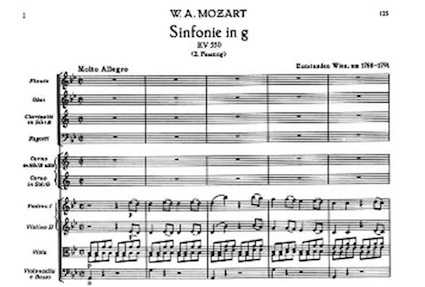
モーツァルトの交響曲第40番聴き比べ
勉強を一休みしてコーヒーを呑みながらブルーノ・ワルター指揮・ウィーンフィルの演奏、1952年の録音でモーツァルトの交響曲第40番・K550を聴いた。ところが第1楽章のあの耳慣れた冒頭部分、ヴァイオリン1・2が入って3小節目の最初の2音。ミレレー ミレレー ミレレー↑シ ーのレー↑シー(この、シ、すごいなー)。ここにはレガートが付いている。そして次いで4分休符。(楽譜画像参照) この2音の演奏・・・というか、音質に「おや?!」と思ったのだ。いままで何度も何度も聴いてきた40番なのだが、このワルター&ウィーンフィルの1952年録音の響きは聴いた事がないぞ、と。 もう一度初めから聞き直してみた。二度三度聞き直してみた。やはり私は今まで聴いた事がなかった響きだった。それは、何と言ったらよいだろう・・・、つまりレガートが良く効いて、なめらかで優しいのである。しかもMolto Allegro (非常に楽しく速く)と指示が書かれている。 交響曲40番はどこか悲劇性があり、しかも次第に疾走感が出て来る。私はそのように感じて来た。それはいま述べた レー↑シー のシの音に表わされている。このたった1音に。私がすごいと思うのはこれだ。 私がこれまで聴いて来た多くの指揮者と交響楽団の演奏は、ほぼ最初から悲劇的な予感をはらんでいた。私はそのように感じて来た。私は楽器の演奏はなにひとつできないし、楽譜が読めるわけでもないので、私の耳と感覚だけが聴き取っていたに過ぎない。 それではワルター&ウィーンフィルのこの音盤の演奏が悲劇性がかもされないかというと、それは全然違う。 私はためしに、ブルーノ・ワルターがコロンビア交響楽団で演奏した1959年録音の40番を聴いてみた。問題のレガート付の2音は、もちろんレガートが効いてはいるけれども、1952年の音の響きよりやや強い。むしろ私が聞き慣れた響きといってもよい。 私は俄然興味がわいてきた。勉強の一休みどころではなくなった。次々と他の指揮者と交響楽団による40番を聴いてみることにした。 まずこちらもウィーンフィルだが指揮はウィルヘルム・フルトヴェングラー。1946年録音。いやー、テンポが早い。初めから疾走している。40番のテンポは平均して26分25秒から30秒だと思うが、フルトヴェングラーはなんと23分50秒だ。そして例の2音は私が聞き慣れた響きだ。 アルベルト・フォン・カラヤン指揮・ベルリンフィルの1978年録音は、24分10秒。聞き慣れた響き。 レオナード・バーンスタイン指揮・ボストン交響楽団は31分24秒。これはまた少し遅過ぎる。演奏が始まった途端に私はワルターとは別な意味で「おや?!」と思った。悪く言えば、ト・ロ・イ。 指揮者の名前はわからないが、ロンドン・モーツァルト・プレイヤーズの2008年のライヴは、やはり遅く28分10秒。私には、失礼ながら、あまり感心した演奏ではなかった。学生集団だろうか? というわけで他にもカール・ベーム指揮でベルリンフィルの演奏なども聴いてみたが、私にはやはり冒頭に述べたブルーノ・ワルター指揮・ウィーンフィルの演奏、1952年の録音は特別だった。 ブルーノ・ワルター指揮・ウィーンフィルの演奏、1952年の録音 ウィルヘルム・フルトヴェングラー指揮・ウィーンフィルの演奏、1946年録音 After taking a break from studying and drinking coffee, I listened to Mozart's Symphony No. 40, K550, conducted by Bruno Walter and performed by the Vienna Philharmonic, recorded in 1952. However, the first two notes of the third bar, including the familiar opening part of the first bar, violins 1 and 2. E5D5D5 E5D5D5 E5D5D5B5. This D5B5 (this, B5, amazing!). There is a legato here. And then a quarter rest. (Refer to the score image) The performance of these two sounds ... or rather, Ithought "Oh ?!" for the sound quality. I've listened toit over and over again, but I've never heard the soundof this Walter & Vienna Philharmonic recorded in 1952. I listened again from the beginning. I listened to ittwice or three times. After all it was a sound that I hadnever heard before. What should I say ... that is, legatoworks well, is smooth and gentle. Moreover, the in-structions are written as Molto Allegro (very fun and fast). Symphony No. 40 has some tragedy, and the feelingof running gradually comes out. I have felt that way.It is reflected in sound of B of its DB just I mentioned.To this one sound. This is what I think is amazing. The performances of many conductors and sympho-ny orchestras that I have listened to so far had a tragicpremonition from almost the beginning. I have felt thatway. I can't play any instrument, and I can't read thescore, so I was only listening to my ears and sensations. Then, if there was any tragedy in the performance of this record by Walter & Vienna Philharmonic, I felt acertain tragedy. I tried listening to Bruno Walter's 1959 recording No.40 performed by the Colombia Symphony Orchestra.The two notes with legato in question are, of course,effective, but slightly stronger than rhe 1952 sound.Rather, it sounds like I'm used to hearing it. I was suddenly interested. It's no longer a break forstudying. I decided to listen to No. 40 by the sympho-ny orchestra with other conductors one after another. First of all, this is also the Vienna Philharmonic, butthe conductor is Wilhelm Furtwängler. Recorded in 1946. Oh surprise, the tempo is fast. Mestro is running from the beginning. I think the tempo of No. 40 is 26minutes 25 to 30 seconds on average, but Mestro Furtwängler is a whopping 23 minutes 50 seconds.And the two sounds in the example are the soundsI'm used to hearing. The 1978 recording of the Berliner Philharmoniker,conducted bt Albert von Karajan, was 26 minutes and10 seconds. The sound I'm used to hearing. The Boston Symphony Orchestra conducted by Leonard Bernstein is 31 minutes and 24 seconds. This is also a little too late. As soon as the perform-ance started, I thought "Oh ?!" in a different sensefrom walter.To put it badly, Dull. I don't know the name of the conductor, but theLondon Mozart Players' 2008 live was still late at28 minutes and 10 seconds. Excuse me, but itwasn't a very impressive performance. Is it a studentgroup? That's why I also listened to the Berlin Philharmonicperformed by Karl Böhm, but to me the perfomanceof Bruno Walter and the Vienna Philharmonic, which Imentioned at the beginning, was special in 1952.Tadami Yamada
Apr 4, 2021
コメント(0)
-

俳優田中邦衛氏追悼
俳優田中邦衛氏が亡くなられた。享年88。(1932-2021) 多くの人に親しまれた俳優だと思うのでTV等のご活躍について私が述べることはない。しかし田中邦衛氏が1955年に劇団俳優座に入られて9年目の1964年、俳優座創立20周年記念・シェイクスピア生誕400年記念として東京・日生劇場での公演『ハムレット』に出演されたのを私が観ていることは述べておこう。田中氏は廷臣オズリックを演じられた。私はまた、同じく日生劇場公演『ファウスト』も観ている。このとき田中氏は ”杜の尾長猿・世渡り上手” という役だった。すでに映画「若大将シーリーズ」で「青大将」を演じられていたので、舞台でのちょっとコミカルな役も私はおもしろく見た憶えがある。(下に私の資料箱から上記の劇場パンフレットの画像を掲載) 田中邦衛氏が出演され、私が観た映画作品を記憶している限り列記して追悼いたします。人間の条件 1959 小林正樹監督第五福竜丸 1959 新藤兼人監督キクとイサム 1959 今井正監督悪い奴ほどよく眠る 1960 黒澤明監督椿三十郎 1960 黒澤明監督怪談 1965 小林正樹監督他人の顔 1965 勅使河原宏監督肉弾 1968 岡本喜八監督祇園祭 1968 山口鉄也監督御用金 1969 五社英雄監督人斬り 1969 五社英雄監督どですかでん 1970 黒澤明監督仁義なき戦い 1973 深作欣二監督鬼畜 1978 野村芳太郎監督野生の証明 1978 佐藤純彌監督五番町夕霧楼 1980 山根成之監督駅 STATION 1981 降旗康男監督居酒屋兆治 1983 降旗康男監督夜叉 1985 降旗康男監督化粧師 KEWAISHI 2002 田中光敏監督【若大将シリーズ】 大学の若大将 1961 銀座の若大将 1962 ハワイの若大将 1962 エレキの若大将 1965【追記】今井正監督作品『キクとイサム』は現在YouTubeで無料で観られる。田中邦衛氏のシーンはわずか3秒ほど。祭半纏の若者二人のうちの一人。劇団民芸と劇団俳優座の名優たちが大勢出演しているが、みなワンカットほど。 ちなみに私はこの映画を公開当時に八総鉱山で観た。製作年代が同じ頃の他の作品は会津若松市で観た。 今井正映画キクとイサム
Apr 3, 2021
コメント(0)
-
不動尊の里の辛夷(こぶし)
お不動に六辮白き辛夷かな 青穹(山田維史) 来ましたと墓に向かえば辛夷かな 喃語*にて指差すかなた辛夷かな 白無垢の衣脱ぎたり辛夷散る 緑差す白きかんばせ辛夷散る【*註】喃語(なんご):赤ん坊のまだ意味をなさない言葉のこと。亡母によると私が生後1年に少し前の春、祖母に抱かれながら「たかいたかい」と指差した彼方に辛夷が咲いていた。祖母が喜んだ初孫自慢の話。いや、おはずかしい。・・・そしていま、亡父母の墓へ向かう道筋に、樹高4メートルになろうかという、みごとな辛夷が咲いている。【Haiku】 Ofudō ni rokubén shiroki kobushi kana At the Temple of Acalanātha* Six petals white of which Magnolia flowers bloom Kimashita to haka ni mukaeba kobushi kana Saying "I came" To the grave, and on the road Magnolia flowers bloom Nango nitè yubisasu kanata kobushi kana Magnolia flowers bloom In the distance where the baby points In the babbling** Shiro-muku no koromo nugitari kobushi chiru Pure white clothes Are taken off, Magnolia flowers scatter Midori sasu shiroki kanbasè kobushi chiru A white face that is thin And transparent to green Magnolia flowers scatter【*Note】Acalanātha* also known as Fudōmyōō orFudōson in Japan is one of the Buddha. Meaning of thename is "No moving. Immobility". Word "acalanātha"is a Sanskrit.【**Note】According to my late mother, in the springshortly before I was one year old, magnolia flowerwere blooming over the place where I, a baby heldby my grandmother, pointed them saying "high, high".It was. A story about my grandmother boasting aboutme, a baby, as her first grandson. Hahaha. ... Andthere is a spledid magnolia that is about to reach ahight of 4 meters.Tadami Yamada
Apr 2, 2021
コメント(0)
-
エイプリル・フールだって? ははは
4月1日。エイプリル・フールだって? ははは、世の中、嘘が蔓衍しているじゃないか。いまさらウソを言っても、冗談にもならないだろうよ。ためしに「本当のこと」を言ってごらん。だれも信じないから。 ・・・信頼できることが何も無い。もしかすると「信頼」という言葉は死語になっているのかもしれない。世界がひっくり返ってしまった。これは「革命」だよ。そうさ、如何なる思想も哲学も必要なかったのだ。「嘘」が、それをやってしまったのだ。 ・・・人間社会は立ち直る? さあ、どうかねー。 April 1st. April Fool's Day? Hahaha, isn't there a lie in the world? It wouldn't be ajoke to lie anymore. Try saying "the truth". Because noone believes. ... There is nothing that can be trusted. Perhaps theword "trust" has become a dead word. The world hasturned over. This is a "revolution". Yes, we didn't needany thought or philosophy. The "lie" has done it. ... Will human society recover? Come on, how about it?Tadami Yamada さて、先日届いた宗教関係の学術書をひろげて勉強を始めた。しかし2,3ページ読むごとに本を閉じている。この大部の本の著者である学者の確かな文献渉猟、ならびに現存する原典蒐集への努力、そして内外の研究者にも目配りを欠かさず、彼らがおこなっていなかった当該問題への著者の探求成果が、開巻第一頁から私には判る。快哉を贈りたい。 だがしかし、当該問題とその周縁から世界的に拡張拡大してゆく問題に対する視点がまったく欠落している、と私は思う。その視点が欠落している限り、この研究は単なる既製文献の渉猟に過ぎなくなってしまう。 その視点とは何か? 人間には常に「相手」の存在があるということだ。宗教における重大な問題(と、私が考えるのだが)は、どのようにして「相手」を教義のなかに「ひっぱりこむ」かということ、あるいは密儀において「相手の常態」を変えてしまうかということである。その過程には宗教善もあるが、じつは宗教悪もまた存在する。私が観察しているのは宗教悪が教義の名のもとに「善」として形式化される事例である。 私はかつて故湯浅泰雄博士に親しくお話をうかがう機会を幾度も持つことができた。あるとき私は、「先生、宗教悪の側面を研究している学者はおりますか?」と尋ねた。博士は、「それはいませんねー。私は知りません」とおっしゃった。 (やはり!)と私は思った。そして、湯浅先生には申上げなかったが、私は心秘かに(宗教学は信じたい人が信じるために数千年間もやってきたのかもしれない)と思った。そして、はたしてそれが学問であろうか、とも思った。まっさらな人間の行末に、はたしてそれが役立つのだろうか? 「犠牲者」であるにもかかわらず、場合によっては「聖化」され、自らも人間としての実体を喪失して構造化された悪のなかで生涯を終わっているのではなかろうか? それが人間社会であるなら、人間を救済することとは、いったい何だ? 私は再び本を開く。読む。閉じる。懊悩する。4月いっぱいをこの書物を勉強するが、もしかすると私はこの学者に手紙を書くことになるかもしれない。 By the way, I started studying by the religious schol-arly book I received the other day. But every few pages Iclose the book. The author's quest for the issue, whichthe scholars who are the authors of most of books didnot do, without failing to hunt for solid literature, as well as to the existing collection of original texts, andto keep an eye on domestic and foreign researchers.The results can be seen by me from the first page ofthe opening volume. I want to give cheers with delight. However, I think that there is a complete lack ofperspective on the problem and the problems that areexpanding and expanding worldwide from the periph-ery. As long as that perspective is lacking, this studyis nothing more than a hunt for ready-made literature. What is that perspective? It means that human beings always have an "other party". A serious problemin religion (and I think) is howto "pull" the "other" intothe doctrine, or how to change the "normal" of theother in secret service. That is. There is religious goodin the process, but in fact religious evil also exists.What I am observing is the case where religious evil isformalized as "good" in the name of doctrine. I once had the opportunity to talk to the late Dr.Yasuo Yuasa many times. At one point I asked,"Professor, are there any scholars atudying the evilside of religion?" The professor said, "I don't have that.I don't know." (After all!) I thought. And I didn't tell Professor Yuasa,but I thought secretly (religious studies may have comefor thousands of years for those who want to believe).And I wondered if it was an academic discipline. Is itreally useful at the end of clean human line? Despitebeing a "victim", in some cases it was "sanctified" andlost its human substance and ended its life in a struc-tured evil? If it is a human society, what exactly is it to rescuehumans? I open the book again. Read. Close. I'm worried. Iwill study this book throughout April, but maybe Iwill write to this scholar.Tadami Yamada
Apr 1, 2021
コメント(0)
全27件 (27件中 1-27件目)
1


-
-

- 最近買った 本・雑誌
- MAQUIA(マキア)12月号も購入しました…
- (2026-11-02 07:00:04)
-
-
-

- ★ おすすめのビジネス書は何ですか!…
- あまりにも詳しすぎる!Jクラブ補強…
- (2026-11-09 21:05:28)
-
-
-
- この秋読んだイチオシ本・漫画
- Hanako(ハナコ) 2026年 12月号 お久…
- (2026-11-02 20:27:23)
-


