


2014年03月の記事
全13件 (13件中 1-13件目)
1
-
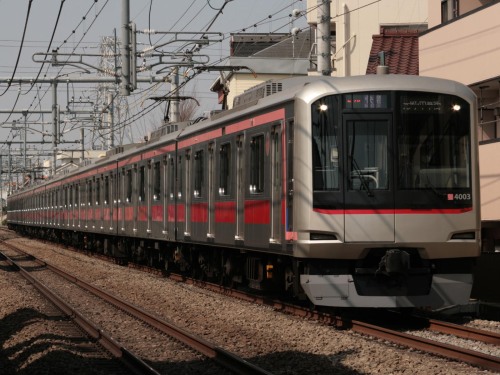
10両編成だった時の4103F
28日に東急4000系4103Fが8両編成に短縮されたが、以前に撮れたオリジナルの10両編成の4103Fの写真を再掲載。I would like to show you photographs of 4103F set of Tokyu Corporation 5050-4000 Series before being shortened to 8 carriages again.保谷~大泉学園間を走る4103F 2013(平成25)年3月17日 4103F running between Hoya and Oizumi-gakuen on March 17th, 2013石神井公園駅付近を走る4103F 2013(平成25)年3月17日 4103F running near Shakujii-koen Staiton on September 23rd, 2013改めて、4103Fが今になって8両編成に短縮されたことには驚いた。As I wrote before, I am really surprised at 4103F's coupling arrangement.
Mar 30, 2014
コメント(0)
-
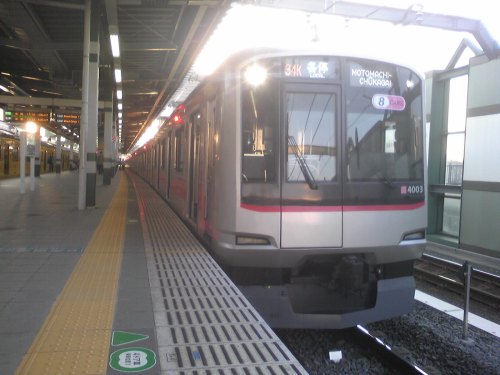
東急4103Fが8両編成に!!
28日、練馬駅で8両編成に短縮された東急4000系4103Fに遇った。東急4000系が8両編成に短縮されるのは、東京メトロ副都心線との直通運転開始以降初めてのことと思われる。現在4103Fは、4603号車と4703号車を抜いた8両編成で営業運転に就いている。同編成は副都心線直通開始以前にも、同様の8両編成で東横線での営業運転に入ったことがある。1月29日の事故で東京メトロ7000系7102Fが、2月15日の事故で東急5050系5155Fと横高Y516Fが使用不能となっている現状を見ると、5155Fの代走のために編成を組み替えたという見方もできる。On 28th, I saw 4103F set of Tokyu Corporation 5050-4000 Series, which is shortened to 8 carriages, at Nerima Station. It is first time that this unit is shortened since Tokyo Metro Fukutoshin Line going-through service started.In the present, 4103F set is in service with 2 middle carriages, 4603 and 4703, uncoupled. It was in service consisting of the same 8-carriage before the going-through service started.This carriage arrangement can be seen as one more 8-carriage unit needed instead of 5155F, damaged in an accident on February 15th.
Mar 28, 2014
コメント(0)
-
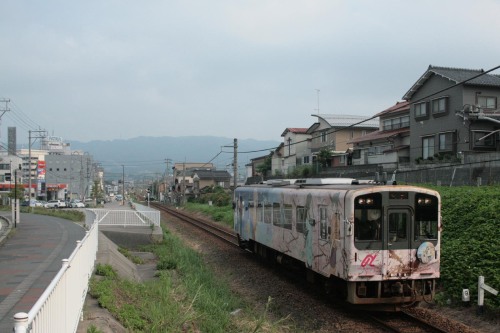
のと鉄道NT200形がBトレインショーティー化!!
「花咲くいろは」に登場したことで一躍注目されるローカル線となったのと鉄道のNT200形が、2014(平成26)年7月、Bトレインショーティーで登場!!「花咲くいろは」ラッピング車両と標準塗装車両の2両セットで、ラッピング車両はNT201号車・NT202号車の2種類が販売される予定。NT200 Series on Noto Railway, which attracted attention as the train appearing on "Hanasaku Iroha" anime show, becomes B-Train Shorty model in this coming July!!There are 2 types of product, each of which contains a decorative unit, NT201 or NT202, and a normal-coloured one. NT200形は2005(平成17)年に登場したのと鉄道の気動車。旧来のNT100形気動車に比べてエンジン出力を250PS馬力(183.9kw)から350PS馬力(257.2kw)強化したと同時に、車長を2m長い18.5mとすることで輸送力を増強した。実績はないものの、JR七尾線への直通運転が可能な設計となっている。塗装は黄色・灰色・白の3色が使われたNT100形に対して、青・灰色・白となった。2011(平成23)年、アニメ「花咲くいろは」にてNT200形が西岸駅と共に描かれ、一躍注目の的となった。登場後、2012(平成24)年にNT201号車が、2013(平成25)年にNT202号車が「花咲くいろは」のラッピング車両となり、出演声優陣による車内アナウンスも実施されている。NT200 Series debuted in 2005. Compared to the previous type, NT100, the carriage lengthened itself by 2 metres, 18.5m, and engine powered up to that with 257.2kw. Though not having been through, it has specification that can go through JR Nanao Line. Its body colour changed to blue, gray, and white from yellow, gray, and white.Since appearing on "Hanasaku Iroha" anime in 2011, Noto Railway have held some events tied up with this work to attract tourists, such as NT201 and NT202 becoming decorative train with an announcement by voice actresses.【Bトレインショーティー バンダイ BANDAI 鉄道模型 Nゲージ】予約【Bトレインショーティー】の...価格:1,512円(税5%込、送料別)【Bトレインショーティー バンダイ BANDAI 鉄道模型 Nゲージ】予約【Bトレインショーティー】の...価格:1,512円(税5%込、送料別)
Mar 26, 2014
コメント(0)
-
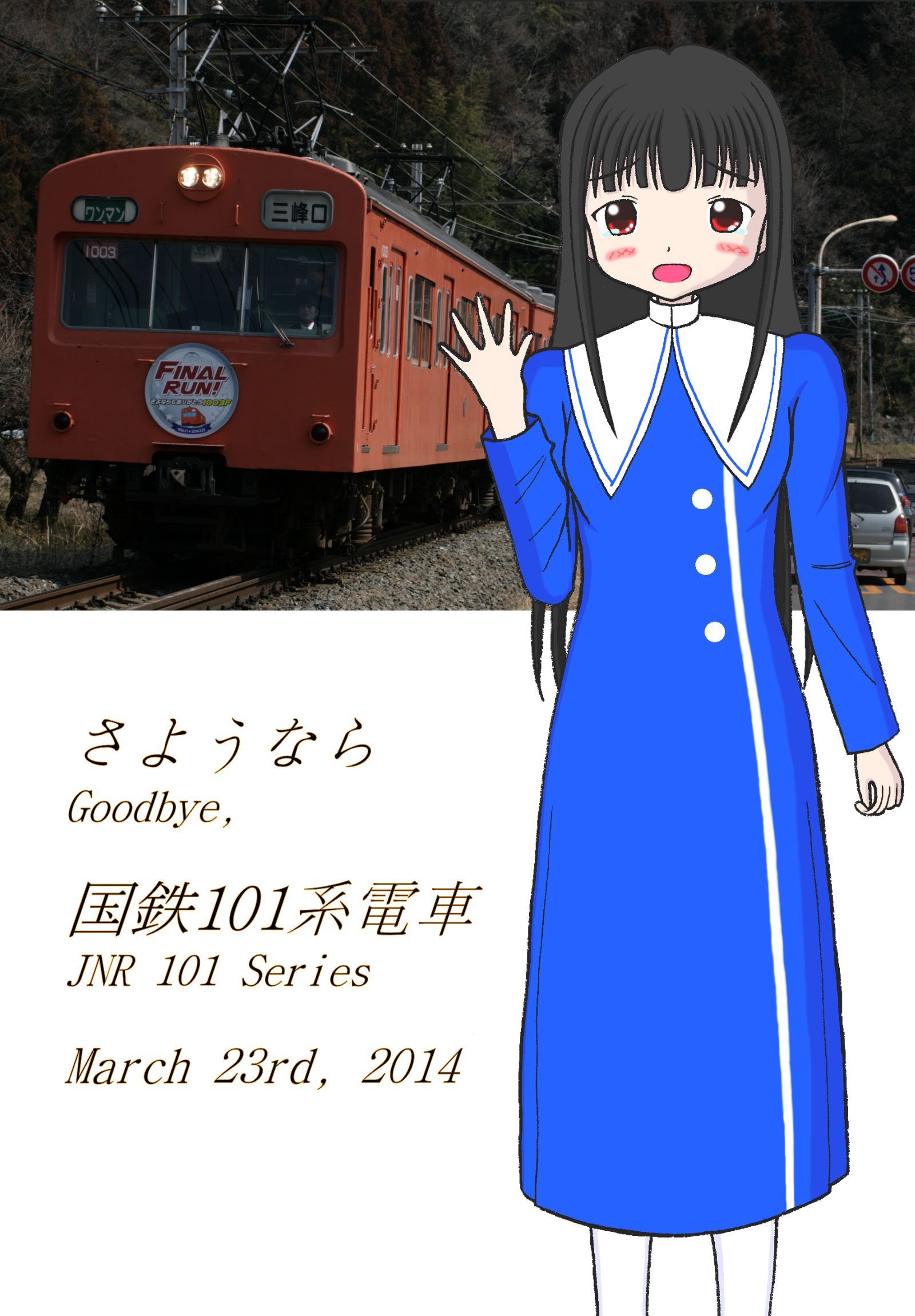
麗ちゃんも101系との別れを悲しむ
秩父鉄道1000系(国鉄101系)にさようならを言う麗ちゃんを描いてみた。毎年6月19日の誕生日以外で麗ちゃんを描くことはものすごく久しぶりになった。「初恋の人」105系訓練車に似ている低運転台の顔を持ち、中央線快速で見慣れたオレンジバーミリオン塗装で、日記でも鉄道博物館で展示されている車両の中では101系は好きだと書いてあったことから、麗ちゃんも101系への思い入れが強く、秩父鉄道で最後まで生き残った編成が姿を消すことに、寂しさを覚えているのではないのだろうか。麗ちゃんは毎年3月のダイヤ改正が近づくと、消え行く車両・列車への思い入れを日記に綴っていた。もしも日記が続いていたら、今年はきっと寝台特急「あけぼの」と最後まで秩父鉄道で生き残った101系のことを書いたに違いないだろう。実は、101系の中には麗ちゃんの「初恋の人」105系と同じ仙石線で活躍した車両もいた。この101系4両編成1本は、103系4両編成1本が105系2両編成2本へと改造されていた間の不足分の補充が目的だった。すなわち、仙石線101系は麗ちゃんの「初恋の人」の誕生の影で欠かせない存在だった。ちなみに仙石線101系の塗装も、豊田車両センターから貸し出された元武蔵野線用であったため、オレンジバーミリオンであった。国鉄初の「新性能電車」であり、今日の通勤型電車の礎を築いた101系の歴史的価値は計り知れない程であると言えよう。最後にもう一度、101系、57年間お疲れ様。I drew and painted Urara from "BabyPrincess" saying goodbye to Chichibu Railway 1000 (Japan National Railway 101) Series. It is first time to create her picture not for her birthday.She must be involved in 101 Series and feel sad about the retirement of the last remaining Chichibu Railway 1000 Series because of its look resembling 105 Series training carriage, called "first boyfriend", and the same orange colour as Chuo Line rapid service. She also wrote down her diary about a cab carriage of 101 Series exhibited at the Japan Railway Museum.She always used to write about the retiring rolling stocks before the timetable revision on March. If the diary lasts nowadays, She must write about overnight express "Akebono" and Chichibu Railway 1000 Series.4 carriages of 101 Series temporally ran on Senseki Line while a 4-carriage 103 Series converted to two 2-carriage sets of 105 Series, that is to say, 101 Series played an important role when her "first boyfriend" was being made. 101 Series on Senseki Line came from Musashino Line and orange-coloured as that belonging to Chuo Line rapid service.101 Series must be a monumental rolling stock as the first "New Specification Unit" building the base of commuter trains.Thanks for 57 years of 101 Series.鉄道コレクション 秩父鉄道1000系(1003編成) 復活オレンジ色3両セット[トミーテック]《発売済...価格:2,680円(税5%込、送料別)
Mar 23, 2014
コメント(0)
-
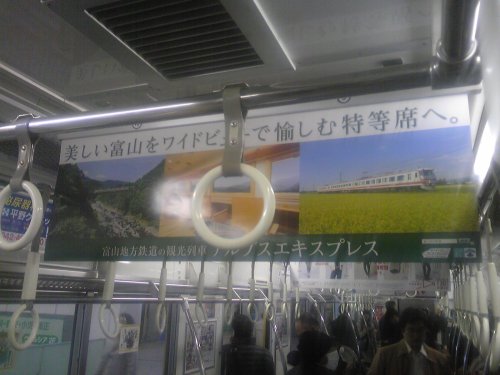
富山地方鉄道が西武電車で観光PR
18日、西武電車の車内と駅で富山地方鉄道のポスターを見た。北陸新幹線金沢開業を来年2015(平成27)年に控え、富山駅から立山方面、および黒部宇奈月温泉駅から宇奈月温泉方面への観光客誘致を狙っての観光PRキャンペーンを展開しているものと思われる。車内中吊り広告は、地鉄自慢の観光列車、10030形(元京阪初代3000系)「ダブルデッカーエキスプレス」と16010形(元西武5000系)の「アルプスエキスプレス」の2種類がある。元西武レッドアローの「アルプスエキスプレス」のポスターを、同車の”故郷”の西武鉄道の車両・駅で見られるようになるとは、なにか運命のいたずらのようなものを感じる。ON 18th, I saw posters of Toyama Regional Railway in a train and at a station on Seibu Ikebukuro Line.They are put for a campaign to gather tourists toward Tateyama and Unazuki Hot Spring before the open of Hokuriku Shinkansen in 2015.There are 2 kinds of train ad, one of them is 16010 Series "Alps Express" (former Seibu 5000 Series "Red Arrow"), and the other 10030 Series "Double-decker Express" (former Keihan first 3000 Series).I felt it is like a trick of fate to put posters on the home of "Alps Express".「アルプスエキスプレス」の中吊り広告 train ad of "Alps Express"「ダブルデッカーエキスプレス」の中吊り広告 train ad of "Double-decker Express"駅貼りポスター poster on station bulletin board
Mar 18, 2014
コメント(0)
-
国鉄101系電車の系譜を見る
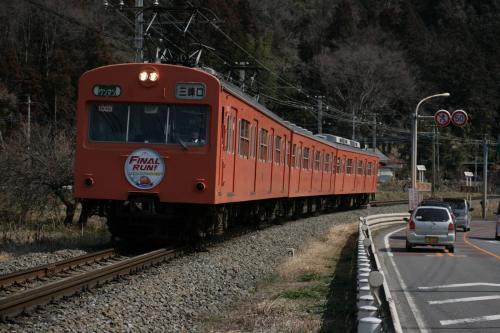
2014(平成26)年3月に引退する秩父鉄道1000系電車は、元国鉄101系電車である。今回は戦後昭和の日本の通勤電車の新時代を切り開いた101系電車の歴史を紐解いていく。101系電車は1957(昭和32)年に登場した、国鉄初の「新性能電車」。戦後の復興とその後の高度経済成長により、東京や大阪といった大都市圏で年々急増する国鉄電車の通勤輸送、特に中央線快速などの都心から郊外方面へとつながる路線において、需要に追い付くことができず、大きな改良を迫られていた。そこで「スピードが速く、乗り心地がよく、しかも性能のより高い電車」として1956(昭和31)年に計画された車両が101系である。カルダン駆動方式の採用など、旧来の車両とは抜本的に構造や性能が異なることから、「新性能電車」と呼ばれるようになった。塗装は「朱色1号」と呼ばれるオレンジバーミリオンとなり、「ぶどう色2号」の省線電車とは一線を画した。中央線快速=オレンジ色というイメージを作り出した車両こそ、この101系だったのだ。101系は当初、6両編成の基本編成と4両編成の付属編成の組み合わせで登場。10両全てがモーター付きの車両で加減速性能を向上させ、運行時分の短縮による輸送力増強を狙っていた。しかし101系に思わぬ不運がやってくる。10両全てをモーター付きとしたために、使用電力が変電所の限界を超えてしまうことが解り、性能を落としての運行を余儀なくされた。試験走行の結果、10両編成組成時で、10両全てモーター付きから、モーター付き6両、モーターなし4両(6M4T)に編成を組み替えることになった。その後は中央線快速をはじめ、大阪環状線、山手線(当時の車体色は黄緑色ではなくカナリヤ色)、中央・総武緩行線、京浜東北線、南武線、関西本線、片町線、桜島線、鶴見線、仙石線で活躍した。1980年代に入ると、201系や205系などの新型車両に置き換えられ、国電においては、中央線快速からは1985(昭和60)年、中央・総武緩行線からはJR化後の1988(昭和63)年に姿を消した。国電以外でも、南武線川崎~立川間で1991(平成3)年に、桜島線と鶴見線で1992(平成4)年に姿を消した。最後まで101系が残っていた南武線尻手~浜川崎間(浜川崎線)からも2003(平成15)年に姿を消し、国鉄・JRから101系が全て消えた。2007(平成19)年よりクモハ101-902が埼玉県・大宮の鉄道博物館にて展示されている。鉄道博物館に展示されているクモハ101-902 Kumoha 101-902 displayed in the Japan Railway Museum1985(昭和60)年からJR化後の1989(平成元)年にかけて、習志野電車区に所属していた車両を中心に、3両編成12本の36両が秩父鉄道へ譲渡され、同社では1000系を名乗っている。結果として、秩父鉄道1000系が最後まで残った101系となった。秩父鉄道1000系が注目されるきっかけとなったできごとが、前述のクモハ101-902の鉄道博物館での展示である。この直前より、「動く」101系が、博物館と同じ埼玉県内で見られる・乗れることを売りに、1000系の一部に国鉄時代に見られたオレンジバーミリオン、スカイブルー、カナリヤ色、黄緑色+前面黄色帯の各塗装が復活した。しかしこの時すでに新造から40年以上を経て老朽化が進んでおり、2009(平成21)年より東急電鉄から移籍してきた8500系(秩父鉄道7000系)と8090系(同7500系)に置き換えられることとなり、1000系の廃車が始まった。2014(平成26)年3月、国鉄101系の伝統色であるオレンジバーミリオン塗装を復活させた1003Fが、最後の最後まで現役で残った国鉄101系となった。1003Fの引退により、国鉄101系電車57年の歴史に幕が下りた。参考文献:鉄道ピクトリアル 2013年4月号 特集「101系電車」Chichibu Railway 1000 Series, retiring on this March, is old Japan National Railway 101 Series. This blog covers the historical commuter train, 101 Series.101 Series debuted in 1957 to solve the crowd, becoming more terrible as time went by, on the railway connecting metropolitan area and its suburb, such as Chuo Line. Its concept was "faster, more comfortable, and higher specification". Because of its innovation adoption such as cardan drive device, 101 Series was called "New Specification Units". The body was wholly painted orange, which was different from the older units and became the symbol colour of Chuo Line rapid service.The first set of 101 Series was made with 10 carriages (6+4, including 4 cab carriages), all of which were motored to improve the running performance to shorten the travellng time. However, an unluckiness struck; electric power substations couldn't supply enough electricity for 101 Series to show its ability to the fullest because of 10 motored carriages, so it had to slow down the performance. In consequence of result of the test run, 101 was rearranged the set to the one with 6 motered carriages when it consisted of a 10-carriage set.Then 101 Series spread to many lines in Tokyo and Osaka metropolitan area, such as Osaka Loop, Yamanote (yellow coloured on that time), Chuo Sobu local service, Keihin-tohoku, Nanbu, Kansai, Katamachi, Sakurajima, Tsurumi, and Senseki Lines.In 1980s, 101 Series started to be replaced by 201 Series and 205 Series. On railways in metropolitan area it retied from Chuo Line rapid service in 1985 and from Chuo Sobu Line local service in 1988 after National Railway's privatization. On other lines it did from Nanbu Line (Kawasaki - Tachikawa) in 1991 and from Sakurajima and Tsurumi Lines in 1992. The last remaining ones on Nanbu Line (Shitte - Hama-kawasaki) retired in 2003.From 2007 a cab carriage, Kumoha 101-902 in the first-made set displayed at the Japan Railway Museum in Omiya, Saitama Prefecture.12 sets of 101 Series, rearranged to 3-carriage, had moved to Chichibu Railway between 1985 and 1989, where it was renamed 1000 Series. As a result of the retirement from JR, they became the last remaining 101 Series. What cast a spotlight on 1000 Series was the regular exhibition on Kumoha 101-902 at the Japan Railway Museum. Since just before the museum's open 4 sets were repainted to the one in the JNR period, orange on Chuo Line rapid service, yellow on Chuo Sobu Line local service, light blue on Keihin-tohoku Line, and light green with yellow line on the front on Kansai Line and Chichibu Railway had sold itself as where JNR 101 Series regularly run.However, on that time, most of 1000 Series had passed over 40 years since their manufacture, so they started to be replaced by 8500 Series and 8090 Series from Tokyu Corporation (renamed 7000 and 7500). 1003F set, which was repainted to orange, the traditional colour of 101 Series since its debut, became the last remaining JNR 101 Series in a real sense.Reference: Railway Pictorial April 2013 issue "101 Series"
Mar 16, 2014
コメント(0)
-
1000系以外の秩父鉄道の車両
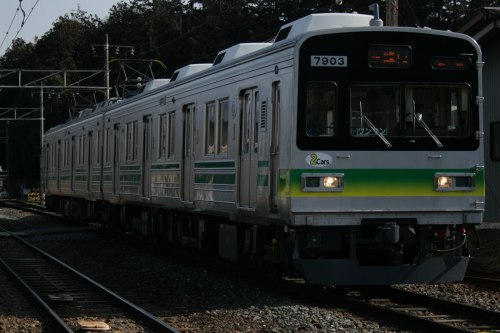
1000系以外にも秩父鉄道の車両が撮れたため、今回公開する。I would like to upload some photographs of trains on Chichibu Railway Line besides 1000 Series.7800系 7800 Series東急8090系の中間デハ車を先頭車化改造した2両編成。2013(平成25)年3月16日に営業運転を開始した、秩父鉄道では最新型。利用客が少ない時間帯の普通列車で主に使用されている。東急時代とは大きく異なるデザインの前面が特徴。2両編成であることを示す「2cars」のステッカーが付く。The latest model converted from intermediate carriages of Tokyu 8090 Series debuted on March 16th, 2013. This unit mainly runs as off-hour local trains.This unit has different front from that of the cab carriage of 8090 Series, and a "2cars" sticker is put on the front.6000系 6000 Series西武101系の改造車で、2006(平成18)年に登場した。急行「秩父路」号用車両として、3ドア→2ドア化、クロスシート化などの改造が施された。クロスシートは西武10000系で使用されていたもの(伊豆急行8000系のものと同じ)を再利用。西武101系は、1969(昭和44)年に西武秩父線の開業に合わせて登場した、山岳区間での高加減速性能を持たせた車両。6000系に改造された編成は、1979(昭和54)年以降に造られた「新101系」と呼ばれるタイプ。西武鉄道在籍時代にも、秩父鉄道への直通列車としての使用実績がある。The unit for "Chichibuji" express converted from Seibu 101 Series debuted in 2006. The main content of the conversion is reducing doors and changing seats from longitudinal to transverse, which used to be laid out in Seibu 10000 Series "New Red Arrow" (the same one as that of Izu Kyuko 8000 Series).Seibu 101 Series debuted in 1969 as the unit with high performance to be adaptable to Seibu-chichibu Line in the mountain area. The set converted to 6000 Series is the late model from 1979, which used to have run on Chichibu Railway Line before the transfer.7500系 7500 Series元東急8090系で、秩父鉄道入りは2010(平成22)年。1000系の置き換えを目的に譲り受けた。東急8090系は、1980(昭和55)年に東横線に登場した。コンピューターによる設計と軽量ステンレス車体の採用により、8000系と比べて1両あたり約2tの軽量化に成功した。1988(昭和63)年より大井町線に活躍の場を移し、2013(平成25)年まで活躍した。Former Tokyu 8090 Series coming in 2010 to replace 1000 Series.Tokyu 8090 Series debuted in 1980 on Toyoko Line. By computer design and adopting light stainless steel, this unit could lighten 2 tons than the former ones such as 8000 Series. It transferred to Oimachi Line in 1988 and had been in service until 2013.5000系 5000 Series元東京都交通局6000形で、秩父鉄道入りは2000(平成12)年。非冷房車であった2000系(元東急7000系)の置き換えを目的に登場した。東京都交通局6000形は1968(昭和43)年に都営三田線に登場した。日本の鉄道車両で初めて補助電源に静止型インバーターを採用した。三田線が当初、東武東上線との直通運転を想定していたため、東武8000系に合わせた高運転台構造とした。1999(平成11)年まで三田線で活躍し、秩父鉄道のほか、熊本電気鉄道やインドネシア・KRLジャポデタベックに譲渡された。Former Bureau of Tokyo Metropolitan Transportation 6000 Series coming in 2000 to replace 2000 Series which didn't have cooler.Bureau of Tokyo Metropolitan Transportation 6000 Series debuted in 1968 on Toei Mita Line. This unit first introduced inverter as auxiliary power unit. Because Mita Line planned to go through Tobu Tojo Line, the cab was elevated like Tobu 8000 Series. Some of the carriages also transferred to Kumamoto Electric Railway and PT. KAI Commuter Jabodetabek besides Chichibu Railway.デキ300形電気機関車 Class 300 electric locomotive秩父市の工場で生産されたセメントを輸送する貨物列車が走っていたことで知られていた秩父鉄道であったが、2006(平成18)年に廃止されてしまった。現在秩父鉄道の貨物列車の主力輸送品は、武甲山で産出された石灰石となっている。Chichibu Railway used to be known that freight trains transporting cement from Chichibu City was in service. However they completely ended in 2006. In the present, the freight train mainly transports limestone from Mt. Buko.7000系元東急8500系で、秩父鉄道入りは2009(平成21)年。東急8500系は1975(昭和50)年に田園都市線に登場した。翌1976(昭和51)年に東急電鉄の車両で初めてローレル賞を受賞した(秩父鉄道移籍後もローレル賞受賞のプレートが車内に見られる)。東急時代は10両編成時で8M2Tという強力な編成を組んでいた。Former Tokyu 8500 Series coming in 2009.Tokyu 8500 Series debuted in 1975 on Den-en-toshi Line. The next year it got Laurel Prize (after moving to Chichibu Railway the plate showing awarded the prize is put in its interior). When it was in service on Den-en-toshi Line in a set has 8 motored carriages a 10-carriage set.
Mar 9, 2014
コメント(0)
-
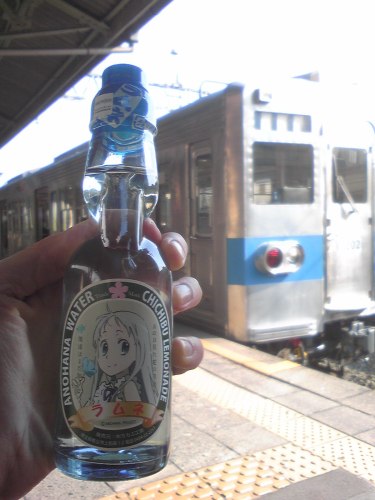
めんまちゃんラムネと元都営三田線の色合い
熊谷駅の売店で「あの花」ラムネを買って飲んだ。ラベルの絵柄が3種類あったが、僕はもちろんめんまちゃんが描かれたものを選んだ。ちょうど停車中だった5000系(東京都交通局6000形)を背景に1枚。透き通った青色の玉瓶が車両のステンレスの銀色と帯の青色と程よく調和しているように見える。At Kumagaya Station I bought a glass bottle of lemonade with a label on a illustration of "Anohana: the flower we saw that day" character. The label set 3 types but I chose the Meiko "Menma" Honma on it.I photographed the glass, which assort well with silver body and blue line of 5000 Series (former Bureau of Tokyo Metropolitan Transportation 6000 Series on Toei Mita Line).ちちてつe-shopでも販売中。
Mar 9, 2014
コメント(0)
-
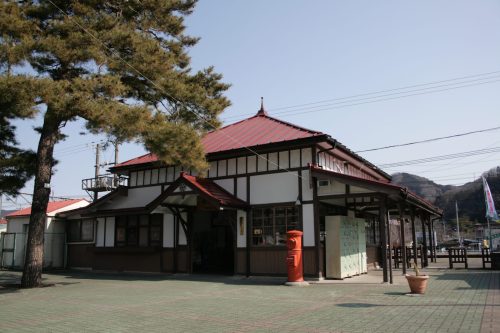
秩父の国電ラストラン
9日、今月に引退する秩父鉄道1000系を撮りに行った。秩父鉄道は先日の大雪の影響が心配されたが、2月26日までに全線が復旧し、3月3日より西武池袋線直通列車も運転再開し、平常どおりとなった。しかし全線での運転再開後、当の主役に不具合が見つかり、3月1日・2日両日は別の車両での運行となってしまった。6日に復旧を終え、8日より予定通りの運用で営業運転に復帰した。朝、池袋線・西武秩父線から秩父鉄道へと直通する西武4000系に乗って行くことに。この列車が走る西武西武秩父線横瀬駅から秩父鉄道御花畑駅への連絡線には乗ったことがなく、今回が初乗車の区間となる。終点の長瀞駅まで乗り、後続の列車に乗り換えて波久礼駅へと向かう。駅を降りたら樋口方へ戻るように線路沿いを歩く。波久礼~樋口間は秩父の緑を背景に走る列車が撮れることで有名な撮影地。次に向かった場所は大野原駅。ここで三峰口駅から折り返して来た列車を撮る。風光明媚さはないが三峰口方がカーブしているため羽生行き列車が撮影しやすい。早速1003Fに乗車した。僕が乗ったのは、2号車で元モハ101-118の1103。冷房改造されていない、オリジナルにもっとも近い姿を保っている車両である。昨年2013(平成25)年5月に乗った1109Fと1101Fに続いて、今回で秩父鉄道1000系最後の3本全てに乗ることができた。1003Fは、元クモハ100-133の1003、元モハ101-118の1103、元クハ101-62の1203の3両から成る。新製配置は、クモハとモハが池袋電車区、クハが津田沼電車区(後の習志野電車区)である。クモハとモハは1962(昭和37)年製で、最初に山手線で活躍し、1969年に津田沼に転属し、中央・総武緩行線で活躍した。クハは1965(昭和40)年製で、デビューから引退まで中央・総武緩行線から一度も離れることがなかった車両である。国鉄での最終配置は3両とも津田沼電車区で、1986(昭和61)年に秩父鉄道に譲渡された。2011(平成23)年8月25日より、前年に廃車となった1011Fに代わる2代目オレンジバーミリオン塗装となった。前述の通り、国鉄時代は山手線と中央・総武緩行線運用に充てられていたため、カナリヤ色(「黄色5号」)塗装だった(山手線に黄緑色のラインカラーが設定されるのは1963(昭和38)年の103系登場時からで、101系はカナリヤ色塗装だった)。そのため、国鉄時代は101系の伝統色であるオレンジバーミリオン(朱色1号)に塗装されたことが一度もなかったのだった。車内は国電時代を知る中高年世代から、それを知らない若者世代まで、多くの人々が乗っており、別れを惜しんでいた。僕は旅の道中、ロングシートに腰掛けたり、立って吊り革を握りしめたりしながら、昭和の「国電」の雰囲気を味わった。既にさまざまな箇所に年季が入った車内は、僕が幼いころに乗っていた東海道線の113系に似た、懐かしさを持っていた。今となっては縦揺れ、横揺れともに激しく、とても乗り心地がよいものとは言い難いが、101系が誕生した昭和30年代の人々にとっては、カルダン駆動などの新機軸の採用で、旧来の釣りかけ式の車両と比べて乗り心地が改善されたと感じたのではなかろうかと想像した。終点の羽生駅まで乗ろうと思っていたが、時間の都合で今回の乗車は熊谷駅まで。最後の最後に国鉄101系という日本の鉄道史に新たな1ページを刻んだ名車両に乗ることができて、よい思い出となった。参考文献:鉄道ピクトリアル 2013年4月号 特集「101系電車」On 9th, I went photographing Chichibu Railway 1000 Series, which is former Japan National Railway 101 Series and going to retire within the end of this March.Because of the heavy snow in this February, the train operation on Chichibu Railway Line had been suspended. On February 26th, it restarted along the entire line and the trains from/toward Seibu Ikebukuro Line also did from March 3rd. However, a new worry happened soon after the restart; 1000 Series got out of order. the operations by it planned on March 1st and 2nd were cancelled. Luckily, it could come back to the regular operation on March 8th.On the morning of that day, I travelled with a train going through Chichibu Railway Line to Nagatoro by Seibu 4000 Series, which was first time for me to go there without the transfer at Seibu-chichibu Station.Transferring at Nagatoro Station, I first went to Hagure where many photographers come because of the beautiful greenery against the railway.Where I went next was Onohara Station. I photographed it coming back from Mitsumineguchi. Though there was no beautiful scenery, the railway toward Mitsumineguchi curved, so it could be easy to photograph the sets from the front to the rear.I got on the middle carriage of it, 1103 (former Moha 101-118), which didn't have cooler and kept almost its original. I could all of the last 3 sets of 1000 Series, following 1009F and 1001F, by which I travelled in 2013.1003F set consisted of 1003 (Kumoha 100-133), 1103, and 1203 (Kuha 101-62). 1003 and 1103 were first built in 1962 and assigned to Ikebukuro train shed for Yamanote Line, then transferred to Tsudanuma (later Narashino) for Chuo Sobu Line local service in 1969. 1203 was built in 1965 and assigned to Tsudanuma since then. All of them transferred to Chichibu Railway in 1986.Since August 25th in 2011, the set changed its body colour to orange which is the same as Chuo Line rapid service train instead of 1011F set retiring in the year before. As already stated, because the 3 had been in service on Yamanote and Chuo Sobu Lines with yellow colour (the symbol colour of Yamanote Line set green in 1963), they haven't been coloured by orange, which is used since 101 Series first debuted in 1957, when they belonged to the National Railway.There were many passengers in the train from middle-agers who probably know when 101 Series running on National Railways to youngsters who don't know. During the travel, I felt the atmosphere of the old commuter train, which reminded me that of 113 Series on Tokaido Line when I was little, by sitting on the longitudinal seat and holding a strap.Due to heavy pitching and rolling it is difficult to say the ride quality was good, but I also felt persons in 1950s and 1960s had done 101 Series could have been better than the older ones for because of its new technologies such as parallel cardan driving device.I first planned to go Hanyu terminal, but I got off at Kumagaya. It became my memorable travel with a great historical unit, National Railway's 101 Series.Reference: Railway Pictorial April 2013 issue "101 Series"鉄道コレクション 秩父鉄道1000系(1003編成) 復活オレンジ色3両セット[トミーテック]《発売済・在庫品》価格:2,680円(税5%込、送料別)
Mar 9, 2014
コメント(0)
-
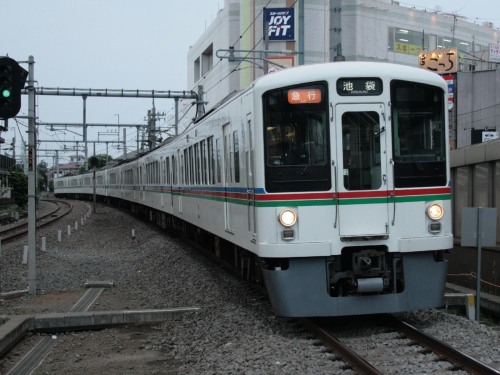
サーベラス 日本からの撤退を表明
西武鉄道の親会社、西武ホールディングスの筆頭株主として知られ、昨年2013(平成25)年一部路線廃止を含む経営再建策の浮上で世間を騒がせたアメリカの投資ファンド、サーベラス・キャピタル・マネジメント社が日本から撤退すると、7日発表があった。2014(平成26)年内中に西武ホールディングスの上場に合意していると報じられており、西武ホールディングスの保有株式も段階的に売却していく予定で、サーベラス社は2月に同社が保有する国際興業の全株式を売却したため、これによ同社が関係する日本国内における大型投資案件がなくなることから、日本企業への出資から撤退するのである。日本企業への出資から撤退する背景には、サーベラス社のアメリカ本社と日本法人の関係悪化も理由の1つだと言われている。昨年2013(平成25)年の西武ホールディングスの株主総会で、同社の上場をめぐって対立が表面化したときには日本法人の幹部が出席していたが、西武ホールディングスの上場時期の合意と、国際興業の資本参加からの撤退を決めたのはアメリカの本社だったといわれている。何はともあれ、2006(平成18)年の経営再建スタートから8年、西武鉄道がサーベラス社の資本参加を受け、上場に向けて紆余曲折を経てようやく再上場とサーベラス社の経営からの撤退という1つの大きな転機を迎えることとなり、一時はサーベラス社が経営への影響力を強め、国際興業の時と同様に優良資産売却による再建を進め、西武秩父線や山口線などが廃線になってしまうのではという危機感もあったものの、ようやく決着が付いたことに、僕は安堵している。On 7th, Cerberus Capital Management, which is known as the biggest shareholder of Seibu Holdings, the parent company of Seibu Railway, announced that it is going to withdraw from the investment to Japanese Companies.An online article of Business Journal reported that Cerberus and Seibu Holdings agreed Seibu's relisting within 2014 and gradual sale of Seibu's share Cerberus owns. As a result of it, there will be no big investment business in Japan due to sale of all shares of Kokusai Kogyo by this February.Behind the withdrawal, the conflict between U.S. Headquarters and Japan Branch is brought to light. Staffs belonging to Japan attended to the board of Seibu Holdings last year, but it is said that who agreed the date of relisting of Seibu Holdings and withdrawal from participation in investment to Kokusai Kogyo was the Headquarters.At any rate, since the Seibu Railway's reconstruction started in 2006 with the financial cooperation by Cerberus, both 2 companies took 8 years of twists and turns and achieve one of their big chances to relisting of Seibu Holdings and gradual sale of all shares Cerberus owns. I feel relief to the end of the reconstruction war because there was a sense of danger that the abolishment of some railway lines, such as Seibu-chichibu Line and Yamaguchi Lines, like the sale of Kokusai Kogyo's prime assets. ビジネスジャーナル 「“ハゲタカ”サーベラスが日本に残したものとは?日本撤退の裏側と西武HD上場の行方」 2014年3月7日
Mar 7, 2014
コメント(0)
-
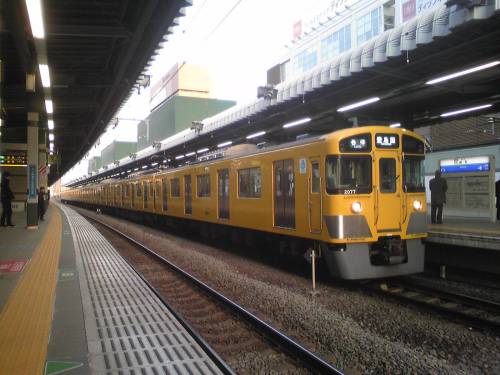
2077Fに遭遇
2月24日にフルカラーLEDの行き先表示が復活した西武2000系2077Fに、7日、練馬駅で遭遇した。この時は各停豊島園行きの運用に就いていた。今回のフルカラーLED交換で、池袋線でもフルカラーLEDの2000系リニューアル車が日常的に見られるようになる日も近く来るのことを願いたい。On 7th, I met 2077F set of Seibu 2000 Series, with which I also had travelled on February 24th, at Nerima Station. On that time it was in service as a local train for Toshimaen. I wish the change of 2077F's destination indicators triggers spreading full colour LED to most of refurbished 2000 Series on Ikebukuro Line.
Mar 7, 2014
コメント(0)
-
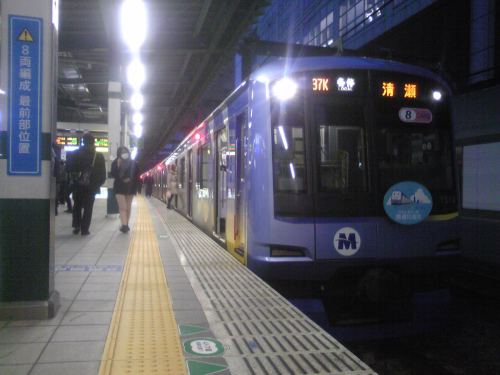
Y512Fは楕円型
4日、練馬駅で横浜高速鉄道Y500系Y512Fに遭遇した。先日見たY511Fと同様にみなとみらい線10周年ヘッドマークを付けていたが、デザインは同じものの、Y512Fのものは楕円型をしていた。On 4th, I met Y512F set of Yokohama Minatomirai Railway Y500 Series at Nerima on Seibu Ikebukuro Line. As Y511F set has a front sign for 10th anniversary of Minatomirai Line, so Y512F does the one with the same illustration, but Y512F's one is oval.
Mar 4, 2014
コメント(0)
-
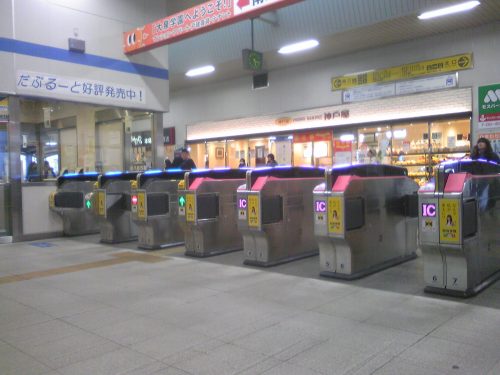
新運賃対応!? 増える新型自動改札機
3日、大泉学園駅の自動改札機が更新されているのを確認した。Suica・PASMOなどのIC乗車券を利用する場合に限り、1円刻みとなる新運賃が、消費税増税に伴い来る4月1日より導入されることに対応するためと思われる。この改札機は上部のライトで切符・IC乗車券両対応か、IC乗車券専用かが一目で解るようになっており、青が切符・IC乗車券両対応、ピンク色がIC乗車券専用となっている。また表示装置もフルカラーLEDとなり、進入禁止マークも白線がこれまでの非表示ではなく白色で表示できるようになり、IC乗車券専用を表す「IC」の文字もピンク色で表示される。On 3rd, I found ticket gate devices were upgraded, maybe for the new fare from April 1st.If you use an IC stored fare card such as Suica and PASMO, etc. only, the new fare will be calculated without rounding up and down based on the nearest yen which is divisible by 10. In addition, these new devices have lights to tell you weather both paper ticket and IC cards (blue) available or IC cards only (pink), and the indicator weather you can go into or not becomes full colour LED, which can indicate white line of DO NOT ENTER sign and "IC" for those for IC card only does with pink letter.
Mar 3, 2014
コメント(0)
全13件 (13件中 1-13件目)
1


-
-

- 『眠らない大陸クロノス』について語…
- 三ペン神(完)
- (2026-04-27 04:29:39)
-
-
-
- 気になる売れ筋おもちゃ・ホビー・ゲ…
- おそろいぬいぐるみ
- (2026-05-13 20:32:44)
-
-
-

- がんばれ!地方競馬♪
- 5/16高知・佐賀の1点勝負
- (2026-05-15 22:42:24)
-


